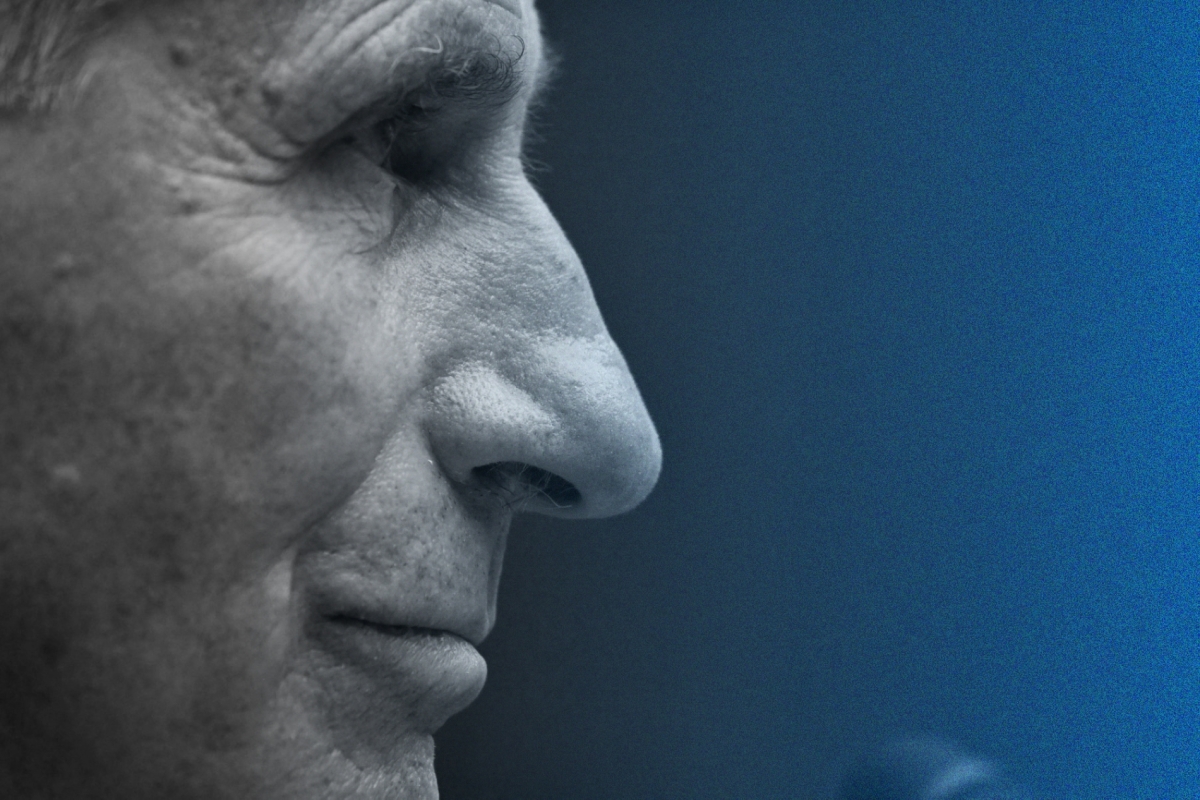
Anthony Fauci and the politics of expertise

America’s foremost authority on infectious diseases has been held in contempt for refusing to answer Congressional questions in a session led by one of his fiercest critics. What are the implications?

Dr. Anthony Fauci, former director of the National Institute of Allergy and Infectious Diseases, testifies during a House Select Subcommittee on the Coronavirus Pandemic hearing on Capitol Hill, in Washington, DC, on 3 June 2024.
Jim WATSON / AFP
Dr. Anthony Fauci, former director of the National Institute of Allergy and Infectious Diseases, testifies during a House Select Subcommittee on the Coronavirus Pandemic hearing on Capitol Hill, in Washington, DC, on 3 June 2024.

Anthony Fauci and the politics of expertise

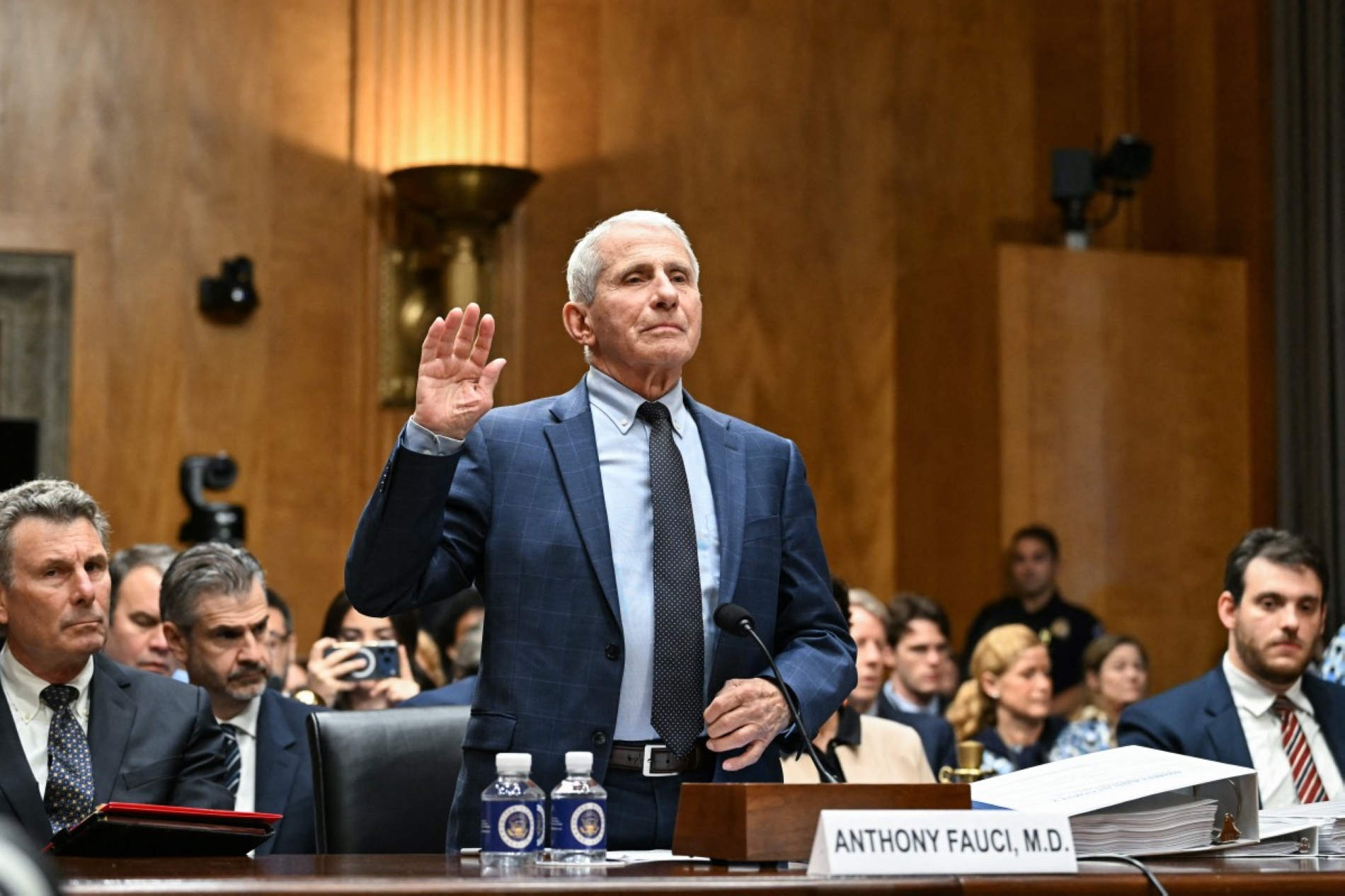
On 29 July 2026, Anthony Fauci returned to Capitol Hill in circumstances strikingly different from those in which he became known. For many, Fauci was the face of America’s response to the Covid-19 pandemic from early 2020. Last month, the 85-year-old physician, immunologist, and former director of the National Institute of Allergy and Infectious Diseases (NIAID) appeared before a US Senate Committee where he repeatedly invoked his Fifth Amendment right against self-incrimination and declined to answer questions about the federal response to the pandemic.

The Committee on Homeland Security and Governmental Affairs hearing was led by Republican and libertarian Senator Rand Paul of Kentucky, who is also a physician and a long-standing critic of Fauci. Paul has accused Fauci of misleading Congress over federally-funded research linked to the Wuhan Institute of Virology and failing to preserve government records. Days after Fauci’s appearance, the committee voted along party lines to advance a contempt resolution.

The confrontation was the latest instalment in Fauci’s political experience. He has spent decades advising presidents from both parties, having joined the National Institutes of Health (NIH) in 1968, when Rand Paul was five years old. He became director of NIAID in 1984 and remained in post for an astonishing 38 years.

The AIDS crisis led to his first experience of Congressional hearings, federal budgets and negotiations with activists who accused the government of responding too slowly to the epidemic. He developed relationships with campaigners and supported their greater involvement in developing and testing treatments.

He was not party political. Republican President George H. W. Bush twice approached him about becoming NIH director and still sought his advice after he declined. George W. Bush later asked Fauci to devise the President’s Emergency Plan for AIDS Relief (PEPFAR), launched in 2003 to expand HIV treatment and prevention in heavily affected countries. Fauci participated without being partisan.

Underlying that adaptability was a firm idea of where scientific authority should end, and politics begins. In a 1998 NIH oral history, Fauci distinguished routine negotiation over research priorities and funding from politicisation that interfered with scientific judgement, saying that after three decades at the institution he had never been pressured to support a position he considered scientifically unsound.

His experience reflected a much older tension in US government that historian Richard Hofstadter identified in the rise of the professional expert, whose specialised knowledge brought growing influence alongside democratic suspicion of authority concentrated in an educated elite. Fauci, the professional expert, had spent much of his career navigating this uneasy relationship, occupying a powerful position within government while grounding his credibility in the independence of scientific advice.
KAREN DUCEY / AFP
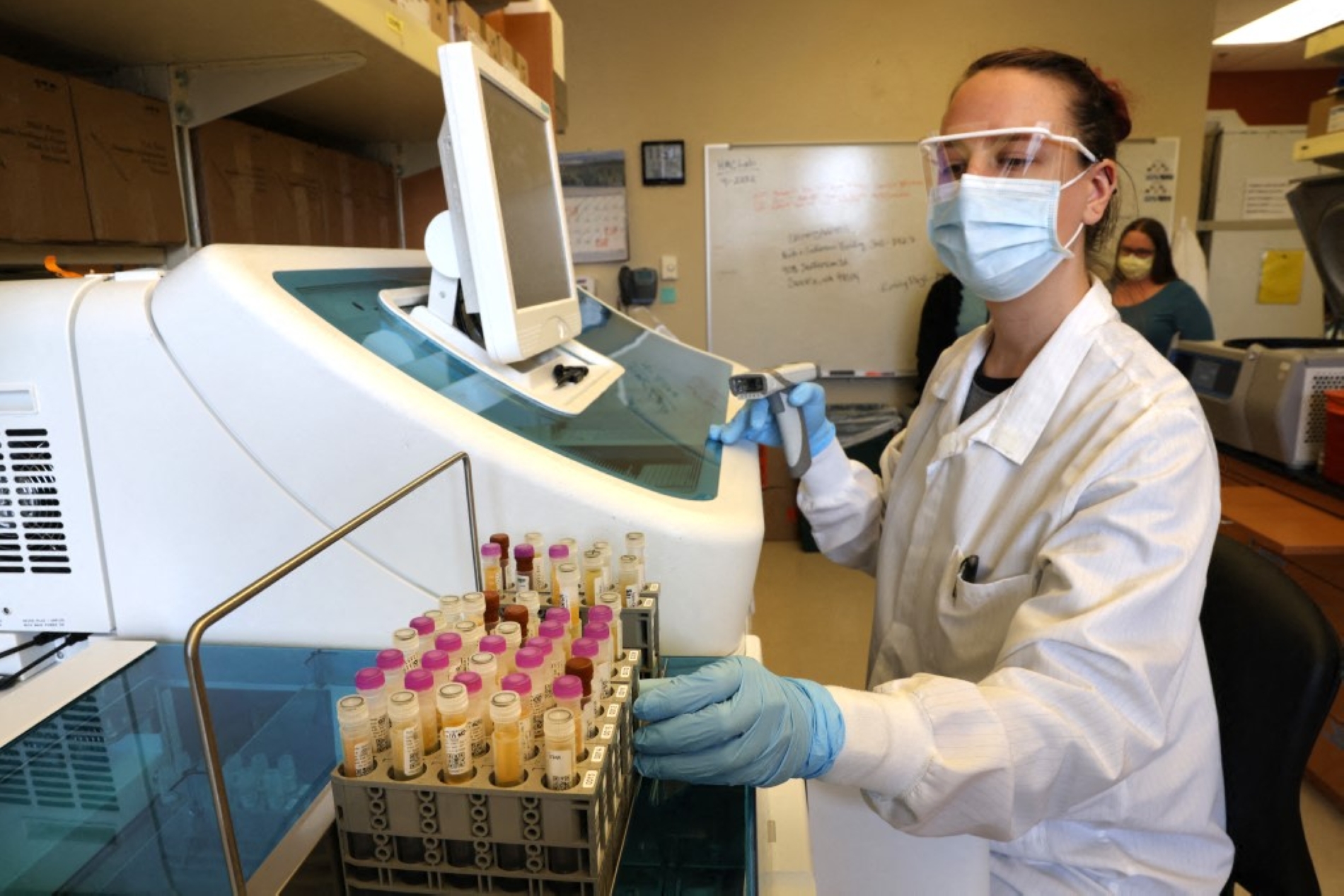
A medical laboratory scientist tests serology samples from the Novavax phase 3 Covid-19 clinical vaccine trial at the UW Medicine Retrovirology Research Lab at Harborview Medical Centre on 12 February 2021, in Seattle, Washington.

Communicating uncertainty

Covid-19 tested that model under unprecedented conditions. Scientific knowledge developed rapidly as governments made decisions affecting education, industry, society and individual freedoms. Experts had to communicate uncertainty, as evidence alone could not determine how elected officials should balance public health against competing social and economic priorities.

That separation became harder to preserve as Fauci assumed a prominent role in the US government’s response to the pandemic and repeatedly found himself at odds with President Donald Trump. His task was no longer confined to protecting scientific judgement from political interference. The boundaries of expert advice and the weight it should carry in government decisions were now politically contested.

Fauci initially retained considerable public confidence despite emerging partisan divisions. A study during the 2020 presidential campaign between Trump and Democratic challenger Joe Biden found that Fauci’s endorsement of a Covid-19 vaccine increased confidence in its safety and willingness to receive it across political groups, with a much stronger effect among Democrats.

As disagreements over the pandemic response were debated in the campaign, the credibility that gave Fauci’s advice unusual reach also made his personal authority a political factor. Responses to his advice increasingly depended not only on scientific evidence but on political identity. Changes in scientific guidance added to the problem as understanding of the virus developed.
The Senate committee obtained emails in which Fauci twice told colleagues to delete messages after reading them.

A focus on motive

In 2022, Fauci described Covid-19 as a moving target in which new findings could alter assessments made only weeks earlier. Scientific revision does not mean failure, but uncertainty can affect public trust when recommendations carry significant consequences. Fauci could not fully resolve doubts about how uncertainty had initially been communicated, leaving revised recommendations open to interpretation as signs that experts had been mistaken or opaque.

Criticism shifted from the accuracy of Fauci's advice to his motives and legitimacy. An analysis of anti-Fauci discourse found that attacks on scientists' motives were more prevalent than challenges to their knowledge. Experts were being portrayed as driven by politics or else serving interests removed from those of ordinary citizens.

Disputes over masks, vaccines, and personal restrictions made Fauci a symbol of wider debate about how much influence unelected scientific advisers should have over government policy. To some, it was anti-intellectualism. To others, it reflected an important democratic concern about the limits of expert authority: scientific expertise informs policy; it doesn't determine it. Holding Fauci's decisions and conduct to account falls within the remit of democratic institutions, but rejecting his expertise based on accusations of political alignment is something else.

ALEX WROBLEWSKI / AFP
Dr. Anthony Fauci testifies during a Senate Homeland Security and Governmental Affairs committee hearing on Capitol Hill in Washington, DC, on 29 July 2026.

From scrutiny to confrontation

The line between legitimate oversight and partisan rejection is central to the Congressional case Fauci now faces. In 2024 testimony, he denied deleting official records and defended NIH funding connected to work at the Wuhan Institute of Virology in China. Wuhan is where the Covid-19 virus originated, although its link to the institute has never been fully confirmed.

The Senate committee obtained emails in which Fauci twice told colleagues to delete messages after reading them, including an exchange concerning efforts to investigate the origins of Covid-19. Although they do not establish that Fauci deleted federal records, that the recipients complied or that he deliberately concealed information from Congress, Rand Paul says this nevertheless contradicts Fauci's testimony and therefore warrants further investigation.

A related controversy centres on gain-of-function research, a term broadly used for experiments that can alter an organism to give it new or enhanced properties, with a narrower definition applied within the relevant federal regulatory framework. NIH funding reached the Wuhan Institute of Virology through a sub-award to the US-based EcoHealth Alliance, a fact Fauci acknowledges.

He argues that the experiments did not meet that narrower definition when he denied that NIH had funded such research, but his critics apply the broader meaning based on the biological changes produced by an experiment, even when it falls outside the regulatory category. Still, Fauci's categorical public denials allow for misunderstanding about the nature of the work involved. It also exposed a vulnerability in his public position, as terminology precise within a regulatory framework could lose clarity when translated into a political context.

ALEX WROBLEWSKI / AFP
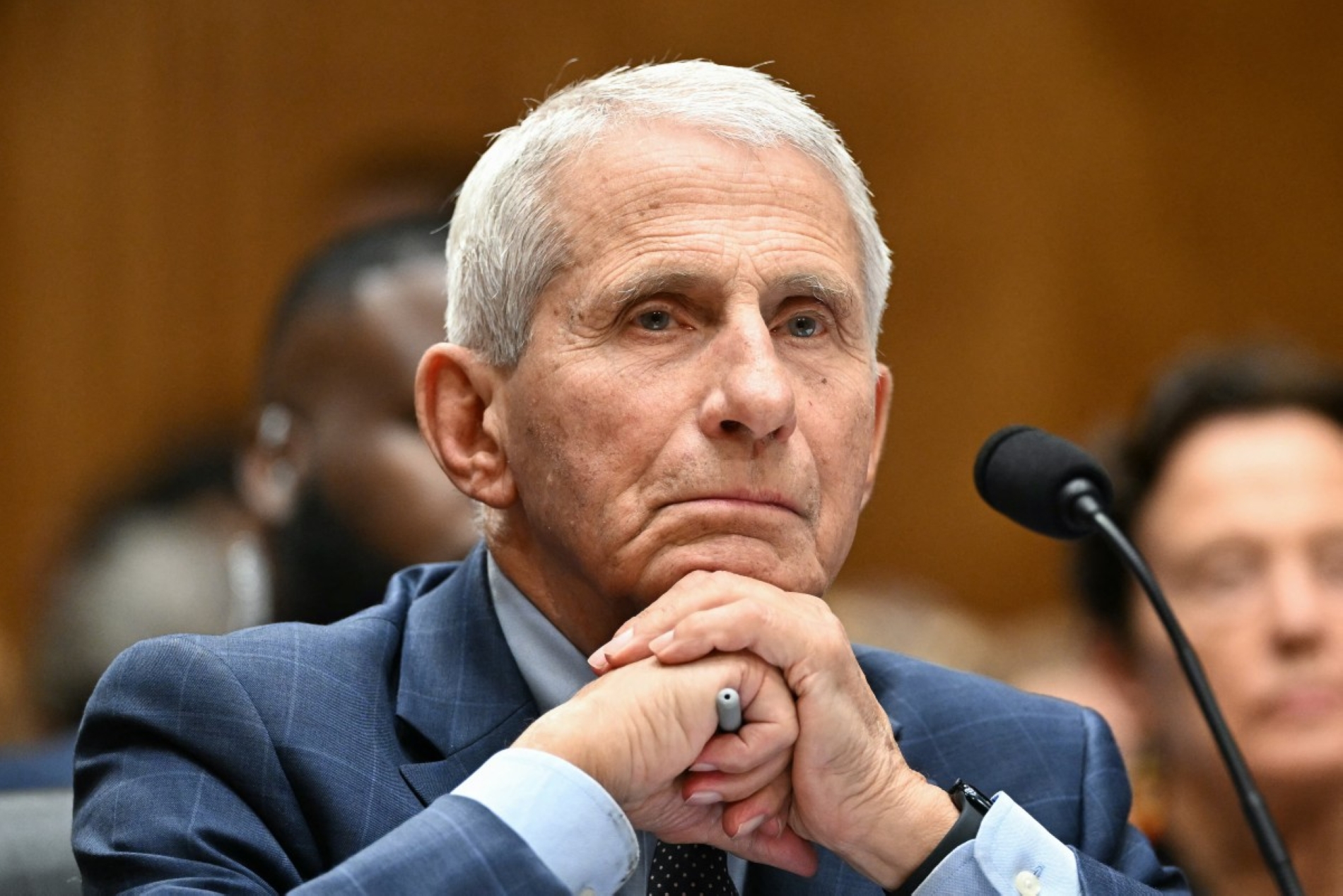
Dr. Anthony Fauci testifies during a Senate Homeland Security and Governmental Affairs committee hearing on Capitol Hill in Washington, DC, on 29 July 2026.

Perception problem

Fauci's significance came to exceed the controversies surrounding his own record. One study found that associating him with the Democrats could reduce Trump voters' trust in their own doctors, suggesting that attitudes towards one government official could shape perceptions of medical authority in general. Fauci had become a proxy for competing views of expertise, government, and institutional trust, entangling assessments of his conduct with the political identities attached to him.

The contempt proceedings bring his long career back to the tension that has come to define his public legacy. For decades, Fauci embodied a model in which permanent scientific officials could advise elected leaders, shape policy, and retain credibility as administrations changed. Covid-19 exposed the limits of that model once scientific advice became inseparable from decisions carrying profound social, economic, and political consequences.

Congress has a legitimate role in examining Fauci's testimony, communications, and exercise of public authority, though it must balance the risks of insulating experts from political review with the risk of treating expertise as partisan allegiance. His trajectory reminds us how democratic accountability can falter when judgements about evidence become inseparable from political perceptions of those who provide it.

font change