
When Rabbi Zvi Yehuda Kook died in 1982, he had never held political office, never led a party, and never sat in parliament. Yet few people shaped Israeli politics more.
He spent most of his life running a religious college in Jerusalem, teaching a small number of students an idea inherited from his father, which is that the founding of Israel was not merely a political event but a stage in a divine process, and that Jewish rule over the whole ‘land of Israel’ was a religious duty rather than a negotiable policy.
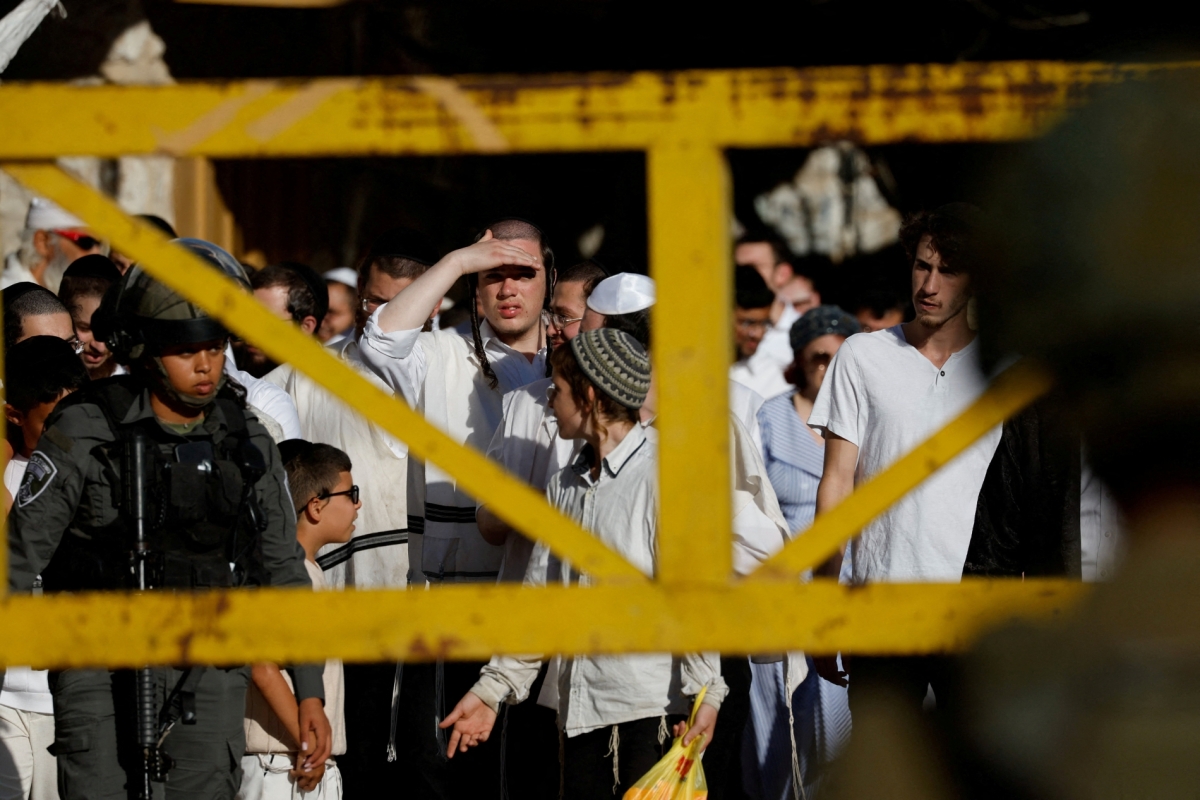
For decades, almost nobody outside that classroom was listening. Then Israel won the 1967 war, and his students walked out into a country that suddenly seemed to confirm everything they had been taught. They built the settlement movement. They became teachers themselves of the generations to become religious Zionists. The radical teachings outlived the teacher. Within a generation, it had reached the cabinet table.
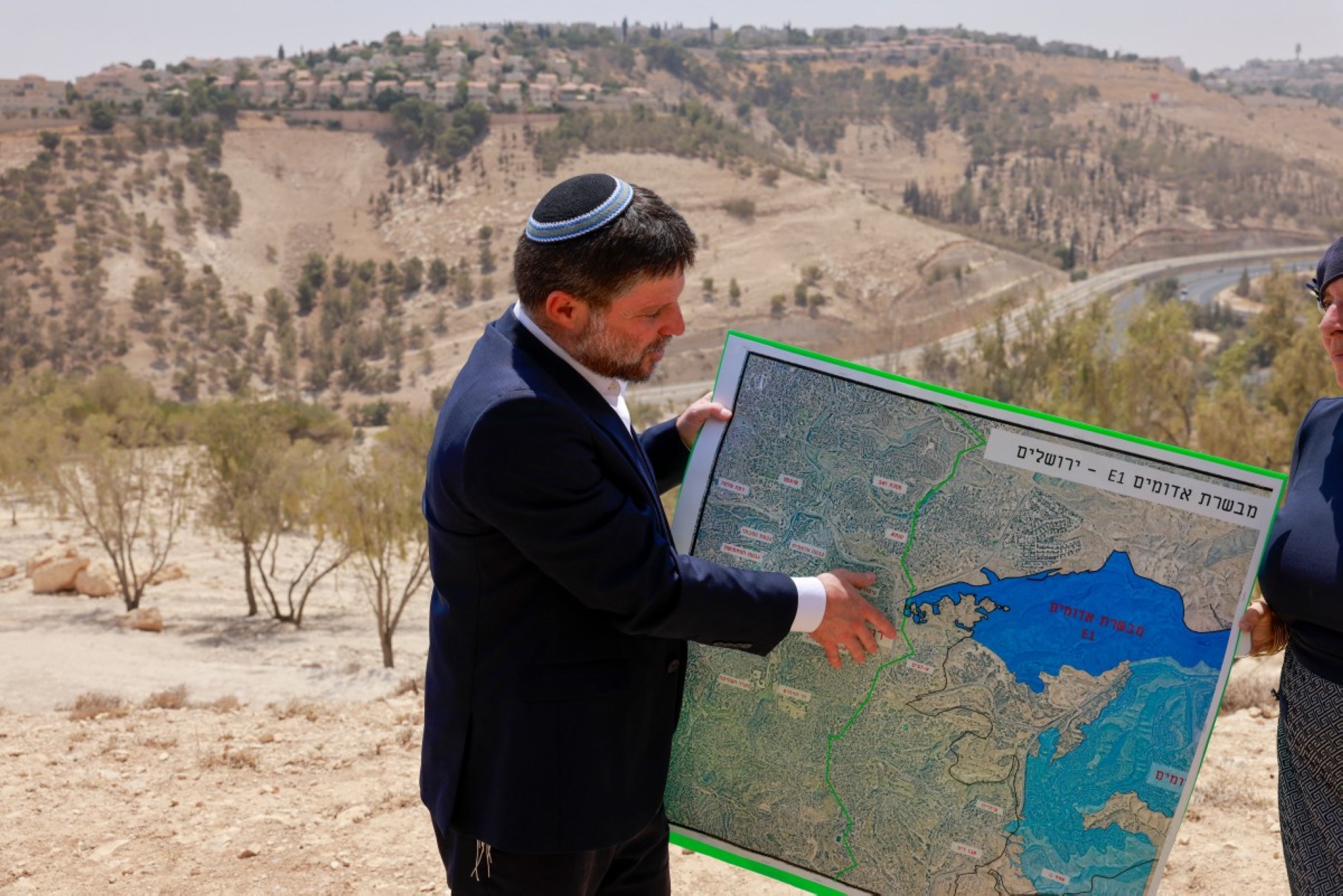
Today, the finance minister, Bezalel Smotrich, holds authority not only over the budget but over civilian administration in the occupied West Bank—a portfolio that executes settlement ideology as ordinary bureaucracy. He does not argue that annexation is expedient—he argues it is owed by a biblical right.
The heritage minister, Amichai Eliyahu, comes from rabbinic aristocracy. His grandfather was a former Sephardic chief rabbi—a major religious authority who publicly opposed the 2005 Gaza withdrawal. His father is a serving municipal chief rabbi who has drawn repeated censure for racist statements about Palestinian citizens of Israel.
What Eliyahu inherited is not a specific instruction but a standing: the assumption that religious authority has something binding to say about where the state may and may not withdraw.
This is what makes the present moment different. The radical position is no longer shouted from a hilltop caravan in the occupied West Bank. It is drafted, funded and executed by the incumbent government led by Benjamin Netanyahu. Religious Zionism won enough seats in 2022 that Netanyahu had no coalition without it.
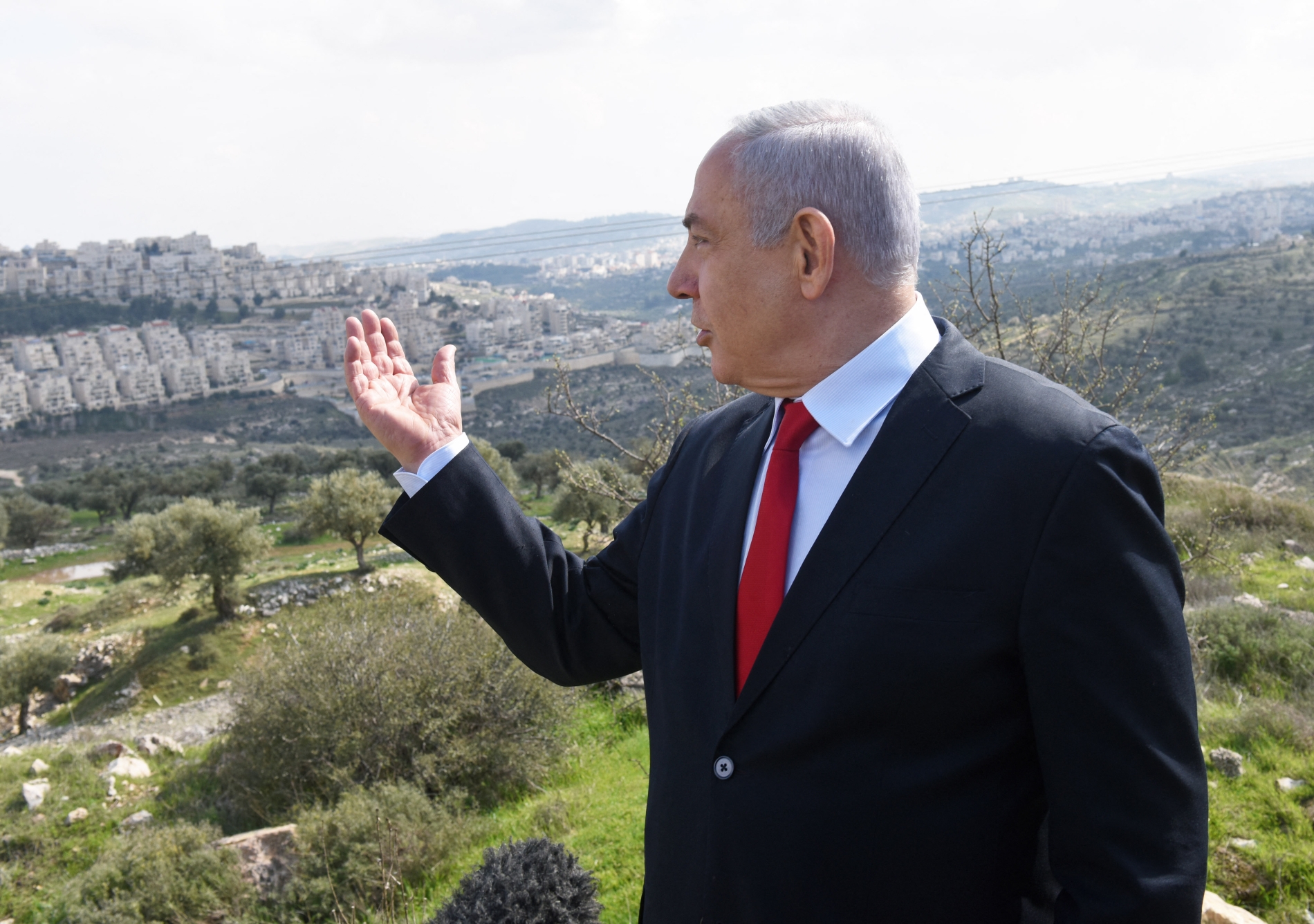
If you believe compromise is a sin, there is no argument that can change your mind. When people who think that way run ministries, the usual checks in a democracy—a court ruling, an election result, a cabinet vote—stop working as checks. They become obstacles.
Permeating force
Religious Zionism no longer needs the ministries to hold its ground. Its assumptions have permeated into the wider culture—into what schools teach, what soldiers are told they are defending, and what ordinary Israelis feel able to say out loud. The shift is subtle but decisive: positions once identifiably "religious" are now simply "patriotic", and disagreeing with them is read less as dissent than disloyalty.
Eliezer Don-Yehiya, the late professor of political studies at Bar-Ilan University and one of the foremost scholars of religion and politics in Israel, left behind important academic literature about how a small group of religious Zionists came to speak politically for a much larger one.