Abdul El-Seyed: the progressive Michigander who beat the pro-Israel lobby

Come November, the Egyptian-American epidemiologist could become the first Muslim-Arab senator in US history, despite $70mn spent to defeat him in the Democratic primary

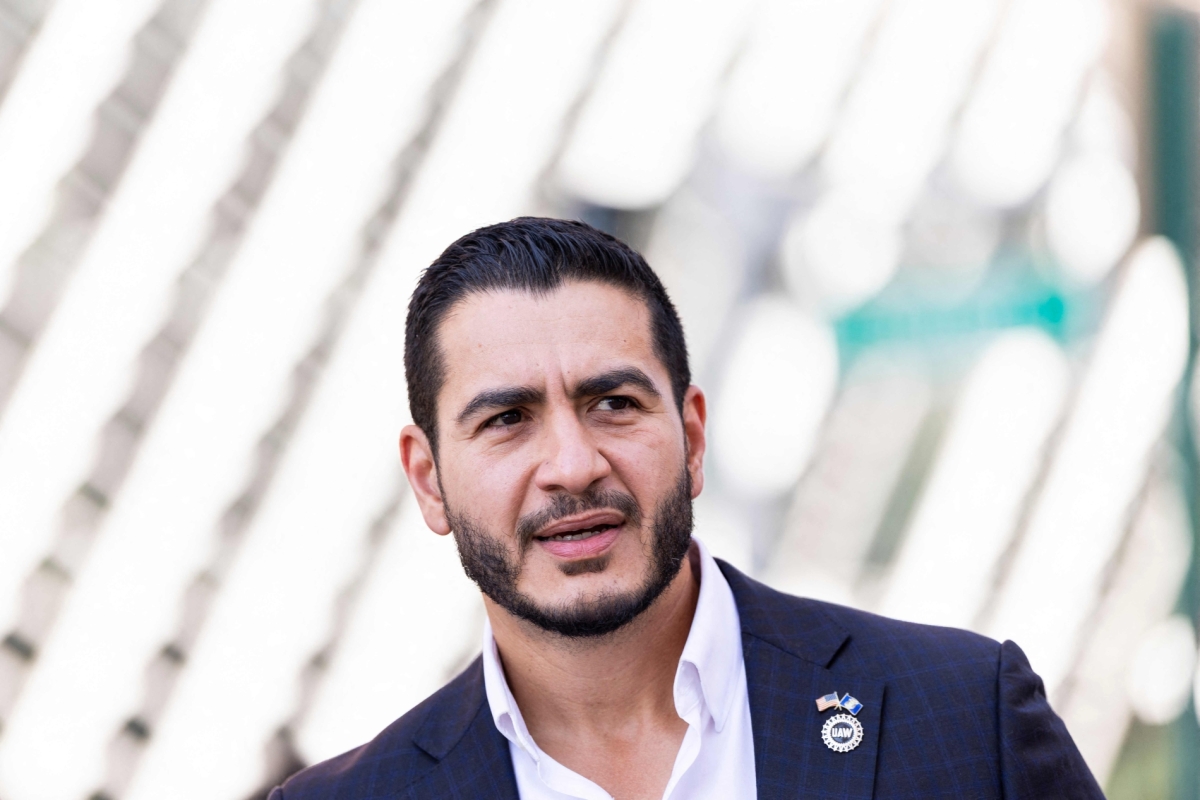
Michigan Democratic Senate primary winner Abdul El-Sayed arrives at a press conference in front of the Spirit of Detroit statue on 5 August 2026, in Detroit, Michigan.
Finn Gomez/AFP
Michigan Democratic Senate primary winner Abdul El-Sayed arrives at a press conference in front of the Spirit of Detroit statue on 5 August 2026, in Detroit, Michigan.

Abdul El-Seyed: the progressive Michigander who beat the pro-Israel lobby

After a bruising campaign in which the traditional Democratic establishment and its allies among Jewish and pro-Israel lobbying organisations spent tens of millions of dollars supporting their preferred candidate, Congresswoman Haley Stevens, a 41-year-old Egyptian American epidemiologist, Abdulrahman Mohamed El-Sayed, widely known as Abdul El-Sayed, emerged victorious. His win secured the Democratic nomination for the forthcoming United States Senate election, in which he will face Republican Mike Rogers. If he wins in November, he would become the first Arab-Muslim senator in US history.

El-Sayed faced an extensive and relentless advertising campaign on Stevens’s behalf, with total spending reaching $70mn. Pro-Israel Jewish lobbying groups and senior Democratic figures poured money into the race for months. Michigan’s highly popular governor, Gretchen Whitmer, and Gary Peters, the retiring senator whose seat is being contested, also endorsed Stevens in a final attempt to halt El-Sayed’s advance.

For their part, leading figures of the progressive left closed ranks behind El-Sayed. Senator Bernie Sanders, Senator Elizabeth Warren, New York Congresswoman Alexandria Ocasio-Cortez, Minnesota Congresswoman Ilhan Omar and Michigan Congresswoman Rashida Tlaib joined him on the campaign trail, travelling through several of the 12 counties in which the electoral battle was fought.

Apart from El-Sayed's win, the Democratic primaries in Michigan yielded further victories for progressives over candidates backed by the party establishment. The liberal Donavan McKinney defeated Congressman Shri Thanedar, one of the most outspoken advocates of continued United States military support for Israel. Thanedar joined five other members of Congress defeated by progressive challengers, three in Texas and two in New York.
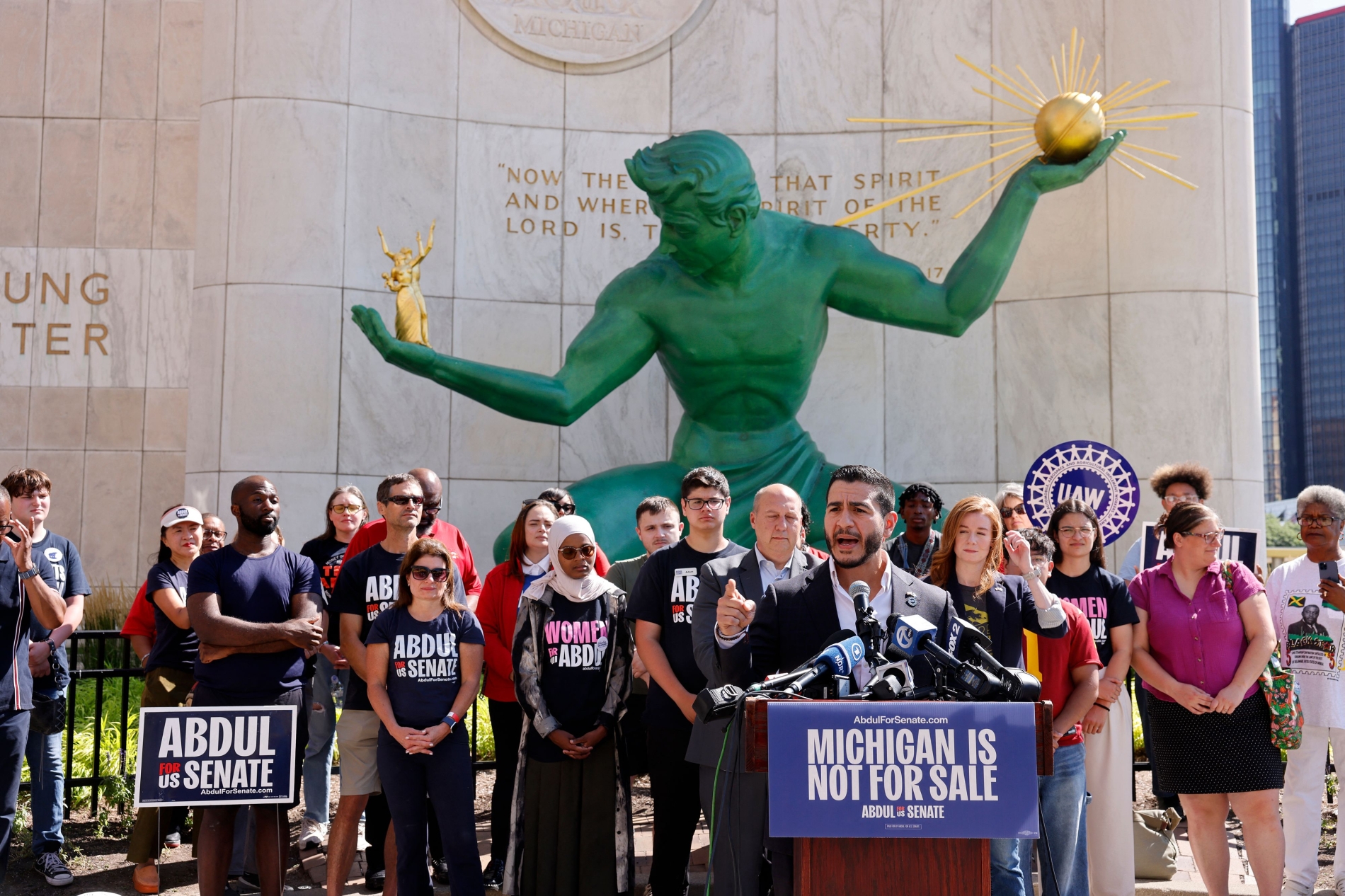
JEFF KOWALSKY / AFP
US Democratic Senate candidate from Michigan, Abdul El-Sayed speaks during a press conference after declaring victory in the primary elections in Detroit, Michigan on 5 August 2026.

A resonating message

El-Sayed’s victory challenges assumptions that have long governed US electoral politics. Voters responded to his programme and to his refusal to be beholden to corporate money, submit to the interests and pressures of an ageing party establishment or kowtow to powerful lobbying organisations. The immense influence of such groups has typically been successful at securing electoral wins. But in recent years, these groups seem to be increasingly less effective.

The pro-Israel lobbying group AIPAC began pouring tens of millions of dollars into support for Stevens in June. Its total expenditure eventually exceeded $46mn. According to El-Sayed, his opponent spent eleven times more on her campaign than he did.

Stevens insisted that the money had exerted no influence over her political positions, which include support for the continued provision of unconditional military assistance to Israel, alongside advocacy of a Palestinian state beside it. El-Sayed, by contrast, has frequently criticised Israel's definition as a Jewish state, arguing that codifying a nation exclusively for one ethno-religious group is fundamentally incompatible with liberal, democratic values, while affirming his belief in equal rights, dignity and peace for Jews and Palestinians alike.

El-Sayed has joined a growing number of Democratic politicians who accuse Israel of committing genocide in Gaza, a claim affirmed by multiple United Nations reports. His bold stance has proved extremely popular in Michigan, home to the largest Arab and Muslim community in the United States.

El-Sayed has also explicitly called for an end to US financial and military support to Israel and openly questions why US taxpayers should be expected to take money from their own pockets to fund military operations of a foreign country, whether Israel, Pakistan, Egypt or any other state, while American children can barely find schools fit to attend.

Taxes, he argued, should be spent on providing healthcare to Americans rather than transferred to foreign governments that use the money to purchase bombs and tanks to kill people in other countries and destroy their infrastructure. He also firmly rejects financial support to any country implicated in human rights abuses, or to armed forces that commit genocide, impose apartheid or draw the US into wars in which it has no stake.
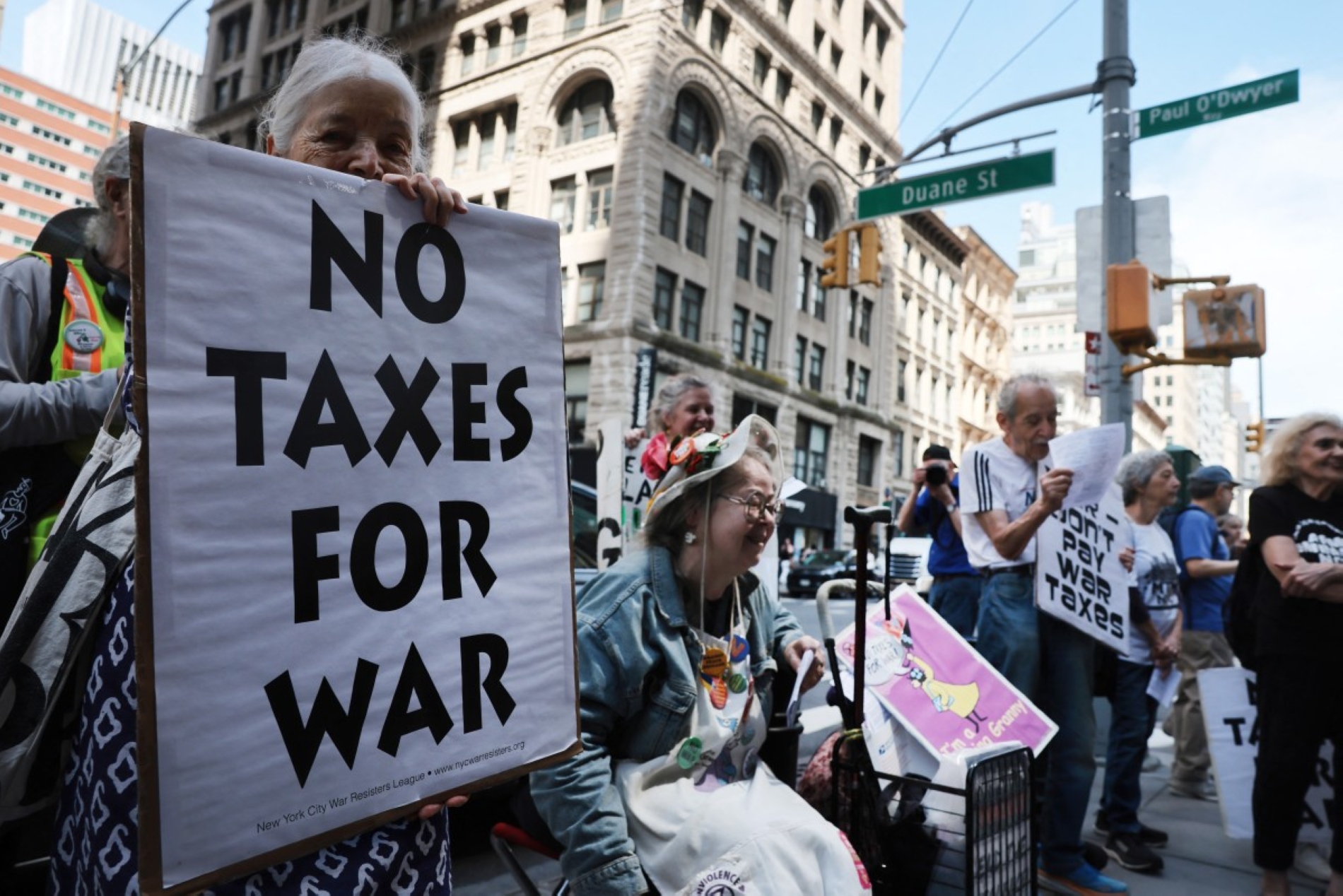
SPENCER PLATT /  AFP
People protest their tax money going to support the military in front of a federal building on Tax Day on 15 April 2026.

Education and career

El-Sayed was born in Detroit, Michigan, in 1984 to Egyptian immigrant parents. His father was an engineer from Alexandria, while his mother worked as a nurse in Missouri. He excelled throughout his education and earned several degrees in Michigan, including in medicine and public health, before completing further medical studies at Columbia University.

Rather than pursue a licence to practise medicine, El-Sayed chose a career in public health and epidemic control. In 2014, he was appointed assistant professor in Columbia University’s Department of Epidemiology and became director of the Systems Science Program and Global Research Analytics for Population Health.

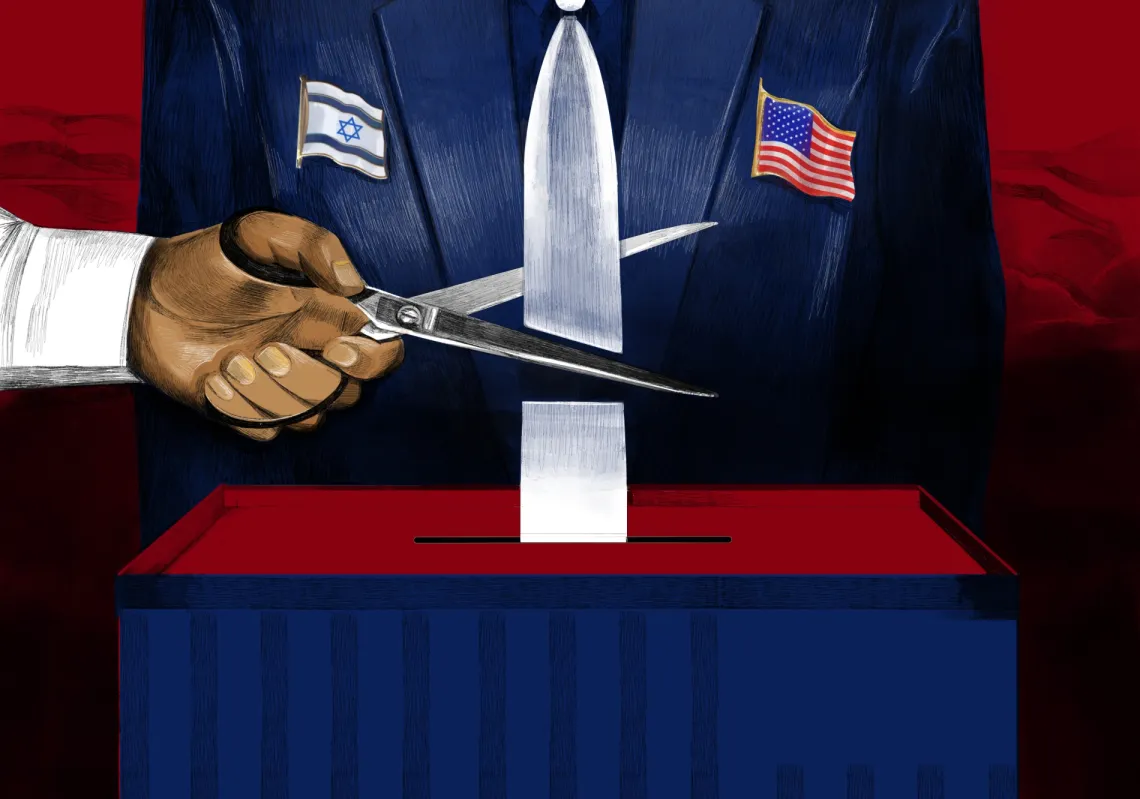
Voters responded to El-Sayed's programme and to his refusal to be beholden to corporate money or kowtow to powerful lobbying organisations.

In August 2015, the mayor of Detroit appointed him executive director of the city's health department. At 30, he became the youngest person ever to hold the position. He continued to rise through a succession of roles in health agencies and public health departments until 2025, when he announced his campaign for the Democratic nomination to contest the Senate seat being vacated by Gary Peters, who had decided not to seek another term.

Republican attacks

For their part, Republicans railed against El-Sayed's win, with Senator Ted Cruz leading the charge, accusing him of belonging to an "Islamist communist conspiracy to seize control of the United States", claiming the epidemiologist belonged to a network that sought to impose Islamic law and harboured hostility towards Jews, Christianity and capitalism.

And President Donald Trump reacted to El-Sayed's victory in a 5 August post on Truth Social, describing the former public health official as "a man of hate" who was "full of sh-t." During a campaign-like event in Las Vegas on Wednesday afternoon, Trump said: "This guy hates Jews. Somebody said, 'Oh that's a little strong.' No, he hates Jews, and he hates Israel." Responding to Trump's attack, El-Sayed said, "Attacking my character and my name is the only trick he has. My name does not raise gas prices, and it does not drag this country into pointless wars."

Progressives' growing momentum

Despite the political attacks waged against him and the colossal amount of money spent to defeat him, El-Sayed demonstrated a strong ability to mobilise supporters, political tact, persuasive force and firm commitment to convictions that ran against the traditional instincts of the party establishment and the dominant centrist current. His emphasis on policies that speak directly to broad sections of American society resonated greatly with voters. He championed universal healthcare, lower prescription drug prices, higher taxes on the wealthy and measures to curb the unchecked flow of political money into election campaigns.

Going forward, the Democratic Party will need to set aside its internal quarrels and rally behind El-Sayed in his contest with Republican Mike Rogers. In a positive sign for the party, Stevens promptly conceded even though it was an extremely tight race. Right away, she telephoned El-Sayed to congratulate him and pledged her full support, stressing the need to preserve party unity and concentrate on defeating the Republican candidate.

For his part, Chuck Schumer, the Democratic leader in the Senate, one of Stevens's most prominent supporters and also a staunch Israel supporter, avoided a direct answer when asked whether he was comfortable with El-Sayed's victory. "We will win Michigan, and we will take back the Senate majority," he said.

El-Sayed's win gives credence to the claim that progressive politicians can be viable presidential candidates.

No Republican candidate has won a Senate seat in Michigan since 1994, so that trend could ostensibly work in the Democrats' favour come November. However, in the off-chance that El-Sayed loses, Democrat hopes of regaining control of the Senate would be severely dashed. Republicans currently hold 53 of the Senate's 100 seats, meaning that Democrats must gain four seats to regain the majority. For his part, Rogers and his Republican allies believe that El-Sayed will prove a less formidable opponent in the general election than Stevens would have been.

An El-Sayed win, however, could accelerate the progressive movement's momentum ahead of the next presidential election and give credence to the claim that progressive politicians are viable presidential candidates.

For its part, Michigan's importance in selecting the next presidential nominee is also likely to grow, since the state is expected to be among the first to hold party primaries. Donald Trump carried Michigan in 2016 and again in 2024, while Joe Biden defeated him there in 2020.

font change

Related Articles