
Islamabad: Pakistan’s latest warning over threats to Red Sea shipping is more than a routine diplomatic statement—it signals the possible end of Islamabad’s long-standing strategic ambiguity in Middle Eastern conflicts.
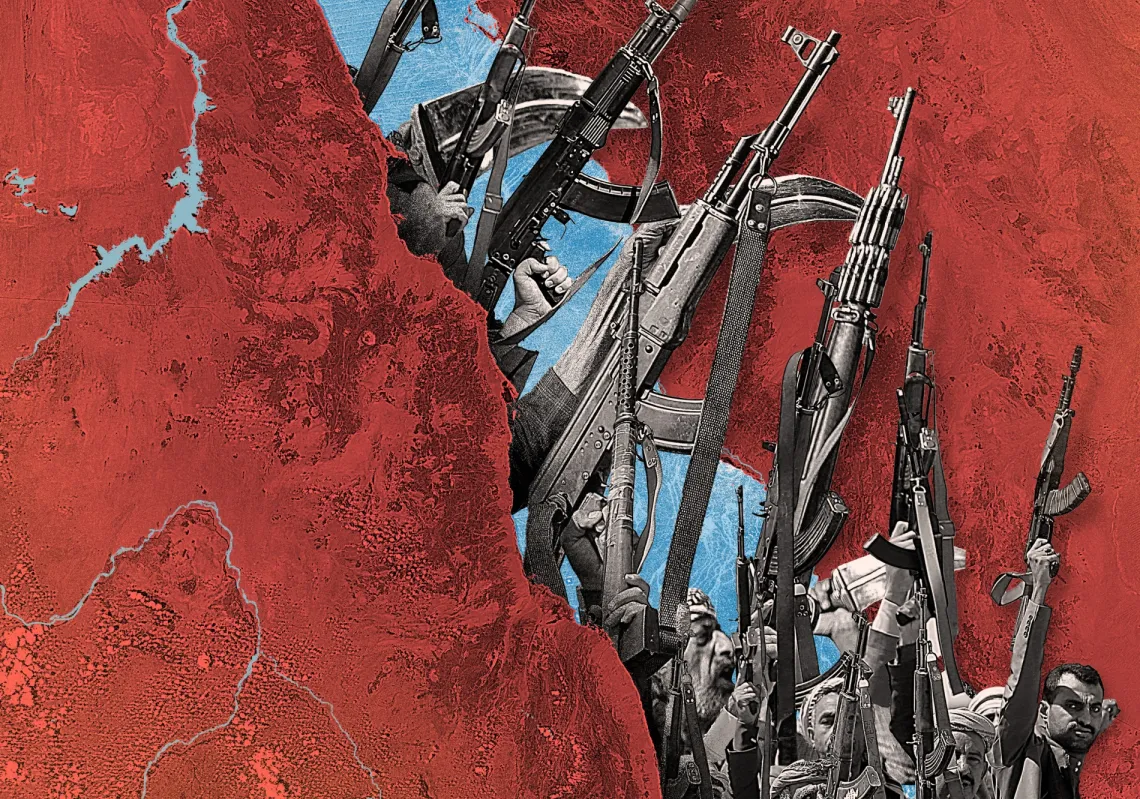
In a sharply worded declaration last Wednesday, Pakistan condemned Yemen’s Iran-aligned Houthi movement for threatening Saudi Arabia and commercial maritime activity, warning that Islamabad “reserves the right to self-defence” should its maritime interests be targeted. The Foreign Office described such threats as “unacceptable” and in violation of international law, underscoring a rare willingness to publicly draw red lines in an increasingly volatile theatre.
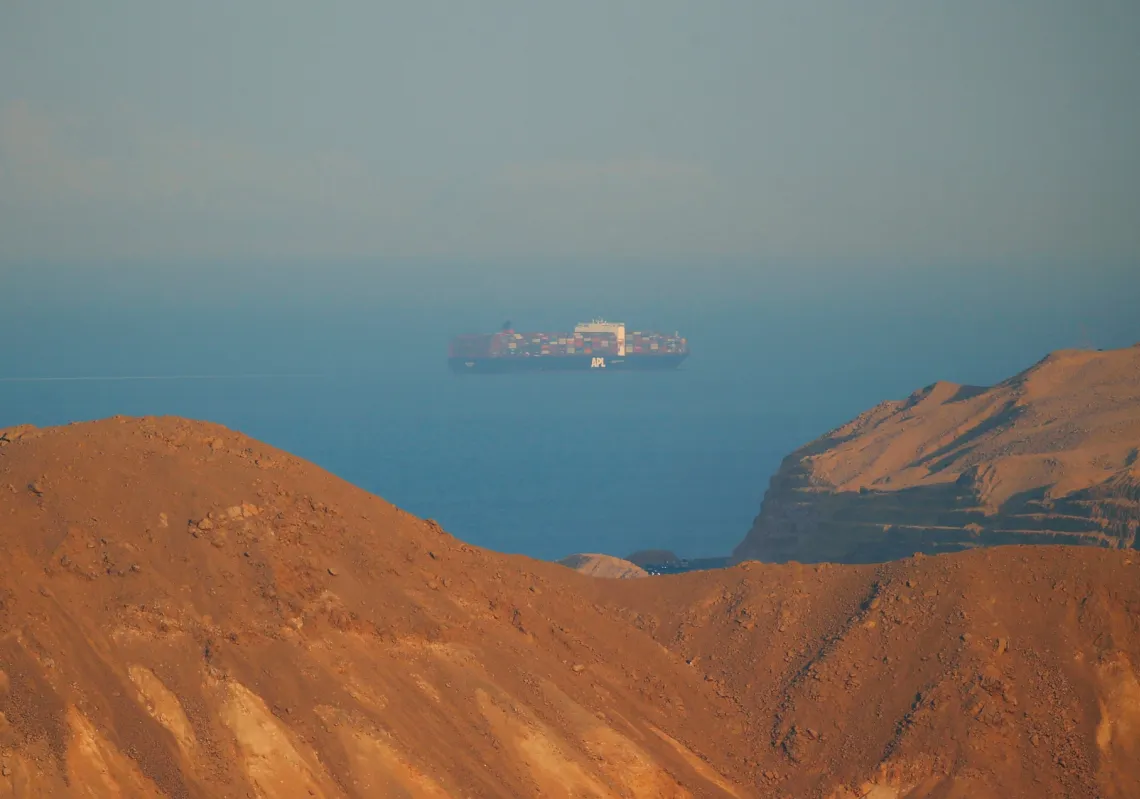
The statement followed the Houthis’ announcement of an immediate maritime embargo on Saudi Arabia—a move that, if enforced, could disrupt access to Red Sea ports that have become critical for Saudi oil exports as renewed US-Iran tensions constrain traffic through the Strait of Hormuz. Together, these developments are rapidly transforming the Red Sea from a peripheral arena into a central front in the broader Middle Eastern security crisis.
For Pakistan, the implications are profound.
From mediator to security actor
For much of the past decade, Islamabad has sought to position itself as a neutral intermediary in Middle Eastern rivalries—maintaining working relations with Iran while deepening security and economic ties with Saudi Arabia and other Gulf states. However, that balancing act is now under unprecedented strain.
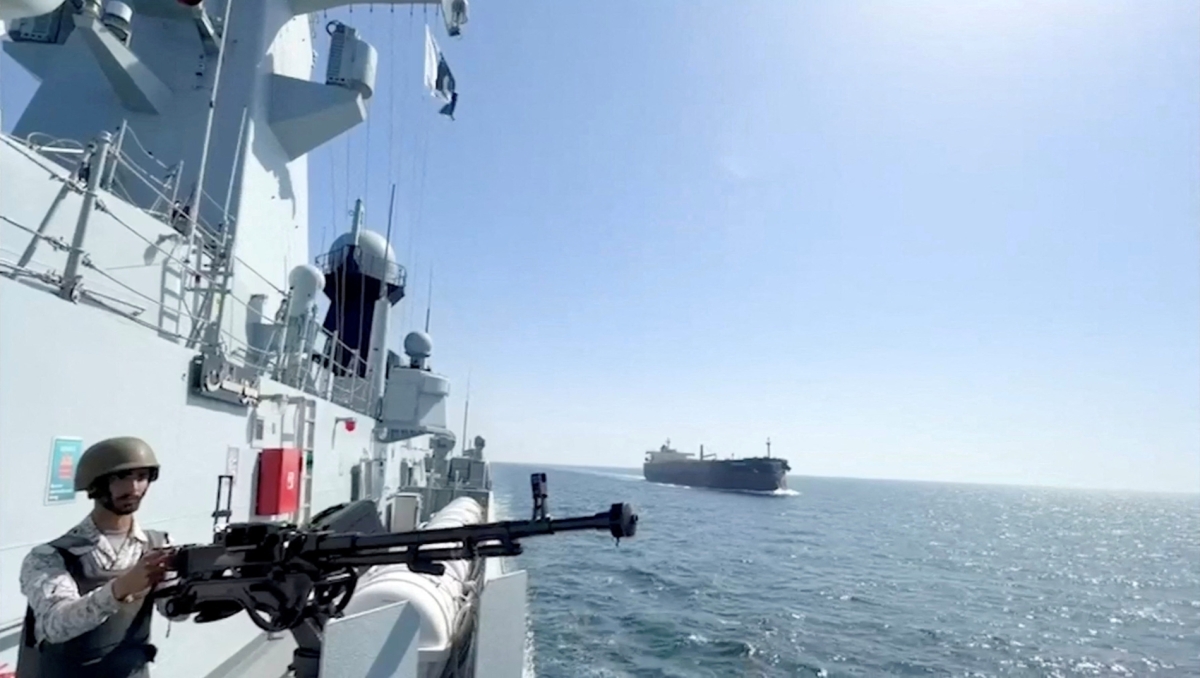
As Houthi threats to shipping intensify, policymakers in Washington and the Gulf are quietly exploring whether Pakistan can play a more active role in safeguarding maritime routes through the Bab al-Mandab Strait—one of the world’s most critical energy chokepoints. Discussions have reportedly included intelligence-sharing, naval coordination, and logistical support for protecting commercial shipping lanes. Pakistan’s latest statement suggests that Islamabad itself may be recalibrating its posture.
“The language is significant,” said Brigadier (R) Mohammad Mehboob, a senior Islamabad-based security analyst. “It reflects not just concern, but preparedness. Pakistan is signalling that it is willing to defend its interests—and those of its partners—if required.”
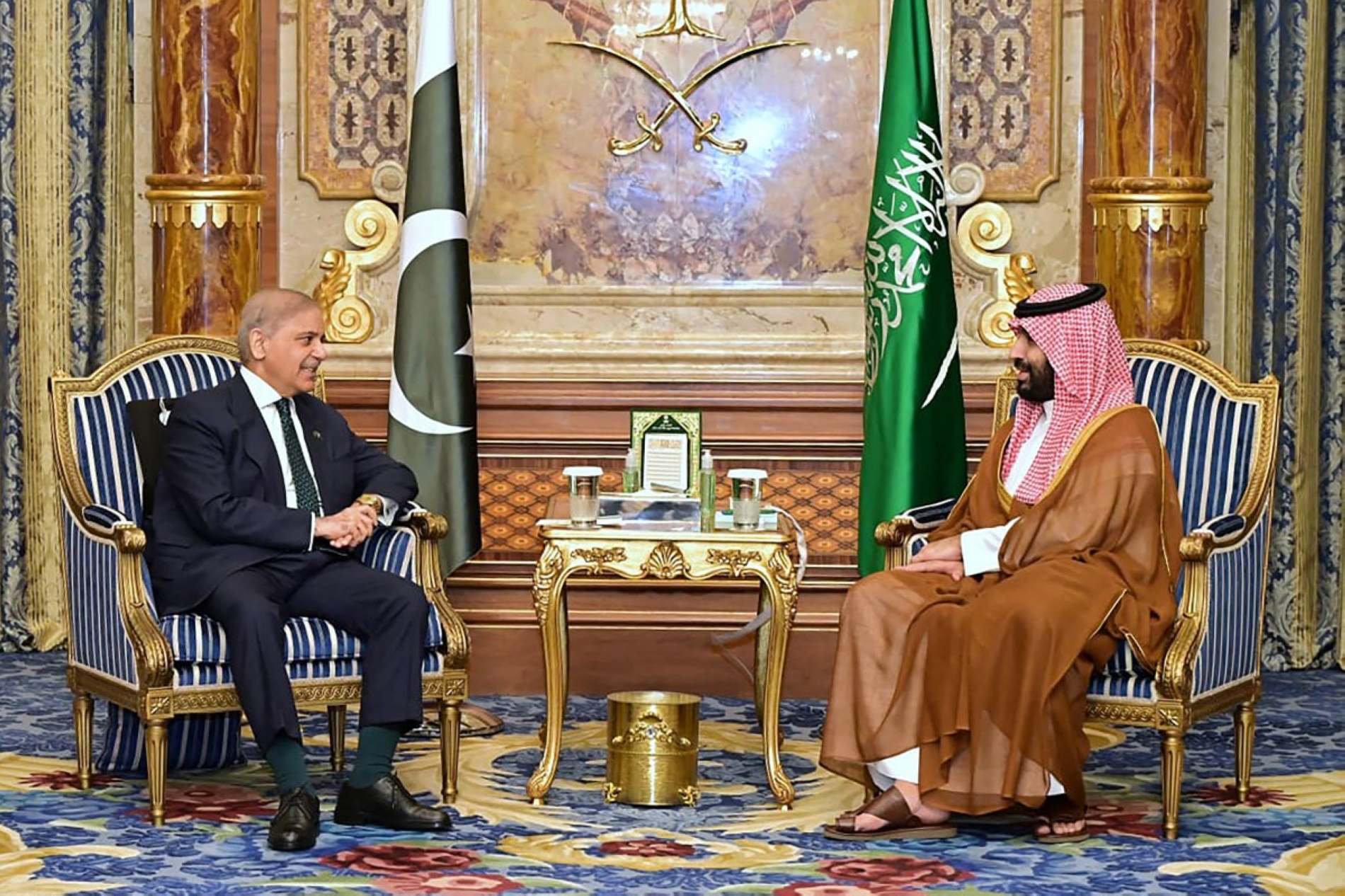
At the centre of this recalibration lies Saudi Arabia.
For Pakistan, Saudi Arabia is not merely a strategic partner—it is often described by officials as a “brotherly nation,” a relationship rooted in decades of military cooperation, economic support, and political alignment. Any sustained threat to Saudi economic lifelines, particularly its energy exports, carries direct implications for Pakistan’s own economic stability and regional standing.
Diplomatic and military officials in Islamabad privately acknowledge that threats to Saudi Arabia’s maritime routes are increasingly being viewed through a broader security lens—one that intersects with Pakistan’s own national interests.
“Pakistan cannot remain indifferent if the economic arteries of its closest regional partner are targeted,” Mehbood added. “There is a threshold beyond which neutrality becomes untenable.”
That threshold, some analysts argue, may be approaching.
A question of capacity
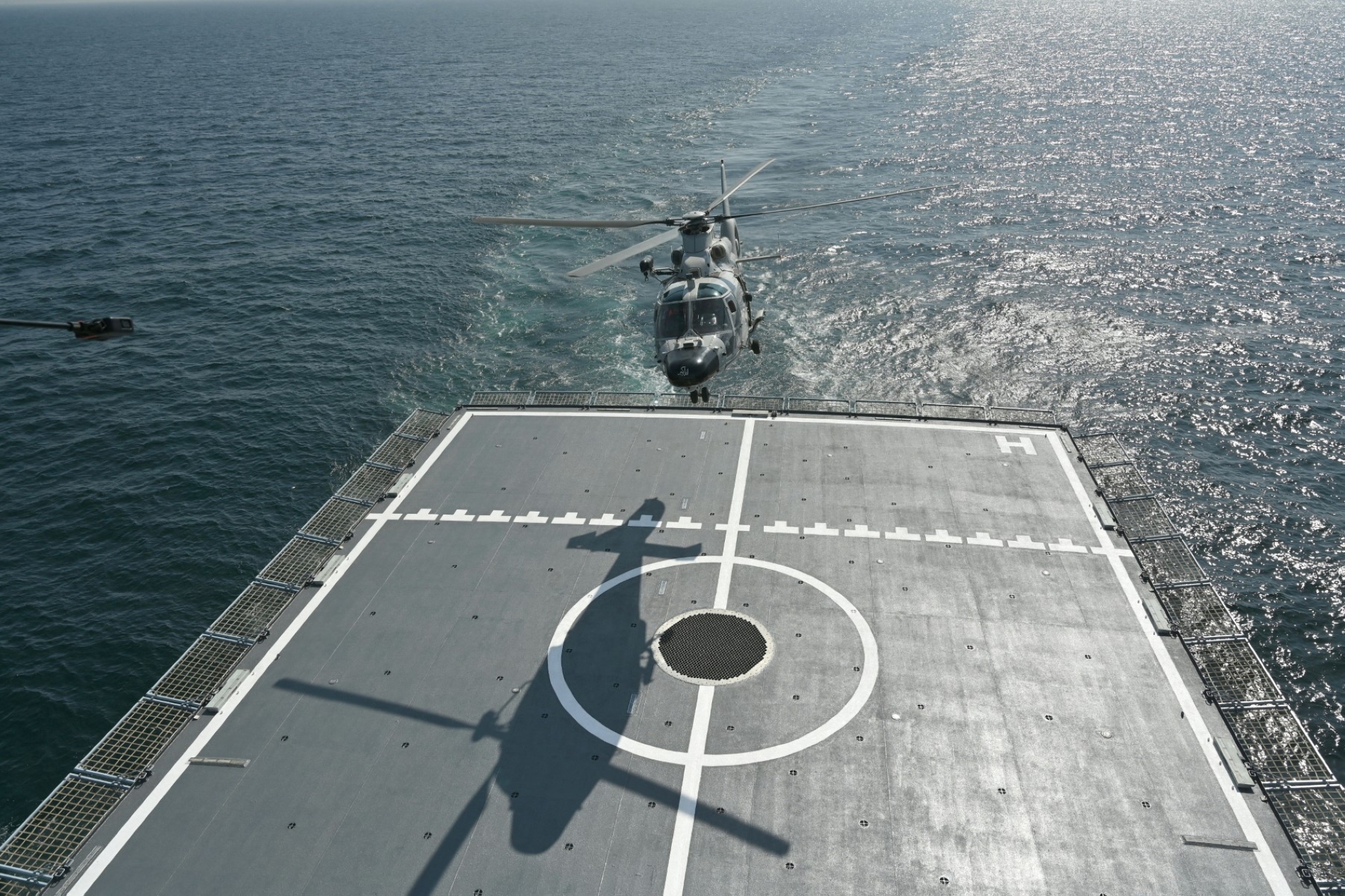
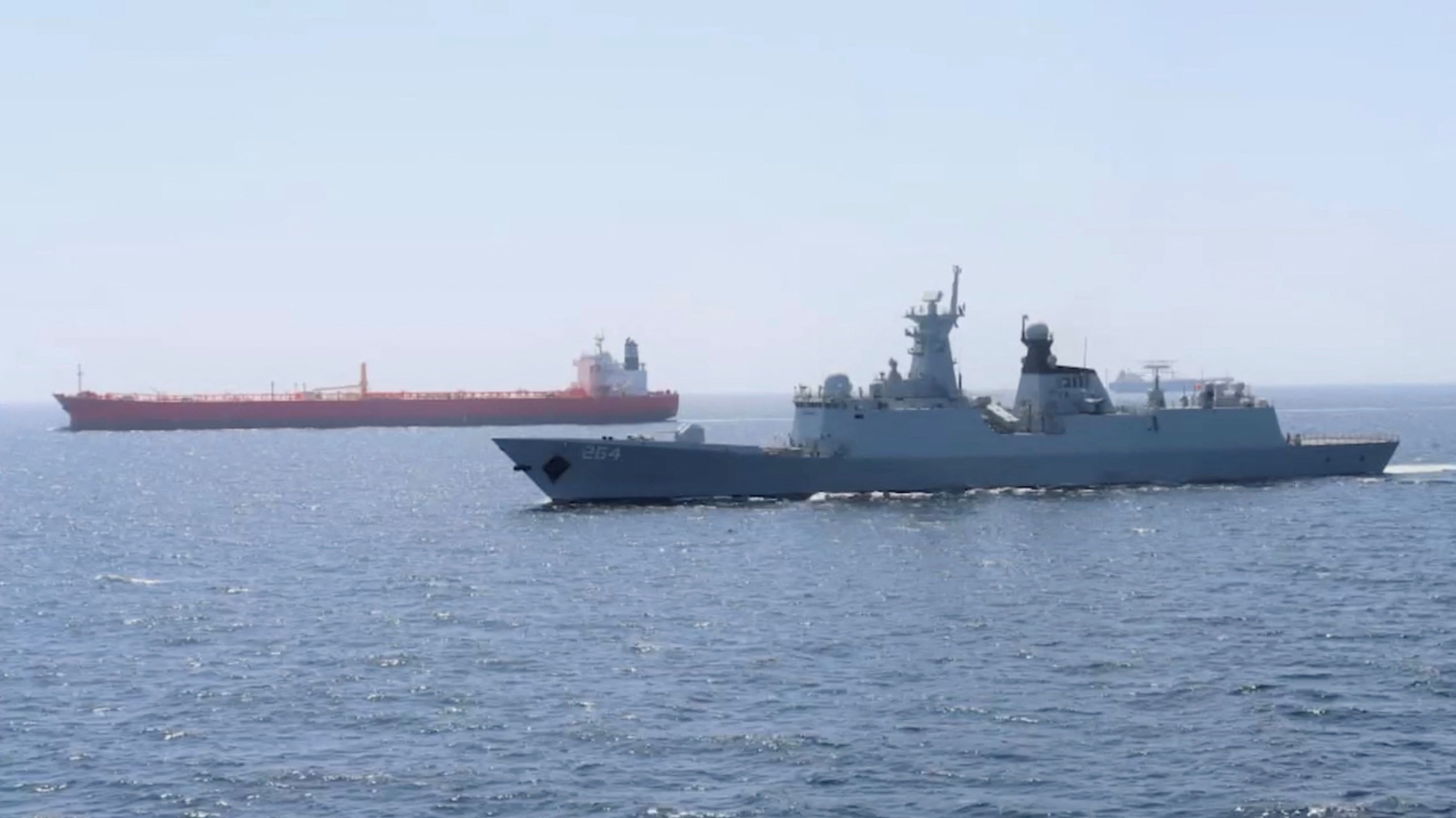
Any discussion of Islamabad's potential role in the Red Sea will boil down to military capacity. Pakistani military planners have long asserted that they have developed the doctrinal and operational ability to manage multiple theatres simultaneously—from high-intensity conventional deterrence along the Indian border to sustained counter-terrorism operations along the Afghan frontier. If true, Pakistan could potentially engage in maritime security efforts further afield, without compromising its eastern deterrence posture against India.
Independent analysts, however, offer a more cautious assessment.
“Pakistan’s military is highly capable and can launch decisive operations against the Houthis. Its forces are already engaged on multiple fronts domestically, yet they retain the resolve, expertise, and resources to eliminate threats against Saudi Arabia,” said Islamabad-based defence and strategic affairs analyst Mustansar Abbas.
“Any external deployment—particularly in a complex maritime environment like the Red Sea—would require careful prioritisation and political clarity about objectives. However, Pakistan may go to any length when it comes to threats against Saudi Arabia,” added Abbas, who is also a lecturer of Defence and Strategic Studies at Bahria University.
Pakistan’s military credibility has been reinforced in recent years, particularly following its performance during the 2025 crisis with India. While competing narratives persist regarding the outcome, the episode contributed to a perception among regional partners that Pakistan remains a disciplined and responsive military actor.
This perception is shaping expectations in the Gulf.