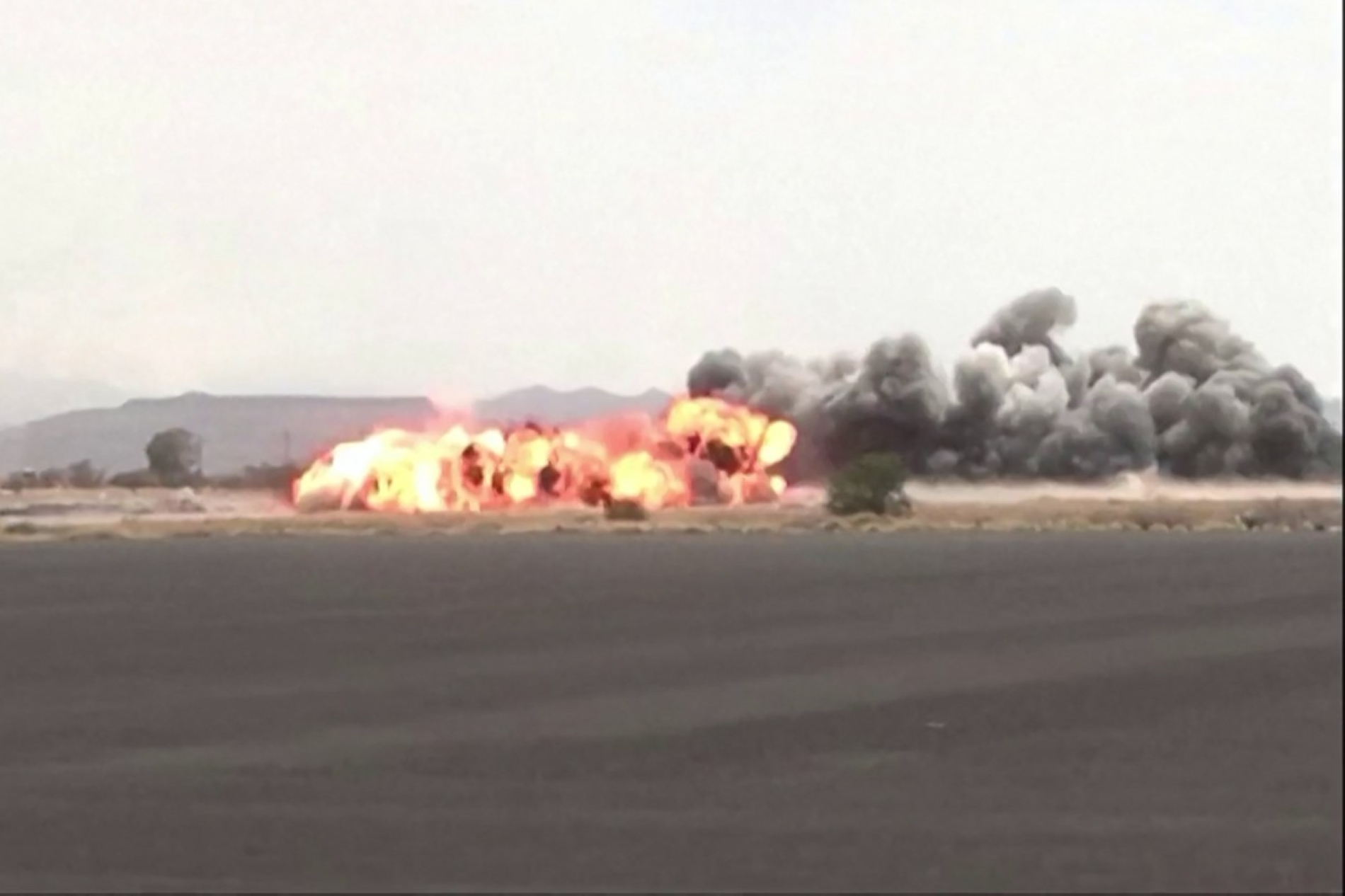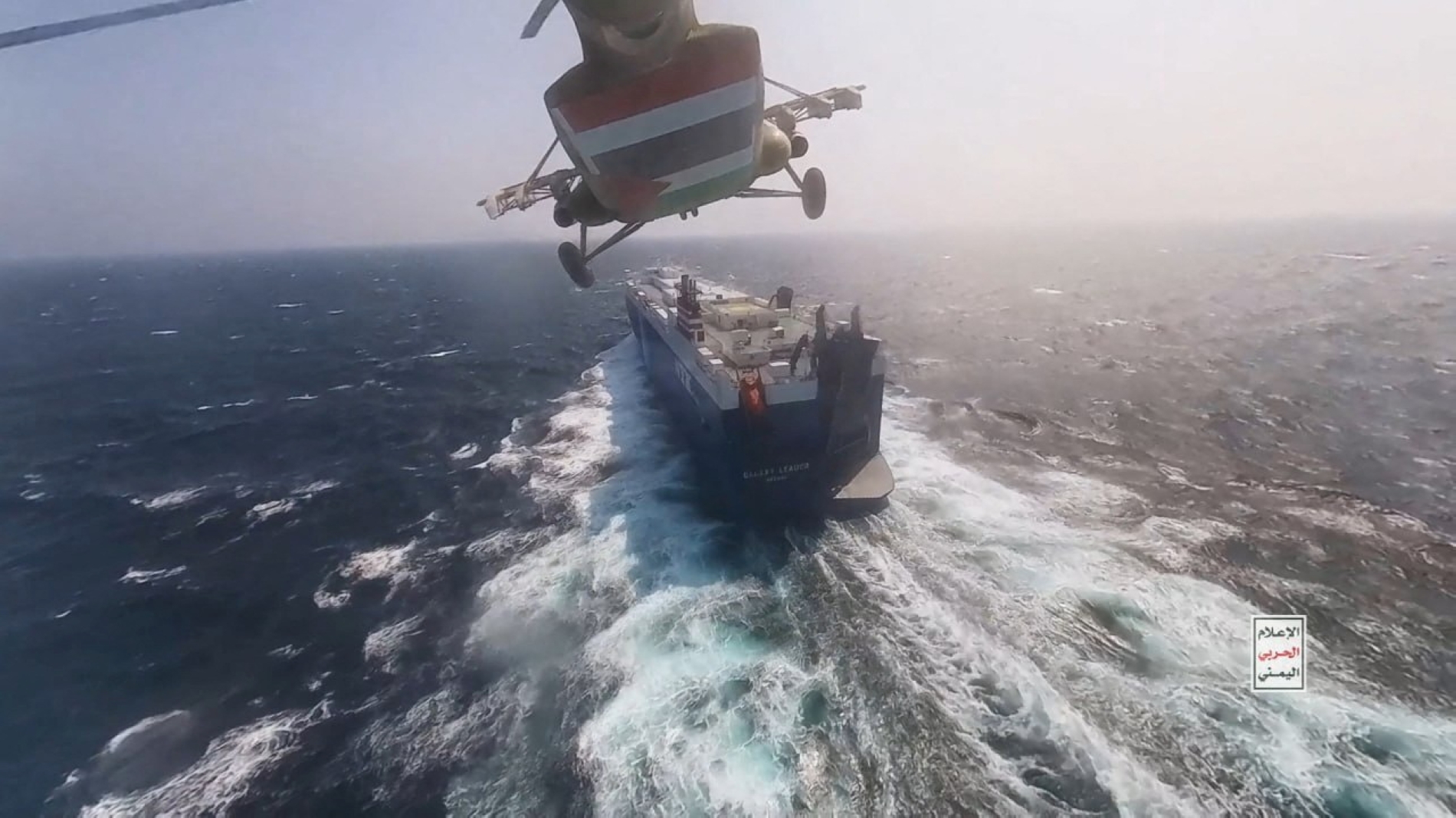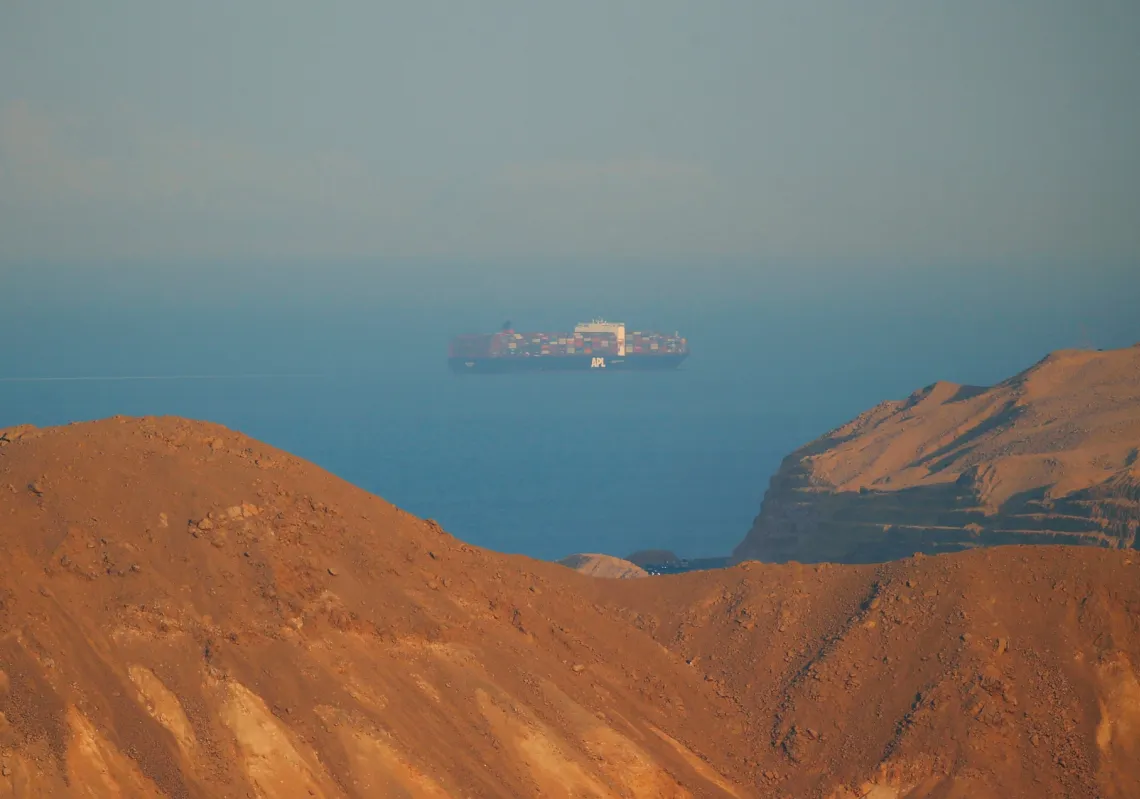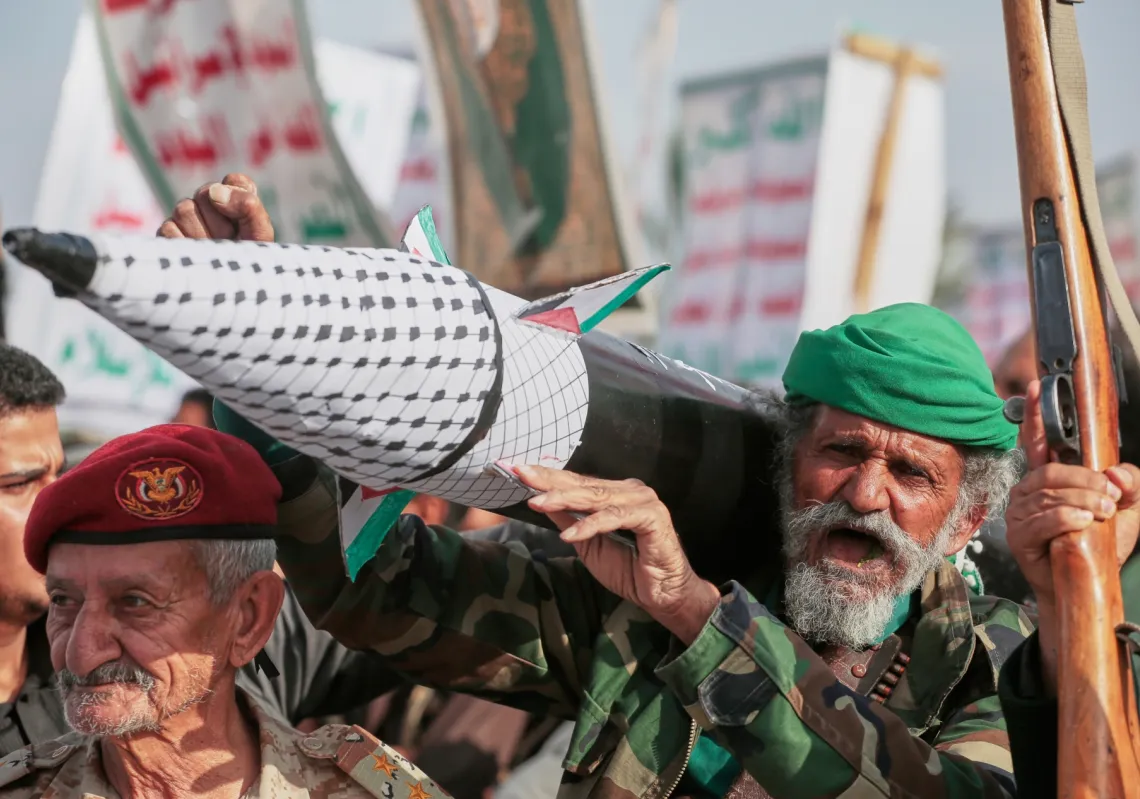
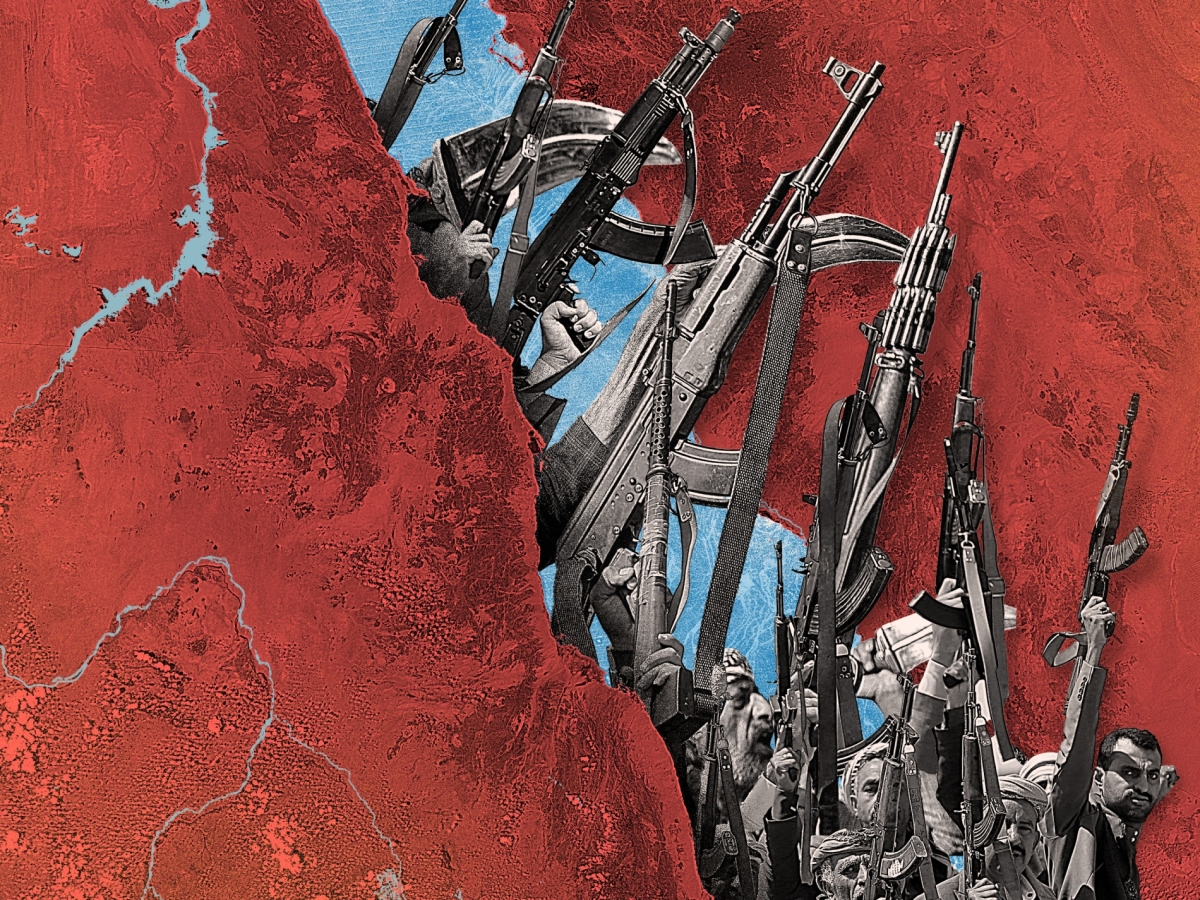

On 20 July, Iran-backed Houthi rebels declared an immediate maritime embargo against Saudi Arabia, formalising the collapse of the UN-sponsored 2022 truce, reactivating the Red Sea pressure front and threatening once again international trade passing through the Strait of Bab al-Mandab. Four days later, the Houthi Humanitarian Operations Coordination Centre warned shipping companies against loading or discharging cargo at Saudi ports or otherwise risk military targeting. It also claimed missile and drone attacks into Aramco Red Sea facilities in Jizan and Yanbu, before Iraqi militias targeted the Eastern Region and Riyadh.
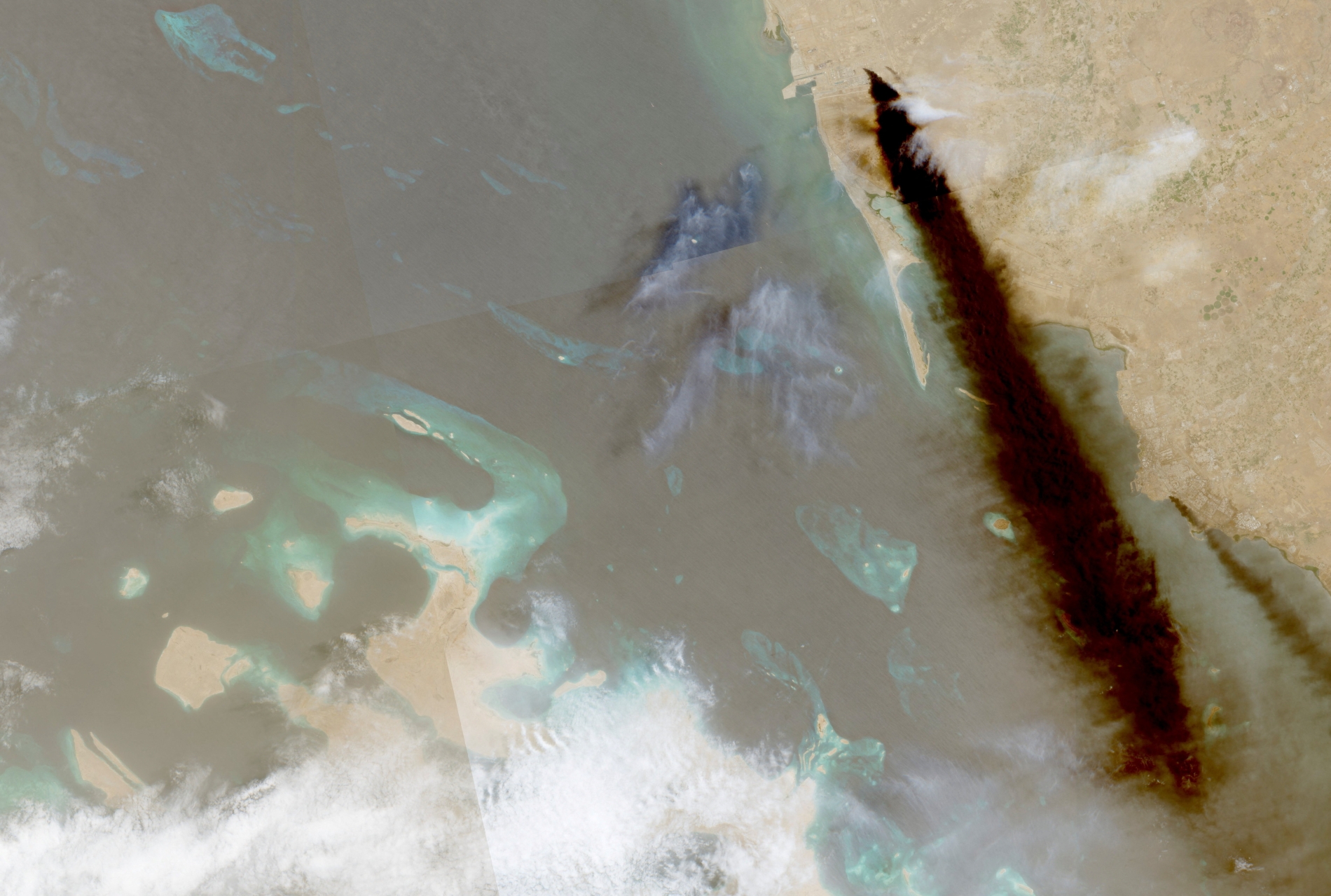
Prior to the second phase of escalation, the Houthis claimed attacks on two ships— Layla, a VLCC transporting 2 million barrels of Saudi crude, and Encelia, a tanker carrying 730,000 barrels of diesel—on 22 July. Entering the third phase of escalation on 5 August, the Houthis expanded strikes into the northern Red Sea in a bid to deny the Suez Canal rerouting.
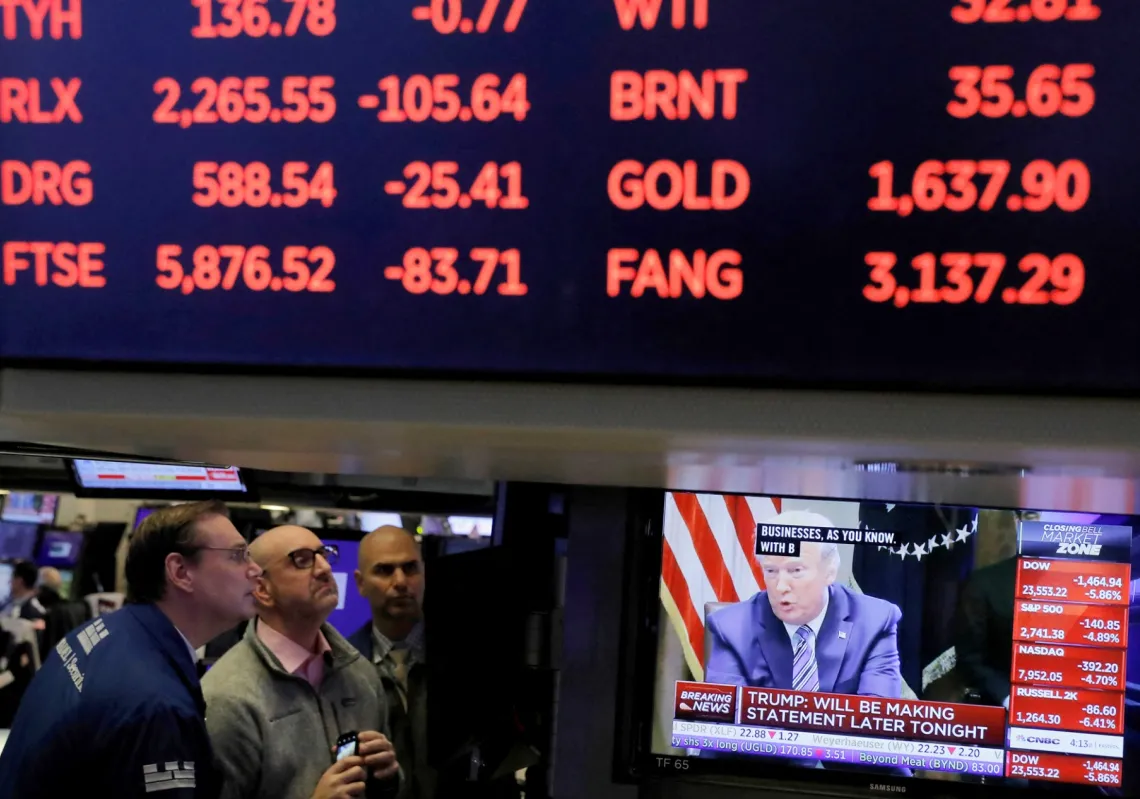
Energy and maritime markets were quick to react. Brent rose above $99 per barrel on 23 July before falling; war-risk premiums increased by over 200%, from roughly 0.3% to 1%; some shipping insurers froze sales of war cargo insurance to Saudi-linked ships in the theatre; and several tankers paused temporarily or reversed course toward the Suez Canal. On 26 July, only 11 ships got through the Bab al-Mandab Strait; meanwhile, fewer than 10 cargo ships transited Hormuz, demonstrating simultaneous pressure constraining the world’s two most critical maritime and energy chokepoints. Rerouting Asia-bound ships around Africa to avert the risk of passage through Bab al-Mandab adds up to over $1.6mn in fuel costs per voyage, a $1mn Suez toll fee, and delays delivery by at least four weeks.
The Houthi move has both external and internal motives. Externally, the Houthis seek to improve the Islamic Revolutionary Guard Corps’ (IRGC) bargaining position by disrupting the primary regional bypass from Hormuz and demonstrating that Tehran still retains high-impact escalation options. Internally, the Houthis seek to restore coercive leverage over Riyadh, frame the conflict as one between them and Saudi Arabia rather than between an armed rebel group and the Yemeni government, externalise internal crises by deflecting rising domestic pressure and tribal mobilisation amid repression and failure to pay salaries and deliver services, and extract any potential concessions, assuming appeasement of coercion will work again.
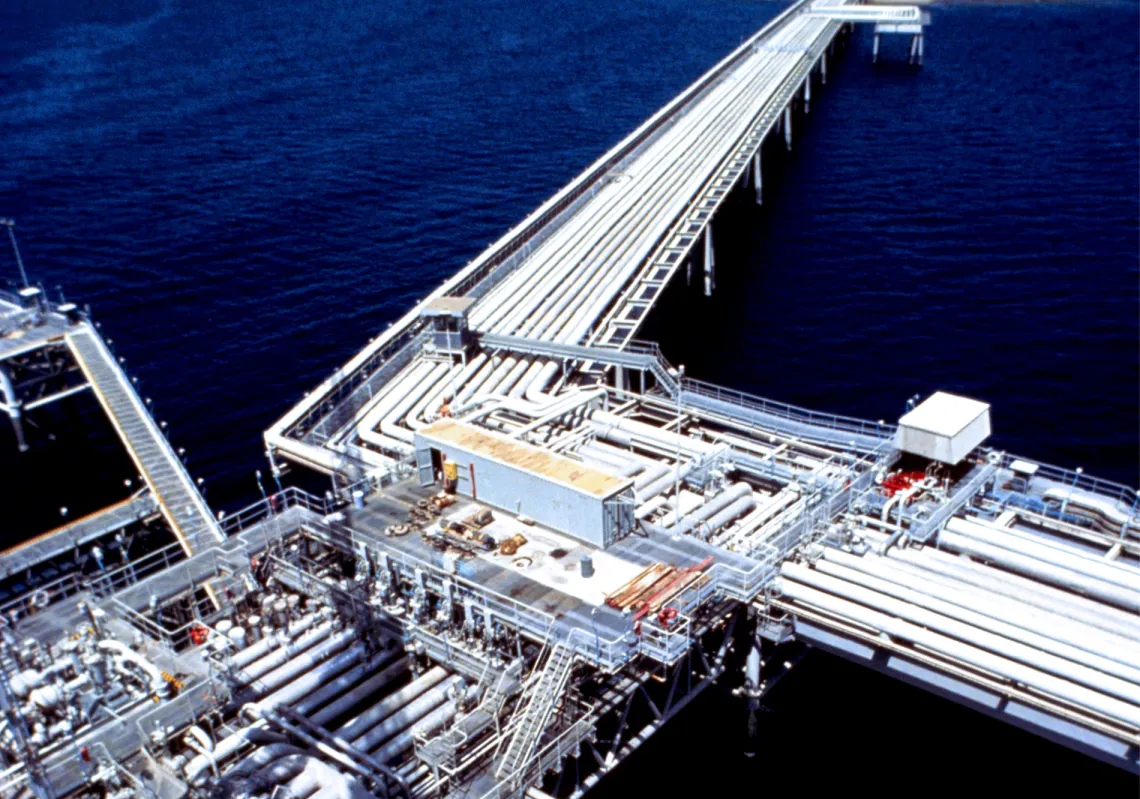
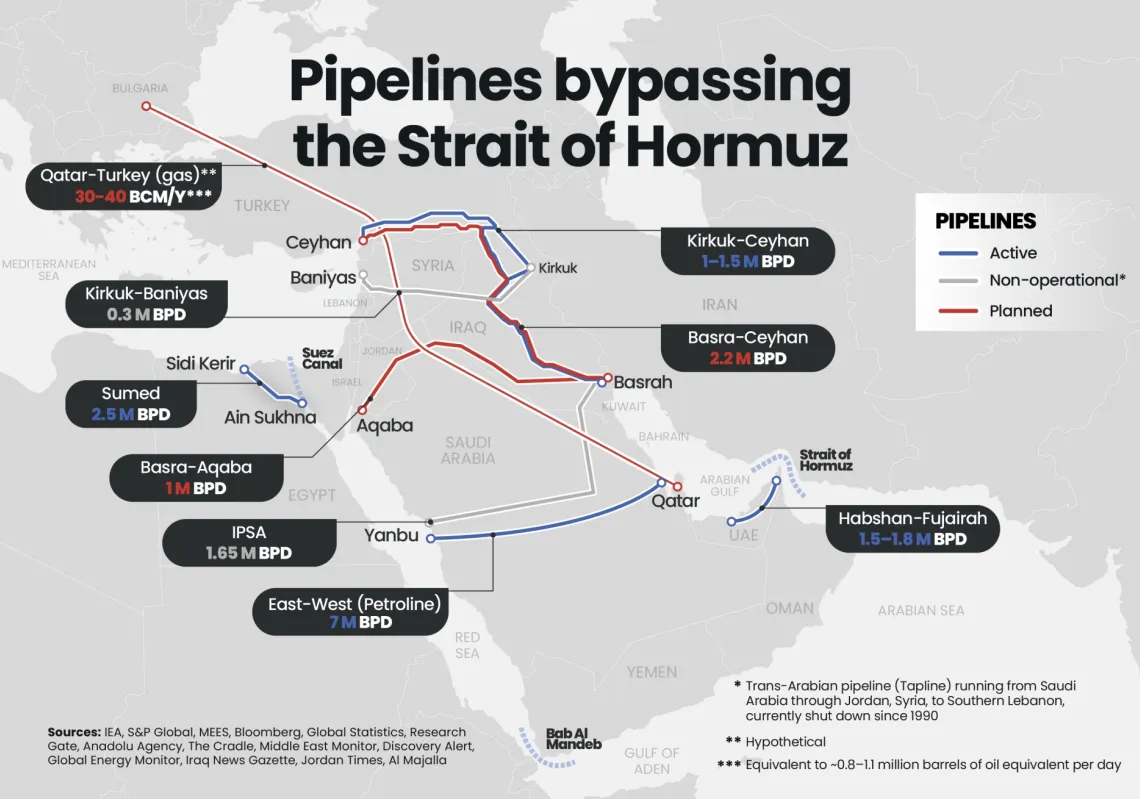
By attempting to disrupt Saudi Arabia’s Red Sea ports, including the East–West Pipeline (the region’s principal bypass of Hormuz, rerouting over 4 million b/d, 400% above pre-crisis level) and approximately 7.4 million b/d of petroleum flows through Bab al-Mandab, the Houthi move is expanding the systemic effects of Iran’s horizontal escalation from Hormuz to Bab al-Mandab. Particularly, it seeks to redistribute the pain of conflict in a way that increases the economic and geopolitical costs for a US strategic partner, chipping away at its will to continue the war and forcing it to de facto accept Iranian dominance over Hormuz and reconsider its coercive approach.
In early March, a Stimson Centre report asserted that Houthi entry into the US-Iran-Israel war was a question of when, not if and acknowledged the likelihood of Houthi attacks on Red Sea shipping in coordination with the IRGC in a phased approach.
Evolution of escalation
To better grasp the logic of this escalatory approach, it helps to revisit the Houthi behaviour during the past year. While the Houthis launched joint, calibrated missile strikes with Iran into Israel during the 12-day war in mid-June 2025 as they did during the ceasefire in June 2026, they demonstrated coordinated restraint during the 40-day war by limiting attacks on Israel from 28 March. There are three reasons for this.
First, Tehran had clear leverage through its cost-maximisation-and-redistribution approach through Hormuz and regional cross-border attacks on 12 states, including the Gulf’s vital energy and civilian infrastructure. Second, Iraqi militias and embedded IRGC forces had spearheaded the 'axis’ backup front through launching over a thousand drones targeting most of the Gulf, as opposed to when the Houthis led the Red Sea escalation in 2023-2025.
Hence, IRGC elements in Yemen covertly struck sites in Saudi Arabia in March 2025, including Yanbu and Prince Sultan Air Base, according to two regional sources. Third, a prolonged two-strait crisis would have increased the risk of strategic miscalculation, invited greater international response, and sacrificed a card that can be kept for a more demanding round of war or changing strategic environment. In mid-June 2026, the IRGC Quds Force commander, Esmail Qaani, said the Axis would impose a “security belt” from Hormuz to Bab al-Mandab.
Soon, the June Memorandum of Understanding (MoU) between the US and Iran showed unsurprising strains, not least because of sequencing issues, competing priorities, and contradictory interpretations. To restore coercive leverage and to assert its de facto control of Hormuz, Iran resumed hitting commercial ships and several Arab states. With Washington reinstating its blockade against Iran’s blockade of Hormuz afterwards, constraints on Tehran’s energy trade, and adaptability of energy markets, the IRGC’s unilateral leverage over Hormuz weakened, thereby requiring the cautious deployment of the Red Sea card.
Regardless of the US-Iran war, the Houthis had already demonstrated their ability to strategically disrupt 12% of global oil trade and 20% of global container traffic passing the Red Sea in 2023-2025 under slogans of “support for Gaza.” They have long understood that Yemen’s geostrategic maritime space overlooking the Red and Arabian seas constitutes a strategic card they can weaponise and leverage against regional or international actors. Although the Houthis cannot close Bab al-Mandab, all they need to do is raise the risk, uncertainty and cost of passage to disrupt trade normalcy through drone, missile, mine and unmanned boat attacks.
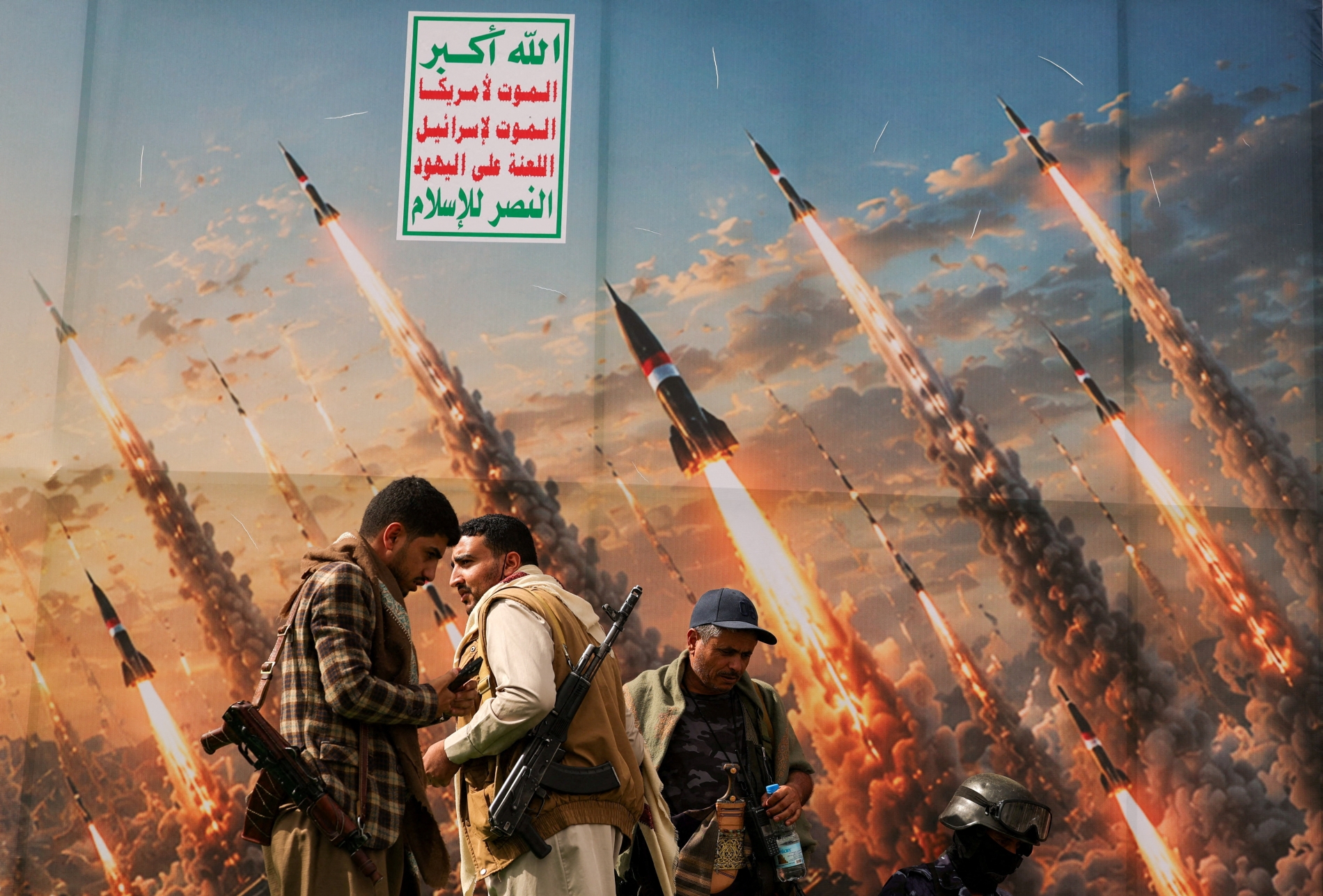
The Houthi campaign didn’t emerge in a vacuum. Anti-Saudi rhetoric, military preparation, overt Iranian support and IRGC strategic direction all preceded its escalatory posture. On 25 June, Abdulmalik al-Houthi, the group’s leader, vowed to “break the siege” and renewed the public mobilisation campaign. In response, the president of Yemen's Presidential Leadership Council, Rashad al-Alimi, slammed any attempt to smuggle IRGC drone and missile experts, arms and electronic warfare equipment, and establish a Tehran-Sana’a air bridge and warned of "immediate measures" against violations of the UNSC 2216 arms embargo, Yemeni airspace and sovereignty.
Shortly after, Iran dispatched Mahan Air flight IRM-1199 to Yemen ostensibly to transfer a Houthi delegation to attend Ali Khamenei’s funeral in Tehran. But it was reported that the IRGC’s envoy to the Houthis, Mohammed Ali Rezi’e, appeared in Sana’a after the 3 July flight.