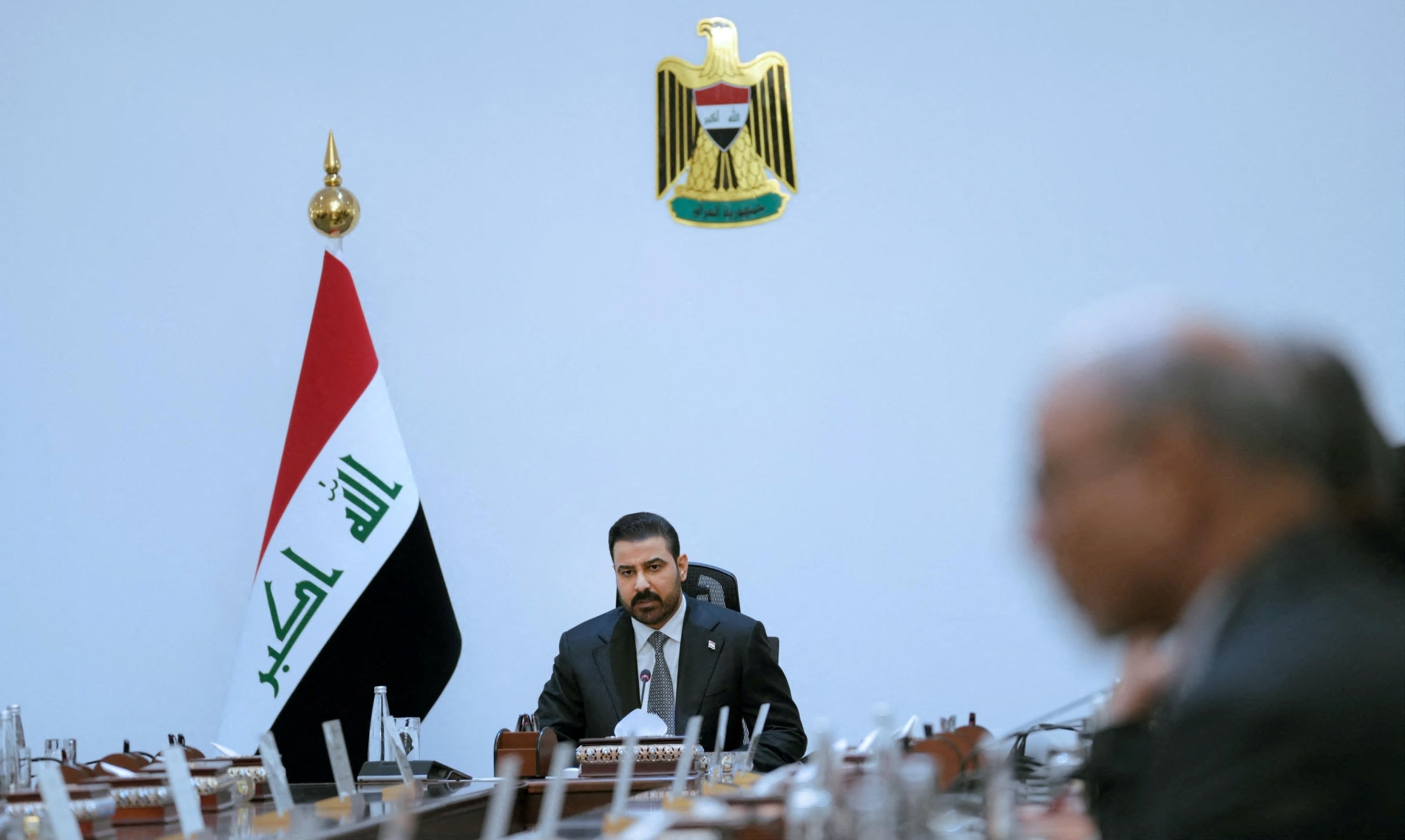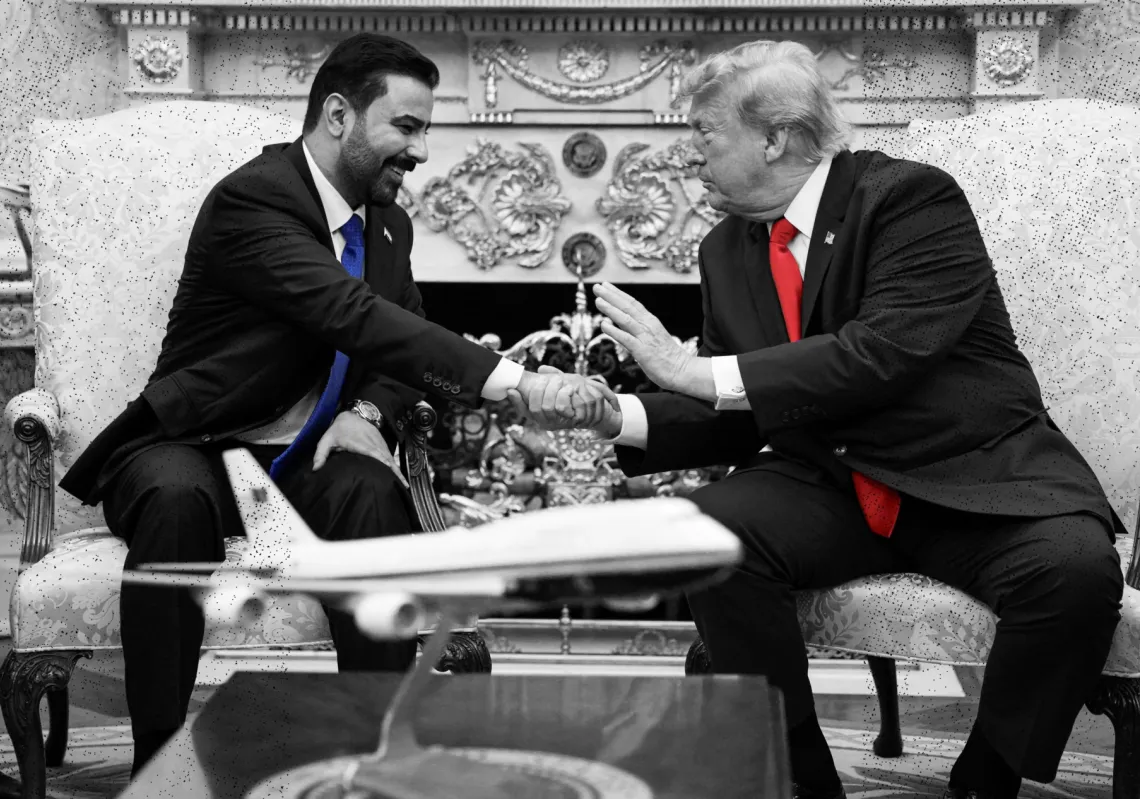

Far from getting rid of its myriad armed factions, the Iraqi government has watched uncomfortably as more have sprung up over recent months, adding urgency and importance to a problem that is increasingly becoming a Western and regional deal-breaker for the new government of Ali al-Zaidi.
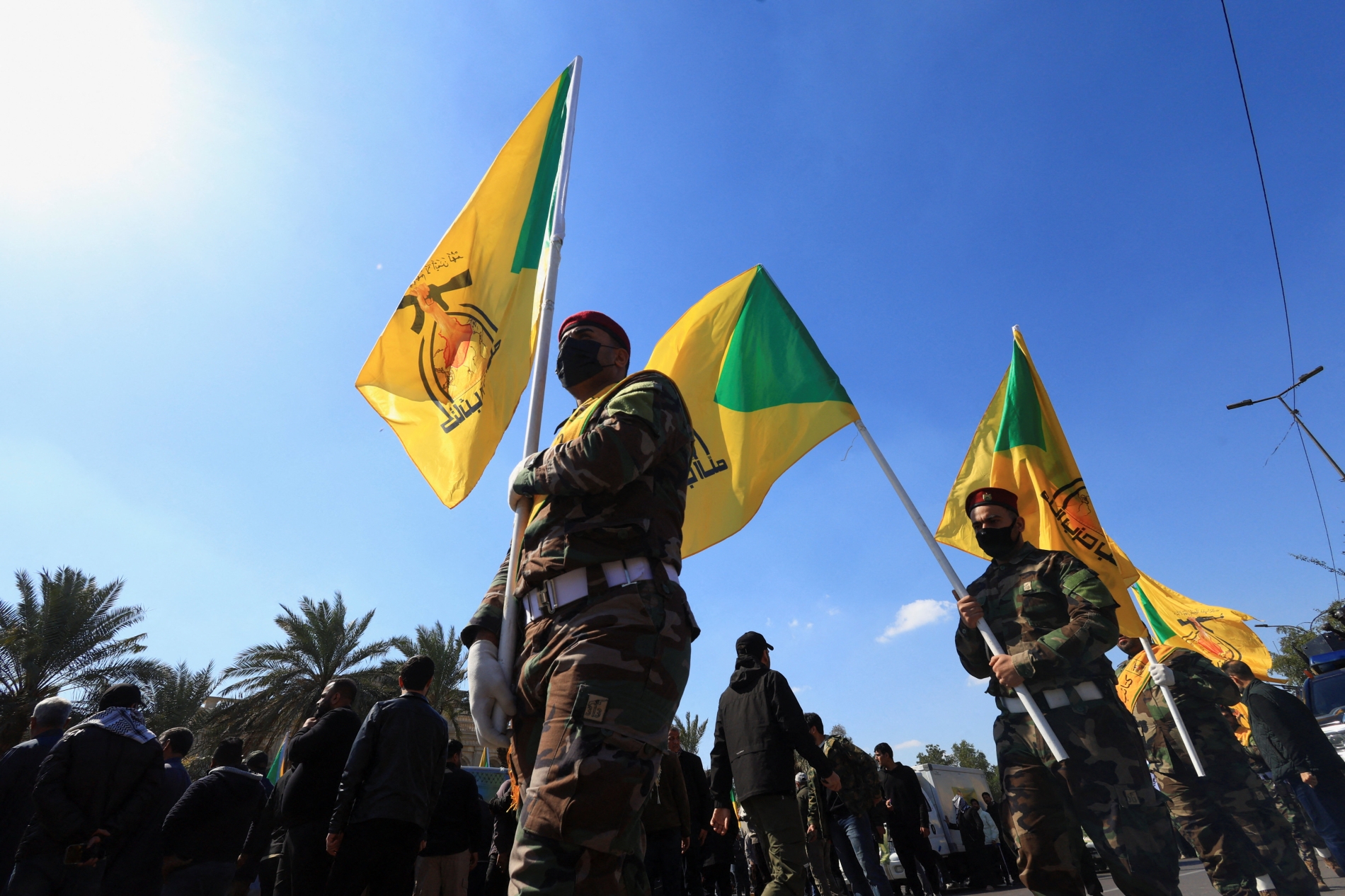
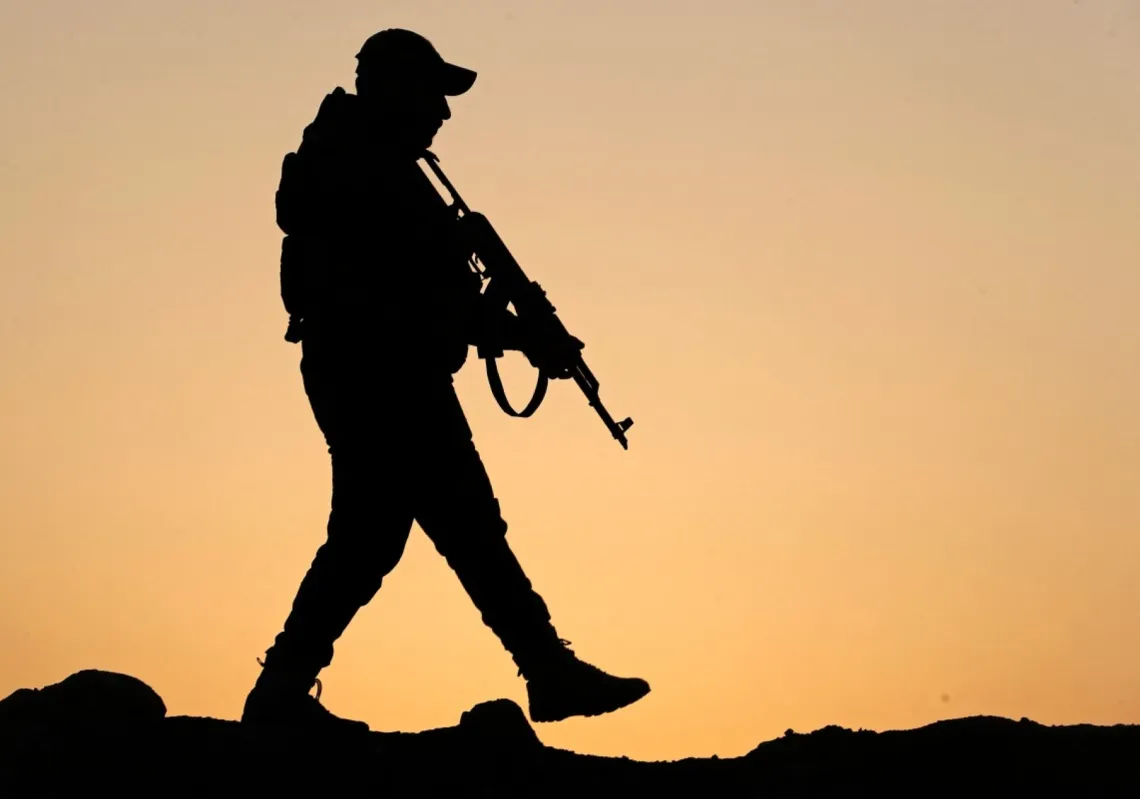
These armed groups do not necessarily fall under the authority of the state-run Popular Mobilisation Forces (PMF). Often, their leadership structure is unclear, but it is known that several of the Shiite groups get direct support from Iran’s Islamic Revolutionary Guard Corps and have attacked Gulf states and Jordan in successive waves.
Two new Iraqi groups have emerged this year alone, both with grand names (the ‘Men of Mighty Valour’ targeted Jordan, while the ‘Army of Wrath’ attacked Kurdistan). The Shiite group Saraya Awliya al-Dam (‘Companions of the Guardians of Blood’) first attacked Iraqi troops and Kurdistan in 2020-21, then went quiet, but has sprung up again of late and has once again resumed operations. Abu Mahdi al-Jaafari, the military spokesman for Saraya Awliya al-Dam, said: “We are not a faction affiliated with any organisation, nor are we a front for any party... We answer only to the demands of our religious, national and humanitarian duty.”
The activity follows American strikes against PMF headquarters, in a sign that the Pentagon has Iraq’s militias in its crosshairs. The PMF is a government institution established in 2014 to fight Islamic State and acts like an umbrella group, incorporating a wide range of armed factions. In the aftermath of American strikes, however, a new strategy (attributed to Iran) was adopted. Factions began operating through armed fronts bearing new names. Analysts think this may be designed, in part, to spare Baghdad the embarrassment.
Spreading their wings
Some factions have political and even economic wings, which are often treated as separate from their armed wings, because carrying out operations under their recognised names could threaten their political and financial interests. Announcing attacks under unfamiliar names through organisations with opaque structures therefore disperses attention and makes it more difficult to identify those responsible.
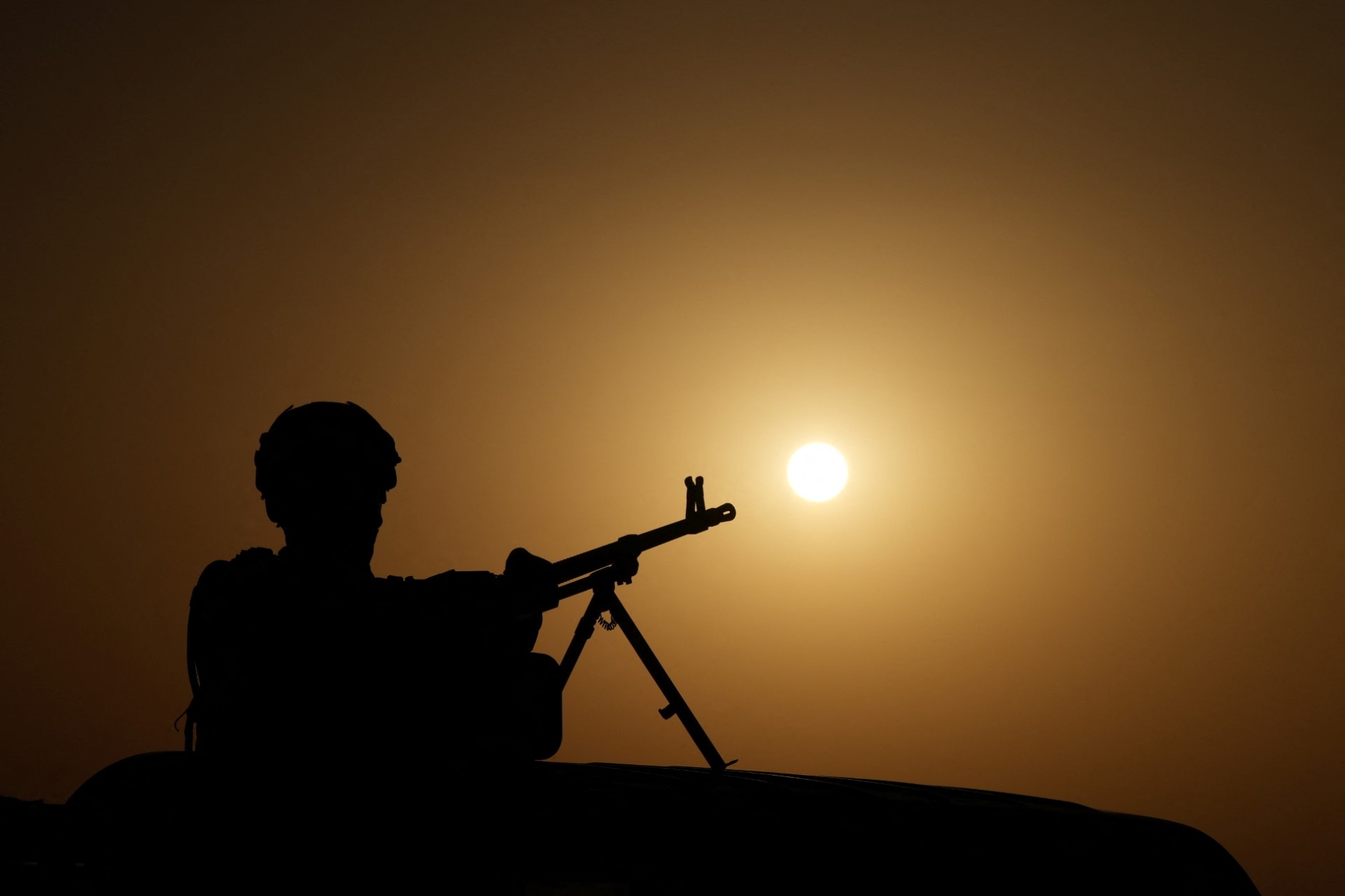
To bypass Baghdad’s campaign to dismantle armed groups and place all weapons under state control, other new groups are expected to emerge in the coming weeks. These fronts allow factions that reject integration, or claim to have surrendered their arms, to continue military operations with relative freedom while avoiding an open confrontation with the security services.
So far, the effort to disarm Iraq’s factions involves formally linking them to the state, with no genuine surrender of heavy weaponry. Fighters continue to operate simultaneously within the factions and state institutions, while new names give them flexibility to carry out sophisticated cross-border attacks without drawing their parent organisations into a full-scale war. This was the case with the ‘Islamic Resistance in Iraq’ alliance, which denied launching any attacks against Saudi Arabia in recent months.
Under Iranian direction, the factions are broadening their range of targets to include the Gulf states. The aim is to keep American forces occupied inside Iraq, and then for Iran to use this as a source of leverage in negotiations. In recent days, four Iranian advisors were killed in US-Saudi airstrikes inside Iraqi territory.
Old faces, new names
A senior Iraqi official, speaking anonymously, said he felt that Iran and the US had drawn Iraq into an open theatre of war, adding that there was a clear desire to pull the Gulf states in as well, based on the belief that widening the war might hasten its conclusion. He said no genuinely new factions had been established in Iraq; rather, they were merely using new names and labels to avoid recognised identities, whilst still using their established names internally.