Why Israel may want to start ‘fighting smart’ in Lebanon

An Israeli diplomat recently told Lebanese Shiites that Israel did not see them as the enemy, but it is a difficult argument to make given the death and destruction. Is there a better way?

A man looks at the destruction from a damaged house as residents inspect their homes in Zawtar al-Gharbiya on 28 July 2026, after the Lebanese army deployed to the southern village.
AFP
A man looks at the destruction from a damaged house as residents inspect their homes in Zawtar al-Gharbiya on 28 July 2026, after the Lebanese army deployed to the southern village.

Why Israel may want to start ‘fighting smart’ in Lebanon

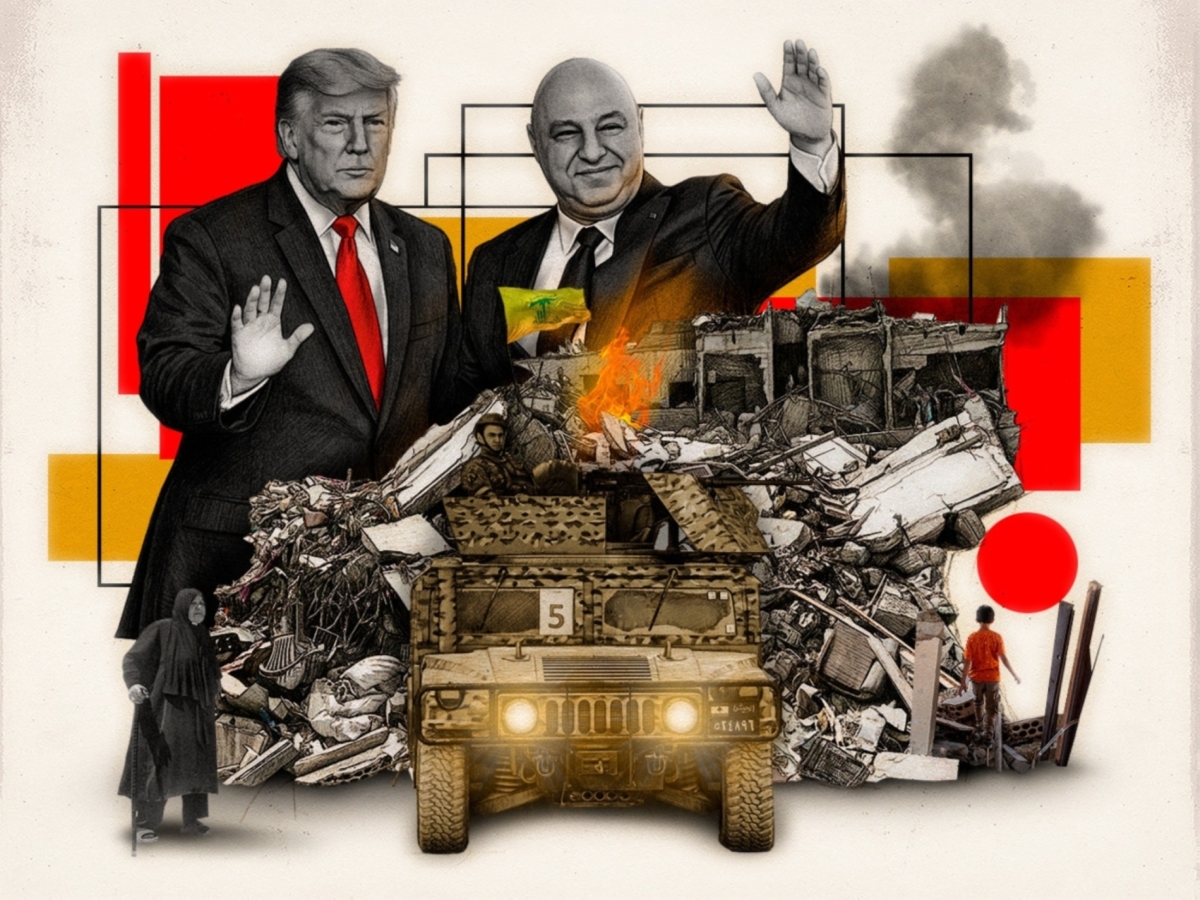
During his recent White House meeting with President Donald Trump, Lebanese President Joseph Aoun – referring to heavy civilian casualties and massive property destruction – asserted that Israel is not “fighting smart” in Lebanon. “Fighting smart,” in Aoun’s view, begins and ends with the people associated with the battleground.

Aoun is not alone in believing that people – not cities, hilltops, or even the enemy’s military force – are the center of gravity in the kind of war being waged between Israel and Hezbollah in southern Lebanon. People – ideally their loyalty and support and at a minimum their cooperation – are the prize to be won. Israel seeks to end forever security threats posed by nonstate actors in Lebanon, threats that have existed for nearly 60 years. Can it do so by thoroughly, permanently, and perhaps intentionally alienating Lebanese Shiites, a sectarian community that represents upwards of 40 percent of Lebanon’s population and dominates southern Lebanon demographically?

Beginning on March 2, 2026, when Iran ordered its Hezbollah proxy to launch rockets and missiles toward Israel, over one-million Lebanese Shiites were displaced from their homes by Israeli military retaliation. And now the homes many of them left behind in southern Lebanon no longer exist, as the Israel Defense Forces (IDF) go from village to village destroying everything – even ancient olive groves and cemeteries - while Israeli cabinet ministers affirm that a “buffer zone” will be indefinitely occupied in Lebanon, with Lebanese residents not permitted to return.
AFP
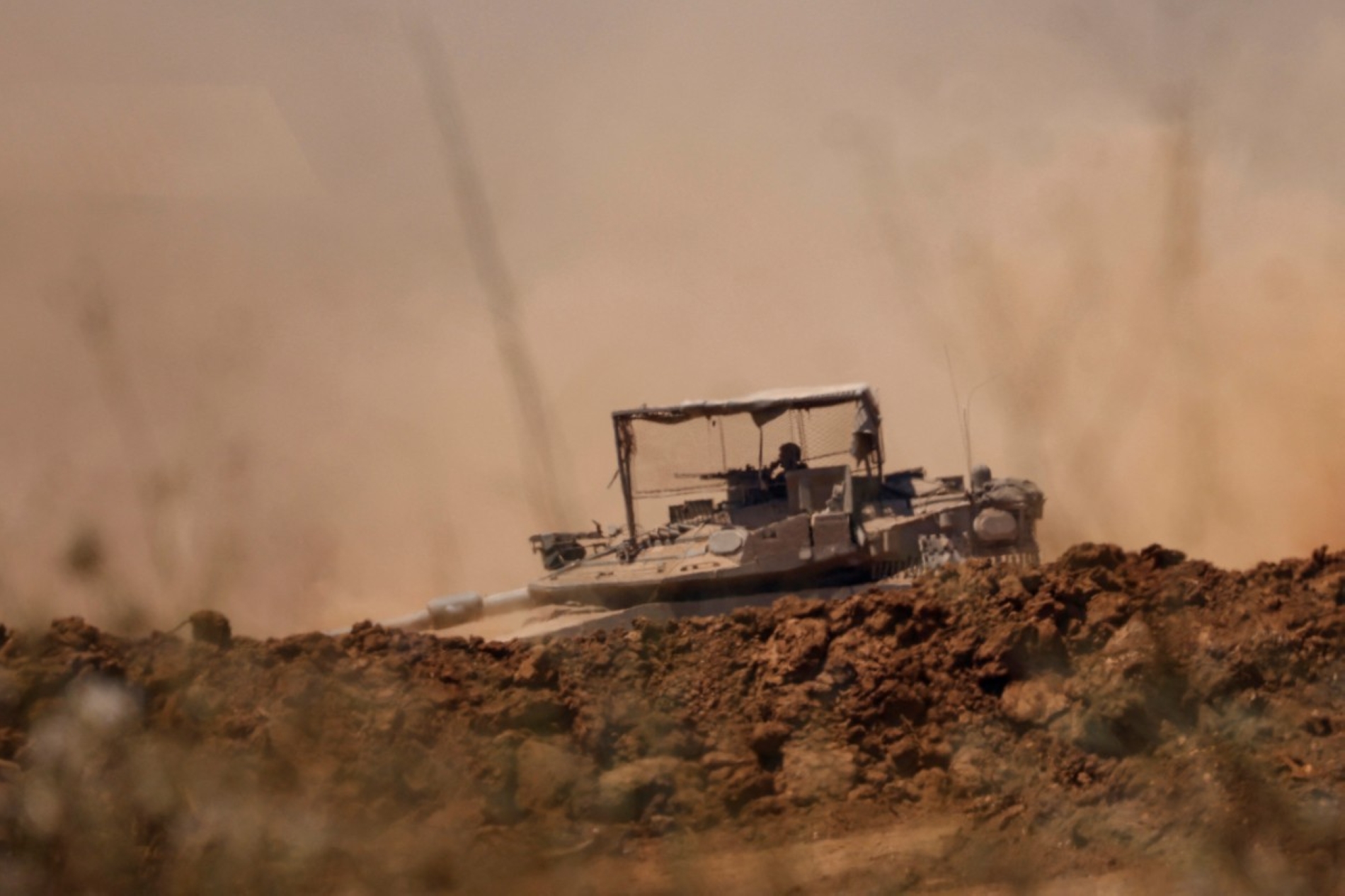
An Israeli tank along the border with southern Lebanon, as seen from the Upper Galilee, northern Israel, on 22 July 2026.

The strategy and tactics of the IDF seem guided by the assessment that armed Hezbollah elements operate effectively only within a supportive and compliant population. Remove the people, lay waste to infrastructure, reduce dwellings and orchards to dust, and armed Hezbollah personnel become fatally exposed if they seek either to cross into Israel or to employ direct fire from Lebanon against Israeli buildings abutting the “Blue Line” boundary.

Indefinite occupation

Although Israel maintains it has no claim on Lebanese territory, clearly it intends to militarily occupy a significant part of southern Lebanon until it is convinced that there is no Hezbollah threat to its security from its northern neighbor; until the organization is disarmed. And both within that buffer zone and beyond, IDF engineers have employed heavy equipment and powerful explosives to make formerly populated places unlivable.

President Donald Trump has commented publicly on another aspect of IDF methodology in Lebanon. Trump has upbraided Israeli Prime Minister Netanyahu for dropping apartment buildings and killing, injuring, and terrorizing civilians to neutralize a handful of Hezbollah operatives. Israel maintains (as it does in Gaza) that it tries to minimize civilian casualties by making legal judgments as to whether prospective civilian harm is proportional to the value of the military target to be engaged. And no doubt the IDF has killed some loathsome Hezbollah operatives in Lebanon, people whose lust for Jewish blood equals that of Hamas in Gaza. But from the points of view of many Lebanese – and not just Shiites – the IDF’s demolition frenzy and perceived indifference to civilian casualties substitute collective punishment for military necessity.
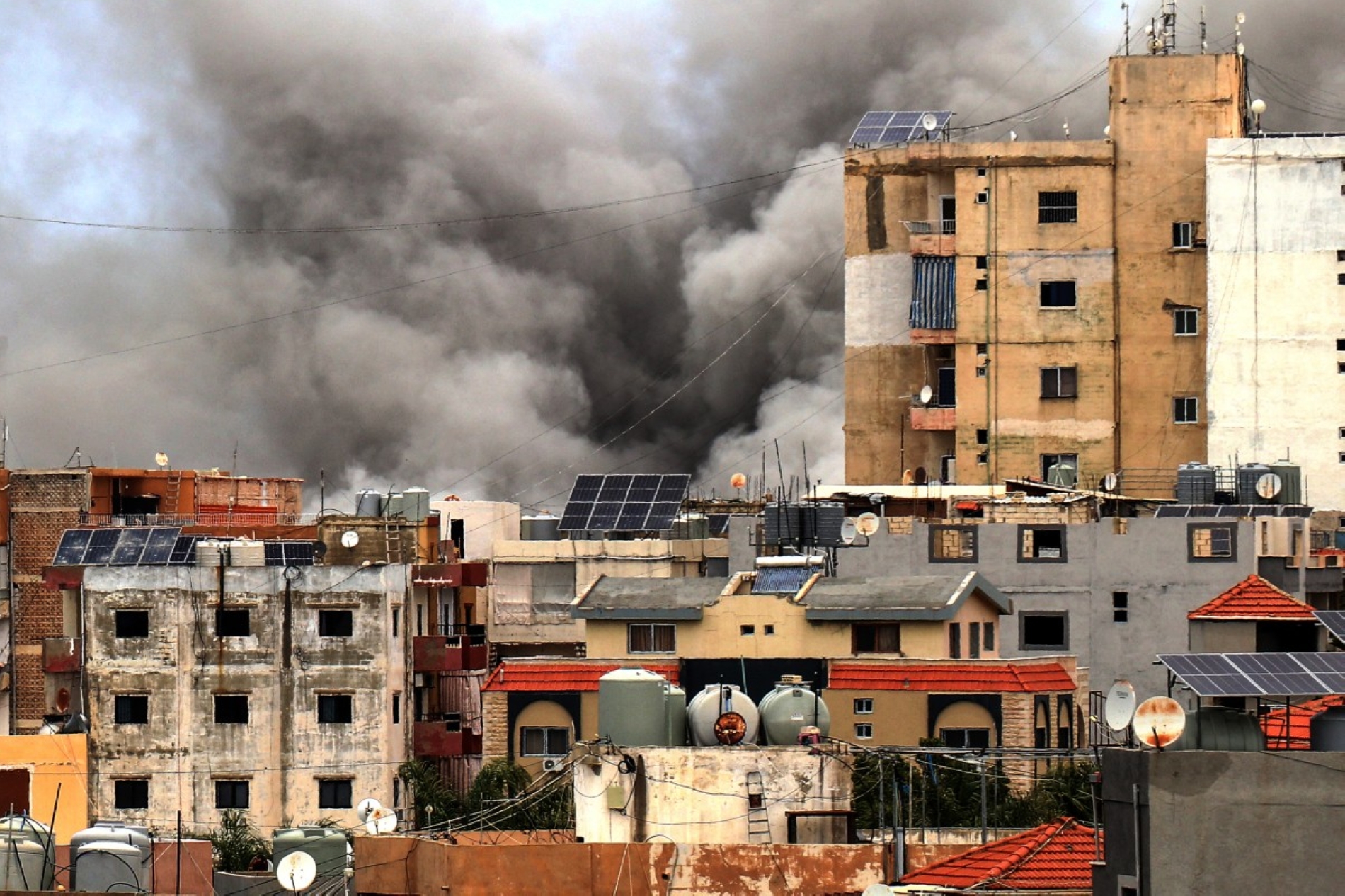
Trump has upbraided Israeli Prime Minister Netanyahu for dropping apartment buildings and killing, injuring, and terrorizing civilians

Recently, Israel's Ambassador to Washington – Yechiel Leiter – released a video seeking to assure Lebanese Shiites that Israel does not consider them, as a community, to be Israel's enemy.  Indeed, asserted Leiter, Israel and Lebanese Shiites have two enemies in common: Iran and Hezbollah.  Those two parties, said Leiter, were the ones responsible for civilian deaths and the destruction of civilian property.

Many Lebanese – even (or especially) Shiites – would agree with Leiter that Tehran's order to Hezbollah to open fire on Israel on March 2, 2026, uncorked a humanitarian catastrophe.  Indeed, by all accounts the definitive unmasking of Hezbollah's leadership as loyal to Iran caused a significant drop in the organization's popularity among Lebanese Shiites.  Since March 2nd, however, it has been the scorched earth character of Israel's response that has been seared into the brains of all Lebanese, giving Iran and its proxies a reprieve of sorts in the Shiite court of public opinion.  Only now, in the wake of President Aoun's noteworthy visit to Washington, is Hezbollah's popularity again receding.

Kawnat Haju / AFP
The aftermath of an Israeli airstrike in the village of Maʿshūq in the district of Tyre, southern Lebanon, on 19 May 2026.

Leiter's uplifting and reassuring words must reflect facts on the ground if they are to achieve their presumed goal of separating Shiites from Hezbollah and supporting LAF-IDF security cooperation.  Lebanon's displaced desperately want to go home and begin rebuilding before the onset of winter.  Yes, among the returnees would be those who still consider Hezbollah as the legitimate Lebanese Resistance and the rightful representative of a sect whose welfare was of little import to the Ottoman Empire, the French mandate, or, until recently, independent Lebanon.  But the overwhelming sentiment of potential returnees is "Enough:" no more warfare. Not surprisingly, southern Lebanese wish to live in safety and dignity, a wish identical to that of Israelis living on the other side of the Blue Line.

Different objectives

Perhaps the Government of Israel thinks it is indeed fighting smart in Lebanon, and it seems from polls that most Israelis agree with it.  But is it?  Does the systematic destruction of property and perceived indifference to civilian casualties advance Israel's political objective in Lebanon?

The Israeli objective most often articulated is military in nature and seems to entail destroying Hezbollah's military capabilities; victory in the industrial, state versus state, model of warfare.  Destroying Hezbollah militarily would presumably end security threats to Israel arising from Lebanese territory.

Such an objective might indeed be achievable if Israel were to deploy and sustain ground forces throughout the roughly 20 percent of Lebanon where Hezbollah's armed apparatus exists, including (in addition to the south) the densely populated southern suburbs of Beirut and the Biqa Valley, Lebanon's breadbasket.  There seems, however, to be little appetite for committing the IDF to what could be a long and costly ground campaign. 

A more feasible political objective – one that would inform and guide military methodologies – would be to set the stage for making peace with a Lebanese state able to implement on the ground what it agrees to on paper.  A supporting strategy would involve backing (or at least not undermining) the Lebanese state's efforts to establish monopolies over weapons of war and war-and-peace decisions.  It would seek to build practical and effective security cooperation with the LAF.  And it would promote among Lebanese – especially Shiites – the view that peace with Israel is desirable and achievable.  Unless permanent warfare is the default, preferred course of action, the security of Israel and its northern residents could benefit enormously from a strong Lebanese state and from southern Lebanese being secure in their own homes.

Kawnat Haju / AFP
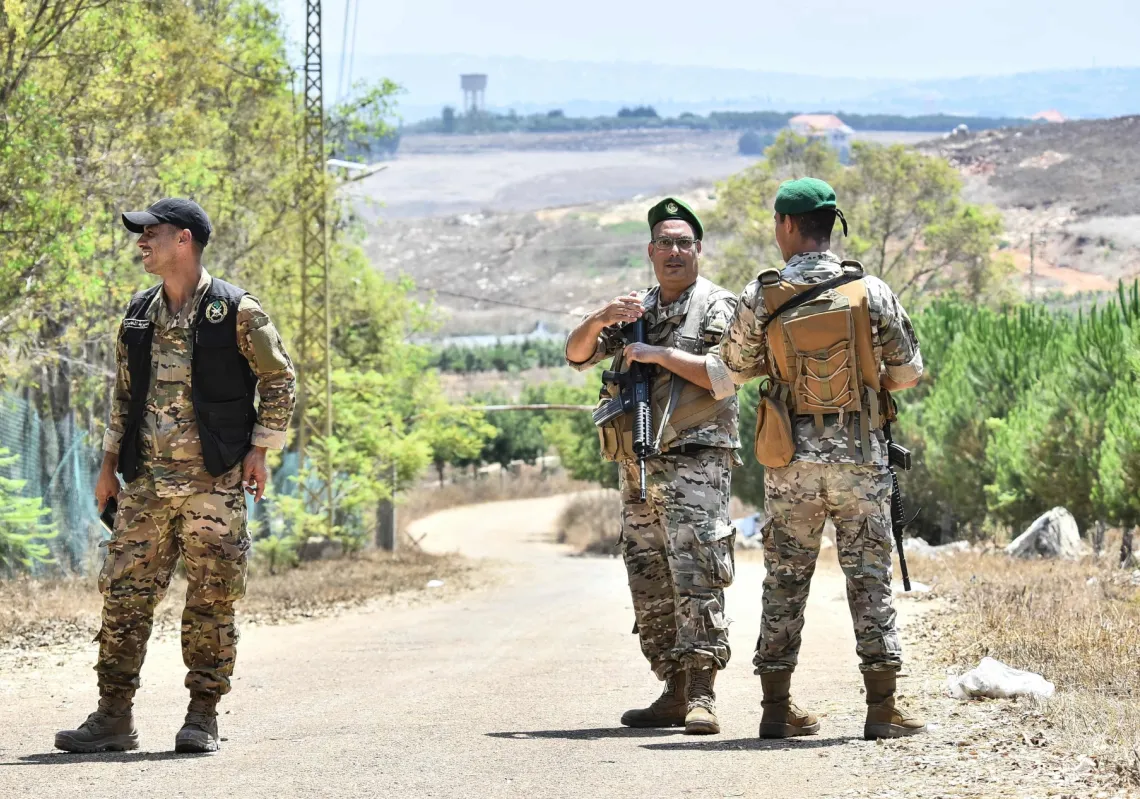
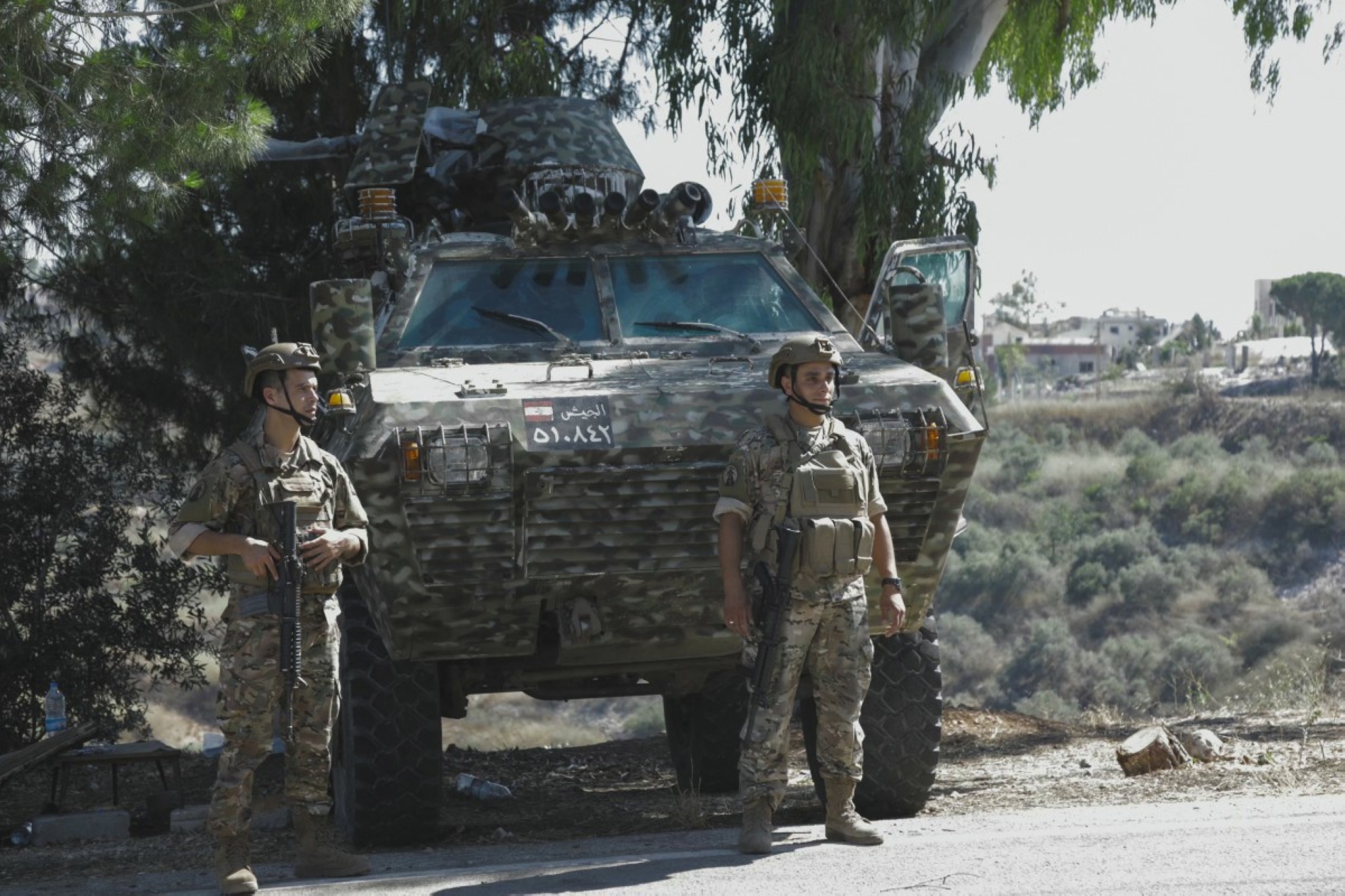
Lebanese army soldiers patrol a street at the entrance of the southern Lebanese village of Froun on 30 June 2026.

If Israel someday sees its interests in terms of achieving full peace and normalization with a coherent, effective Lebanese state – one capable of fully securing its side of the boundary from threats to Israel – perhaps it will conclude that it is not now fighting smart in Lebanon.  Notwithstanding Ambassador Leiter's soothing words, Shiites very much believe that they reside on Israel's crosshairs.  Although it is very much in the interests of southern Lebanese never to see armed Hezbollah militants ever again, it will take time for the bitterness felt toward Israel to subside.  And, if not given a peaceful alternative, some may conclude in the future that armed resistance is the only way forward. 

Possible actions

In the near-term, however, Israel can improve its standing in Lebanon and help build a Lebanese national constituency for peace while sacrificing nothing in terms of its own security.  It can stop the destruction of civilian property and government infrastructure.  It can adopt "do not fire unless fired upon" rules of engagement while operating in Lebanon.  It can take President Trump's advice and do a much better job of safeguarding Lebanese civilians.  It can cooperate with Lebanon and the U.S. in implementing the recently agreed Trilateral Framework.

No one should begrudge Israel's right to defend itself from non-state actors based in Lebanon.  No one should accept conditions that inflict terror on northern Israelis and require tens of thousands of them to evacuate their homes.  But it is legitimate to question whether the tactics currently being employed by the IDF constitute "fighting smart;" whether they advance Israel's security goals or set the stage for more chaos in the decades to come.  Convincing millions of Lebanese that Israel considers them the enemy and that their lives and property merit no protection seems monumentally counterproductive and disconnected both from military necessity and the prospect of eventual formal peace with Lebanon.  Even if, for electoral purposes, Israel's leaders opt not to cooperate diplomatically with Lebanon and the U.S., it can still safely invest in a better future by fighting smart now.

font change