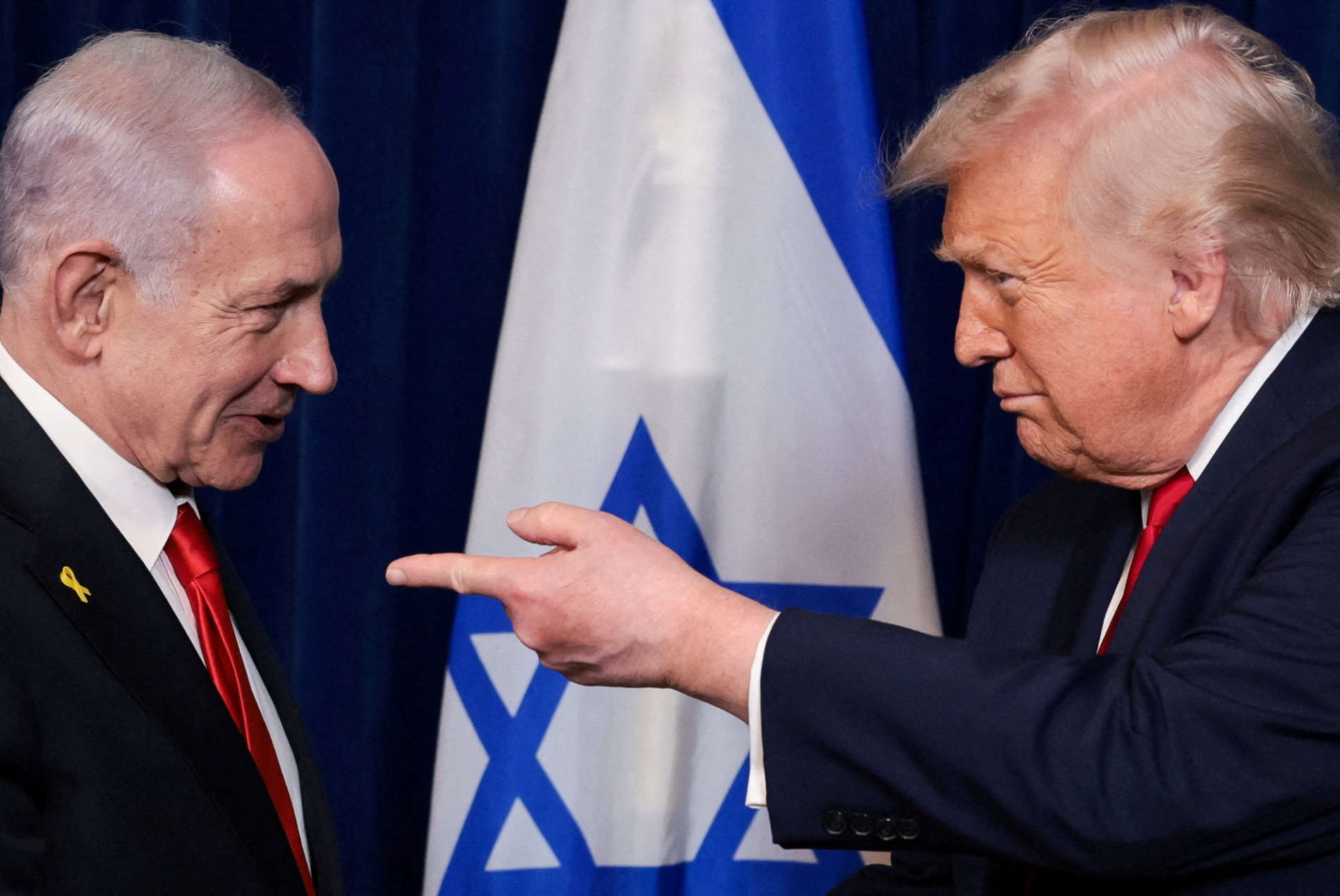

One of the Trump administration’s more measured hands in national security and foreign policy, US Ambassador to the United Nations Michael Waltz was rushed out in front of the cameras last week to extinguish a diplomatic fire. In live interviews with Face the Nation and Meet the Press, he was asked about the last-minute condition US President Donald Trump had just imposed on the newy signed nuclear deal with Saudi Arabia. As the ink was drying, Trump had said that it only applied if the Saudis normalised relations with Israel by joining the Abraham Accords.
Taking to social media, Waltz’s boss posted: “The Civil Nuclear Deal (There will be no enrichment of material!) being made between the United States Department of Energy and Saudi Arabia, which pertains only to non-military use such as the ones that Iran and UAE (and others) already have, will be approved, but is totally subject to Saudi Arabia joining the very respected and successful Abraham Accords.” This seemed to take the Saudis by surprise, although there was no public comment.
In his interviews, Waltz supported the deal, but reiterated Trump’s terms: that Saudi Arabia first normalise its relations with Israel to reap the benefits of a “decades-long, multi-billion-dollar” partnership. Yet this condition was stipulated after the deal was signed by US Secretary of Energy Chris Wright and Saudi Minister of Energy Abdulaziz bin Salman on 22 July. Ode to have been a fly on the walls in the palaces of Riyadh when that news broke.
Democratic Senator Chris Van Hollen said Trump was playing “bait and switch” with Saudi Arabia, but Waltz insisted that there was no foul play and that nuclear talks had been going on for years, beginning during Trump’s first presidency and continuing during that of his successor Joe Biden, and that while the tenets of the current deal are now in place, implementation has always depended on normalisation.
As part of its transformation plan for the Middle East, the Biden administration proposed a mega deal to Riyadh: in exchange for a formal embrace of Israel, Washington would sign a NATO-like defence pact with the Saudis and help them build a civilian nuclear energy industry. That never went through because Israel rejected the creation of an independent Palestinian state, a Saudi pre-condition for normalisation.
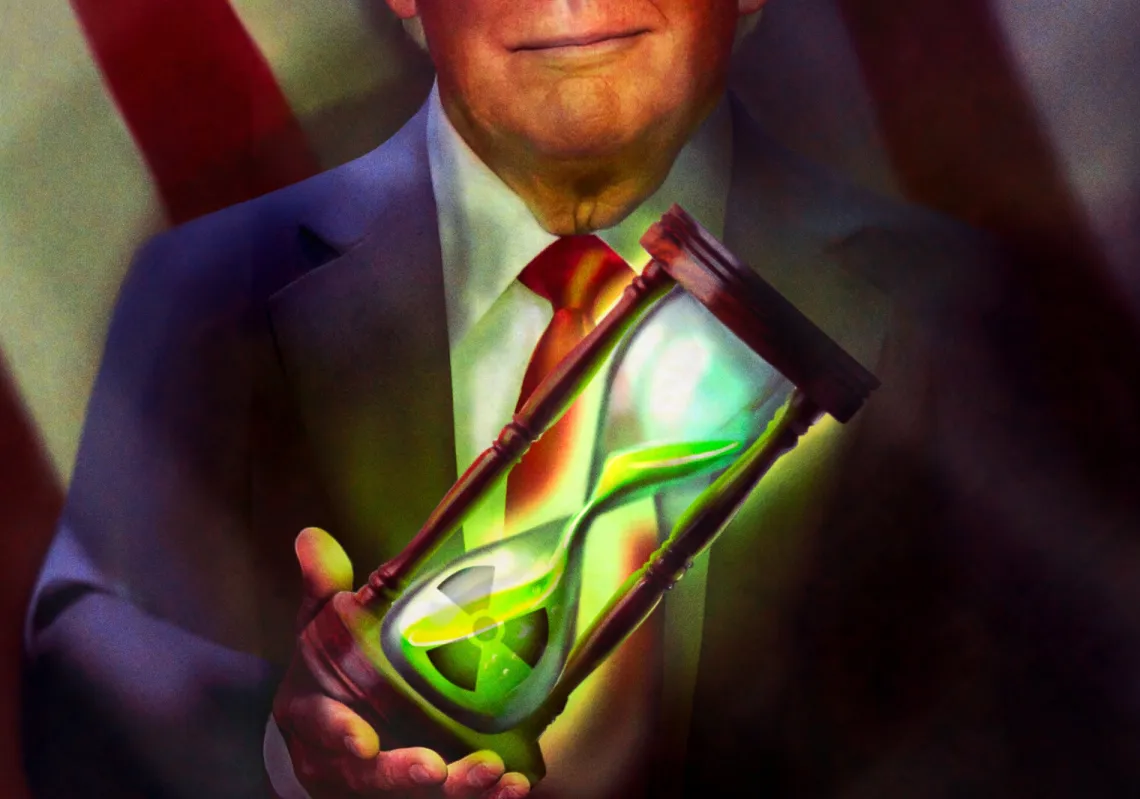
The other contentious issue in the agreement, which Trump’s political opponents wasted no time in exploiting, was that it left the door open for the Saudis to enrich uranium on their soil. That is a big no-no in the global non-proliferation community. Waltz called it a misunderstanding, saying that the Saudis “will be buying civil nuclear reactors from the United States with full inspections in place and no enrichment happening on Saudi soil”. Yet there is a clause in the deal stipulating that the Saudis could enrich, with Washington’s permission, after two years, so the Democrats duly sounded the siren on a nuclear arms race in the Middle East.
Where does that leave the US-Saudi nuclear agreement? White House Press Secretary Karoline Leavitt said the deal was “off” if the Saudis refuse to join the Abraham Accords, but knowing her boss’s erratic ways, she did not completely shut the door, stating that Trump “is always the final dealmaker”.
The United States has much to gain from a civilian nuclear deal with Saudi Arabia including the expansion of American nuclear technology exports; the creation of high-paying US jobs and long-term economic growth; the strengthening of America’s energy and national security posture; the reinforcement of global non-proliferation standards; and the deepening of the strategic US-Saudi partnership. Furthermore, it could constrain Russia and China’s access into the giant Saudi energy market.
Away from noise, there are two main factors that could delay or kill this deal: nuclear proliferation concerns, and the condition of normalisation with Israel. Each requires its own consideration.
Non-proliferation
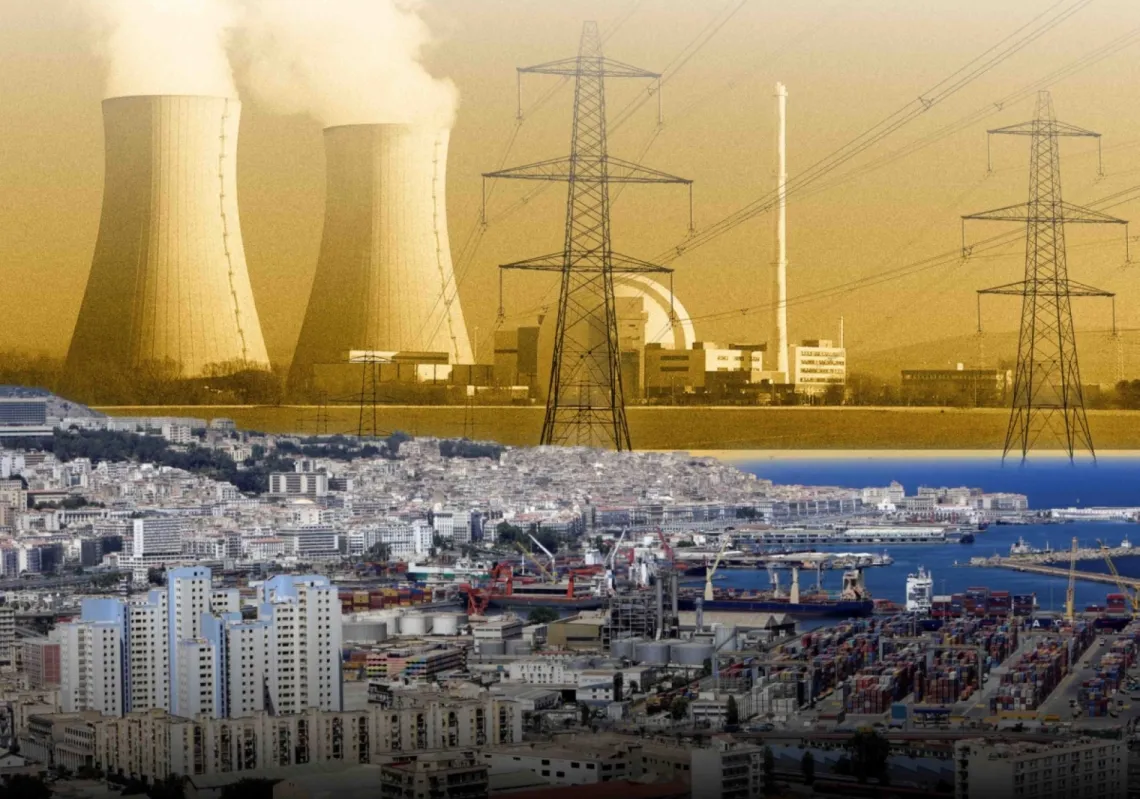
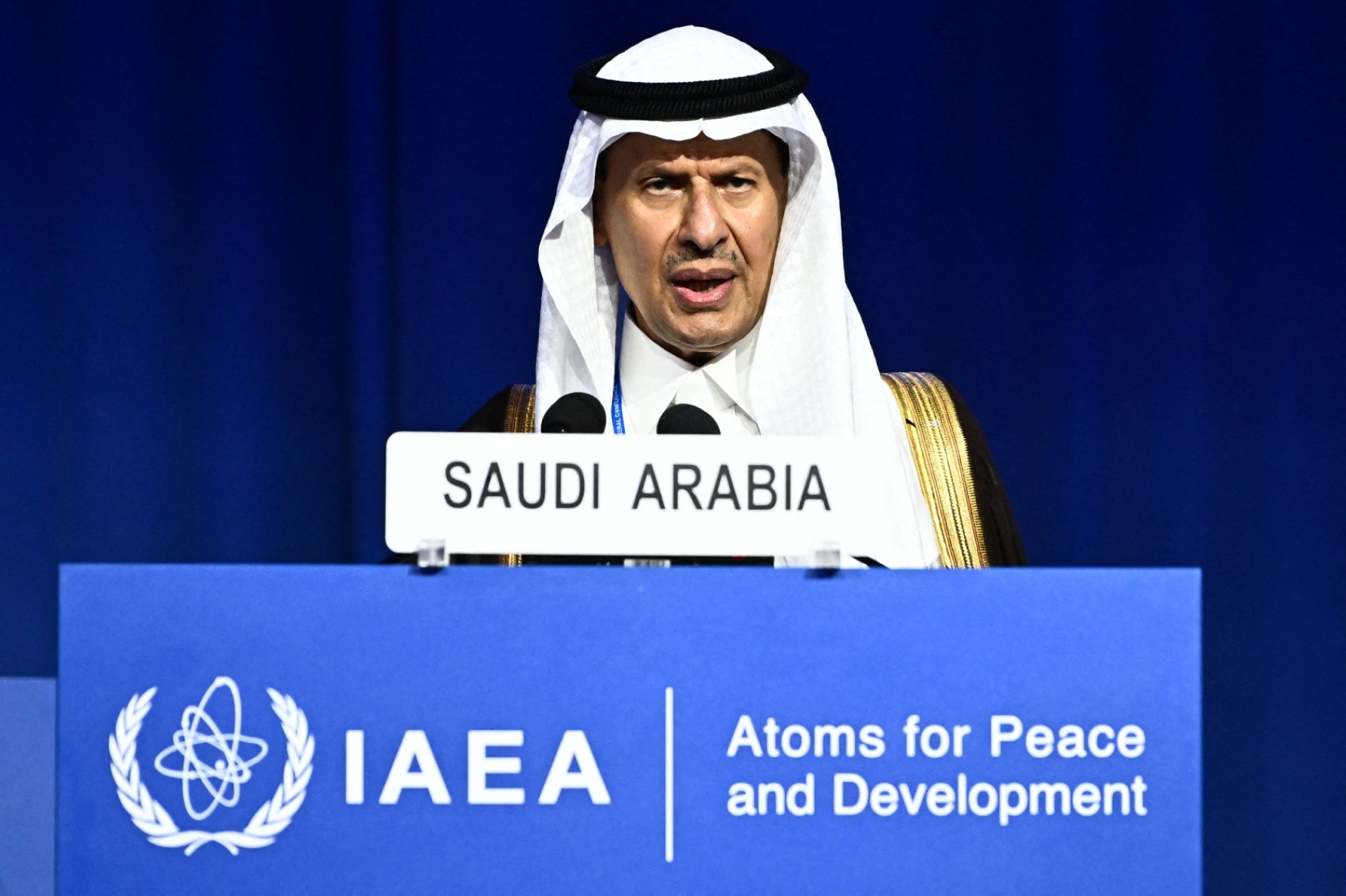
Saudi Arabia is an oil-rich country, but the Saudi leadership wants to expand its energy generation infrastructure beyond fossil fuels. Nuclear power could free up more oil supply, boost exports, and save money. It could also help power the enormous data centres that the Saudis are building. Sovereign civilian nuclear power is not a recent Saudi desire. Back in January 2019, Energy Minister Abdulaziz bin Salman said the country aims to “go for the full cycle, from producing uranium, to enriching uranium, using the uranium, even acquiring the technologies”. In January 2023, he spoke of plans to use Saudi resources to enrich uranium.
Given the dual-use nature of nuclear power, many in Washington (especially from the non-proliferation community) have raised concerns about Saudi Arabia ultimately having the ability to develop a nuclear weapon. Anticipating such concerns, Secretary Wright said: “Rest assured, these agreements uphold the highest standards of nuclear safety and non-proliferation, while relying on the world’s best nuclear technology and scientists, designed right here in the United States.”
Secretary of State Marco Rubio added that the US “is not going to reach any agreement with any country in the world that leads to the risk of proliferation”. Yet those reassurances are not enough. There are practical steps the administration can pursue with Saudi Arabia to alleviate the legitimate proliferation anxieties.
The first is to fully release all the details of the agreement. The second is to insist that Saudi Arabia sign the Nuclear Non-Proliferation Treaty’s Additional Protocol with the International Atomic Energy Agency, which allows international inspectors to drop in and check that enriched uranium is not being used for military purposes (Riyadh is a member of the NPT but not a signatory to the Additional Protocol). Washington should not set a precedent of bilateral verification. China and Russia could then do the same, thus crippling the global non-proliferation regime.
The issue is not enrichment per se (something Trump does not seem to understand if you read his post) but the levels of enrichment. If the levels are very low (below 5%), there is no risk of militarisation, but those levels must be verified, and the best way to do that is through unconditional and effective international inspection.
Of course, the risk of weaponisation can be eliminated by denying the Saudis the ability to enrich altogether and pushing them to sign a Section 123 agreement (similar to one with the UAE, also known as the “gold standard”), but the Saudis do not want that kind of deal for reasons related to economics and prestige. Besides, if the Iranians are allowed to enrich to low levels locally, Saudi officials argue, why can they not do the same?
Normalisation
The second big potential sticking point is Trump’s precondition that Riyadh recognises the State of Israel and establishes full diplomatic relations with it. On the surface, it sounds like a deal-breaker, but there are reasons to suspect it may not be.
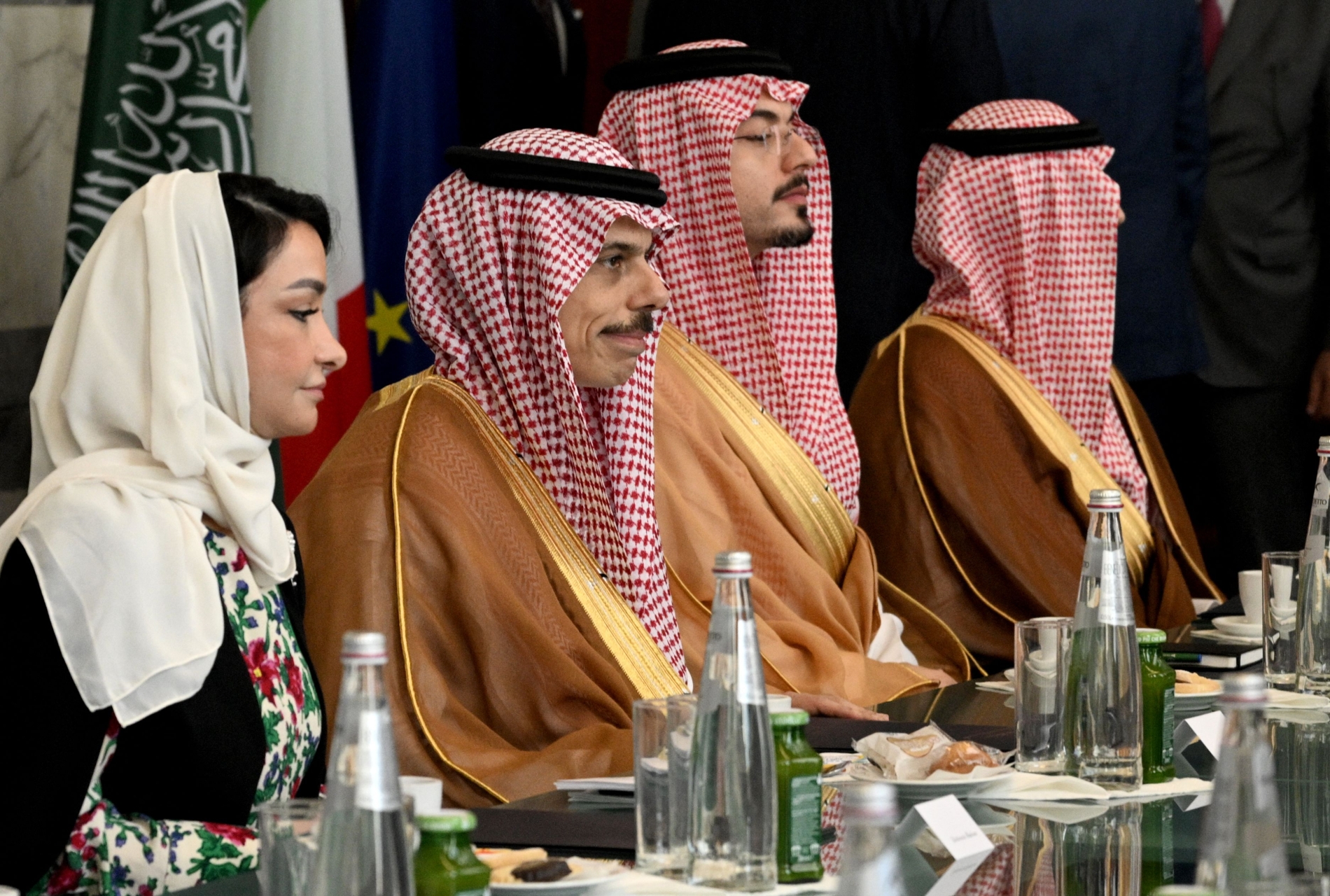
Here, it helps to understand that Trump is keen to secure a big win in the Middle East, which is clearly coming neither from his war with Iran nor from Israel’s war in Lebanon. Trump can easily change his mind on Saudi Arabia and has done so before. When Saudi Crown Prince Mohamed Bin Salman came to Washington in January, Trump signed a US-Saudi security agreement that looked a lot like a defence pact, even though it was not ratified by Congress.