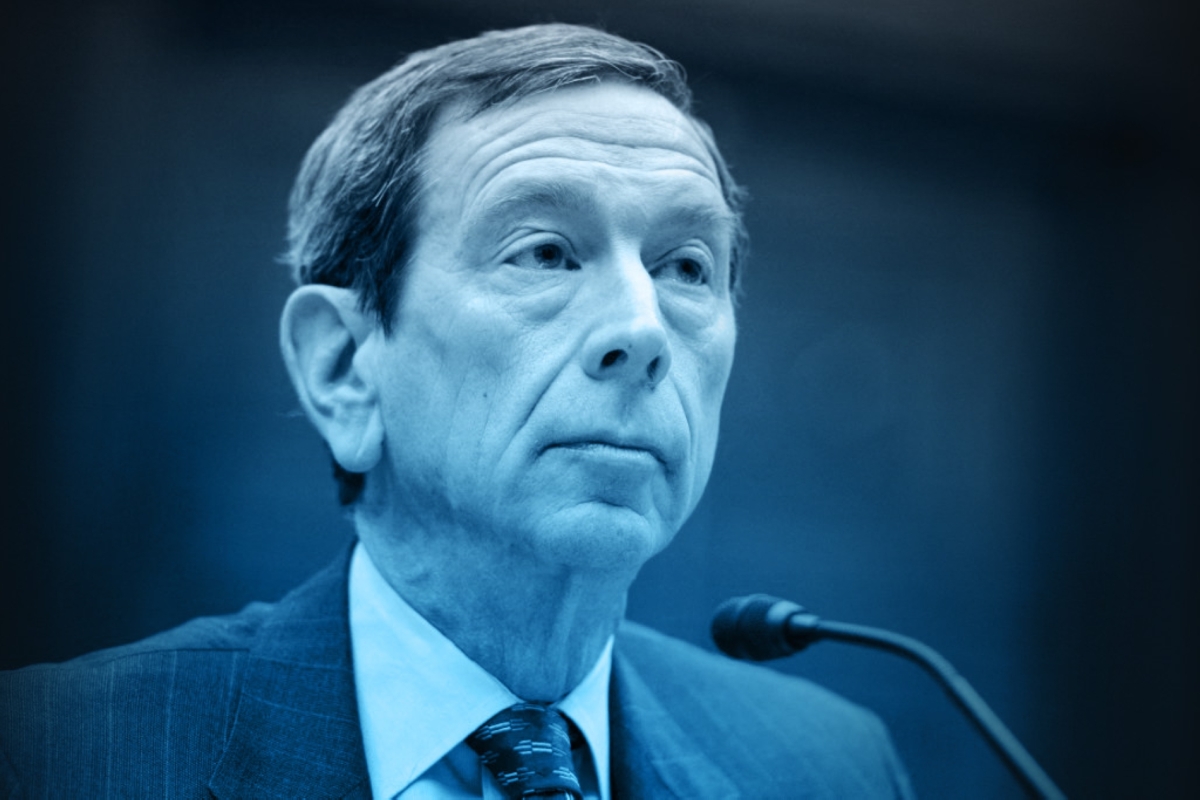

Since the 1970s, Robert Einhorn has played a prominent role on arms control and nuclear non-proliferation in the United States, either as a federal employee or as a think tank expert. Now a senior fellow at Brookings, he was previously a State Department Assistant Secretary for Non-Proliferation and later a Special Advisor on Non-Proliferation and Arms Control. He spoke to Al Majalla about the US-Saudi nuclear deal and the confusing messaging following its signing.
How do you view the nuclear agreement between the United States and Saudi Arabia?
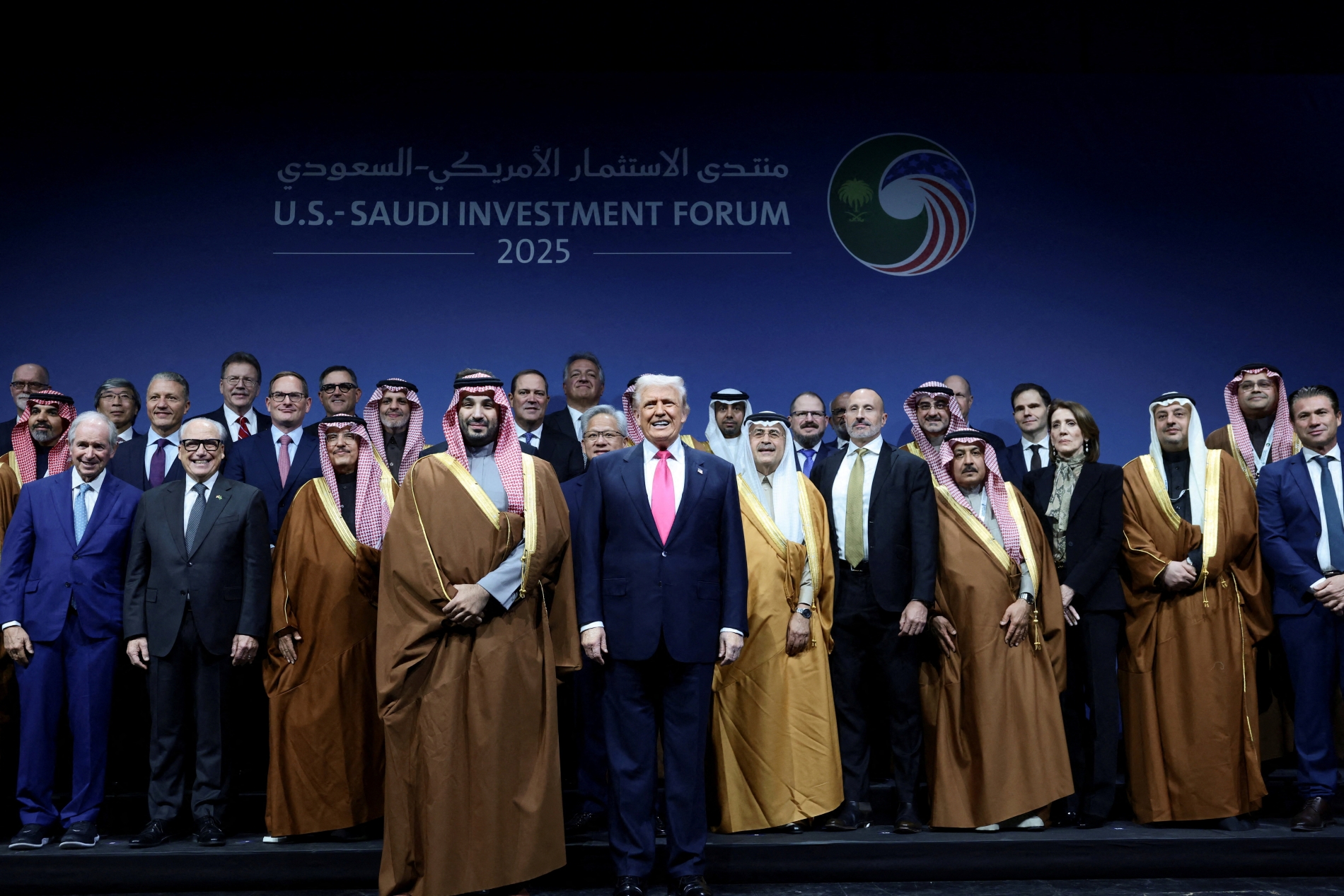
We are currently in a state of confusion. The agreement was signed by Secretary of Energy Chris Wright and his Saudi negotiating partner. But following the formal signature, President Donald Trump went on social media to add a new condition: no deal if Saudi Arabia does not normalise relations with Israel.
It is doubtful that Riyadh had advanced warning of the new condition. But senior American officials were just as surprised as Saudi officials. The 123 Agreement (in reference to Section 123 of the US Atomic Energy Act 1954, meaning a legal pact that must be signed before any transfer of American nuclear material, equipment, or knowledge) was the product of lengthy negotiations, but now the outcome is highly uncertain.
Why do you think Trump introduced this condition after the agreement had already been signed?
We do not know the real reason, we can only speculate. One possible explanation is that the Biden administration had been negotiating a Section 123 Agreement as part of a broader package with Saudi Arabia that also involved a mutual defence agreement and Saudi normalisation of relations with Israel. In other words, Biden linked the Section 123 Agreement to Saudi willingness to normalise with Israel.
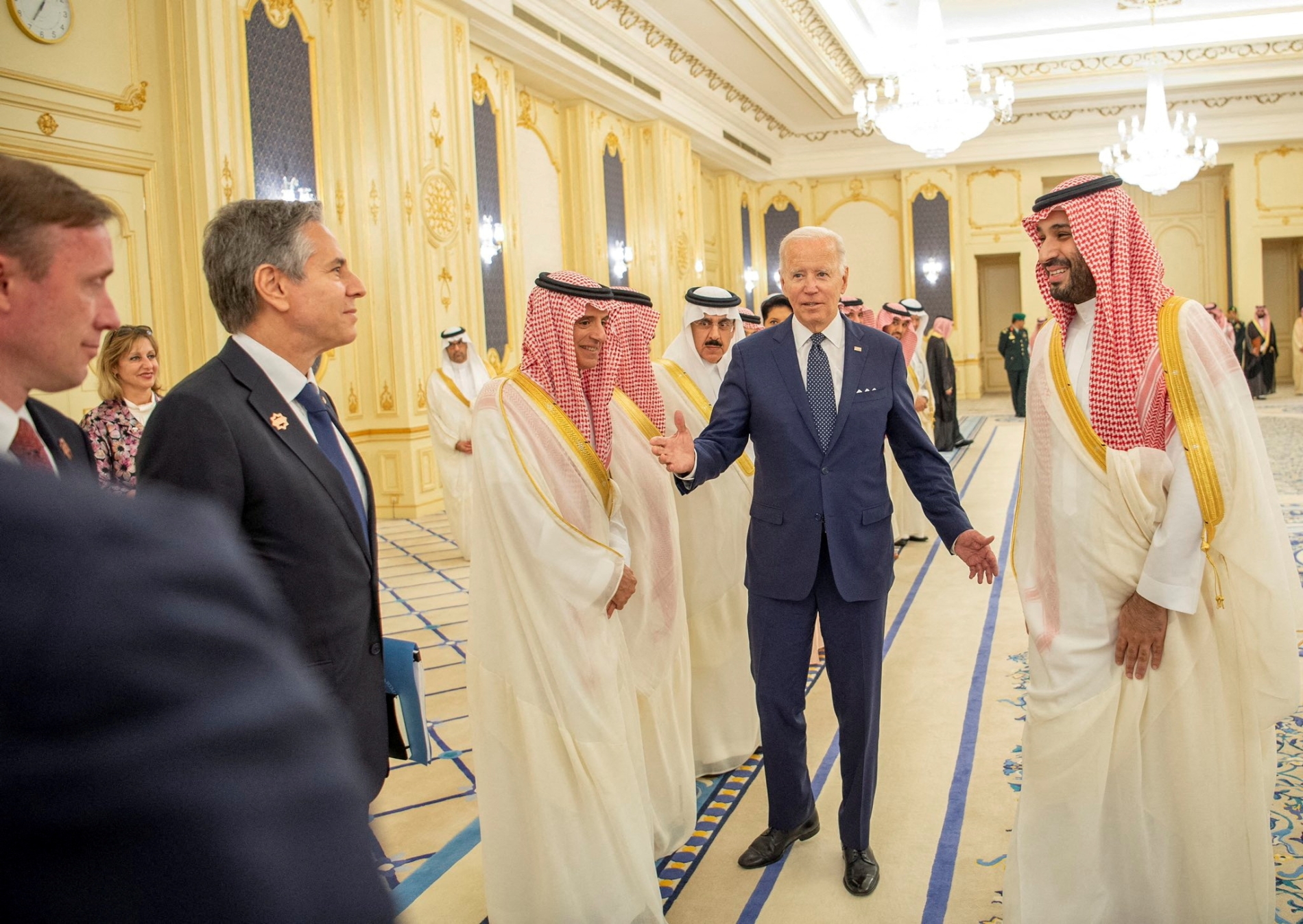
The Trump administration, recognising that normalisation was no longer on the table because of Gaza, abandoned the linkage and pursued the Section 123 Agreement as a free-standing measure. Now Trump seems to have had second thoughts. It is not clear why.
He may have been unhappy that critics were calling his deal less demanding than the one Biden was negotiating and decided to add normalisation as a condition. Another possibility is that Trump was upset that the US Energy Secretary held the signing ceremony when he believed it should have been his prerogative. A third possibility is that Trump understood that Saudi Arabia would not change its position on normalisation but felt his new condition would give him leverage later to give up on normalisation in exchange for other Saudi concessions.
Can the agreement be reopened after it has been signed?
It is not normal or desirable diplomatic practice, but as a practical matter, one party can try to reopen a signed deal. It is up to the other party to decide whether to reopen negotiations or refuse to do so, hoping the other party will withdraw its new condition.
There is a serious downside for the United States in trying to add new conditions after an agreement has been signed (or, as we say, “trying to move the goalposts”). Other countries may be reluctant to reach agreements with the United States if they believe that after a deal is concluded, it will be reopened and they will be asked to make additional concessions.
Do you believe the normalisation condition was added at the request of Israeli Prime Minister Benjamin Netanyahu?
There has been speculation that Trump added the condition after speaking to Netanyahu. Clearly, Netanyahu would have been pleased by the new condition. However, the White House has stated that the president made the decision on his own and that no-one asked him to do so.
How do you assess the substance of the agreement itself?
It offers significant benefits to both sides. For the United States, it could help revitalise the American nuclear industry, strengthen ties with an important strategic partner, and prevent China and Russia from gaining a foothold in the Saudi nuclear energy sector. For Saudi Arabia, it deepens its relationship with the US, helps diversify its energy sources, and supports its economic development goals.
However, there are also risks, particularly regarding uranium enrichment. Traditional US policy has long sought to limit the spread of enrichment technologies around the world. This agreement marks a departure from that approach. Under the new 123 Agreement, there will be a two-year period to study the value of domestic enrichment in Saudi Arabia, after which time the US could decide to move forward.