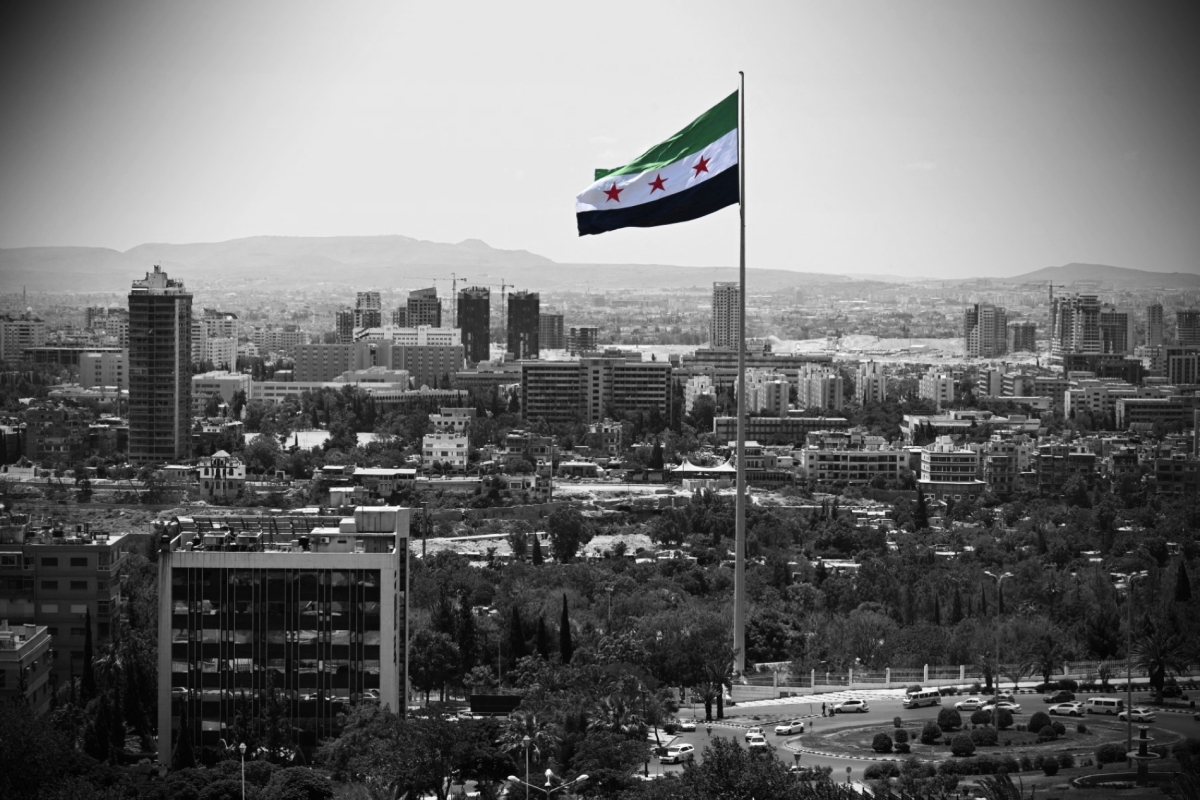

During the two weeks I spent in Damascus, I found myself following four stories at once. The ‘new Syria’ was making diplomatic and economic advances. French President Emmanuel Macron arrived for a landmark visit, before President Ahmed al-Sharaa travelled to the NATO summit in Ankara, where he met US President Donald Trump. Then came the inaugural meetings of the Syrian American Business Council in Damascus, alongside the arrival of the first delegations from security and oil companies.
At the same time, the security services were pursuing ‘sleeper cells’ and trying to contain the consequences of a series of bombings. One struck the Palace of Justice and shook the hotel where we were based. Other sites across the capital were also targeted, including two explosions I witnessed near the hotel where Macron was staying, only minutes after his motorcade had left for the presidential palace.
The bombings were a stark reminder that the path to stability still faces severe tests and that Western security assessments require constant review. The bombing at the Palace of Justice delivered a bloody warning, and the explosions near the hotel where Macron was staying served as a reminder of the fragility of the transition. The opponents of the ‘new Syria’, and they are numerous, are plainly unhappy with the direction of events.
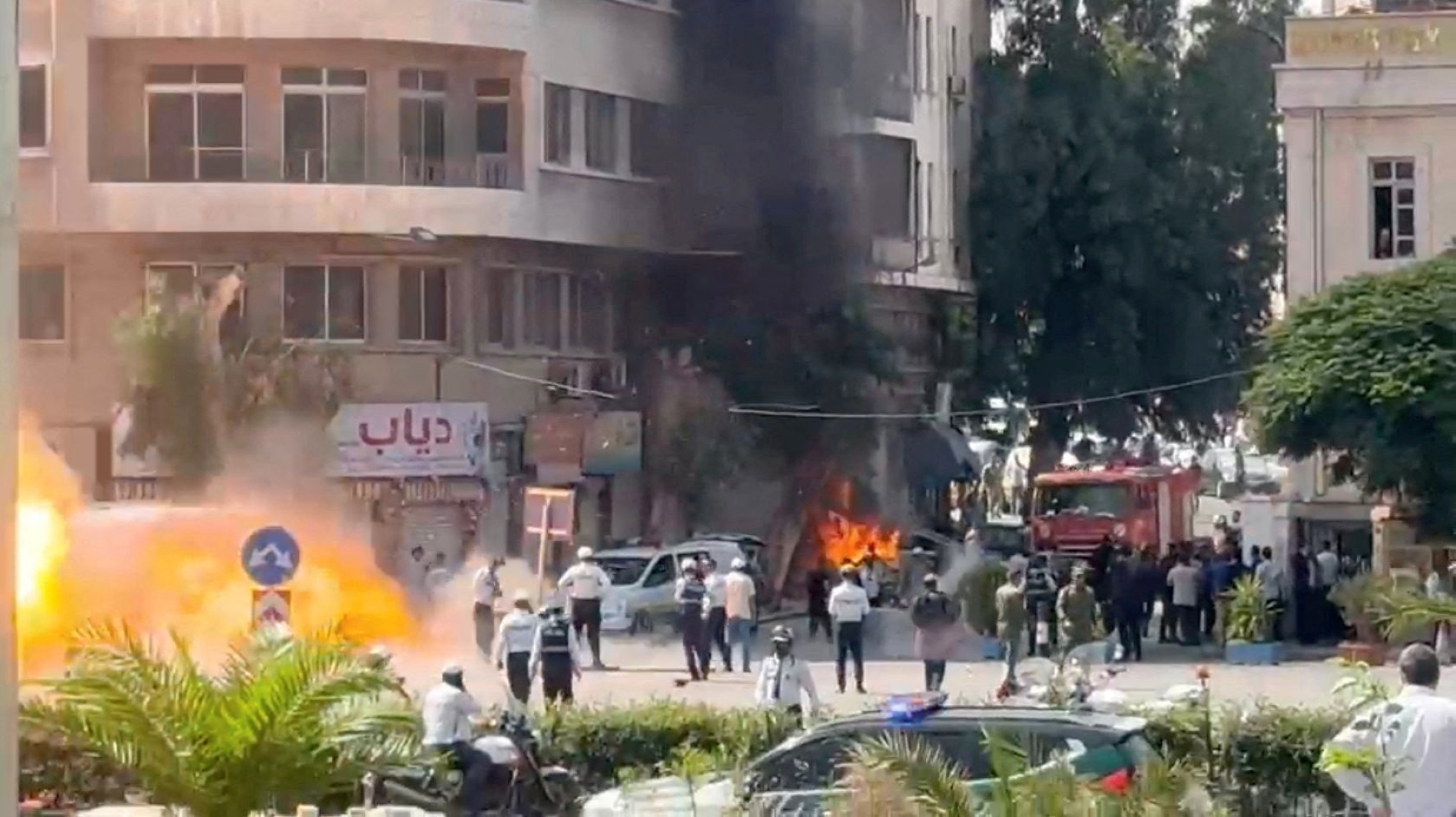
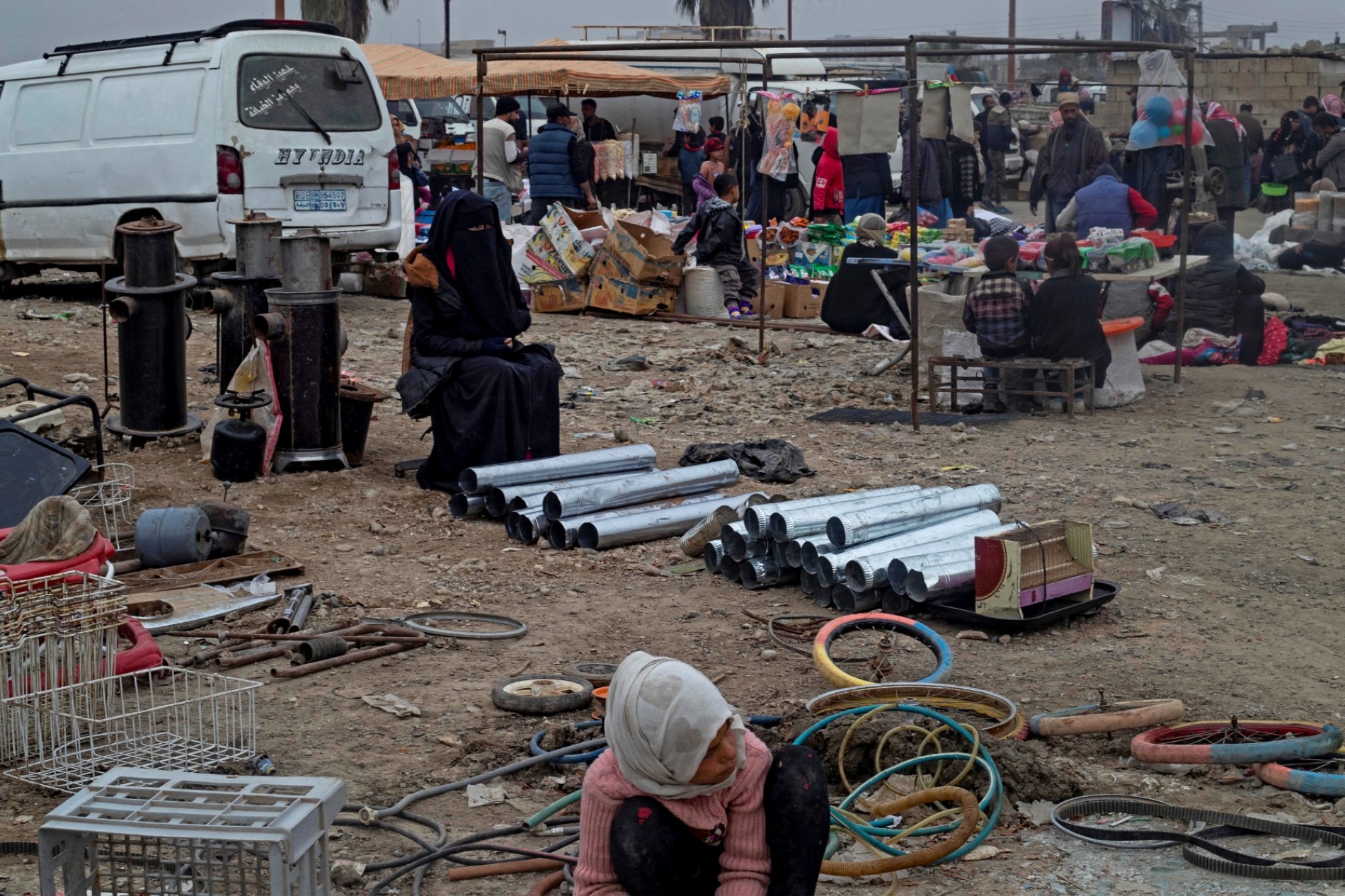
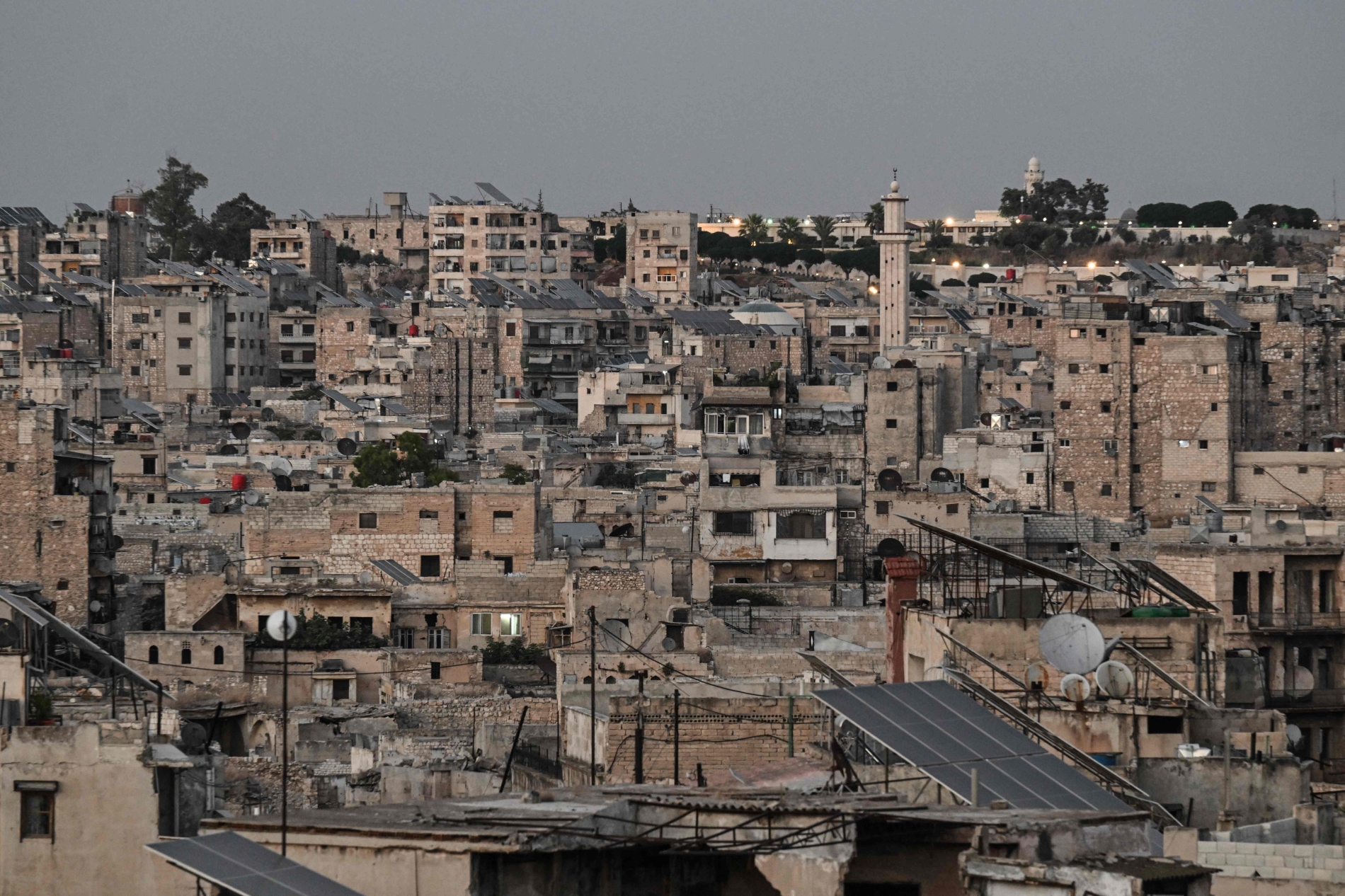
Such blasts unsettle any visitor to a city, and a country, exhausted by war. Damascus pauses as traffic briefly thickens after each explosion, before the city resumes its daily rhythm. Its people return to their ambitions, dreams, and plans, even as they struggle under the burden of poverty. That poverty is spreading and deepening under the pressure of liberalised imports, rising prices, higher bills, and unemployment.
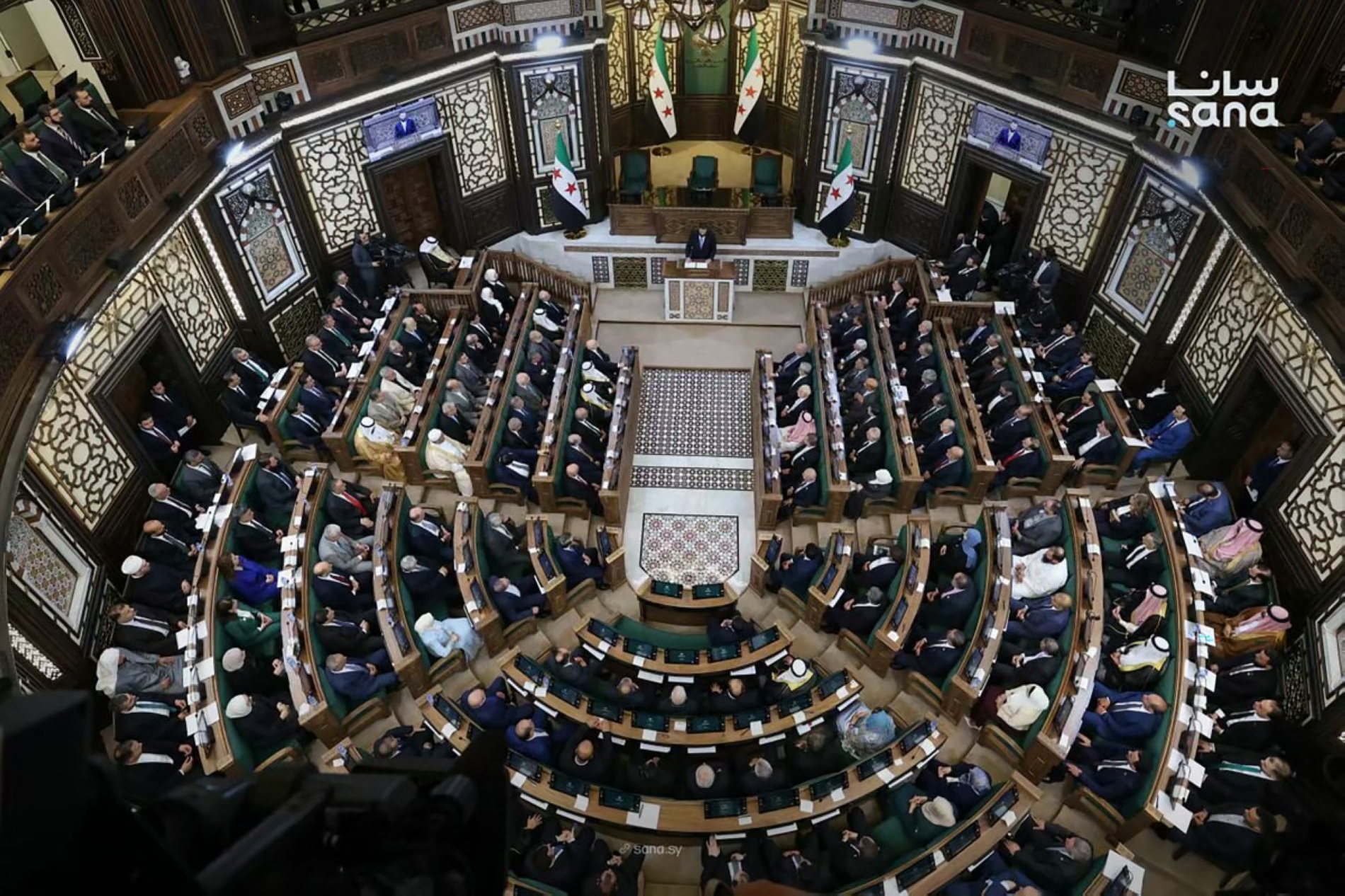
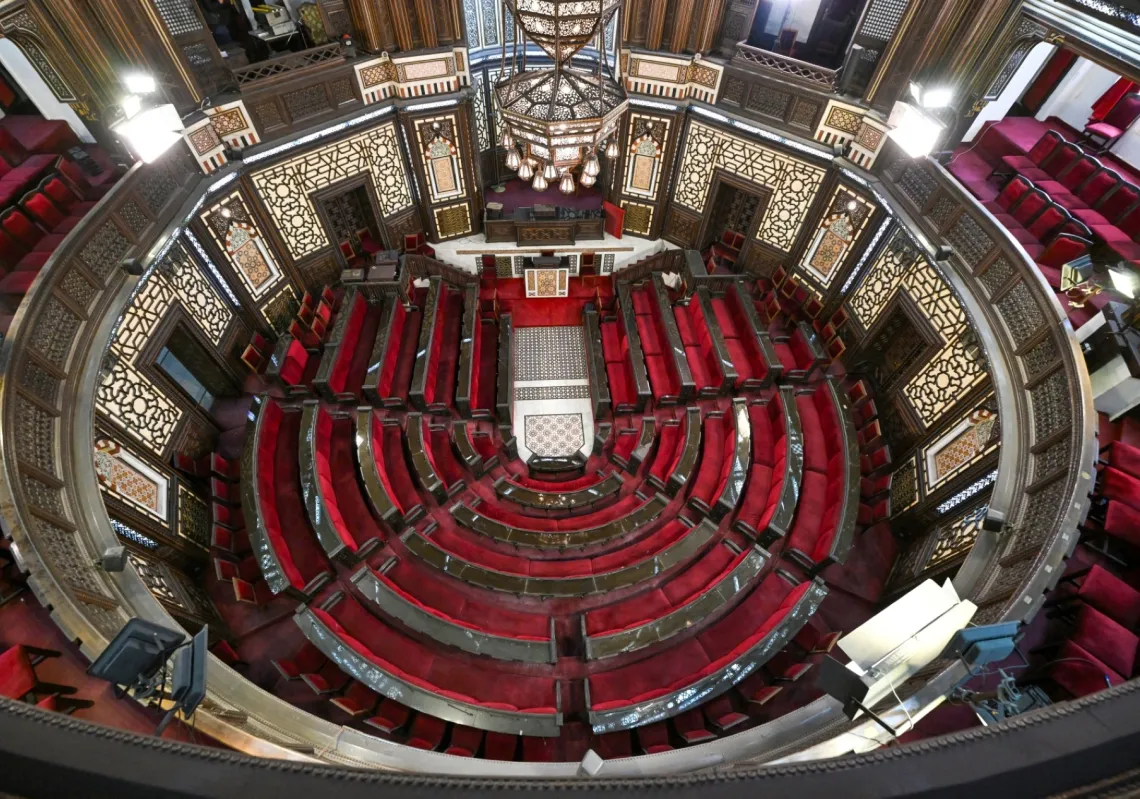
Beyond the cameras and official statements, the ‘new Syria’ was also witnessing a quieter development, perhaps more important than it first appeared. Beneath the dome of the People’s Assembly, as preparations advanced for its inaugural session, the first ‘political battle’ since the fall of the ‘Republic of Fear’ on 8 December 2024 was beginning to unfold.
Macron in Damascus
This ‘political battle’ began on the eve of President Macron’s visit to Damascus. The timing was no coincidence. As the capital prepared to receive the first G7 leader to visit the ‘new Syria’, the outlines of a political and parliamentary test were quietly taking shape beneath the surface.
Macron was determined to proceed with the visit and left his programme unchanged, sending an unmistakable political message. He toured the Old City of Damascus and the Umayyad Mosque before holding lengthy talks at the presidential palace on 7 July, becoming the first G7 leader to visit Syria since the fall of the Assad regime.
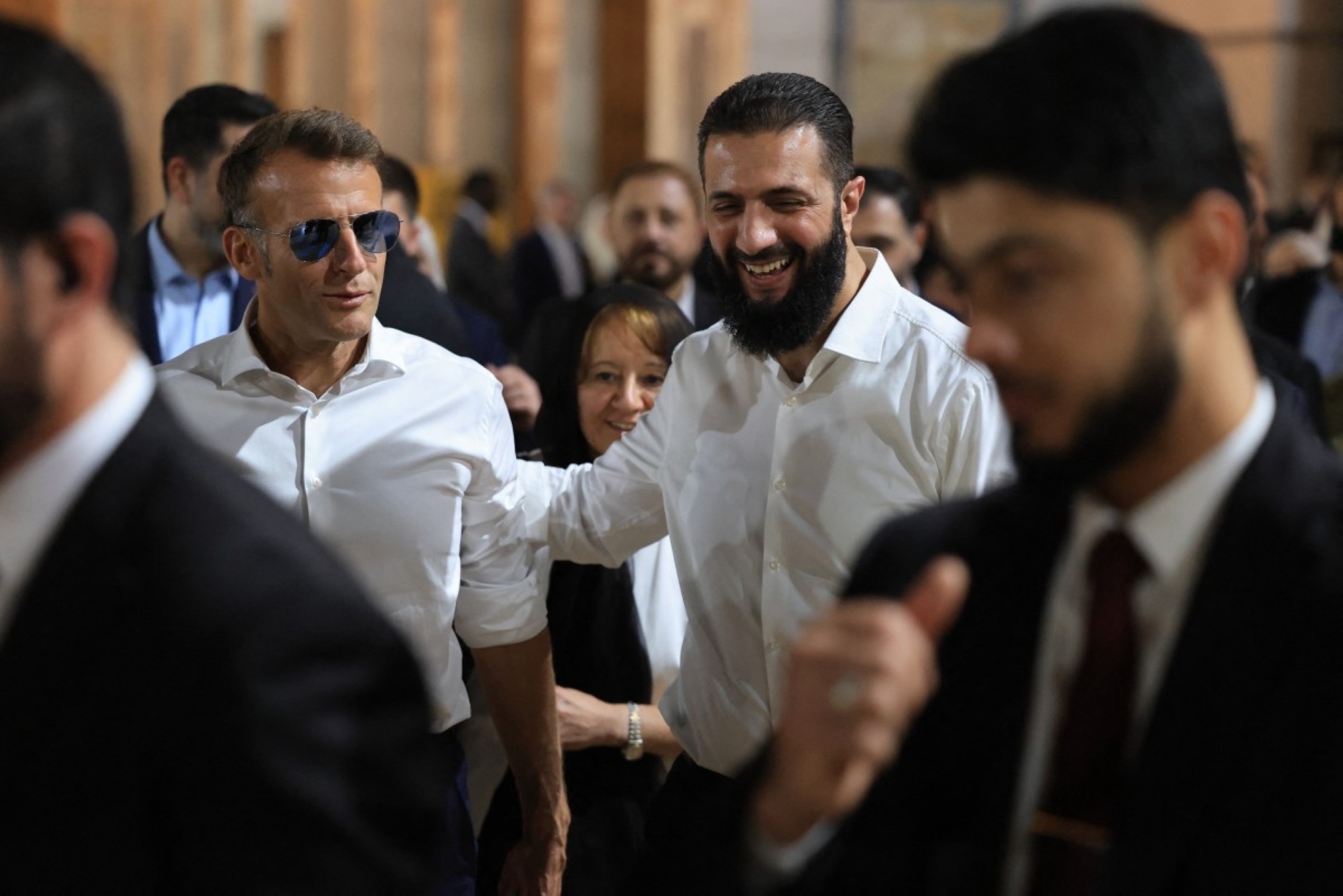
The visit carried French, European, and regional significance. Paris understands that Damascus has become the setting for a quiet contest with Turkey, the closest ally of the ‘new Syria’ and the country with the broadest influence in northern Syria since the uprising began.
France also recognises the limits of its economic reach. It cannot match Gulf or US investment, and is therefore relying on its institutional expertise. Macron arrived in Damascus with promises to help rebuild banking infrastructure, support reform, and establish the legal and governance frameworks needed to attract investment. The proposals also included projects in health and education, together with efforts to revive Syria’s Francophone presence.
The American wager
The largest wager in Damascus remains the American one. The Trump administration views Syria as more than a security file. It regards the country as an economic and geopolitical project. US envoy Tom Barrack has been pressing strongly for investment in the energy sector and for Syria to be integrated into projects linking the Gulf, Jordan, and Iraq with Turkey and the Mediterranean.
The day after Macron departed Damascus, al-Sharaa travelled to Ankara for the NATO summit. There, he met Trump, who informed him that formal procedures had begun to remove Syria from the US list of State Sponsors of Terrorism, ahead of the inaugural meeting of the Syrian American Business Council in Damascus.
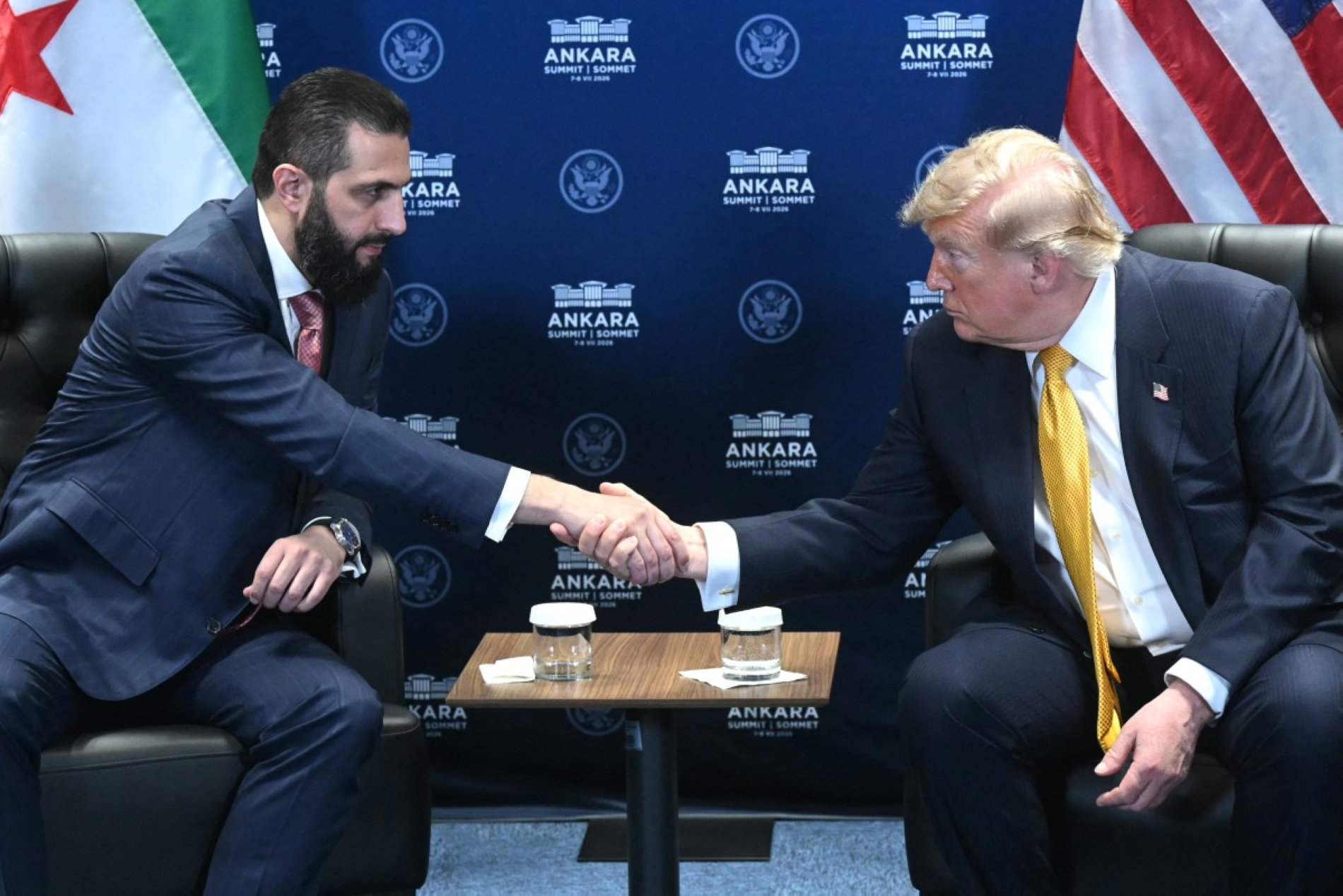
During their meeting in Ankara, Trump handed al-Sharaa a letter notifying Congress that procedures to remove Syria from the list had begun, with a timetable of 45 days. A few days later, at the inaugural session of the Syrian American Business Council, US experts spoke in unequivocal terms. Washington and its allies, they said, had fulfilled their part by lifting sanctions. The ball was now in Damascus’s court.