The Arden Shakespeare and the reinvention of the canon

The fourth Arden series continues a tradition that has repeatedly transformed the study of Shakespeare. Yet for Arabic readers, these revolutions still arrive only as distant echoes

Eduardo Ramon

The Arden Shakespeare and the reinvention of the canon

As the 19th century drew to a close, the English publishing house Methuen sought to capitalise on a golden age of Shakespearean scholarship. Its aim was to produce a scholarly edition of William Shakespeare’s complete works that would serve as an essential reference for specialists and general readers alike.

Earlier ventures had appeared decades before. Some offered the complete works; others concentrated on individual plays. They ranged from editions containing little more than the text and a modest commentary to monumental treatments of Shakespeare’s major plays in the form known in critical and theological scholarship as a variorum. Such an edition establishes the text through a comprehensive examination of all surviving manuscripts and printed witnesses, while presenting in detail the layers of commentary that have accumulated around it over the centuries.

Methuen’s dream was to create a series of compact variorum editions. Each volume would present the Shakespearean text, record the variations among early witnesses and printed editions, and accompany it with critical, historical, and linguistic notes written in clear modern prose. The result would assist the scholar without burdening the general reader, and delight the reader without becoming yet another volume that scholars would abandon in favour of the monumental volumes of an earlier age.

The project took its name from the Forest of Arden in As You Like It. The first series appeared in 1899 under the general editorship of the Oxford scholar William James Craig. Its editors adopted the Cambridge text, while distinguishing the series through entirely new commentary, substantial introductions, annotations, and explanatory notes.

The series vindicated Methuen’s wager. It became the most widely circulated and influential Shakespeare edition during the first two decades of the 20th century. Yet its reliance on an established text soon troubled other scholars, who sought to remedy this weakness by producing editions based directly on the earliest textual witnesses rather than on the decisions of previous editors. This mattered especially because the second series of The Arden Shakespeare did not begin to appear until the 1950s.

Meanwhile, the Cambridge edition known as The New Shakespeare (1921–1969), edited by the English scholars Arthur Quiller-Couch and J. Dover Wilson, was perhaps the most important and accomplished Shakespearean series for some three decades. Several of its critical judgements and textual interpretations retain considerable significance today.
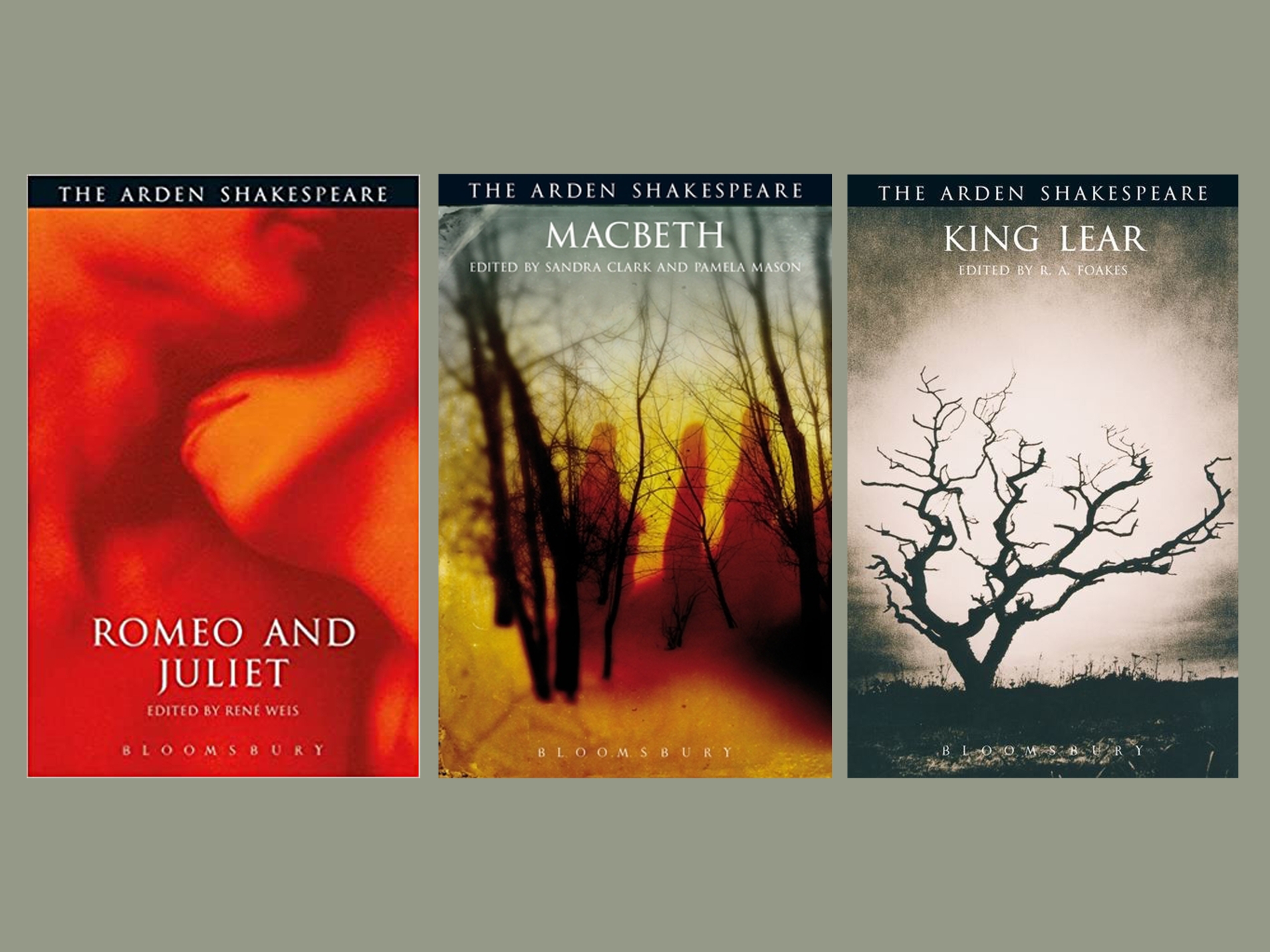
The Arden Shakespeare novels

Methuen eventually addressed the central weakness of the original Arden project by launching its second series in 1951. The new edition returned directly to the early printed texts: the folios, which gathered the plays into collected volumes, and the quartos, which issued individual plays separately. It also radically reconsidered the commentary and annotations, adding lengthy and detailed introductions that not only examined the date of each work but also traced its literary and historical sources.

The second series proved decisive. It became the primary edition for readers and scholars alike, not least because it enlisted a constellation of the finest Shakespearean critics and editors, including Kenneth Muir for Macbeth and King Lear, Frank Kermode for The Tempest, Harold Jenkins for Hamlet, and E. A. J. Honigmann for Othello.

The problem of the text

Shakespeare’s plays once again became arenas of vigorous scholarly debate. Scholars no longer confined themselves to arbitrary or passing observations. The publication of each new volume offered an occasion to revive old controversies and reopen unresolved arguments, enriching Shakespearean scholarship and helping to sustain a golden age whose echoes had almost faded. Many scholars therefore regard the second series, with considerable justification, as the finest Arden edition yet produced, save for one enduring problem concerning the text itself.

Shakespeare’s texts are inherently unstable because no manuscripts survive in his own hand. There is no authoritative copy to which an editor may confidently point and declare, ‘This is what Shakespeare truly intended’. The difficulty deepens when one considers that Shakespeare revised his plays for successive performances, and that those revisions appeared in numerous and often divergent printed versions, particularly the quartos. The resulting textual problem admits no simple resolution.

Strictly speaking, no single definitive text exists for any of Shakespeare’s works. Possible exceptions are the two long poems, Venus and Adonis and The Rape of Lucrece, together with the Sonnets. All were printed during Shakespeare’s lifetime and apparently under his supervision, allowing one to say that the differences among their editions are slight and largely negligible.
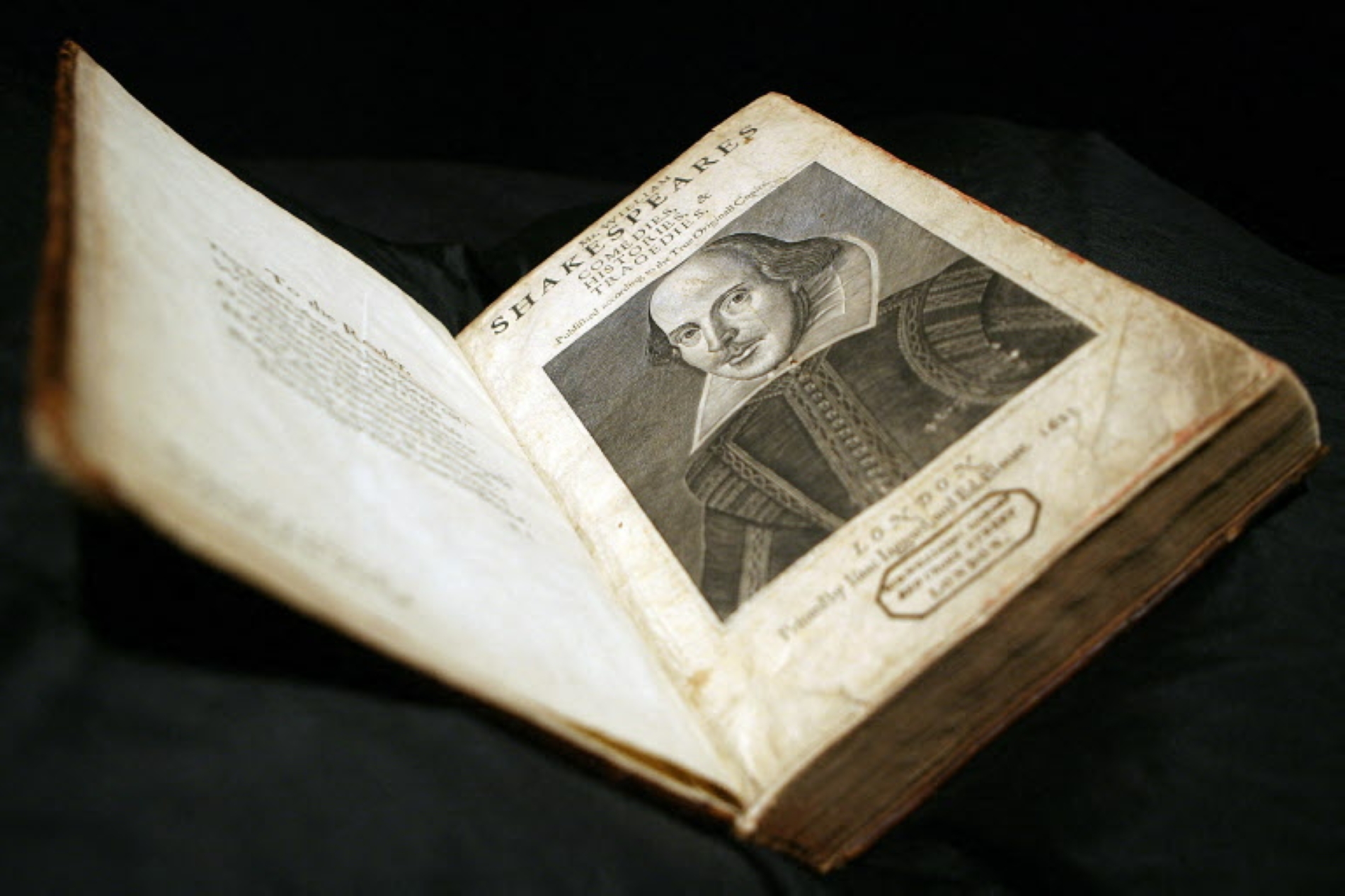
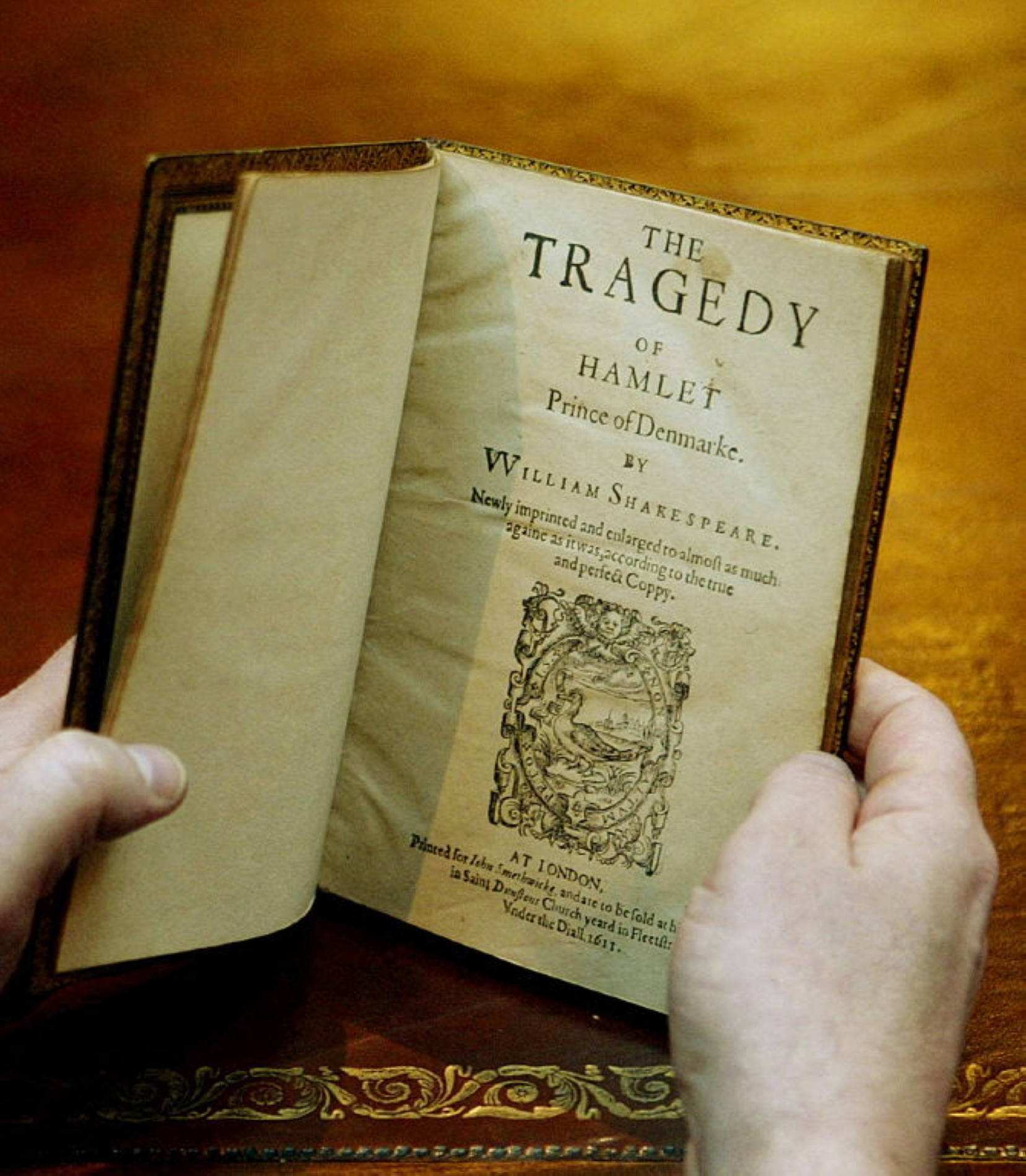
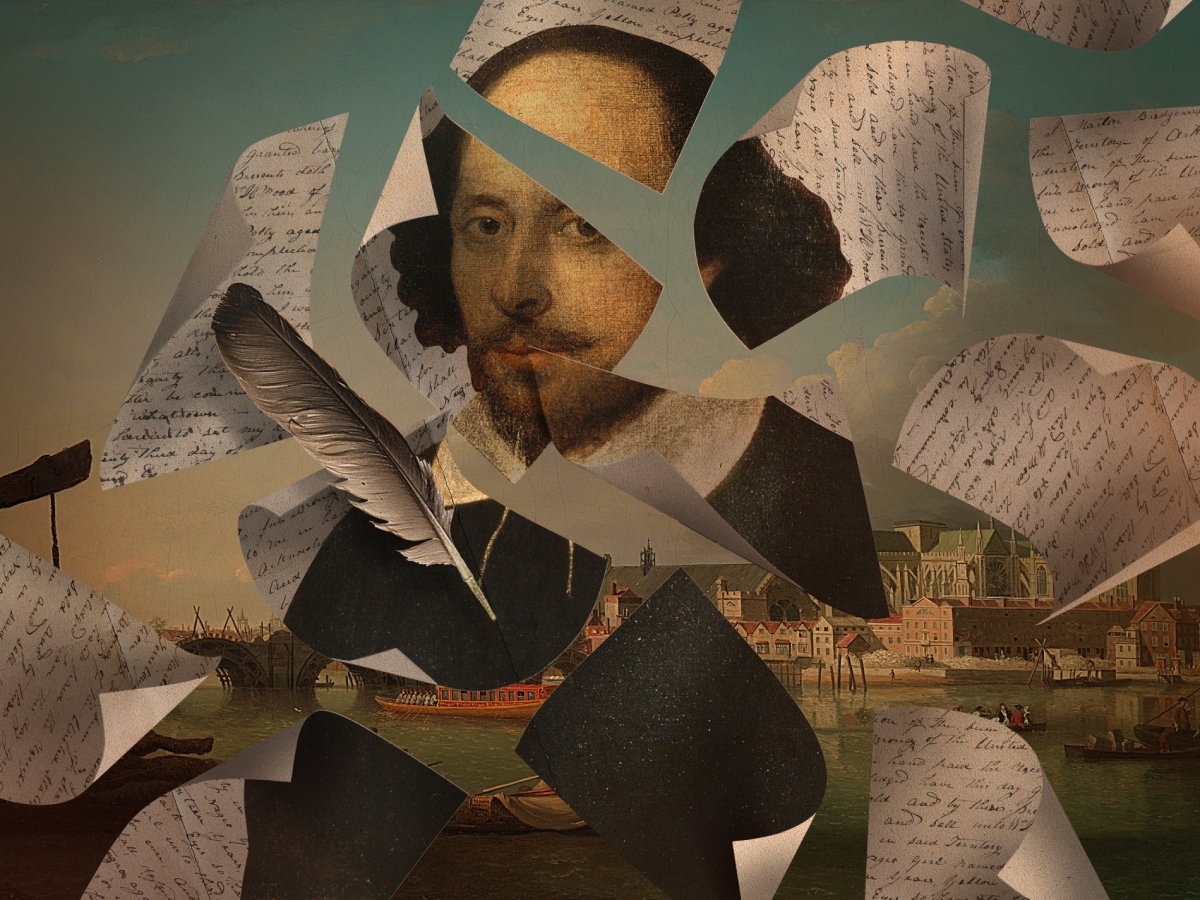
Shakespeare's texts are inherently unstable because no manuscripts survive in his own hand

The plays present an entirely different case. None survives in a conclusively authoritative text. The variations range from punctuation and individual words to multiple versions of the same play that can appear almost as separate works in their own right. King Lear survives in two distinct versions, while Hamlet has come down to us in three. Each quarto differs from those that preceded and followed it, even though most were printed while Shakespeare was still alive and at work.

JOHN D MCHUGH / AFP
A copy of the 1623 First Folio, the first collected edition of William Shakespeare's plays and one of the most important books in English literature, is seen at Sotheby's auction house in London on 30 March 2006

To say that Shakespeare remained at work is to say that he remained in a state of continual revision, whether altering a text independently of the stage or reshaping it for a new production. Even the First Folio published shortly after his death, which might have been expected to establish an authoritative text and supersede all earlier editions, did not contain his complete works.

Readers and scholars scarcely agree on any one of these texts. We may therefore say with confidence that the Shakespeare we encounter in print is never simply Shakespeare himself. It is the Shakespeare that his editors have interpreted and reconstructed.

Remedying earlier shortcomings

The third Arden series, which began publication in 1995, faced the task of remedying the shortcomings of its predecessors. For the first time in the history of the series, all three versions of Hamlet were published. Yet, for reasons that remain unclear, the editors chose to conflate the two distinct versions of King Lear into a single composite text.

The decision provoked prolonged controversy, though it did little to distract readers and scholars from the rest of the series. The third Arden was considerably more expansive than either of its predecessors, incorporating new arguments and fields of inquiry that reflected the extraordinary advances in Shakespearean scholarship. Critical attention was no longer confined to questions of text and historical context. New critical schools entered the field in earnest, reshaping literary and textual criticism. Gender, racism, colonialism, and class analysis became indispensable to a new understanding of the Shakespearean canon.

This form of 'cultural criticism' met with a cool reception from established scholars attached to an older conception of literary criticism founded primarily on aesthetic judgement. The disagreement itself made Shakespearean scholarship richer, broader, and more complex, while transforming the plays in performance.

AFP
Gender, racism, colonialism, and class analysis became indispensable to a new understanding of the Shakespearean canon.

The volumes of the third series went further. They reconsidered the chronology of the plays and re-examined the Elizabethan theatrical world in its entirety. They also shed fresh light on works long dismissed as 'minor', particularly when measured against the great tragedies, comedies, and histories upon which Shakespeare's reputation had traditionally rested. According to this inherited hierarchy, Shakespeare had written little more than a dozen truly major plays, while the remainder were regarded as preliminaries, tentative beginnings, or experiments that never attained the stature of the masterpieces.

The third series, and to a lesser extent the second, approached each play on its own terms, independently of the others and without deference to inherited classifications or hierarchies. This new perspective soon moved beyond questions of literary rank to an equally important task: dating Shakespeare's works more precisely.

The results have varied, yet they have brought scholars close to rewriting the history of Elizabethan theatre as a whole. They have challenged the familiar image of Shakespeare as a late arrival on the theatrical scene, whose emergence coincided only with the closing phase of the careers of Christopher Marlowe and Thomas Kyd. Shakespeare now appears as their contemporary, working within the same dramatic world.

The fierce rivalry among these playwrights, together with their equally intense competition with the dramatists who preceded them, may well have been the principal source of the astonishing and at times bewildering variety of Shakespeare's early plays. Earlier critics mistook that variety for disorder and confusion. In truth, it was part of a sustained and ever-expanding experiment that scarcely paused.

A broader Shakespeare

Shakespeare is no longer confined by the tyranny of five canonical works in each of the three dramatic genres in which he excelled. He is no longer understood simply as the author of five great tragedies, Hamlet, Othello, King Lear, Macbeth, and Antony and Cleopatra; five great comedies, A Midsummer Night's Dream, The Merchant of Venice, As You Like It, Twelfth Night, and The Tempest; and five great histories, Richard III, Richard II, the two parts of Henry IV and Henry V. Each play has now been brought into fresh light, acquiring a distinct stature of its own and inviting reconsideration through new critical perspectives.

Atta Kenare / AFP
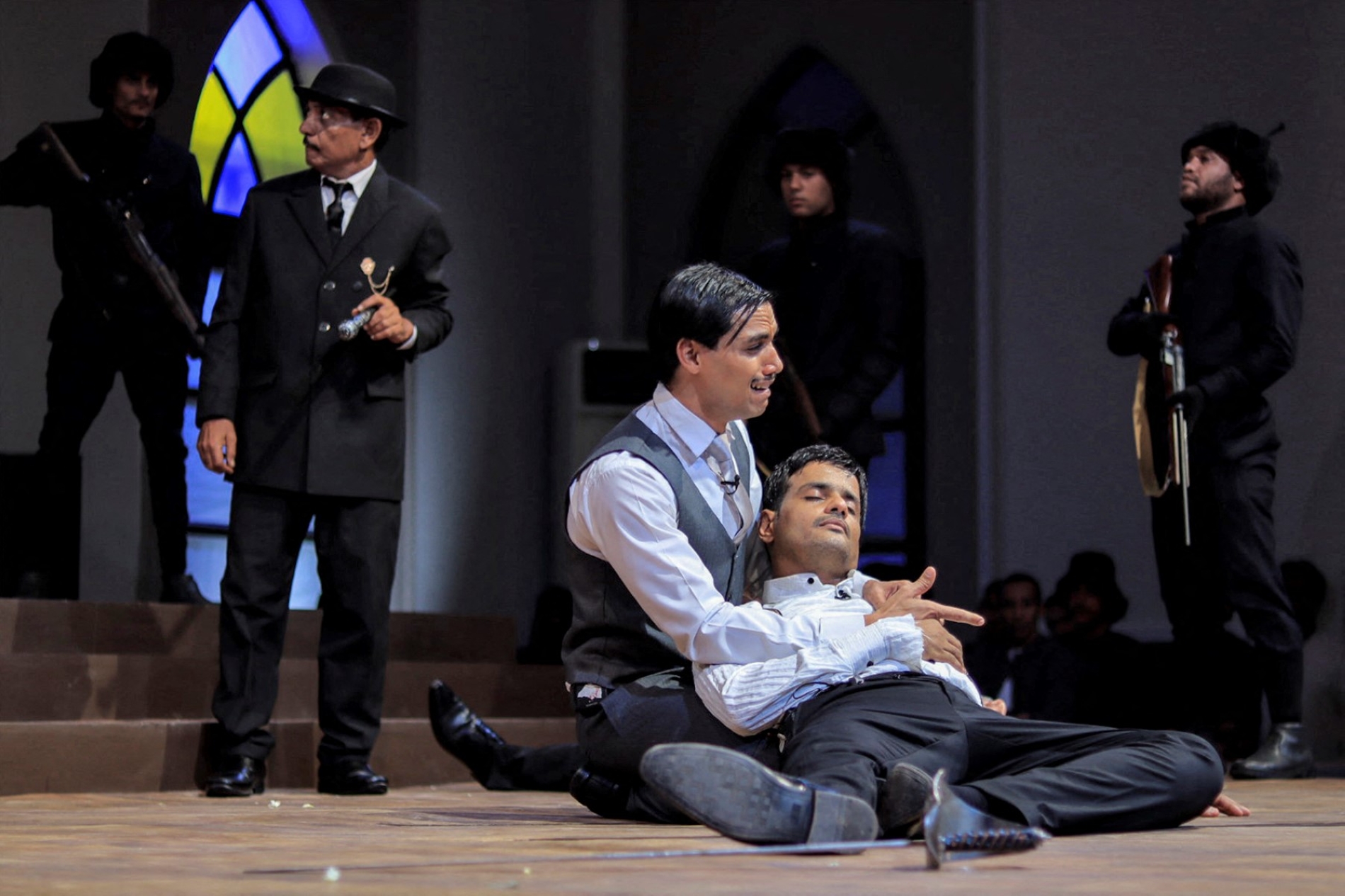
Actors perform in a production of William Shakespeare's King Lear, directed by the Iranian actress and director Elika Abdolrazzaghi, at Tehran's Shahr Theatre on 21 May 2025

The Comedy of Errors and The Taming of the Shrew have received the recognition they deserve. The brilliance of Much Ado About Nothing has been rediscovered, while Coriolanus and Cymbeline have acquired renewed significance. A new dramatic category has also emerged: the romance. Shakespeare now has his own romances, works distinct from comedy yet closely interwoven with it, and separate from tragedy even as they intersect with it.

The 'major works' themselves underwent radical rereading in the third Arden series. One outstanding example is E. A. J. Honigmann's magnificent introduction to his edition of Othello, entitled Why Not Othello? There he examines the play's curious decline in critical and theatrical standing relative to King Lear and Hamlet, which were, and to a considerable extent remain, regarded as Shakespeare's supreme achievements. Their fierce radiance cast the other plays into shadow.

Jonathan Bate's remarkable edition likewise helped restore Titus Andronicus to serious consideration. Earlier critics, and even many scholars today, recoiled from the play as though from a leper, treating it almost as an embarrassment within Shakespeare's canon, a blemish best left unmentioned, even by implication.

Now, 127 years after the first Arden series appeared, the fourth series has begun to appear, with five plays published so far. One notable departure from its selection of titles is the inclusion of Sir Thomas More within the Shakespearean canon itself. In the third series, the play appeared in a supplementary volume devoted to the Shakespeare apocrypha, works attributed to him without being admitted to the established canon.

AFP
Each play has now been brought into fresh light, acquiring a distinct stature of its own.

The substance and significance of the fourth series will become clearer as further volumes appear, each certain to provoke renewed controversy. Debate will begin with the texts and extend inevitably to questions of authorship. The Oxford approach has gained increasing acceptance among scholars who argue that many of Shakespeare's plays were products of collaborative authorship rather than Shakespeare's work alone. Such collaboration resembled the collective forms of composition that were a prominent feature of the Elizabethan theatrical world. Perhaps this is so. Perhaps it is merely the latest attempt to undermine the body of work of the greatest dramatist in literary history.

Shakespeare in Arabic

We remain distant spectators of these disputes. We follow them through meagre translations, many long out of print, and remain dependent upon the labour of others, without possessing an authoritative critical edition of our own devoted to the greatest of poets and dramatists.

In truth, we have never read Shakespeare in Arabic. We have read only his reflection in the mirrors of his editors

In truth, we have never read Shakespeare in Arabic. We have read only his reflection in the mirrors of his editors. There is no independent critical translation, and scarcely even a genuinely accomplished one. The attempts intended to stir the stagnant waters, especially those of the Iraqi-Palestinian author and artist Jabra Ibrahim Jabra, fell into the same trap as the earlier Arab League translations. They adopted the judgements of editors without making the slightest effort to dismantle the text or read it anew.

The fourth Arden series may abound in innovation, yet it offers us nothing genuinely new. Its discoveries reach us through the voices of others, and those voices arrive only as faint echoes. Such is Shakespeare in Arabic: the dim reverberation of a distant voice that we can scarcely discern.

font change