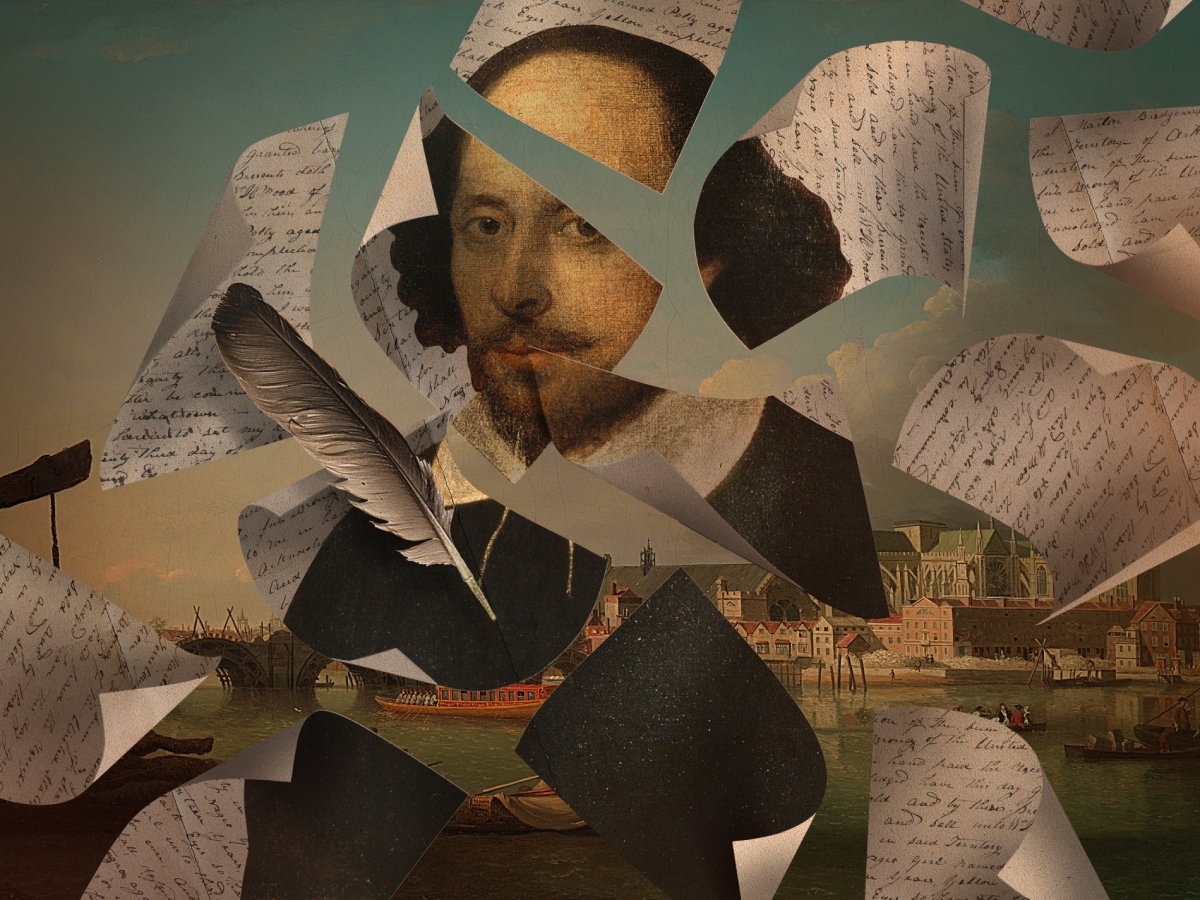

As the 19th century drew to a close, the English publishing house Methuen sought to capitalise on a golden age of Shakespearean scholarship. Its aim was to produce a scholarly edition of William Shakespeare’s complete works that would serve as an essential reference for specialists and general readers alike.
Earlier ventures had appeared decades before. Some offered the complete works; others concentrated on individual plays. They ranged from editions containing little more than the text and a modest commentary to monumental treatments of Shakespeare’s major plays in the form known in critical and theological scholarship as a variorum. Such an edition establishes the text through a comprehensive examination of all surviving manuscripts and printed witnesses, while presenting in detail the layers of commentary that have accumulated around it over the centuries.
Methuen’s dream was to create a series of compact variorum editions. Each volume would present the Shakespearean text, record the variations among early witnesses and printed editions, and accompany it with critical, historical, and linguistic notes written in clear modern prose. The result would assist the scholar without burdening the general reader, and delight the reader without becoming yet another volume that scholars would abandon in favour of the monumental volumes of an earlier age.
The project took its name from the Forest of Arden in As You Like It. The first series appeared in 1899 under the general editorship of the Oxford scholar William James Craig. Its editors adopted the Cambridge text, while distinguishing the series through entirely new commentary, substantial introductions, annotations, and explanatory notes.
The series vindicated Methuen’s wager. It became the most widely circulated and influential Shakespeare edition during the first two decades of the 20th century. Yet its reliance on an established text soon troubled other scholars, who sought to remedy this weakness by producing editions based directly on the earliest textual witnesses rather than on the decisions of previous editors. This mattered especially because the second series of The Arden Shakespeare did not begin to appear until the 1950s.
Meanwhile, the Cambridge edition known as The New Shakespeare (1921–1969), edited by the English scholars Arthur Quiller-Couch and J. Dover Wilson, was perhaps the most important and accomplished Shakespearean series for some three decades. Several of its critical judgements and textual interpretations retain considerable significance today.
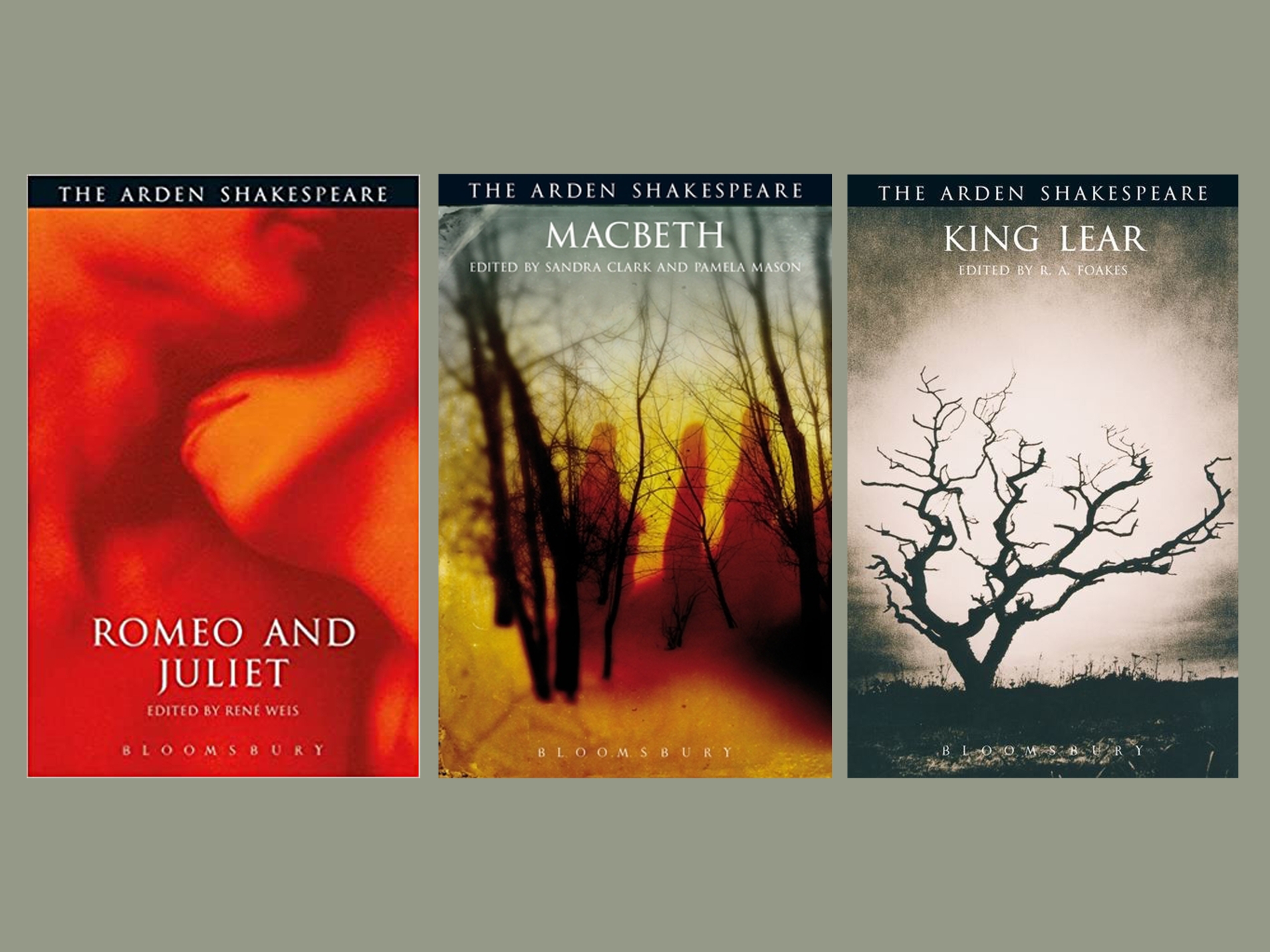
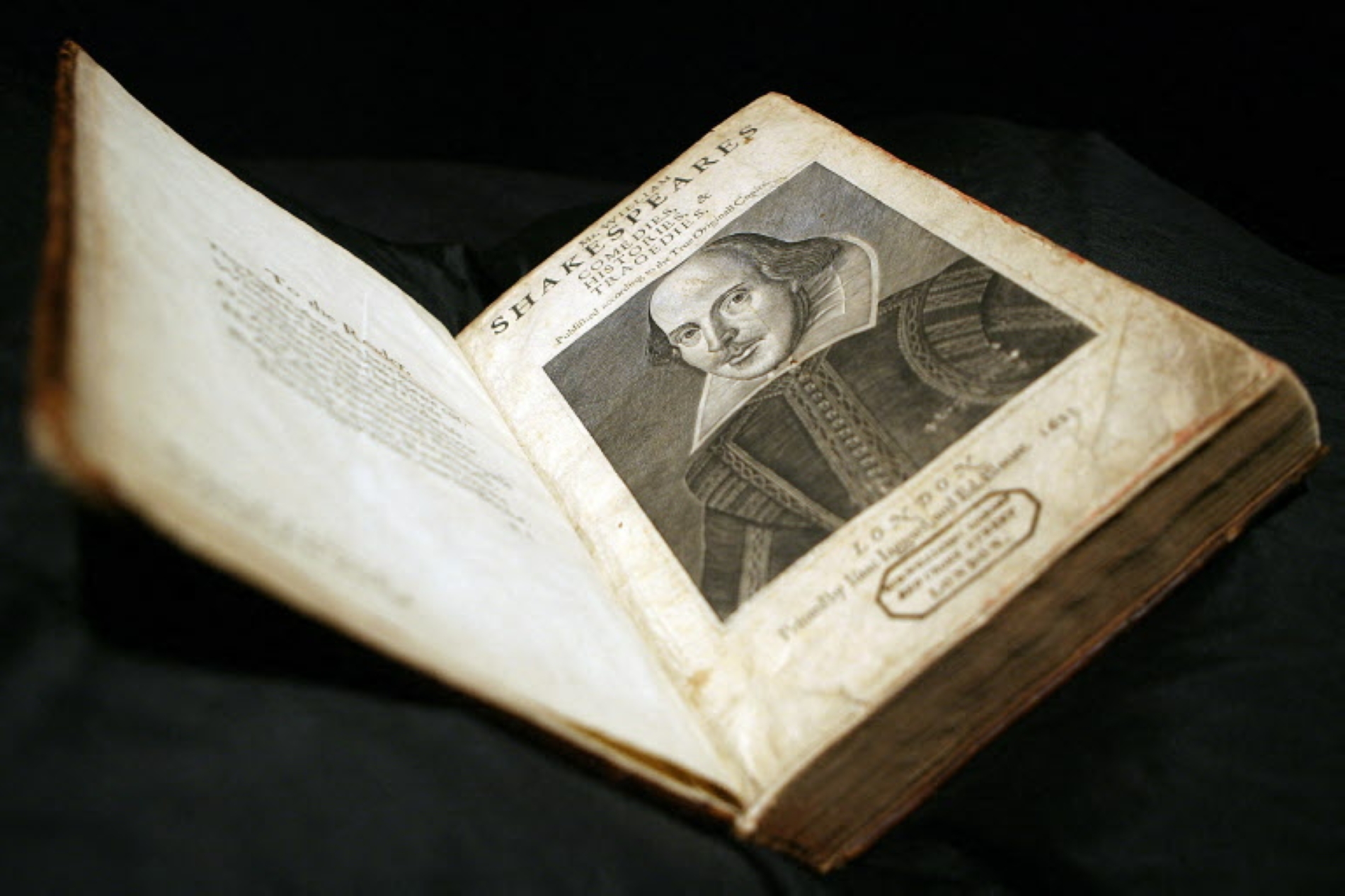
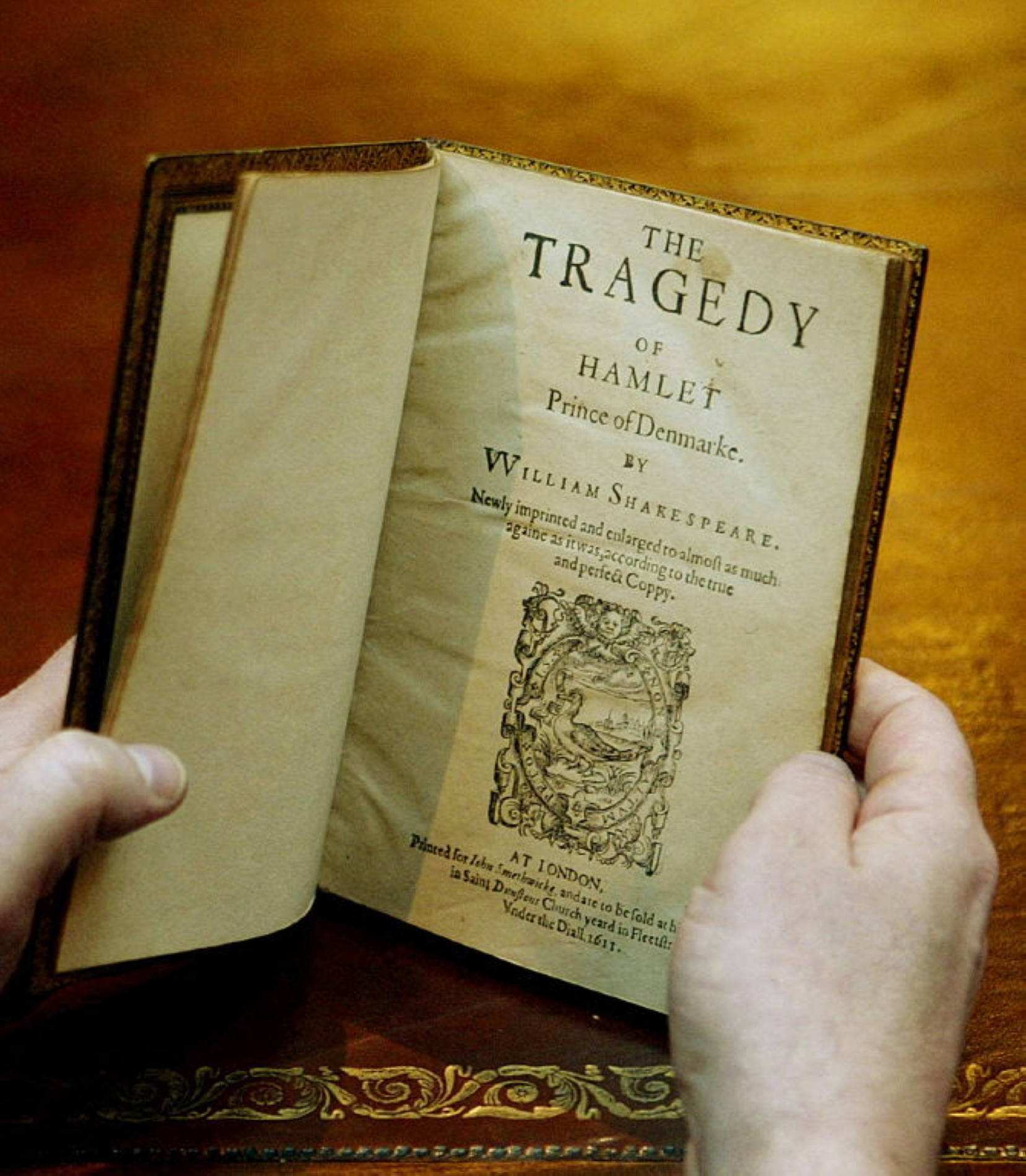
Methuen eventually addressed the central weakness of the original Arden project by launching its second series in 1951. The new edition returned directly to the early printed texts: the folios, which gathered the plays into collected volumes, and the quartos, which issued individual plays separately. It also radically reconsidered the commentary and annotations, adding lengthy and detailed introductions that not only examined the date of each work but also traced its literary and historical sources.
The second series proved decisive. It became the primary edition for readers and scholars alike, not least because it enlisted a constellation of the finest Shakespearean critics and editors, including Kenneth Muir for Macbeth and King Lear, Frank Kermode for The Tempest, Harold Jenkins for Hamlet, and E. A. J. Honigmann for Othello.
The problem of the text
Shakespeare’s plays once again became arenas of vigorous scholarly debate. Scholars no longer confined themselves to arbitrary or passing observations. The publication of each new volume offered an occasion to revive old controversies and reopen unresolved arguments, enriching Shakespearean scholarship and helping to sustain a golden age whose echoes had almost faded. Many scholars therefore regard the second series, with considerable justification, as the finest Arden edition yet produced, save for one enduring problem concerning the text itself.
Shakespeare’s texts are inherently unstable because no manuscripts survive in his own hand. There is no authoritative copy to which an editor may confidently point and declare, ‘This is what Shakespeare truly intended’. The difficulty deepens when one considers that Shakespeare revised his plays for successive performances, and that those revisions appeared in numerous and often divergent printed versions, particularly the quartos. The resulting textual problem admits no simple resolution.
Strictly speaking, no single definitive text exists for any of Shakespeare’s works. Possible exceptions are the two long poems, Venus and Adonis and The Rape of Lucrece, together with the Sonnets. All were printed during Shakespeare’s lifetime and apparently under his supervision, allowing one to say that the differences among their editions are slight and largely negligible.