Xi Jinping and China’s deferred succession question

China’s all-powerful president turned 73 last month, but there is still no word on his successor. The 2027 Communist Party Congress may offer clues about the next generation

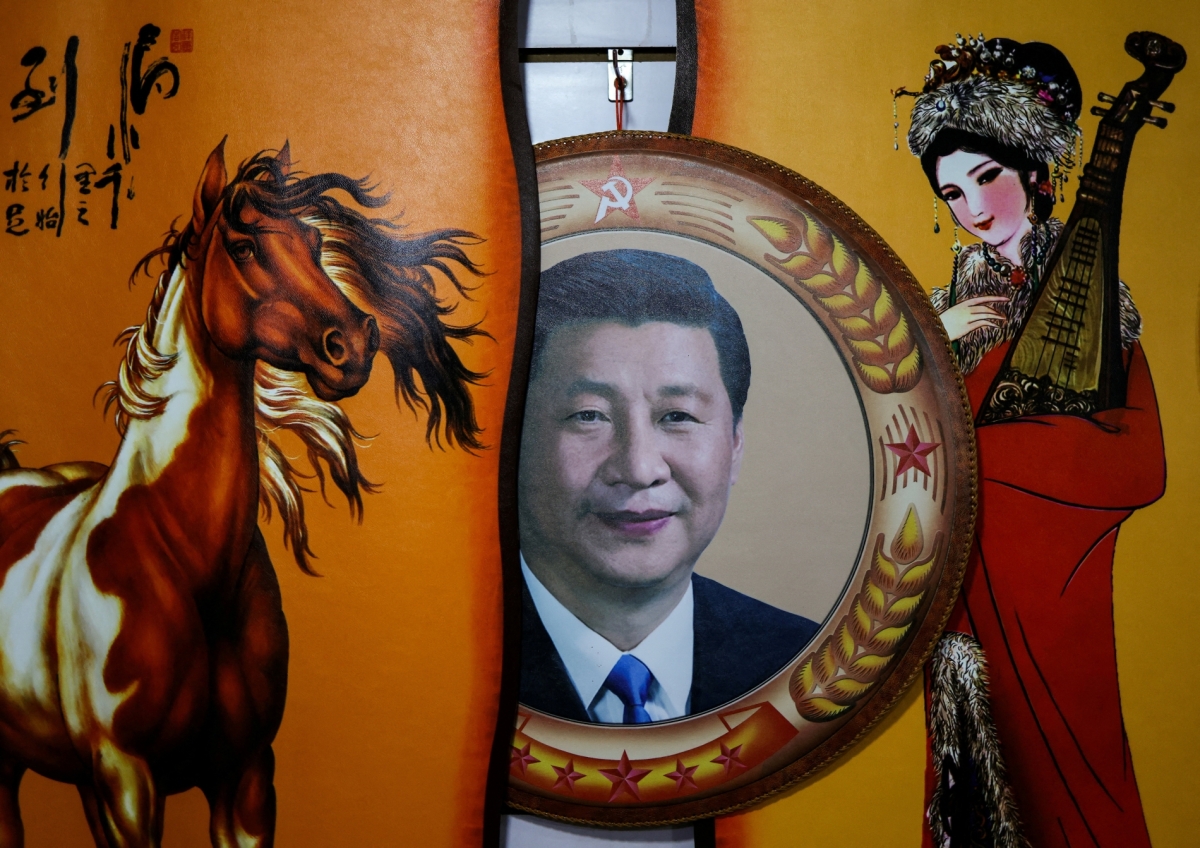
A portrait of Chinese President Xi Jinping next to traditional paintings in a tourist store in Hohhot, Inner Mongolia.
Reuters / Maxim Shemetov
A portrait of Chinese President Xi Jinping next to traditional paintings in a tourist store in Hohhot, Inner Mongolia.

Xi Jinping and China’s deferred succession question

On 3 September 2025, as China marked the 80th anniversary of Japan’s defeat in the Second World War, President Xi Jinping stood at the centre of one of the most significant military parades of his tenure. The world’s eyes were on Beijing, as the latest weapons systems were paraded, and as observers sought to decipher political messages. Amid the spectacle, Russian President Vladimir Putin offered Xi an indirect reminder of the dilemma they share: succession. Who will come after them?

Television cameras captured the Russian president speaking to Xi about extending human life, as they walked towards the main reviewing stand in Tiananmen Square. Some wondered whether Beijing and Moscow were pursuing advanced biotechnology programmes. Regardless, it prompted speculation about the advancing age of political leaders and the fate of their systems after they leave the stage.

Xi turned 73 on 13 June 2026. By Chinese or international standards, that age creates no immediate pressure (US President Donald Trump just turned 80). Even so, China’s long-deferred question is back in the public consciousness despite there being a sensitivity surrounding succession rooted in the turbulent history of the People’s Republic since its establishment in 1949.

A history of transitions

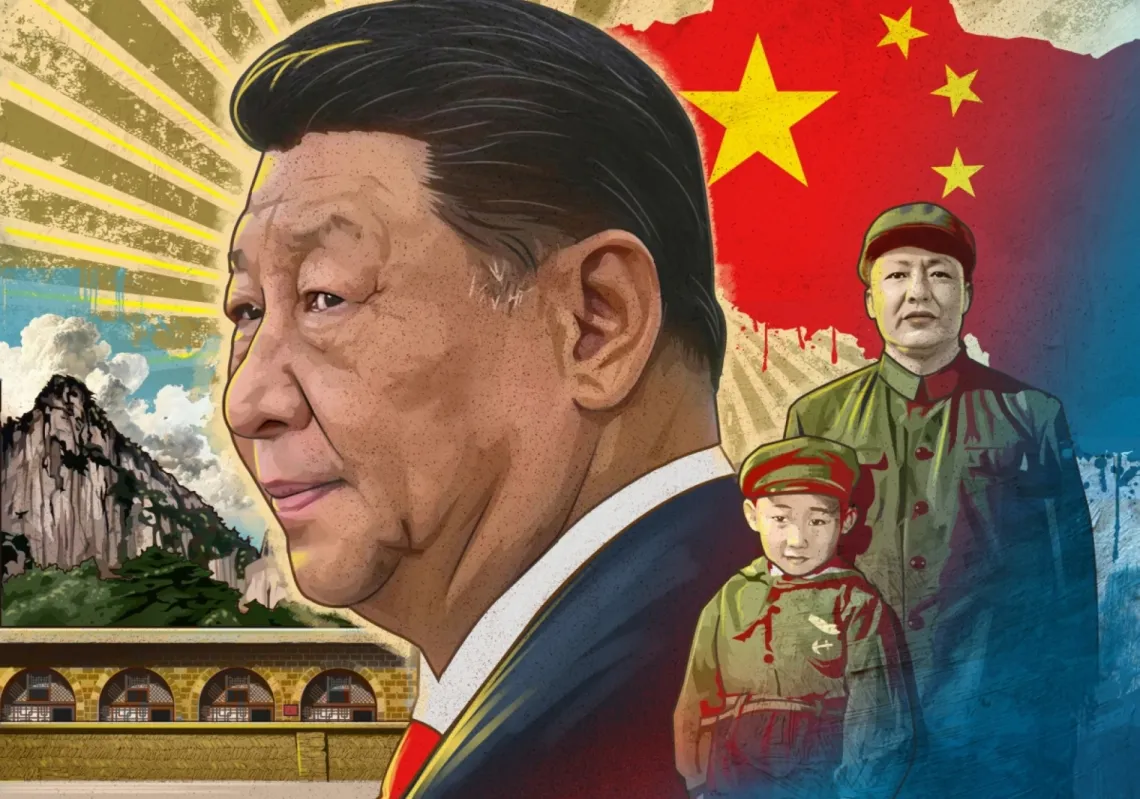
The issue became an early preoccupation for former Chinese leader Mao Zedong after Soviet leader Nikita Khrushchev denounced his predecessor Josef Stalin’s legacy and the cult of personality that had grown around him. This prompted Mao to launch a succession of purges that swept aside most potential heirs. The resulting upheaval produced a brief transitional period under the centrist Hua Guofeng, before Deng Xiaoping, a pragmatist, emerged as China’s leader in 1978.
Reuters / Maxim Shemetov
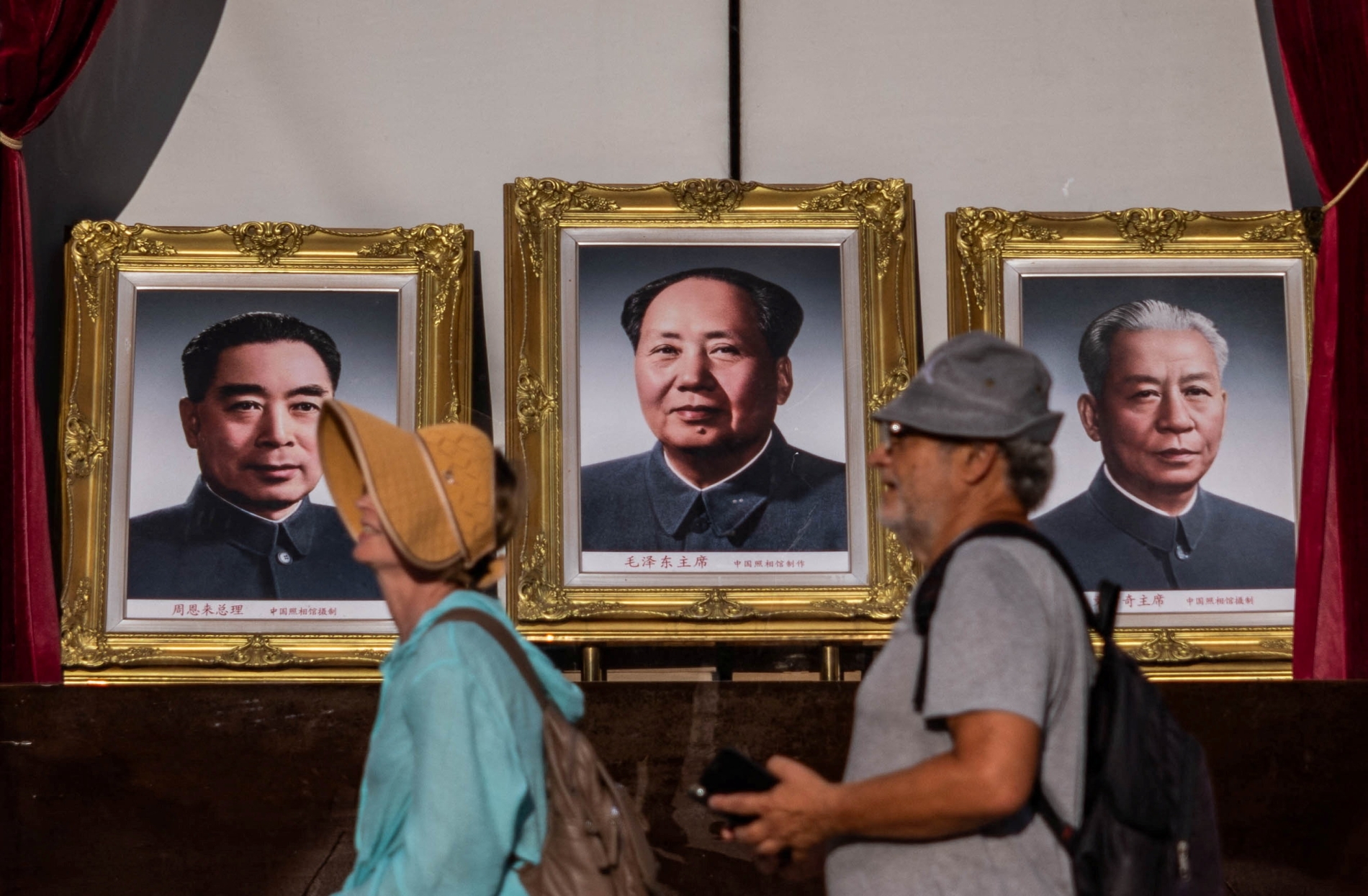
People walk by portraits of late Chinese Communist Party leaders Zhou Enlai, Mao Zedong and Liu Shaoqi at Wangfujing street in Beijing, China August 7, 2025.

Seeking to prevent a recurrence of that experience, Deng divided the principal leadership functions among three offices: party general secretary, state president, and chairman of the Central Military Commission. He also laid the foundations for limiting leaders to two consecutive terms (amounting to ten years) and introduced mandatory retirement rules for senior officials.

There was a balance of power between party elders (the first generation of revolutionary leaders whose influence extended far beyond the offices they formally held), reformists, conservatives, and regional factions. The result was a system of power-sharing across the principal offices, with an understanding that ultimate authority lay with Deng.

The Tiananmen crisis of 1989 exposed the fragility of this structure. Reformists Hu Yaobang and Zhao Ziyang were removed from the post of general secretary, compelling the party to recalibrate the succession process. Power then passed to Jiang Zemin, a consensus figure who led the so-called Shanghai faction. He assumed all three principal offices, establishing a precedent that has endured ever since. Seeking order, Deng designated Hu Jintao as the “expected successor from the fourth generation,” which helped ensure a smooth transfer of power after Jiang.

Under Hu Jintao, ideological rivalry gradually gave way to competition conducted through administrative and technocratic channels. Two principal currents emerged. The first centred on the Shanghai faction and the political and economic interests associated with the accumulation of wealth by the hong er dai (red princelings, the descendants of the first generation of revolutionary leaders).
Reuters / Jim Bourg
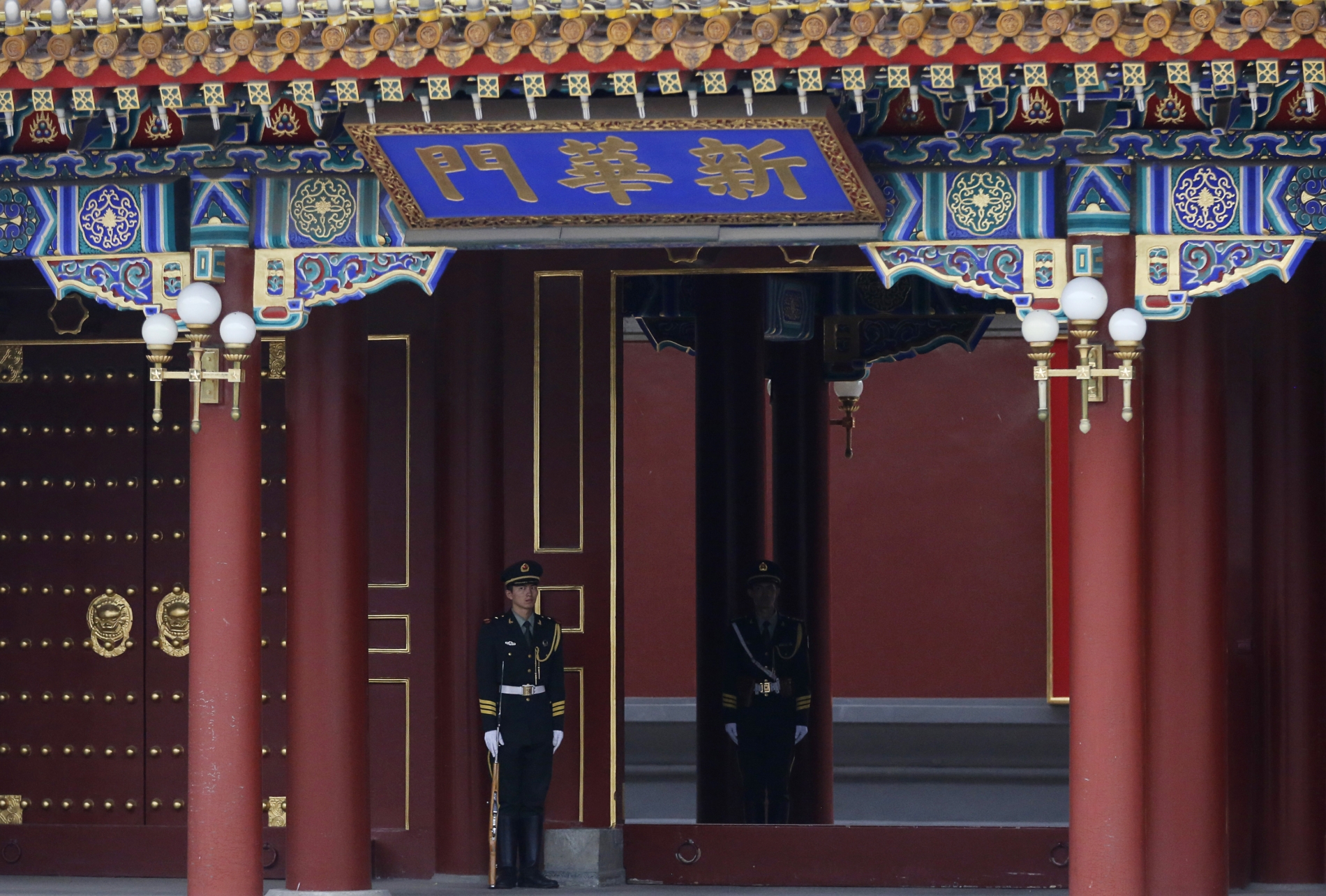
The Xinhua Gate entrance to the Zhongnanhai compound used by China's leaders in Beijing on July 9, 2014.

Opposing them was the tuanpai, a network of technocratic officials from non-elite family backgrounds who had risen through the Communist Youth League under Hu Jintao’s leadership. As Hu’s tenure drew to a close, the Shanghai faction rejected the candidate favoured by the tuanpai. Xi Jinping was subsequently put forward as an acceptable alternative. A member of the red princeling class, though regarded as comparatively untainted, Xi appeared to be a figure that both camps could endorse. The party elders blessed his ascent in the belief that it would return authority to the ‘party family’.

Pulling up the ladder

Once Xi reached the summit of power, he turned the tables on every faction around him. Under the banner of a sweeping anti-corruption campaign, he dismantled the Shanghai faction and the Communist Youth League network, then reduced the traditional centres of influence, including the red princelings, to political rubble. Generals and senior security officials associated with those circles were dismissed, imprisoned, or otherwise driven from public life. Xi concentrated power in his own hands within Zhongnanhai. The decisive moment came in March 2018, when the party abolished presidential term limits, allowing Xi, at least in theory, to rule for life.

Since assuming power in 2012, he has presided over purges that have affected thousands of officials. These campaigns may broadly be divided into four categories: rival factions; political blocs within the security apparatus; the old guard (obstacles to modernisation); and forms of corruption that threatened the party’s legitimacy.

Outside China, Xi’s purges were seen by some as the concentration of power, eroding the country’s institutional foundations. Minxin Pei, a leading scholar of Chinese politics, said: “Xi dismantled the system of collective leadership that protected China for three decades. The elimination of factions has not eradicated corruption; it has replaced it with one-man rule, stripped of bureaucratic checks and capable of making the entire state hostage to personal decisions.”
AFP / Jade Gao
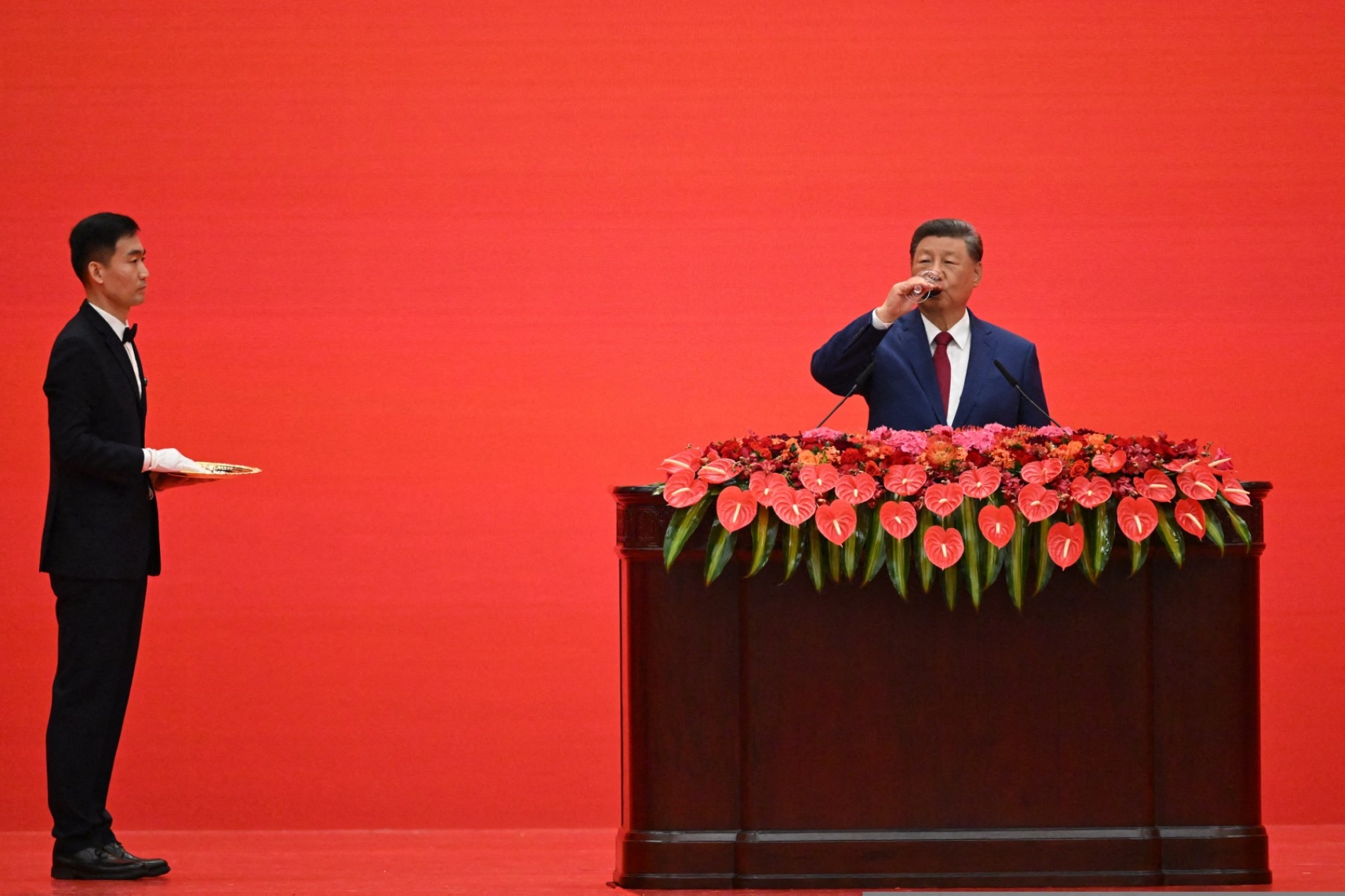
Xi Jinping gives a toast at a reception to mark the 80th anniversary of victory over Japan and the end of World War II, in Beijing on September 3, 2025.

A second school of thought regards the dismantling of entrenched power centres as a necessary act of political rescue. Kerry Brown, a British historian and former diplomat who directs the Lau China Institute at King’s College London, said Xi’s actions “amount to more than political score-settling... They represent an attempt to rebuild the Communist Party as a pure and coherent ideological instrument,” adding: “He had to break the political fiefdoms and systems of economic apportionment in order to ensure that the bureaucracy moved as a single body in pursuit of the larger national project, rather than becoming consumed by internal struggles.”

A further interpretation holds that Xi’s reluctance to designate an heir reflects his determination to avoid a repetition of the ‘Hu Jintao scenario.’ By naming Hu at an early stage, Deng turned him into an independent pole of political attraction, enabling him to gather supporters and build the tuanpai network around his prospective succession.

Developing the next level

Xi’s rule rests on a broad coalition comprising three major institutional blocs. The first consists of technological and military technocrats drawn from the defence industries, the space programme, and the semiconductor sector. Many have been elevated to provincial and ministerial office as an alternative to more conventional political figures. The second bloc consists of mid-ranking institutional cadres, particularly middle-ranking officers in the armed forces. The third brings together the nationalist current and a section of the red princelings who embrace Xi’s vision of China’s “great rejuvenation”.
By naming Hu Jintao at an early stage, Deng Xiaoping turned him into an independent pole of political attraction, enabling him to gather supporters and build a network around his prospective succession

In the day-to-day management of power, Xi has relied heavily on officials who served under him before he reached the presidency. This has prompted some observers to identify three networks personally loyal to him: the so-called 'New Zhijiang Army' (named after Xi's Zhejiang-era political writings), the Fujian network, and the Shaanxi network. Zhejiang and Fujian are the two provinces in which Xi previously held senior office, while Shaanxi was his father's native province and the region to which Xi was sent during the Cultural Revolution. These groupings are better understood as elite networks bound by shared careers, personal loyalties and regional associations.

Xi Jinping has given no indication that he intends to step down or unveil a successor at the 21st National Congress of the Communist Party, which is expected to convene later in 2027. It will nevertheless provide an important test of the direction of Chinese politics, particularly through the reshaping of the seven-member Politburo Standing Committee. Since the final years of Jiang Zemin's rule, membership of that body has become a virtually indispensable step for anyone aspiring to China's highest office.

Unless the congress is postponed (something without precedent in the party's history), Xi will face several possible courses. The first would preserve a measure of bureaucratic continuity. Under the convention known as "seven up, eight down," most current Standing Committee members who have passed the informal retirement age of 68 would be expected to leave. This would entail the departure of several of Xi's most senior allies, including Cai Qi, Wang Huning, Zhao Leji and Li Xi.

Reuters / Florence Lo
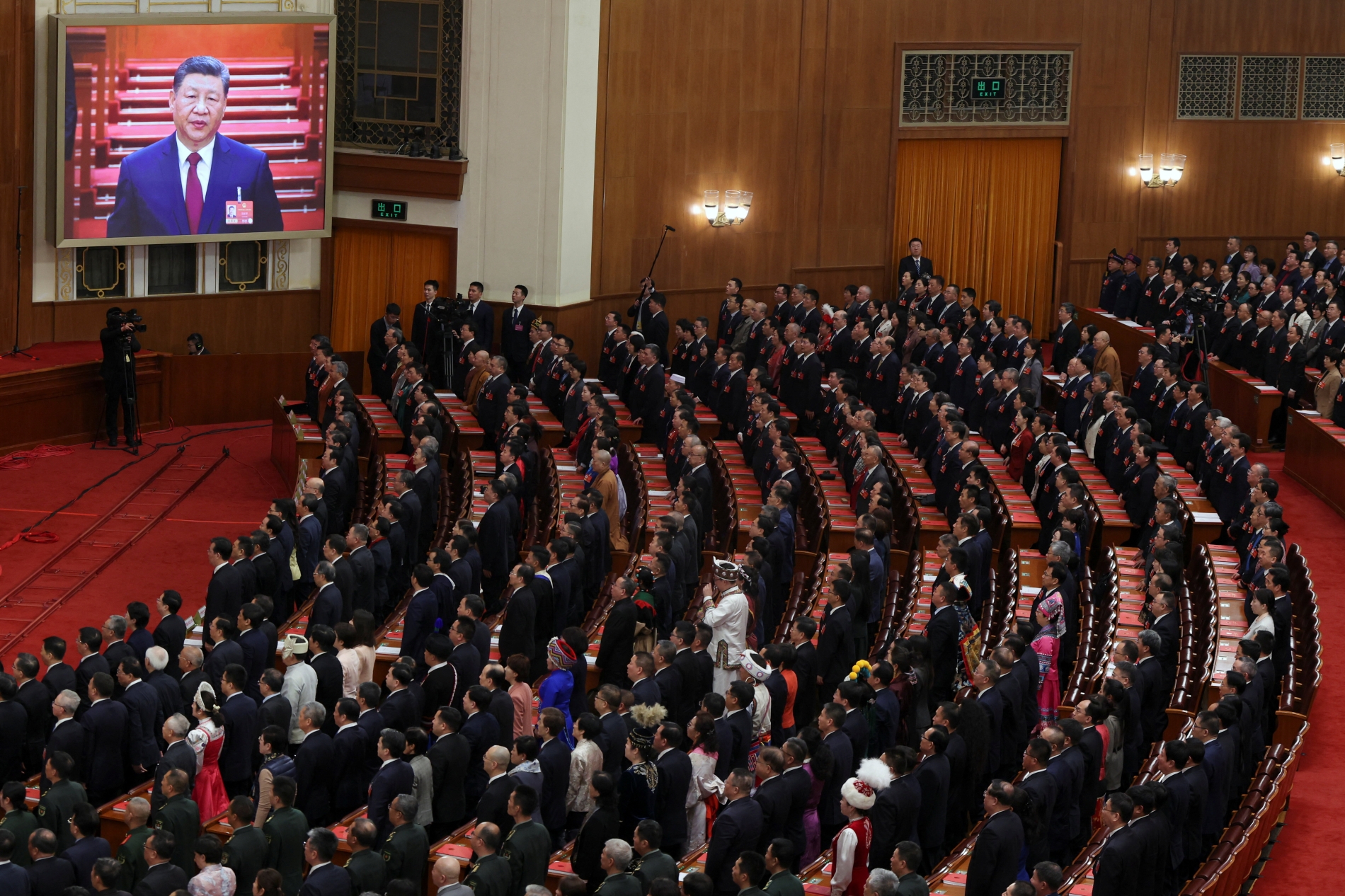
A screen shows Chinese President Xi Jinping as delegates sing the national anthem at the closing session of the National People's Congress (NPC) on 12 March 2026.

Premier Li Qiang, who will be 68 in 2027, might remain if Xi chooses to disregard or reinterpret the age convention. Ding Xuexiang, who will be 65, would be better placed to retain his seat. Ding's importance has steadily increased through his oversight of advanced technology, artificial intelligence (AI), and strategic manufacturing.

Names in contention

Those who depart would probably be replaced by a sixth generation of technocrats. Potential candidates include Chen Jining (party secretary of Shanghai), Yuan Jiajun (party secretary of Chongqing and a member of the Politburo, who is known as the "space man" because of his background in aerospace engineering), and Wang Junzheng (party secretary of Tibet, whose firm record in national security administration reflects one of Xi's favoured criteria for advancement). Chen Min'er, the party secretary of Tianjin, will also attract close attention. Once regarded as a possible successor, this may be his final opportunity to secure a seat.

Under this scenario, the succession question would remain unresolved throughout Xi's fourth term. A potential heir might instead emerge from the younger ranks of the seventh generation, a rising cohort of technocrats and engineers whose loyalty to Xi is considered beyond question, whose advancement is based on competence, and whose careers have been largely untouched by the factional rivalries of earlier decades. Members of this generation are expected to occupy a substantial proportion of the roughly 200 seats on the Central Committee.

Reuters / Tingshu Wang
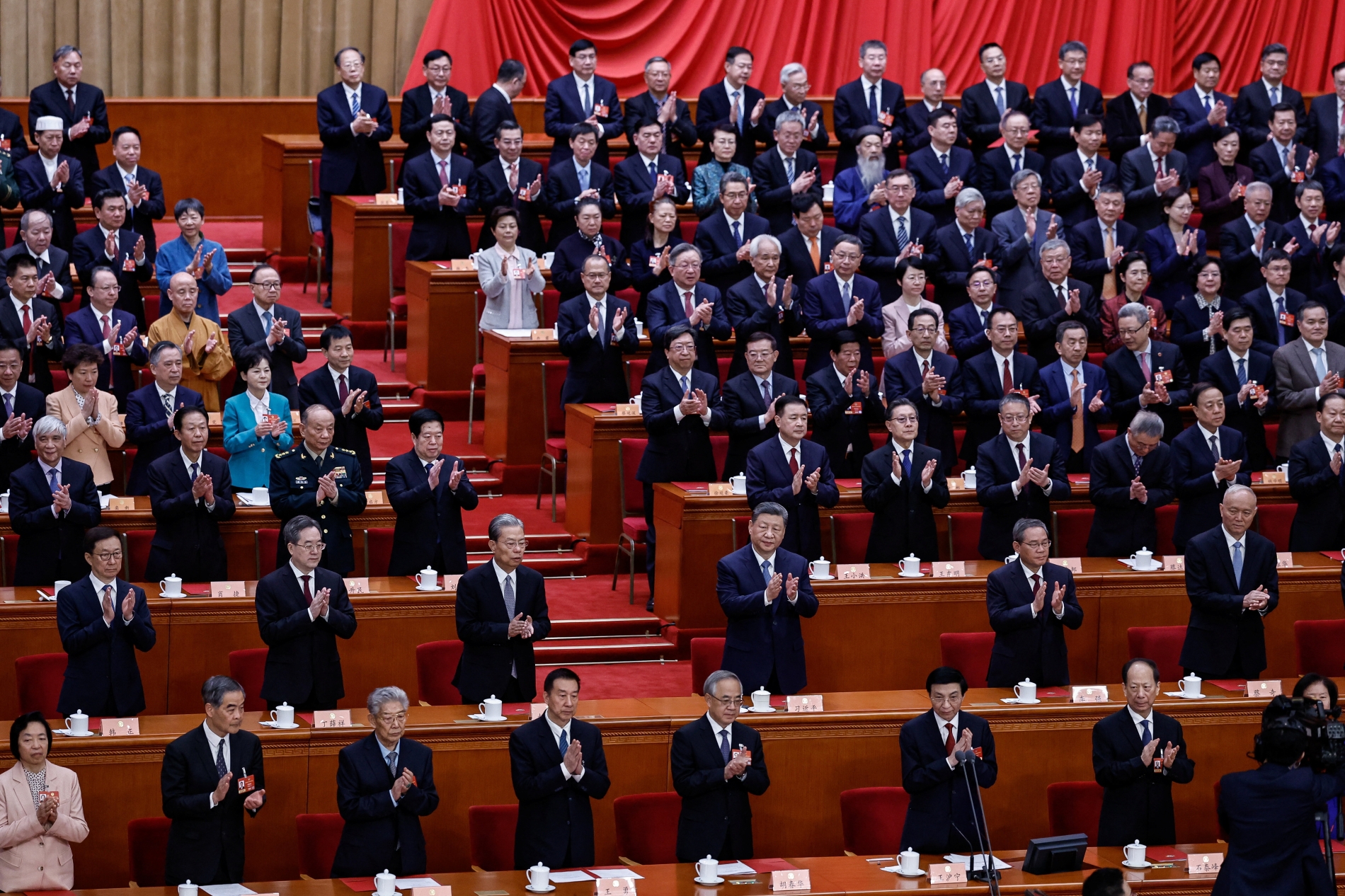
Politburo Standing Committee members attend the closing session of the Chinese People's Political Consultative Conference (CPPCC) at the Great Hall of the People in Beijing, China, March 11, 2026.

Only one or two of its most exceptional figures may succeed in entering the wider, 24-member Politburo. Among the rising figures are Zhuge Yujie (deputy party secretary of Hubei), Liu Jie (deputy party secretary of Zhejiang), Shi Guanghui (deputy party secretary of Inner Mongolia and secretary of its Political and Legal Affairs Commission), Guo Ningning (the most prominent woman in this cohort and vice-governor of Fujian), Liu Hongjian (deputy party secretary of Yunnan), and Zhu Zhongming (senior security official and deputy leader in Shanghai).

A second scenario would see Xi retain several members of the Standing Committee after they pass the age of 68, as he has previously done with senior figures such as Wang Yi. This would preserve an experienced leadership core within the committee and postpone any substantial reordering of the internal balance of power. The least likely scenario would involve promoting a younger member to a senior executive position within the Standing Committee, possibly by appointing that figure vice-president. That would indicate that a future successor was being prepared.

Should either of the first two scenarios prevail, the succession question would probably remain absent from the formal agenda until the 22nd Party Congress in 2032. Xi would continue to refashion the political elite around competence and discipline rather than factional competition. More far-reaching scenarios include a partial transfer of authority modelled on Deng's arrangements, or even the creation of a new and superior office that would make Xi "leader above the institutions".

The hour is (not yet) nigh

Xi saw how Mao's purges, fuelled in part by struggles over succession, engulfed his father and transformed the fortunes of his family. He also saw how politically charged leadership choices in Moscow, together with the shifts in state strategy that accompanied each one, contributed to the collapse of the Soviet Union. He has therefore devoted his years in power to averting what he regards as fatal errors: the fragmentation of centres of decision-making, competing factions, and the party's eroding command over the state and its armed forces.

Reuters / Maxim Shemetov
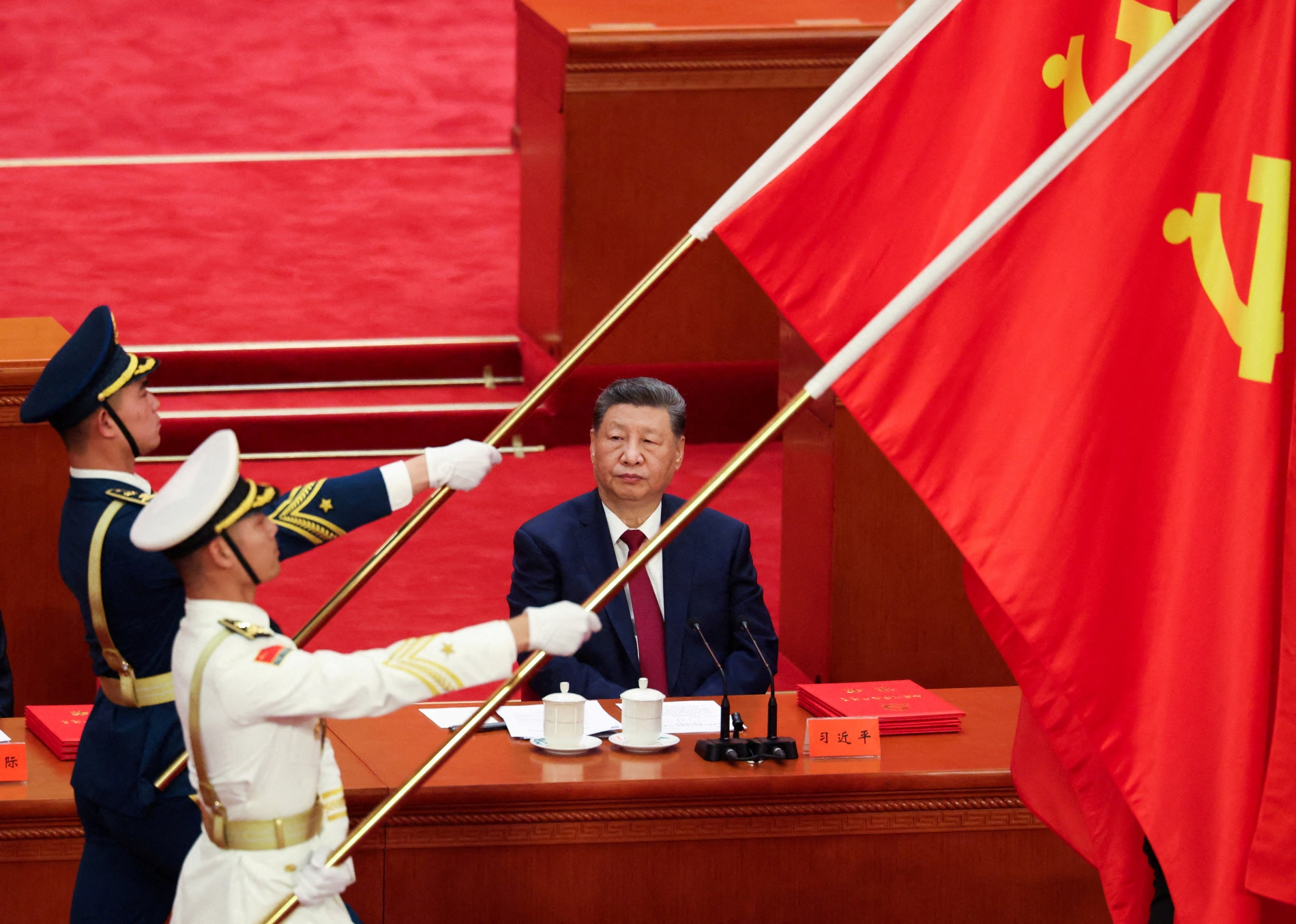
Chinese President Xi Jinping during a ceremony marking the 105th anniversary of the founding of the Communist Party of China at the Great Hall of the People in Beijing on 1 July 2026.

From Xi's perspective, his refusal to designate a successor may reflect more than a personal determination to retain power; it may arise from a conviction that opening the contest prematurely would revive the very divisions he has spent years suppressing. Yet the more thoroughly Xi concentrates authority, the more complex and sensitive the question of what follows him becomes.

His model contains a structural paradox. Restricting competition within the elite may reinforce discipline and lend greater coherence to decision-making, but it also narrows the channels through which errors can be corrected and diminishes the system's ability to produce credible alternative leaders. Many observers therefore doubt that a man who has absorbed the lessons of Mao and the Soviet experience so deeply would leave succession entirely to chance. He may instead be working quietly towards a mechanism for transition, to be activated when he thinks the time is right.

For now, Xi appears convinced that the time has not yet come. Perhaps this explains why, as Putin spoke in Tiananmen Square of "immortality," Xi may have been contemplating a more urgent question: how to prolong the life of the system itself after the leader is gone, without leaving its fate hostage to chance or rivalries among heirs.

font change

Related Articles