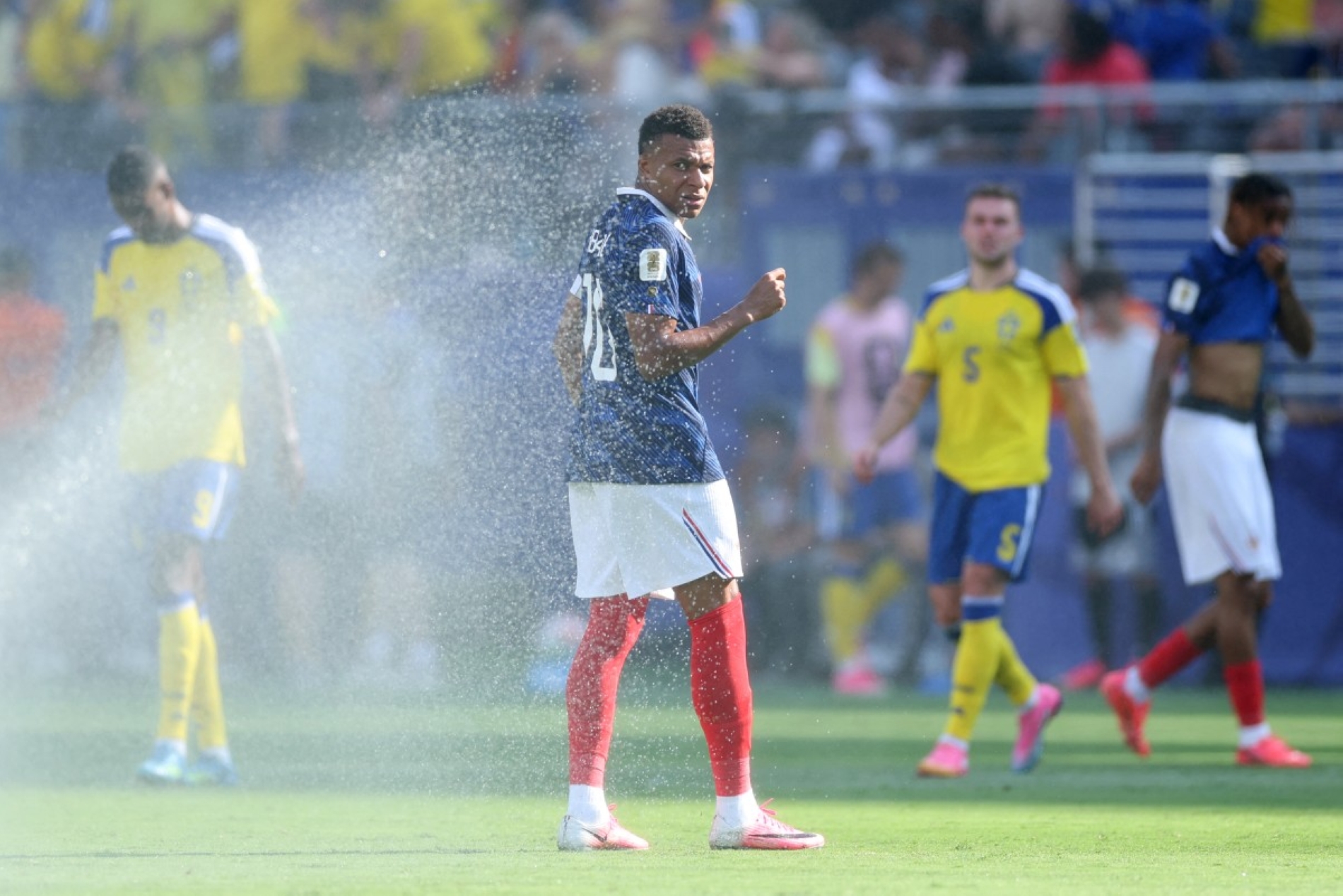

At noon on 24 June 1994, the men’s football match between Mexico and Ireland at Orlando’s Citrus Bowl in the United States became far more than a World Cup group-stage fixture; it was a punishing test beneath a merciless sun, in temperatures that rose to 43 degrees Celsius.
It was so hot that more than 100 spectators collapsed in the stands. Players later described the contest as being more akin to a physiological experiment than a game of football. More than three decades later, the World Cup returned to North America, and the safety of playing 90 minutes in extreme heat is back on the agenda.
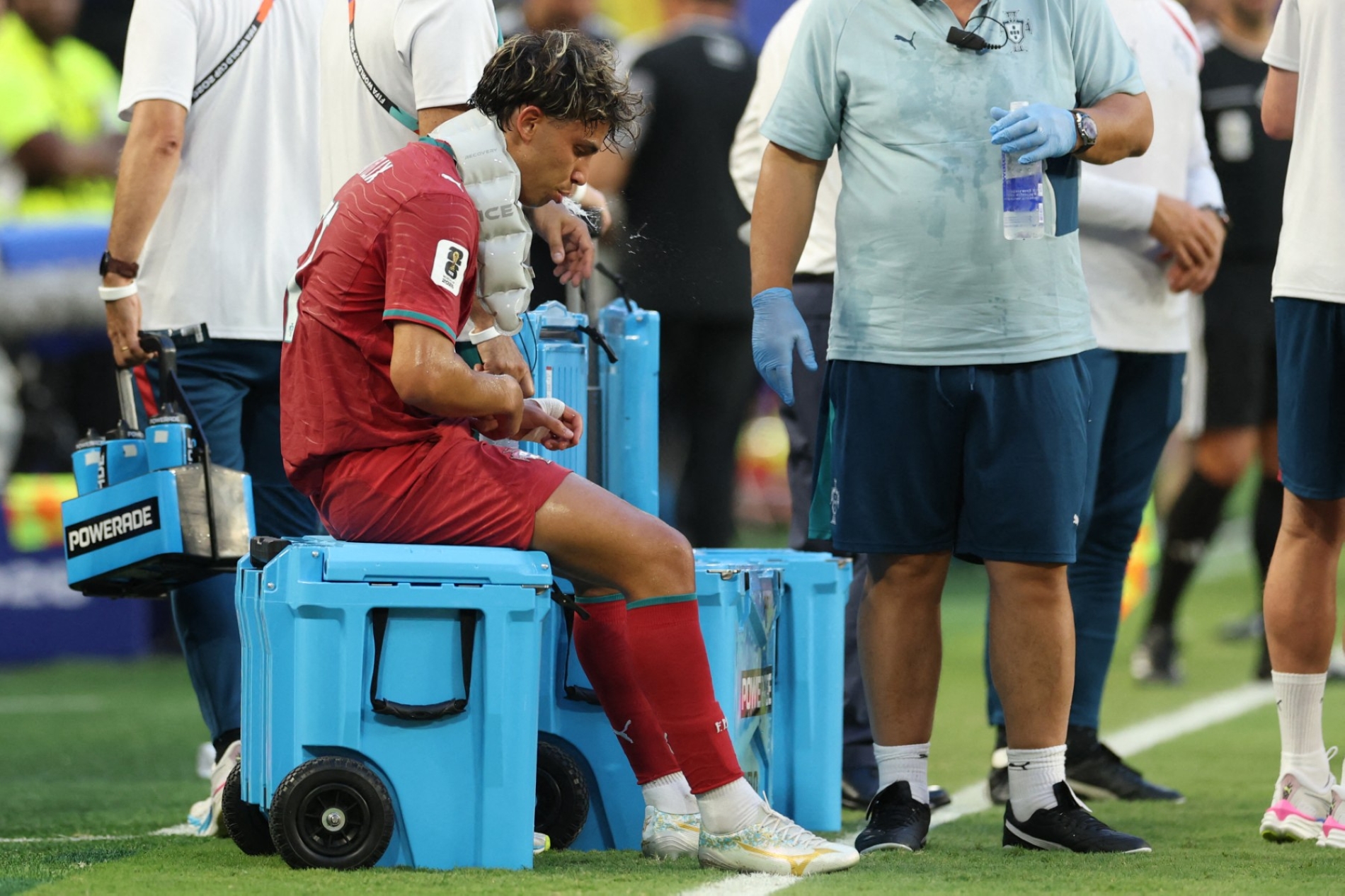
The 2026 FIFA World Cup is an expanded format, so much bigger than any previous tournament, with millions of spectators attending dozens of fixtures, often in conditions of heat, humidity, and severe weather. Players are expected to maintain the highest levels of running, pressing, and decision-making in conditions that test the limits of the human body, in particular its ability to cool itself.
Measuring heat stress
The danger cannot be judged by air temperature alone. In sport, specialists rely on a more revealing measure known as the wet-bulb globe temperature, or WBGT. The index combines air temperature, humidity, wind speed, and solar radiation. In this wider sense, modest temperatures may still be dangerous if humidity is high, sunlight is direct, and air circulation is poor. Conversely, a hotter day may impose less strain when the air is dry and well ventilated. According to World Weather Attribution, WBGT offers a more accurate indication of the thermal burden placed on the body during physical activity.

Modern football demands far more than continuous running. Players press opponents, which means accelerating over short distances, changing direction sharply, repositioning repeatedly, and making split-second decisions. As the body heats, the consequences go beyond general fatigue and begin to affect the finer mechanisms of performance, including the number of sprints, the distance covered at high speed, the pace of defensive recovery, the precision of passing, and even spatial awareness.
A study published in the journal Temperature in February 2026 offered a significant practical illustration. It examined player performance at the 2025 FIFA Club World Cup, staged in the United States during June and July. Researchers analysed 57 of the tournament’s 63 matches and drew on more than 1,000 observations of player performance, alongside weather data. It found that WBGT exceeded 28 degrees Celsius in 31 of the 57 matches, a level associated with a substantial risk of heat stress. It also found that rising temperature, humidity and WBGT were linked to a reduction in the distance players covered at high speed.
The implications are important for modern football. While a team’s total distance may not decline dramatically, the nature of its exertion changes. Players may continue to move at low or moderate intensity while losing the ability to repeat explosive runs. Those bursts of acceleration frequently determine the course of a match, as they underpin high pressing, counterattacks, defensive covering behind an advancing full-back, and the pursuit of a striker breaking towards goal. Heat, at that point, becomes a tactical force rather than merely a physical condition.
Physical exertion
The study also found that age, playing position, the timing of the match, and a player’s climatic background were influencing factors. Younger players generally covered greater distances, while midfielders and forwards appeared more mobile than other positions. Evening fixtures also seemed to impose less strain than those played around midday. These findings do not suggest that teams from warmer countries will necessarily enjoy an automatic advantage, or that younger players are protected from danger. Effective acclimatisation requires a carefully structured physical and medical programme. Familiarity with hot weather alone is not enough.
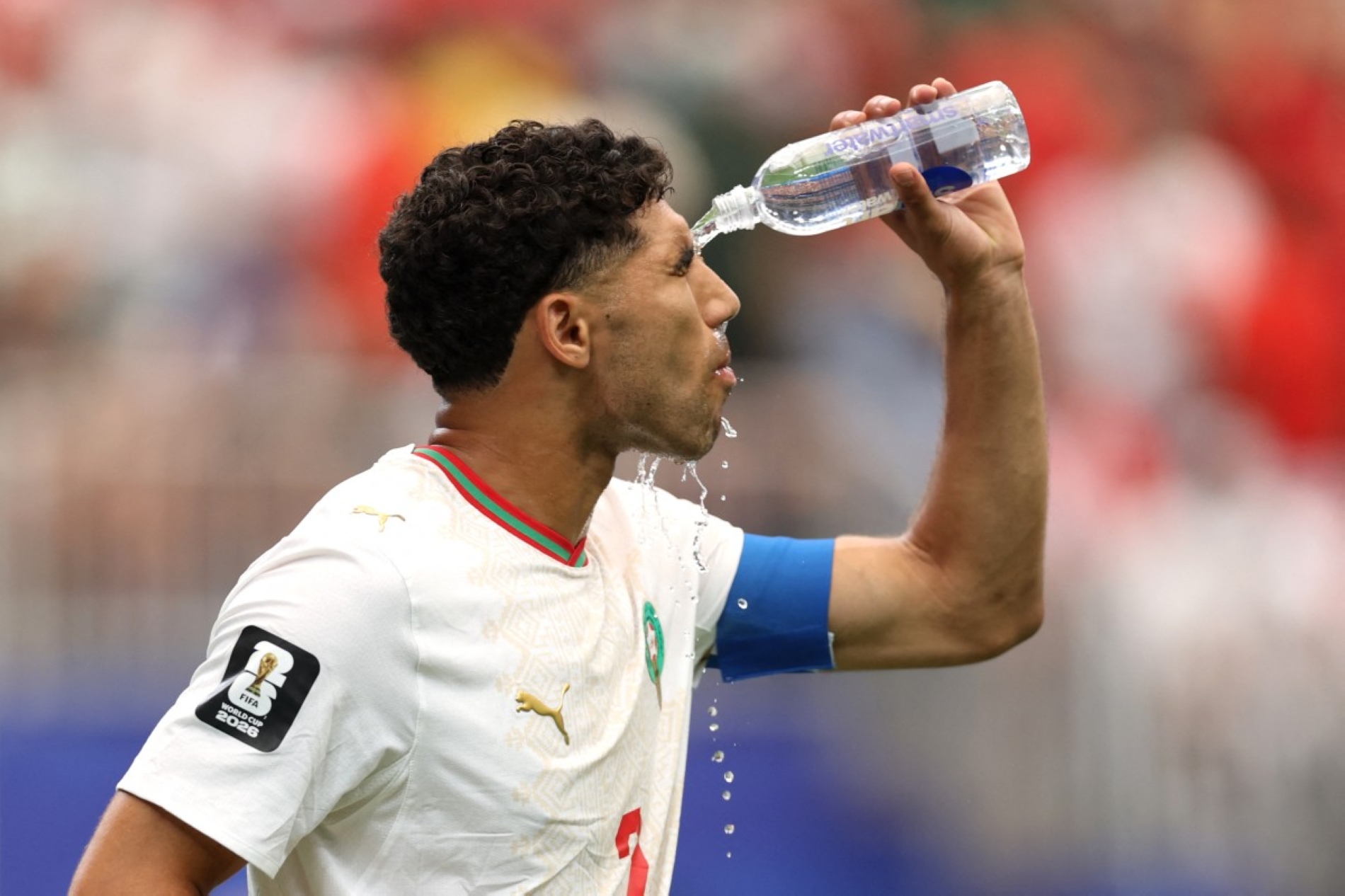
The physiological process begins in the muscles. During intense exertion, they generate considerable internal heat. Under moderate conditions, the body can disperse much of it through perspiration and the widening of blood vessels near the surface of the skin. In hot and humid weather, however, cooling becomes markedly more difficult because sweat evaporates more slowly. The heart must work harder to direct blood towards the skin and support the cooling process, while continuing to supply blood and oxygen to muscles that are still required to compete.