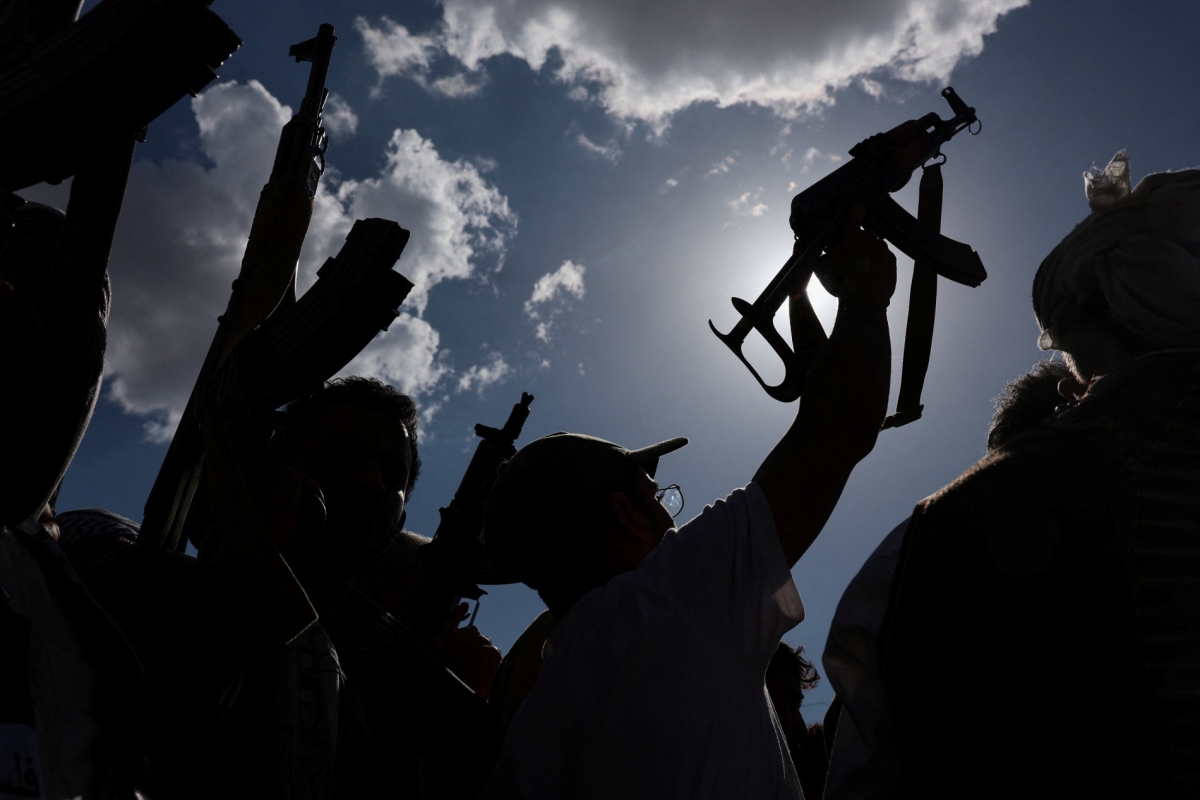

The renewed hostilities between the United States and Iran are causing deep concern in several Arab countries affected by this dispute, including Yemen, with sudden and unprecedented clashes. These have erupted south of Hodeidah governorate in the west along the Red Sea coast between militias loyal to the Iran-aligned Houthi movement and local forces allied with Yemen’s internationally recognised government.
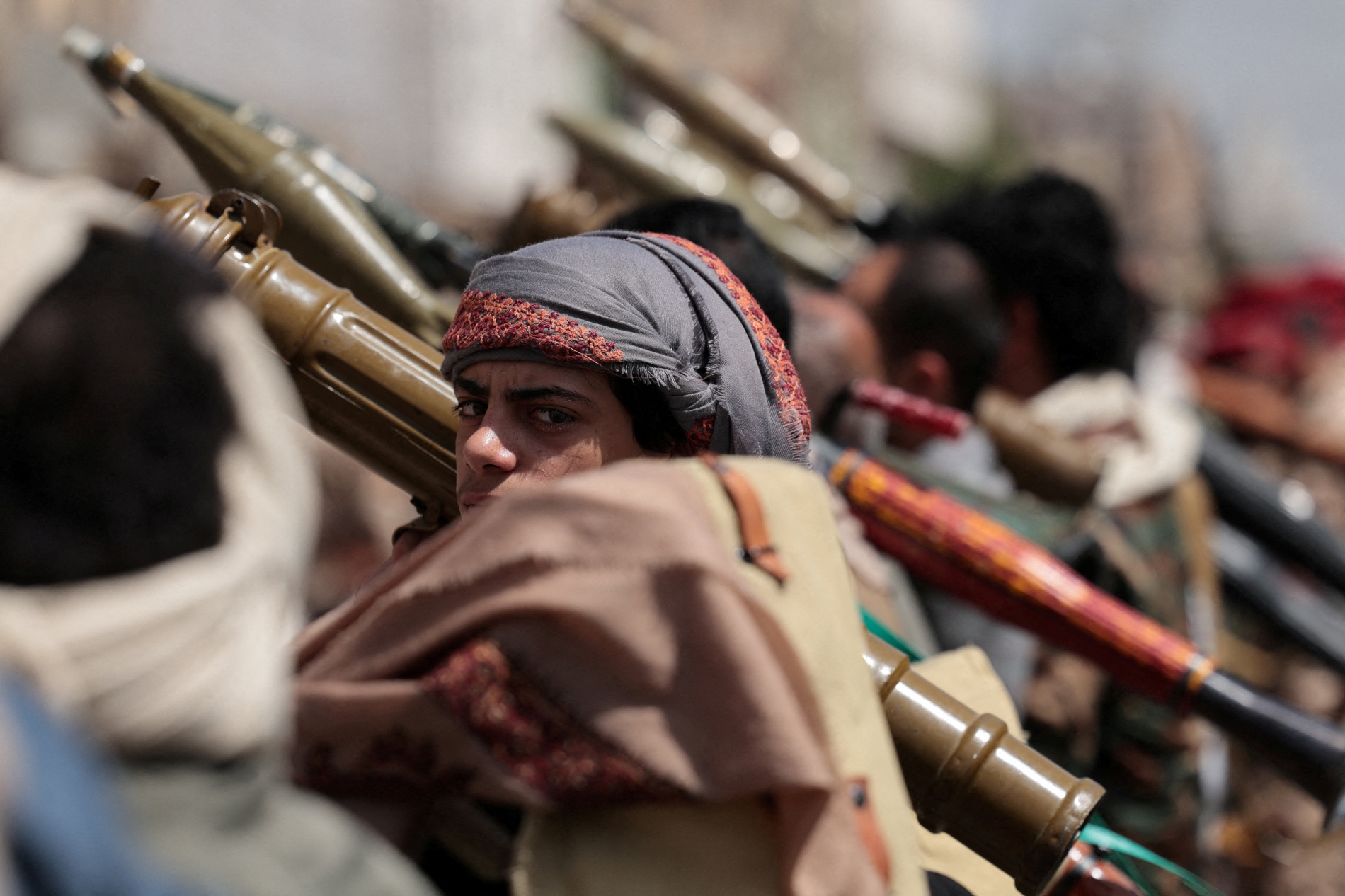
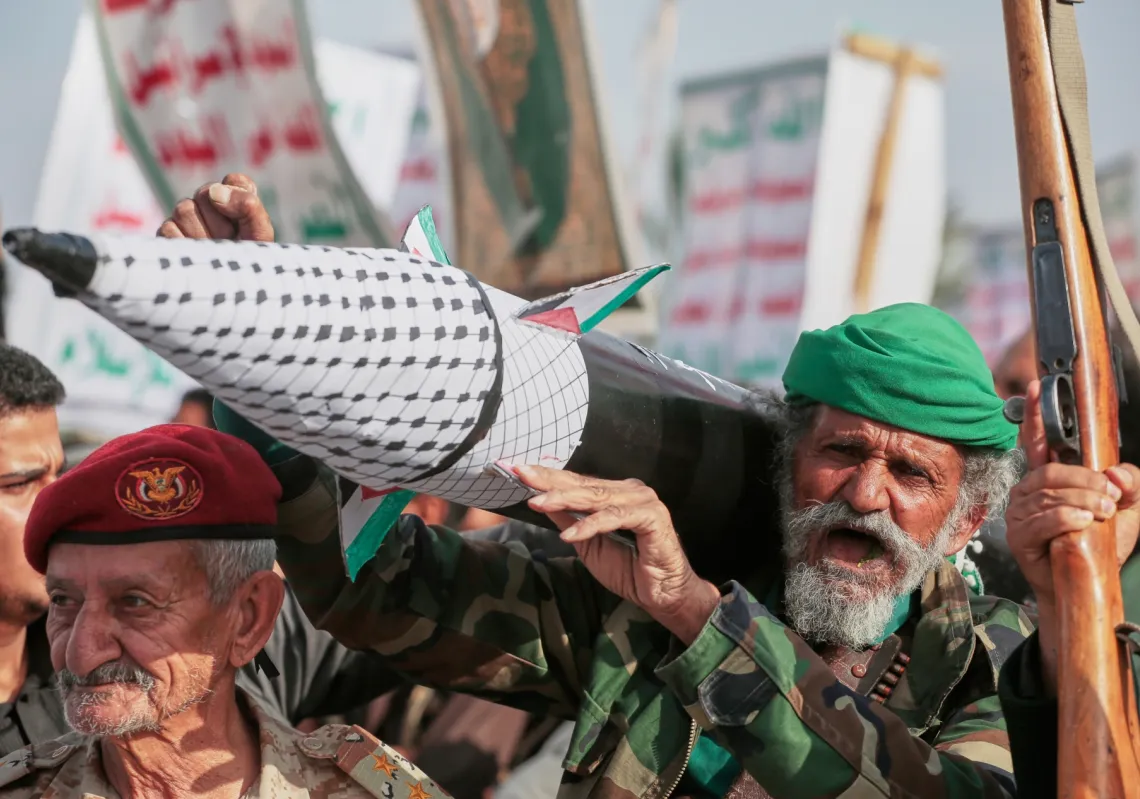
This was the fiercest fighting that the vital port city of Hodeidah has witnessed on the Jabal Dabbas front, north of Hays, one of the most volatile lines of contact between government forces and the Houthis. Dozens were killed or injured on both sides, marking a dangerous slide in the fragile truce that has held since April 2022. It threatens to unravel that calm and raises the prospect of renewed, heavy fighting.
Yemeni Minister of State Walid al-Qadimi said fighting between the Tihami Zaranik Brigades and Houthi fighters left more than 50 Houthis dead, with 15 government fighters also killed. The claims could not be independently verified, but the timing suggests a possible link to the renewed US-Iran confrontation in the Gulf, after senior Houthi leaders attended the funeral of the late Iranian Supreme Leader Ali Khamenei.
Iranian influence
This clash on Yemen’s western coast suggests an Iranian attempt, through its Houthi proxies, to test Yemeni government forces, which are supported by a Riyadh-backed coalition. The goal may be for the Houthis (and therefore Iran) to control the Bab al-Mandab Strait, a maritime chokepoint for access to and from the Red Sea. Analysts think Iran may use this as an additional bargaining chip, alongside its control of the Strait of Hormuz (for access to and from the Arabian Gulf) in talks with Washington.
Speculation aside, the motives behind recent events in west Yemen—described by government sources as a Houthi attack—remain unclear. The core of the US-Iran dispute lies in the Strait of Hormuz, not the Bab al-Mandab Strait, despite the latter’s importance and despite the Iranian narrative that the post-war landscape differs fundamentally from the pre-war framework.