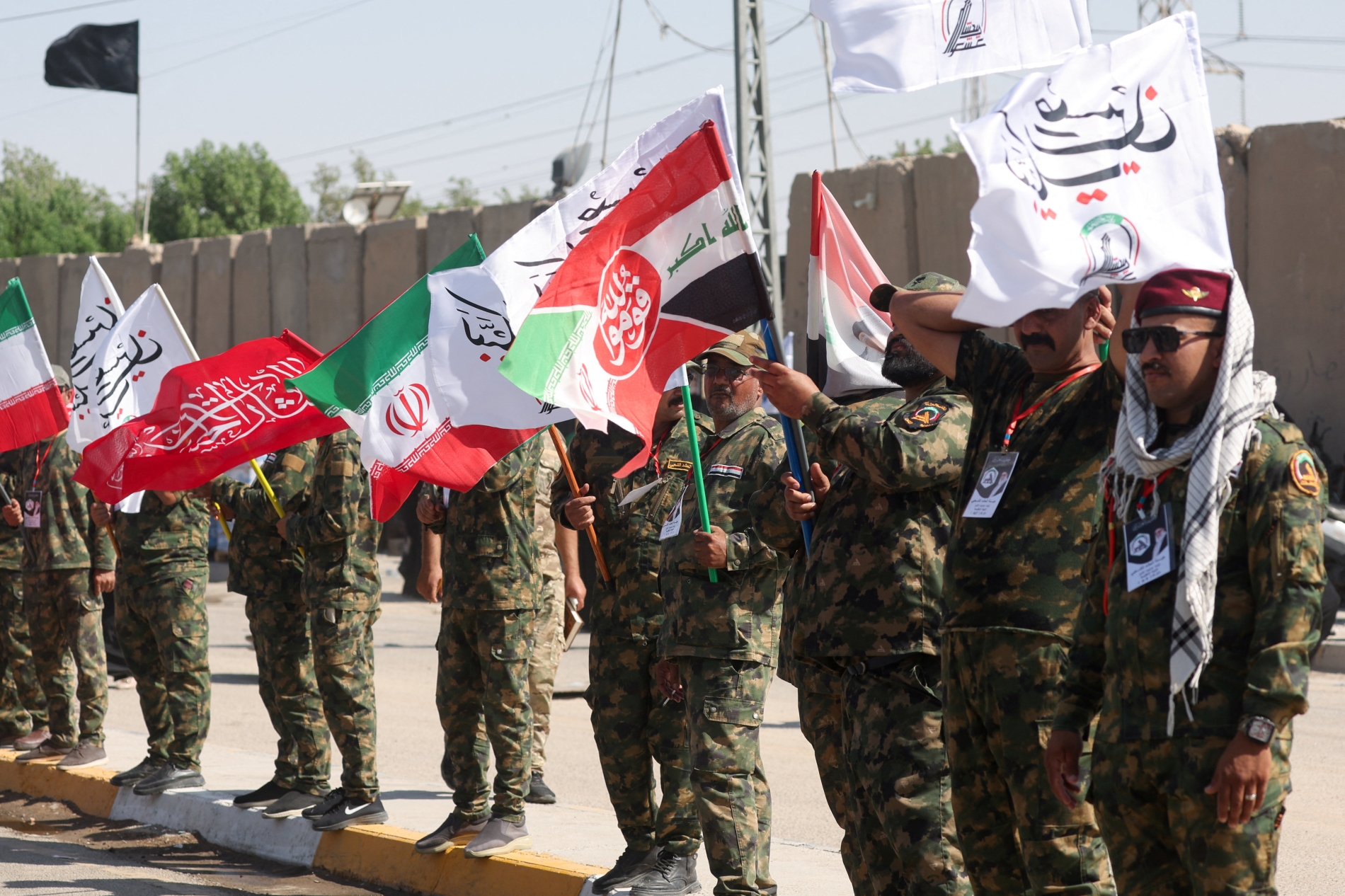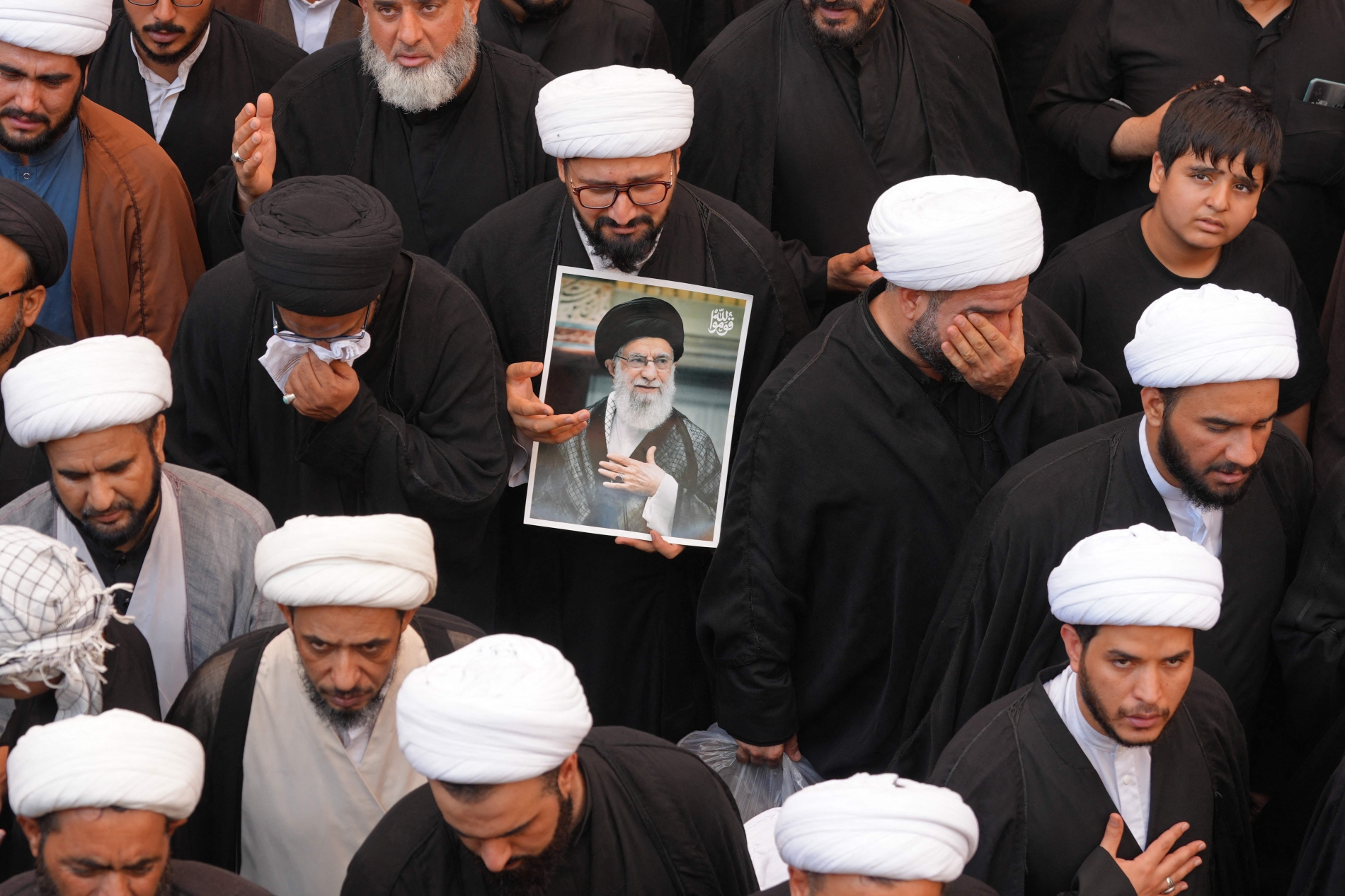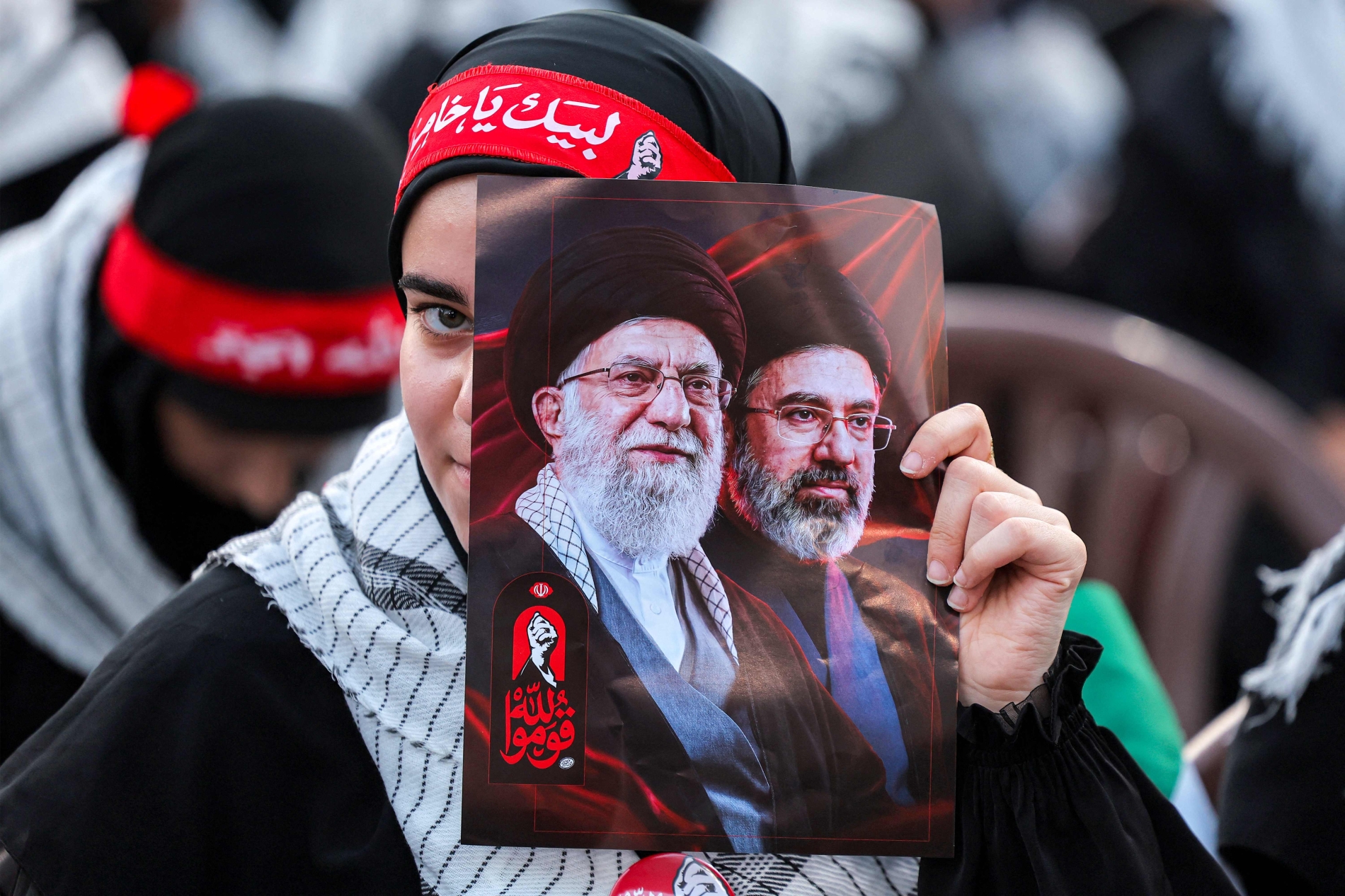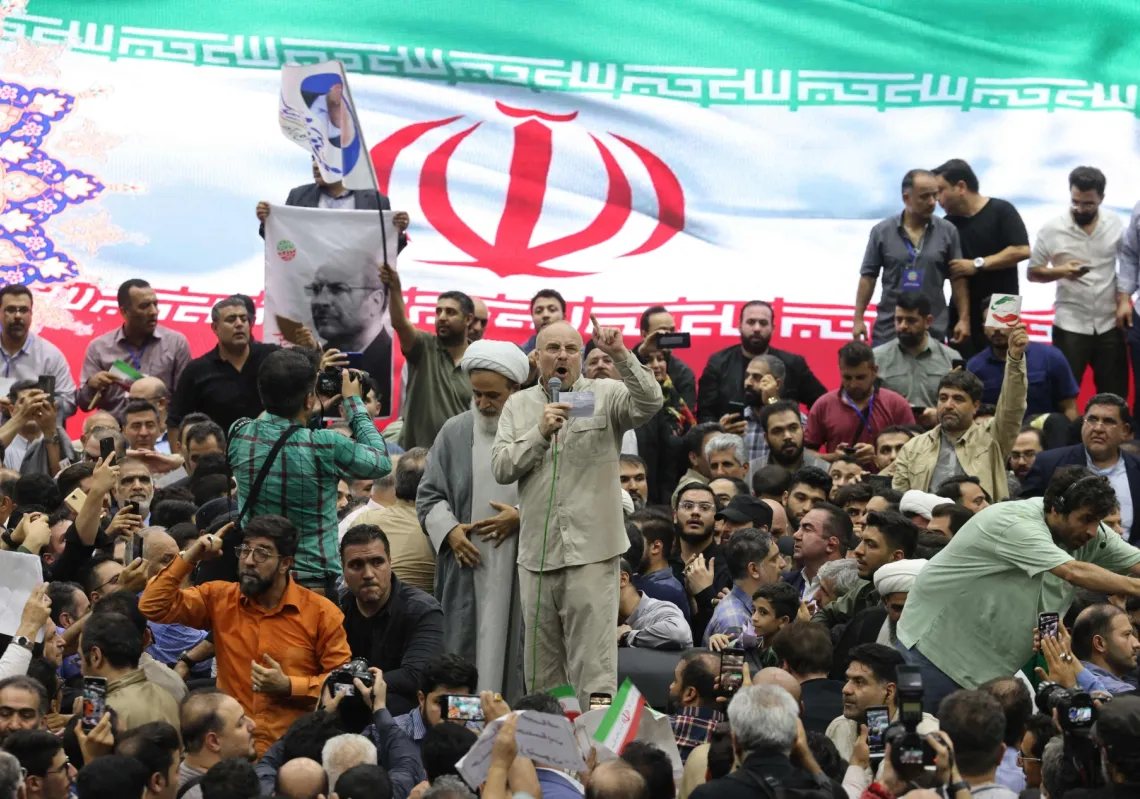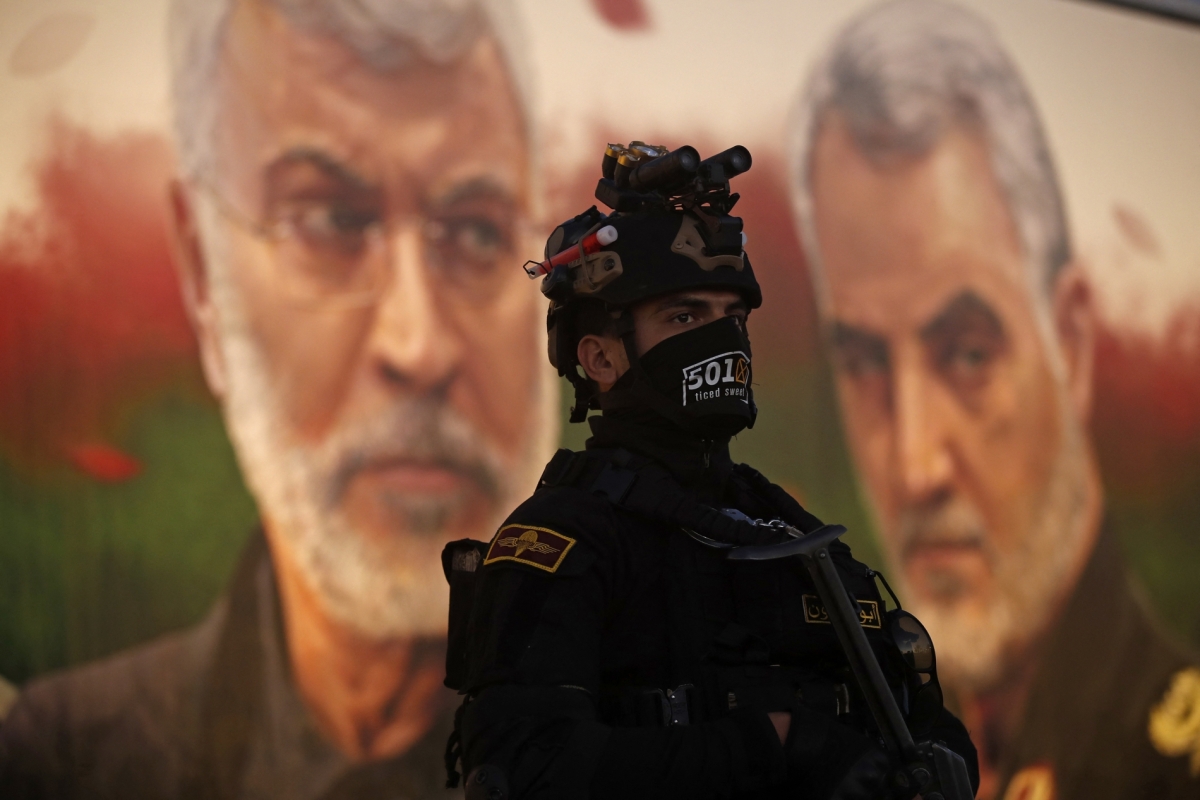

For 20 years the Islamic Republic of Iran measured its power by the number of Arab capitals it could move from Tehran: At one point, it was four: Baghdad, Damascus, Beirut, Sanaa. Those days are gone. Damascus fell first, taking the land bridge with it. Then, in the last week of June 2026, two of the remaining three—Baghdad and Beirut—turned on the militias that gave Iran its reach. This did not come about by means of an American or Israeli airstrike, but through an active decision taken by the Iraqi and Lebanese state authorities.
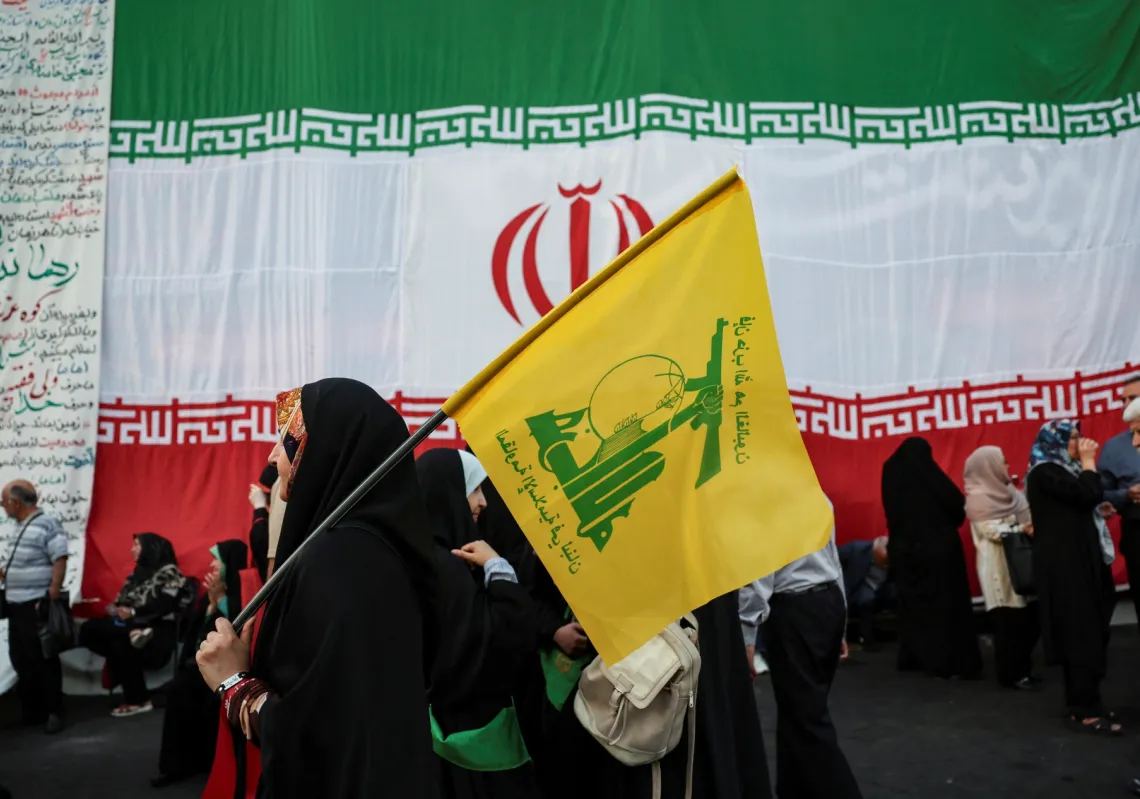
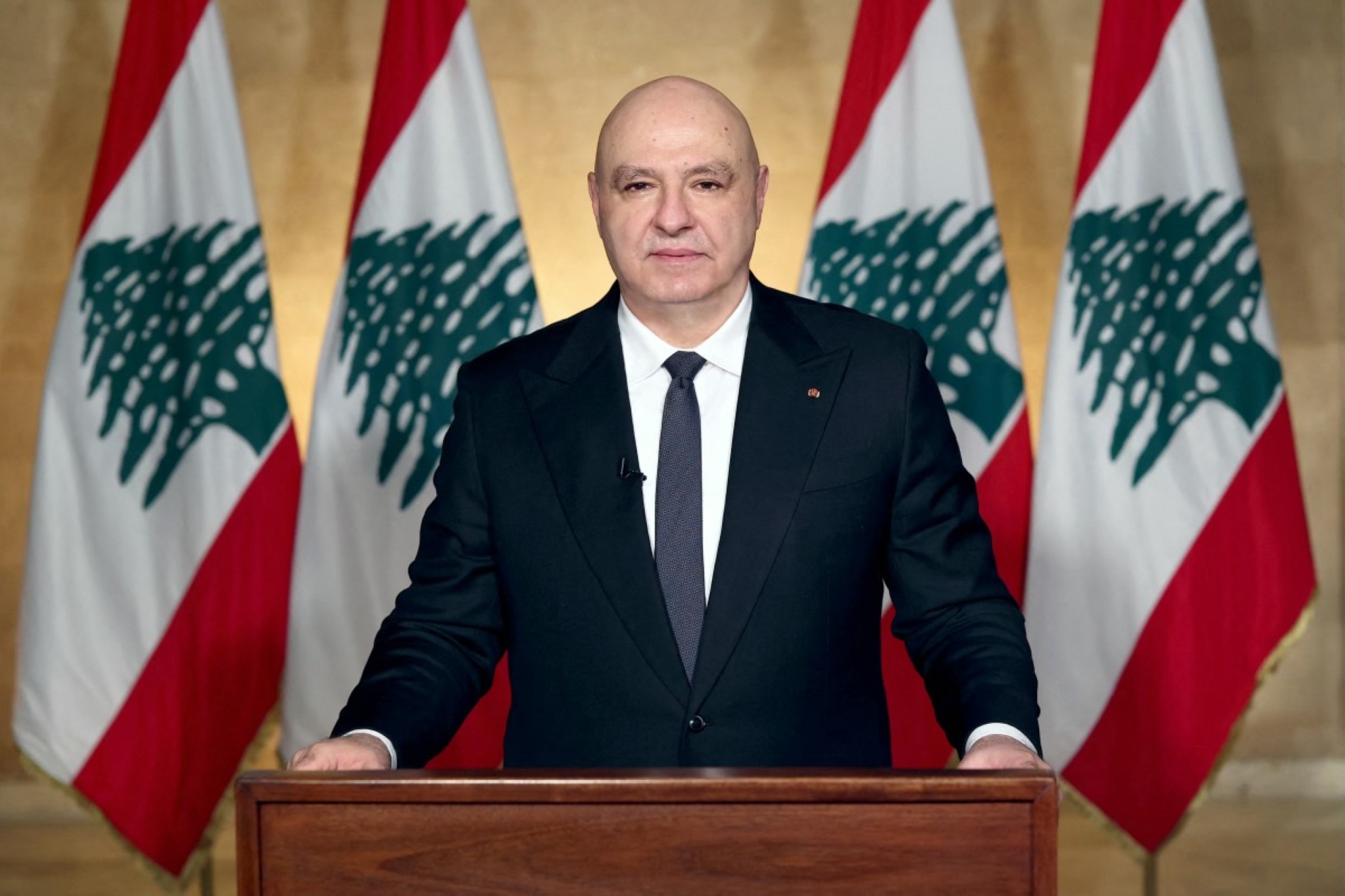
In Washington on 26 June, under American mediation, Lebanon signed a framework agreement with Israel that tasks the Lebanese army with restoring the state’s monopoly on arms and disarming Hezbollah zone-by-zone, beginning in pilot areas agreed with the Israeli command. No Lebanese government has dared go this far since 1982. The text treats Hezbollah’s arsenal as the obstacle to sovereignty, not its guarantee.
The signature only ratified a decline for Iran’s Lebanese proxy that began in 2024, when Israel decapitated the party, killing its influential and long-serving secretary-general, Hassan Nasrallah, and severing its Syrian supply line. Within Lebanon, the groundwork had already been laid. The new president (Joseph Aoun) had been drawn from the army command, the cabinet had already tasked the army with planning the state’s monopoly on weapons, and Lebanon’s Shiite community was fed up with effects of war, disheartened by the Iranian reconstruction money that never came.
Nasrallah’s successor, Naim Qassem, called the agreement with Israel null and void and promised to fight on, but he is defending an arsenal that no longer protects anyone, in the name of a deterrence that has been disproved, before a population that pays its price. What he can no longer do is claim to fight in Lebanon’s name.
One after the other
Two days later, the new Iraqi government of Ali Faleh al-Zaidi—in office since May—sent the Counter Terrorism Service into the Green Zone at dawn and arrested 47 officials and parliamentarians for corruption, the financing of armed factions, and the smuggling of Iranian oil and dollars. This sent shockwaves through Baghdad.
Al-Zaidi’s government has also ordered every armed faction outside the state to surrender its weapons by 30 September, the day the American-led coalition’s mission in Iraq ends. This strips the militias of their oldest pretext (staying armed to fight the occupiers) and the deadline comes with a demobilisation programme that trades weapons for state employment.
Regardless of whether it works or not, the significance is in the meaning: Baghdad has stopped negotiating with the militias as institutions and started buying back their men. Just as Beirut has moved against the Guards’ founding proxy, Baghdad has moved against their relays at the summit of the state, and against their treasury.