Damascus between two projects: when partnership answers the bomb

The real target of the explosions near President Macron’s hotel was the idea of a new, open, trading Syria. The most effective response? To press on with the visit and move towards the future

A visit to Damascus by French President Emmanuel Macron had meaning far beyond trade and investment.
Axel Rangel Garcia
A visit to Damascus by French President Emmanuel Macron had meaning far beyond trade and investment.

Damascus between two projects: when partnership answers the bomb

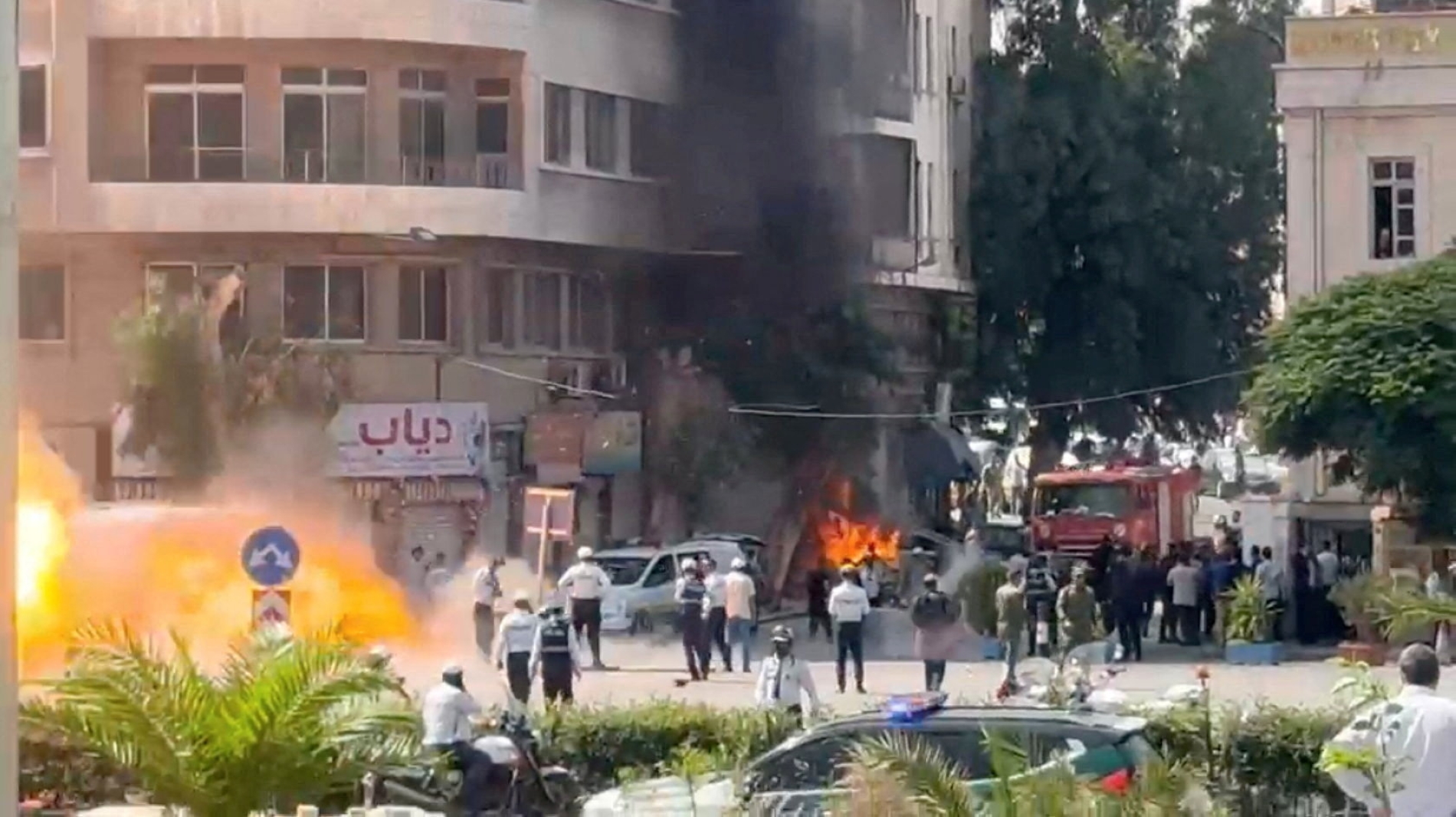
Tuesday morning in Damascus was far from ordinary. The capital was preparing for the official ceremonies of the first visit by a French president in years, and the first visit by a leader from the G7 nations since the birth of the new Syria in 2024, when two explosions rang out near the hotel where President Emmanuel Macron was staying.

Earlier that morning, he had met Syrian civil society representatives, following a tour the previous night of the old city of Damascus and its landmarks. Within minutes, attention shifted from the visit’s programme, the business council, and the anticipated agreements to a single question: had the bombs hijacked this historic visit? Their smoke and flames had been visible, their blast heard, only minutes after Macron left the hotel for the presidential palace.

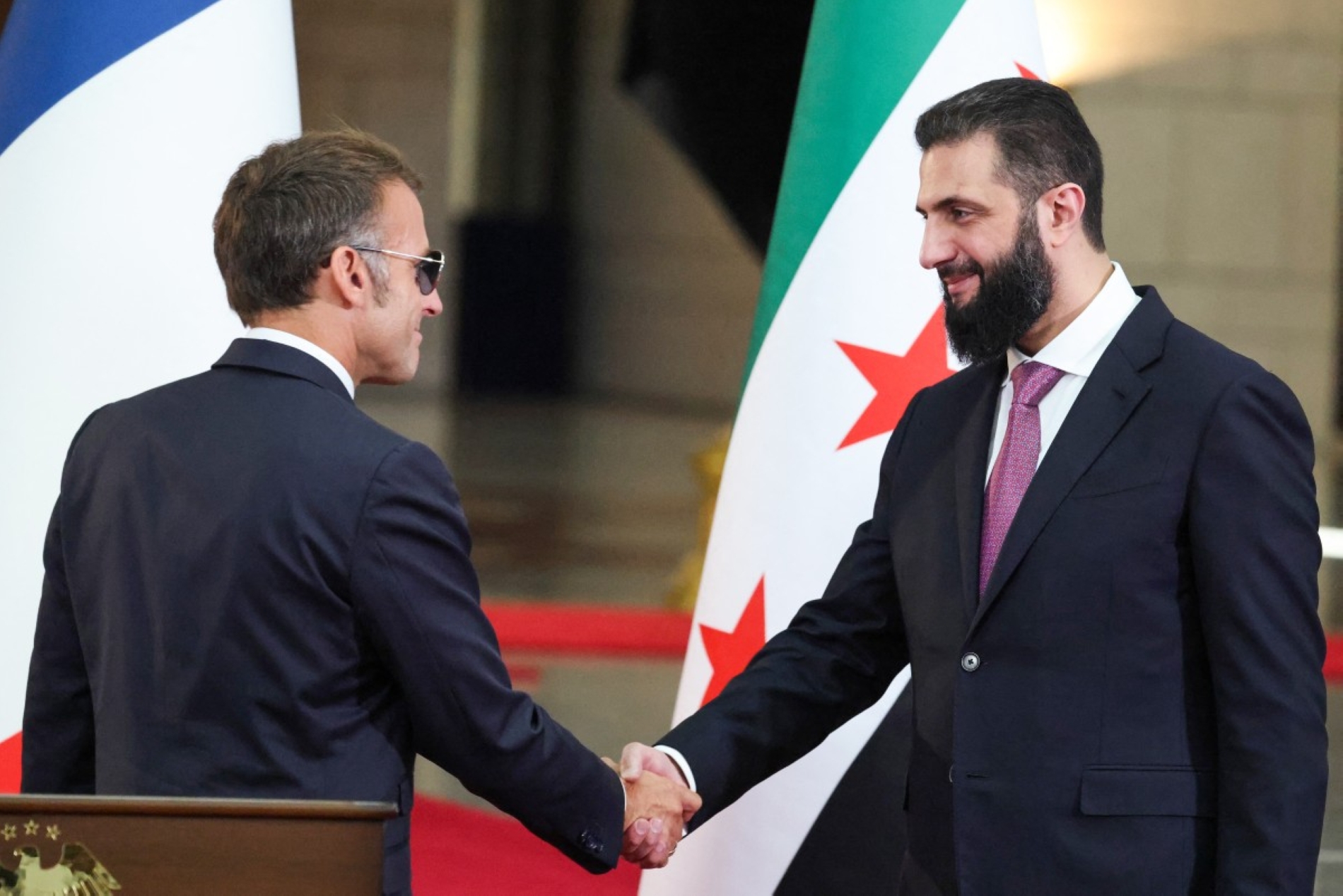
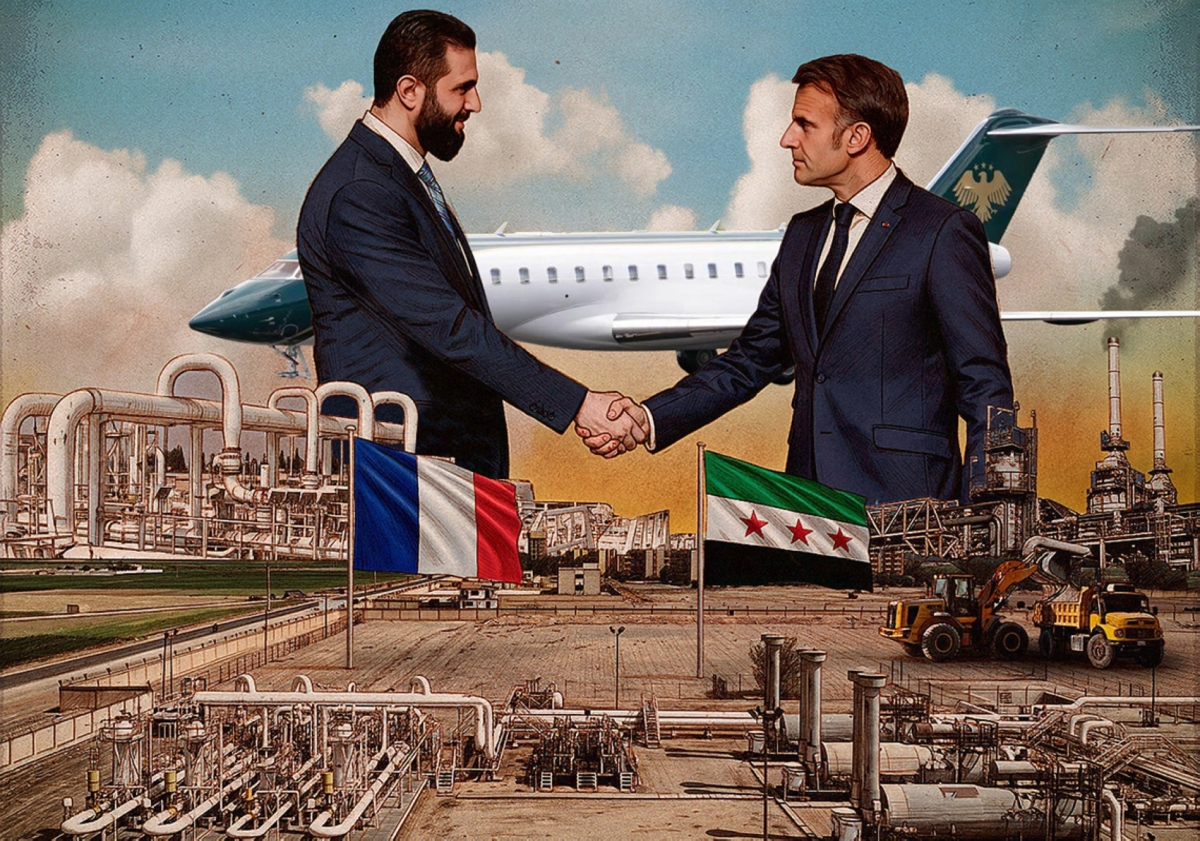
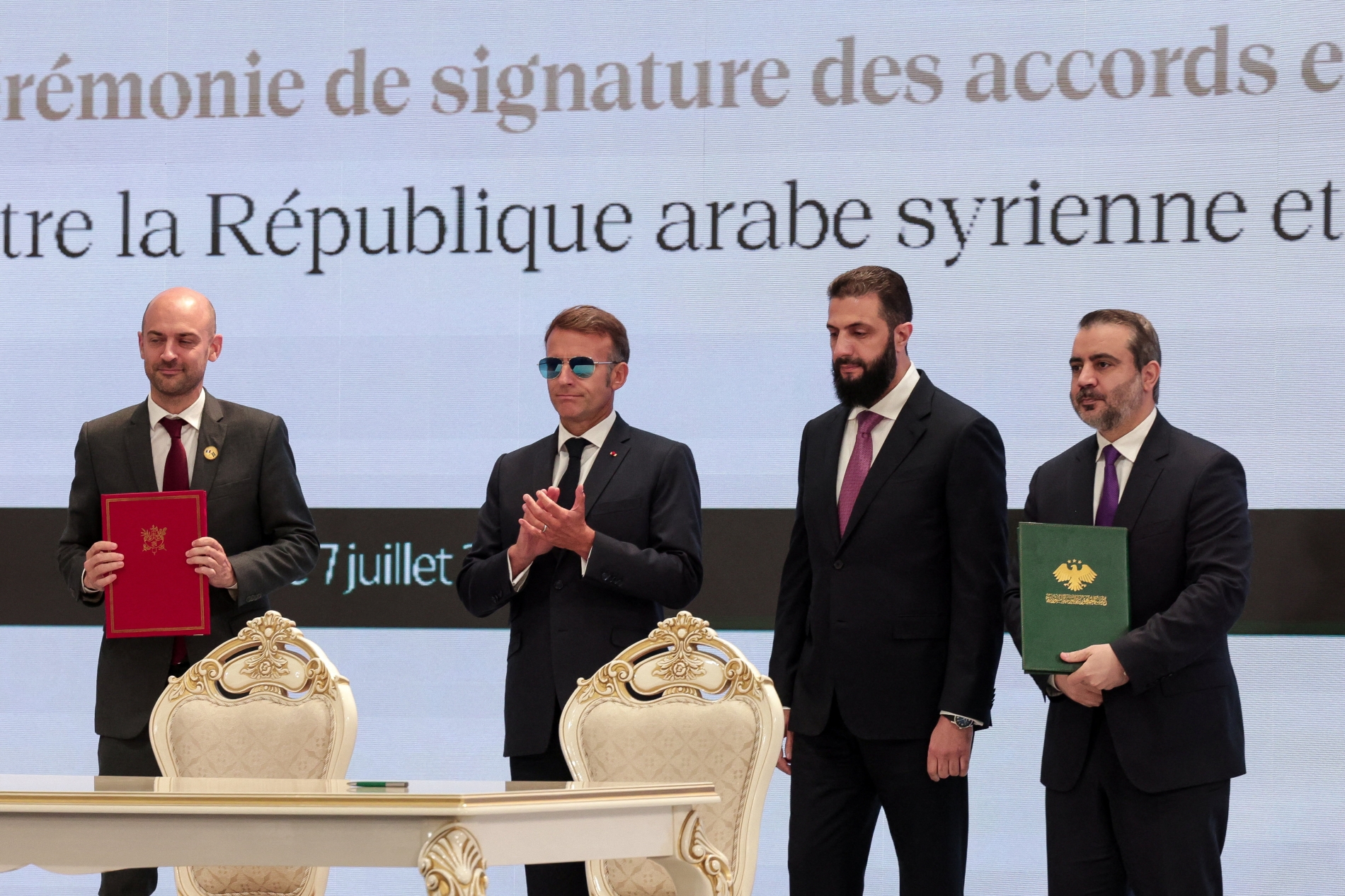
The answer came swiftly, through security statements a clear political decision: Macron insisted on completing the visit’s full programme. At the palace, he held extended talks with President Ahmad al-Sharaa and they signed a framework declaration for comprehensive cooperation, while other agreements covered ports, energy, aviation, education, health, and culture, alongside a decision to restore the exchange of ambassadors between Damascus and Paris.

Significant moment

The agenda was neither altered nor curtailed, leaving an unmistakable message: Syria’s future will not be dictated by bombs. After the Palace of Justice in Damascus was targeted on Thursday, two explosions struck at the edge of the security cordon around the residence of a major presidential guest. The authorities cordoned off the blast sites, treated the wounded, and began investigating who may be behind it.

Still, there was a significance to the moment, placing Syria before two opposing images: one of ‘the new Syria,’ determined to return to the world through partnerships, investment, and rebuilding its institutions; and another pursued by those who want to keep the country hostage to violence, disorder, and fear. The scene on Beirut Street bore visible witness to this confrontation between two projects. One offers investment, contracts, and partnership; the other, explosives.
Reuters
A screengrab showing smoke and fire where explosive devices blew up near a hotel where French President Emmanuel Macron was meant to be staying, in Damascus, Syria, in video obtained on 7 July 2026.

One seeks to persuade the world that Syria is becoming a place of stability, where investment and partnerships are possible. The other tries to insist that nothing has changed, while seeking to increase the cost of ‘opening’ Damascus.

Macron’s visit was no ceremonial call. France sent the head of the state himself, accompanied by ministers and heads of major companies, not a minister or envoy. In this choice, Paris was saying that Syria had entered a new phase, one worthy of political and economic investment, and that the time had come to move from managing the Syrian crisis to rebuilding the Syrian state.

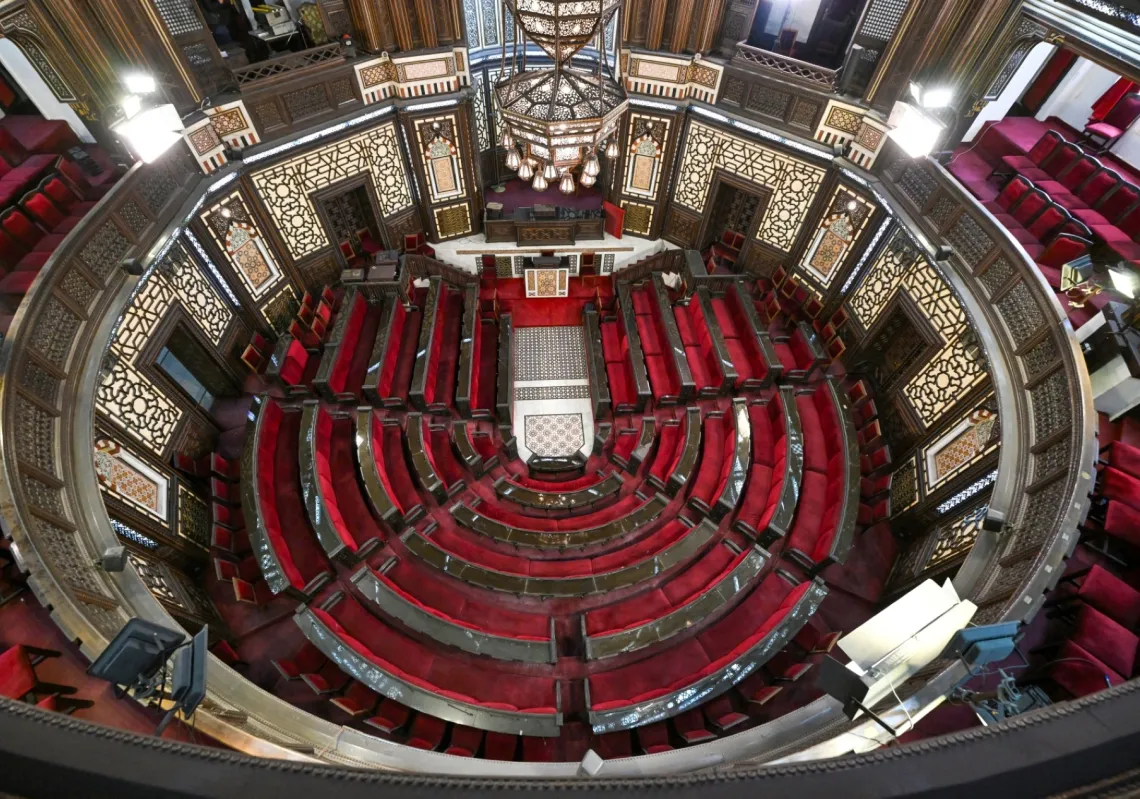
The perpetrators were targeting this message, more than a presidential convoy. For 15 years, Syria’s name was associated with war, displacement, sanctions, extremism, chemical weapons, air raids, missiles, chaos, and foreign intervention. Today, Damascus tells a different story about itself. Al-Sharaa, a former jihadist, speaks not of military fronts or battlefield campaigns but of ports, trade corridors, energy networks, investments, a new People’s Assembly, and a state anchored in law and institutions.

Becoming a hub

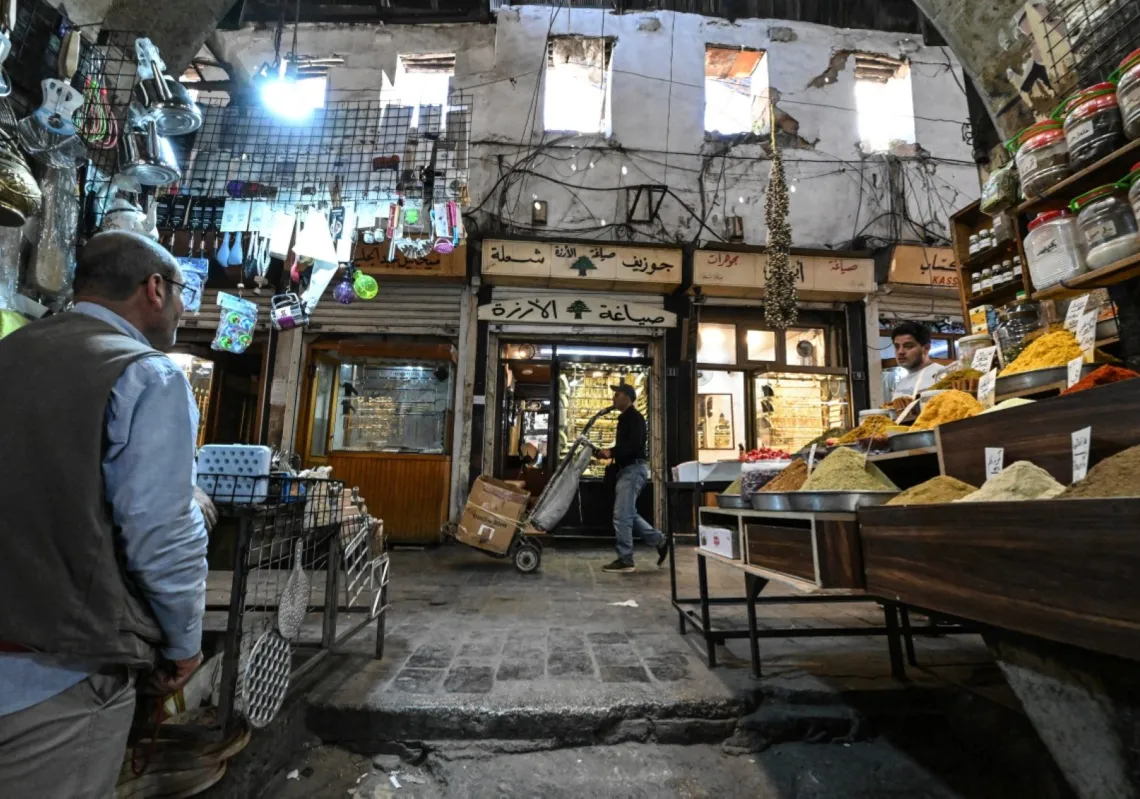
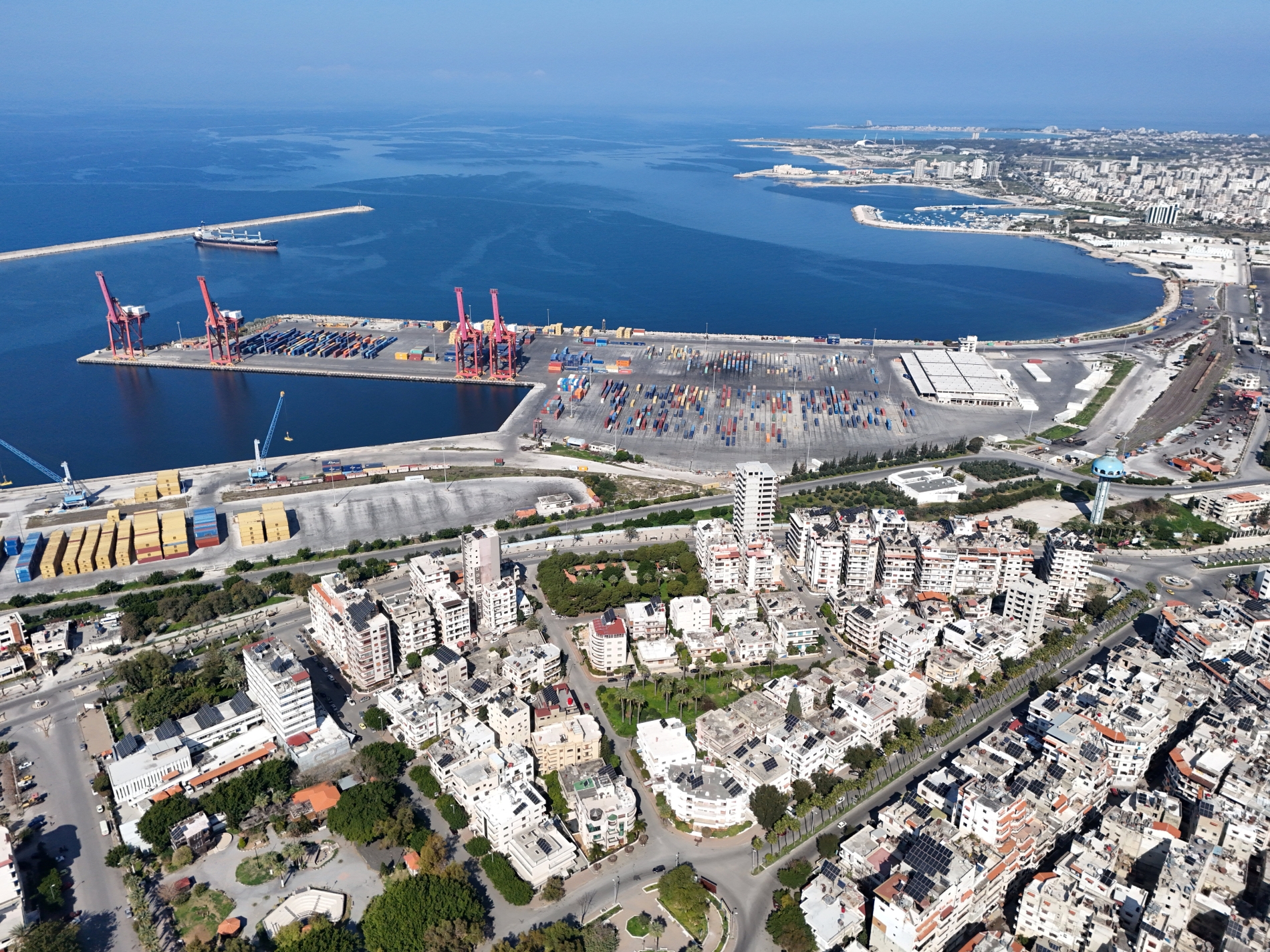
This is a new approach in Syria, yet what Damascus seeks goes beyond agreements with French companies or attracting European investment. The vision advanced by Syria’s new leadership rests on reclaiming the advantages of geography: to become a meeting point for economic interests. This explains the emphasis on ports, rail links, oil and gas pipelines, electricity and communications networks. Syria wants to be a logistical hub connecting the Gulf and Iraq with Türkiye, Europe, and the Mediterranean.
Reuters
A drone view shows the port of the coastal city of Latakia, taken on 11 March 2025.

This goes beyond economics, and reflects a change in the way Syria sees its new regional role. For decades, its importance was measured in security and military terms, by its ability to ignite or extinguish fires, and latterly by the export of drugs and threats. Today, it is trying to turn its geographic position into a source of strength, rather than use it to burden its neighbours. Syria wants to move from being a transit state for crises to a transit state for trade, energy, and communications.
Beirut Street bore witness to this confrontation between two projects. One offers investment, contracts, and partnership; the other, explosives

The scale of the French presence in Damascus is seen against this wider map. Paris does not see Syria as just a market, or a stage on which to revive its historic rivalry with Türkiye. Rather, it sees a potential gateway for energy and trade corridors linking the eastern Mediterranean to Europe, the Gulf to the Med, and Europe to Iraq and Türkiye. If Damascus succeeds in this transformation, it will recover more than its economy; it will regain the strategic weight it lost during those long years of civil war.

President al-Sharaa did not treat the two explosions as grounds for altering the visit's schedule or narrowing its scope. He said that some parties are harmed by Syria's success, and that acts of this kind would not deter the state from continuing its reconstruction work. Macron's response was practical. He did not raise the pitch of his rhetoric or resort to emotional declarations, but completed the visit, as if to show that the best answer to terrorism is to deny it the power to change political decisions.

Not bowing to bombs

Here lies the symbolism of that day. Had the French president shortened his visit or left Damascus early, the first visit by a major Western president to 'the new Syria' would had ended under the pressure of the security situation. The effect would have been felt far beyond bilateral relations, just as Syria seeks investment and trade partners.

Reuters
Syria's Foreign Minister Asaad Hassan Al-Shaibani and France's Foreign Minister Jean-Noel Barrot hold documents next to France's President Emmanuel Macron and Syrian President Ahmed Al-Sharaa in Damascus.

Macron spoke of Syria as a partner for Europe, invoking support from international financial institutions, restored financial channels, renewed cultural and educational ties, encouragement for French companies to invest, and participation in rebuilding the Syrian economy. This, too, marked a different language, with past relations France-Syria governed by sanctions, isolation, and the management of conflict.

The timing of the two explosions was no coincidence. There are always those who lose when a country begins to emerge from war. A war economy does not collapse easily. The vested interests that flourished in chaos by smuggling and selling weapons, drugs, or illicit finance do not want the Syrian state to reassert control over its institutions, restore its monopoly over force, formalise the economy, or invite investment.

The bombs were meant to remind everyone that the forces of the past are yet to fully exit the stage. Moving from war to peace is not done through a single political decision and countries that have suffered decades of crisis are rarely catapulted into a future of partnership in a single stroke. It is more often a long, intricate process, one that those whose interests are served by chaos will try to obstruct.

The continuation of Macron's visit transformed the meaning of the event. The question was no longer why the explosions took place but why they failed in their aim. That distinction is crucial. Investment does not seek economic opportunity alone; it seeks confidence. Politics, too, rests on confidence, and confidence does not mean the absence of risk but rather the state's ability to manage risk and prevent it from dictating the agenda.

Reuters
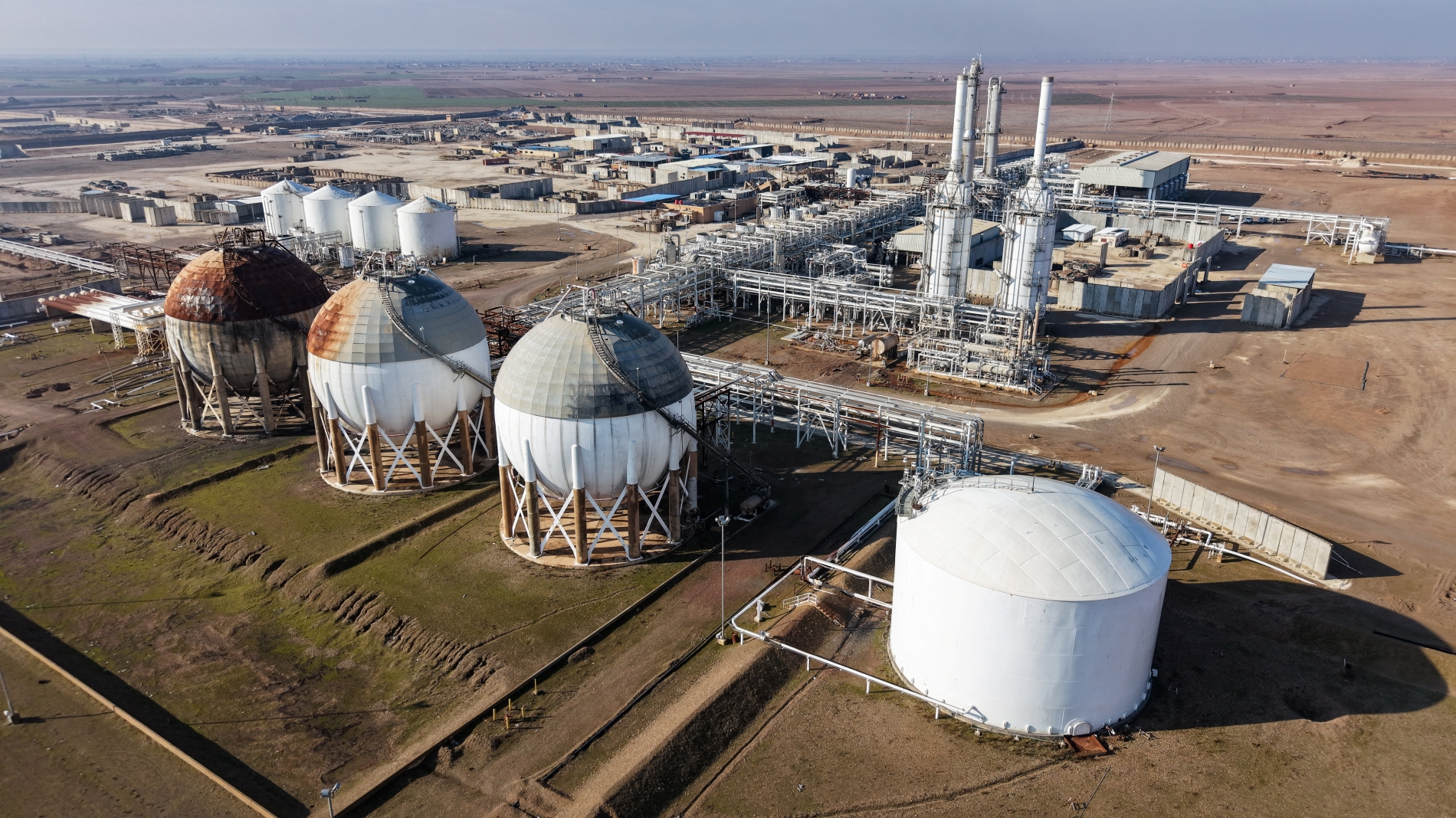
The Conoco gas plant after it came under the control of the Syrian government following the withdrawal of the U.S.-backed Syrian Democratic Forces (SDF), in the countryside of Deir al-Zor, Syria, January 19, 2026.

For that reason, perhaps the most important outcome of Macron's visit was not the number of agreements signed, but the image that the head of a major state continued his programme despite an unmistakable attempt to disrupt the visit. From this perspective, Macron's insistence on denying the two explosions the power to spoil the visit becomes clear. The message was both to Damascus and those beyond Syria's borders. Indeed, the Arab world has returned to Damascus, and Türkiye has opened a new page with the Syrian authorities.

Willing partners

The United States supports the path of consolidating the new state. The Gulf sees Syria as part of an economic network linking the Mediterranean to the Arabian Peninsula. In this landscape, France wants to be a partner with political, economic, and cultural presence. Macron's visit was a declaration of France's readiness to invest politically in the new Syria.

The test before Damascus is now to turn political support into economic reality, to persuade the world that the state is stronger and is moving beyond the past. Perhaps the irony is that Beirut Street, where the two explosions took place, officially bears the name of President Shukri al-Quwatli, the figure associated with Syria's independence from France in 1946.

Ludovic Marin / AFP
Syrian President Ahmed al-Sharaa (R) shakes hands with France's President Emmanuel Macron following a joint press conference in Damascus on July 7, 2026.

At one end of the street were the explosive devices; at the other were meetings with civil society and agreements on ports, energy, aviation, and investment. The distance between the two is very short, yet it condensed the distance Syria has been trying to cross since the fall of the former regime.

In the final analysis, history may remember less the details of the two explosions than what followed: the cementing of a belief, inside the country and beyond it, that the age in which politics can be dictated by explosives has ended, and that Syria's future will be written through investment, institutions, and the state, not through the smoke rising from a car bomb or a waste container. Every step the state takes toward reintegration into the world will be met by fresh attempts from the forces of the past to drag it backward. The best answer is to press ahead and move toward the future.

font change