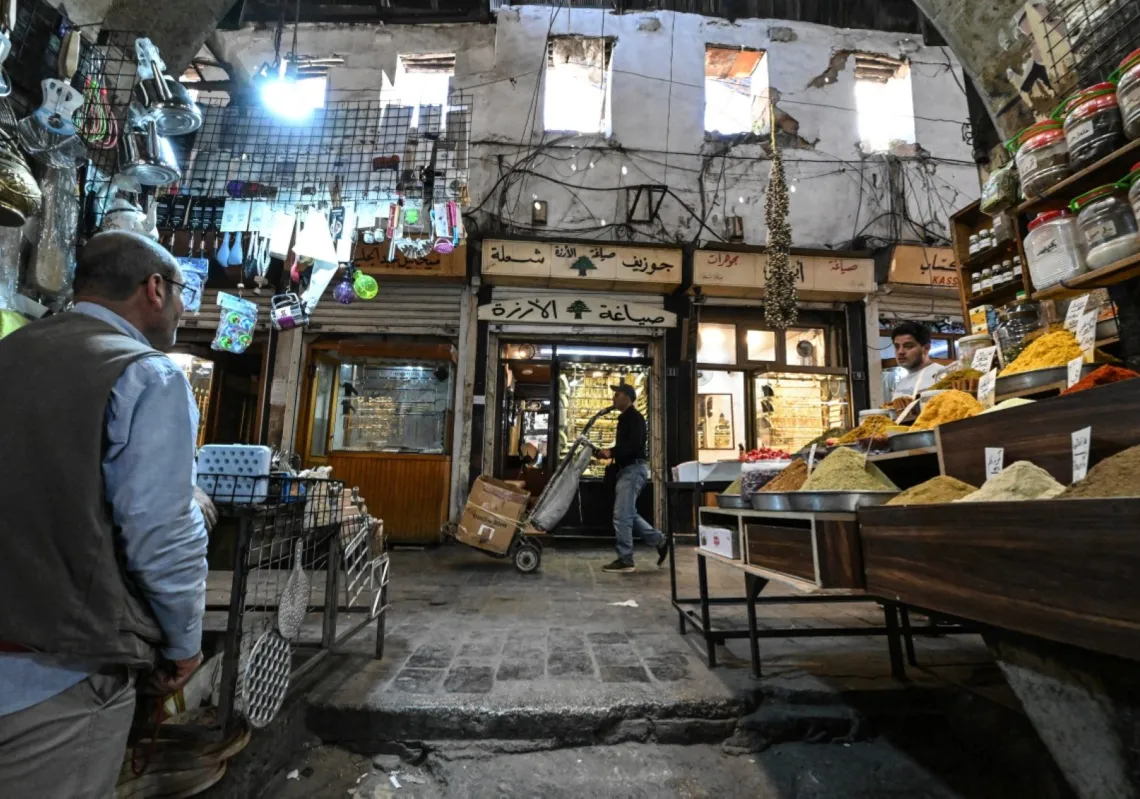

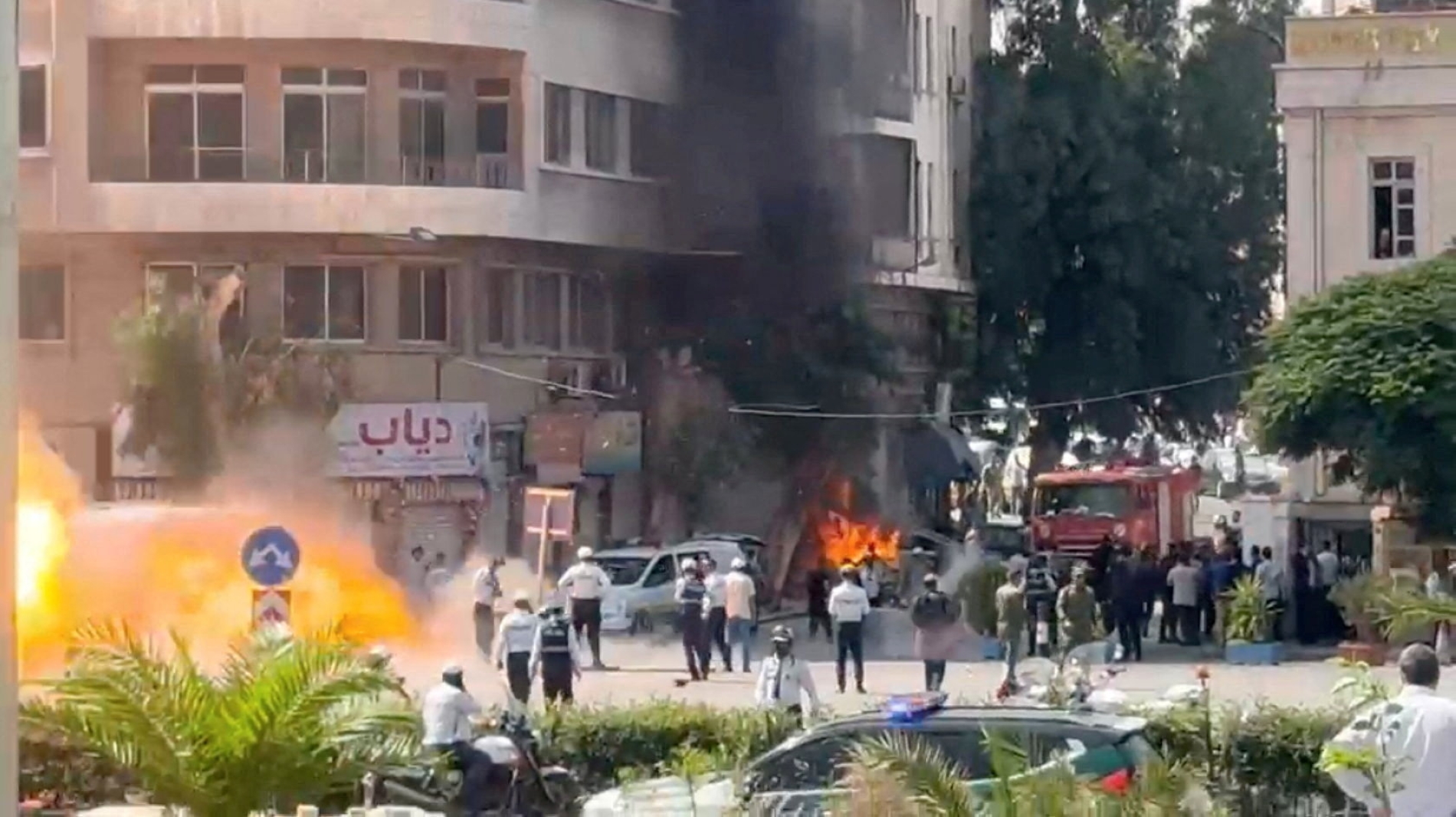
Tuesday morning in Damascus was far from ordinary. The capital was preparing for the official ceremonies of the first visit by a French president in years, and the first visit by a leader from the G7 nations since the birth of the new Syria in 2024, when two explosions rang out near the hotel where President Emmanuel Macron was staying.
Earlier that morning, he had met Syrian civil society representatives, following a tour the previous night of the old city of Damascus and its landmarks. Within minutes, attention shifted from the visit’s programme, the business council, and the anticipated agreements to a single question: had the bombs hijacked this historic visit? Their smoke and flames had been visible, their blast heard, only minutes after Macron left the hotel for the presidential palace.
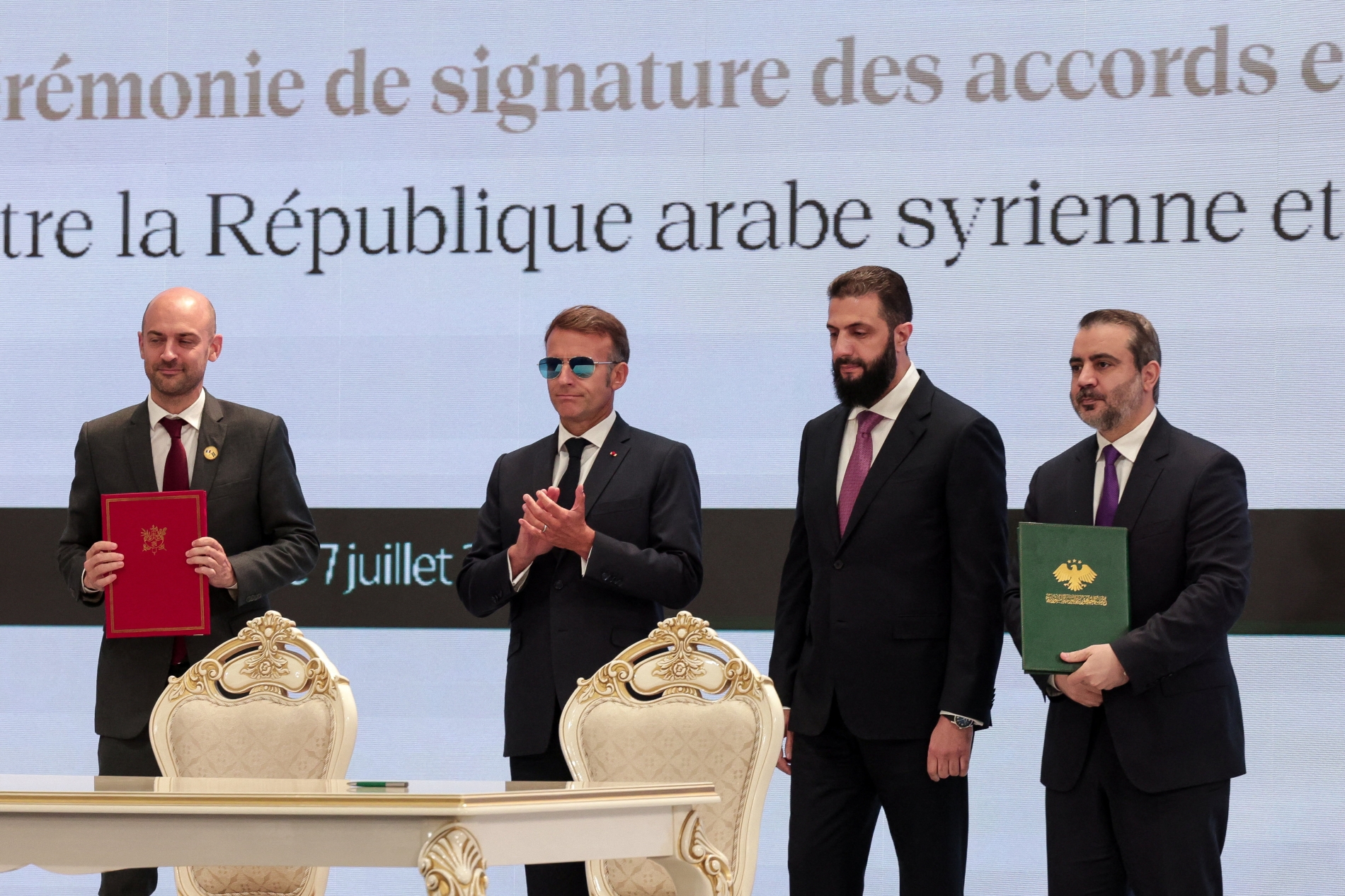
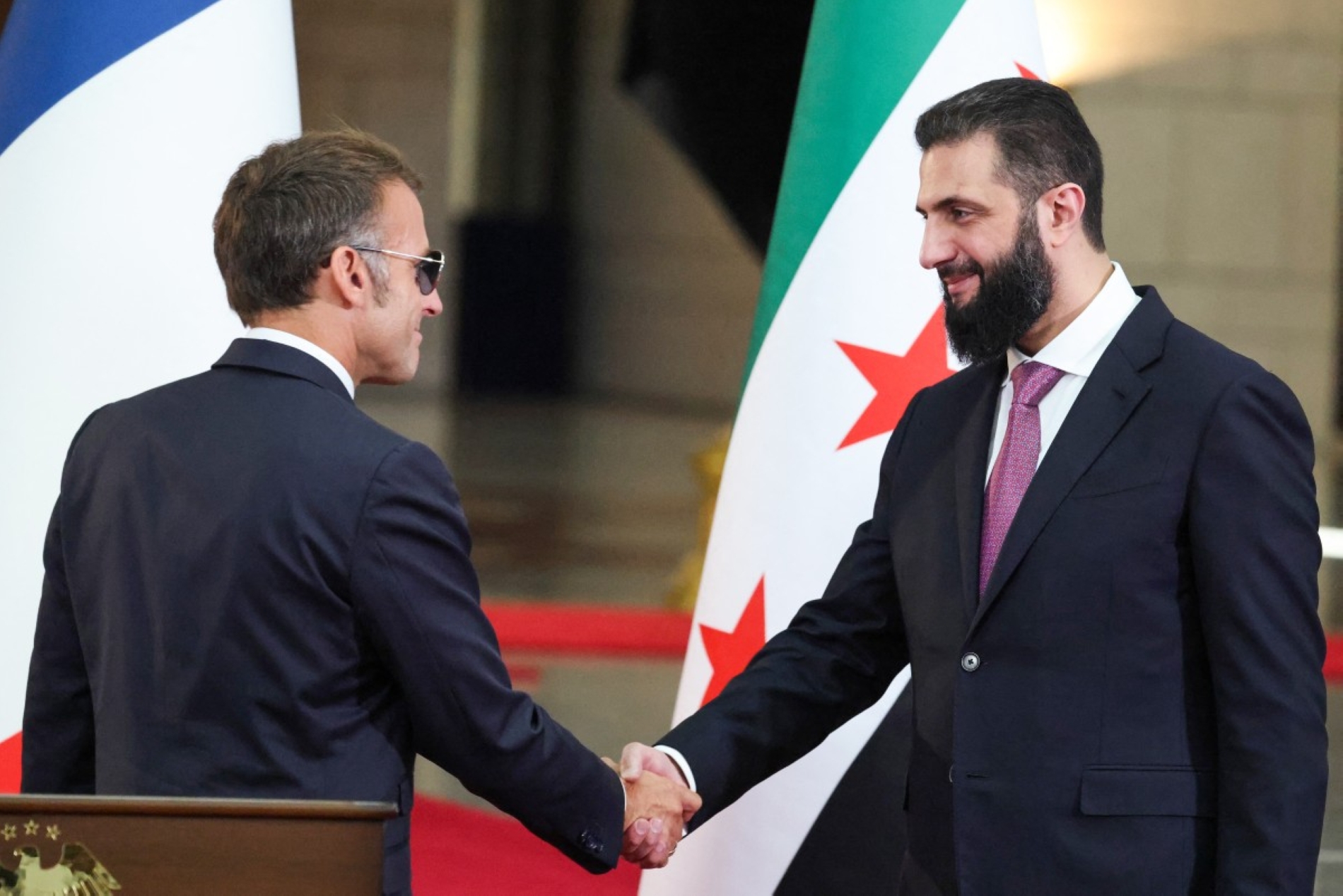
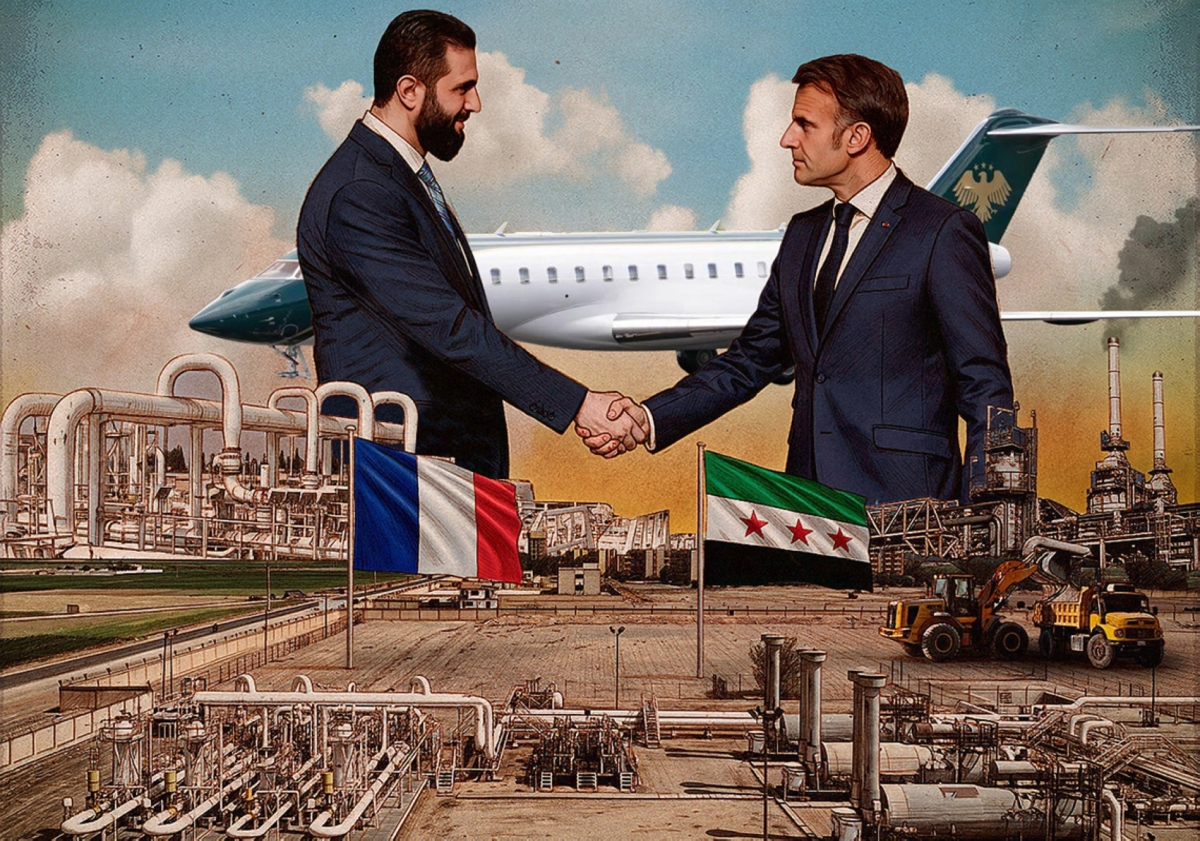
The answer came swiftly, through security statements a clear political decision: Macron insisted on completing the visit’s full programme. At the palace, he held extended talks with President Ahmad al-Sharaa and they signed a framework declaration for comprehensive cooperation, while other agreements covered ports, energy, aviation, education, health, and culture, alongside a decision to restore the exchange of ambassadors between Damascus and Paris.
Significant moment
The agenda was neither altered nor curtailed, leaving an unmistakable message: Syria’s future will not be dictated by bombs. After the Palace of Justice in Damascus was targeted on Thursday, two explosions struck at the edge of the security cordon around the residence of a major presidential guest. The authorities cordoned off the blast sites, treated the wounded, and began investigating who may be behind it.
Still, there was a significance to the moment, placing Syria before two opposing images: one of ‘the new Syria,’ determined to return to the world through partnerships, investment, and rebuilding its institutions; and another pursued by those who want to keep the country hostage to violence, disorder, and fear. The scene on Beirut Street bore visible witness to this confrontation between two projects. One offers investment, contracts, and partnership; the other, explosives.
One seeks to persuade the world that Syria is becoming a place of stability, where investment and partnerships are possible. The other tries to insist that nothing has changed, while seeking to increase the cost of ‘opening’ Damascus.
Macron’s visit was no ceremonial call. France sent the head of the state himself, accompanied by ministers and heads of major companies, not a minister or envoy. In this choice, Paris was saying that Syria had entered a new phase, one worthy of political and economic investment, and that the time had come to move from managing the Syrian crisis to rebuilding the Syrian state.
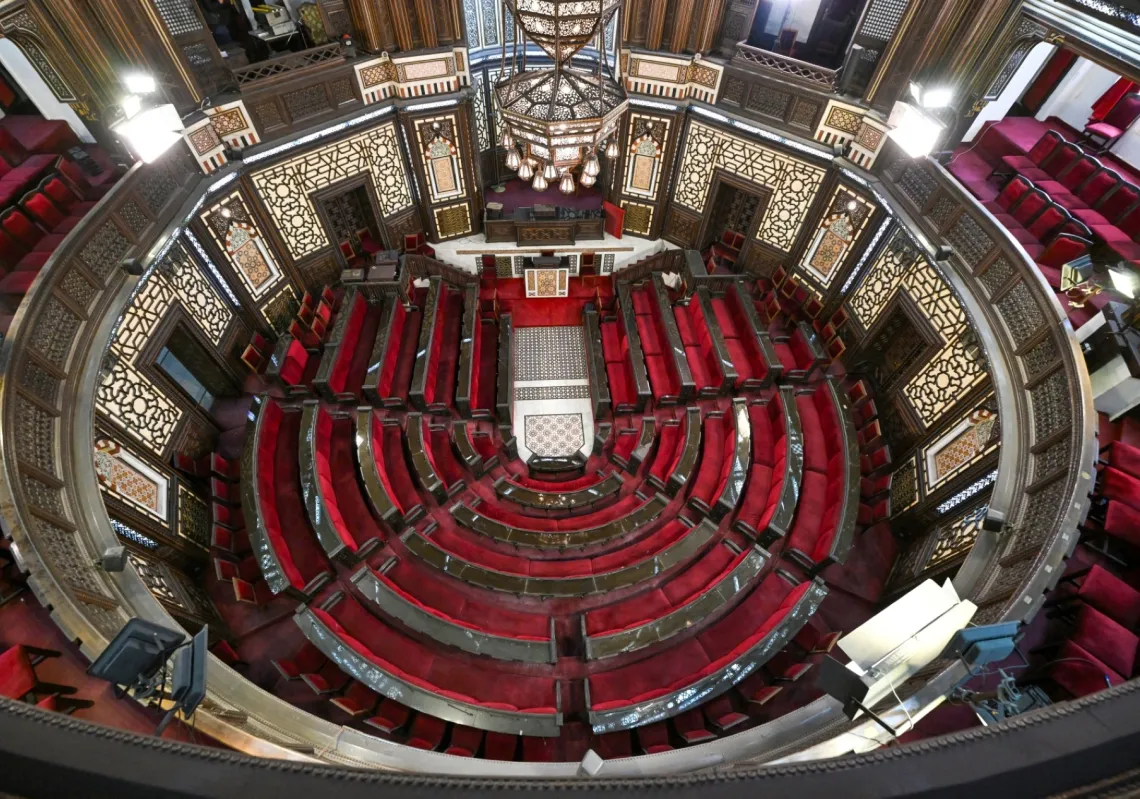
The perpetrators were targeting this message, more than a presidential convoy. For 15 years, Syria’s name was associated with war, displacement, sanctions, extremism, chemical weapons, air raids, missiles, chaos, and foreign intervention. Today, Damascus tells a different story about itself. Al-Sharaa, a former jihadist, speaks not of military fronts or battlefield campaigns but of ports, trade corridors, energy networks, investments, a new People’s Assembly, and a state anchored in law and institutions.
Becoming a hub
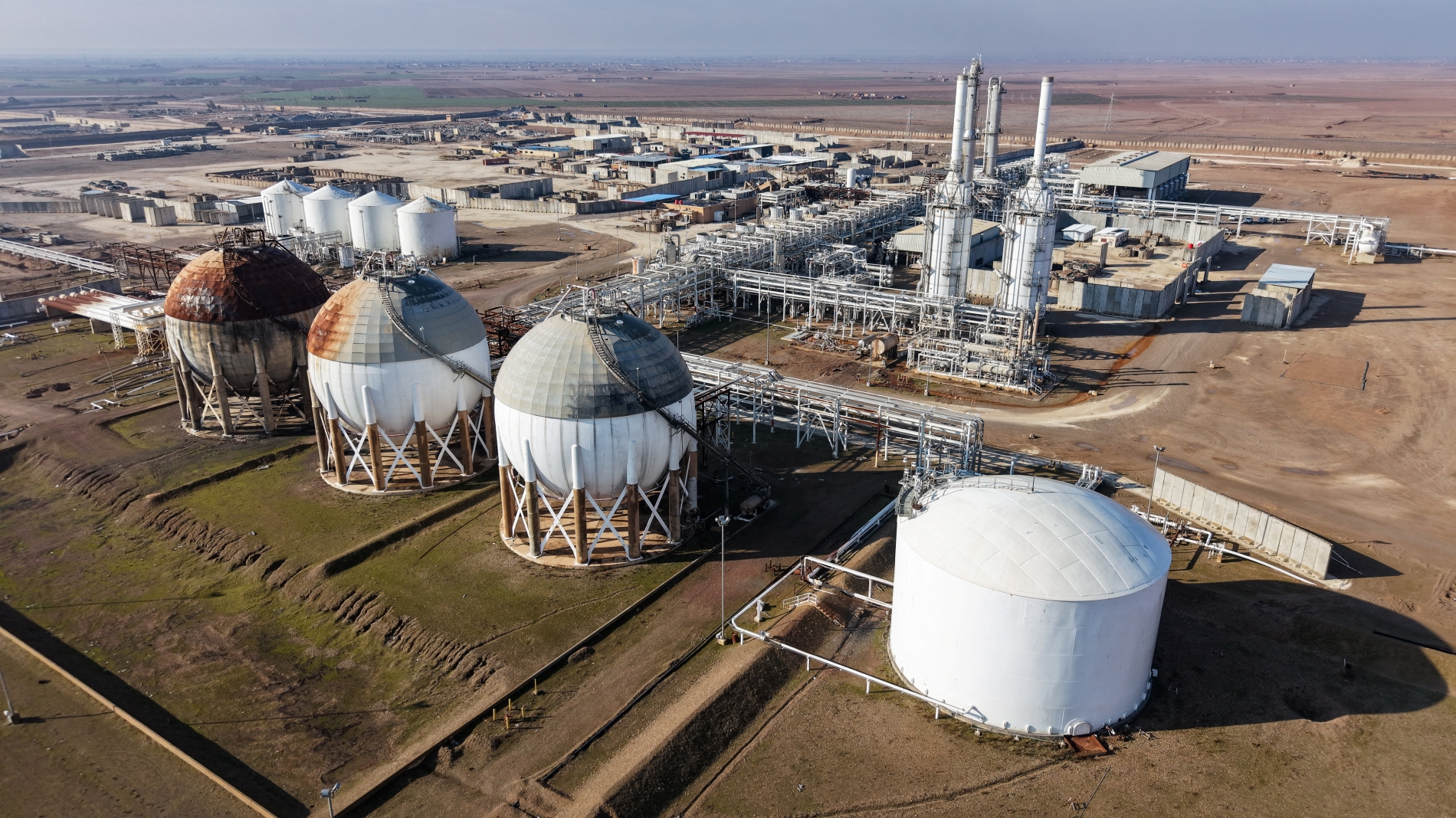
This is a new approach in Syria, yet what Damascus seeks goes beyond agreements with French companies or attracting European investment. The vision advanced by Syria’s new leadership rests on reclaiming the advantages of geography: to become a meeting point for economic interests. This explains the emphasis on ports, rail links, oil and gas pipelines, electricity and communications networks. Syria wants to be a logistical hub connecting the Gulf and Iraq with Türkiye, Europe, and the Mediterranean.
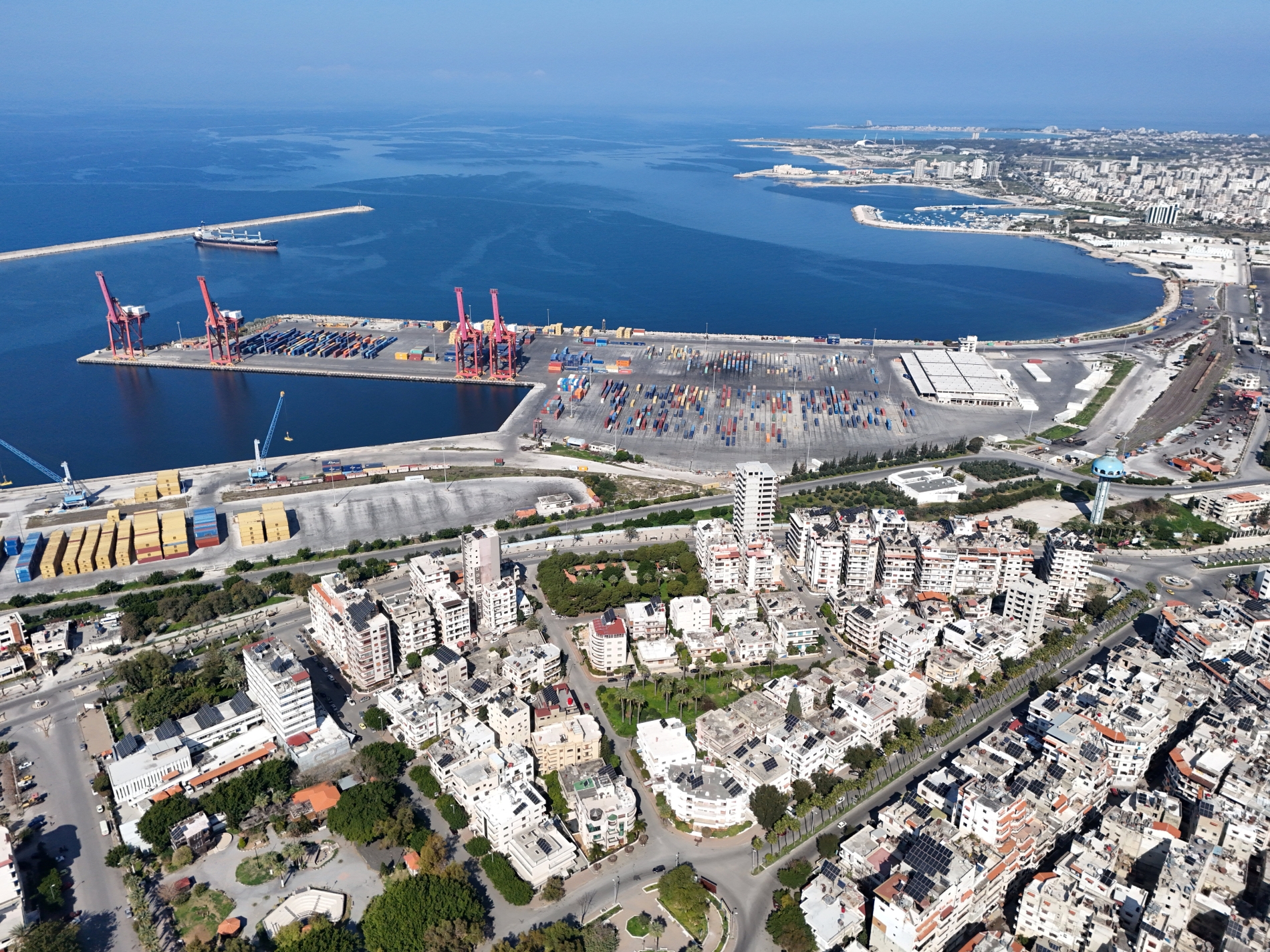
This goes beyond economics, and reflects a change in the way Syria sees its new regional role. For decades, its importance was measured in security and military terms, by its ability to ignite or extinguish fires, and latterly by the export of drugs and threats. Today, it is trying to turn its geographic position into a source of strength, rather than use it to burden its neighbours. Syria wants to move from being a transit state for crises to a transit state for trade, energy, and communications.