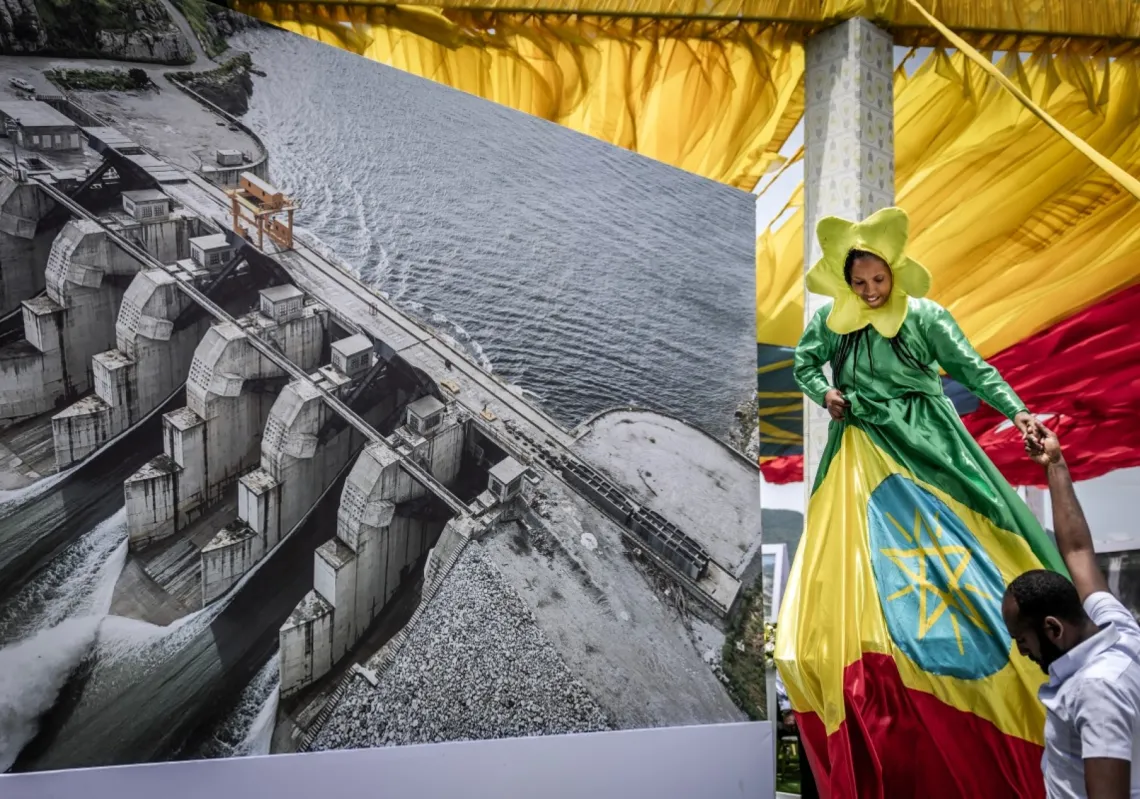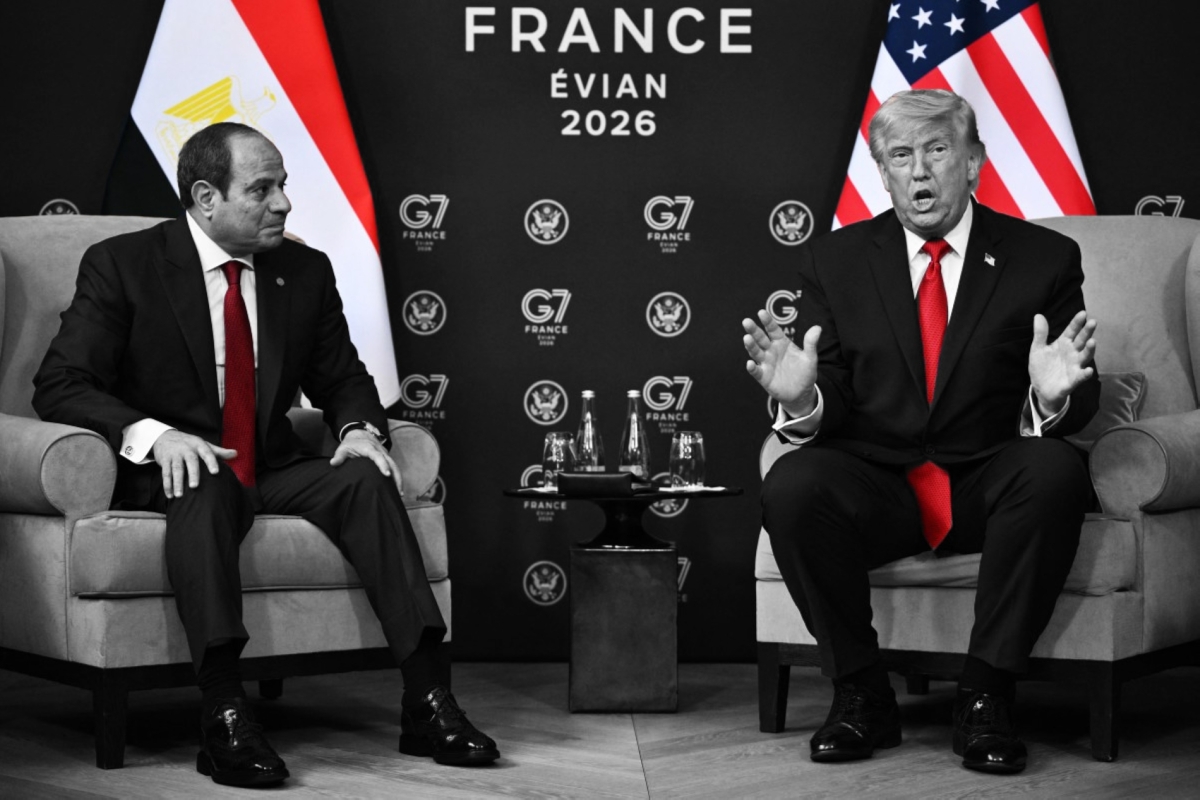

US President Donald Trump has re-entered the Nile dispute between Egypt and Ethiopia at a time when the conflict has fundamentally changed. The battle between the two countries is no longer merely about the Grand Ethiopian Renaissance Dam (GERD) on the Blue Nile and Egypt’s sole reliable source of freshwater. It is increasingly about strategic influence over the Red Sea, where control of ports, shipping lanes, and military access is reshaping the balance of power in the Horn of Africa.
During a 17 June meeting with his Egyptian counterpart, Abdel Fattah al-Sisi, on the sidelines of the G7 summit in France, the US president stood up for Egypt regarding the GERD. “The Nile is getting a little emptier than it should be, and that’s what we are here to talk about,” he said.
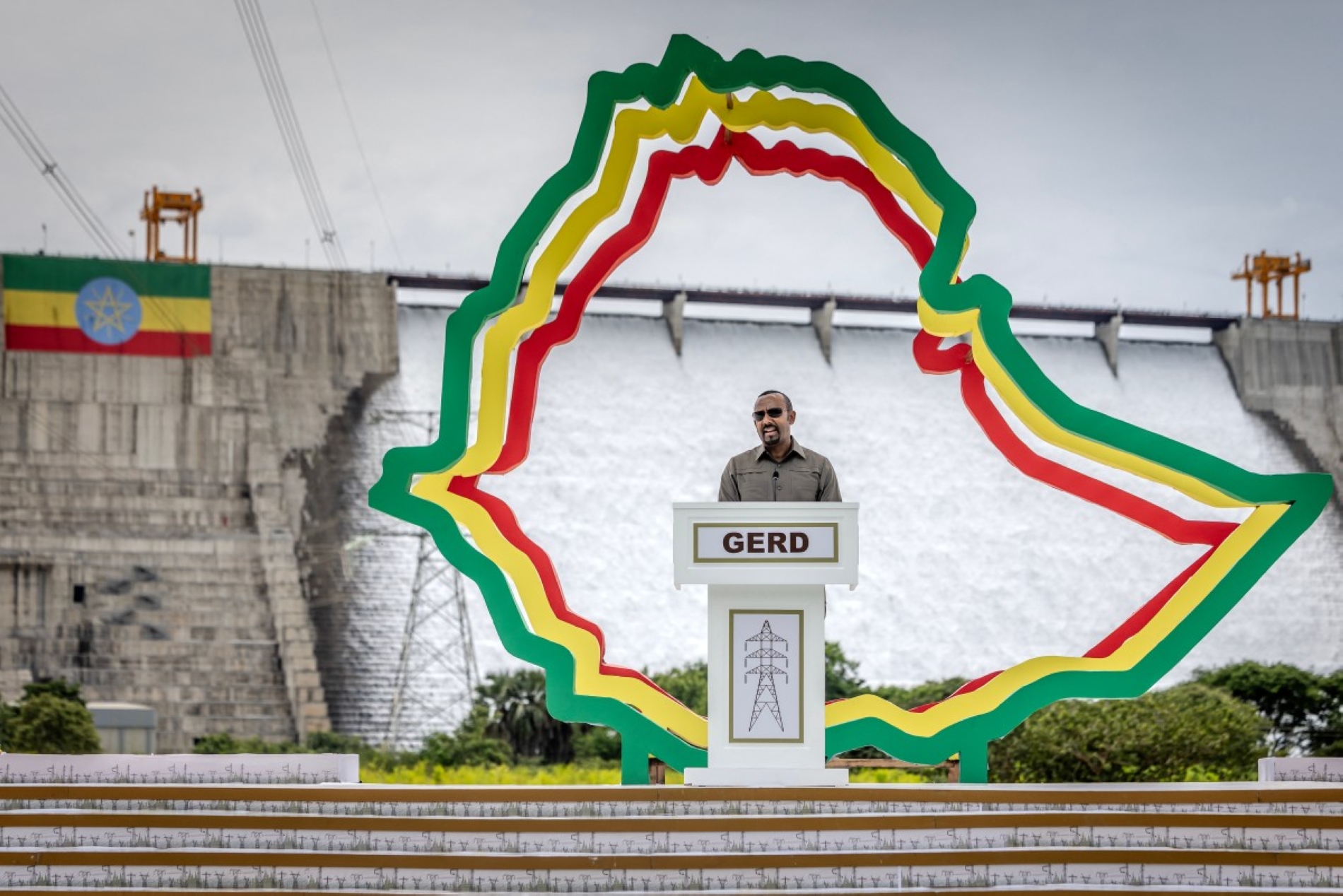
At the heart of the longstanding dispute is Egypt’s fear that Ethiopia’s operation of the GERD, without a binding agreement on water releases, could jeopardise the flow of the Blue Nile, the source of most of the Nile’s water. Sisi has repeatedly described any threat to Egypt’s water security as ‘existential’. The dam became fully operational in August 2025.
Trump has claimed he almost reached a resolution during his first term, promising to give it another try in his second and to resolve the standoff. He has also blamed previous US administrations for financing the dam. During his talks with al-Sisi, Trump pledged to give the dispute the "highest priority" and to support efforts to reach a fair solution. The move reflects his administration's desire to remain relevant to a dispute that is reshaping power dynamics in the Horn of Africa.
Since construction began over a decade ago, Egypt has worked tirelessly to persuade Ethiopia to accept a legally binding agreement on the dam's filling and operation. As such, Cairo would welcome any US pressure that helps secure an agreement.
Restricting force
During the multi-year reservoir-filling phase, Ethiopia withheld significant volumes of Nile water that would otherwise have reached Egypt. Even now, as the dam generates power, it continues to restrict or control large portions of Egypt's annual share. Addis Ababa's failure to coordinate such releases with Cairo and Khartoum has caused problems in both Egypt and Sudan.
Egypt also needs Ethiopia to coordinate water releases from the dam during droughts to protect its people from water shortages and its farmland from devastation. Yet Trump's pledge to re-enter the GERD dispute raises a broader question: would a settlement over the dam alone be enough to defuse tensions between the two countries?
With Egypt depending on the Nile for almost 97% of its water needs, any dam that restricts the river's flow poses a serious—potentially devastating—threat to the country's water security. Over the past decade, Egypt has invested heavily to adapt to the consequences of the dam's construction and operation, modernising its irrigation systems, expanding seawater desalination, and increasing the amount of wastewater it recycles each year.