How El Niño is heightening economic risk in the Gulf

Despite being oceans away from the Pacific, climate change is amplifying the harmful effects of the natural sea-warming phenomenon

Al Awir desert farms, Dubai, on 12 January 2021.
AFP
Al Awir desert farms, Dubai, on 12 January 2021.

How El Niño is heightening economic risk in the Gulf

In recent years, the climate phenomenon known as El Niño has moved beyond the confines of meteorological centres and into the calculations of investors, financial institutions, and economic decision-makers. Once viewed chiefly as a periodic disturbance in tropical Pacific sea-surface temperatures, it has become a critical variable in assessing global market risks, particularly through its effects on food, energy and trade.

Although geographically distant from the Pacific, Arabian Gulf states remain exposed to the indirect repercussions of El Niño due to their deep integration into the global economy and pivotal position in energy markets and international trade. These repercussions include fluctuations in food and commodity prices, disruptions to supply chains, or shifts in oil and gas markets.

El Niño is a natural climate phenomenon that represents the warm phase of a broader fluctuation known as the El Niño Southern Oscillation (ENSO)—a recurring fluctuation in ocean and atmospheric conditions. It occurs when sea-surface temperatures in the central and eastern tropical Pacific rise above normal, accompanied by a weakening or reversal of the trade winds. The result is a broad disturbance in atmospheric circulation, altering rainfall, temperatures, and storm intensity across many regions of the world, including areas far removed from the Pacific.

It usually occurs every two to seven years and lasts between nine and 12 months, though its intensity and duration vary. Its effects extend to agricultural production, food markets, fisheries, and water and energy supplies.

According to the World Meteorological Organisation (WMO) and the US National Oceanic and Atmospheric Administration, El Niño is among the most important natural drivers of annual climate variability worldwide. It can increase the likelihood of droughts, floods, and extreme heat, together with the attendant pressures on inflation, commodity prices, and economic growth.
Reuters
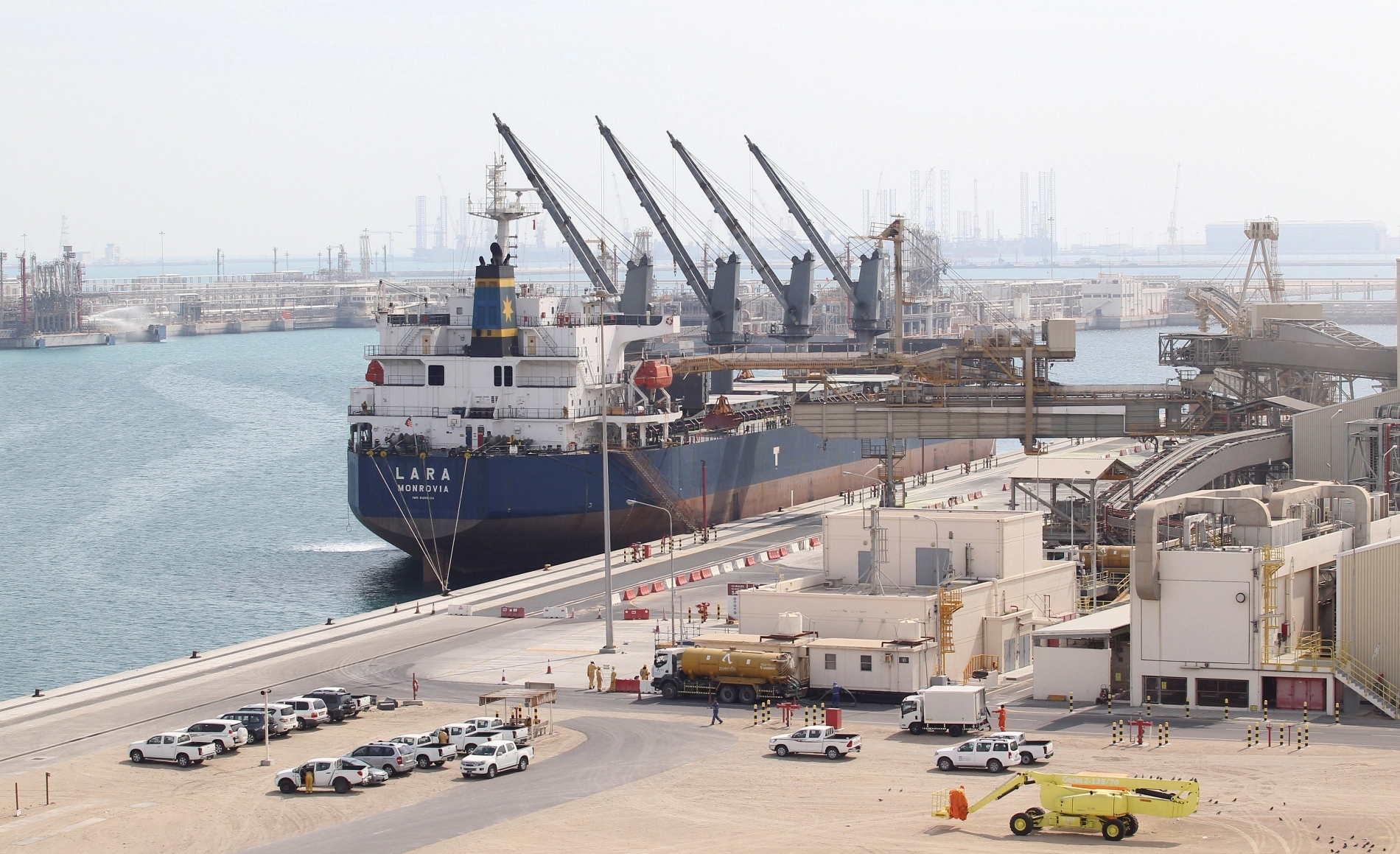
Ras Laffan Industrial City, north of Doha, Qatar, on 6 February 2017.

The WMO has warned that El Niño could compound the effects of long-term climate change, especially in countries heavily dependent on food imports. Data from 2024 show that the average global temperature reached around 1.55°C above pre-industrial levels, the highest on record. This reflects the continued warming of the planet due to greenhouse gas emissions.

Studies by the Centre of Excellence for Climate Change Research at King Abdulaziz University also point to a clear correlation between El Niño and an increased likelihood of drought and reduced summer rainfall in the southern and south-western parts of the Arabian Peninsula. Such patterns could aggravate water stress and deepen reliance on cooling, thereby increasing electricity demand during periods of extreme heat.
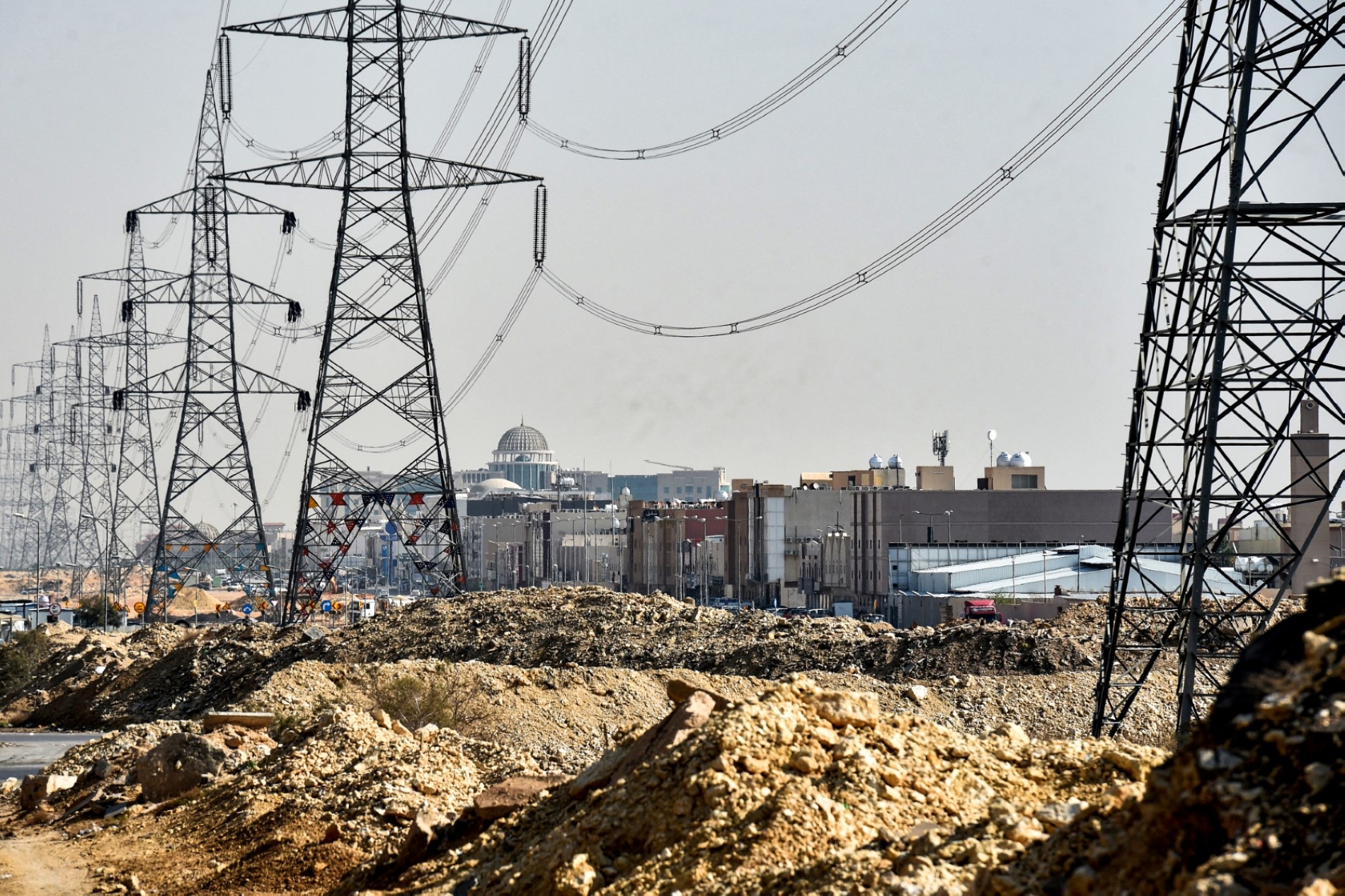
El Niño could compound the effects of long-term climate change, especially in countries heavily dependent on food imports, like the Gulf.

According to the International Energy Agency's The Future of Electricity in the Middle East and North Africa, cooling currently accounts for around half of peak-hour electricity demand in the region. Cooling and water desalination together are expected to account for about 40% of electricity demand growth by 2035. This will place greater pressure on power grids and require substantial investment in generation, transmission, and distribution capacity.

The repercussions of this climate phenomenon are transmitted through trade and globalised supply chains along three main pathways: food-price shocks, maritime routes and supply chains, and pressure on public budgets. When droughts associated with El Niño strike parts of Southeast Asia, Australia, and India, global supplies of grains and vegetable oils can contract, driving up food prices and placing additional strain on subsidy programmes in importing countries. This has direct implications for the Gulf states, which import around 80-90% of their food.

AFP
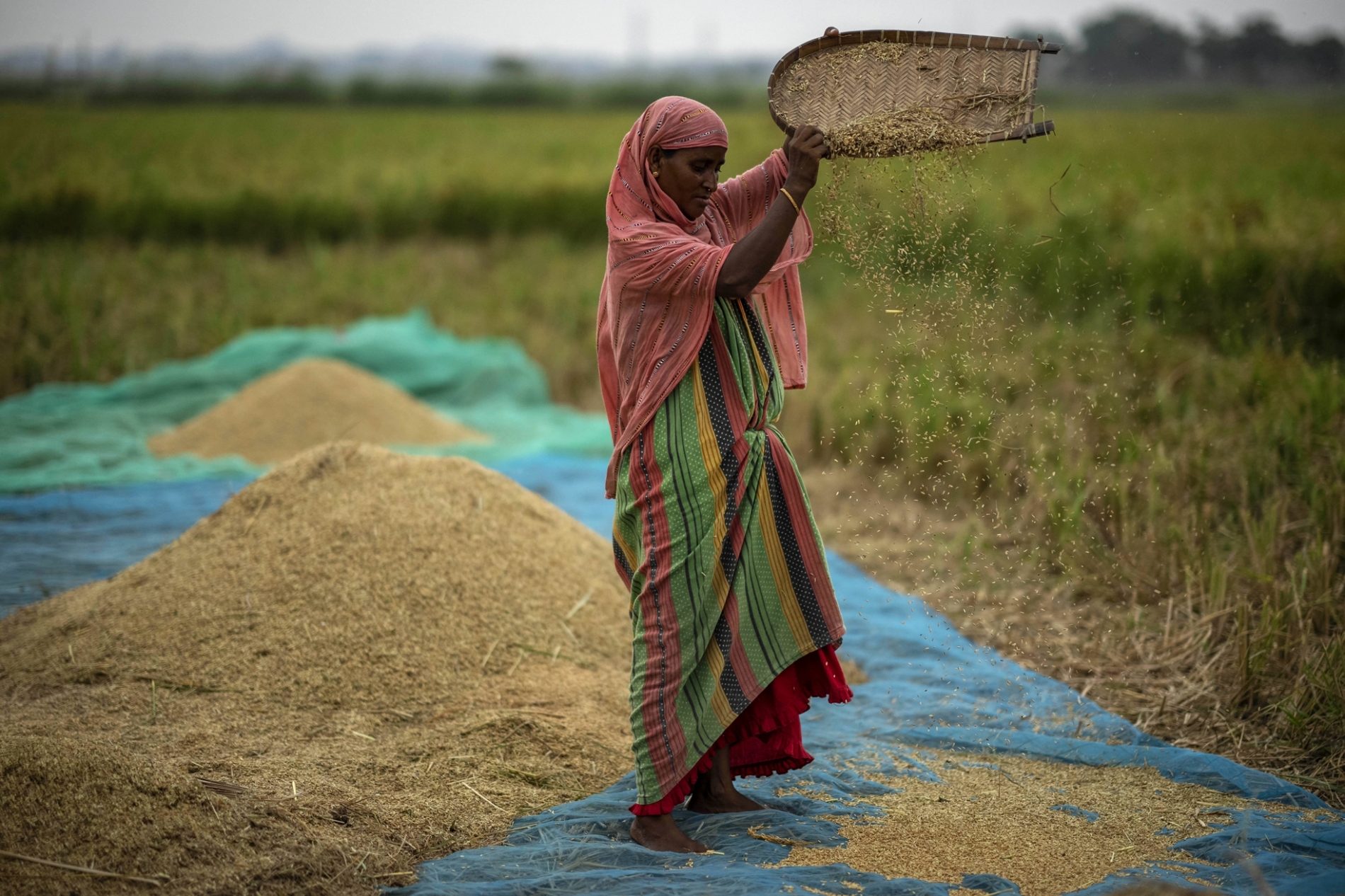
A farmer drops rice crop while working in a paddy field on the outskirts of Guwahati, India, on 6 June 2023.

The economic fallout

Earlier this year, the UN's Food and Agriculture Organisation and the World Food Programme issued an appeal for anticipatory action to protect 8.8 million people in 22 countries from the potential impacts of El Niño. The European Central Bank, meanwhile, estimates that a strong El Niño event could raise global food-commodity prices by up to 9% at the peak of its impact.

These effects extend well beyond agricultural production. Droughts linked to El Niño lowered water levels in the Panama Canal, prompting authorities to restrict vessel traffic and reduce the number of daily crossings. This increased maritime transport costs, lengthened shipping times, and heightened the operational risks facing Gulf investments with global exposure, particularly those tied to trade, logistics and industry.

For public finances, the Gulf states may face pressure from two directions. Weather disruptions in Asian economies could weaken energy demand, with implications for oil revenues. At the same time, higher global food and energy prices, combined with rising domestic demand for electricity and water during heatwaves, could increase government spending through subsidy programmes and investment in energy and water infrastructure.

The International Monetary Fund (IMF) notes that rising expenditure linked to climate risks could narrow fiscal space, limiting governments' ability to mobilise additional resources or increase spending without undermining the sustainability of public finances. As spending on food and energy subsidies, disaster response, and climate-resilient infrastructure rises, fewer resources remain available to finance strategic priorities such as economic diversification and long-term investment.

Varied risk

Across the GCC, levels of exposure to climate risk vary with each economy's structure, water resources, demographic profile, and infrastructure. Kuwait, Qatar, and Bahrain may face the highest levels of exposure, given their near-total dependence on seawater desalination for drinking water. In Kuwait, more than 90% of drinking water is supplied by desalination, as it is in Bahrain. In Qatar, the figure rises to around 99%.

This dependence makes desalination and power-generation infrastructure more vulnerable to heatwaves and rising seawater temperatures. These pressures are compounded by these countries' continued reliance on gas and other fossil fuels to meet most of their electricity needs, placing further strain on power grids during periods of peak summer demand.

FAYEZ NURELDINE / AFP
This picture, taken on 18 December 2018, shows electricity transmission towers in the Saudi capital, Riyadh.

Saudi Arabia and the UAE, by contrast, have greater resilience to climate risk. Although both rely on desalinated water, it accounts for around 18% of total water resources in Saudi Arabia and 50% of its drinking water, compared with around 41 to 42% in the UAE. The two nations also rank highly on the Notre Dame Global Adaptation Initiative index, which measures countries' vulnerability to climate change and their readiness to adapt, reflecting their strong institutional capacity and large-scale investments in renewable energy and green hydrogen.

In its Regional Economic Outlook for the Middle East and Central Asia, published last October, the IMF stresses that growing climate and geopolitical risks require governments in the region to strengthen their economic frameworks, preserve fiscal discipline, and accelerate structural reforms to build more resilient economies. Investment in resilient infrastructure and adaptive capacity is therefore one of the most effective ways to reduce long-term economic risk.

Investment opportunities

Yet El Niño also creates significant investment opportunities in sectors that strengthen climate adaptation. The UN's Adaptation Finance Gap Update 2023 estimates the indicative cost of climate adaptation at around $215bn a year across all developing countries, although this figure remains highly uncertain.

Required adaptation spending is equivalent to around 0.56% of developing countries' GDP, or roughly $33 per person each year. The highest costs are concentrated in infrastructure, flood protection, and coastal defence. Low-income countries bear the heaviest burden, with adaptation costs reaching 3.5% of GDP, compared with less than 1% in middle-income countries.

Studies show a clear correlation between El Niño and an increased likelihood of drought and reduced summer rainfall in the southern parts of the Arabian Peninsula.

The adaptation finance gap is estimated at between $194bn and $366bn a year. Developing countries' adaptation needs exceed available international public finance by a factor of 10 to 18, making the financing gap more than 50% larger than previously estimated.

The report warns that the widening adaptation finance gap reflects the worsening climate crisis and increases losses from extreme weather events. Even doubling adaptation finance to $40bn annually, in line with the COP26 target, would cover only 5 to 10% of the current financing gap. It also shows that the least developed countries and small island states require between $29bn and $41bn annually for adaptation, yet received no more than $7bn a year between 2017 and 2021. This leaves an annual financing gap of $22bn to $34bn.

Among the most promising sectors is climate-resilient infrastructure, including power and water networks, flood protection, and ports and roads that can withstand extreme weather events. The World Bank says investment in resilient infrastructure is set to become one of the largest areas for attracting private capital in the coming decades. It estimates that infrastructure worth between $57tn and $95tn will be built by 2030, underscoring the need to ensure these assets are resilient to climate change.

Photo by FAYEZ NURELDINE / AFP
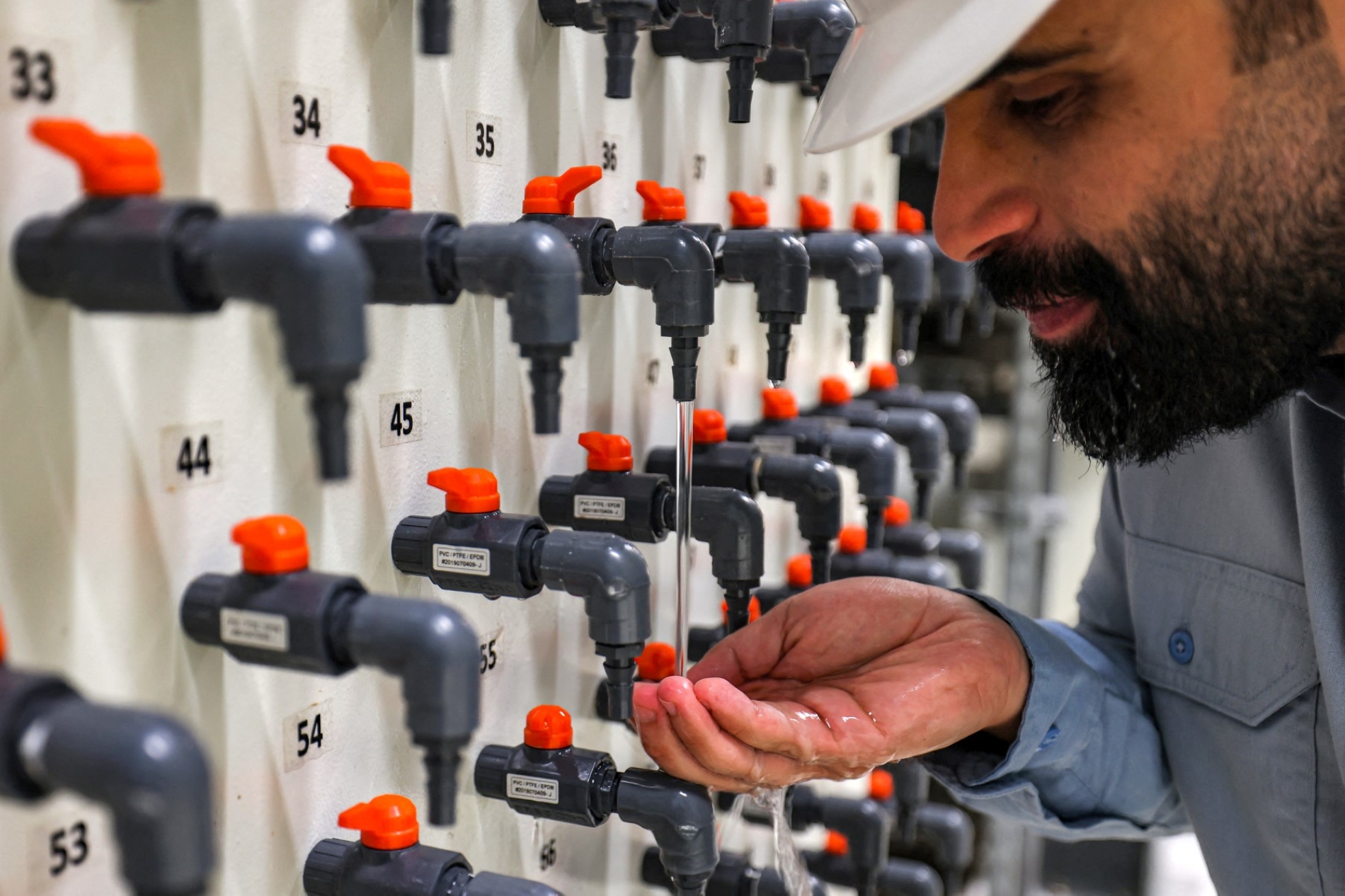
The general manager of the Ras al-Khair water desalination plant inspects drinking water from a tap at the facility in eastern Saudi Arabia on 30 March 2023.

The water, desalination, and water management sector also stands out. It is expected to attract further investment in low-emission desalination, water reuse, and water-efficiency technologies, making it one of the fastest-growing sectors in water-scarce regions. Interest is also rising in agricultural technology, or AgTech, as demand grows for drought-resistant seeds, precision agriculture, vertical farming, smart irrigation systems, and digital crop monitoring to reduce food-production losses caused by climate-related events.

According to the Global Commission on Adaptation, investments in climate resilience generate exceptionally high returns, with benefit-cost ratios ranging from 2:1 to 10:1. It estimates that investing around $1.8tn globally between 2020 and 2030 could generate net benefits of $7.1tn.

In the Gulf, this shift aligns with development strategies such as Saudi Vision 2030 and the UAE's We the UAE 2031, both of which place sustainability, economic diversification, and innovation at the heart of long-term planning. As investment in renewable energy, water security, and resilient infrastructure accelerates, climate adaptation is becoming not only an environmental imperative but also an increasingly important driver of economic growth.

font change