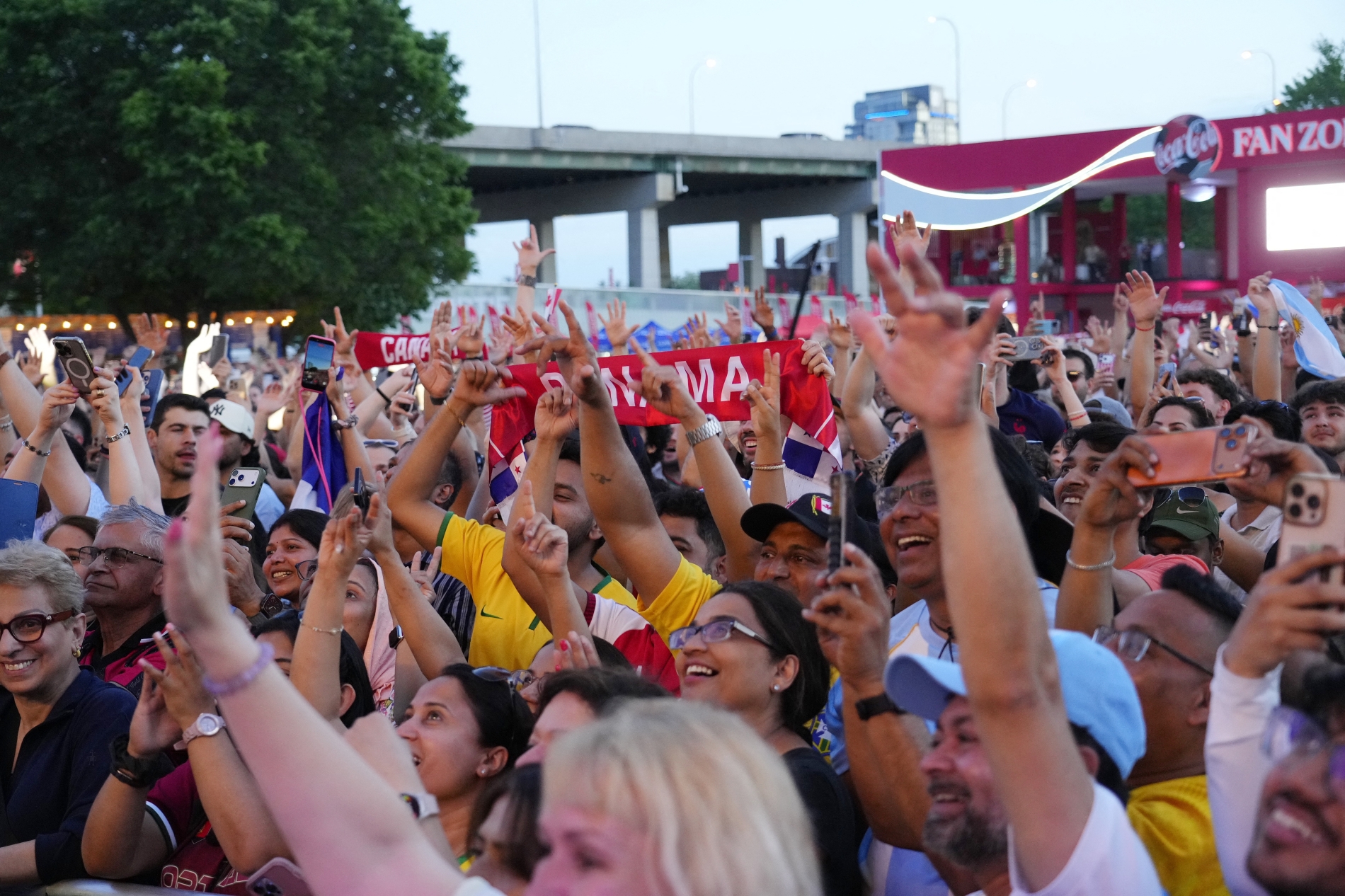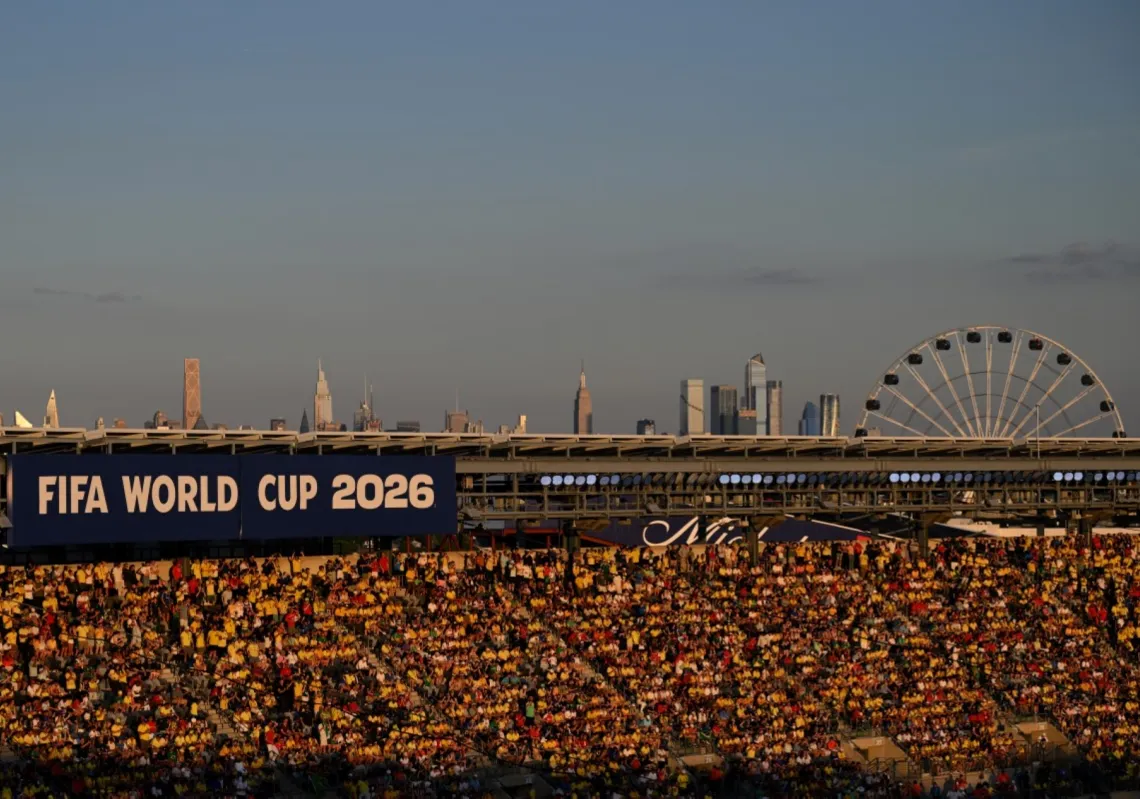

Millions of football fans will put health systems through a global epidemiological stress test during the FIFA World Cup 2026, with measles, influenza, and Covid among the most immediate concerns. Held in the US, Canada, and Mexico, the World Cup is bringing together 48 national teams and millions of supporters. From a public health standpoint, it represents one of the largest experiments in global human mixing in recent years. Fans will arrive from every continent. Flights will land in rapid succession. Airports will swell with travellers, hotels and bars will reach capacity, and public transport networks will operate under sustained pressure for weeks.
This does not mean the tournament is destined to trigger a major epidemic. Historically, large sporting gatherings rarely produce sweeping outbreaks on their own, particularly in countries with strong health infrastructure. But they do create favourable conditions for the spread of certain pathogens: respiratory viruses that thrive in crowds; highly contagious infections such as measles; gastrointestinal illnesses like norovirus; sexually transmitted infections; and mosquito-borne diseases that may find a narrow opening to enter new regions.
The World Cup amplifies risks already circulating rather than creating danger out of thin air. Public health experts, therefore, focus less on whether a disease will reach the event and more on which one will arrive—and whether it will find the conditions it needs to spread.
Ebola and measles
Diseases that provoke the greatest public anxiety are often those with the most frightening reputations, foremost among them Ebola. With outbreaks in the Democratic Republic of Congo and Uganda involving the rare Bundibugyo strain, and France recording its first case, it is easy to imagine a dramatic scenario in which an infected traveller enters a packed stadium.
Epidemiological analysis, however, is governed by transmission patterns and realistic probabilities, not fear. Ebola does not spread like influenza or measles. Sitting next to an infected person in the stands is not enough to transmit the virus. Transmission requires direct contact with the bodily fluids of a sick individual—such as blood, vomit, saliva, or other fluids. Infected people also generally do not become contagious before symptoms appear.
For this reason, the arrival of an imported case remains theoretically possible, but it is not the most likely scenario inside stadiums. If such a case occurs, the challenge will be rapid suspicion, isolation, and contact tracing, rather than preventing airborne spread among thousands of fans.

But while Ebola grabs the most headlines, measles is what genuinely worries many health experts. It is among the most contagious diseases, with a single infectious person in an airport, bar, fan zone, or partly enclosed stand potentially enough to place large numbers of unvaccinated people at risk. The situation is especially sensitive because the tournament will take place at a time when the US, Canada, and Mexico are seeing increases in measles cases amid declining or uneven vaccination rates in some communities.
Measles does not require prolonged close contact. The virus can remain suspended in the air after an infected person has left, making crowded, fast-moving spaces ideal for transmission. For this reason, measles is a direct test of community immunity, not merely individual immunity. If most attendees have received the MMR vaccine, chains of transmission can break quickly. If the virus enters pockets of low vaccination, a single case may grow into a chain of outbreaks.