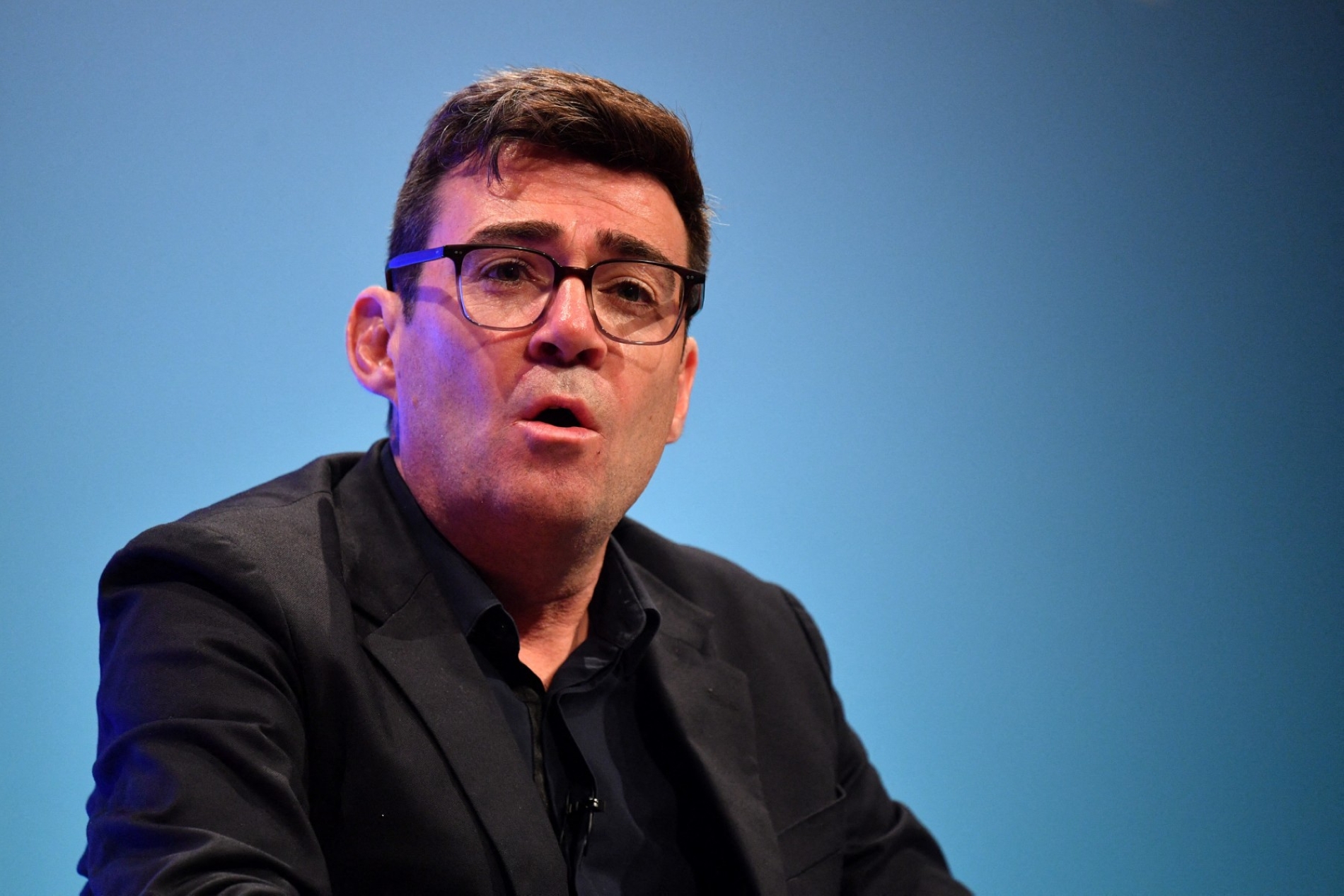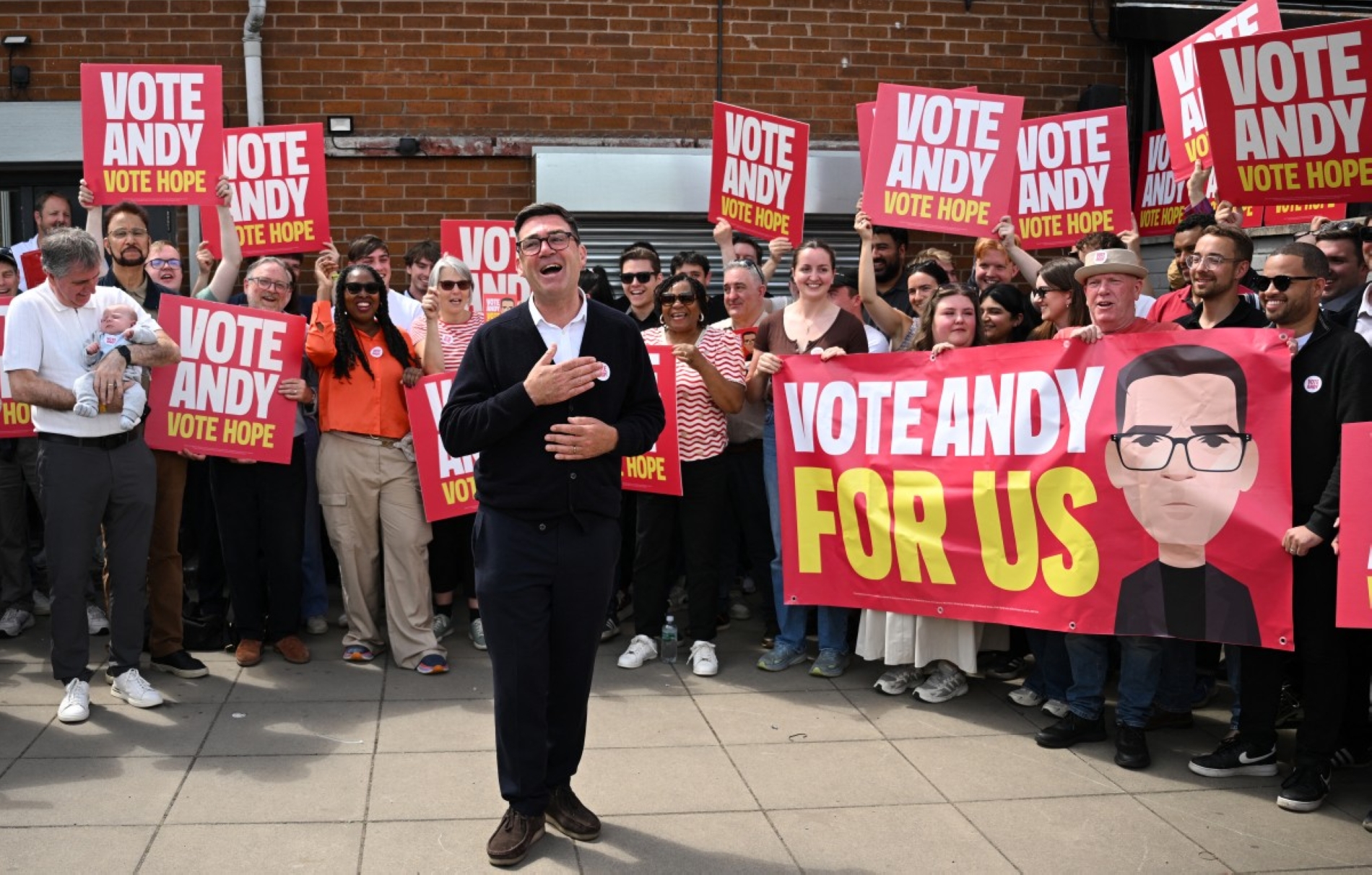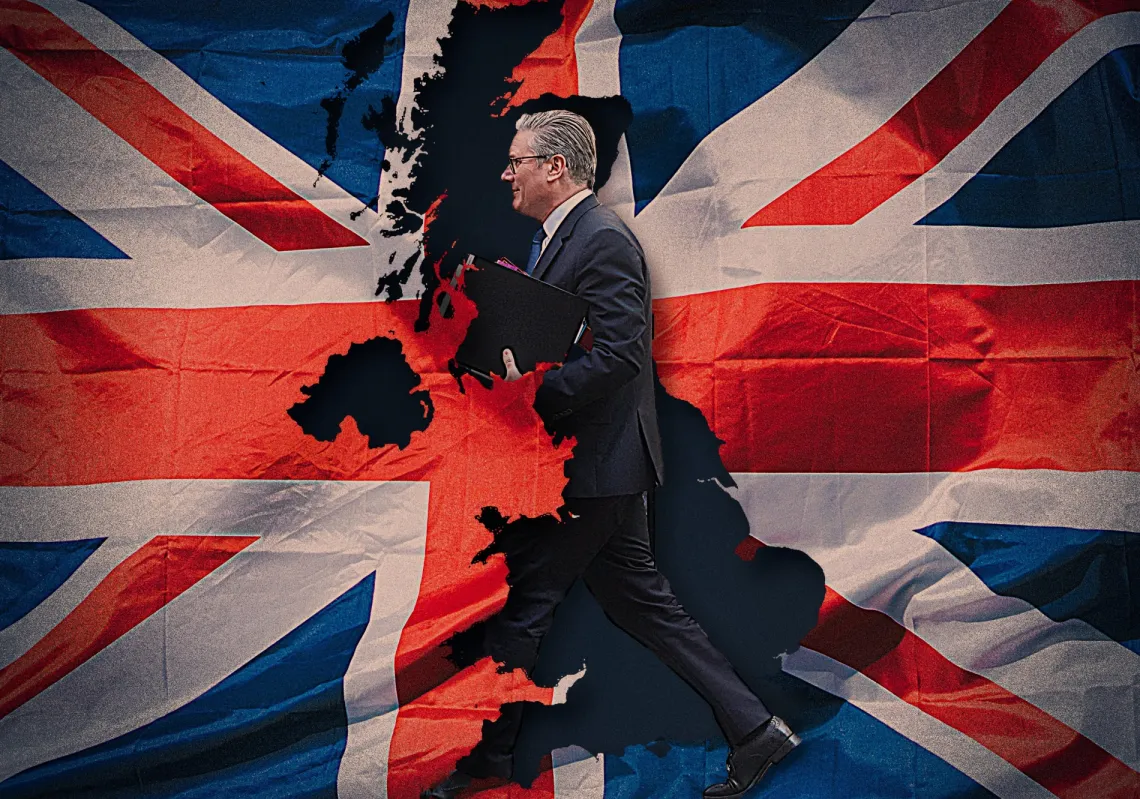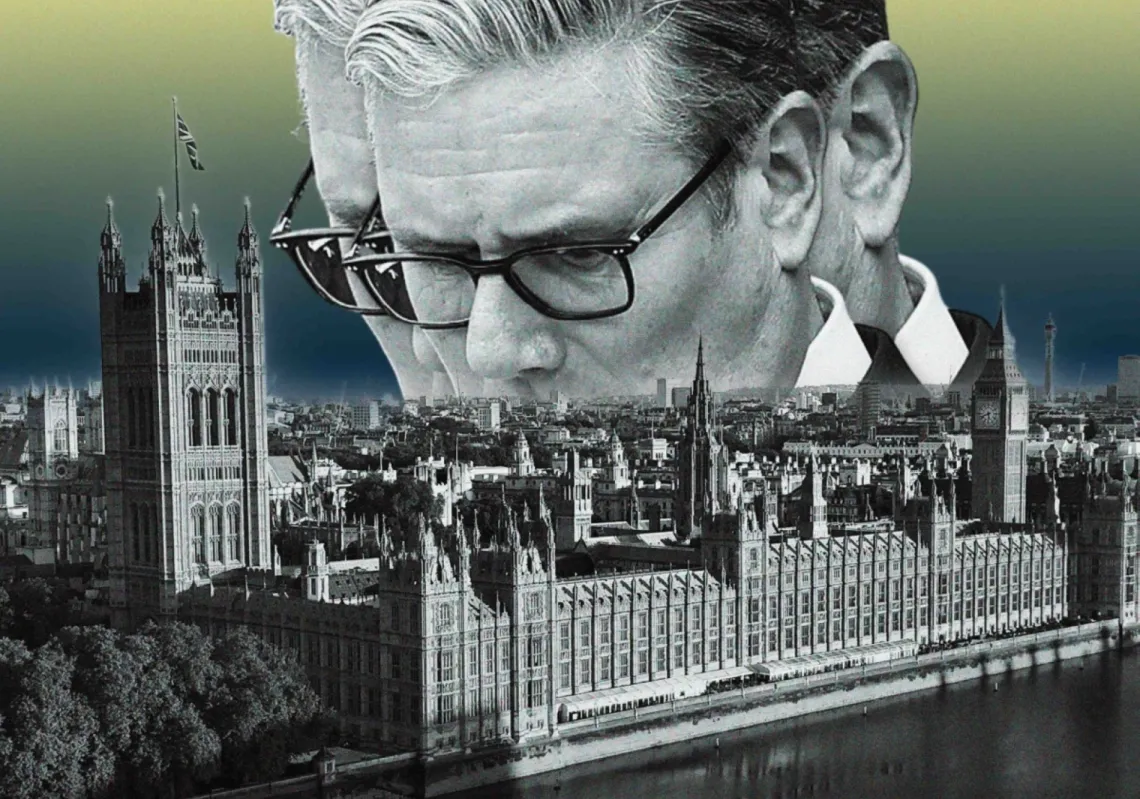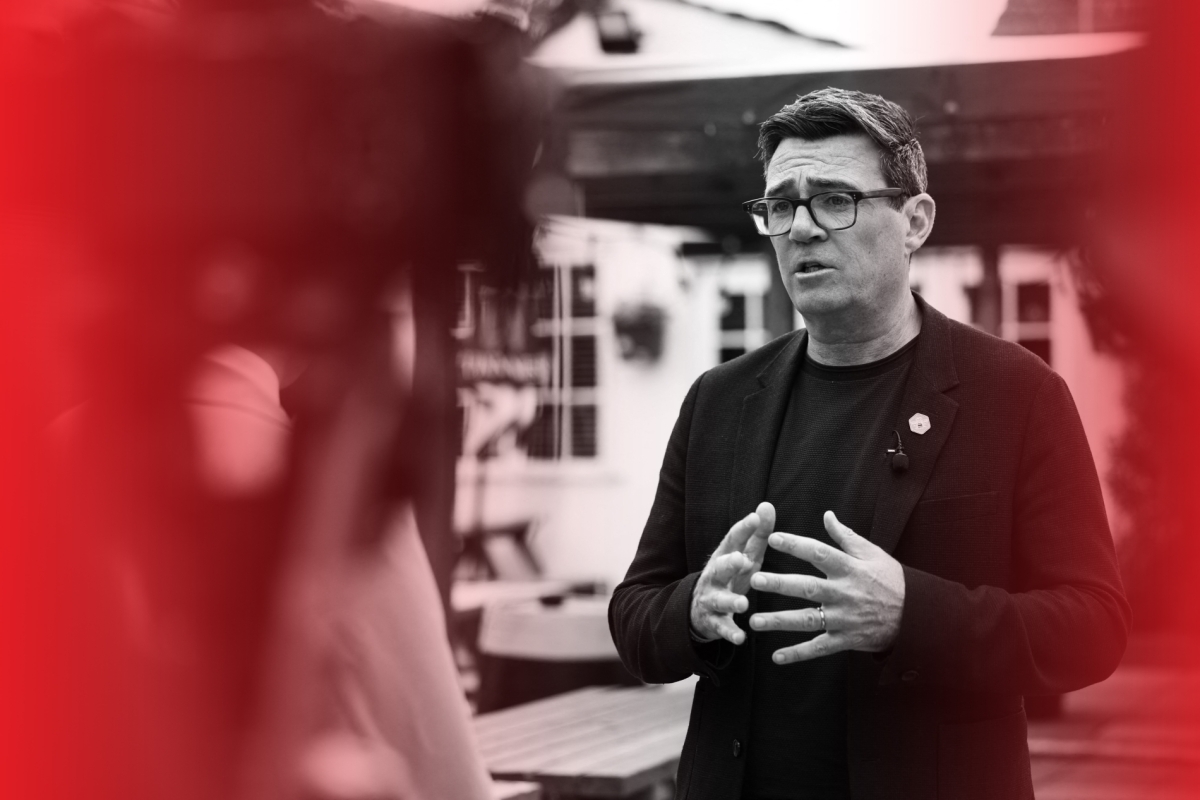

The dramatic resignation of British Prime Minister Sir Keir Starmer means that Andy Burnham, the charismatic former Mayor of Manchester, is now widely regarded as the frontrunner to become the next occupant of Downing Street.
Ever since Burnham, a former Labour minister under both Tony Blair and Gordon Brown, announced his decision to return to the Commons by winning last week’s Makerfield by-election, there has been a mounting expectation that Starmer’s days as prime minister were numbered.
Less than two years after winning a record landslide in the UK’s 2024 general election, Starmer’s popularity was in free fall. A combination of his catastrophic lack of judgment in appointing Lord Peter Mandelson as the UK ambassador to Washington, despite knowing he was a close associate of convicted paedophile Jeffrey Epstein, and his faltering performance on key issues such as delivering economic growth and welfare reform, had seen Starmer’s popularity rating fall to an all-time low.
With Labour MPs increasingly concerned that they would lose their seats without a radical change of course by the ruling Labour government, Burnham’s resounding victory in the Makerfield by-election opened the way for him not only to return to the Commons but also to launch his bid to replace Starmer as prime minister.
After a tense weekend, during which several senior cabinet ministers privately advised Starmer to step down, the embattled Labour leader finally announced his decision to resign on Monday morning.
Within hours of Starmer’s resignation announcement, Burnham had announced his intention to replace him as prime minister, thereby paving the way for a leadership contest that most UK political pundits believe will ultimately result in Burnham taking up residence at 10 Downing Street by September.
While the prospect of the UK having its seventh prime minister in ten years raises questions about the inherent stability of the UK’s political system, the likelihood of Burnham ultimately emerging triumphant from the leadership contest has grown considerably after Burnham’s strongest opponent, former Health Secretary Wes Streeting, said he will not be standing in the contest.
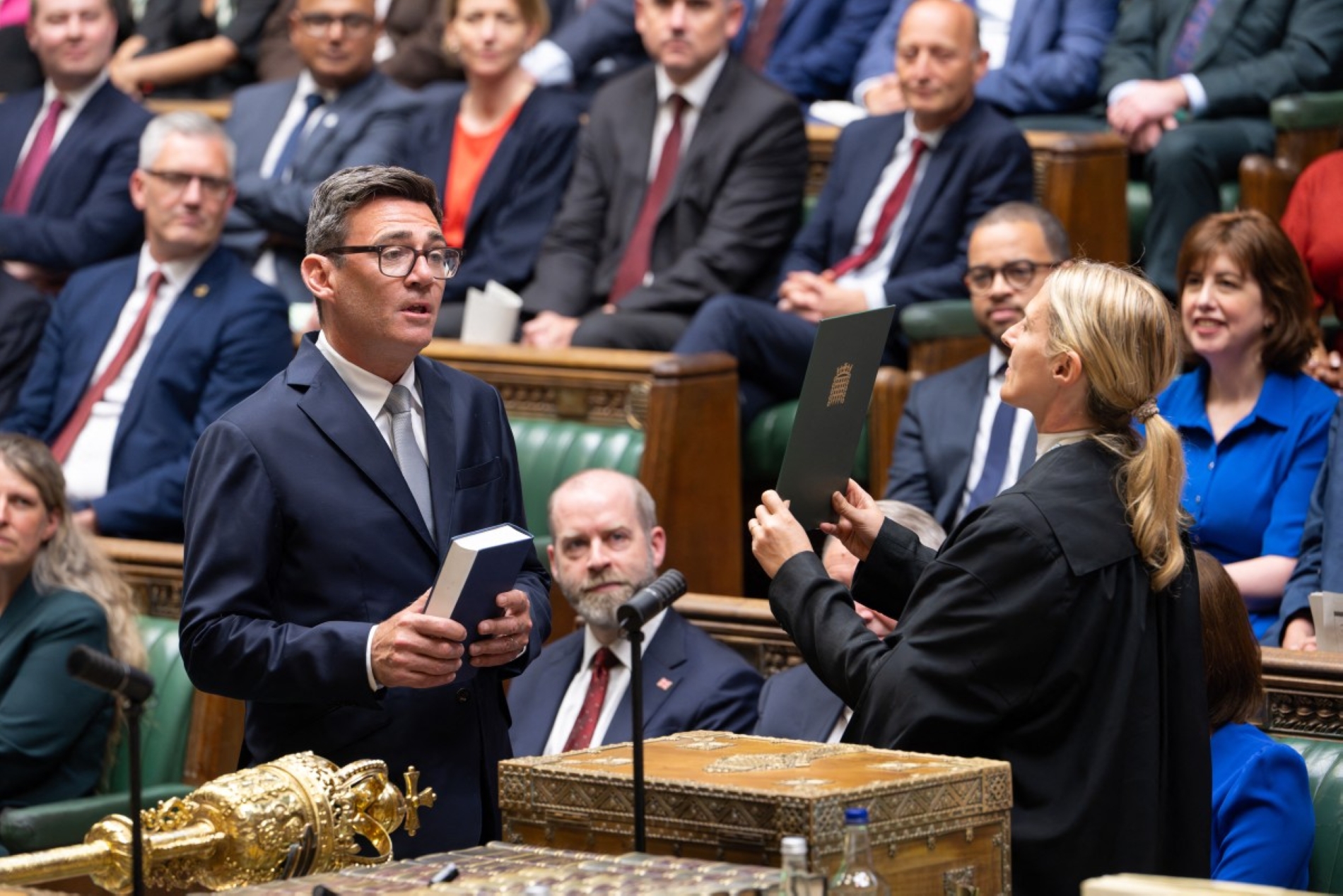
Labour MP
Prior to his triumphant return to the Commons this week, Burnham had previously served as the Labour MP for the constituency of Leigh in Greater Manchester from 2001 until 2017, when he left Westminster to become Mayor of Greater Manchester, until standing down earlier this month to contest the Makerfield by-election.
During his parliamentary career before becoming mayor, he held several cabinet positions, most recently as Secretary of State for Health from 2009 to 2010 under Gordon Brown. He had already tried and failed to become Labour leader twice: after the 2010 general election defeat and again in 2015.