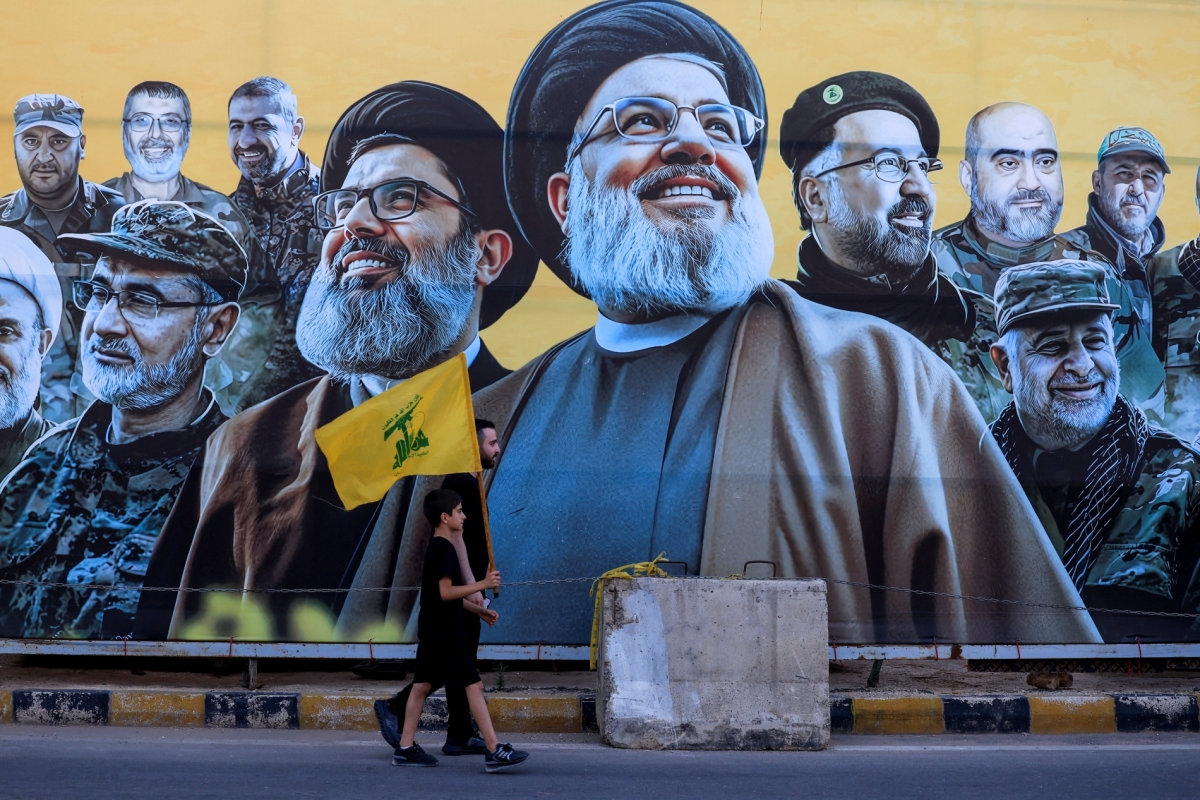

US President Donald Trump has now said out loud what had previously sounded like a trial balloon: he thinks Syria should take on Hezbollah in Lebanon. Speaking in June, Trump said that if Israel could not defeat Hezbollah “without killing everyone else,” then "I suggested to Israel to let Syria take care of Hezbollah, because to be honest with you, I think they'd do a better job of doing it," he said.
This proposal stems from a real frustration. Israel's campaign in Lebanon has been costly, internationally damaging, and politically inconclusive, while Hezbollah remains too entrenched to disappear on its own and too strong to disarm through rhetoric alone. So Trump has reached for a familiar kind of shortcut: find a local actor who hates the same enemy, outsource the problem, and call it realism.
Washington sometimes mistakes shared enemies for shared interests. That is the logic behind Trump's suggestion that Syria's new rulers should confront Hezbollah inside Lebanon. But in the Middle East (or elsewhere for that matter), importing one broken state into another is rarely a good strategy.
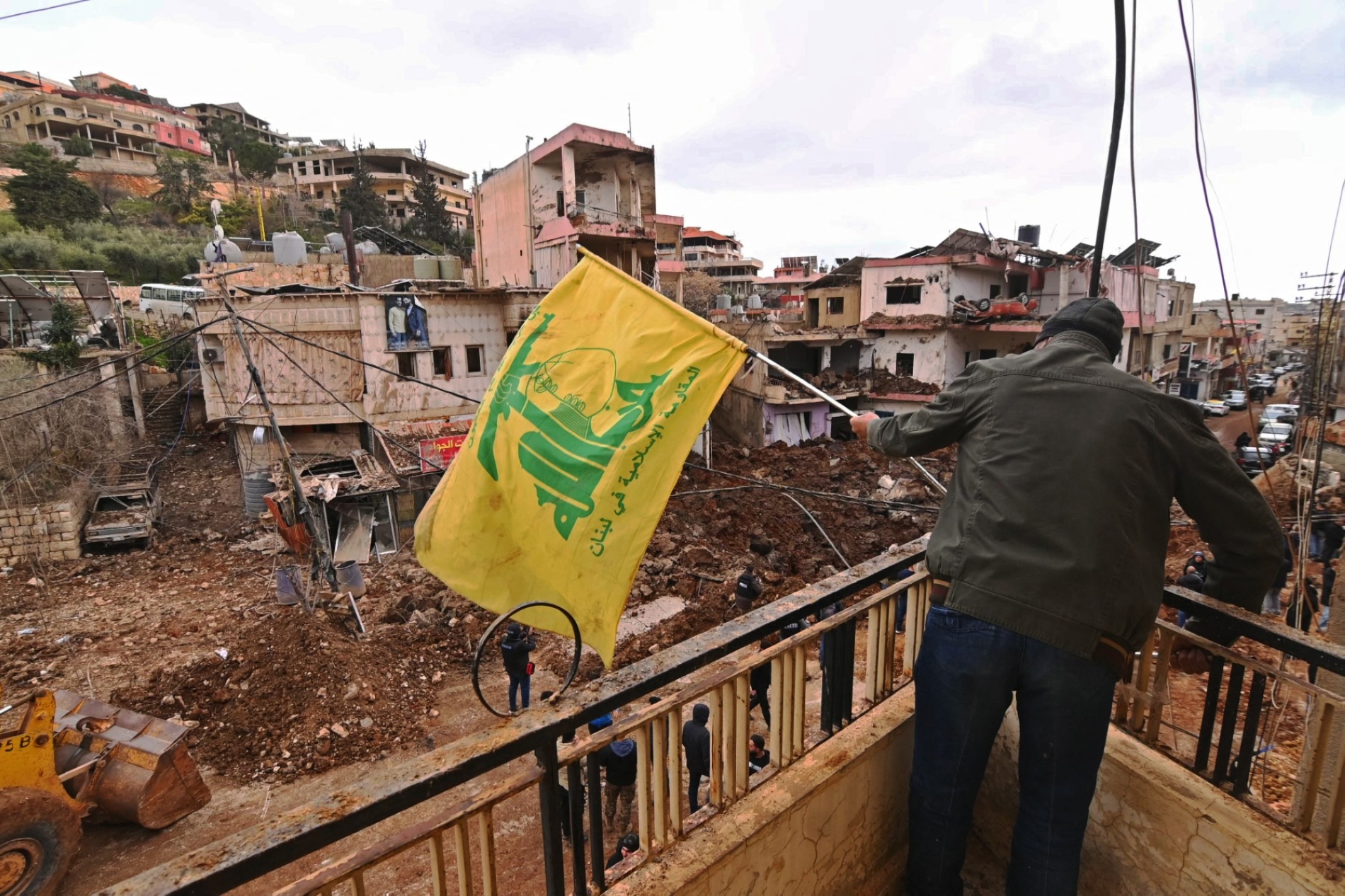
One can see why the idea may have a certain appeal for President Trump. The conflict between Israel and Hezbollah has become a major stumbling block amidst efforts to wrap up the Iran war. Israel has pushed deeper inside southern Lebanon and refuses to leave, claiming that it is the only actor capable of dismantling Hezbollah’s infrastructure.
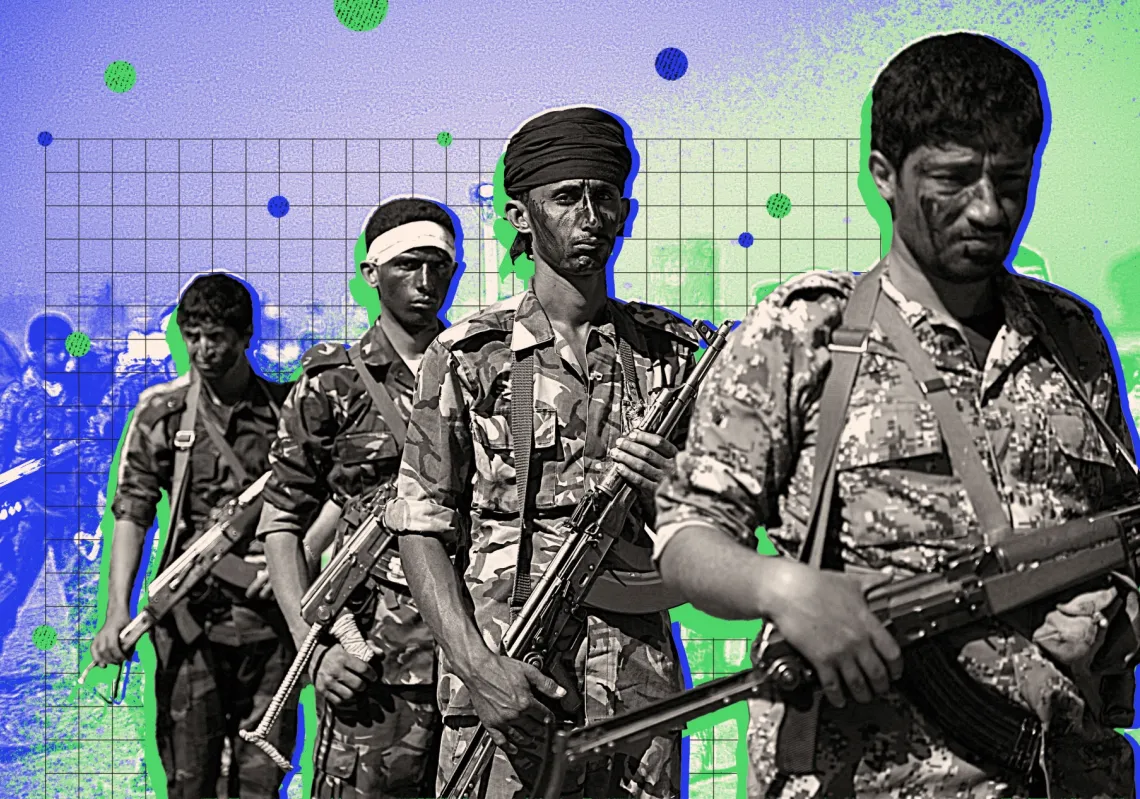
Short of a withdrawal, Hezbollah is unlikely to abide by any ceasefire. Syria may seem like the perfect solution to untie this Gordian knot. Al-Sharaa is no ally of Hezbollah: The group has played a critical role in supporting the Assad regime that al-Shara’a fought to overthrow, taking a leading role in key offensives near Lebanon, but also in Aleppo and in the Idlib Province. The new leadership in Damascus has every reason to want less Iranian influence on its western flank.
Secondly, Trump's sympathy for al-Shara’a is no secret: Despite Israeli pressure, he moved swiftly to lift part of the sanctions regime previously imposed on Syria and met with Ahmed al-Shara’a, making it clear that he thought highly of him. From Washington's point of view, using Syria to do the job may look like a way to avoid deeper US involvement while sparing Israel some of the military and diplomatic costs of doing the job itself.
In practice, it would be one of the most destabilising moves the United States could make in the Levant. A Syrian intervention in Lebanon would reopen the deepest historical wound in modern Lebanese politics, inflame tensions between Syrians and Lebanese at a moment of intense social strain, risk turning an anti-Hezbollah campaign into a sectarian war, and hand Hezbollah the one thing it badly needs: a fresh claim to legitimacy as the defender of Lebanon against foreign domination. Syria would not solve Lebanon's Hezbollah problem; it would very likely make it worse.
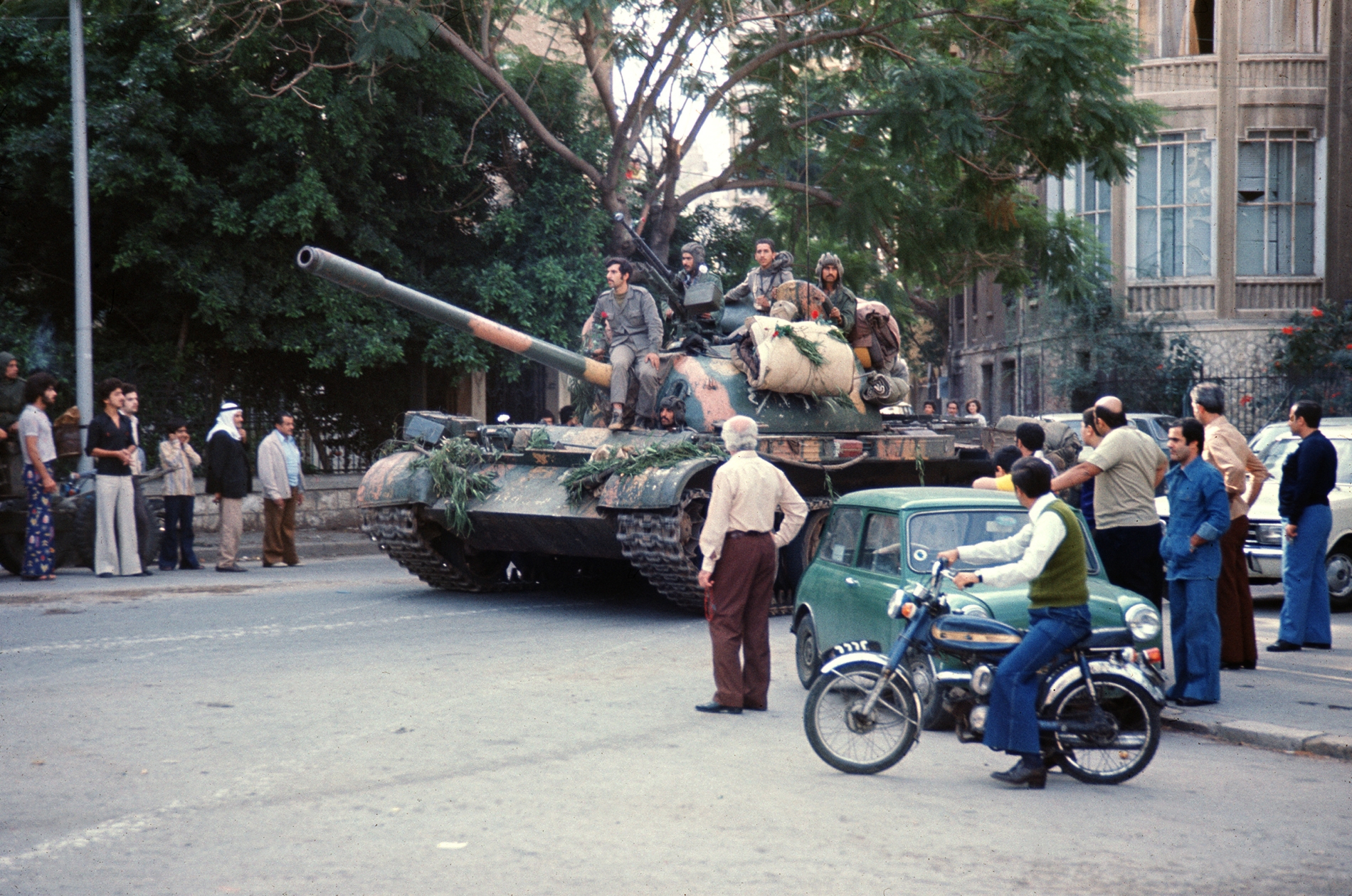
The ghost of past interventions
There is no more combustible historical precedent in the modern Arab world than Syria's relationship with Lebanon. Syrian forces first entered Lebanon in 1976, nominally to mediate the civil war but only fully left three decades later. What began as an Arab Deterrent Force gradually became an occupation army dominating Lebanese politics, appointing presidents, assassinating opponents, and treating the country as a strategic province administered from Damascus. A Lebanese journalist of that era once described General Ghazi Kanaan, Syria's de facto proconsul in Beirut, as the "high commissioner", echoing the French mandate period, when a foreign power ran Lebanon by proxy.
Syria's troops finally withdrew in 2005, forced out by a mass uprising following the assassination of former Prime Minister Rafik Hariri—widely attributed to Damascus and Hezbollah. The Cedar Revolution was, at its core, a revolt against Syrian domination. It burned that occupation into Lebanese national memory with particular intensity. Anti-Syrian sentiment in Lebanon today is not merely a political position; it is a wound.
For many Lebanese, the idea of Syrian boots returning to Lebanese soil would trigger exactly that memory. It would not matter that the Syrian government has changed, nor that al-Sharaa is not al-Assad. The imagery of Syrian soldiers entering Lebanon would rehash decades of accumulated resentment toward a neighbour that pillaged their sovereignty, looted their economy, and murdered their politicians. Hezbollah's propagandists would not need to work very hard to spin this as a new occupation.
Beyond historical memory lies a present-day social tinderbox that a Syrian military intervention would ignite. The Lebanese military, alongside Hezbollah, fought Islamist groups that included both elements from the Islamic State and Jabhat al-Nusra (a group headed by al-Sharaa at the time). A Syrian intervention would likely rehash those memories, and allow Hezbollah to present itself as the saviour of the state.
Lebanon also hosts approximately 1.5 million Syrian refugees (roughly a quarter of the country's population), and the social tension surrounding their presence has reached dangerous levels. In 2024, after the killing of a senior Lebanese Forces official whose body was found near a Syrian refugee community, mob violence swept through Christian neighbourhoods. Vigilante groups attacked Syrians in the streets; social media filled with videos of beatings and calls for expulsion.
Now imagine Syrian soldiers marching into Lebanon's Shiite heartland in the Bekaa and the southern suburbs of Beirut. The mission would be framed as "disarming Hezbollah." It would be experienced as a sectarian invasion. Hezbollah does not need military sophistication to exploit this. Recruitment among Lebanese Shiites and radicalisation among Syrians Shiites who fled to Lebanon would surge. The intervention designed to destroy Hezbollah could end up being the group's best driver of recruitment in a generation.
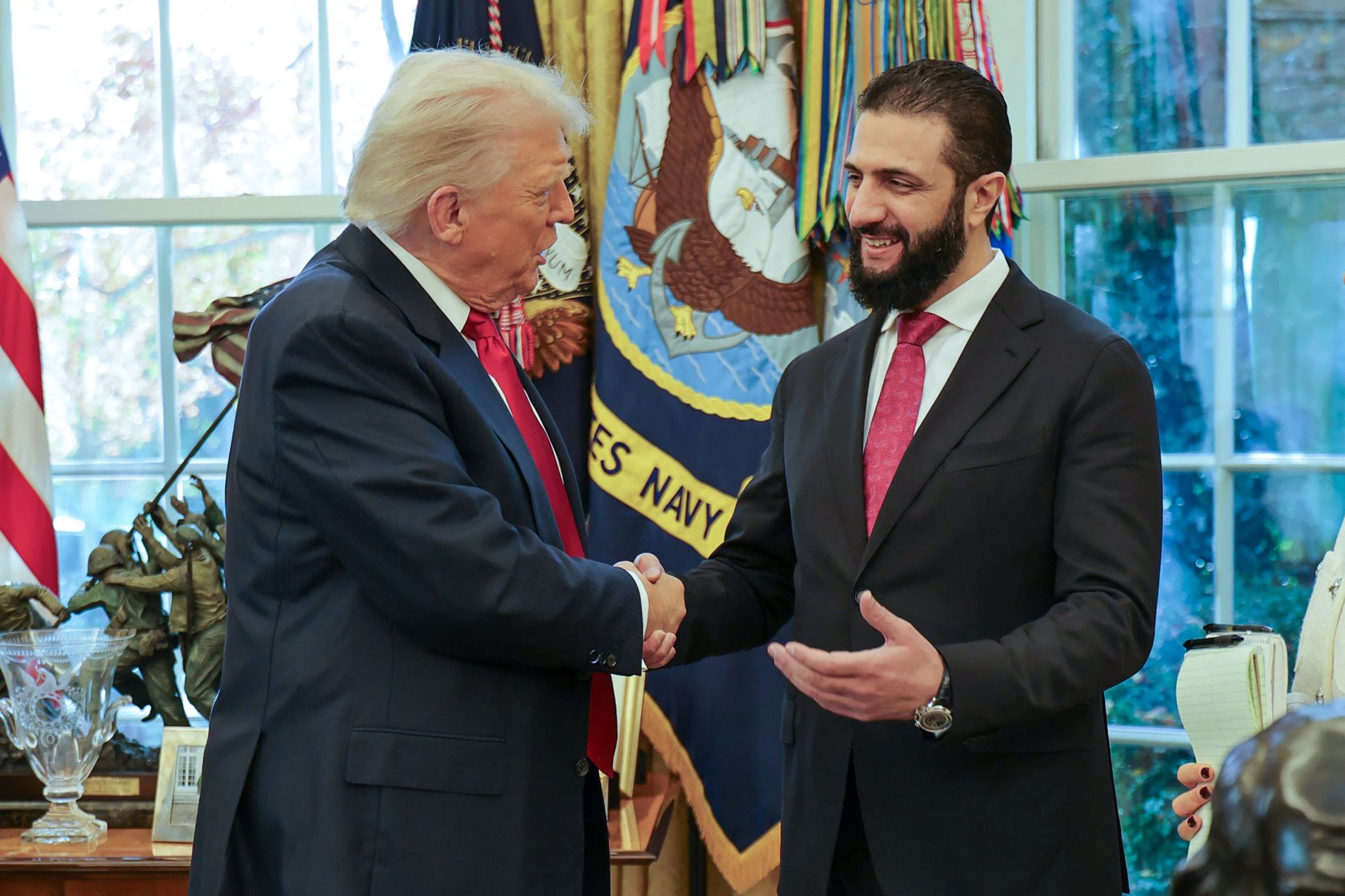
Why Netanyahu is not applauding
Trump framed his proposal as a suggestion to Israel, implying that the country should welcome it. It almost certainly does not. Benjamin Netanyahu has never disguised his scepticism of al-Sharaa. When the Syrian president returned from his November 2025 White House visit, Netanyahu reportedly launched a fierce attack on him in a security cabinet meeting, saying al-Sharaa had come back "puffed up" and had "began doing all sorts of things that Israel will not accept."
Shortly after the fall of the Assad regime, Israel also launched a broad campaign of airstrikes aimed at destroying equipment from the defeated Syrian Arab Army (SAA), in a bid to weaken the emerging government in Damascus. With this in mind, the idea that Israel would welcome the strengthening of the new Syrian government is unrealistic.
Netanyahu's calculus is not simply about Hezbollah. It is about strategic depth and the long-term balance of power in the Levant. The last thing Israel wants is for Syrian military forces to gain a foothold in Lebanon, acquire operational experience fighting in that terrain, and potentially remain there. The same historical precedent mentioned above (Syria entering Lebanon to "stabilise" it and staying for 29 years) would not be lost on the Israeli security establishment.