Will the GCC train finally leave the station?

From Kuwait to Oman, the Gulf states are slowly building railway links to connect their ports, cities, and industry, but it is a $250bn project that requires political determination. Will it ever happen?

Al Majalla

Will the GCC train finally leave the station?

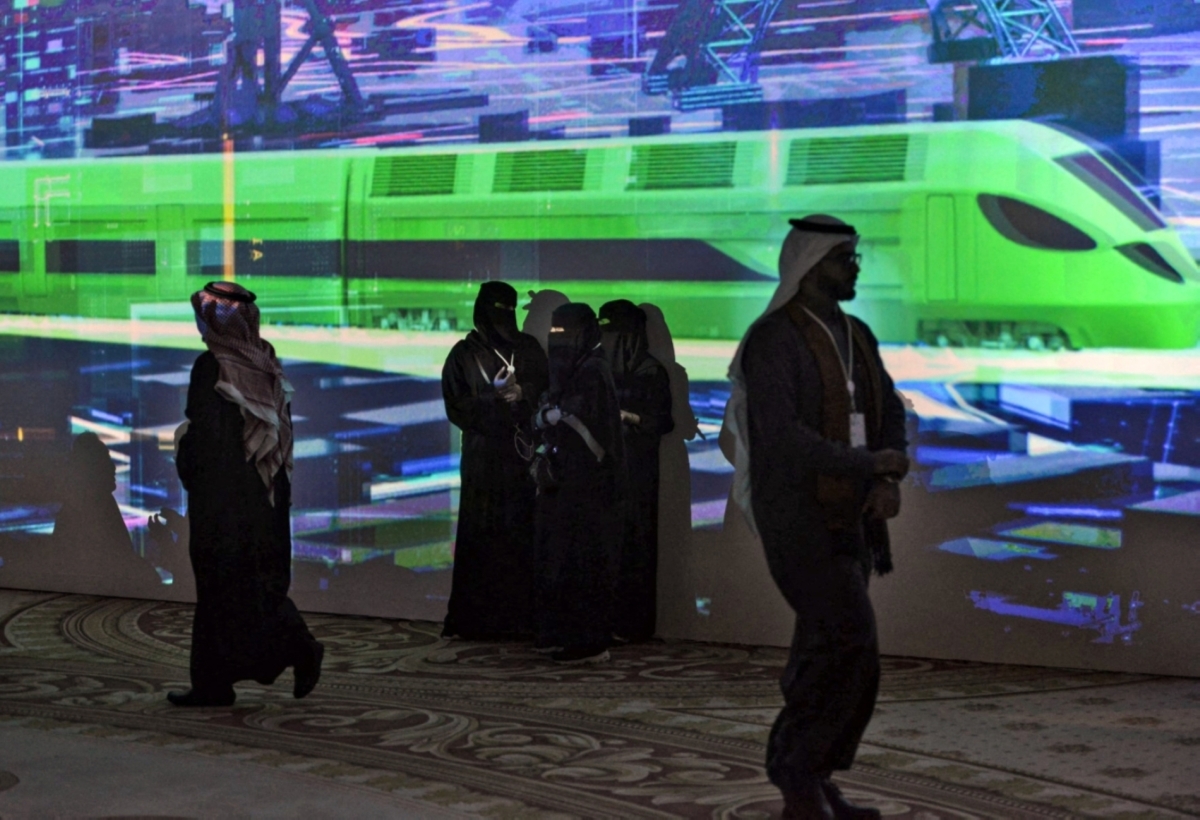
The Gulf Cooperation Council (GCC) states first contemplated a shared railway network in the 1980s, as part of a broader effort to deepen economic integration among them. The project acquired formal standing in 2009, when GCC leaders approved it at the Kuwait Summit. Since then, studies and plans have sought to link the six member states through a 2,100km network for both passengers and goods to strengthen trade.

Repeated postponements slowed its progress, before work was revived and the Gulf Railway Authority was established in 2021 to coordinate implementation. Between 2024-26, the project gained fresh momentum, as national schemes connected to the wider network accelerated. The Authority has now announced that the full link is due to be complete by the end of 2030. This will make travel between the cities and regions of the Gulf states easier, moving people, goods, and cargo, strengthening supply chains, and linking centres of export and import.

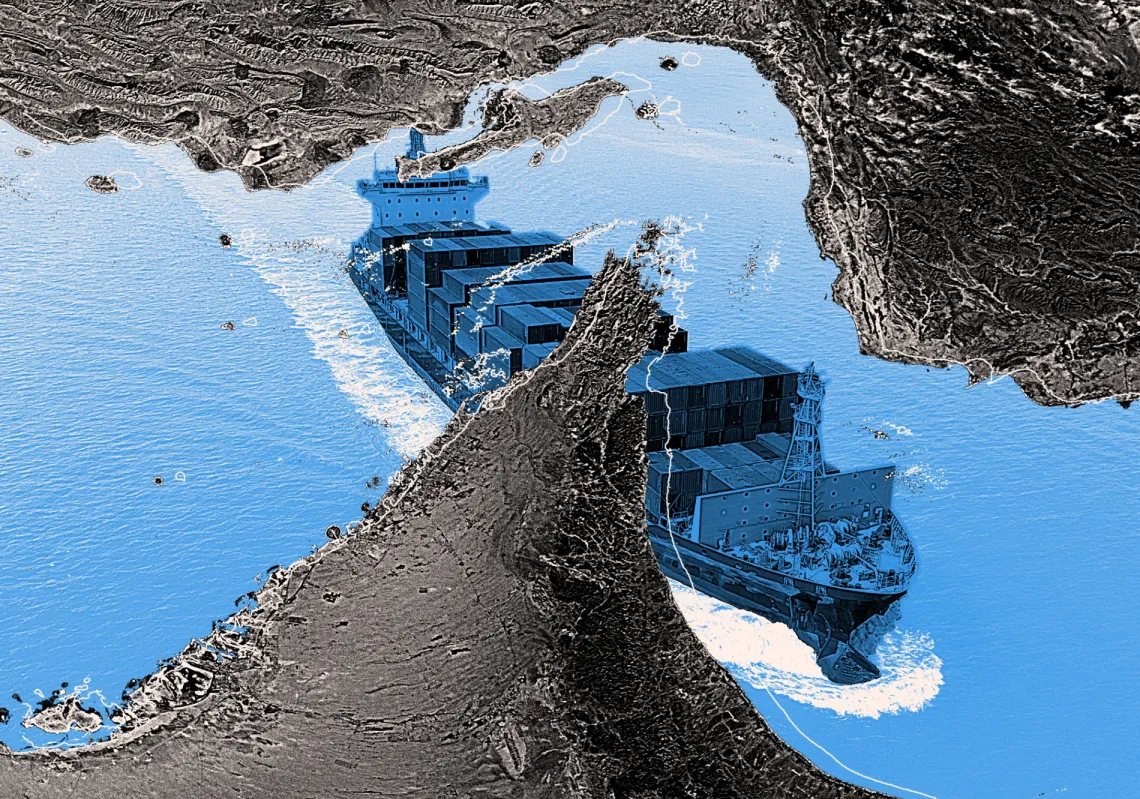
The need for such railway mechanisms became more apparent after the outbreak of the US-Israeli war against Iran on 28 February, and Iran’s subsequent pressure on Gulf states through its closure of the Strait of Hormuz—the principal maritime passage on which these countries depend for oil and gas exports. The same passage is also vital to the supply of imported goods and commodities, including food products.

Saudi Arabia, Oman, and the United Arab Emirates could navigate the bottlenecks caused by the closure, thanks to their geography and access to maritime outlets outside the Strait. Yet the war highlighted the importance of connecting Gulf states to infrastructure, particularly in Saudi Arabia, so that exports of all kinds can continue and diverse imported commodities can remain within reach.

Yet despite the high hopes invested in it, the GCC railway project has been delayed by nearly 17 years, stifled by overlapping challenges. The Economist Intelligence Unit noted that the original 2018 completion target “was missed largely because of the fall in oil prices between 2014-16, which increased fiscal pressure on Gulf economies dependent on oil exports”. That led governments to reprioritise their spending on infrastructure projects.

Uneven implementation

Implementation has been uneven across member states. While some moved ahead with their national networks, others chose to wait until neighbouring countries were ready before completing cross-border sections. The project also faced technical and regulatory hurdles related to harmonising operating standards, route designation, land acquisition, and existing infrastructure constraints in some states.
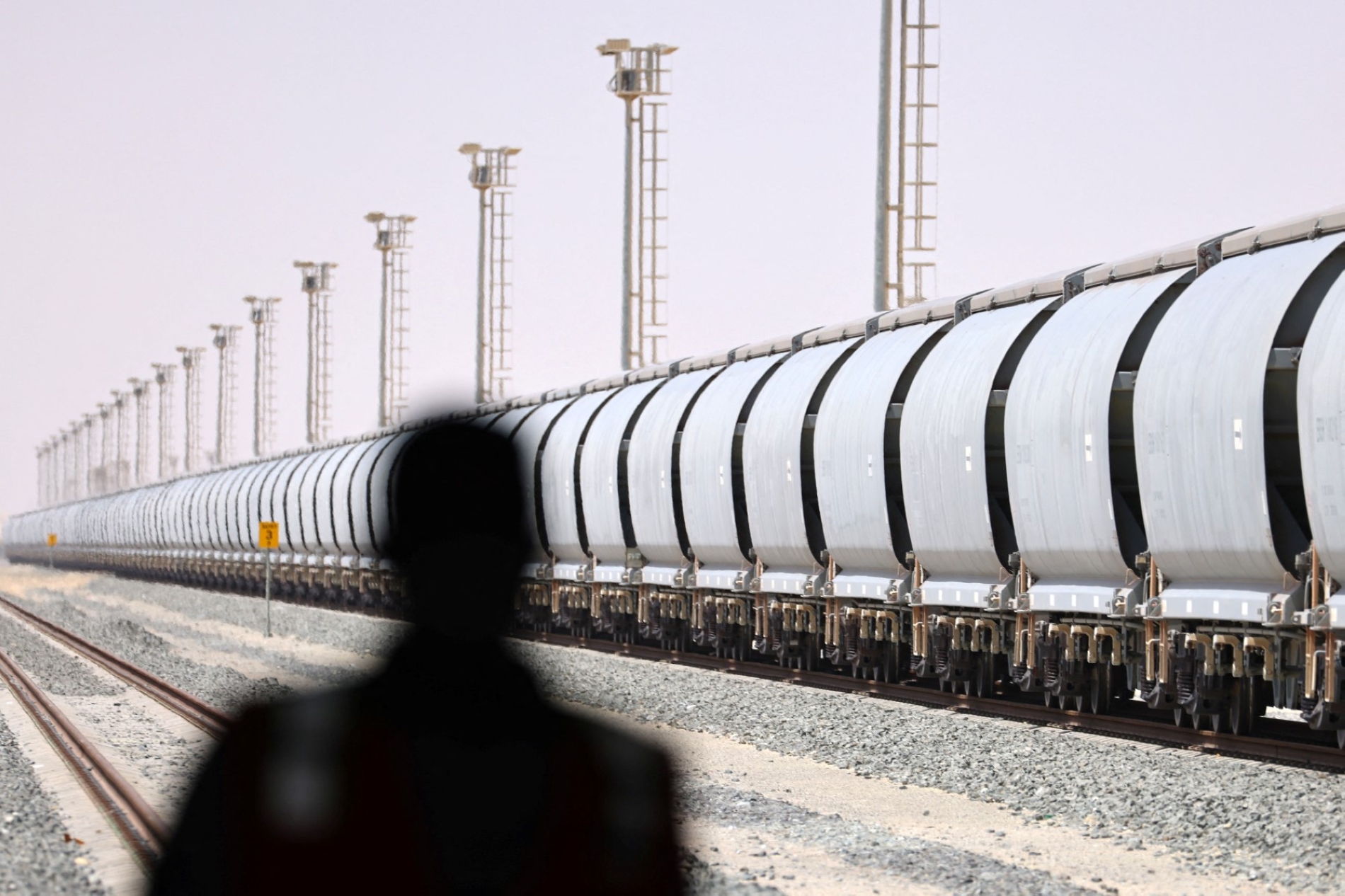
AFP
A train in the industrial port area, UAE, on 1 April 2021.

Despite these delays, the GCC countries revived the project by establishing the Gulf Railway Authority in 2021 and setting December 2030 as the target date for the full operation of the Gulf network. Several of its core components are now complete or at an advanced stage. The UAE has completed most of the Etihad Rail network, which now spans the country and is already used for freight, while preparations continue for the launch of passenger services.

The company began operating the first phase of the network in 2016, with a 264km line built to transport sulphur from Shah and Habshan to the port of Ruwais. Expansion works followed in 2020. In February 2023, the UAE inaugurated its 900km national railway network linking the seven emirates, from Ghuwaifat to Fujairah. This coincided with the launch of more efficient nationwide freight services. Freight capacity could reach 60 million tonnes of cargo by 2030.
Implementation has been uneven across member states. While some moved ahead with their national networks, others chose to wait.

Plans on track

Last April, Hafeet Rail—the joint venture between Etihad Rail, Oman Rail, and the Mubadala sovereign wealth fund in Abu Dhabi—announced that 40% of the rail link between the UAE and Oman had been completed. The 238km line is designed to strengthen trade and economic integration between the two countries. Work is continuing at several sites along the route, which crosses urban and industrial zones as well as difficult terrain, requiring advanced engineering solutions, including bridges, tunnels, and flood protection systems.

Kuwait, for its part, has brought its railway link with Saudi Arabia back on track for implementation after the Municipal Council approved the regulatory plan and route corridor last May. This will link Kuwait to the unified Gulf network. The proposed line will run for 85.8km from the southern border with Saudi Arabia to the Shaddadiya area. It is regarded as a pillar of Kuwait's Vision 2035 and as a means of consolidating the country's position as a regional logistics hub.

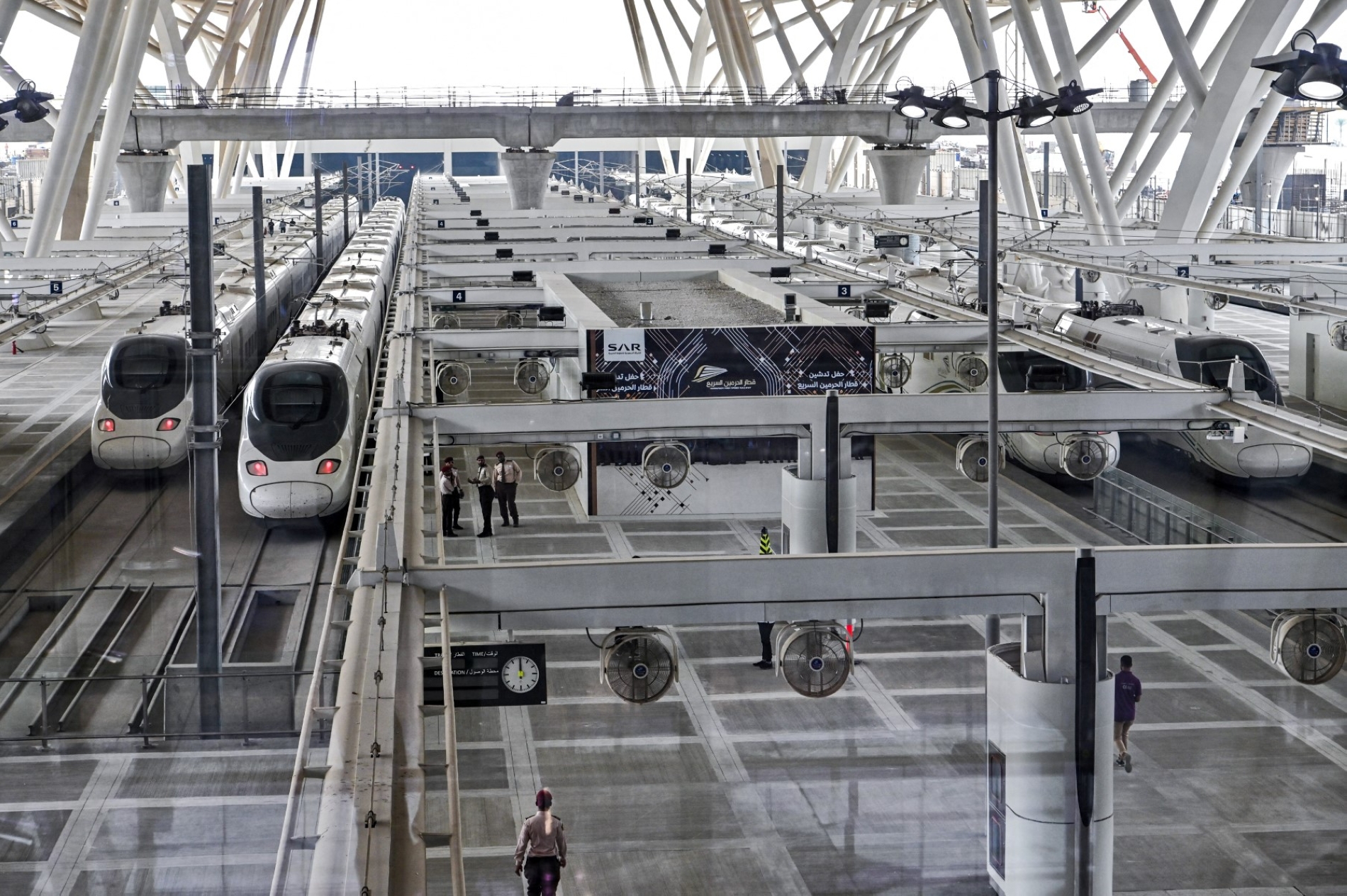
Gulf connectivity projects have regained momentum recently, amid growing recognition of the importance of supply chains, ports, and economic zones. Saudi Arabia already has a railway network that includes the North and East lines and the Haramain High-Speed Railway, with plans to connect to the Gulf link. The Saudi Railway Company (SAR) has also issued tenders to update designs and complete engineering works for the Saudi section of the network—a central artery linking Kuwait to the north with the UAE and Bahrain to the south and east.

AFP
The Haramain high-speed train linking Mecca and Medina on 12 December 2019.

On 19 May, the Saudi Council of Ministers, chaired by King Salman bin Abdulaziz, approved the implementation of the decision issued by the GCC Supreme Council at its 46th summit in Bahrain on the adoption of the general agreement for the Gulf railway project. The move strengthens the legal and regulatory framework for connectivity among GCC states. In practical terms, it means that Saudi Arabia has formally ratified the unified legal and regulatory framework governing the project, paving the way for its practical implementation.

Saudi Transport Minister Saleh Al-Jasser said the study for the railway link between Saudi Arabia and Türkiye, passing through Jordan and Syria, will be completed this year, strengthening regional integration and facilitating trade by extending Saudi Arabia's existing railway network to the Haditha border crossing with Jordan. This would lay the groundwork for expanded connectivity to Jordan and Syria, and onward to Türkiye.

Estimates of the cost of the Gulf railway project have varied over the years. Initial projections were between $15-25bn, but more recent studies suggest it may cost around $250bn when the national networks connected to the project are included, along with associated investments in stations, logistics facilities, and supporting infrastructure. Each GCC state will bear the cost of implementing the section within its borders, based on route length and local execution requirements.

Some economists and officials wonder whether the Gulf states can still secure the necessary funds, given the pressures created by the US-Israeli war against Iran. Ironically, rail connectivity is key to resolving the very problems created by the war and Iran's closure of the Strait of Hormuz. For policymakers, it is a question of priority in public spending across the Gulf.

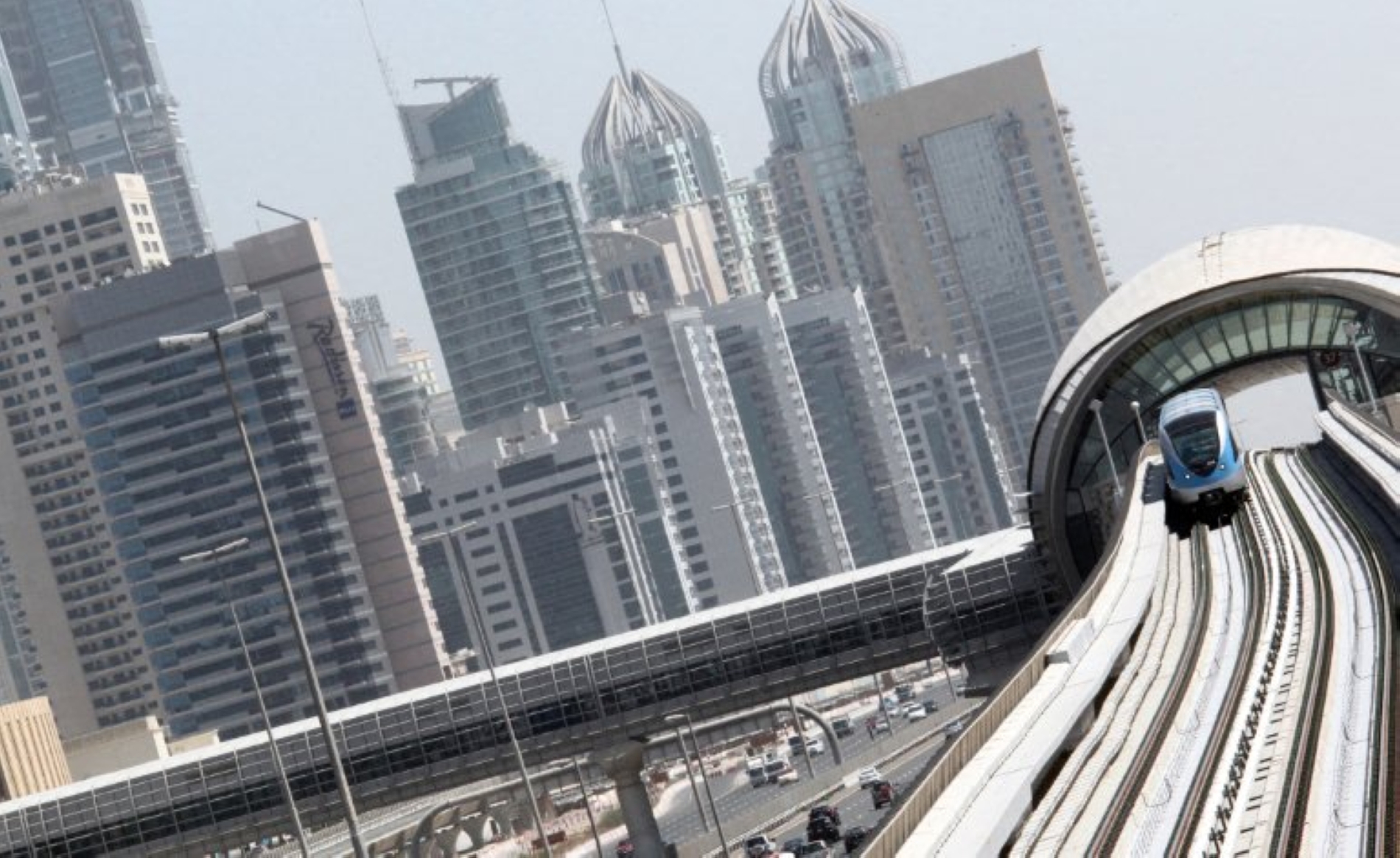
AFP
A metro crossing in Dubai on 8 September 2010.

Wider economic gains

The ambitions behind Gulf economic integration remain no less important, and the returns are not confined to revenues from passenger and freight transport; they extend to wider economic gains, including lower transport and shipping costs, shorter transit times for goods moving between GCC states, stronger intra-Gulf trade, and more resilient regional supply chains.

A study issued by the Middle East Research and Studies Observatory indicated that the project could help increase intra-Gulf trade, which currently accounts for no more than about 10% of total Gulf exports. This is low compared to other economic blocs such as the European Union, where more than half the trade in goods and services takes place among member states within the bloc itself. The Gulf states could build a similar model by improving links between ports and hubs, strengthening regional competitiveness, and supporting economic diversification strategies. This could spur growth in logistics, industry, and tourism, creating jobs and attracting investment.

All strategic projects encounter challenges, but there are practical steps to be taken now. First, the Gulf states must begin harmonising the laws and regulations governing customs duties, border-crossing and port administration, and the legal and regulatory systems in force across the GCC. They must also formulate financing mechanisms and determine the budgets allocated to the project in each Gulf state.

Since the network will extend over long distances and across vast desert areas, questions of safety, security, maintenance, and operational protection will have to be carefully regulated, along with the appropriate security procedures needed to facilitate travel and the movement of supplies. The risks and rewards are both sizeable. Analysts know that rail connectivity could help consolidate the Gulf's position as a commercial and logistics hub linking Asia, Europe, and Africa. But whether the unified railway network will be completed by 2030 as planned remains to be seen.

font change