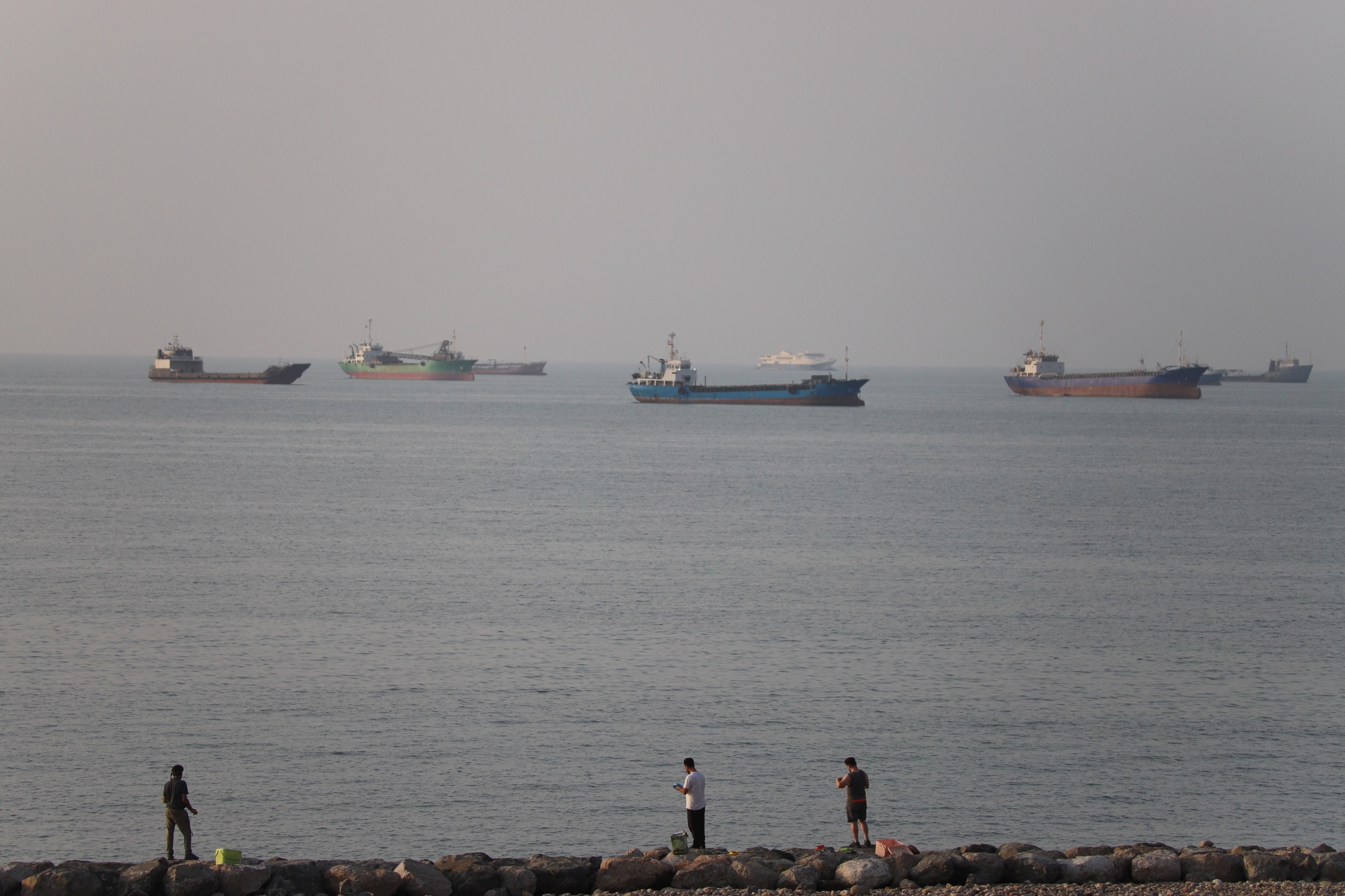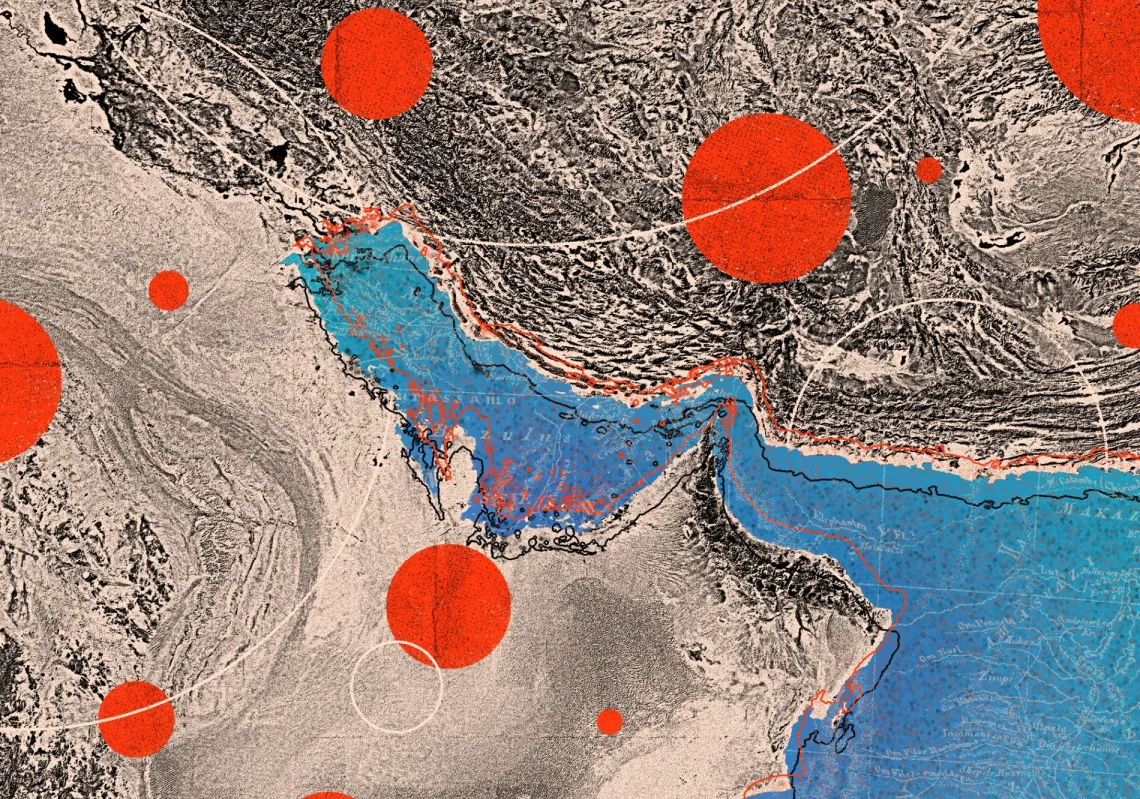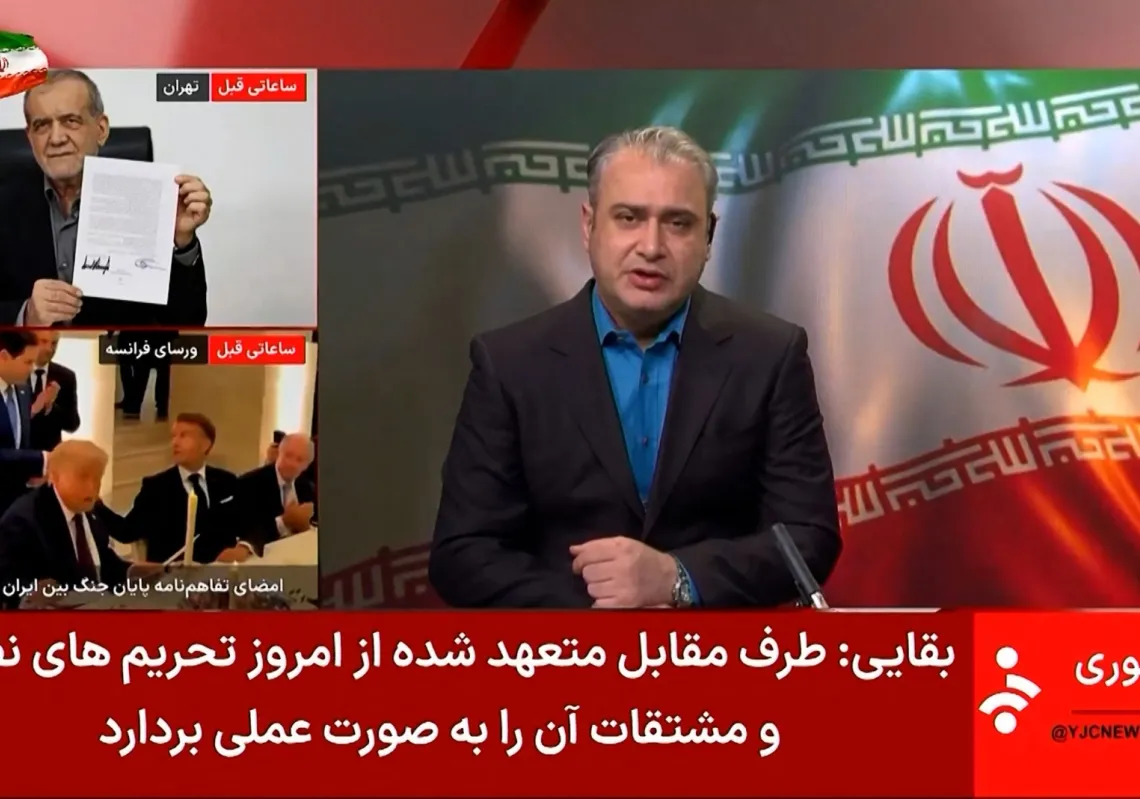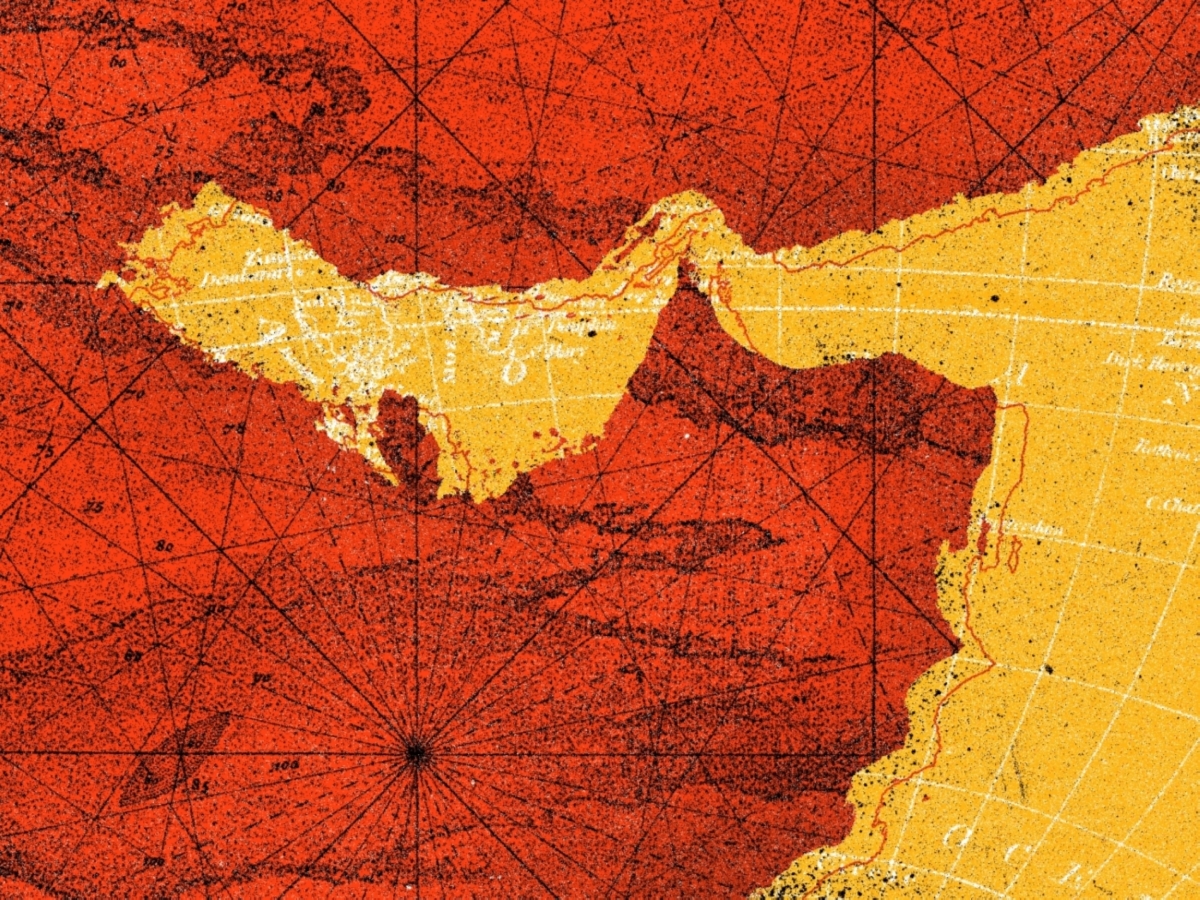

The memorandum of understanding (MoU) signed by the United States and Iran on 17 June has delivered the outcome that energy markets were most urgently seeking—the reopening of the Strait of Hormuz.
The agreement establishes a 60-day ceasefire and a framework for renewed negotiations over Iran’s nuclear programme. More importantly for global markets, it restores access to one of the world’s most critical energy corridors. The United States has lifted its blockade of Iranian ports, while Tehran has permitted commercial shipping to resume transit through the Strait of Hormuz.
Pre-conflict, roughly 20 million barrels of oil and petroleum products moved through the Strait each day, alongside around one-fifth of global LNG trade. The restoration of shipping traffic under the MoU has reduced concerns over physical supply shortages and eased fears of prolonged disruption to global energy flows. Oil prices have retreated towards $80 per barrel as traders reassess risk and factor in the return of Gulf exports to international markets.
However, the significance of the memorandum extends beyond the short-term easing of market pressures; the crisis has irremovably changed perceptions of energy security, maritime risk, and the resilience of global supply chains.
The closure of Hormuz demonstrated that one of the world’s most important energy routes can be disrupted for a prolonged period and at considerable economic cost. While the immediate crisis appears to have passed, it has established a precedent that will shape market behaviour. Future negotiations between Washington and Tehran will unfold against the backdrop of a proven Iranian capacity to exert pressure on global energy markets through maritime disruption.
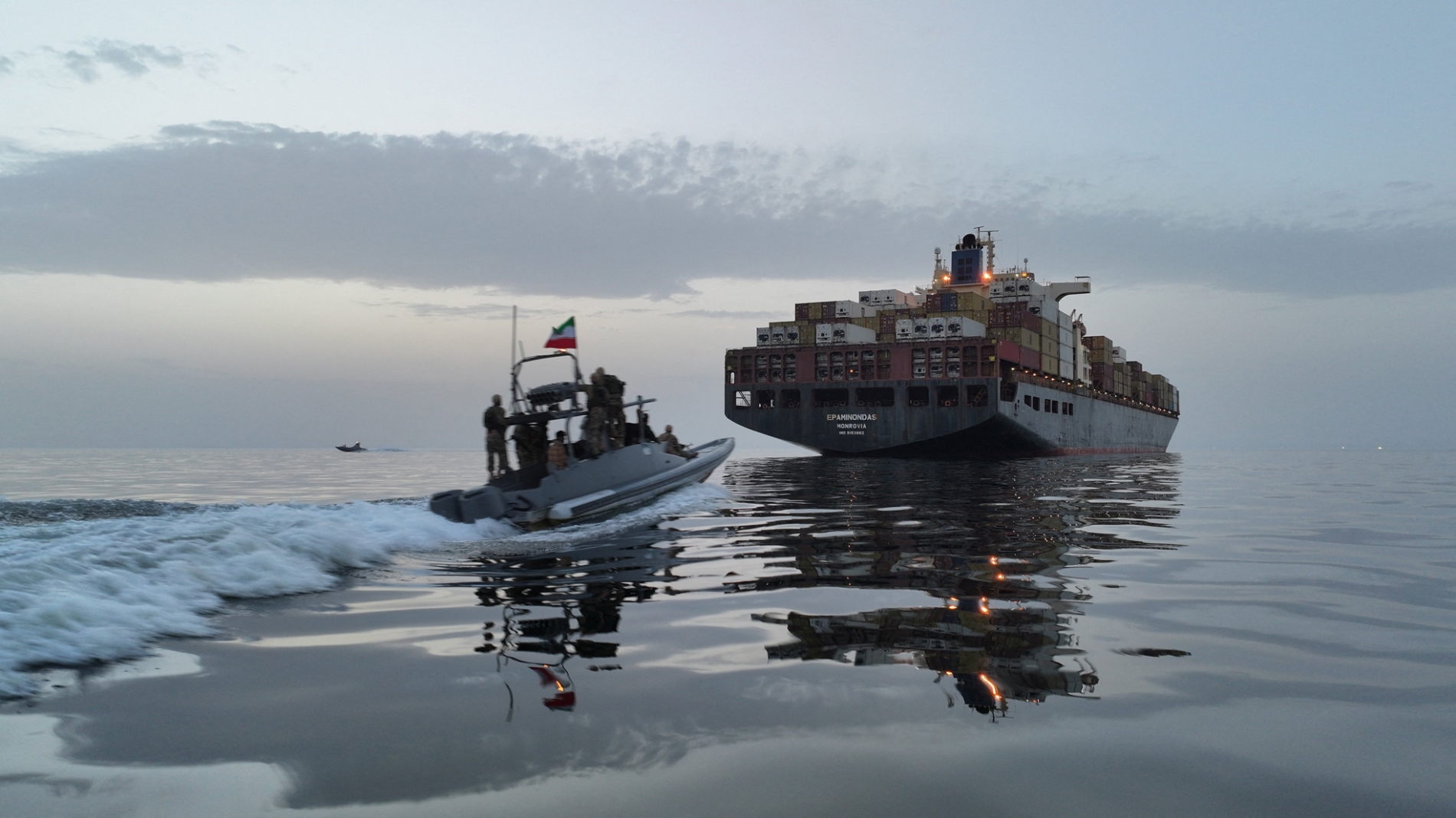
Authoritative control
Even now, Iran is seeking to pressure energy participants. It announced on 19 June that ships must seek permission from its Gulf Strait Authority, established during the conflict, to transit the waterway and obtain a mandatory insurance policy from Tehran. While the MoU specifies that passage must be free, this only applies to the agreement’s 60-day term, setting the stage for possible paid transits in future.
Markets must now account for the possibility that the Strait of Hormuz could be closed again. As a result, the geopolitical risk premium attached to Gulf energy exports is unlikely to disappear entirely, even if diplomatic progress continues. Insurers, shipping companies, traders and importers have all been reminded that access to energy supplies depends not only on production but also on the security of the routes that connect producers to consumers.