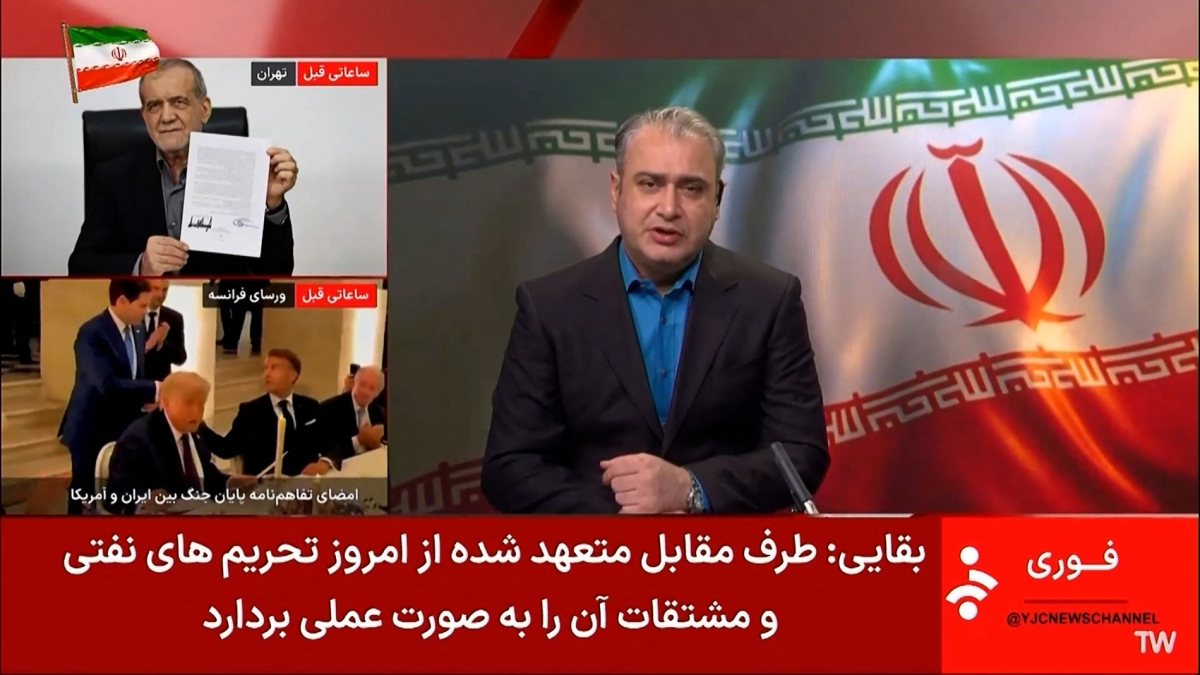

It is too early to fully understand the effects of the US-Iran agreement for Arab Gulf states, because the nature and substance of the agreement are still to be learned. But regardless of what the agreement reveals, it is now possible to discern the war’s repercussions for the countries of the region, if indeed this ceasefire holds.
The damage caused by the war has extended far beyond Iran, affecting all member states of the Gulf Cooperation Council (GCC) to varying degrees. As such, the Arab Gulf states welcomed news of an agreement, though some think Tel Aviv may seek to sabotage it, returning the region to a state of military tension.
The Gulf states hope that the agreement restores stability to the region, allows maritime activity to resume smoothly, opens the way for energy supplies to reach global markets without disruption, and attracts investment back to the region, thereby easing the losses suffered by some of the smaller Gulf states. Beyond that, however, GCC states will have to rethink the nature of their future security and political order.
This means reconsidering their defence strategy in earnest, devoting greater attention to developing local military industries, and diversifying their strategic partnerships with Russia, China, and various Asian and European powers, while preserving their partnership with the United States but without being wholly reliant on it. Economically, they will need to develop alternatives to the maritime corridor through the Strait of Hormuz, which Iran can close. Serious thought must be given to alternative outlets to the Arabian or Red Sea. Rail networks may form part of the solution.
Gulf states need to understand that the region's security cannot be determined by Washington and Tehran alone. The GCC must remain outside any military alignment or armed confrontation between the United States and Iran. This must be made clear in the future framework of relations with both sides. Consequently, it cannot be acceptable for Iran to target the GCC states in the event of another military conflict.
Gulf anxiety
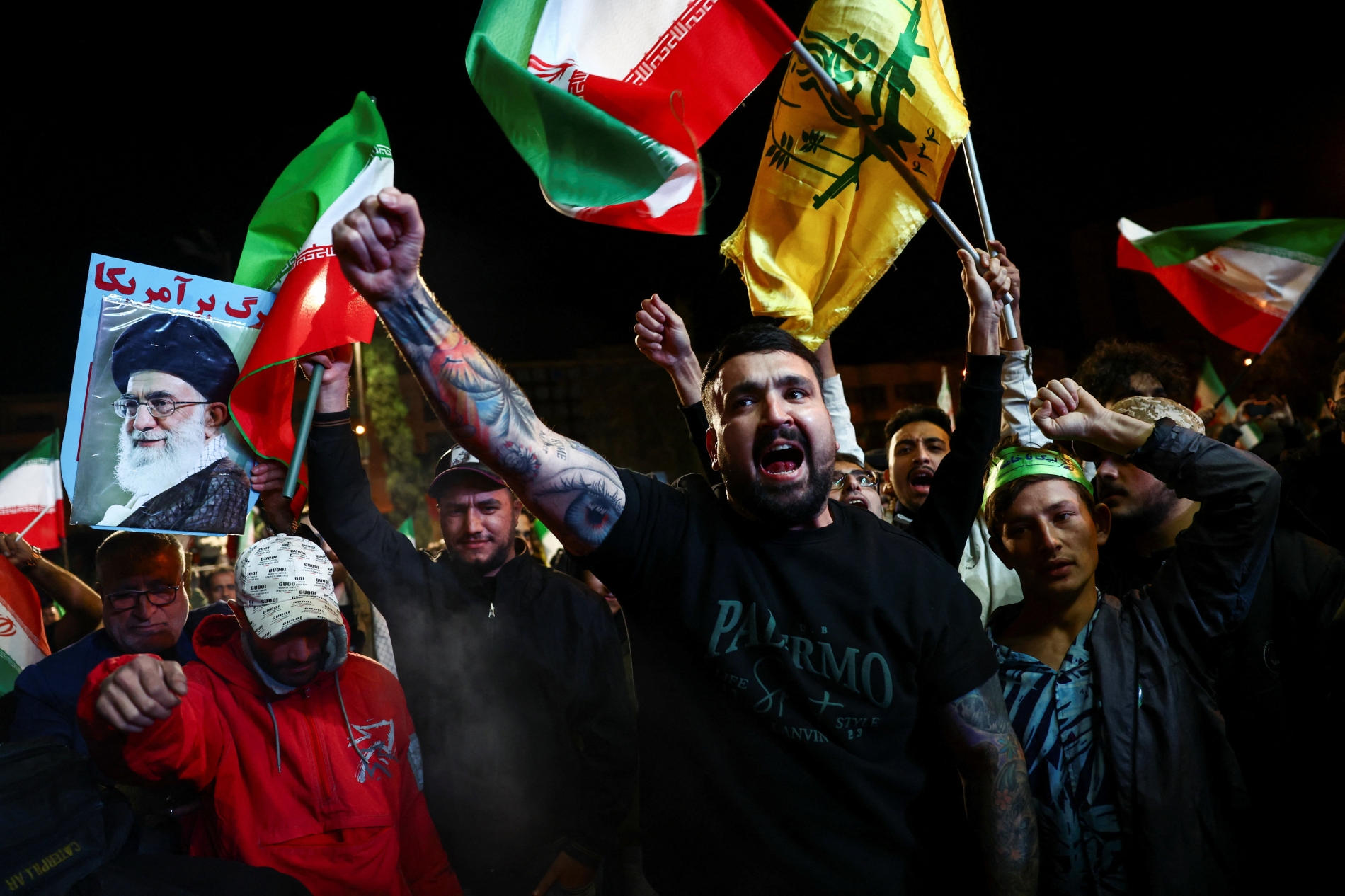
Arab Gulf states may feel anxious about a sense of triumphalism within Iran’s conservative establishment, especially if sanctions are lifted, and Iran’s economic situation improves. This could encourage Tehran to expand its regional influence and increase support for its proxies, returning the region back to square one.
Iran’s hardliners may even feel emboldened given that the Arab Gulf states did not respond when targeted by Iran’s Revolutionary Guards. There are also unverified reports that some smaller Gulf states paid pro-Iran militias not to target their state infrastructure during the hostilities.