
It feels like a long time since the Republican People’s Party (CHP) in Türkiye defeated the governing Justice and Development Party (AKP) in the 2024 local elections, triggering a domestic political shockwave. Ever since, it has faced turbulence, with its leaders either deposed or imprisoned.
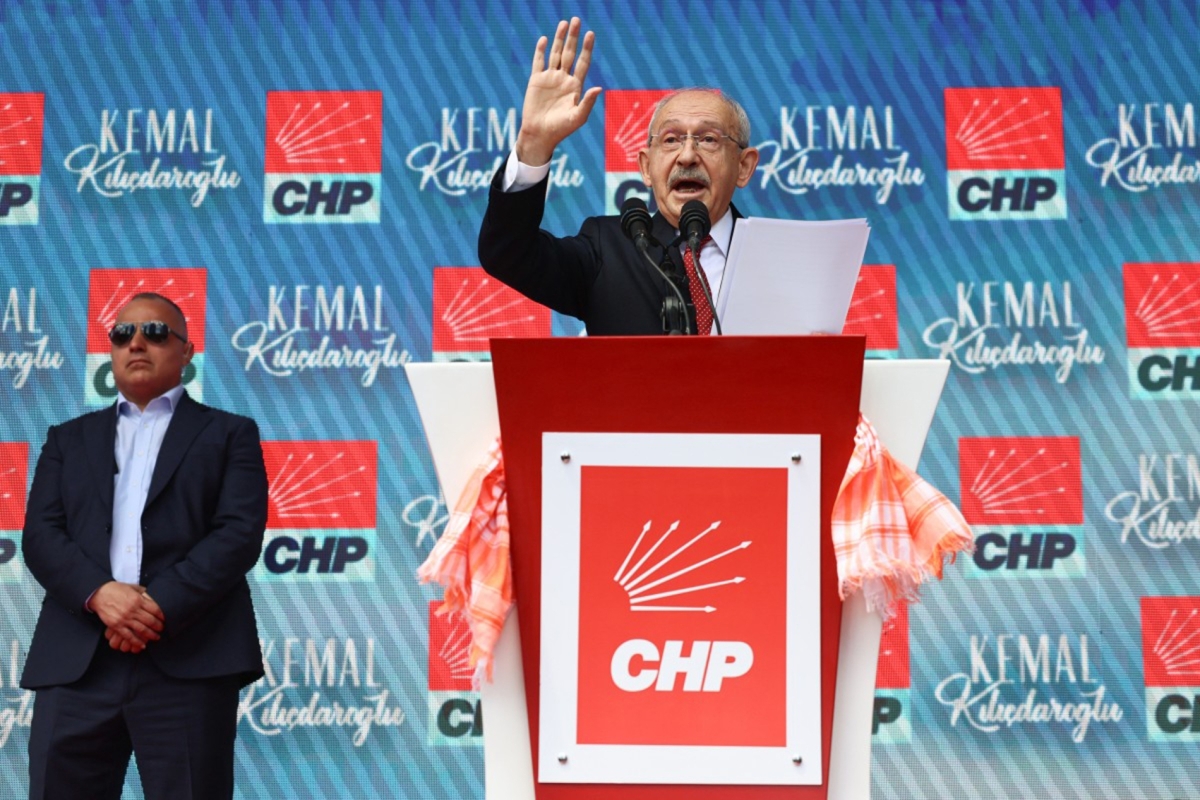
Özgür Özel was elected CHP chairman at the party congress in 2023 and is popular with grassroots supporters, but he and his senior leadership team were recently removed from office by a judge after a Turkish court annulled that congress, thereby ordering the return of the unpopular Kemal Kılıçdaroğlu—the party’s chairman from three years prior—who lost all 11 elections during his 13-year tenure.
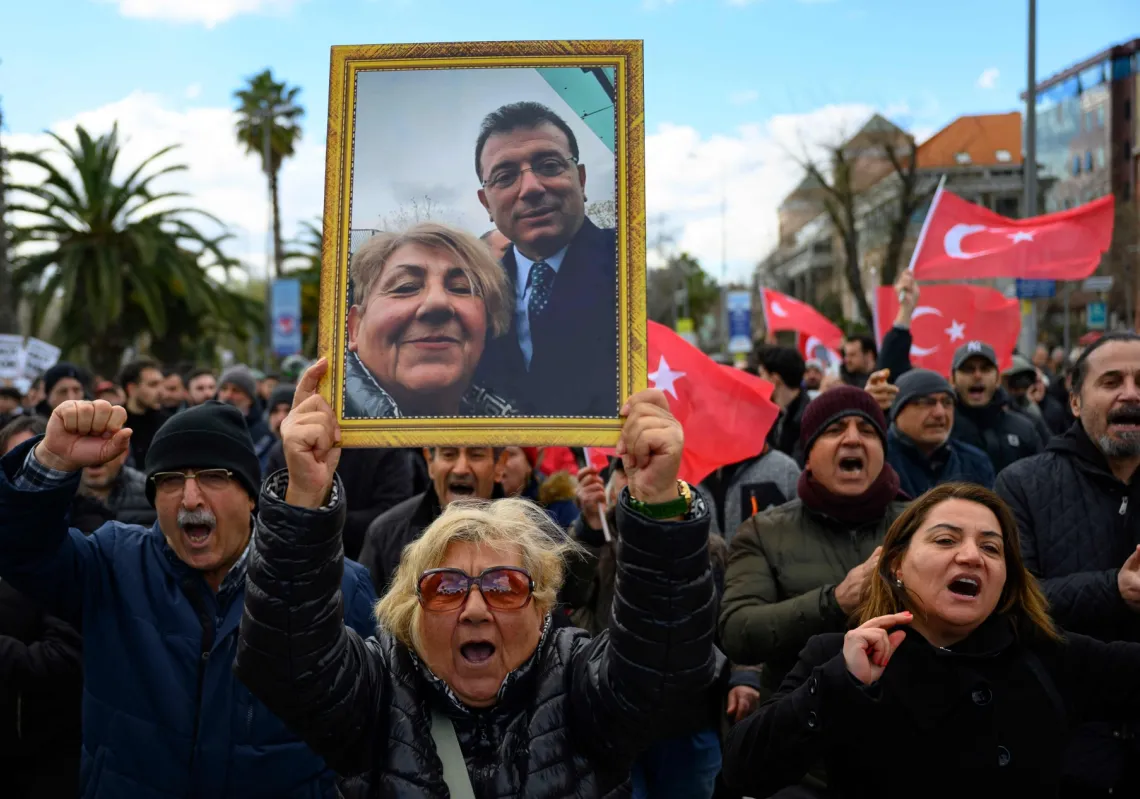
In the 2024 local elections, CHP shocked AKP by winning in all major cities, including Istanbul, Ankara, and Izmir. Ekrem İmamoğlu, the mayor of Istanbul and CHP’s presidential candidate, was seen as President Recep Tayyip Erdoğan’s strongest rival, but has been in custody and on trial since March 2025 on corruption charges. Imamoğlu’s university diploma—a requirement for running for president—was also revoked, and most recently, a separate case was filed against him on charges of political espionage.
Over the past two years, in addition to İmamoğlu, around 50 other CHP mayors have been removed from office on corruption charges, imprisoned, and in some cases replaced by government-appointed trustees. Kılıçdaroğlu said a party convention and leadership election will be held once the court decision—currently under appeal—becomes final. Özgür Özel’s supporters refer to Kemal Kılıçdaroğlu and his team as the “appointed CHP,” but court rulings now give Kılıçdaroğlu the legal edge. With neither side looking likely to back down, the internal CHP struggle plays into the ruling party’s hands.
The AKP government rejects the accusation that it has sought to weaken and fragment the opposition using the judiciary and law enforcement. Erdoğan blamed internal conflicts within the CHP and the illegal actions of some of its officials, adding that the judiciary is independent. Opposition figures argue that judicial independence no longer exists in Türkiye. Akın Gürlek—the former Chief Public Prosecutor of Istanbul, who was recently appointed Minister of Justice by President Erdoğan—is widely seen as an AKP loyalist enforcing instructions.
Opposition allegations
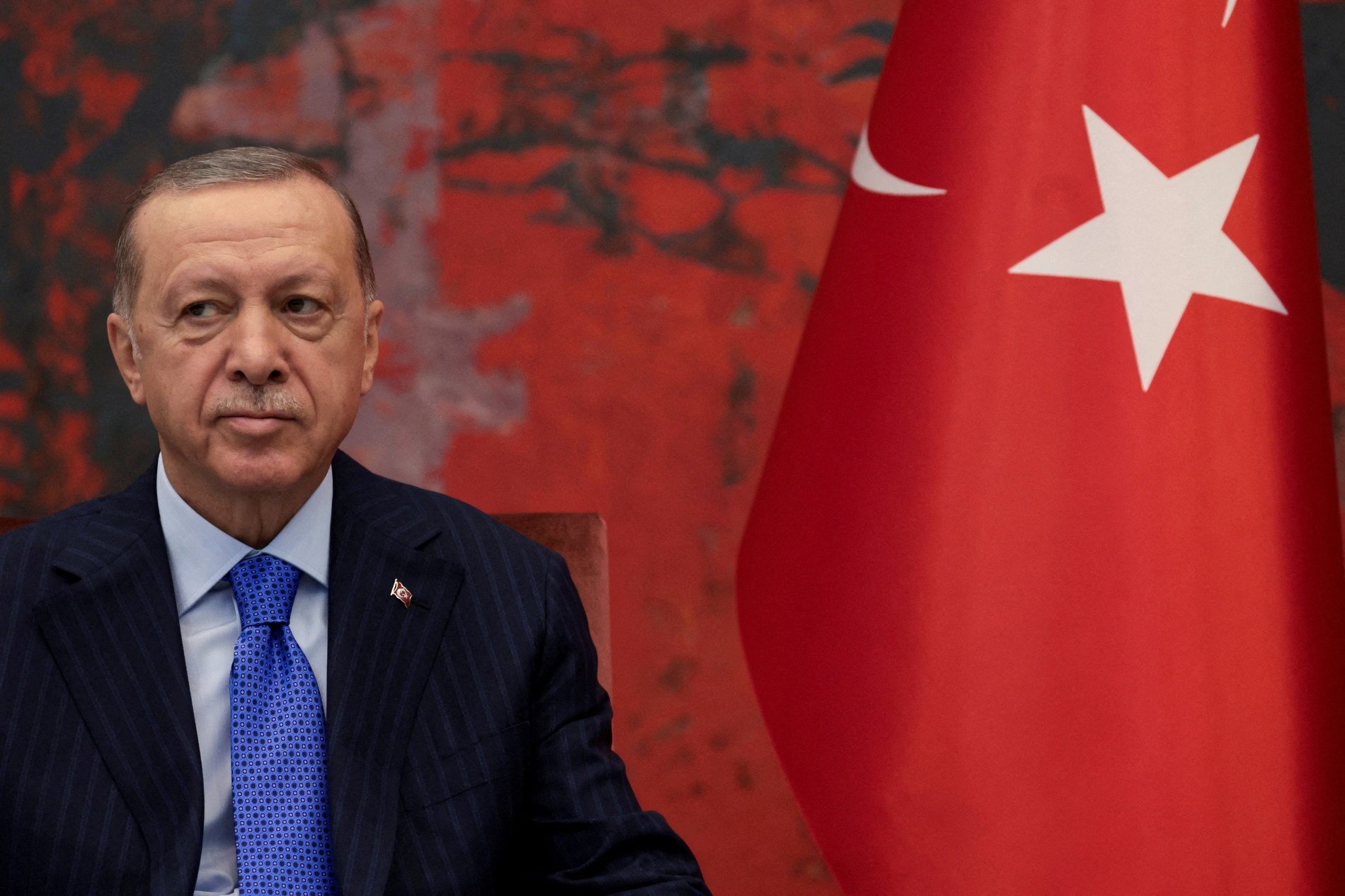
Opposition activists say the AKP objective is to lay the legal and political groundwork for President Erdoğan to run for a third time, which, under the current constitution, is prohibited. The next elections are scheduled for May 2028, but there is talk that they may be held at the end of 2027 if the AKP feels it is in a good position.
The growing popularity of CHP and, in particular, Ekrem İmamoğlu unsettled Erdoğan and his ruling AKP. To change the constitution to allow Erdoğan to run for a third time, AKP needs the votes of 400 of parliament’s 600 MPs, so he needs the support of other political parties. In the search for votes, attention has fallen on the pro-Kurdish DEM Party.
AKP calculates that by permanently ending Kurdish terrorism (most notably by disarming the proscribed PKK and enshrining Kurdish rights), it can secure the support of the DEM Party and attract at least some of the Kurdish voters in the elections. But Turks are highly sensitive on this very complex issue, and AKP risks losing votes whilst trying to attract them.
AKP is already struggling to overcome the country’s economic challenges. Türkiye has been grappling with high inflation for years, and the rising cost of living is the Turkish public’s biggest concern. Inflation, at around 120% in 2015, has only recently come down to 32.61% (according to official figures). The government’s incentive packages for foreign investors have not met expectations. Interest rates, currency valuation, and unemployment figures are all a cause for concern.
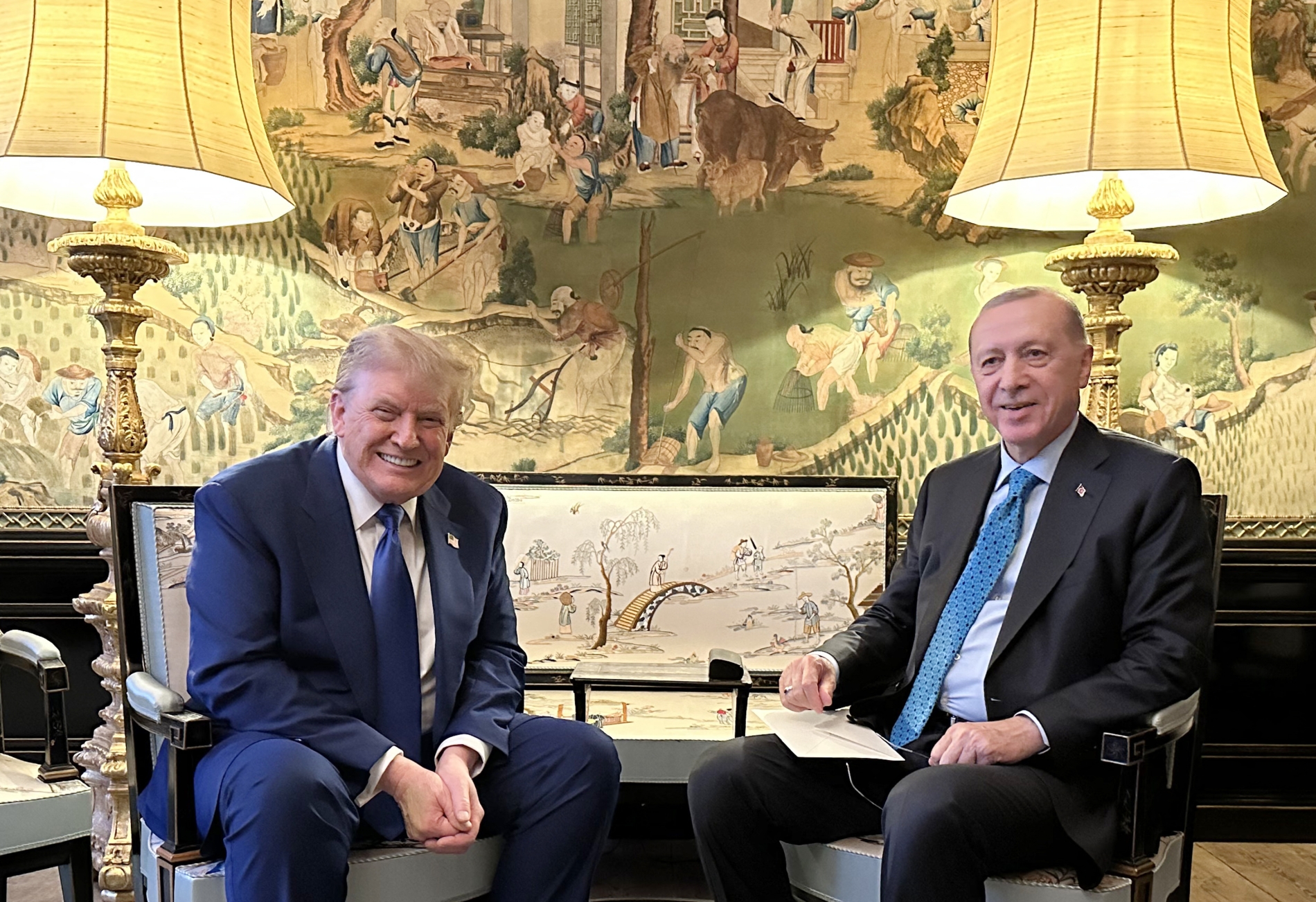
The NATO summit in Ankara from 7-8 July will attract world leaders, including US President Donald Trump, who values his relationship with Erdoğan. The event will reflect well on the Turkish president, who will use the opportunity to articulate his views to the international community. Once the summit concludes, analysts expect fresh developments against CHP, including the lifting of parliamentary immunity and the detention of its leaders, including Özgür Özel. If this happens, this could strengthen opposition claims that Türkiye was now a democracy in name only.
Foreign policy focus
Domestic issues aside, Erdoğan’s recent focus has been on foreign policy, managing relations with the United States, the European Union, and countries in the Middle East. Türkiye-US relations have improved significantly during Trump’s presidency, but several bilateral problems—including Türkiye’s ousting from the F-35 jet fighter programme—still await resolution.
Trump’s approach to Syria, particularly the armed Kurdish groups in Syria’s north-east, has been welcomed by Türkiye. The fact that Erdoğan has consistently refrained from directing any criticism to the US despite fiercely condemning Israel over Palestine and the war with Iran is attributed to his appreciation of President Trump’s Türkiye policies and his desire not to jeopardise their good relations.