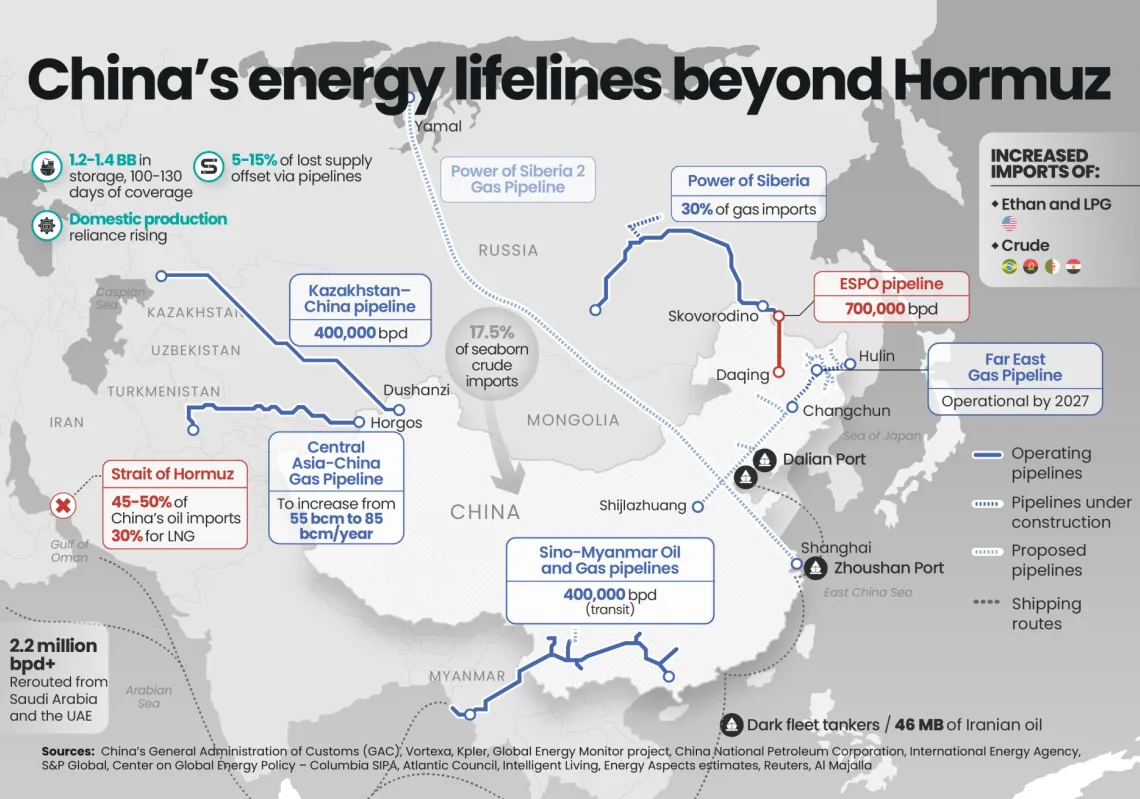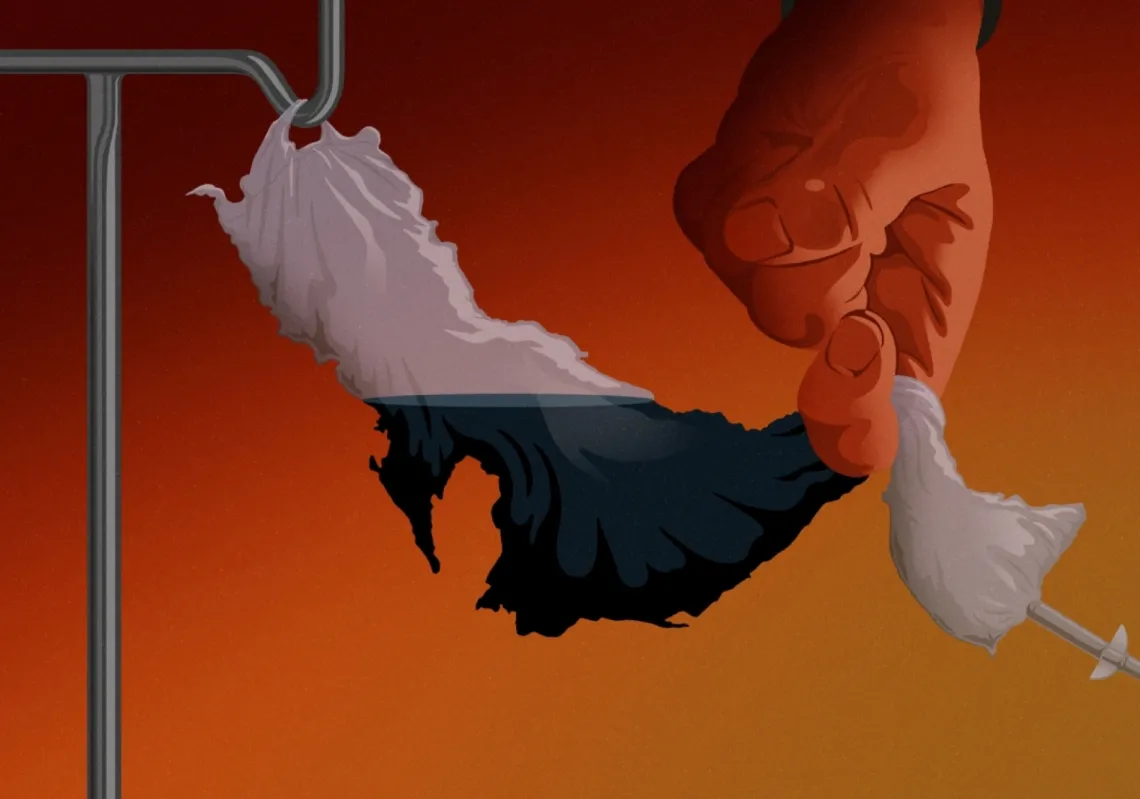

Now that Iran and the United States have reached a memorandum of understanding to end direct hostilities, especially in the contested Strait of Hormuz, the big question is how quickly inflated oil prices will come down.
Benchmark crude prices were still trending lower on Monday on news of the agreement, with Brent contracts for August trading at $83 a barrel. That’s still a lot higher than benchmark crude was before the war but far less than the triple-digit prices reached during peak moments of the conflict.
Announcing the deal late on Sunday, US President Donald Trump wrote on social media: “Ships of the World, start your engines. Let the oil flow!” He later amended that to note: “With the opening of the Strait upon the signing of the Deal on Friday, for purposes of mine removal, oil will flow on both ends again for the Region, and the World!”
One complication is that the exact terms of the MOU are not entirely clear and won’t be until its publication sometime this week. Reports suggest that Iran will allow unhampered, toll-free traffic through the strait during the 60-day follow-on negotiations but may seek to charge fees for traffic thereafter. But Trump has also threatened to renew hostilities and the US blockade if Iran proves recalcitrant, so there remains uncertainty over exactly how open the strait will be and how soon.
But many of the same factors that drove up prices in recent months are likely to persist to some degree for months to come, oil analysts said. That means oil production, oil flows, and oil inventories, which have been badly depleted during the more than three months of economic upheaval.
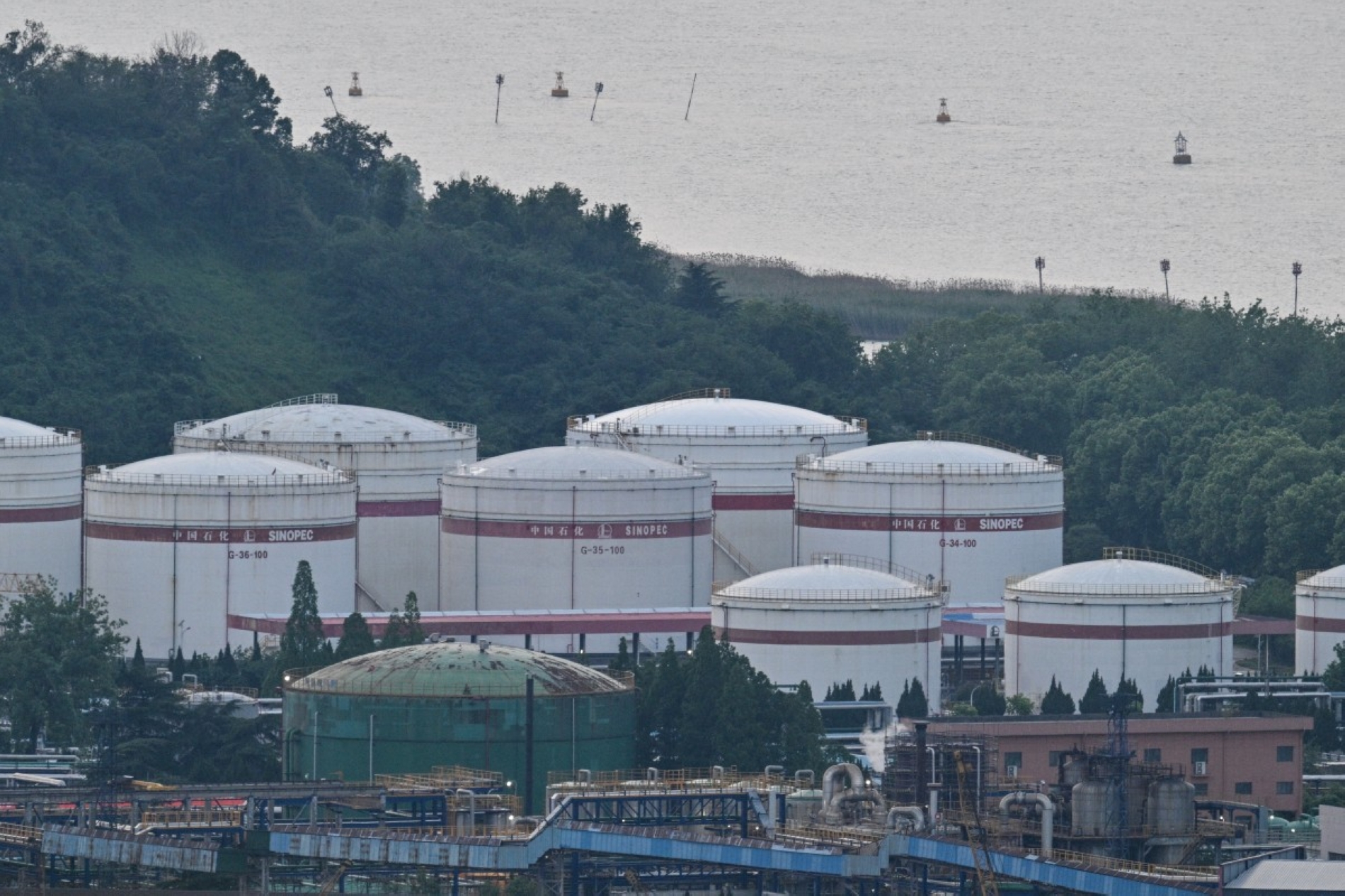
Start with production. The issue is less about physical damage to Gulf oil production facilities (natural gas plants are a different matter) than about the fact that many big producers, including Iraq and Kuwait, had to throttle back output because they had no tankers to cart away their accumulating tanks of crude. Estimates vary, but most analysts figure between 11 million and 13 million barrels a day of oil production was taken offline during the conflict.
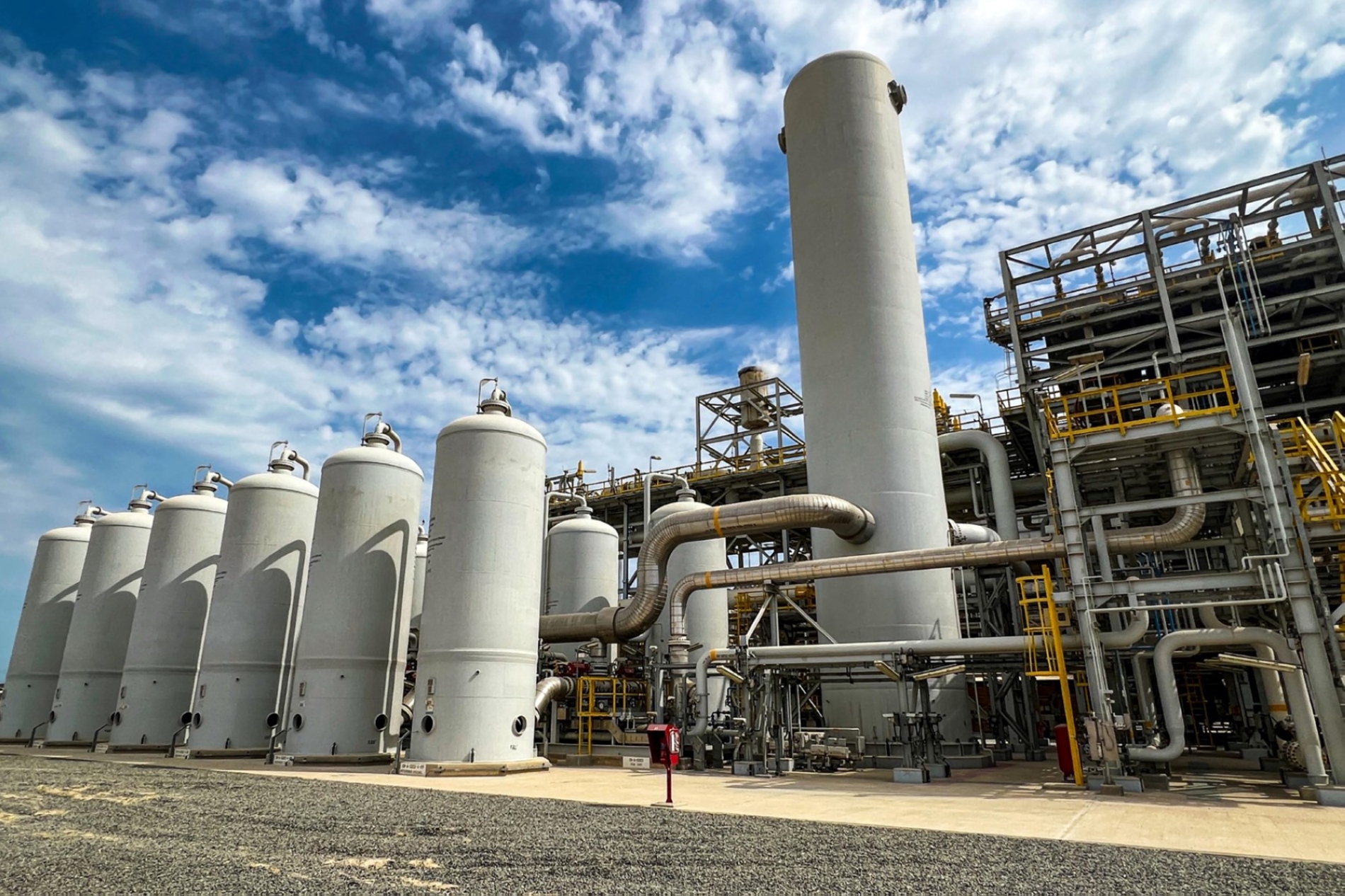
Much of that can snap back relatively quickly. But the last bit of recovery is tricky, as a Kuwaiti oil official told a conference hosted by the Atlantic Council in Washington last week. Nawaf al-Sabah, the CEO of Kuwait’s state-owned oil corporation, warned that as many as 4 million barrels a day of the total Gulf oil and petroleum product output of 20 million barrels a day could be sidelined for months yet. Some of that shortfall has been and will continue to be made up by increased oil production, especially in the United States, Guyana, and Brazil.
But that adds up to nowhere near the supply glut that was facing the global oil market at the end of last year. As ClearView Energy Partners, an energy consultancy, said in a research note on Sunday, “a positive supply-demand balance might not arrive” before the later part of the year.
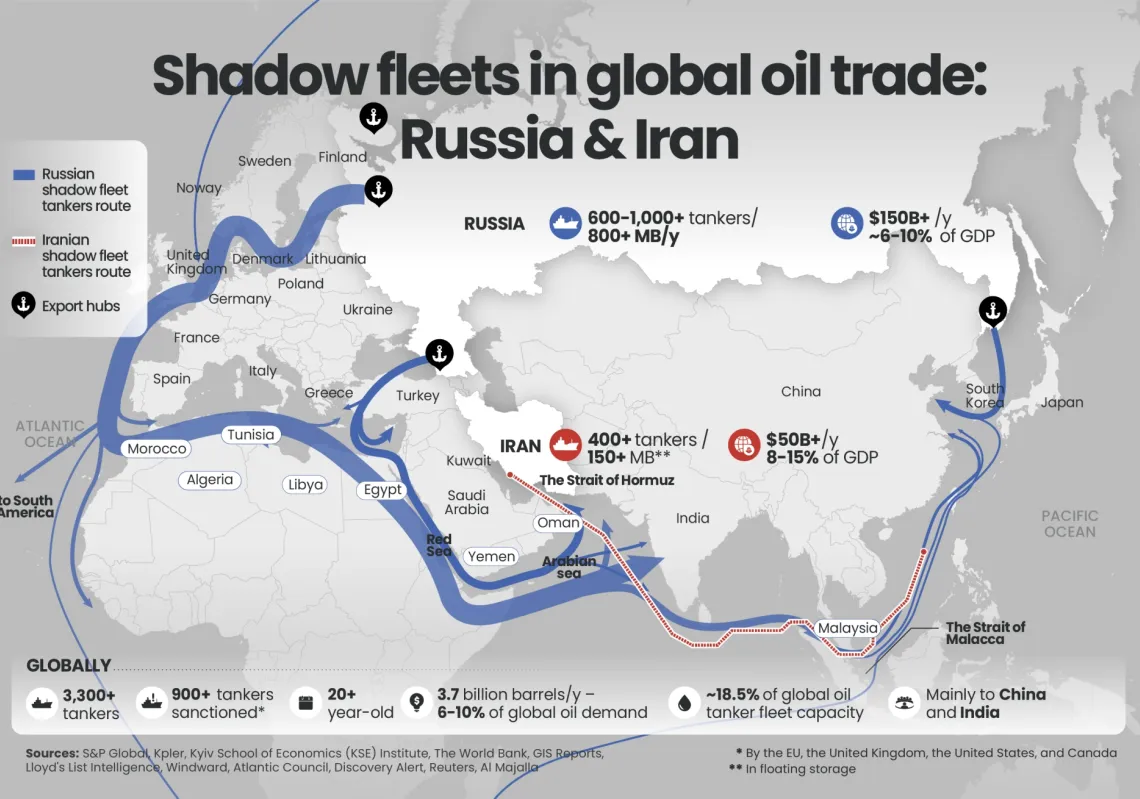
The other big hurdle to normal oil markets is to load the oil tankers that remain trapped, get empty tankers back to the Gulf from the far corners of the world, and get them both moving with confidence through what was until this weekend a war zone.