Can Iraq's new PM solve the country's electricity crisis?

Solving the country's acute power shortage is a priority for Zaidi, who is looking to strike much-needed investment deals with US companies, whilst also keeping Iran onside

Al Majalla

Can Iraq's new PM solve the country's electricity crisis?

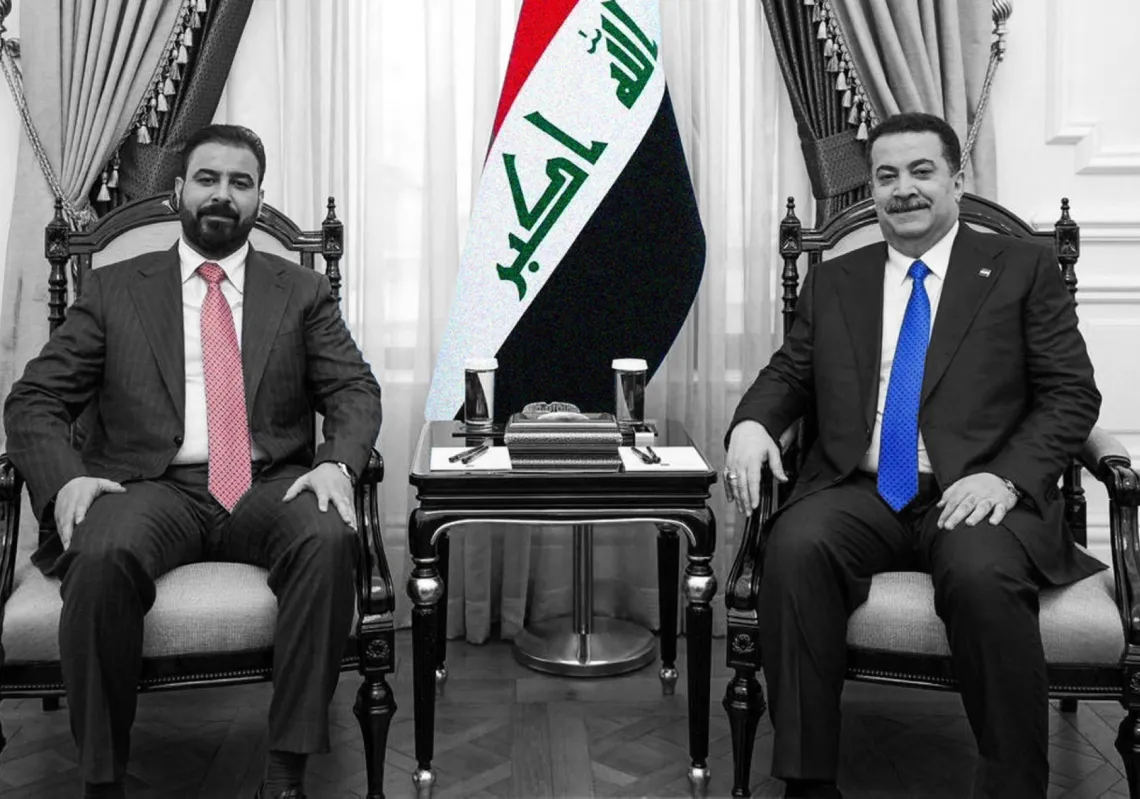
Iraq’s new US-approved prime minister, Ali al-Zaidi, has succeeded Mohammed Shia Al-Sudani and is expected to continue strengthening ties with Western businesses, with investment urgently needed to expand the country’s electricity generation capacity.

Al-Sudani’s four-year stint paved the way for US energy giants to strike billions of dollars’ worth of deals in Iraq. Analysts say his government leveraged oil to ensure US support and shield Iraq from sanctions, offering far better terms to American companies than in the previous decades. New exploration and development pacts have put the likes of ExxonMobil and Chevron at the forefront of Iraq’s vital oil sector, where Chinese and European firms once dominated.

Al-Zaidi is expected to follow in al-Sudani’s footsteps by trying to attract more US investments. Like his predecessor, al-Zaidi has good relations with Washington, and could boost bilateral relations through cooperation with US President Donald Trump, who, like al-Zaidi, has a background in business. Trump was quick to invite him to visit Washington after the formation of the new Iraqi government, and both leaders have already agreed to work together in various fields.

“This is the beginning of a tremendous new chapter between our Nations—Prosperity, Stability, and Success like never seen before,” Trump posted on social media after al-Zaidi was nominated in April. Much has been made of the personal chemistry between Trump and the new Syrian President Ahmed al-Sharaa, who toppled Iran’s long-time ally Bashar al-Assad, and observers think al-Zaidi could enjoy similar relations.

Al-Zaidi’s name was put forward after Trump warned against the return of former Iraqi prime minister Nouri al-Maliki, who has close ties with Iran. Al-Maliki, who governed from 2006 to 2014, eventually withdrew his candidacy in response to Trump’s threats to cut aid. Al-Zaidi is a businessman who has never held a political position, but whose political connections helped him win state contracts, say critics. His commercial interests include banking, agriculture, real estate, logistics, electronics, and oil, among others. His experience may help him work with Trump.
AFP
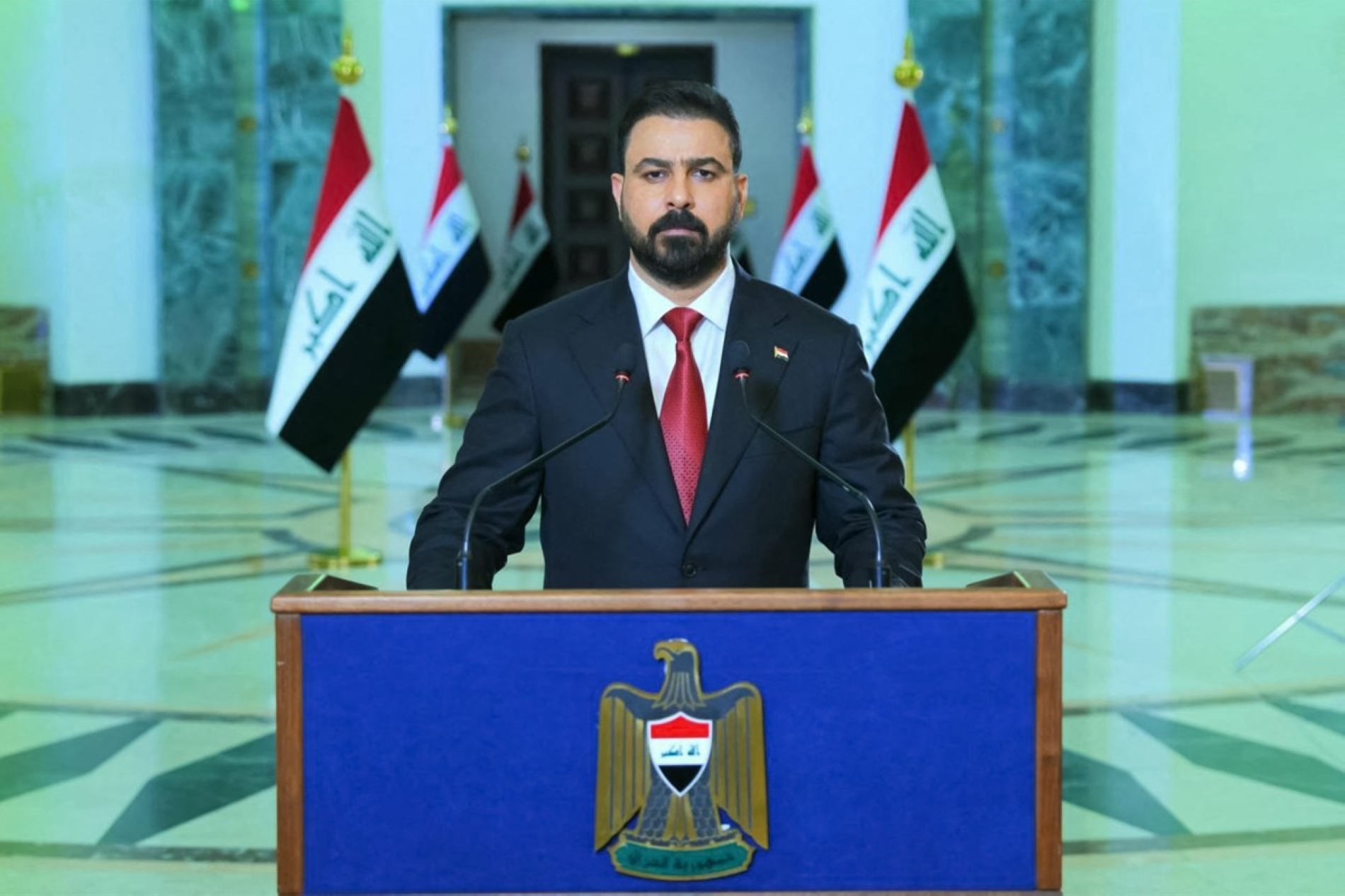
Iraqi Prime Minister Ali al-Zaidi delivers a speech immediately after being sworn in as head of government, Baghdad, on 16 May 2026.

“It may help at the personal and rhetorical level because both men likely understand deal-making and transactional politics, even though al-Zaidi is considered inexperienced in politics among Iraqi circles,” said Freddy Khoueiry, a Middle East and North Africa global security analyst at business risk consultant RANE.

“However, shared business backgrounds will not remove the structural problems in the relationship between the US and Iraq,” he said, speaking to Al Majalla. “Theoretically, their common backgrounds could make communication easier, but this won’t guarantee strategic alignment.”
Shared business backgrounds will not remove the structural problems in the relationship between the US and Iraq

Freddy Khoueiry, analyst at RANE

Al-Zaidi will have to balance relations with the United States, the world's largest economy, and Iran. Most agree that Iraq simply cannot afford to sever ties with the Islamic Republic. Herein lies the delicacy, given that Iran-backed militias in Iraq have targeted American and Israeli interests. Al-Zaidi has already rejected the use of Iraqi land and airspace for attacks against countries in the region, while condemning the attacks on the United Arab Emirates and Saudi Arabia launched from Iraq.

Khoueiry said: "Al-Zaidi will probably offer the US limited steps or ideas on how to deal with hardline Iran-backed militias, or banking compliance, while simultaneously reassuring Iran and allied factions that Baghdad is not joining a US-led campaign against Tehran. This balancing act will be difficult because both Washington and Tehran are likely to interpret partial moves as insufficient, particularly as both sides harden their positions amid the regional tensions. Iraq cannot afford a sudden break with Iran because it still relies on Iranian gas, electricity, trade, and cross-border economic networks, and because Iran has significant political and militia leverage inside Iraq."

AFP
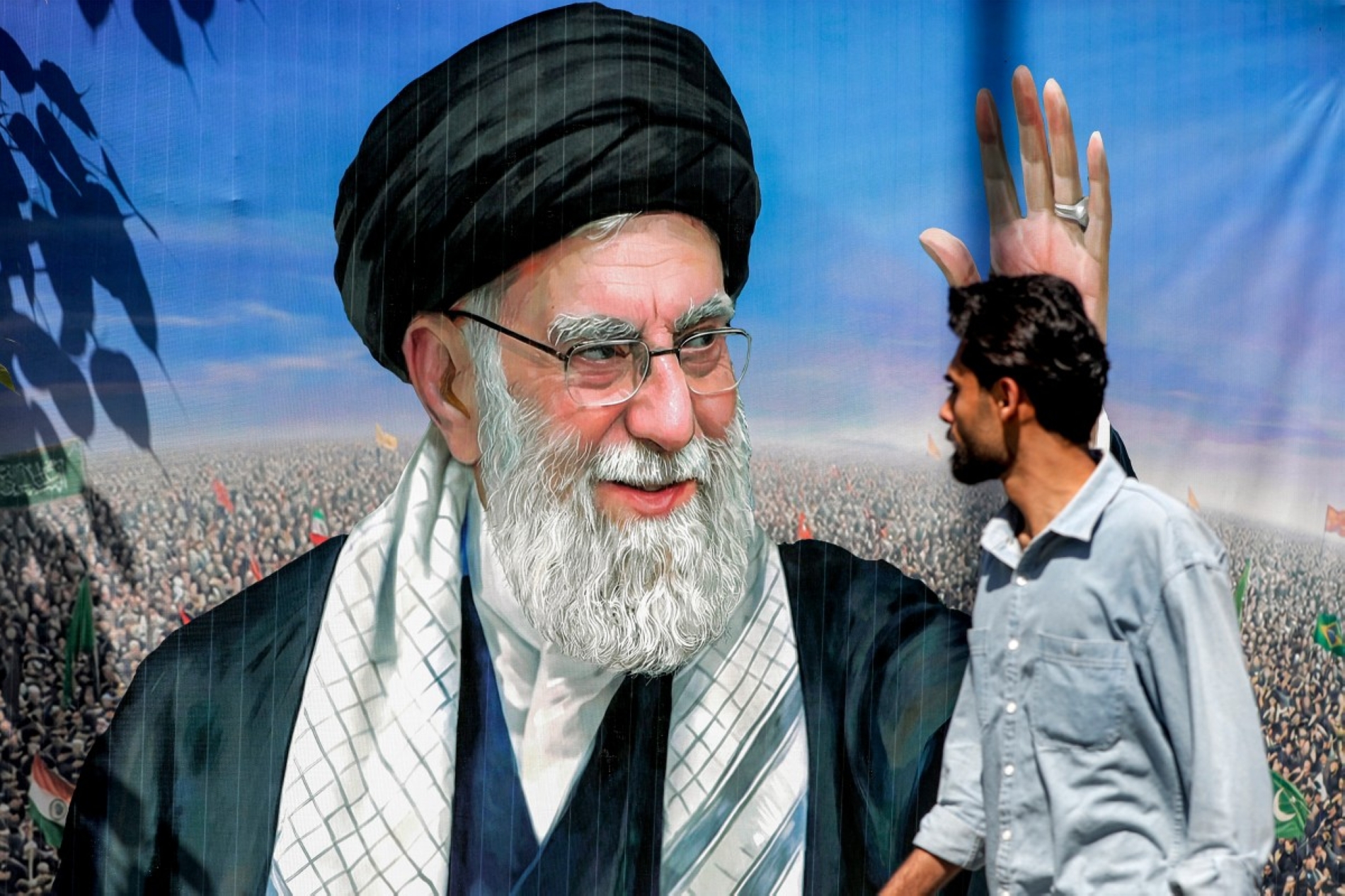
A man walks past a banner bearing the image of Ali Khamenei, the late Iranian Supreme Leader who was assassinated on 28 February in a US-Israeli airstrike on Tehran, displayed in Tahrir Square in central Baghdad on 9 March 2026.

Conditional cooperation

Washington retains influence over dollar access, sanctions, and banking, as well as the energy agreements that Iraq needs. "The most likely path for Baghdad is gradual diversification away from Iran in energy and finance, not a complete and sudden economic rupture," said Khoueiry. "The relationship could eventually produce deals if al-Zaidi takes some measures to curb militia influence, but it will remain vulnerable to sanctions pressure, militia attacks, and Iraq's relations with Iran."

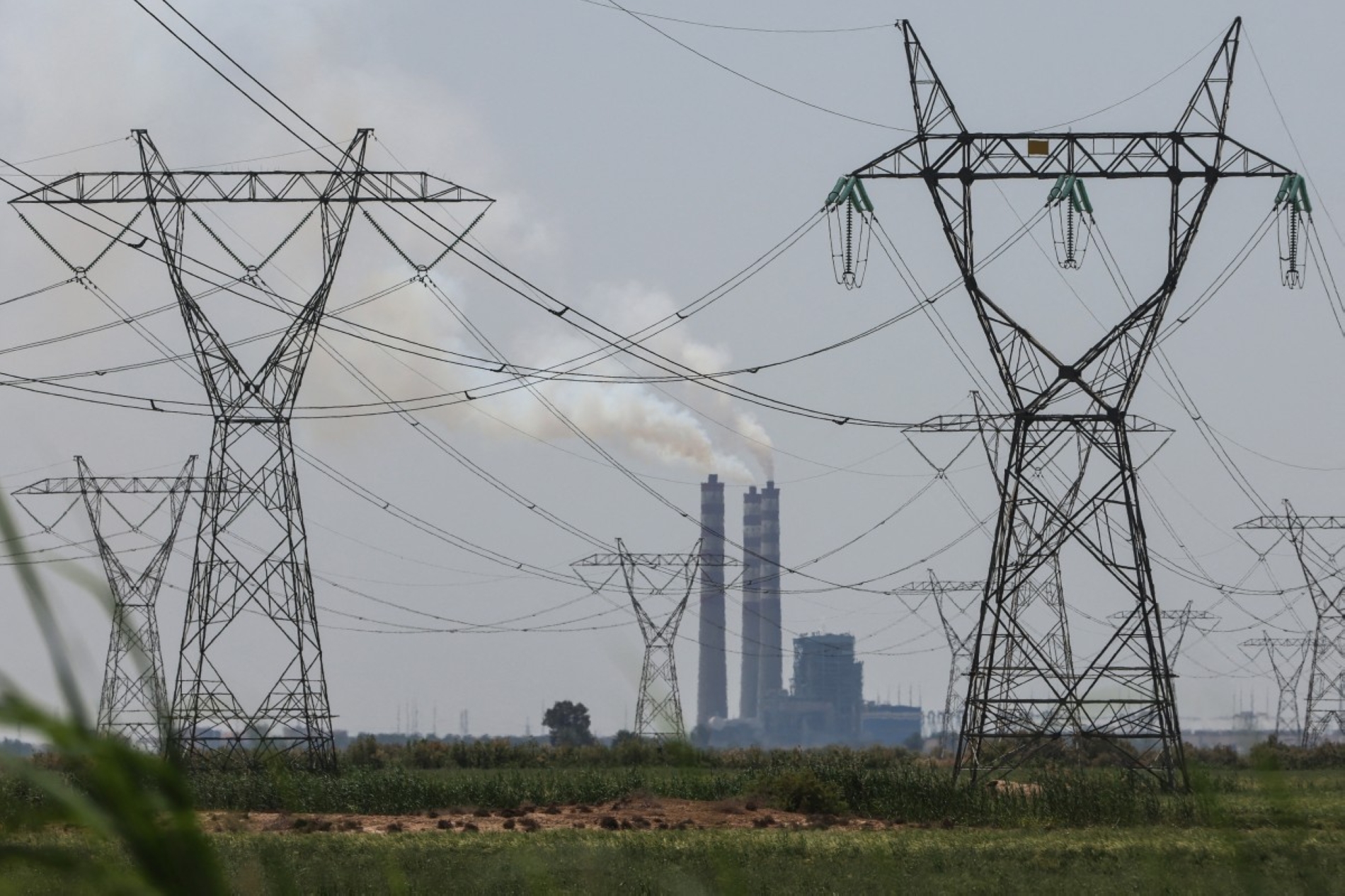
Apart from political gains and the development of oil infrastructure, Iraq needs US investment to expand its electricity generation capacity to bridge a massive power deficit—around half of its peak demand of 55 gigawatts (GW) during summer. Last year, Iraq signed a memorandum of understanding with GE Vernova and UGT Renewables, which the government touted as the "largest and most modern" in its history. The 27GW project, which the US government valued at billions of dollars, would comprise power-generating plants using natural gas, other types of fuels, and renewable sources, with the aim of reducing Iraq's reliance on gas amid chronic shortages.

Iraq normally depends on Iran for gas imports to meet more than 40% of its power needs, but supply has been disrupted owing to the US-Israeli war against Iran that began on 28 February, as well as the ongoing US sanctions against Tehran. Mounting pressure on Baghdad's budget, as well as soaring energy prices due to the closure of the Strait of Hormuz, has left Baghdad short of the gas imports it needs for electricity, since more than half of its power plants run on gas.

AHMAD AL-RUBAYE / AFP
A photograph shows the Al-Zubaidiya power station near the city of Kut in southern Iraq on 14 April 2026.

Appetite for reform

Raising electricity prices is seen as essential to addressing Iraq's electricity crisis, but it would be an unpopular first step for al-Zaidi. "Iraq's electricity crisis is a crisis of pricing," said Jim Krane, energy research fellow at Rice University's Baker Institute in Houston. "The government-owned utility has no incentive to produce more electricity, because it loses more money for every additional kilowatt-hour it generates." 

Speaking to Al Majalla, Krane said, "If al-Zaidi wants to solve this crisis, he will have to start the process of pricing reform," adding: "Eventually, his goal should be to raise electricity prices to cost-reflective levels. Doing so will encourage more investment in the power sector and incentivise more conservation on the consumption side."

Oil Minister Basim Muhammad Khudhair said Iraq aims to increase its gas output by maximising production from its fields to achieve self-sufficiency by 2030, a goal that would involve US energy firms. Al-Zaidi's pick as oil minister, Khudhair spared no time in talking to American companies like ExxonMobil, Chevron and Halliburton.

Iraq's oil exports have been hit by the closure of the Strait of Hormuz, plunging by around 90%. High oil prices have helped, but do not counterbalance the impact. Nearly 90% of Iraq's budget relies on oil revenues. "Baghdad will likely seek investment structures that reduce upfront state spending, including production-sharing incentives, service contracts, US financing support, and deals focused on power generation," said Khoueiry. When al-Zaidi meets Trump, there will be much to discuss. 

font change