Ali Zaidi: Iraq's stopgap prime minister-designate?

Some see his nomination as a bid to buy time until the US-Iran war outcome becomes clearer, which could very well shift political calculations in Iraq

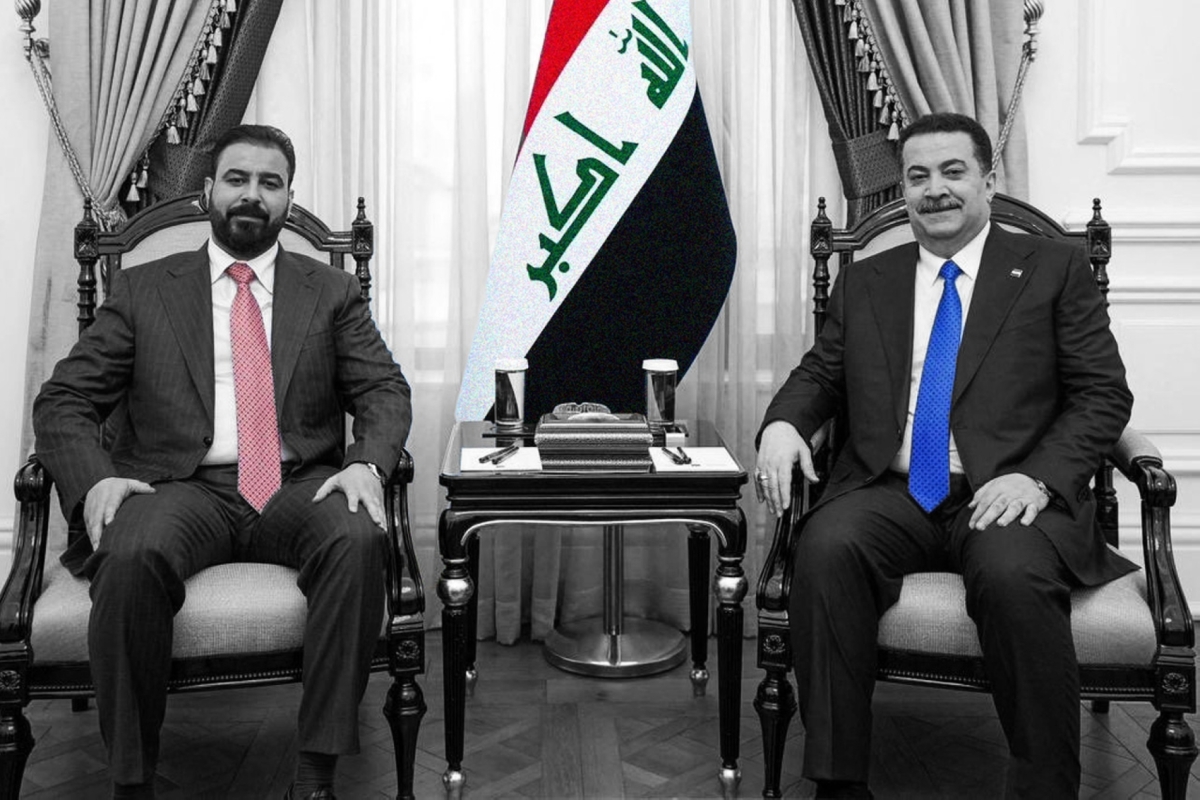
Outgoing Iraqi Prime Minister Mohammed Shia al-Sudani and Prime Minister-designate Ali Zaidi at the Government Palace in Baghdad on 27 April 2026.
Reuters
Outgoing Iraqi Prime Minister Mohammed Shia al-Sudani and Prime Minister-designate Ali Zaidi at the Government Palace in Baghdad on 27 April 2026.

Ali Zaidi: Iraq's stopgap prime minister-designate?

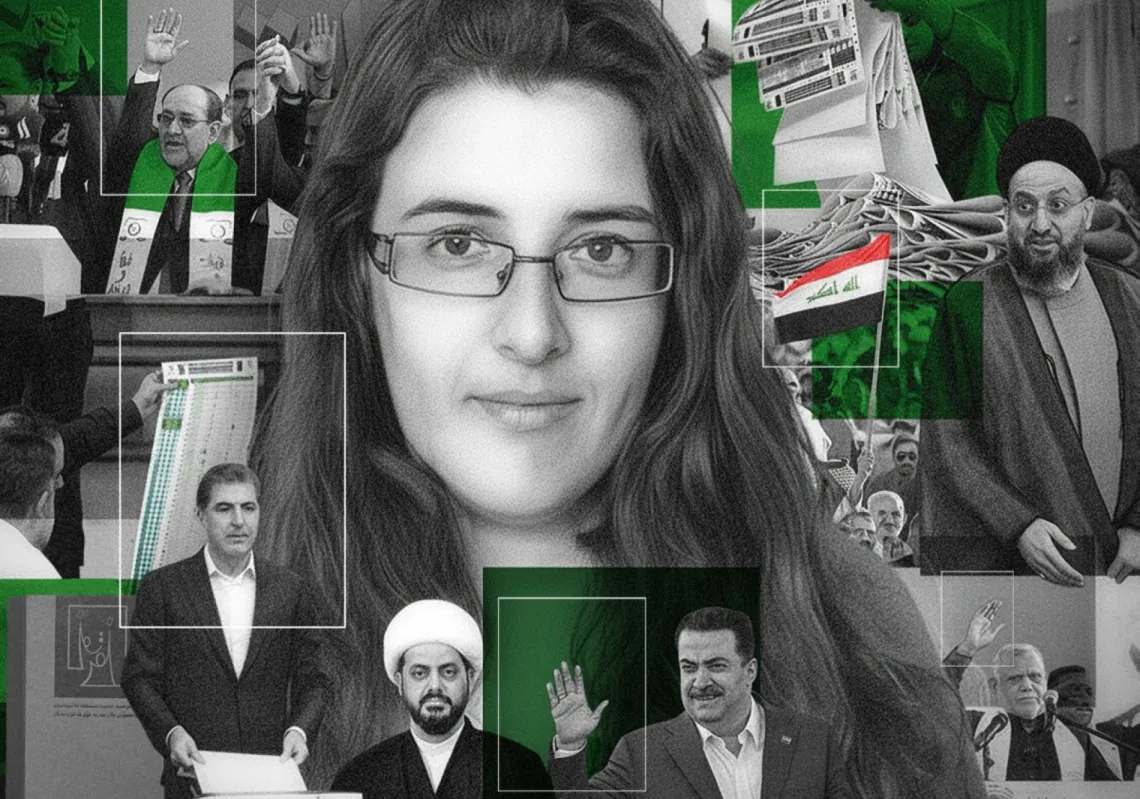
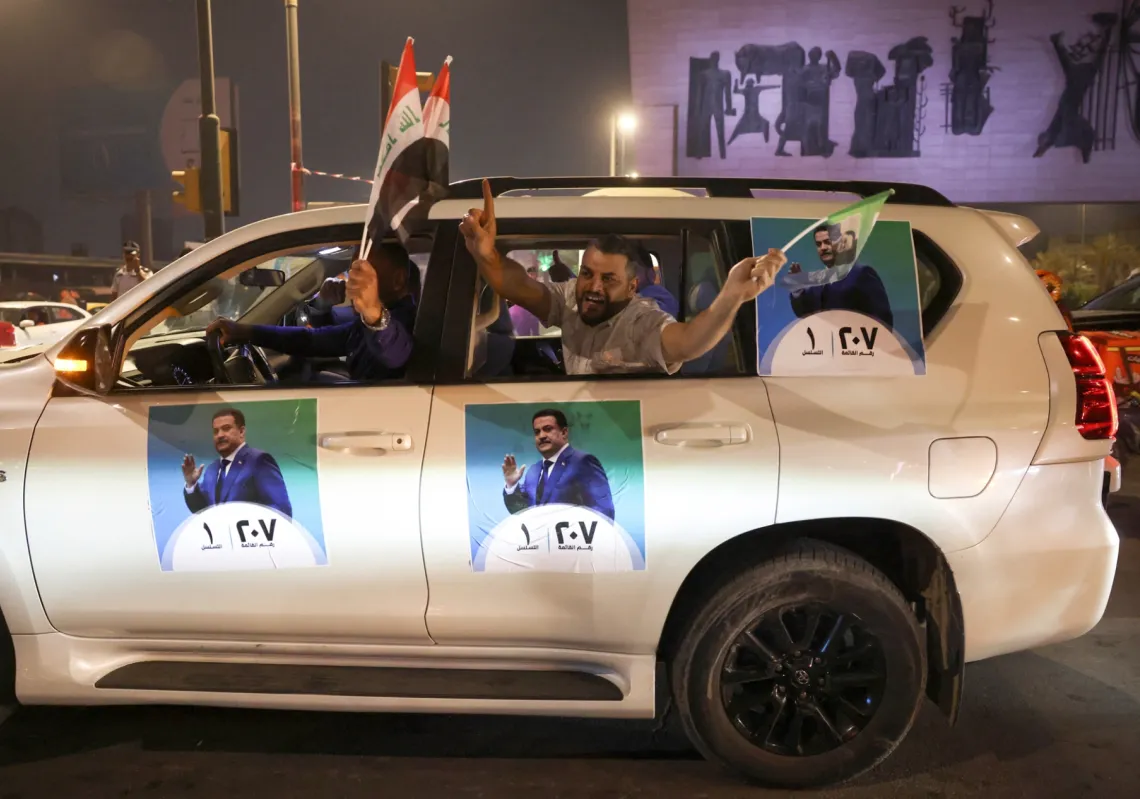
Defying months of speculation over who would lead Iraq’s next government, the Coordination Framework, the country’s largest Shiite alliance, named billionaire businessman Ali Zaidi as prime minister-designate last week. And while his nomination may have surprised observers—and even some politicians—the real surprise came when former prime minister Nouri al-Maliki stepped aside after previously emerging as the Coordination Framework’s preferred candidate, following the US's opposition to his candidacy.

It is also worth noting that despite his coalition winning the largest share of seats in the most recent elections, Prime Minister Mohammed Shia al-Sudani withdrew from his bid for a second term.

The nomination of a figure outside the leadership of Iraq’s largest parliamentary bloc is not without precedent. Following the 2018 elections, Shiite political forces chose Adel Abdul-Mahdi, who had all but withdrawn from public life and hadn't contested the vote. A similar compromise occurred with the nomination of Mustafa al-Kadhimi after the crisis triggered by the October 2019 protests. Yet both men operated within the parameters of Iraq’s post-2003 political order.

Zaidi, by contrast, did not contest the elections and has no recorded history of political activity. He comes instead from the world of finance and economics, with a biography that states he “possesses a diverse store of legal, financial and executive experience”. His most visible role has been in the “management of economic, educational and medical institutions”.
AFP
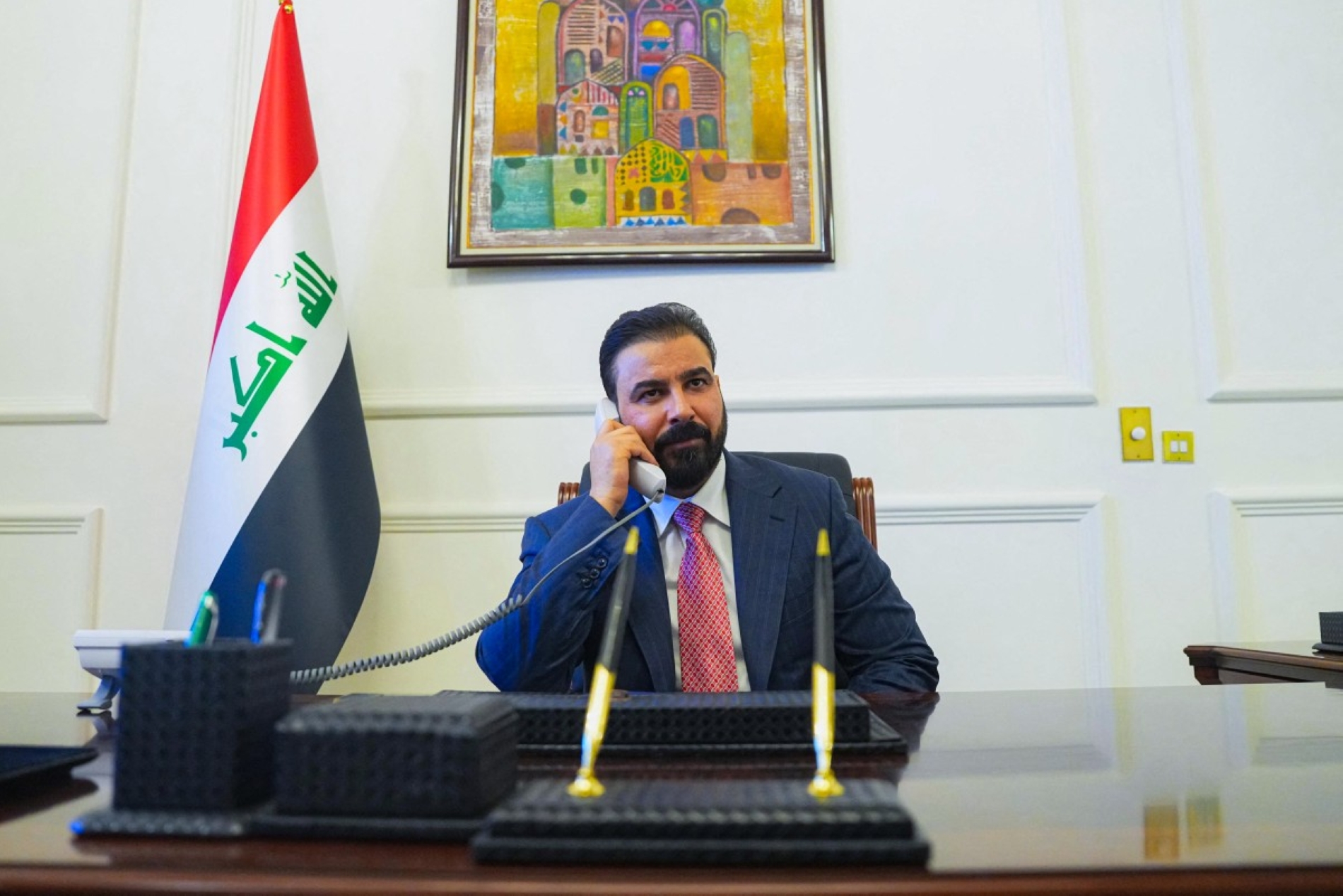
Prime Minister-designate Ali Zaidi in his office in Baghdad, on 28 April 2026.

Young and connected

In his early forties, Zaidi chairs the National Holding Company, which oversees a portfolio of companies across multiple sectors, and has investments in private educational institutions. He also maintains investment partnerships with state bodies, including the ministries of trade and defence.

Such relationships can facilitate access to political actors in an economy that seeks to combine the free market with a legislative and legal structure inherited from socialism. Most economic and investment activity, therefore, is formulated through the partnership of money and politics.
Zaidi chairs the National Holding Company, which oversees a portfolio of companies across multiple sectors

The game of politics in Iraq is extremely complex. The overlap between politics, money, and arms has produced a governing system whose central function is to convert political influence into control over state resources and the wider economy. For political actors, the criterion for selecting the figure who will occupy the state's highest executive office is the candidate's ability to manage the tangled web of interests linking economics, politics, and arms.

US ultimatum

The nomination of Zaidi comes at an increasingly fraught moment in US-Iraq relations and coincided with the leaking of a letter by Joshua Harris, the US chargé d'affaires in Baghdad, reportedly stating that Iraq "must choose whether to be a partner or an adversary of the United States". 

Reuters
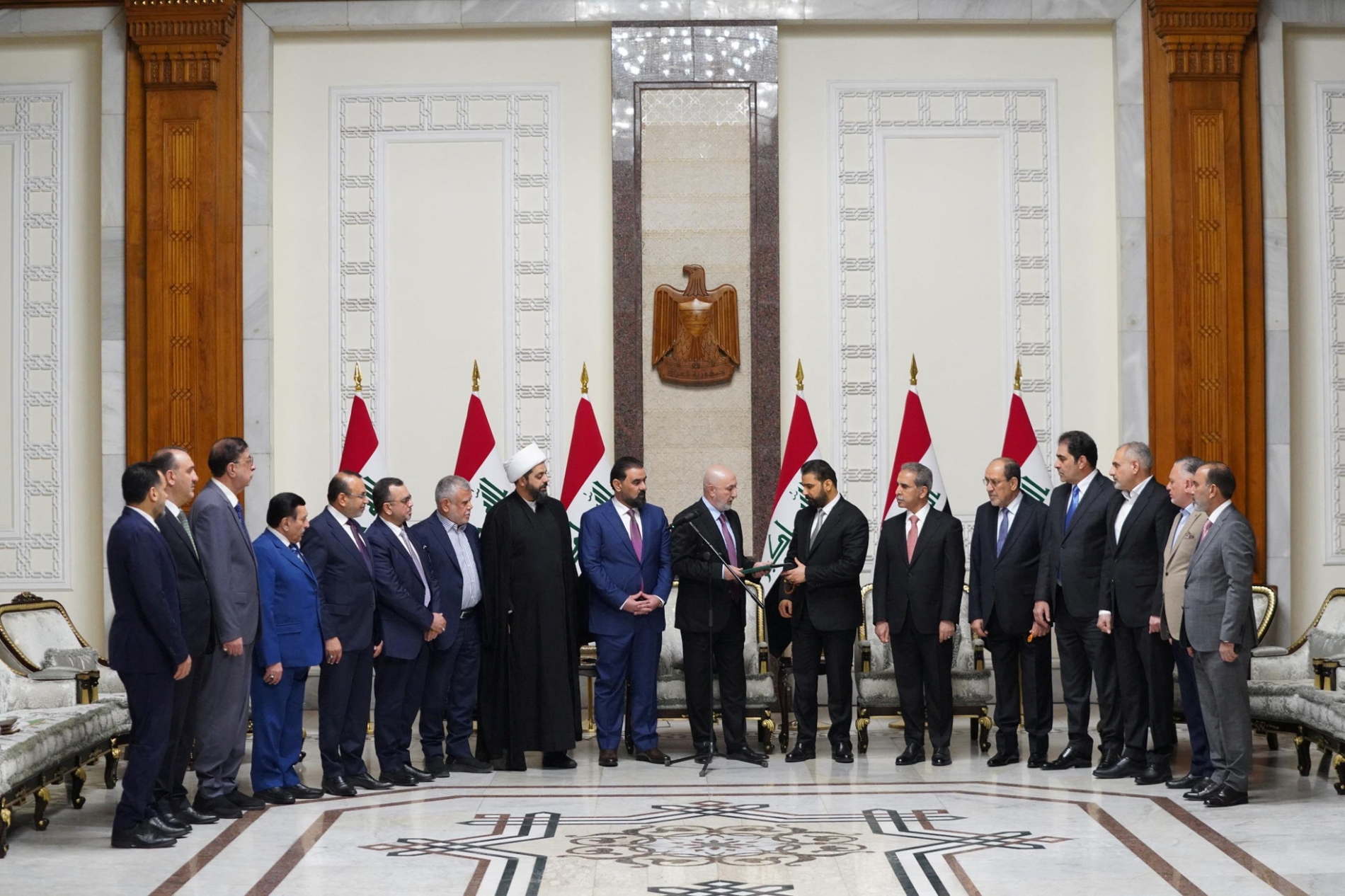
Iraqi President Nizar Emadi and Prime Minister-designate Ali Zaidi stand with political figures during the ceremony in which Zaidi was tasked with forming a new government, in Baghdad, Iraq, on 27 April 2026.

The message reportedly conveyed by the US chargé d'affaires stipulates that no political force with an armed faction should take part in the next government, whether through its own political figures or through technocratic ministers, and that Washington will not deal with any government that includes such forces.

Against this backdrop, some see Zaidi's nomination as a stopgap measure for the Coordination Framework to buy time and to demonstrate formal adherence to constitutional deadlines. A lot could happen in the US-Iran war in a month's time, which could very well shift political calculations in Iraq.

An uphill battle

Whoever ends up being the premier will definitely have their work cut out for them. Demands to address poverty, combat corruption, and raise living standards seem like too much to ask in the current bleak climate. Hopes have narrowed to limiting the scope of the current chaos the country is experiencing.

Washington will no longer accept Iraq as a strategic partner to both the US and Iran

The foreign policy files awaiting the next government are even more complex. The failure of al-Sudani's government to prevent Iraq from being used by Iranian-aligned factions to target the US and Israel, combined with the accusations of Gulf states that armed factions have targeted their economic and sovereign assets, means that any attempt to reset regional relations will require sustained policies to rebuild trust between Iraq and the Gulf states.

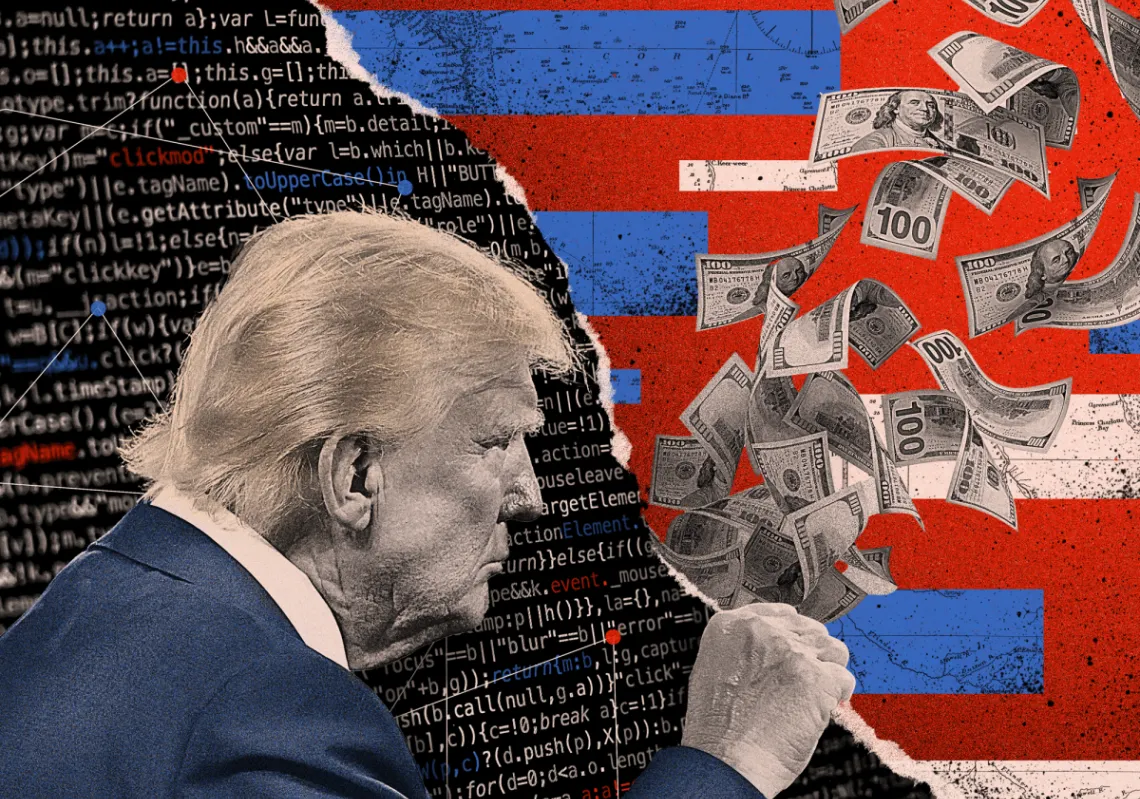
As for Iraq's relationship with the US, the ambiguity of friend and adversary is no longer acceptable to the Trump administration. It wants Iraq, once and for all, to keep Iran at arm's length and stop supporting pro-Iranian militias in the country. One may be a friend of Tehran and a strategic partner of the US, but Washington will no longer accept Iraq being a strategic partner to both.

font change