
Less than two years into his second presidency, US President Donald Trump continues to undermine entrenched political norms, challenge established institutional rules and redefine America’s external relations with boldness and speed. Moreover, he has redefined the country’s relationship with the outside world according to his own personal understanding of both America and the rest, ignoring the state’s accumulated historical, political, legal, and customary traditions.
The list of the president’s shocks is long and growing, from demanding the annexation of Canada as America’s 51st state and the incorporation of Danish Greenland into the United States, to the suggested mass displacement of two million Palestinians from Gaza to turn it into a coastal “riviera” for foreign tourists. Along the way, he has berated Europe, America’s historic and loyal ally, on the grounds that it relies on the US.
Fortunately, most have not become political or institutional realities, but Trump has nevertheless succeeded elsewhere, such as by disrupting longstanding American traditions governing relations with foreign heads of state and civilian officials. For decades, it adhered to the principle that heads of state enjoyed immunity from arrest and targeting, despite no explicit legal provision in US law to that effect.
Norms and customs
The United States followed established international legal custom shielding heads of state and officials from arrest or prosecution before national courts while in office. The exception involved international arrest warrants issued by specialised international courts in cases involving war crimes such as genocide and crimes against humanity. Examples include the 1999 arrest warrant against former Serbian president Slobodan Milošević issued by the International Criminal Tribunal.
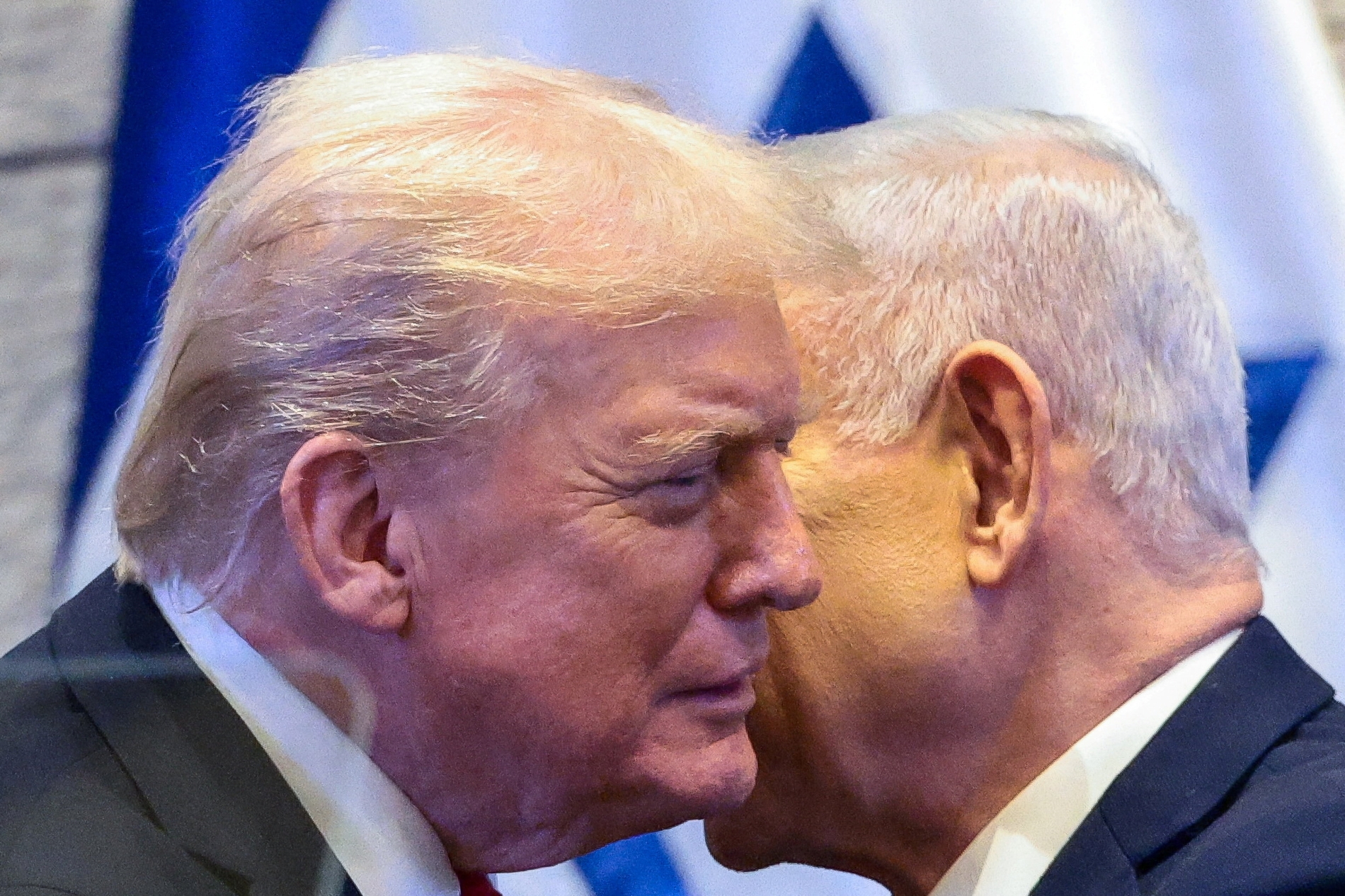
A broadly similar case applies to Israeli Prime Minister Benjamin Netanyahu, against whom the International Criminal Court issued an arrest warrant in 2024 over accusations of committing war crimes in Gaza, a move strongly opposed by the US. The warrant rested on a different legal basis linked to the Rome Statute, the international treaty concluded in 1998 and entering into force in 2002.
The statute, signed by more than 60 countries—though not by Israel or the US—stipulates that the traditional immunity granted to heads of state and other officials does not shield them from prosecution before the court if accused of committing war crimes. On this basis, the court issued an arrest warrant in 2009 against former Sudanese president Omar al-Bashir over atrocities committed in Darfur, and another in 2023 against Russian President Vladimir Putin over his alleged involvement in the forcible transfer of Ukrainian children into Russia during the Russia-Ukraine war.
Legal arguments
During Trump’s second term, the US administration breached this custom through its arrest of Venezuelan President Nicolás Maduro in a legally questionable military operation that contradicted established international practice. The administration argued that the US did not recognise Maduro as Venezuela’s president given the credible accusations of vote rigging in the 2018 Venezuelan elections, and that US prosecutors had filed federal narcotics-trafficking charges against him.
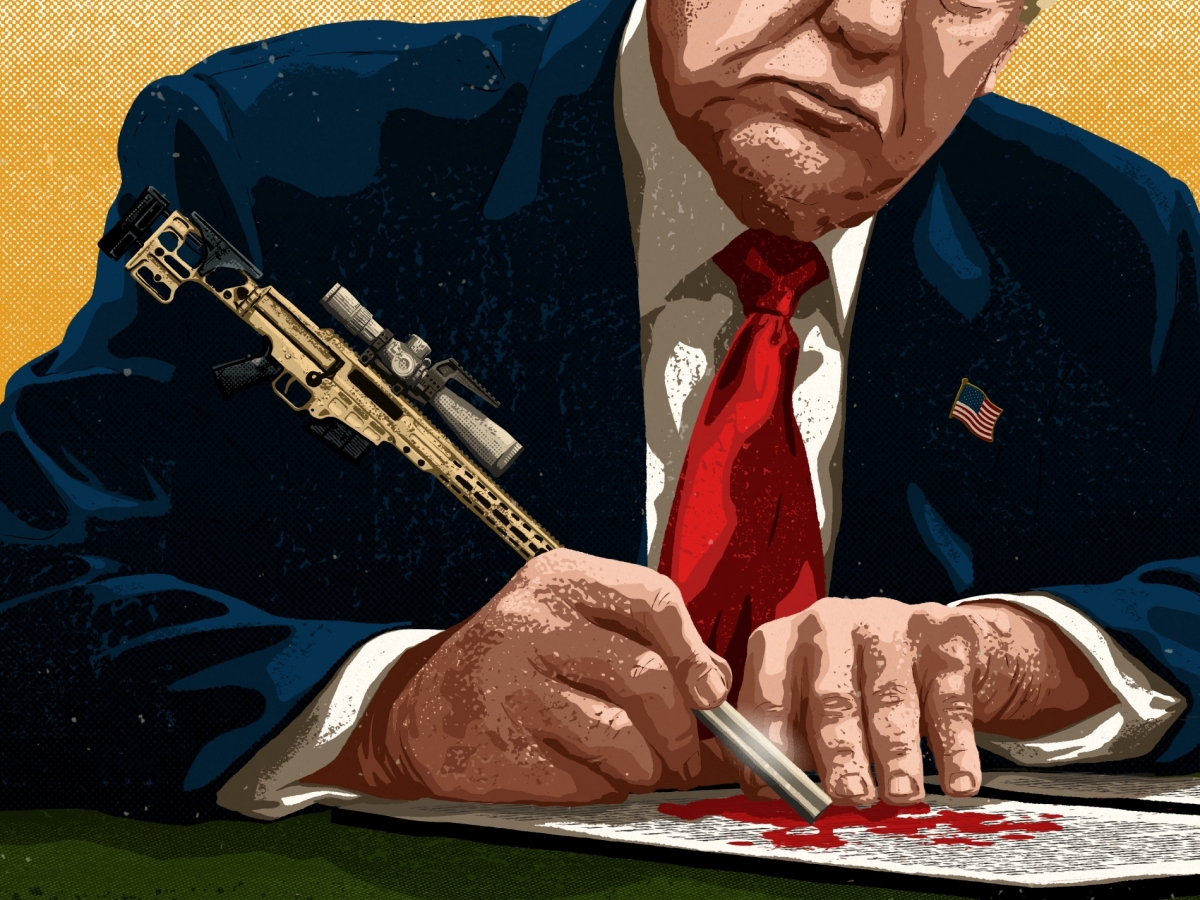
Unlike the arrest of foreign leaders, which remains legally contentious, there is far less ambiguity regarding the prohibition on assassinating foreign leaders, officials or even ordinary individuals. Laws governing successive US administrations since the 1970s are clear, with presidential executive orders prohibiting US involvement in assassinations.
In this respect, the current Trump administration appears to be overriding an important American legal and institutional tradition through the alleged assassinations carried out during its ongoing war against Iran. Half a century ago, in February 1976, US President Gerald Ford issued Executive Order 11905, titled United States Foreign Intelligence Activities. Ford was trying to repair the damage caused by the preceding Nixon administration domestically and internationally, whether through the Vietnam War or the use of state institutions against political opponents.
The order included a crucial prohibition on political assassination, stating that “no employee of the United States Government shall engage in, or conspire to engage in, political assassination”. It came in response to the findings of a Congressional inquiry, established by the Senate in 1975 and led by Democratic Senator Frank Church, to investigate the conduct of federal agencies including the CIA, FBI and NSA.

The House of Representatives established a parallel inquiry known as the Pike Committee. Across its seven published volumes, based on numerous hearings, the Church Committee documented many abuses and atrocities committed by these agencies under successive administrations up to and including Nixon’s, among them attempts to assassinate Cuba’s Fidel Castro, Dominican Republic president Rafael Trujillo, Vietnamese leader Ngo Dinh Diem, and Patrice Lumumba in the Democratic Republic of the Congo.
Extending the ban
In 1978, President Jimmy Carter expanded the prohibition through Executive Order 12036, which banned all forms of assassination, not just political assassination. It specified that the ban also applied to non-Americans working with US government agencies. This remained in force under Executive Order 12333, signed by President Ronald Reagan in 1981.
Reagan’s order replaced Carter’s framework with a broader and more systematic structure for organising the work of US government agencies and improving intelligence coordination. It was designed in response to the long-term pressures of the Cold War at its height, rather than simply as a reaction to Congressional investigations.
Over time, Reagan’s order became central to the framework governing US intelligence work for decades, particularly in avoiding involvement in assassinations. That institutional tradition now appears to be in serious retreat under Trump following the alleged assassination of Iranian political leaders in 2025-26, including Supreme Leader Ali Khamenei, Secretary of Iran’s Supreme National Security Council Ali Larijani, Khamenei’s advisor Kamal Kharrazi, and others.