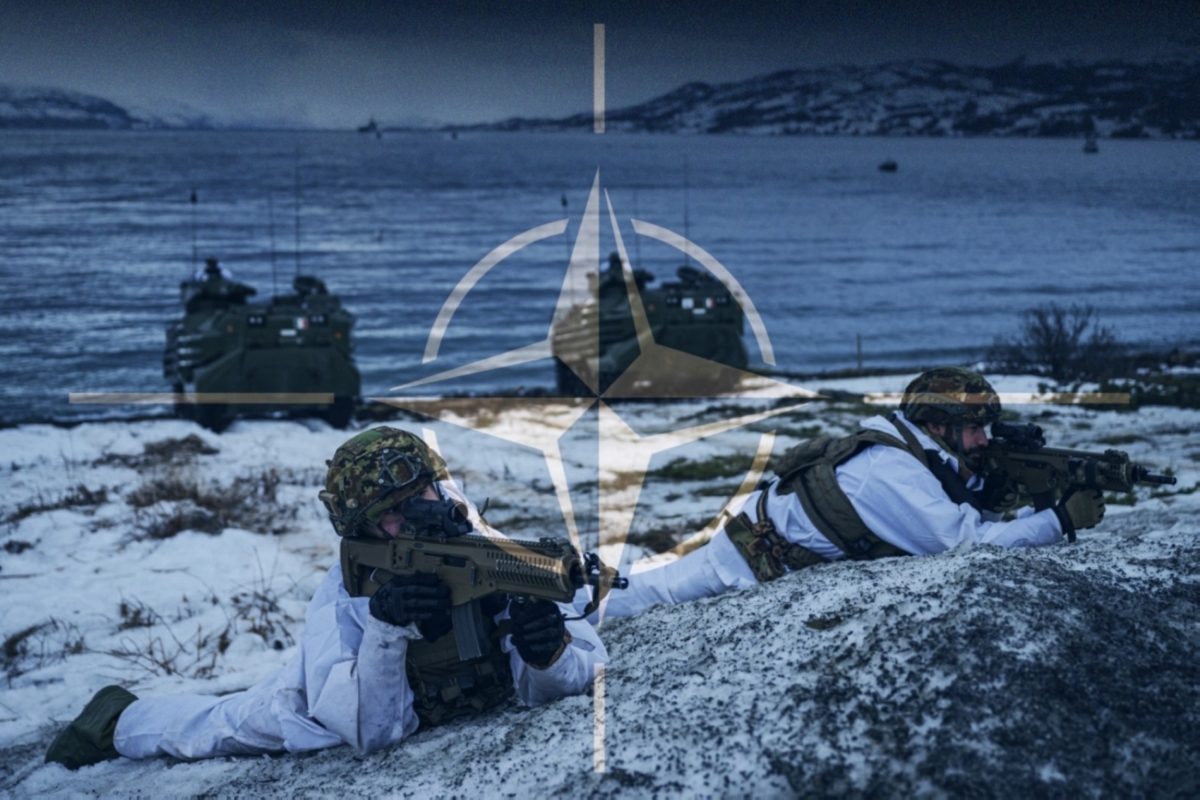

Soldiers of the “Black Jack” brigade ritually furled and packed their unit’s colours in Fort Hood, Texas, in early May, as the tank unit’s 4,000 troops prepared to deploy to Poland to help defend NATO against the Russian threat. “When an armoured brigade combat team deploys forward, it sends a clear and unmistakable signal,” said General Thomas Feltey, the division’s commander, at the ceremony. Less than two weeks later America sent the opposite signal: the deployment was scrapped. It was the second time this month that Donald Trump had announced cuts to America’s military presence in Europe, reflecting his anger at the lack of European support for his war in Iran. America is soon expected to announce a reduction in the forces it pledges in the event of an attack, Reuters reports.
Mr Trump has been casting doubt on his commitment to NATO and its Article 5 mutual-defence clause since the start of his second term. That has prompted a long-overdue increase in European defence spending. Yet in recent months he has gone further, announcing unexpected troop reductions and cancelling the deployment to Germany of a cruise-missile unit that was to plug an important gap in Europe’s defence. The rapid drawdown has upended Europeans’ assumption that they would have time to build up their own forces and replace vital American “enablers”, such as intelligence and surveillance assets. America’s huge expenditure of missiles in Iran is delaying shipments to European allies and Ukraine, as it restocks.
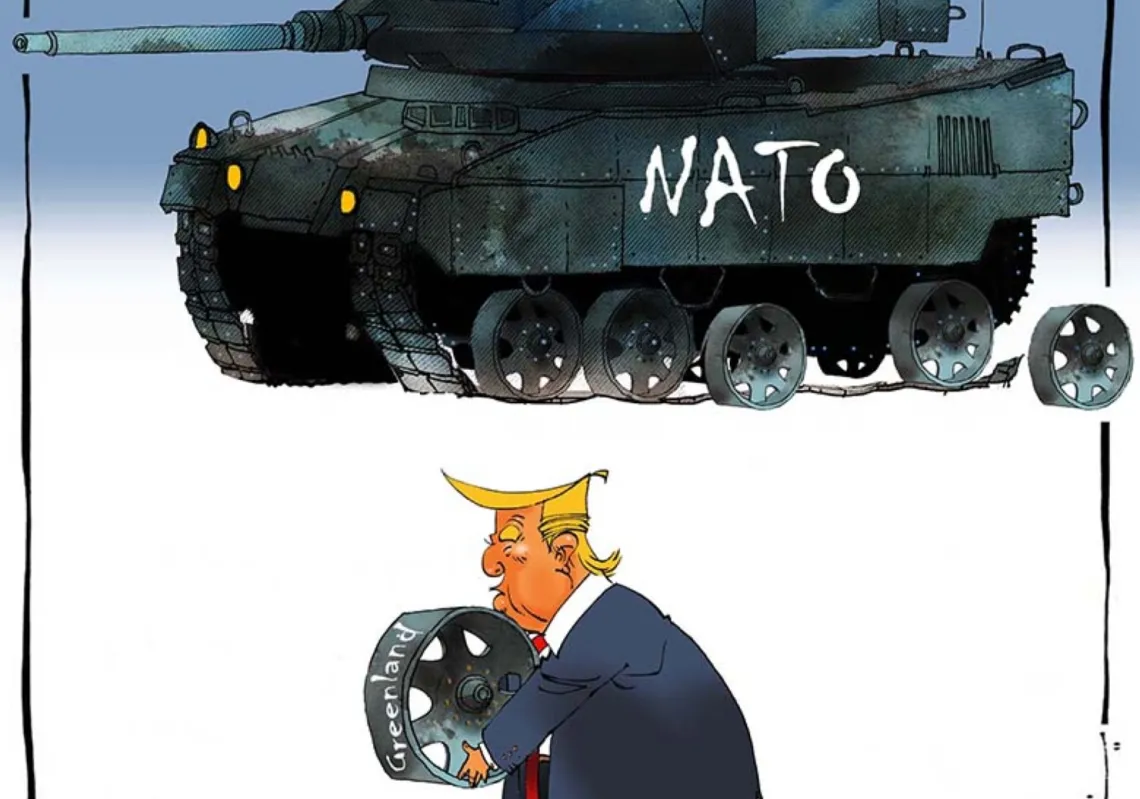
Some in NATO, shocked by Mr Trump’s threat in January to seize Greenland from Denmark, worry not only that America might sit out a war with Russia, but that it could actively thwart other members’ responses. The possibility is seen as remote. But interviews with senior officers and defence officials from several NATO countries reveal for the first time how seriously they take the risk. Some European armed forces are making secret plans to fight not just without America’s help, but without much of NATO’s command-and-control infrastructure. “The Greenland crisis was a wake-up call,” says a Swedish defence official. “We realised we need a Plan B.”
the record because of concerns that doing so could accelerate America’s departure. Mark Rutte, NATO’s secretary-general, “has literally banned talking about it because he believes it can add fuel to the fire”, says one insider. When Matti Pesu of the Finnish Institute of International Affairs (FIIA) co-authored a paper last year arguing for a Plan B, Finnish officials denied one would be considered. But the urgency of the threat has led several countries to start thinking about how, and under whose command, Europe would fight if NATO were to “malfunction”, as one official put it. “What chain of command can you use if America is blocking NATO?” asks another defence official.