
The French philosopher and political activist Simone Weil writes in a way that allows thought to unfold on the page. She writes to understand, and understands in order to write. In her short lines and fragments, ideas are tested, revised, and clarified rather than presented as fixed conclusions. Readers encounter a mind marked by honesty and precision, moving carefully towards meaning. Tone becomes part of the message, revealing the seriousness with which Weil approaches what she says and inviting readers into the process of thinking itself.
Now, eight decades after her death, several of Weil’s works, including What We Owe One Another, are returning to print amid renewed interest in her thought and writing. Weil, who died in 1943 at the age of 34, wrote of attention, obligation, suffering, work, uprooting, and moral seriousness, much of which still resonates in today’s distracted, unstable, hyper-mediated world. At a time of constant social media alerts, speed, and reaction, her fragments offer another rhythm: attention, patience, and thought unfolding slowly.
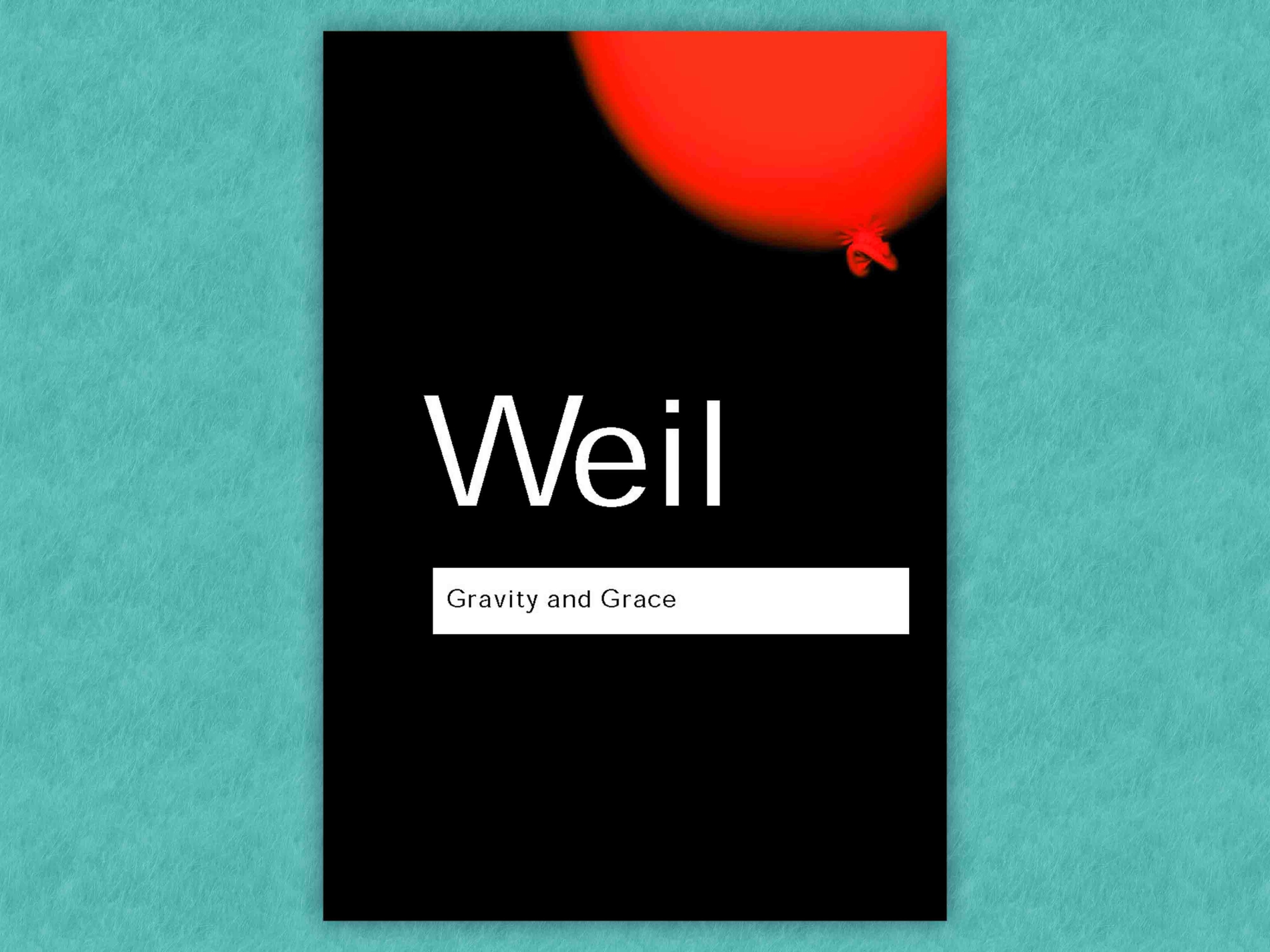
Born in Paris and also remembered as a mystic and political thinker, Weil’s fragments often emerged from notebooks and personal notes, many of which were published only after her death, when Gustave Thibon gathered her papers under the title Gravity and Grace (La Pesanteur et la grâce). This everyday origin shapes the style: the sentence moves lightly, yet lingers, grounded in a life marked by experience and commitment.
Weil lived between thought and action. She worked in a factory to understand the effects of harshness and wrote about injustice, uprooting, attention, and grace as ways of confronting suffering. For this reason, her writing retains a human warmth, bringing ideas closer to feeling and giving language the power to sharpen conscience and perception.
Sustained reflection
Weil moves between fleeting observation and sustained reflection. The fragment appears as a draft, preserving the immediacy of a thought while giving it enough shape to endure. In the introduction to Gravity and Grace, writing comes close to an act of translation, as the writer seeks to bring an inner truth into language. From this perspective, the draft acquires value in Weil’s work: it becomes a space of fidelity and precision, attentive to what the sentence is trying to say before embellishment or overstatement takes hold.
Connected to this is what Weil calls the “effort of expression”, in which the refined sentence disciplines thought through language. By removing excess, the writer moves closer to what they are trying to see and say, discovering that clarity requires courage and that precision is as much an ethical act as a stylistic one. In her work, revising a sentence also means revising perception. Error becomes part of learning, and revision, a form of respect—for reality, for the reader, and for the self.
This ethical dimension appears in fragments that condense large experiences into a few lines. In Gravity and Grace, Weil distils part of her thinking into the statement: “Grace alone makes possible what is exceptional.” Here, she suggests that humans tend towards habit and limitation, while grace opens another possibility. Writing about emptiness and the endurance it demands, she treats patience as a discipline that makes space for what matters. In the same work, she redefines love with striking economy: “Pure love is the acceptance of distance.” Love, in this sense, becomes inseparable from justice, freed from possession and grounded instead in respect and trust.
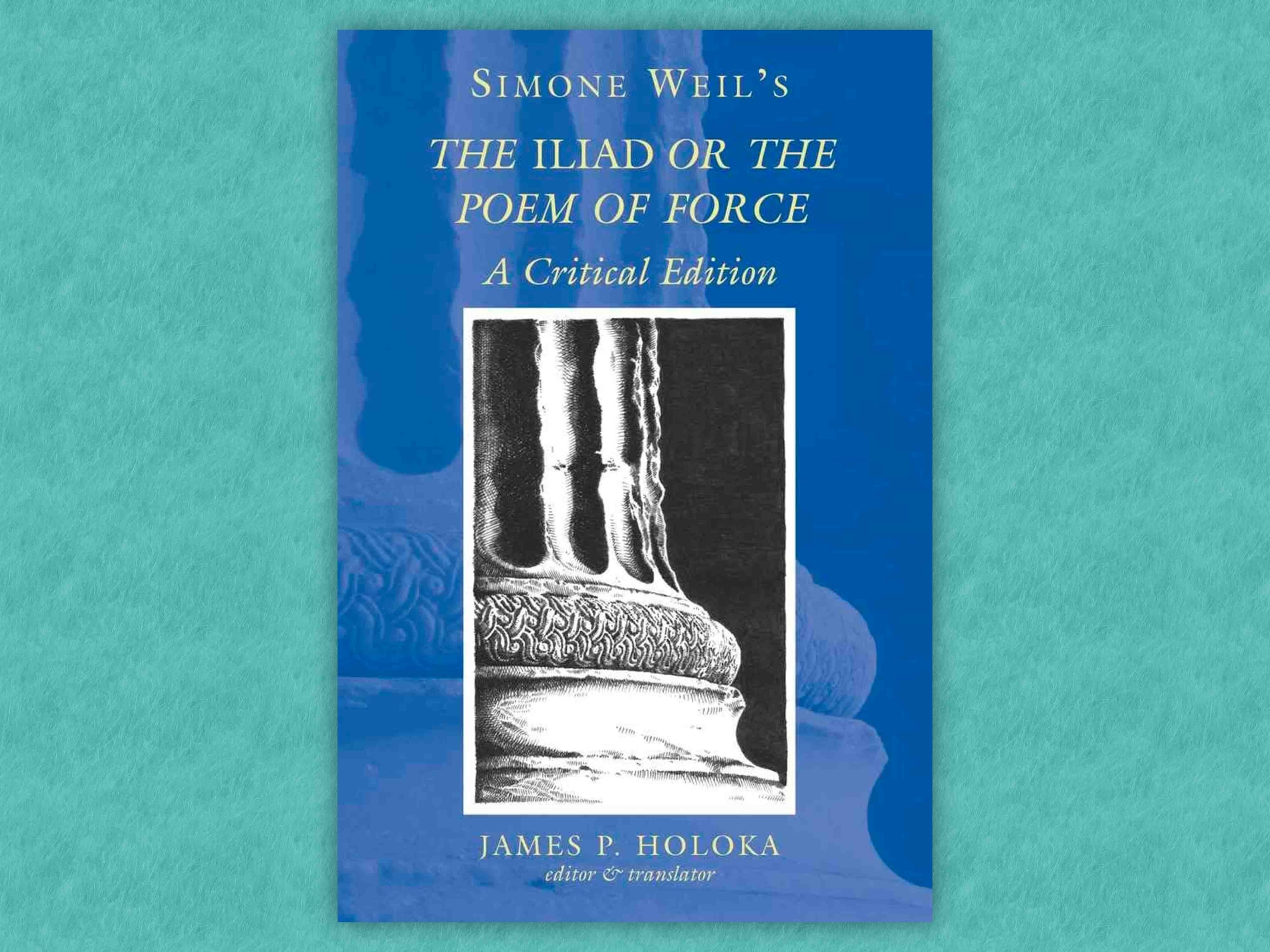
This human sensitivity extends into other texts by Weil. In The Iliad, or the Poem of Force (L’Iliade ou le Poème de la force), she describes force as the power to turn a human being into a thing. In doing so, she brings war closer to everyday experiences of cruelty, humiliation, and fear. In The Need for Roots (L’Enracinement), she gives existential weight to belonging in the statement: “Perhaps the need for roots is the most important and least recognised need of the human soul.” Here again, the fragment moves beyond passing observation, linking thought to questions of dignity, justice, and belonging.
Slow rhythm
The fragment suggests speed, yet Weil’s fragments create a slower rhythm, inviting the reader to pause because their meaning exceeds their size. In an age of signals, messages, and updates, this writing opens a space for stillness. Reading becomes a form of presence rather than the simple accumulation of information, and slowness a way of paying attention rather than a measure of time. For this reason, Weil’s sentences return to the mind after the page has been turned. They accompany the reader in moments of waiting, frustration, or human connection, extending their effect into everyday life.
This capacity becomes clear when Weil describes the world as a closed door at times and a passage at others. She evokes the image of two prisoners communicating through a wall, so that the barrier itself becomes the means of connection. The image suggests that obstacles can also create understanding, linking pain to meaning and opening everyday experience onto a broader horizon. In this way, Weil slows perception, encouraging readers to see familiar experiences differently. The wall becomes more than an obstacle: it invites reflection on what difficulty, distance, or waiting might reveal.
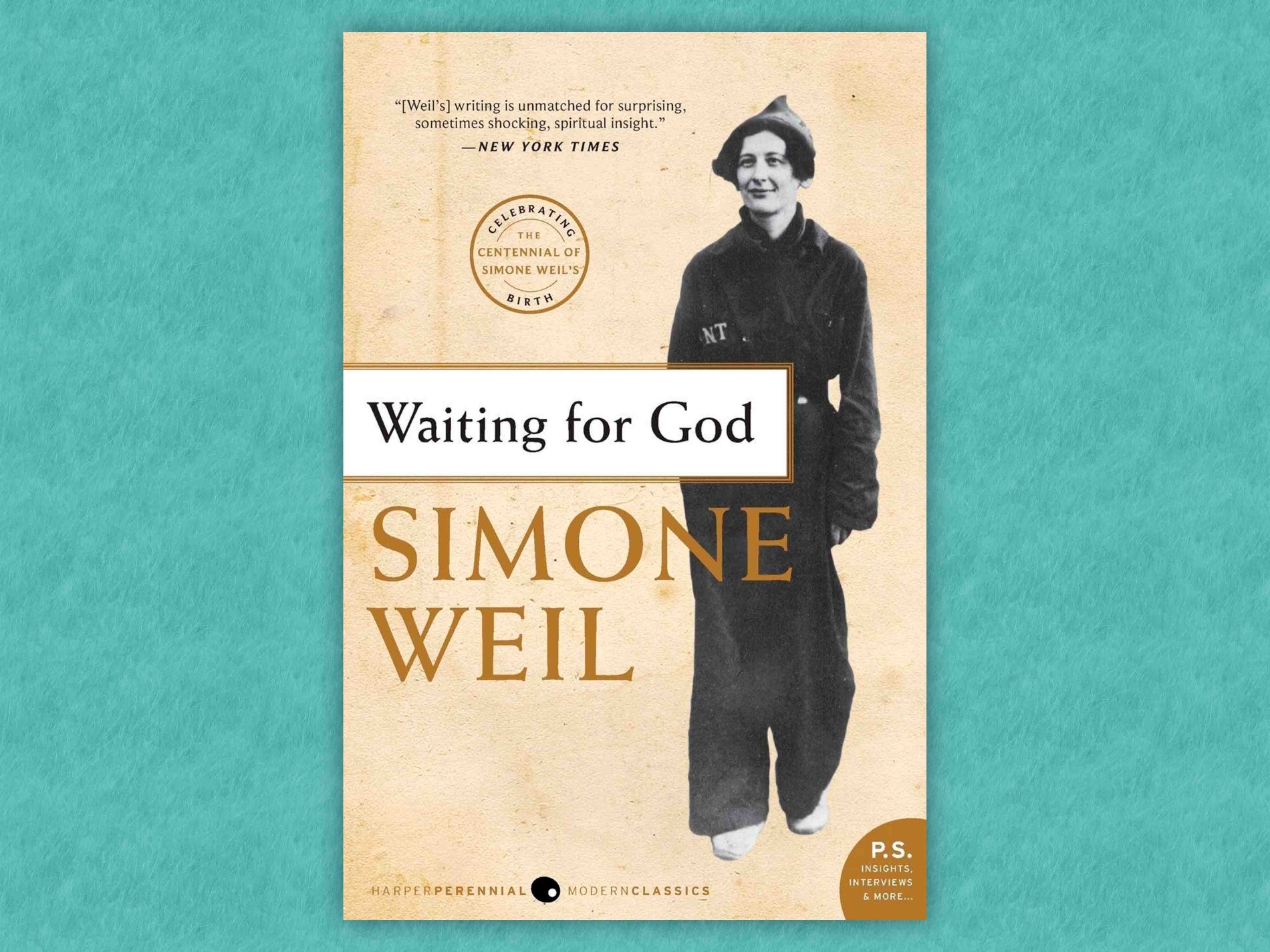
This slowness deepens when Weil turns to the meaning of attention. In Waiting for God (Attente de Dieu), she writes: “Attention, at its highest degree, is the same thing as prayer.” Here, attention becomes more than a habit of mind; it approaches a spiritual form of presence.