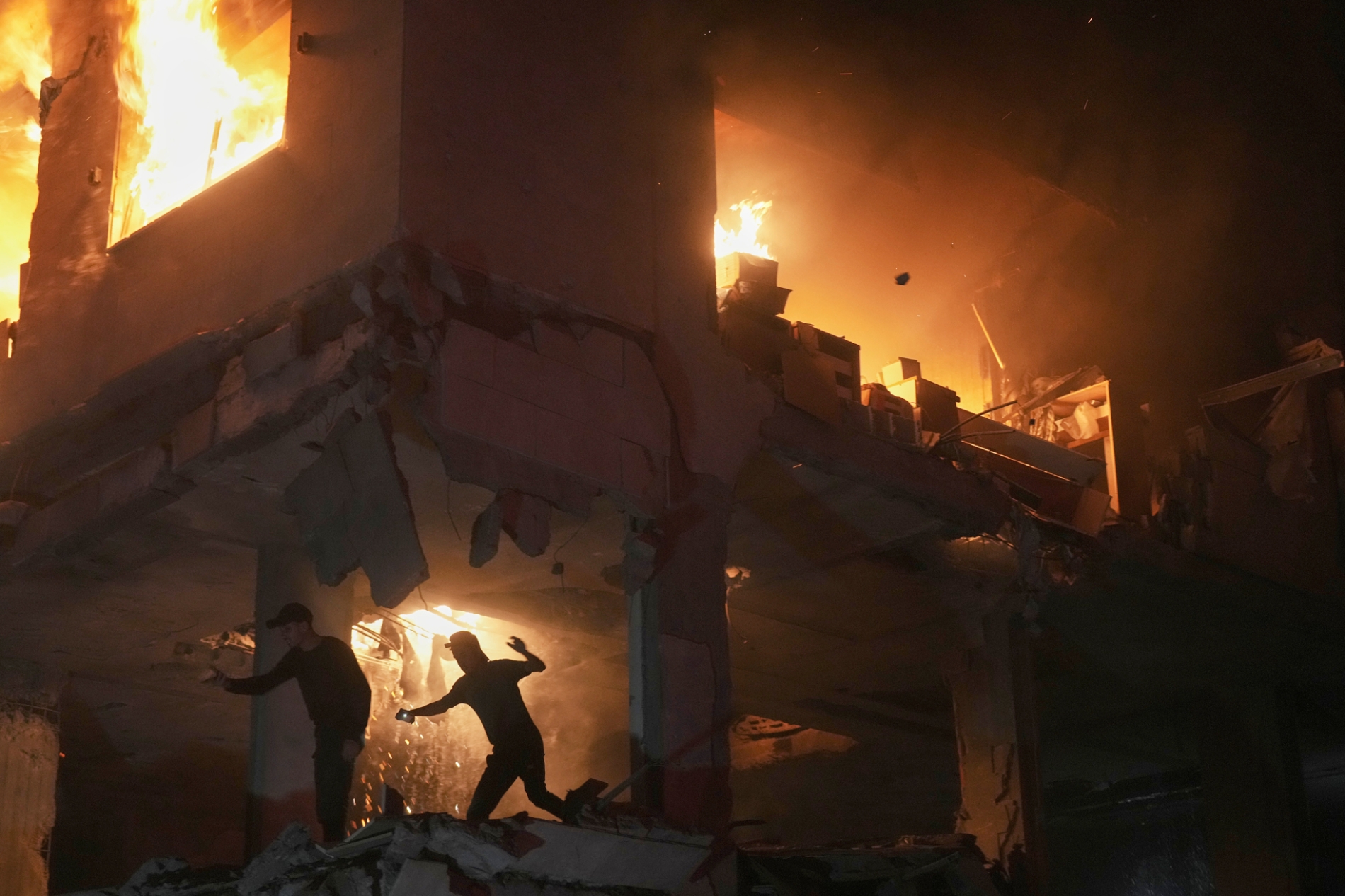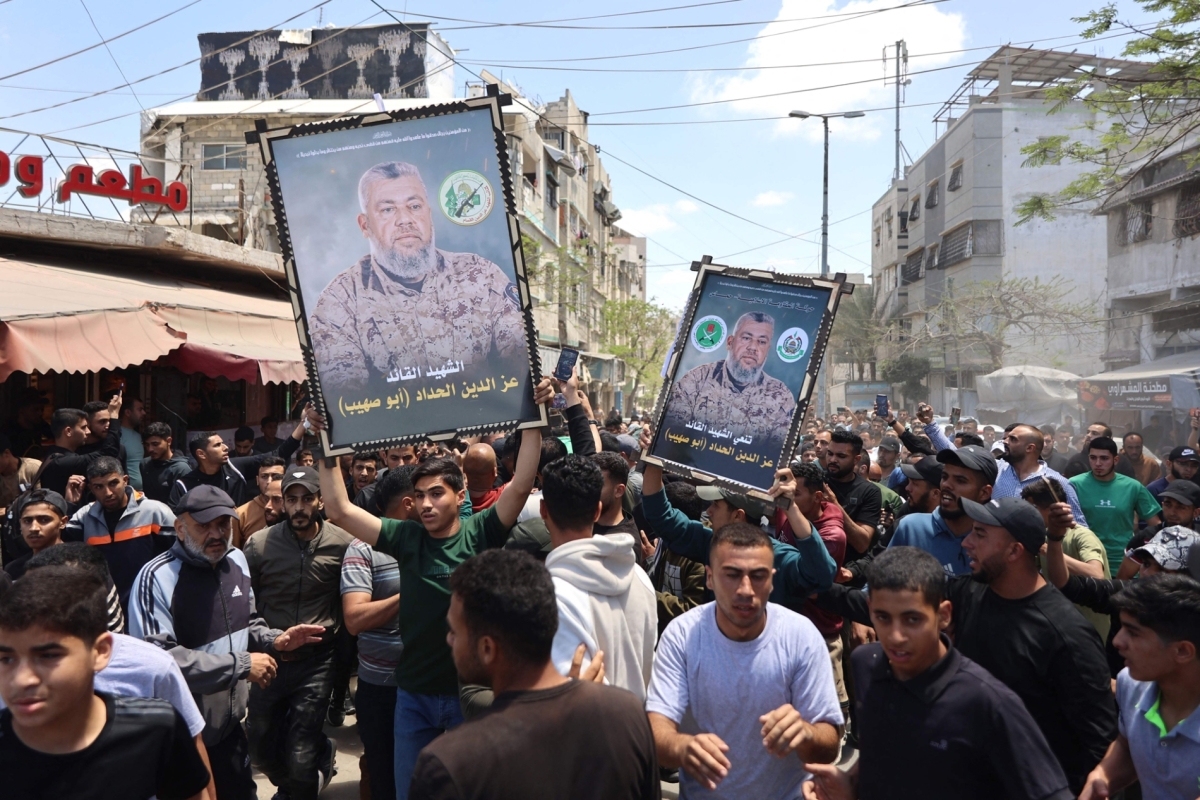

On the evening of 15 May, Israeli aircraft bombed a residential building in central Gaza City and a car that was driving away. It destroyed six apartments, killed at least eight people, and injured 45 others, according to Palestinian medical sources. Shortly after, Israel’s Defence Minister Israel Katz said the target had been Izz al-Din al-Haddad, the commander-in-chief of the Izz al-Din al-Qassam Brigades, Hamas’s military wing.
Al-Haddad was confirmed as having been killed alongside his wife and daughter. Katz accused him of planning the attack against southern Israel on October 7 2023, and of killing and detaining dozens of Israelis. He also said al-Haddad had refused to implement the agreement led by US President Donald Trump, particularly the clause requiring Hamas to be disarmed and for Gaza to be stripped of its weapons.
Al-Haddad’s killing has put Hamas’s disarmament back under the spotlight. Some think he was the main obstacle to disarmament, raising the prospect that the US-Israeli agreement could now pass. But, in killing him, has Israel really forced through its disarmament demand?
Since the start of the war, Israel has accused several Hamas military leaders of planning and carrying out the October 7 attacks and has moved to assassinate them one by one, announcing the killing of most members of the Qassam Brigades’ military council. But al-Haddad’s name continued to be cited, with Israel accusing him of refusing to release Israelis except through exchange deals.
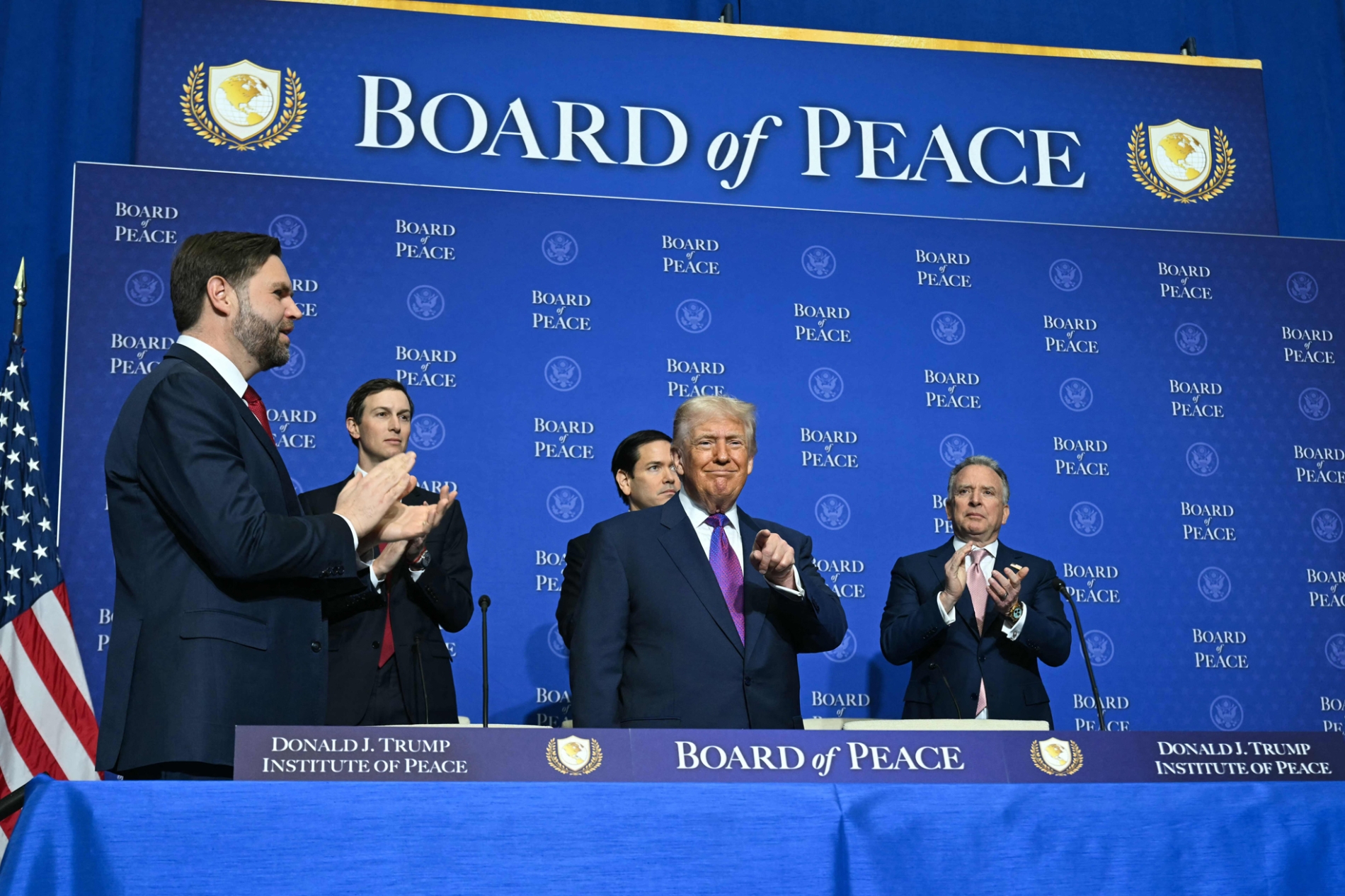
After a ceasefire in October 2025, Israel insisted that Hamas disarm. Hamas said it would only disarm if this coincided with the full withdrawal of the Israeli army, which still controls more than 60% of the Gaza Strip, an area of 365 square kilometres. Hamas also stipulated the entry of the national committee formed by the Board of Peace Council to take over governance in parallel with disarmament and the army’s withdrawal, to avoid a security vacuum in Gaza during implementation.
Staunch advocate for arms
The Board of Peace position has slowly taken shape through statements by Trump and the council’s director, Nikolay Mladenov, demanding that Hamas hand over its weapons and withdraw from governing Gaza without preconditions. Some say al-Haddad was the major roadblock to getting the group to agree to surrendering its weapons.
Hamas has mourned al-Haddad, condemning his killing as a deliberate Israeli strike without prior warning on a residential building inhabited by civilians. Mahitab al-Haddad, his elder sister, told Al Majalla that there had been earlier failed attempts on his life. She said her brother had not embraced armed struggle for liberation only to lay down his weapons, adding that he would often say the choice was between martyrdom and victory.