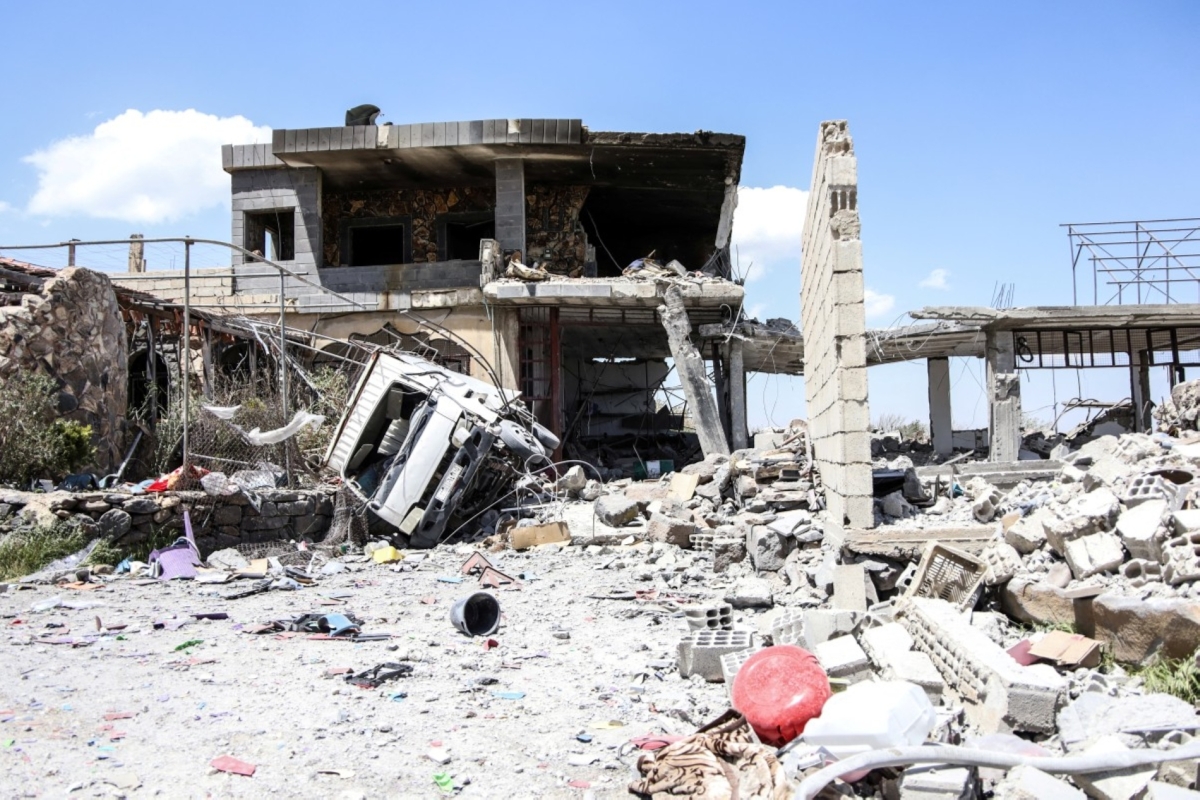

At the start of May, Jordan launched several airstrikes into neighbouring southern Syria, targeting facilities it deemed key assets for drug smugglers operating along the Syrian-Jordanian border. Jordanian warplanes struck warehouses and even residential buildings believed to shelter stockpiled drugs, such as the amphetamine-type stimulants captagon and methamphetamine, and notable kingpins in Sweida’s Shahba, Imtan, al-Kafr, Arman, al-Anat, and Bousan.
The strikes weren't the first time that Jordan had intervened directly against drug smuggling networks operating inside Syria—far from it. Its on-and-off-again campaign of unilateral action had begun years prior, in 2022, when Bashar al-Assad’s regime was in power and facilitated a strong network of drug smuggling.
The Jordanian government opted to launch direct strikes against drug kingpins after a series of deadly incidents along the Jordanian-Syrian border that resulted in the death of a Jordanian Army captain and put Syrian smugglers’ capabilities on full display: using sophisticated technology and deploying advanced military tactics to facilitate the movement of illicit drugs into Jordan, then onto destination markets in the Gulf.
Despite cultivating an extensive intelligence network in southern Syria, particularly among Bedouin tribesmen, Amman had failed to translate insights into change from within Syria. It wasn't able to enlist collaborative partners already operating inside regime-held Syria, such as Russian military forces operating along the border and upholding southern Syria’s series of fragile, post-2018 security arrangements with local forces.
Nor was Amman successful in convincing the Assad regime to do what it could to stifle the flow of illicit drugs into Jordan. In fact, the regime—which wielded a near-monopoly over captagon production and trafficking—used the illicit trade as a bargaining chip for normalisation with Jordan and its regional counterparts.
Lingering challenges
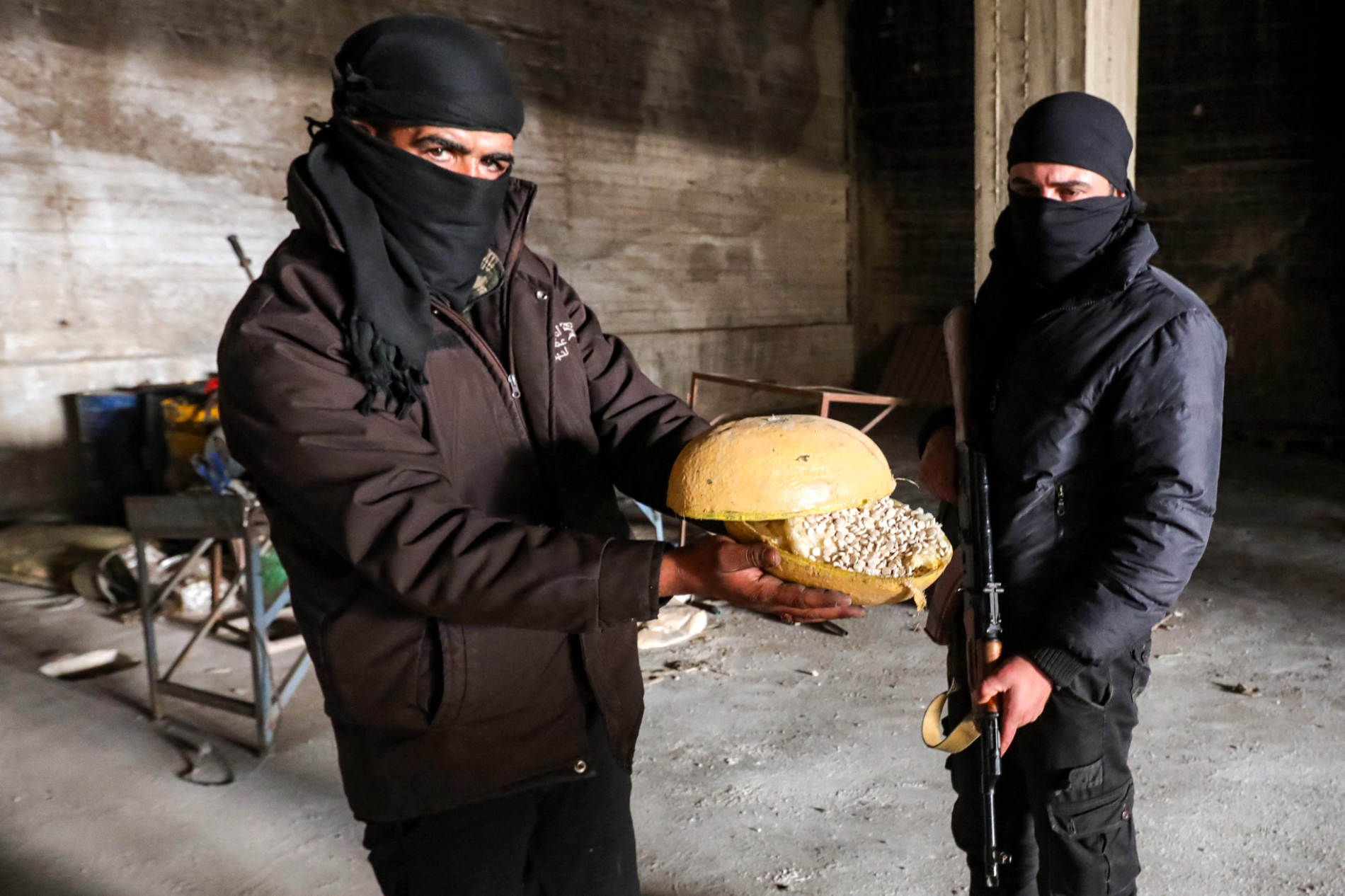
Though the fall of the Assad regime and near-halt of industrial-scale captagon production in former regime-held areas were a welcome development by Amman after December 2024, smuggling challenges did not cease along the Syrian-Jordanian border.
While the fall of the Assad regime and a series of major laboratory and network interdictions conducted by the new Syrian government led to a notable captagon supply shortage worldwide, the tempo of drug smuggling operations along the Syrian-Jordanian border largely stayed the same in 2025, with the volume of trafficked drugs even increasing in 2026. Jordanian officials also signalled alarm at smugglers’ new tactics, upgrading from their use of drones to dispatch illicit drugs to GPS-guided balloons and other techniques.
With little capacity in the new administration to meaningfully intervene against drug syndicates operating in Syria’s south—particularly in contested Sweida after a series of violent clashes in July 2025 that weakened the central government’s oversight and access in the region—the Jordanian government has, once again, taken matters into its own hands to counter drug smuggling in Syria. In December 2025, the country revived its strike campaign in southern Syria, though this time in full coordination with the new Syrian authorities.
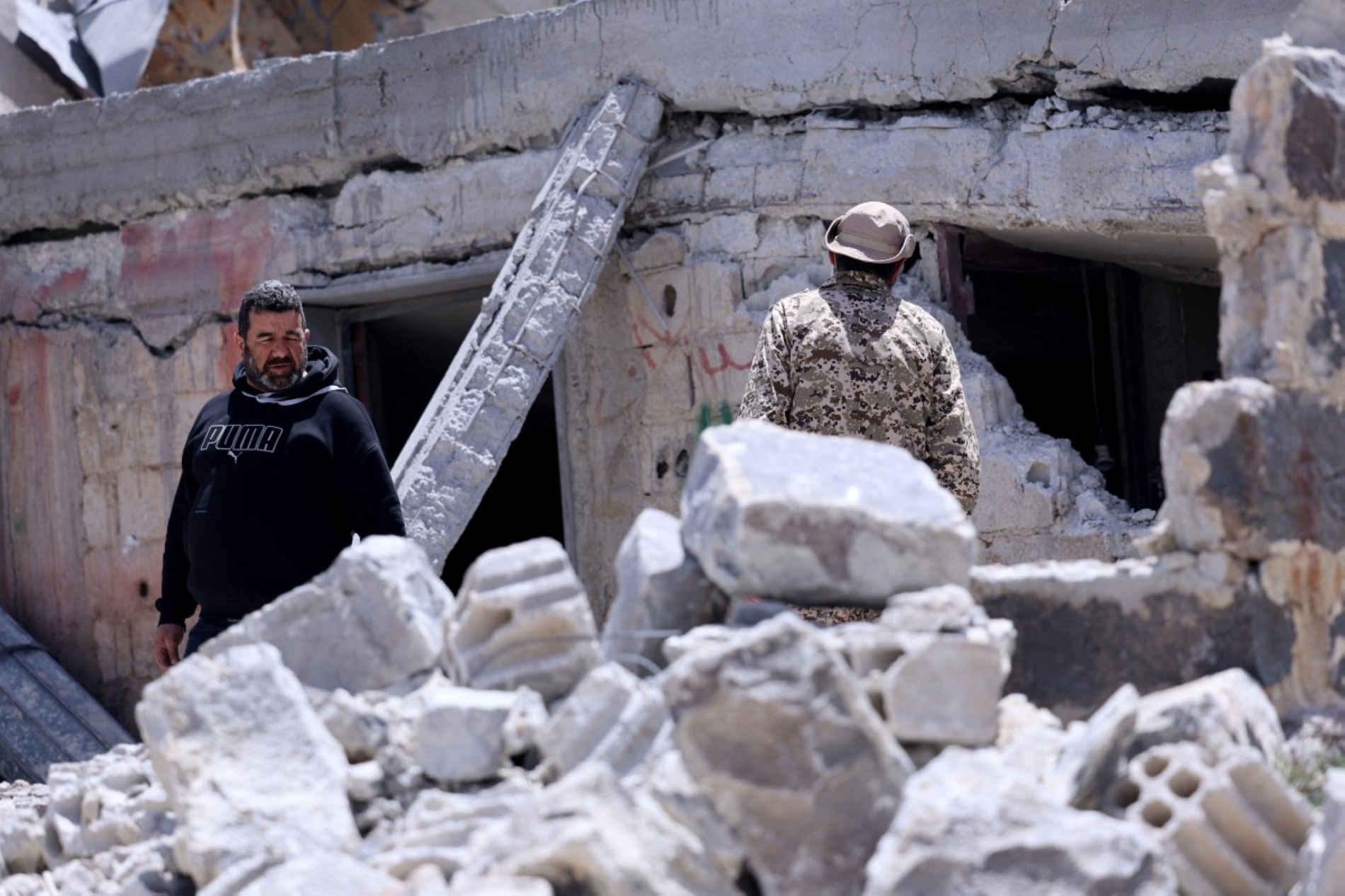
The most recent and most expansive operation, carried out on 2 May 2026, struck a wide array of sites across the province—including the home of a drug trafficker in the town of Malah, locations in the village of Bousan, two strikes in Shahba city, and additional targets in the villages of. Jordan's military characterised the attacks as part of a mission termed “Operation Jordanian Deterrence” and claimed that they had "neutralised arms and drug traffickers" and destroyed laboratories and factories associated with the production and cross-border smuggling.
However, there remains a potentially deeper driver behind Jordan’s most recent wave: exerting influence and deterrence against actors Jordan deems a threat to long-term stability in Syria and the cross-border region. By applying pressure through direct airstrikes into Syrian territory, Jordan seeks to send a message to illicit networks—some affiliated with sectarian militias and former regime-aligned actors that have challenged central state authority—and deter further enrichment from illicit operations.
Political undertones
Jordan may also seek to send another message of deterrence to regional actors seeking to impose influence in southern Syria, such as Israel, which supported Druze militias and groups amidst the deadly clashes of July 2025—killing over a thousand—and shaped Sweida into one of the greatest flashpoints of post-regime Syria.
Damascus retained only partial authority, while fragmented control by Druze factions and Bedouin tribes has carved out a power vacuum in southern Syria, creating conducive conditions for the region to emerge as a sought-after hub for illicit trafficking.
The current campaign, however, unfolds against a broader historical backdrop that warrants serious consideration when assessing the effectiveness of kinetic, supply-side interdiction as a counter-narcotics instrument. Decades of interventions in the ‘War on Drugs’, ranging from the United States-backed aerial eradication campaigns in Colombia during the 1990s and 2000s, President Duterte’s violent crackdown in the Philippines, to the ongoing U.S. campaign against cartels—many now designated as foreign terrorist organisations (FTOs)—on both land and sea in Latin America have proved ineffective, if not counterproductive.