
The Ministry of Defence is one of Syria’s most complex institutions. In many ways, it reflects the country’s myriad differences, making it difficult to administer. In 2026, as the country continues to find its feet in the post-Assad era, the ministry must be rebuilt almost from scratch, as Syria seeks to integrate its various factions into one cohesive fighting force charged with defending all Syrians, not just some.
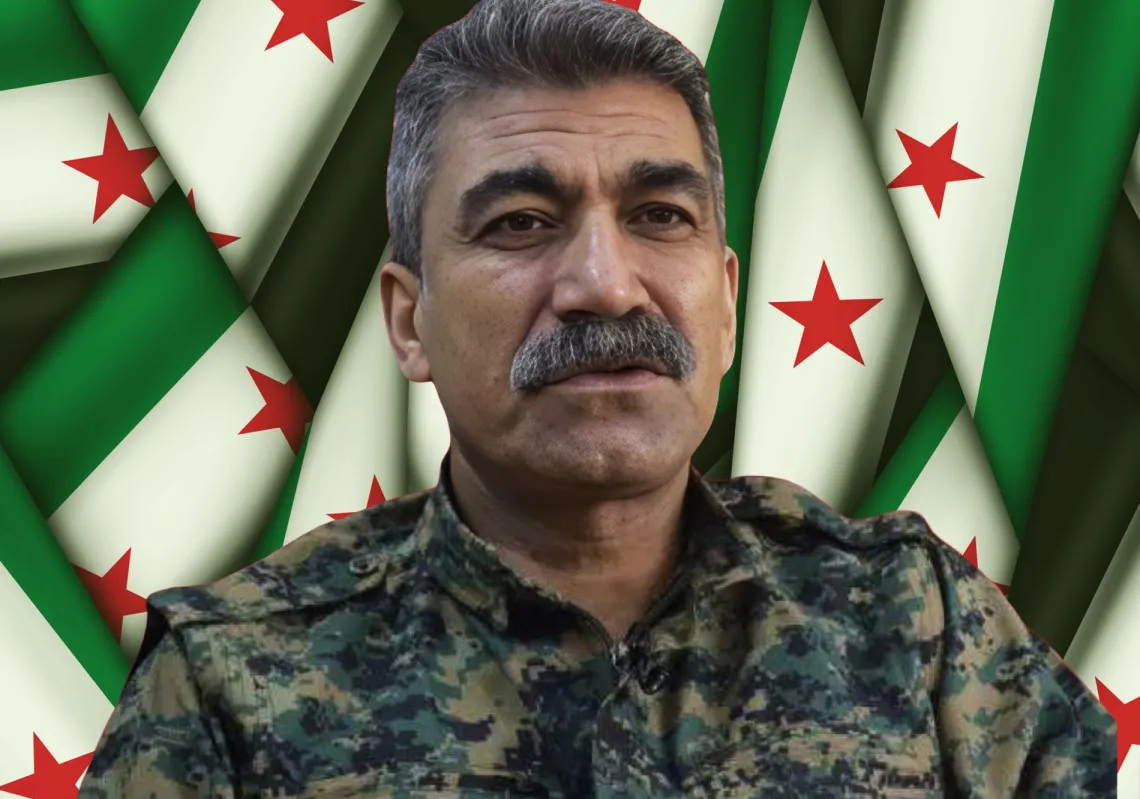
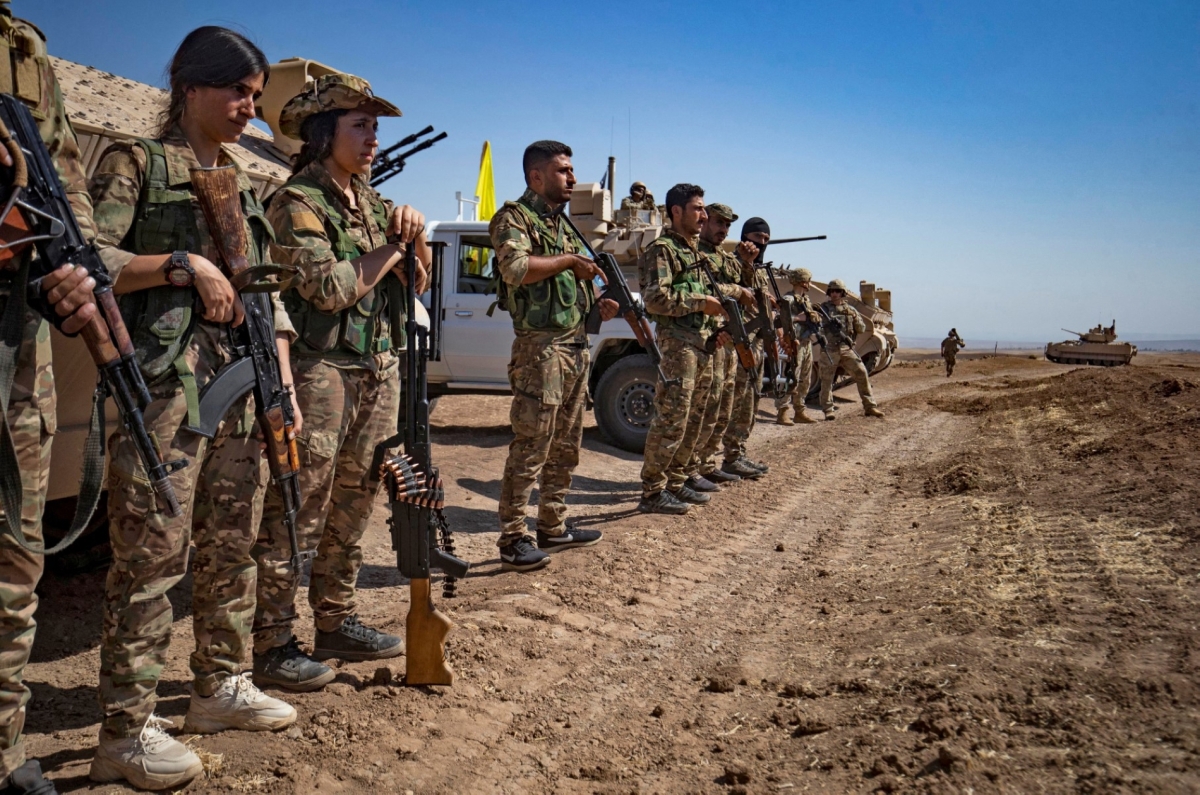
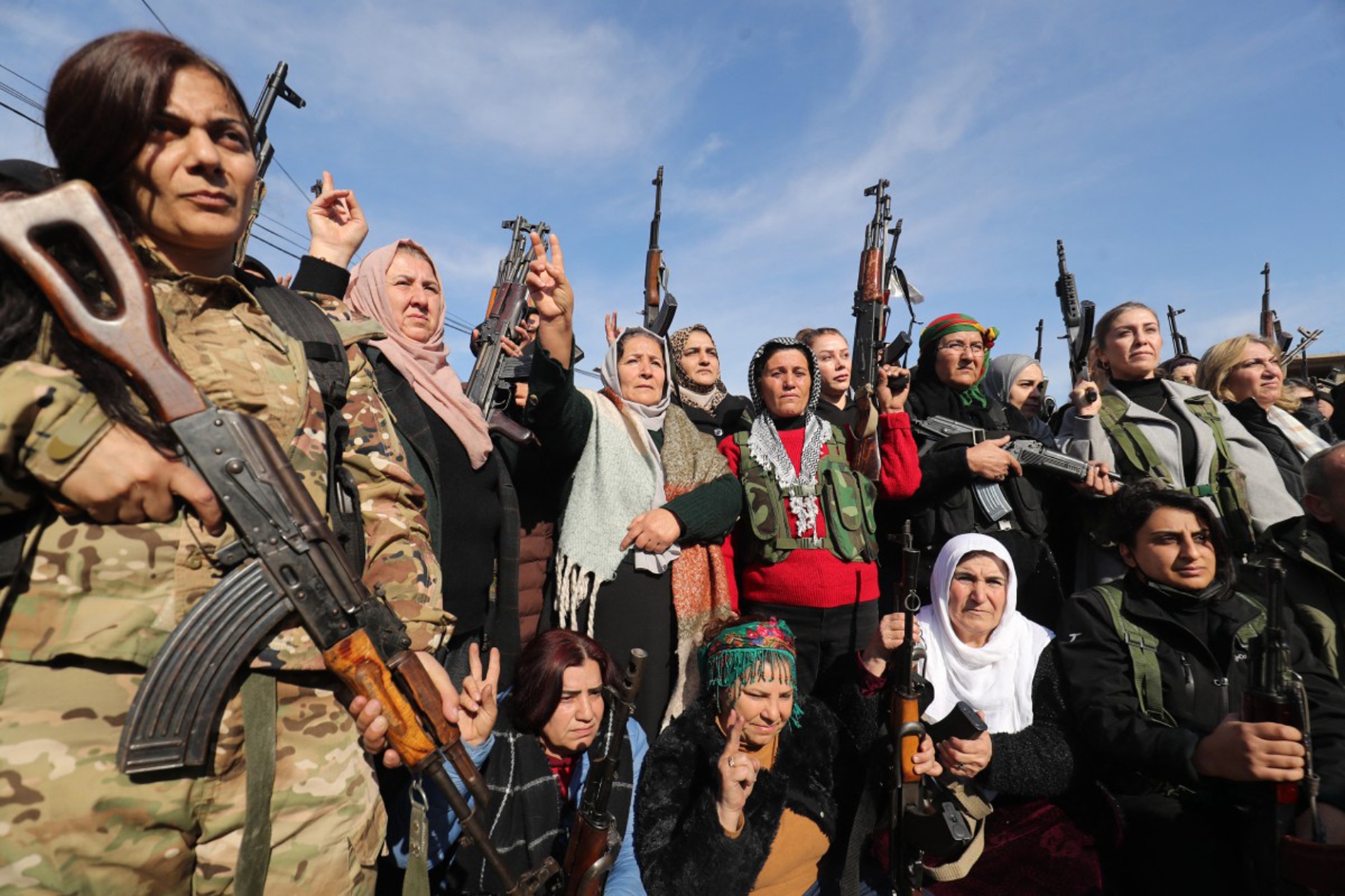
Syrian state reconstruction means looking afresh at how its institutions operate and what they are expected to achieve. The Ministry of Defence faces particularly intricate challenges, requiring engagement with several sensitive issues. Among the most prominent is the integration of the 3,000-strong Kurdish Women’s Protection Units, known as the YPJ. A thorny issue for some, it also presents an opportunity to rethink Syria’s military.
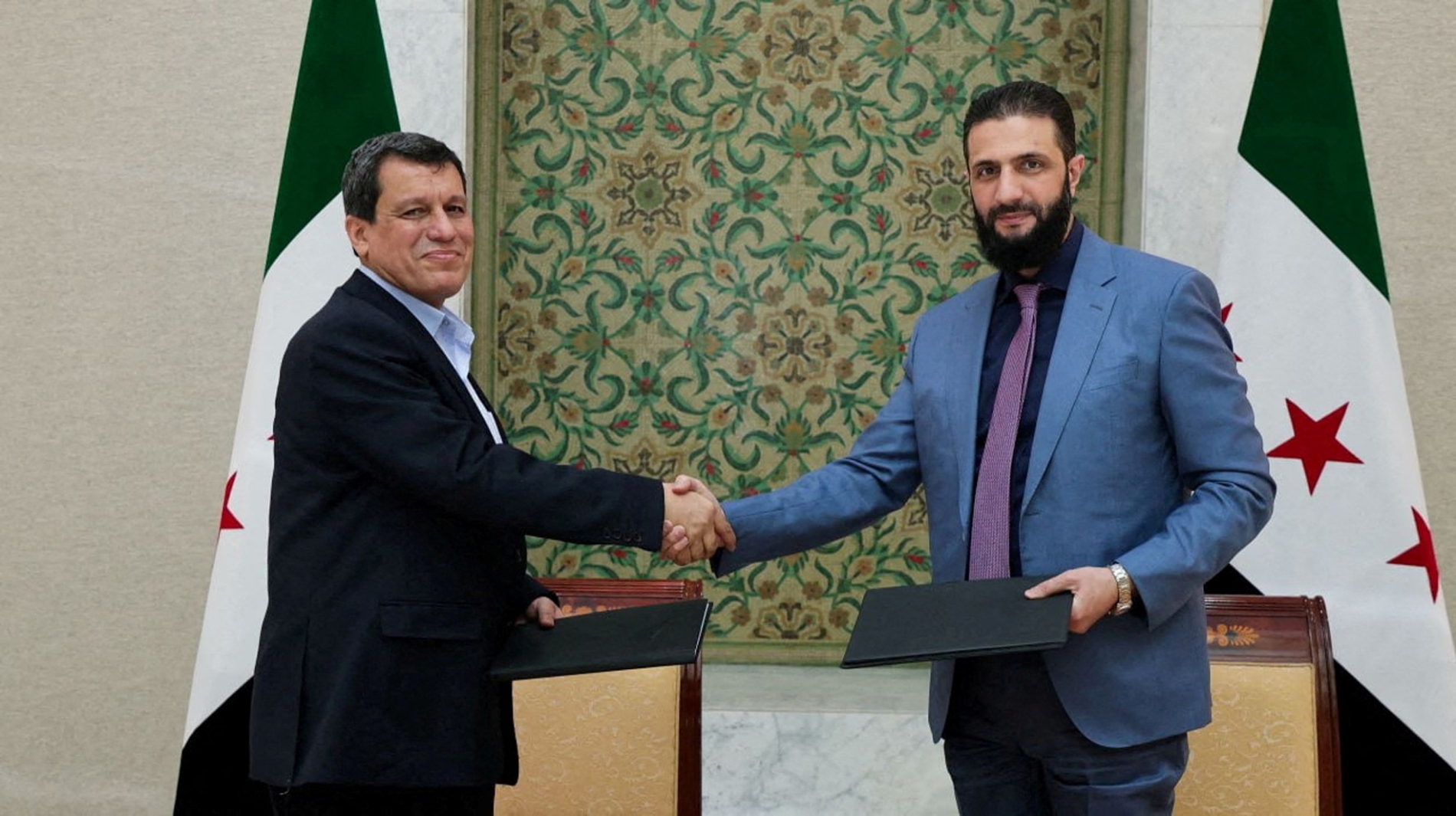
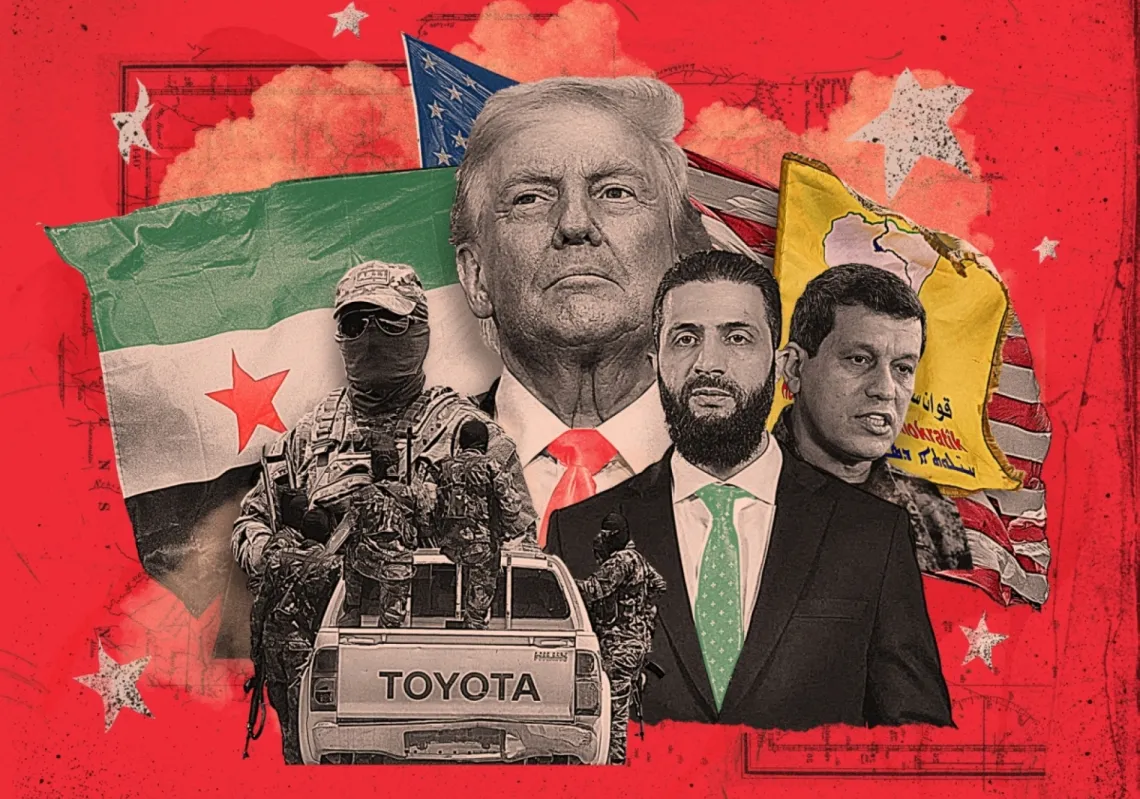
The agreement signed between the Kurdish-led Syrian Democratic Forces (SDF) and the Syrian government on 28 January was a big moment in the restructuring of the military landscape in northern and eastern Syria, because it provided for the integration of previously autonomous SDF forces into the Syrian national army in the form of four brigades within the 60th Division.
Implementing the agreement has so far proved tricky, however, and the absence of a gender-sensitive approach in the provisions has not helped. There seems to have been a lack of understanding about the specific nature of the Women’s YPG, including their combat and organisational role, which has led to disagreements over their integration.
Some in Damascus see these units as better suited to the Syrian police forces under the Ministry of Interior, but this diminishes their military character, which the women’s units insist on preserving. They want to be an independent military force within the armed forces, on an equal footing with the other formations. It has led to an impasse that now threatens to complicate the overall implementation process, reproducing forms of marginalisation within new security structures.
No single template
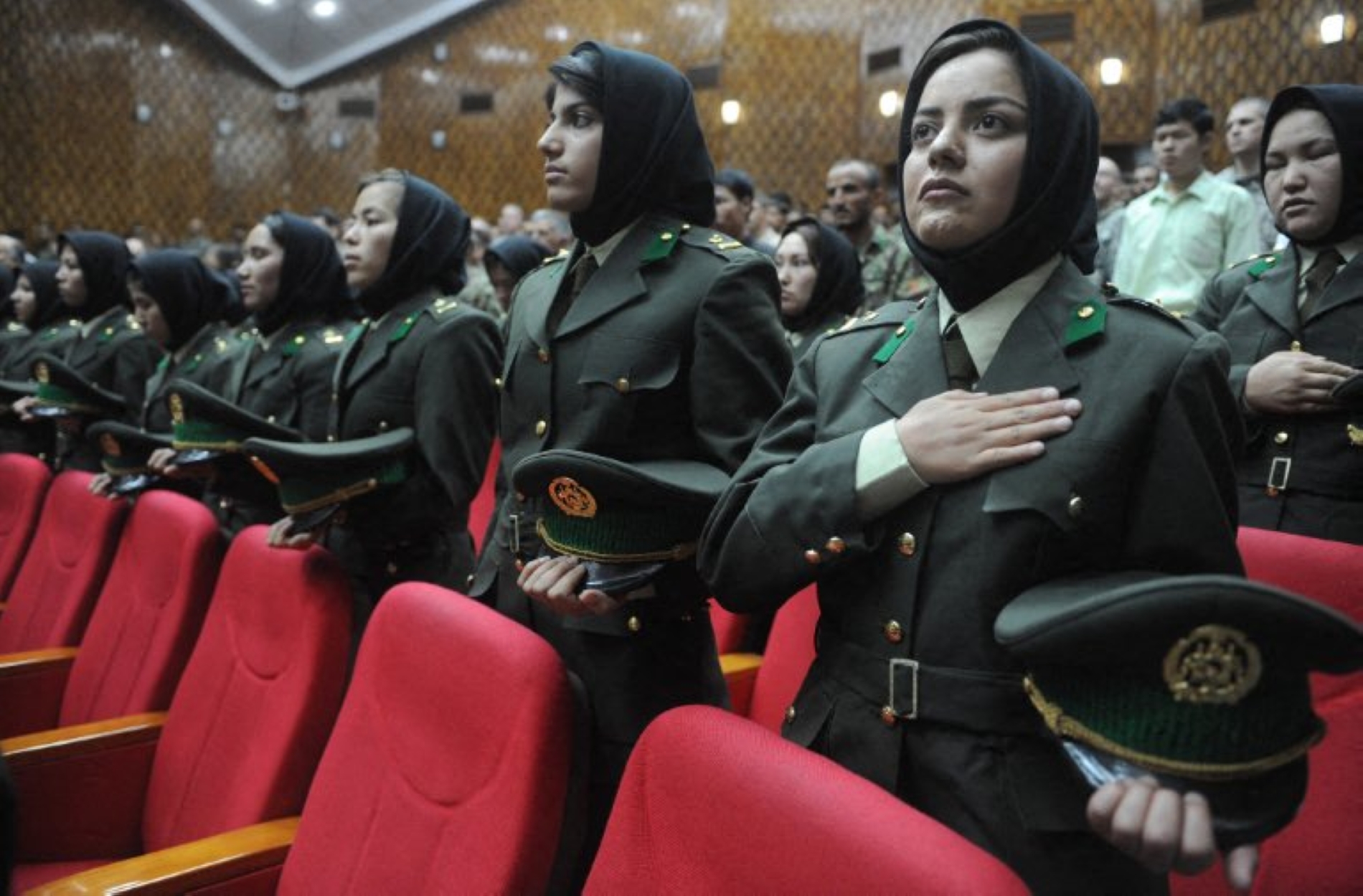
The experiences of other countries show that integrating women into security and military institutions does not follow a single model or ready-made template. Rather, the process fits the needs of each context. In Afghanistan, for example, the presence of women within the security services was limited, yet it was essential for access to restricted social environments. This role disappeared after the Taliban’s return to power, which left a major security vacuum.
In Liberia, the integration of women helped rebuild trust between society and the state after a brutal war. In Norway, the presence of women in the armed forces is now a natural part of the modern military establishment. In the United States, women were gradually brought in across all sectors of the armed forces over many years.
In the Middle East, some cite religious grounds for excluding women, but many Muslim-majority countries already include women in their armed forces. In Türkiye, women have served in the military for decades, rising to the level of commander. In Pakistan, female fighter pilots serve alongside male peers. In Indonesia, the world’s most populous Muslim-majority country, women serve in almost all branches of the military. There are other examples, too; enough to suggest that this is now far from exceptional.
The model of military gender integration in Muslim countries has been tested and found to work. Rather than weakening military performance, as critics argue, it strengthens it. Studies show that mixed teams of men and women make more balanced decisions in highly complex environments, and that a diversity of experience within military units improves their ability to adapt to modern forms of warfare, which increasingly depend on analysis, technology, and unconventional operations.
But each country is different. In most countries, women have been introduced into the armed forces gradually and organically. In Syria, where there is a sudden and urgent need to rebuild and integrate, an organised women’s fighting force with combat experience already exists, so the question is not whether to integrate, but how.
Broader considerations
UN Security Council Resolution 1325 is key to strengthening the legitimacy of Syria’s military institutions and improving the international image of its armed forces, especially as Damascus seeks to rebuild its international relations. A comprehensive defence strategy will require the presence of women and a gender-neutral approach as principles that reinforce security and peace.
Those still debating whether to accept or reject female fighters are missing the point, advocates say. The debate should focus on the Ministry of Defence's organisational structure, chains of command, task distribution, and integration mechanisms, not on whether to accept women in the armed forces. A time-bound path for incorporating these units needs to be designed, they argue, to preserve the Women's Protection Units' organisational cohesion and operational capabilities, to avoid creating a security vacuum or losing expertise.