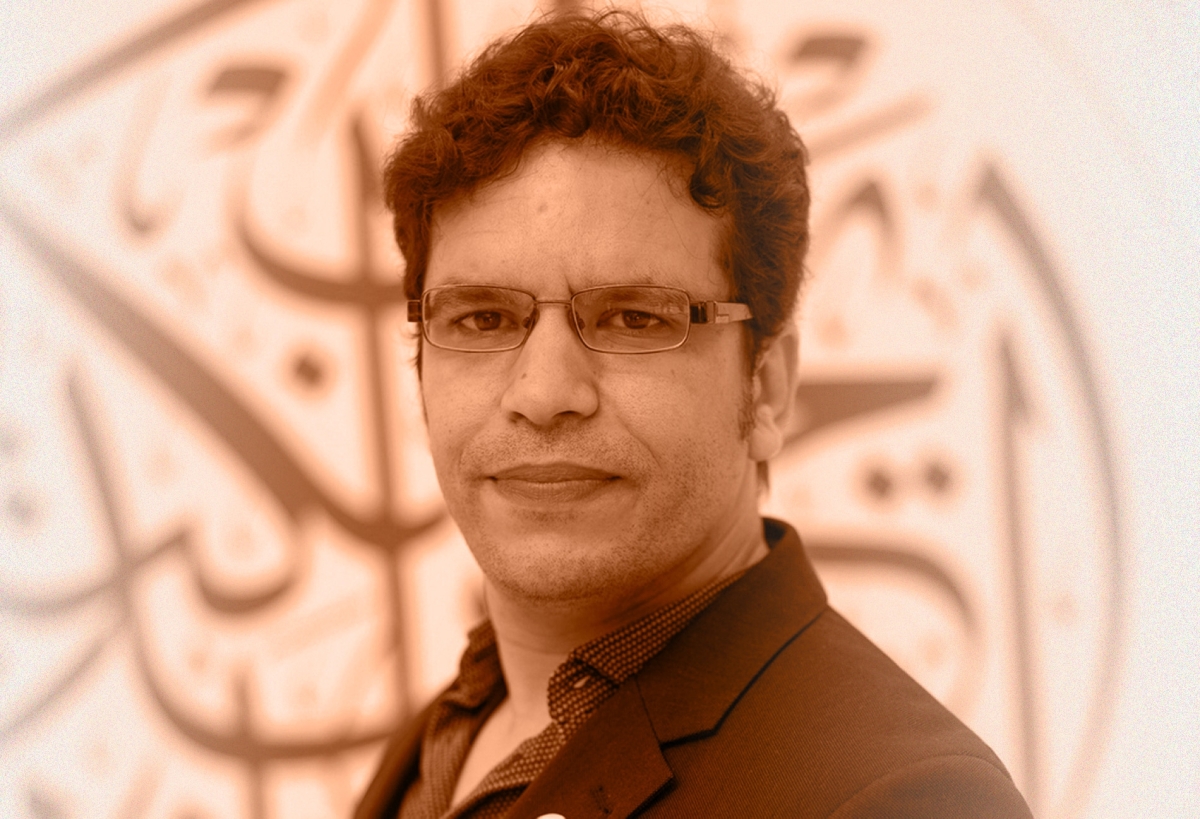

Last month, the Algerian novelist Said Khatibi won the 19th International Prize for Arabic Fiction for Swimming Against the Tide. Chronicling half a century of Algerian history, from World War II to the early 1990s, the novel was praised for its layered narrative and unflinching excavation of memory.
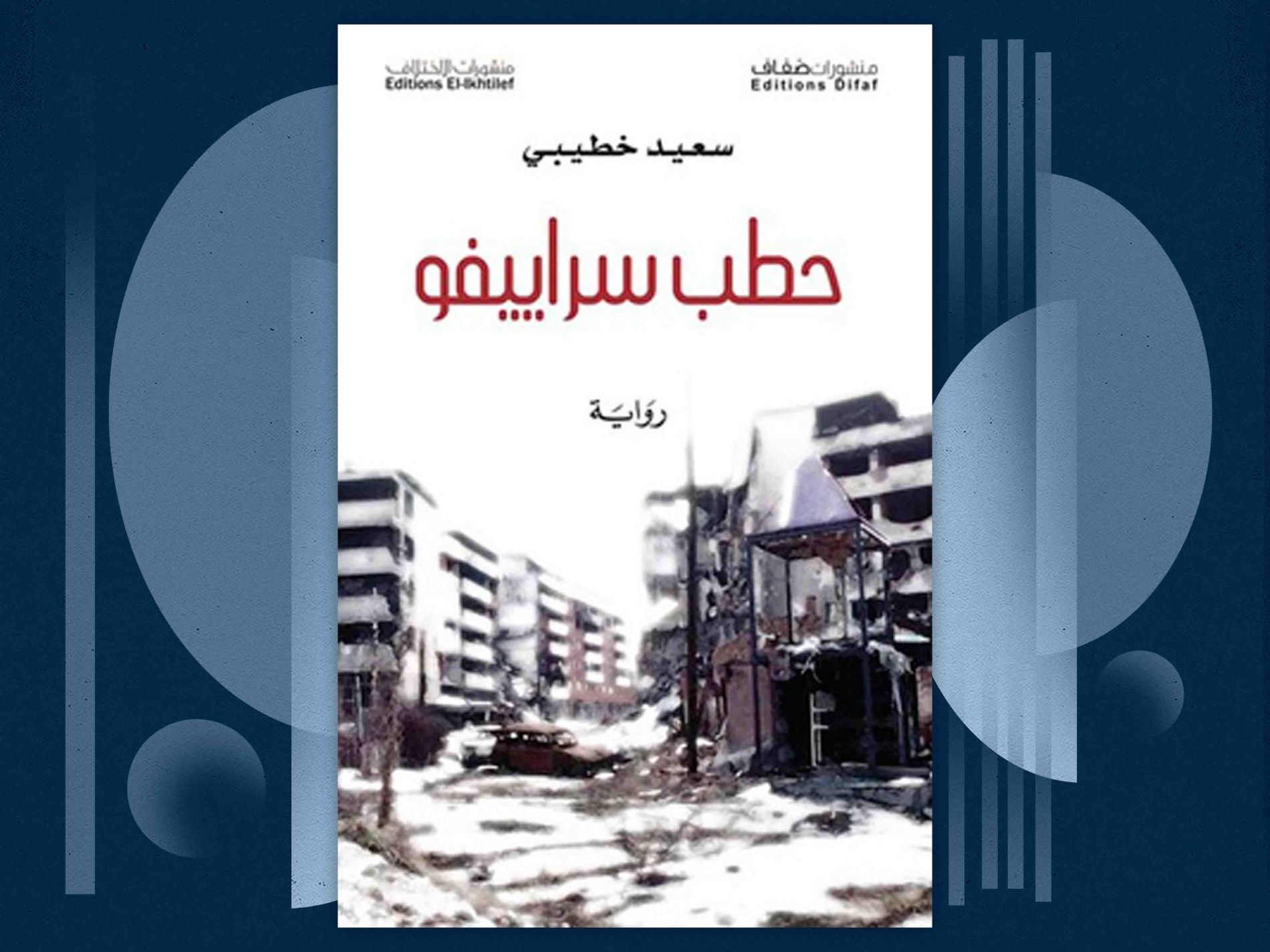
The win marked the second time Khatibi, who was born in 1984, had reached the final stage of the competition, having been shortlisted for Firewood of Sarajevo in 2020. The prize includes $50,000, along with additional funding for an English translation.
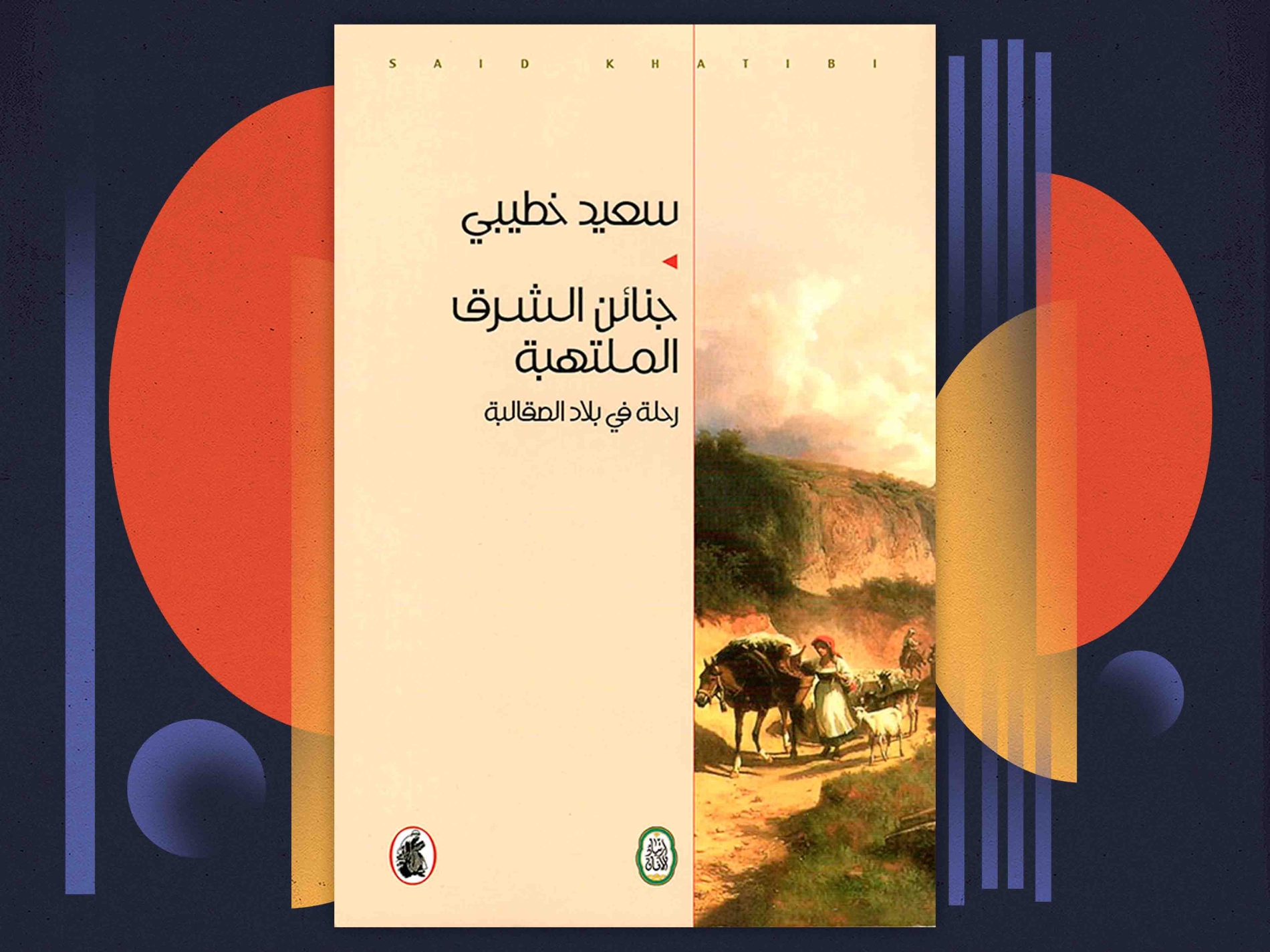
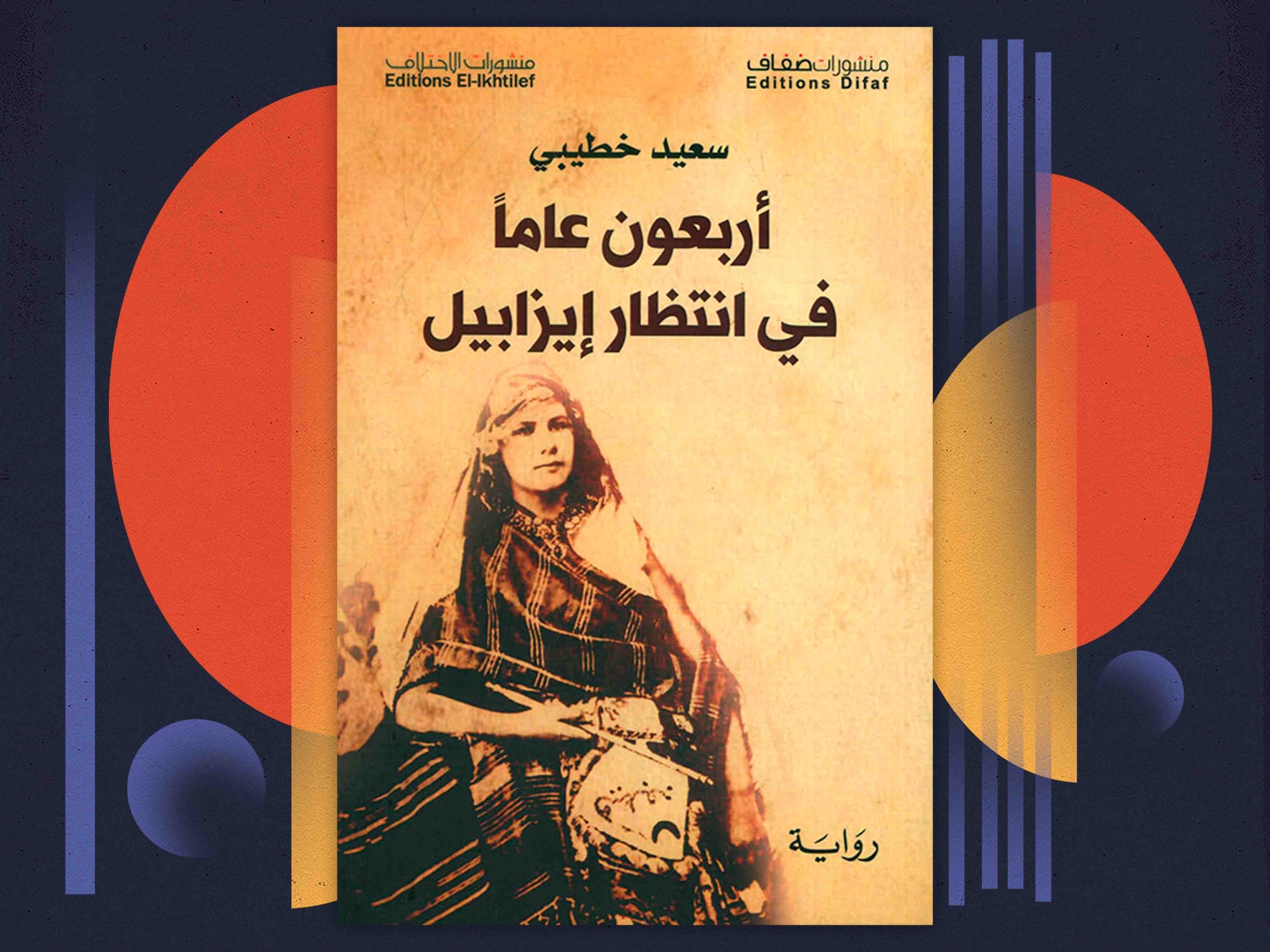
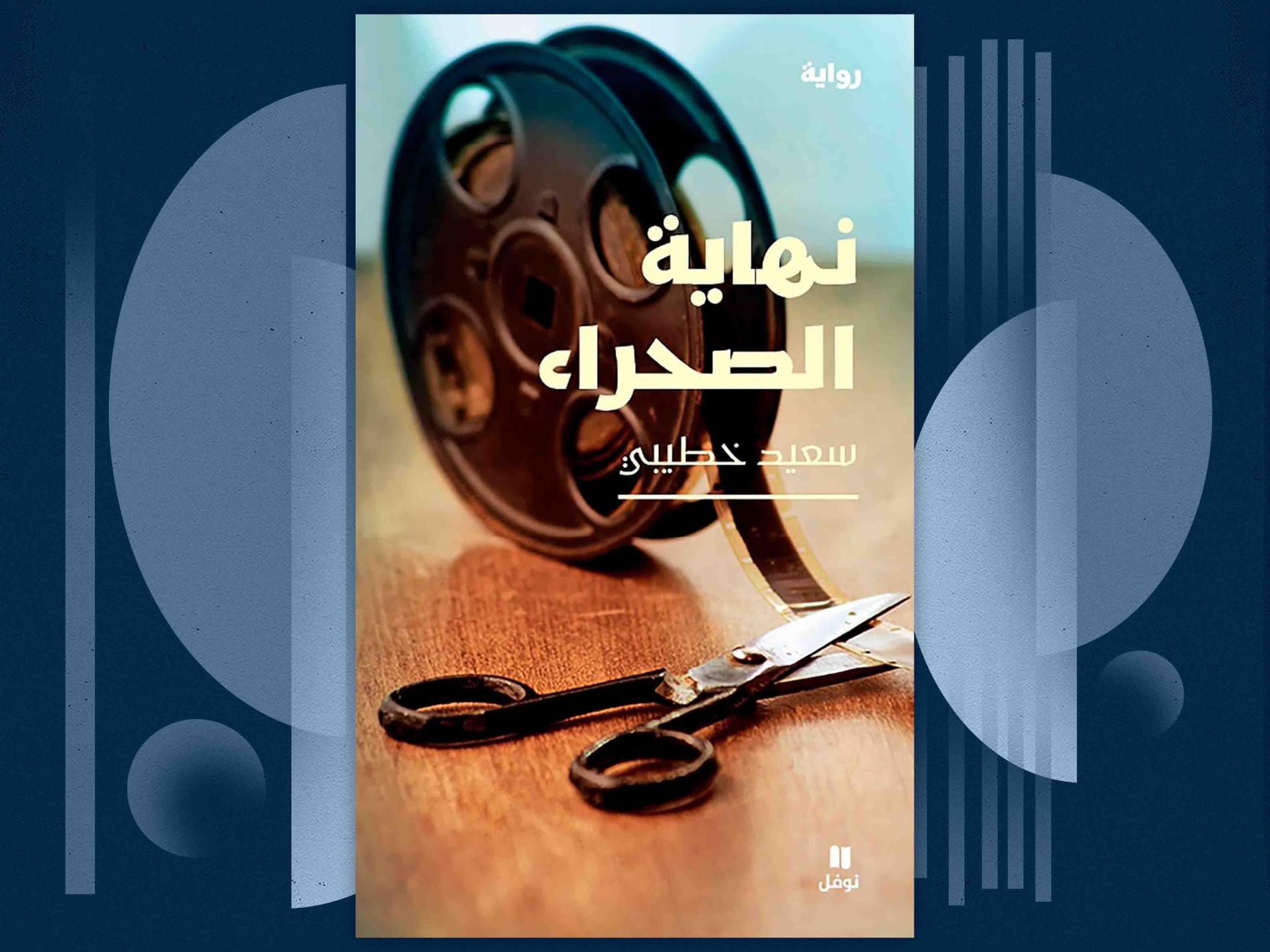
Educated in Algeria and France, his other published works include The Book of Sins, The Gardens of the Burning East, and Forty Years Waiting for Isabelle, which won the Katara Prize for Arabic Fiction in 2017. In 2022, he published The End of the Desert, which won the Sheikh Zayed Book Award in the Young Author category in 2023.
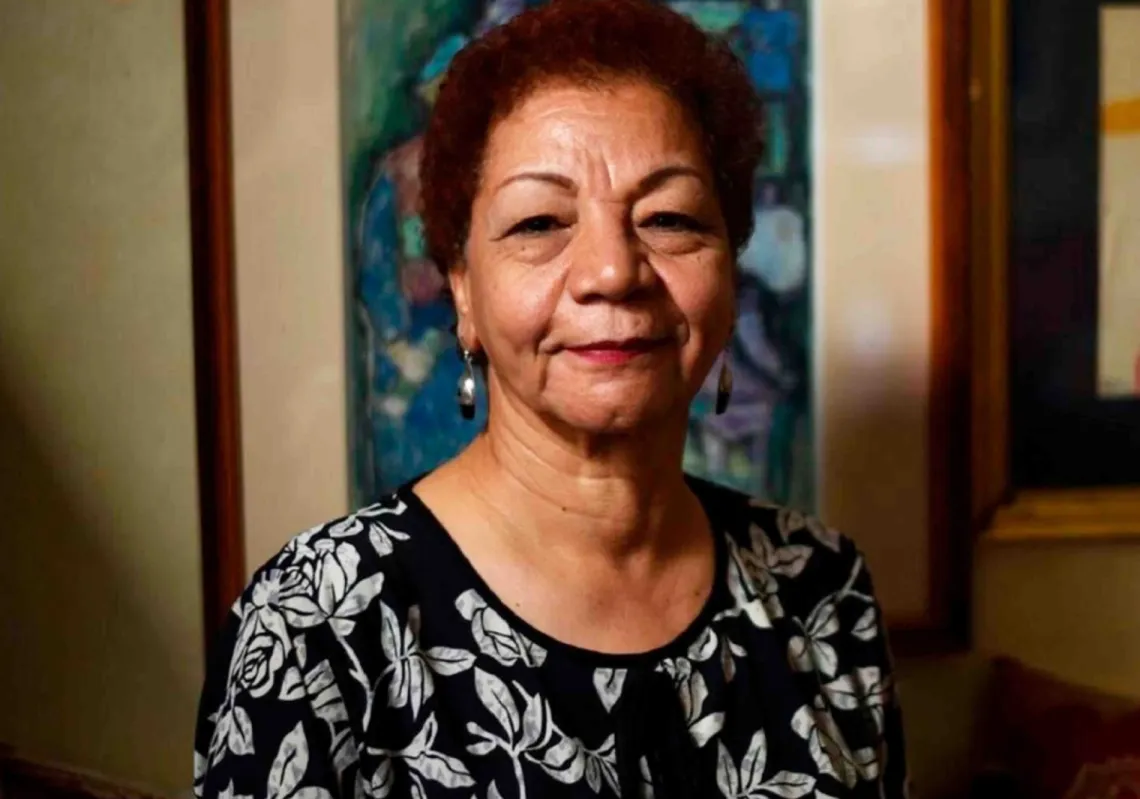
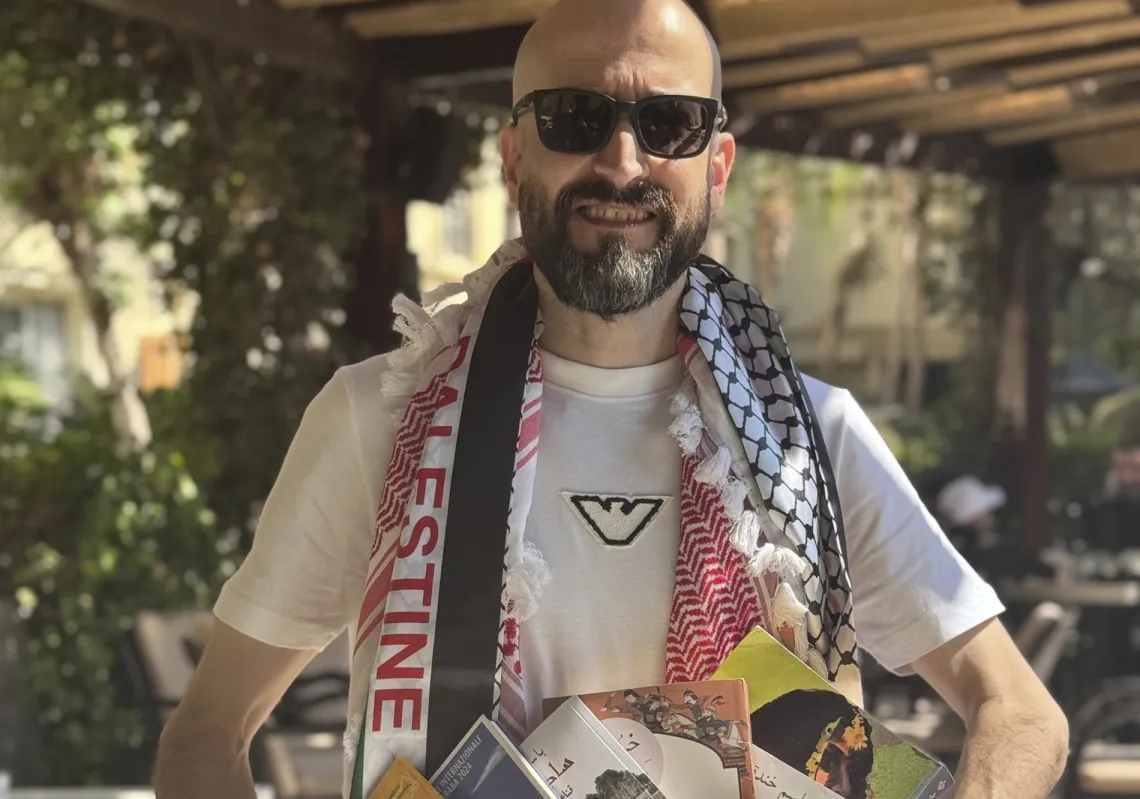
Khatibi has worked in journalism since 2006 and currently lives in Slovenia. In this interview with Al Majalla, he discusses winning the ‘Arabic Booker’, his belief in writing as an act against oblivion, and explains why Algeria’s past—particularly the Black Decade of civil war from 1992 to 2002—must be revisited, questioned, and kept alive in the country’s collective memory.
How did you react to winning the International Prize for Arabic Fiction?
Every Arab writer aspires to win the International Prize for Arabic Fiction. It is more than a prize or a fleeting moment of joy. It opens wider horizons for the text, carries it to a larger circle of readers, and turns it into a subject of discussion and dialogue among critics. This allows the writer to see their work from different angles. Naturally, a writer’s perception of their novel changes as readers and critics offer their own perspectives, because the discussion surrounding a work enlarges the space from which it can be seen.
What first drew you to writing?
I think the first reason was silence. I come from a remote region of Algeria, where silence overwhelms speech, where stories are told in whispers, and where people live in isolation, with no one paying attention to them. I began writing to narrate what people say in their silence. I realised that the novel is a space capacious enough for the condition in which we live. We move through history without anyone listening to us.
The second reason concerns the artistic adventure of writing. In my modest view, the novel is not simply a text or a piece of literary writing. It is a discipline in its own right. In Algeria, we are witnessing the collapse of the humanities, including sociology, psychology, history, philosophy, and other fields. The novel has now begun to stand in for these sciences. To understand Algeria, we must listen to its writers. For Algeria to preserve its memory and look towards its future, it must also rely on its writers.
How did this way of thinking about the novel shape your writing?
In Algeria, as in other Arab countries, we live within an entangled history. We have not learned from the errors of the past. We remain captive to a damaged memory and to a single dominant narrative, which does not necessarily make it true. I am not interested in writing in conformity with what appears in the records of history. What concerns me is to pose a different question: what would have happened if the opposite of what historians passed down to us had occurred?
For me, writing is an artistic adventure, yet it is also preoccupied with the question of memory, with writing against oblivion. I write about things I know, about my survival, and the survival of others, from the Black Decade, from violence, extremism, and the exploitation of religion in politics. I write to expand our view of the past, since history is not sacred. It is open to both truth and error.
What drew you to write about Algeria on the eve of the Black Decade, and what did you want to explore?
We know the Black Decade and the horrors it witnessed. Yet the hidden matter, or the question some avoid entering into, is this: why did it happen? I return to the period before the Black Decade because I also want to know myself. Ten years of my life were lost. I want to recover the childhood that was burned by the fire of extremism. I also write so that memory does not falter, and so that minds remain alert. What happened must never be repeated. The novel is the most fitting context in which we can refuse to surrender the memory of those who departed so that we might live.
What has been written about the Black Decade in Algeria amounts to no more than 10% of what actually happened. It was a period that left thousands of innocent victims behind, each carrying a story in the heart. Every victim deserves to have their story told. Important works have indeed been written about this era, yet there is also a tendency to erase it from memory. Some would like to turn the page quickly and forget. Forgetting may be a blessing, but not in this case. We write about the Black Decade so that the tragedy is not repeated, rather than to reopen the wounds of that time.
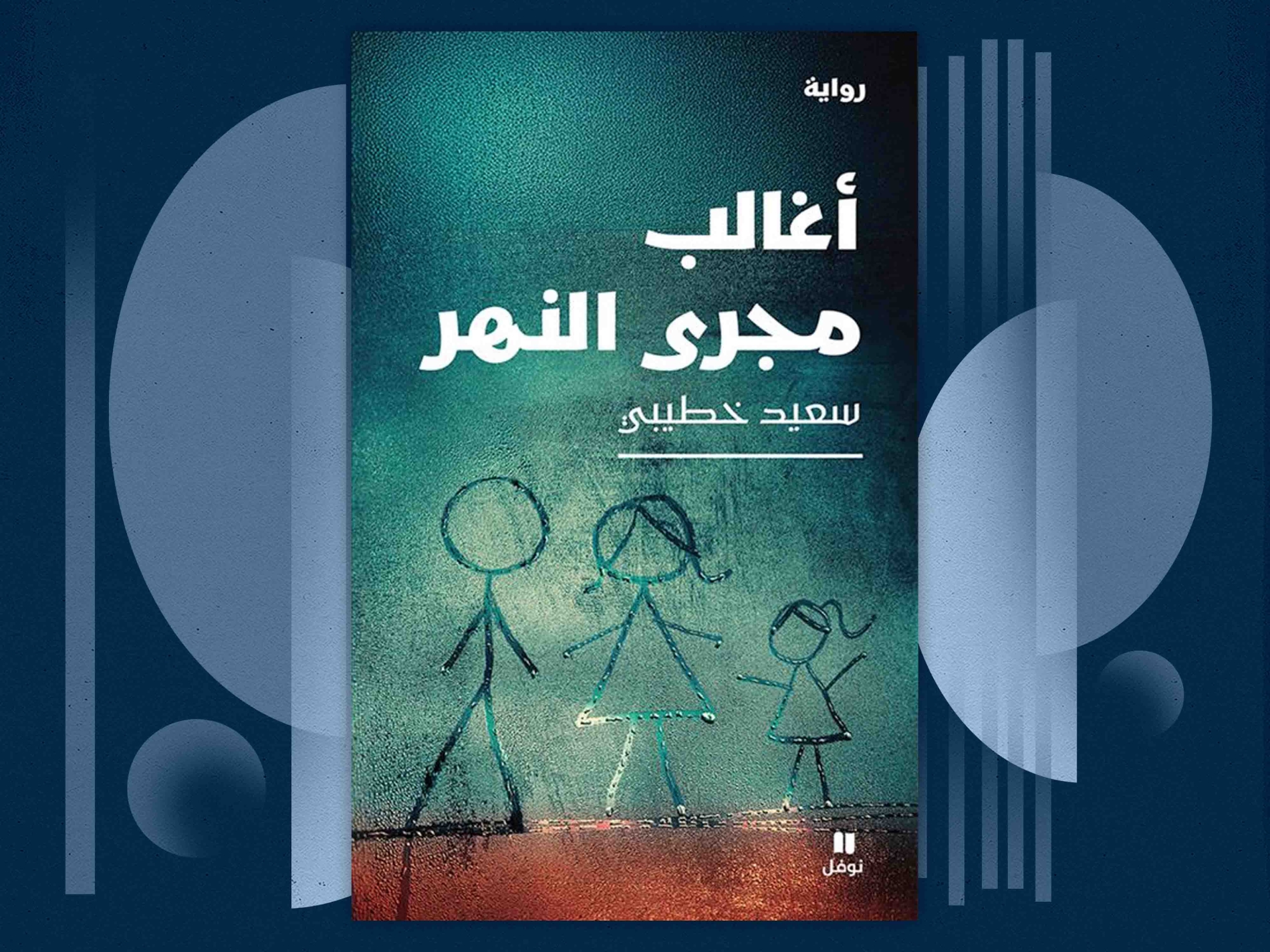
To what extent did collective memory, rather than imagination, shape the world of Swimming Against the Tide?
The whole novel is imagination. I begin with it and end with it. Yet it is also an echo of unheard voices. The writer is the voice that speaks on behalf of those who live on the margins, writing of them in their clamour and in their whispering. I was born and raised in the depths of Algeria, inside the country rather than at its centre. I know details that escape those who live in the country’s more visible centres. My writing, therefore, also dwells beside those who were stripped of their voice and deprived of the right to speak, or to narrate.
The novel contains two intersecting, cross-generational narratives—one from the daughter, the other from the father. What did you intend to achieve through these two narrative lines?
Through these two narrative lines, I wanted to capture a concern that weighs on many Algerians: time advances, yet the crises remain where they were. We have not reconciled ourselves with the past, nor have we moved quickly enough to resolve its thornier questions; instead, they have been left to harden, deepen, and grow more acute. Between the father’s generation and the daughter’s, the times have changed, yet the debate itself has barely moved. We remain captives of a damaged memory, still circling the unresolved questions of the past in ways that cloud our view of the present and the future.