Global airfares soar amid ongoing US-Iran turmoil

Airspace closures, rising fuel costs, shifting flight maps and delayed aircraft deliveries have repriced flights around the world, with some travel routes hit worse than others

Sara Padovan

Global airfares soar amid ongoing US-Iran turmoil

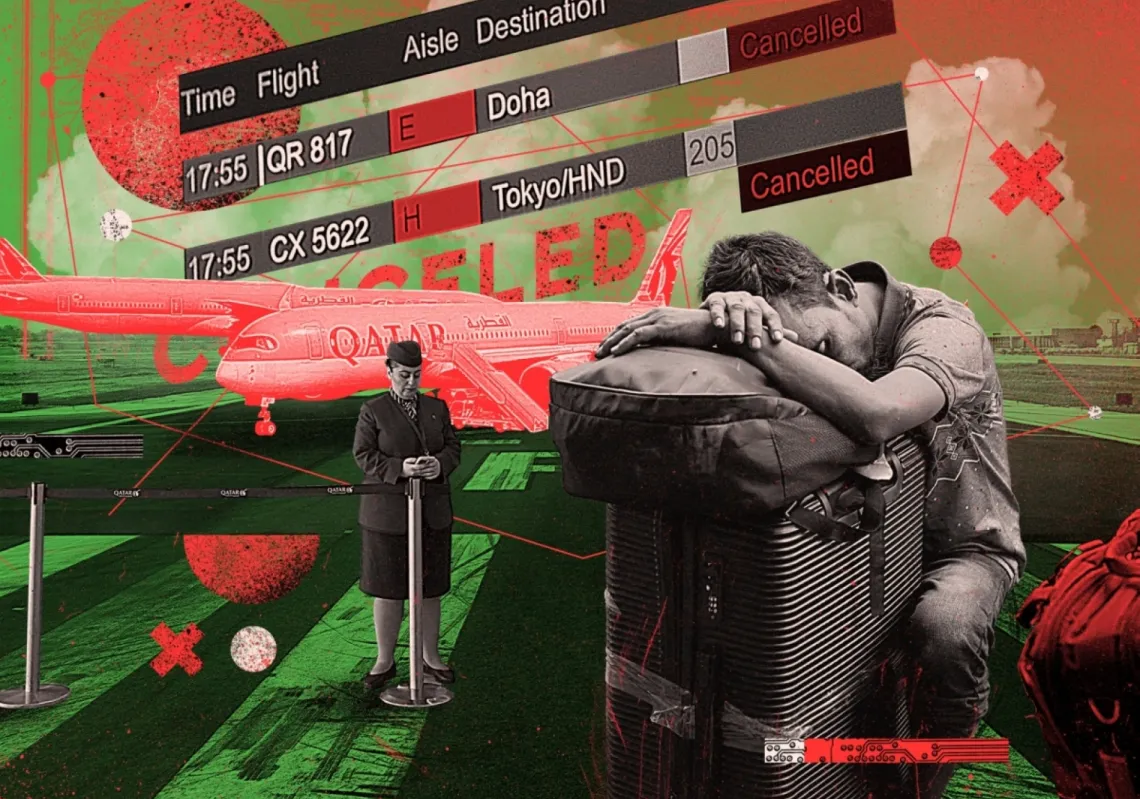
Since late February, airline ticket prices have surged for flights taking specific routes, exposing the uneven effects of geopolitical tensions and supply-chain disruptions in the wake of the Iran conflict. In some Asia-Europe corridors, fares have climbed to record levels, while flights between the Gulf and India are now 30-35% more expensive. Elsewhere, airlines are offering steep discounts. The contrast is telling. What was once a broadly unified global aviation market is now fragmenting along geopolitical lines.

Since late February, airlines have fundamentally changed how they price flights, with each route's position within a disrupted global network playing a decisive role. Here, geography dictates who pays more for a ticket and who travels less. This shift rests on two overlapping forces: a short-term price shock driven by fuel costs and airspace closures, and a longer-term uplift rooted in aircraft shortages, rising operating costs, and the gradual transition to more sustainable aviation fuel (SAF).

Demand/price disconnect

The data underscore the disconnect between demand and prices. In March, global passenger demand grew by just 2.1% overall, rising to about 8% outside the Middle East. Within the region, however, international demand fell by 60.8%, with capacity down by 56.9% as airspace closures and operational disruptions took hold. April air traffic between Europe and the Middle East was 50% lower than the same time last year. The drop is not due to declining demand but due to a regional bottleneck that is forcing a repricing of the entire network.

The Asia-Europe axis has become the epicentre of disruption. This corridor, long dependent on Gulf hubs for transit traffic, has lost a substantial share of its capacity. This has caused sharp price spikes with fares on some major routes rising by as much as 560% in March, while June prices were around 70% higher than a year earlier. Long-haul journeys such as Sydney to London climbed beyond $1,500—roughly double their previous levels.

Individual cases highlight the scale of the upheaval. Reuters reported that a traveller paid £1,900 (around $2,380) for a one-way ticket from the UK to Australia via Singapore—more than the cost of a previous return fare, which had been about $1,520. Fares from Hong Kong to London briefly exceeded HK$21,000 (around $2,690) before easing to around HK$5,000, while Bangkok to London tickets reached nearly THB71,000 (around $1,970) before falling back. These figures reflect more than inflation; they point to a sudden scarcity of seats, with available capacity becoming a premium commodity.
April air traffic between Europe and the Middle East was 50% lower than the same time last year

Shifting flight maps

At the same time, global traffic patterns have begun to reconfigure. Passenger flows between Europe and Asia have increased by 29.3% on European and Asian carriers, as travellers shift towards direct flights or routes that bypass the Middle East. The crisis, therefore, is not shrinking demand so much as redistributing it, albeit with significant price distortions.

A different, but related, picture emerges on the Gulf-to-India routes. These flights—a vital human and economic link between the Gulf and South Asia—have become 30 to 35% more expensive than usual despite the absence of peak-season demand. Some return fares between India and the UAE have reached around AED 4,114 (about $1,120). Here, strong demand from expatriate communities meets constrained capacity. But the key driver is spillover pressure: when one set of routes becomes congested, demand shifts to other routes, pushing up prices in turn.

Reuters
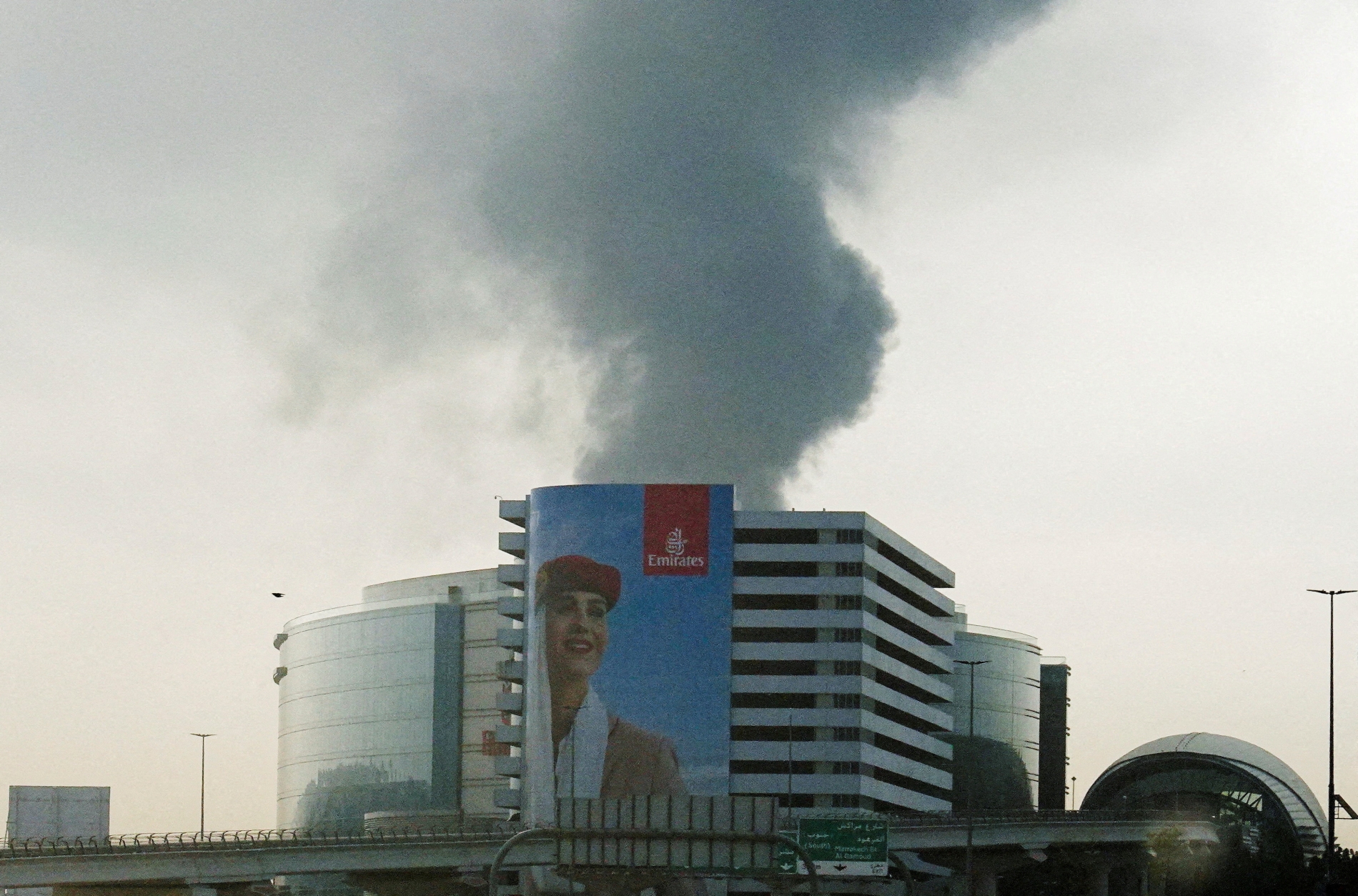
Smoke rises from Dubai International Airport following an Iranian attack on 16 March 2026.

Flights from the Gulf to Europe and North America have entered a more complex phase. While they have not always seen the steepest price surges, they are structurally more expensive. Longer routings to avoid restricted airspace increase fuel burn, extend flight times, and complicate scheduling. In such cases, it is not only prices that rise; the floor price itself shifts upwards, making meaningful reductions difficult even when demand softens.

Within the Middle East, the pattern differs again. Some routes are affected less by rising demand than by shrinking supply. Suspended or reduced services to cities such as Beirut and parts of the Gulf have sharply cut seat availability. Prices on these routes do not climb gradually; they jump, reflecting what might be described as 'crisis pricing'.

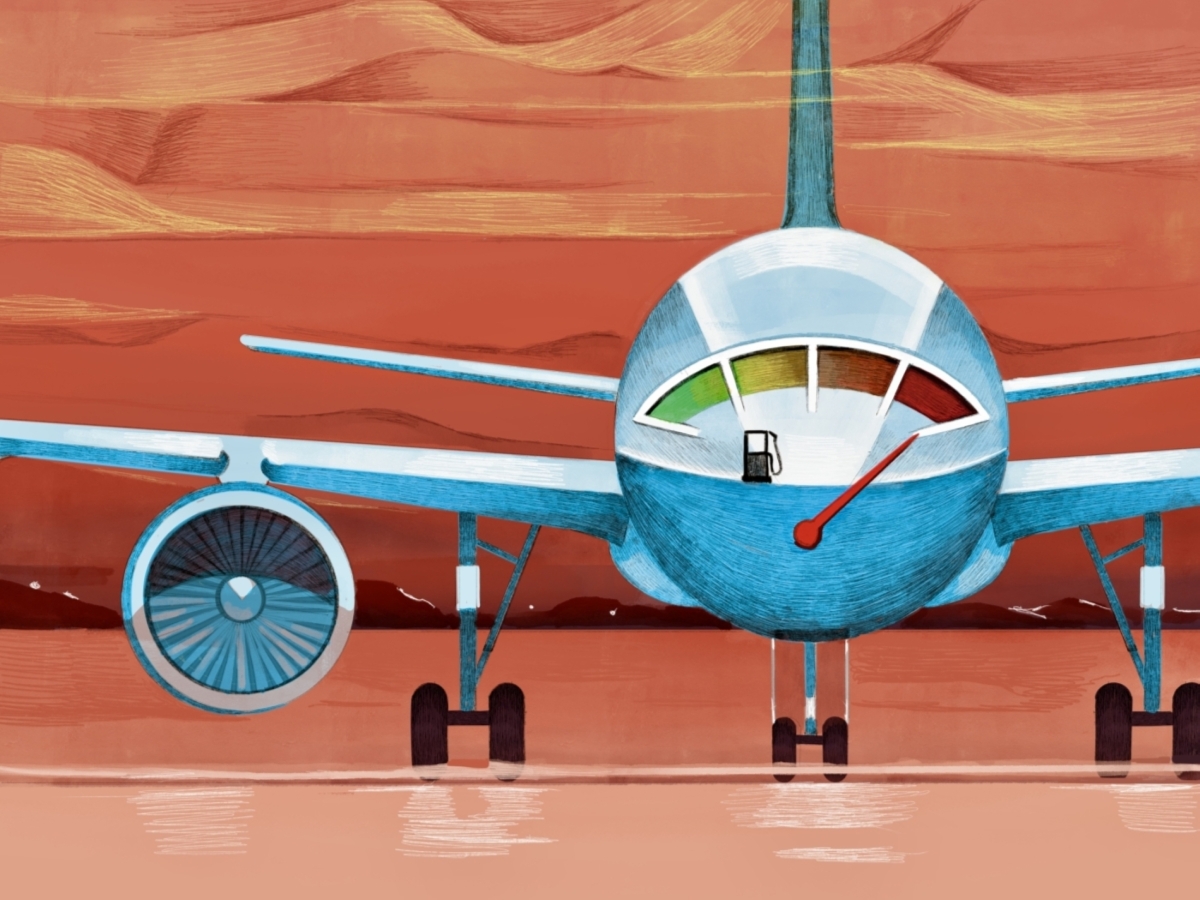
Rising airfares can be attributed to four connected factors: fuel shock, geopolitics, aircraft shortages, and dynamic pricing

Price hike drivers

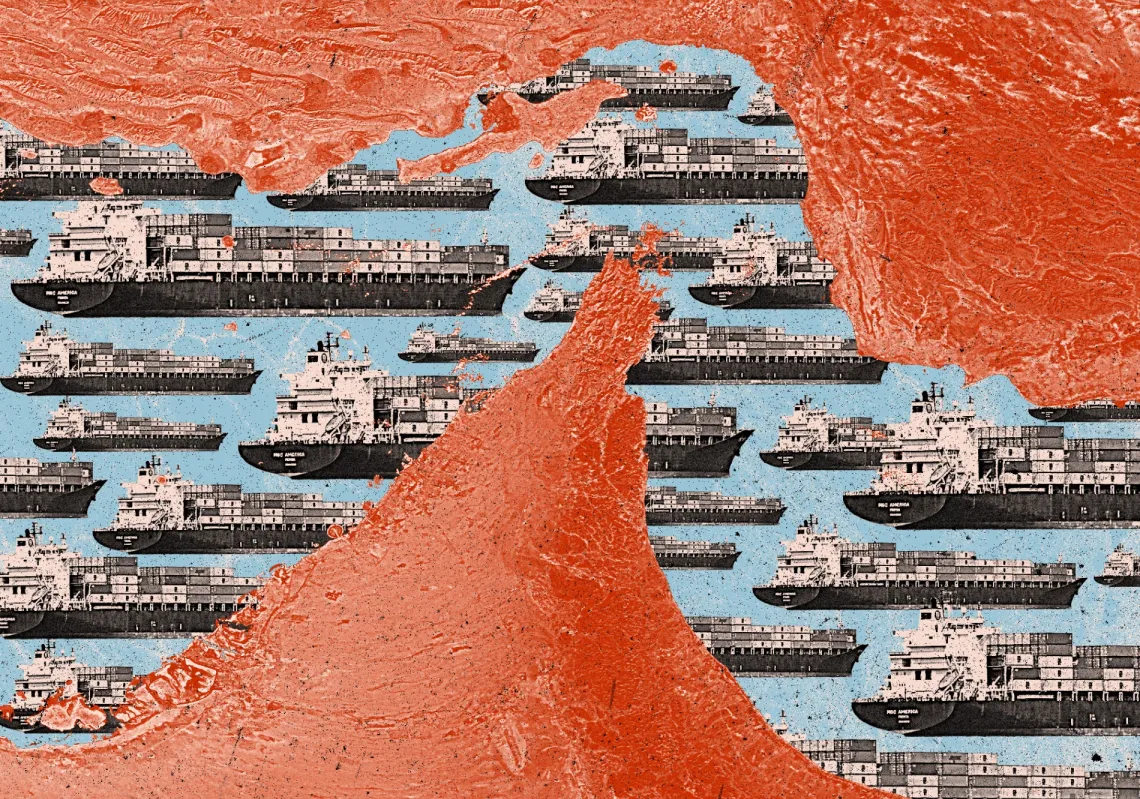
Several factors are driving price hikes. First is the fuel shock, which has pushed operating costs sharply higher, with fuel once again accounting for roughly a quarter of airline expenditure. Second is geopolitics, which has redrawn flight paths and imposed longer, costlier routes. Third is the shortage of aircraft, as delays in deliveries from Boeing and Airbus limit airlines' ability to expand capacity. 

Industry estimates suggest that supply-chain disruptions alone cost airlines more than $11bn in 2025, partly because they delayed the fuel savings expected from newer aircraft while increasing maintenance and leasing costs for older fleets. The fourth factor is dynamic pricing systems, which amplify any shock by automatically raising fares when seats become scarce or demand rises.

Justin Sullivan/AFP
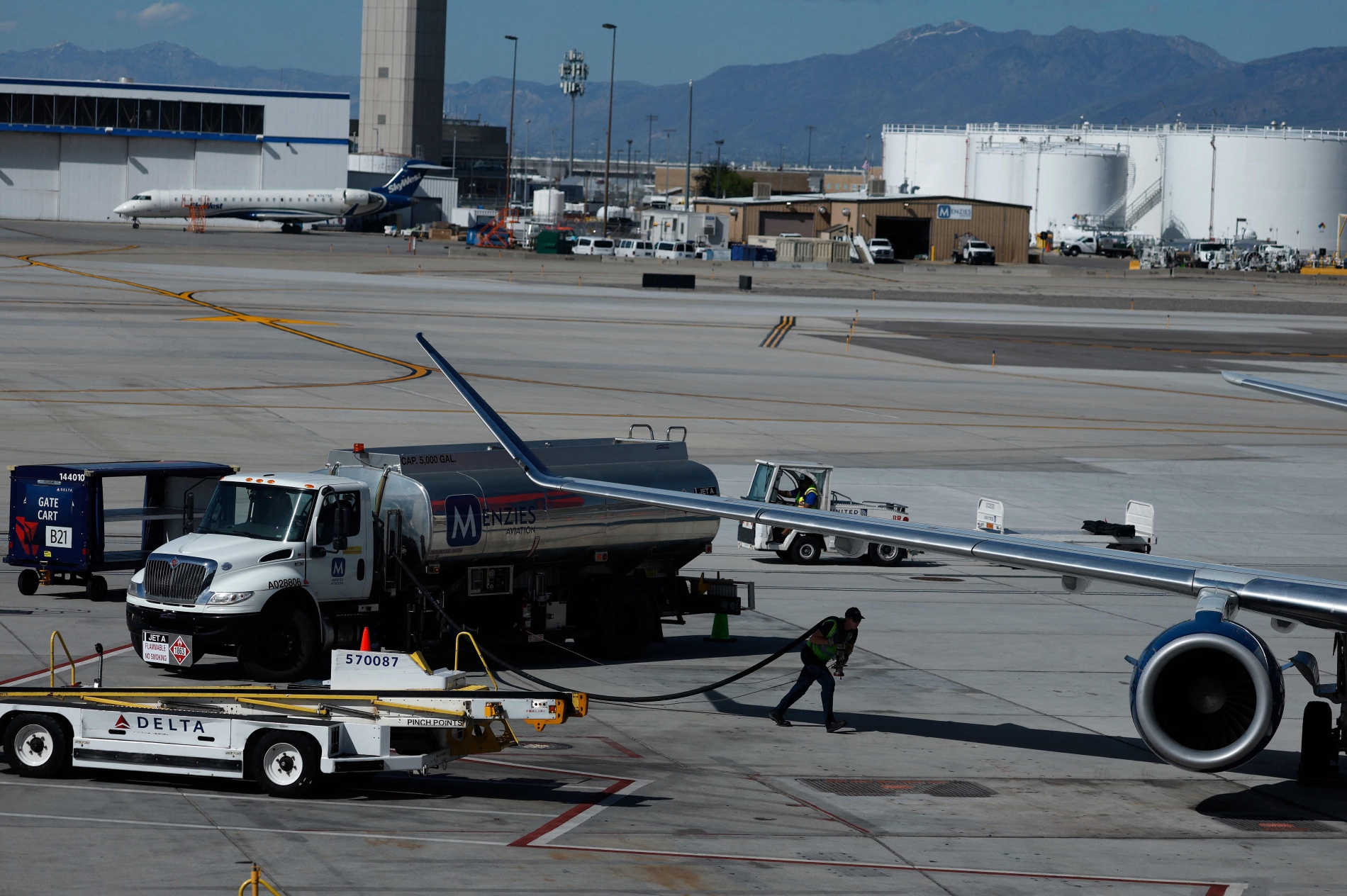
A worker fuels a Delta Airlines plane at Salt Lake City International Airport on 9 April 2026, in Salt Lake City, Utah.

Multiple cost layers

An additional cost layer linked to the aviation sector's environmental transition is also emerging. In Europe, mandatory SAF quotas have begun at around 2% and will rise progressively over the coming decades. SAF still accounts for less than 1% of global consumption and is significantly more expensive than conventional jet fuel, suggesting that it will exert gradual upward pressure on fares, particularly on flights linked to European airports.

Airlines' ability to absorb these pressures also varies. Carriers that hedged fuel prices early can delay passing on costs to passengers, while others must raise fares more quickly. Moreover, revenue is no longer driven solely by ticket prices. Ancillary charges, such as baggage fees and seat selection, now form a growing share of income, reaching about $148.4bn globally in 2024. Passengers are therefore paying more even when headline fares appear stable.

Cargo markets add another layer of complexity. Air-freight demand fell by around 4.8% in March, largely due to disruptions at Gulf hubs and seasonal factors, such as the slowdown following the peak travel period around China's Lunar New Year (which fell on 17 February this year). Because passenger aircraft also carry freight, these pressures feed back into airline economics more broadly.

The industry's financials reveal a further paradox. Despite expectations of strong overall profits, net margins remain thin—around 3.9%, or less than $8 per passenger. Airlines therefore have limited capacity to absorb shocks, and cost increases are quickly passed on to travellers. 

REUTERS/Joshua Lott
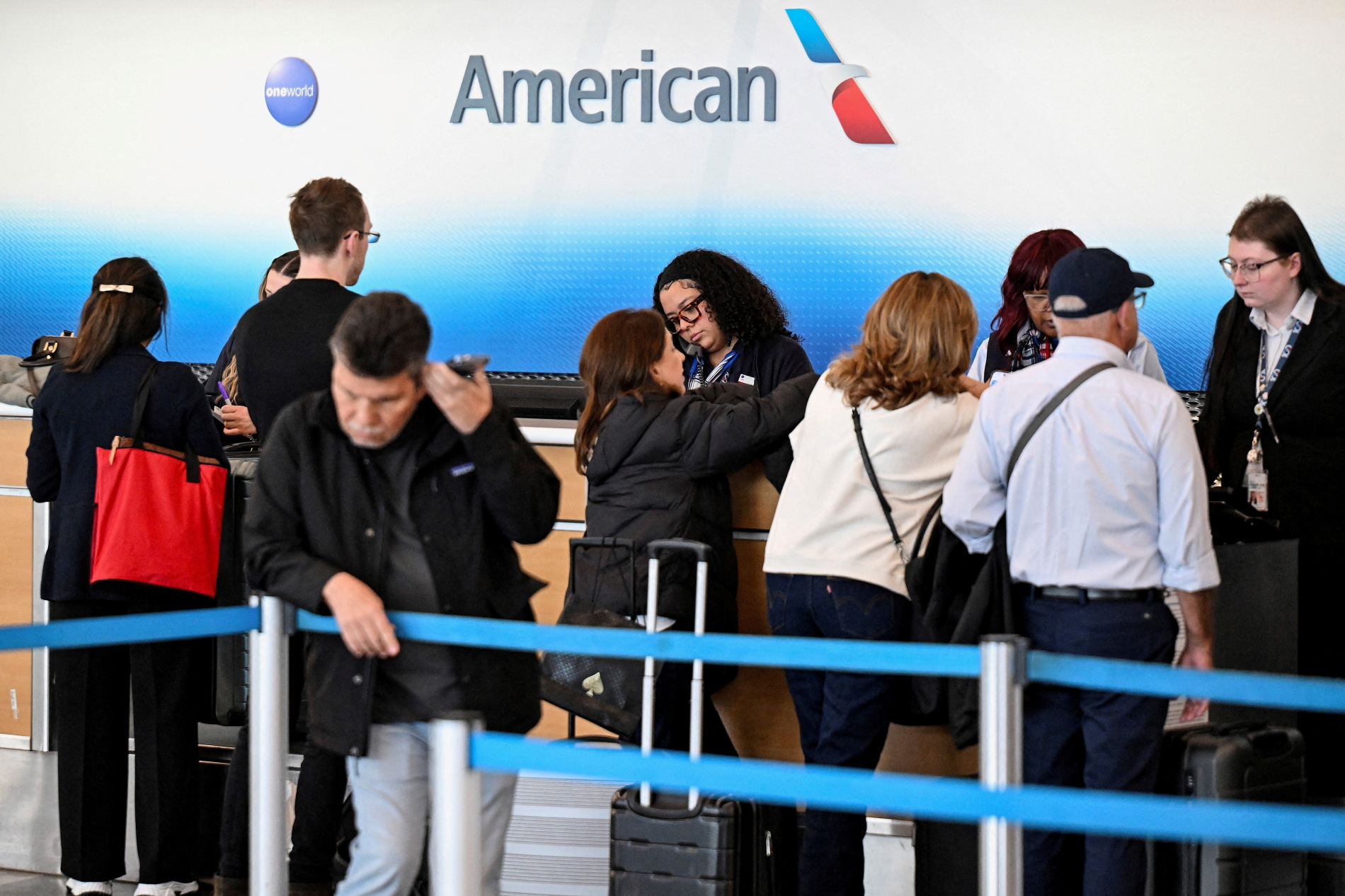
Passengers stand at the American Airlines terminal ticket counter at O'Hare International Airport in Chicago, Illinois, on 14 April 2026.

Uneven effects

The most striking contradiction is this: while prices soar on some routes, they fall sharply on others. Some airlines have cut fares by as much as 50% on selected routes to stimulate demand amid traveller hesitation. The market is no longer moving as a single entity; it is split into three distinct tiers—routes suffering acute scarcity and high prices, others that are relatively stable, and a third group experiencing weak demand and falling fares.

Taken together, these trends point to a new pricing regime in global aviation. One that is more complex and less predictable than before. Distance is no longer the key variable; geopolitical risk has taken its place. Early booking no longer guarantees lower fares; it has become a gamble on uncertain stability. Prices, meanwhile, reflect not only demand but also 'available operational capacity': the number of aircraft and viable routes in a rapidly changing system.

In the end, the consequences extend beyond economics. Higher fares affect not only tourists but migrant workers, students, patients, and families spread across borders, while also weighing on tourism sectors reliant on middle-income travellers. As prices rise on key routes, air travel is gradually shifting from a widely accessible service to a more selective one.

Air tickets, then, are no longer simply the cost of moving from one place to another. They have become a composite indicator of three intertwined pressures: energy security, access to airspace, and the cost of the green transition. In a world where flight paths are being redrawn at speed, the journey now begins not at the airport, but with an understanding of these changing maps.

font change