Why Iran isn’t blinking yet

Trump’s blockade aims to force damaging shutdowns at Iranian oil fields. But Tehran has been through this before.

Al Majalla

Why Iran isn’t blinking yet

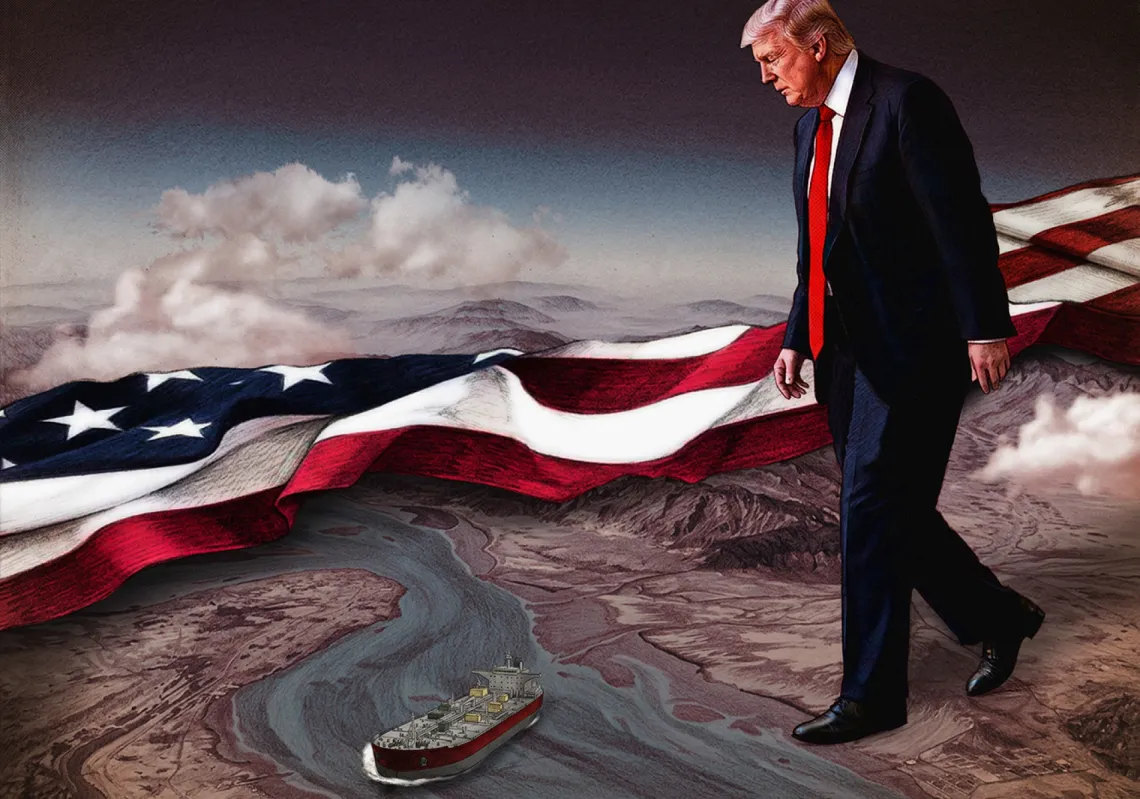
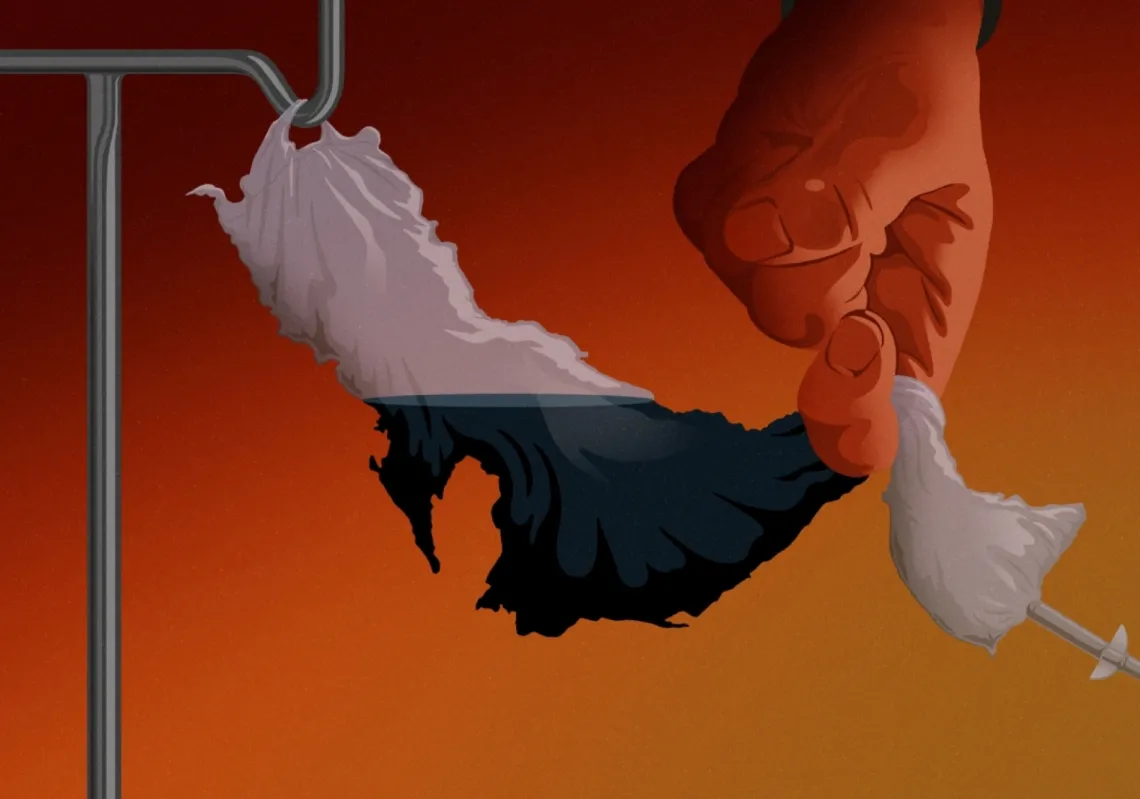
In a way, the impasse between the United States and Iran over the still-closed Strait of Hormuz boils down to storage. The Trump administration believes that the two-week-old, semi-porous US blockade of Iranian shipping will soon bring Tehran to its knees by forcing it to shut down oil wells as it runs out of storage space for crude it can no longer ship. That looming production shutdown, the administration believes, threatens Iran with permanent, severe damage to a major part of its economy, and explains why Washington appears content to wait for an Iranian surrender that has yet to materialise in the eight-week war.

Iran is aware of the challenge and is scrambling to find places to stash its crude as its oil exports have fallen by three-quarters since the US blockade began. But Tehran has been through this several times before, with severe US sanctions pressure from the Obama and Trump administrations leading to production shutdowns—and neither administration caused lasting damage to the country’s oil fields. And Iran is still loading and exporting oil despite the US blockade.

Meanwhile, US Gulf allies are already in month two of their own production shutdowns, which are much larger collectively than anything Iran might face. That, coupled with the rising price of oil and the steady trickle of renegade tankers that continue to bring Iranian oil to market, is a significant part of why Tehran is not blinking yet. Oil in the United States rose to over $100 a barrel on Tuesday, and the global benchmark topped $111 a barrel.

Forcing Iran to curtail oil production—with potentially severe and lasting consequences—is the whole rationale behind the administration’s blockade, which was put into place on 13 April.

US President Donald Trump said over the weekend that Iran’s imminent shutdown of oil production will make its oil lines explode, and “when it explodes ... you can never rebuild it the way it was.” US Treasury Secretary Scott Bessent predicts that a production shutdown will trigger domestic gasoline shortages in Iran, and presumably greater internal pressure on the country’s regime. Advocates for this tactic argue that prolonged shutdowns of Iranian oil fields will cripple a significant portion of their capacity and increase financial pressure on the (already unpopular) regime.

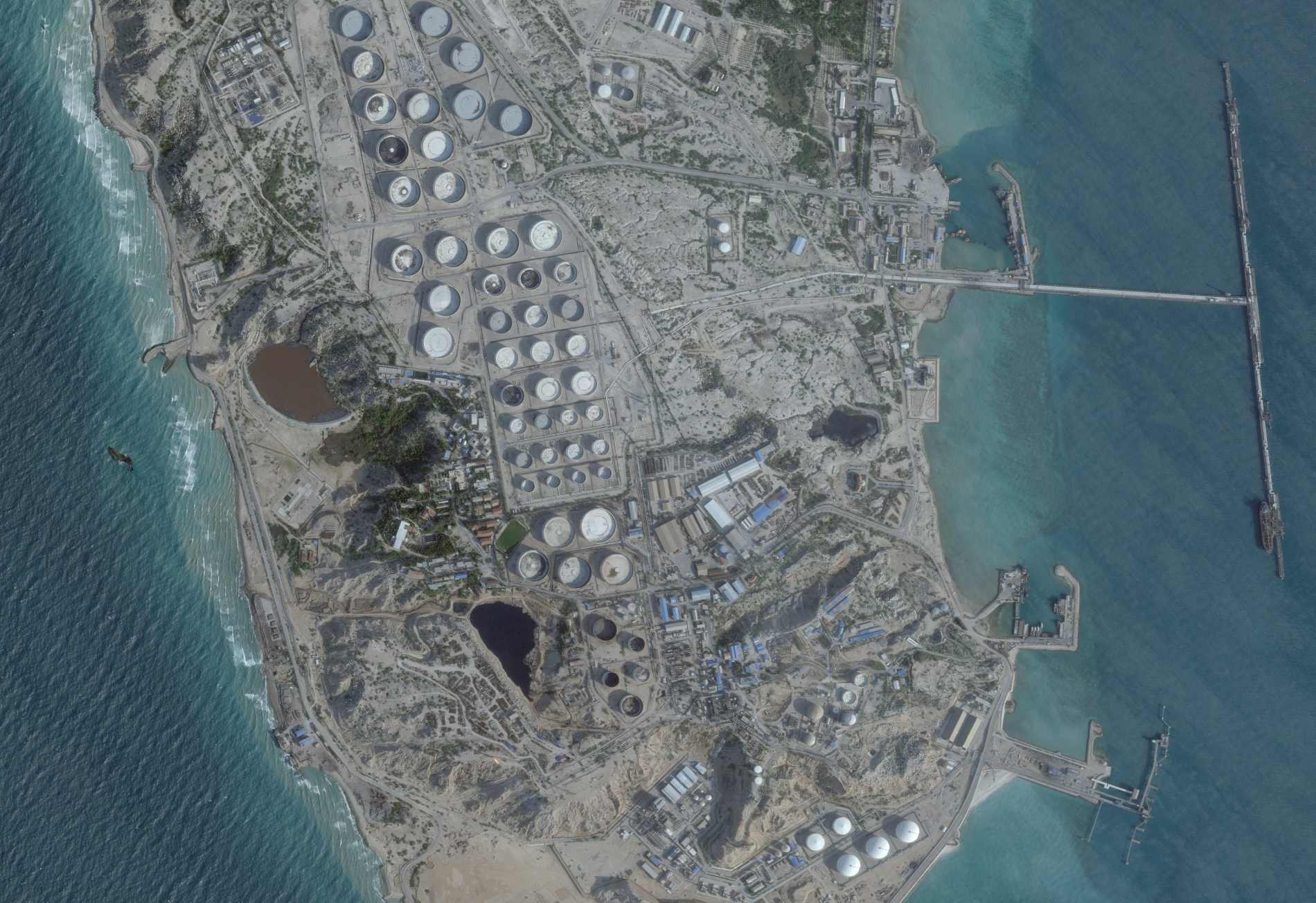
And two weeks into the US blockade, Iran is running low on oil storage. It has taken an old oil tanker out of mothballs that could serve as temporary floating storage and is seeking additional onshore storage tanks to complement the main facilities on Kharg Island.
Reuters
Satellite image of an oil terminal on Kharg Island, Iran, on 25 February 2026.

It has taken advantage of a handful of returning, empty tankers that slipped through the US blockade to store some there. But this is a challenge Iran has been facing—and meeting—for decades.

“Are they close to having to shut in production? No, tankers are still coming and going from Kharg Island, and they still have some onshore storage,” said Gregory Brew, a senior analyst for Iran and energy at the Eurasia Group. Iran has resorted to using old tankers in the past as well. “That would suggest to me that they are preparing for the blockade to bite, but I don’t think it is biting yet. Traffic is still moving for Iran.”
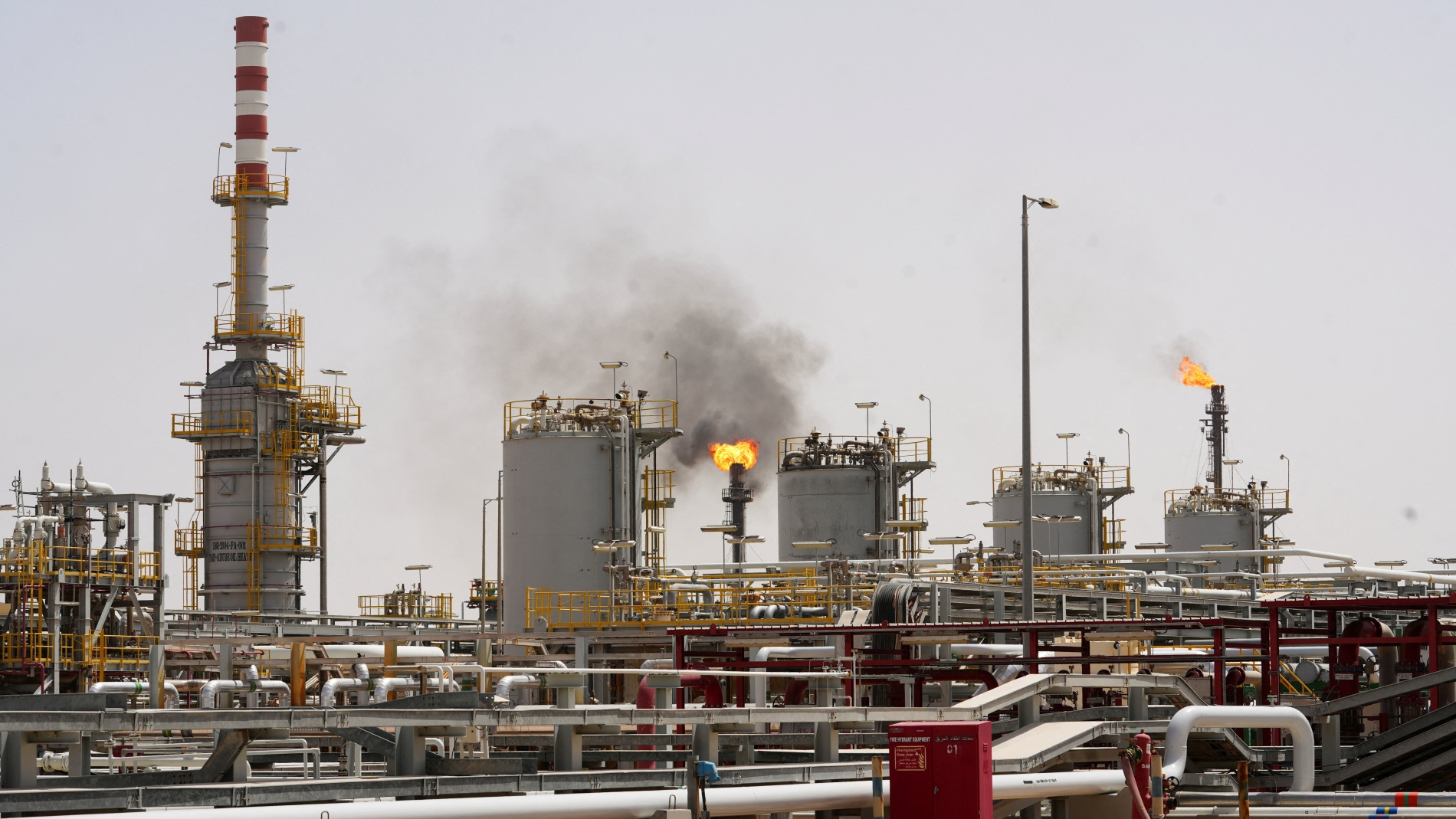
Iran has previously faced sanctions pressure that sharply curtailed its oil exports, but it did not cause lasting damage to its oil fields.

But Iranian oil tankers are apparently piling up just outside the Strait of Hormuz and venturing no further. If the US blockade continues and tightens, then Iran likely will hit a hard limit on the amount of oil it can continue to produce. And then the oil field shutdowns would begin. But they may not be as damaging as administration officials hope.

In 2012-13 and again in 2019-20, Iran dealt with sanctions pressure that sharply curtailed its oil exports and led to managed reductions in its oil output. But it did not cause long-term lasting damage to Iranian oil fields.

The National Iranian Oil Company has done this twice before. They have shut-in expertise, and the oil fields are those that had been shut in before. The officials are the same, and they are experienced enough that they know what to do," said Brew, though he acknowledged that a rapid, forced shutdown of production at older oil fields could risk some long-term damage to the reservoir, and thus to future production capacity.

Reuters
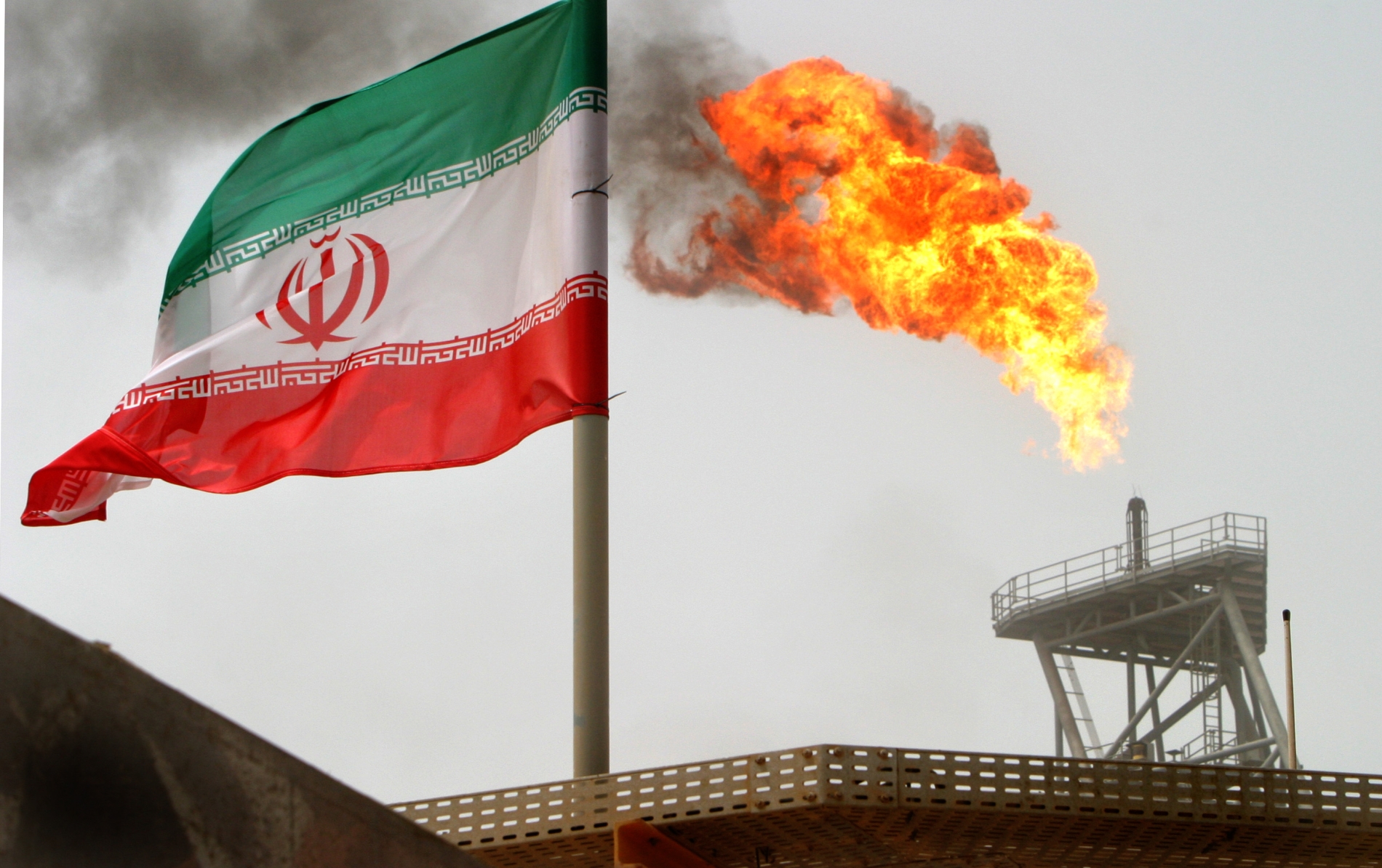
An oil production platform in the Soroush oil field with the Iranian flag on 25 July 2005.

On the other hand, those previous episodes did not feature a full-on US blockade, and there were more options for floating and onshore oil storage. Especially in older oil fields like those in Iran, the risk of shutdowns is that water creeps back into the reservoir, sharply limiting future recovery rates.

"As storage approaches capacity, Iran will first reduce production rates to buy time and minimise reservoir damage. If the blockade persists, cuts become inevitable," said Alexandre Araman, the director of Middle East Upstream at Wood Mackenzie, an energy consultancy.

Iran's older oil fields, he said, are "susceptible to water breakthrough, risking long-term damage from shut-ins exceeding one month. Iran may employ rotational shut-in strategies, cycling wells offline to preserve reservoir integrity. Even so, full recovery remains uncertain given the maturity of the asset base."

The reason this math may not provide a way out of the impasse for the Trump administration is that US allies in the Gulf already have far more oil production shut down and face many of the same concerns about long-term damage as the war drags on. Collectively, they have shut in more than 11 million barrels of oil per day, Araman said.

Reuters
Al-Zubair oil field in Basra, Iraq, on 6 April 2026.

"Iraq stands out. Even if the strait reopens next month, oil production is likely to recover to only about 85% of prewar levels by year-end, with full recovery not expected before 2028. Some wells are likely to suffer permanent damage," he said.

Ultimately, although the race between oil storage and oil production is driving the immediate future of the US-Iran ceasefire process, other factors may be more important, Brew said.

The US and Israeli decapitation strikes on Iran's previous leadership have left the hardline Islamic Revolutionary Guard Corps (IRGC) as the most powerful single group in Iran. The IRGC has its own sources of revenue after years of building regional smuggling networks and expanding throughout the Iranian shadow economy, and is less concerned about domestic fuel prices and popular unrest than technocratic or pragmatic leaders might be.

"Even if the economy collapses, the IRGC is OK, and they are the ones doing the negotiating," Brew said. "The IRGC is very resistant to economic pressure. For hardliners, this will feed their resolve, and their idea that resistance is what matters."

font change

Related Articles