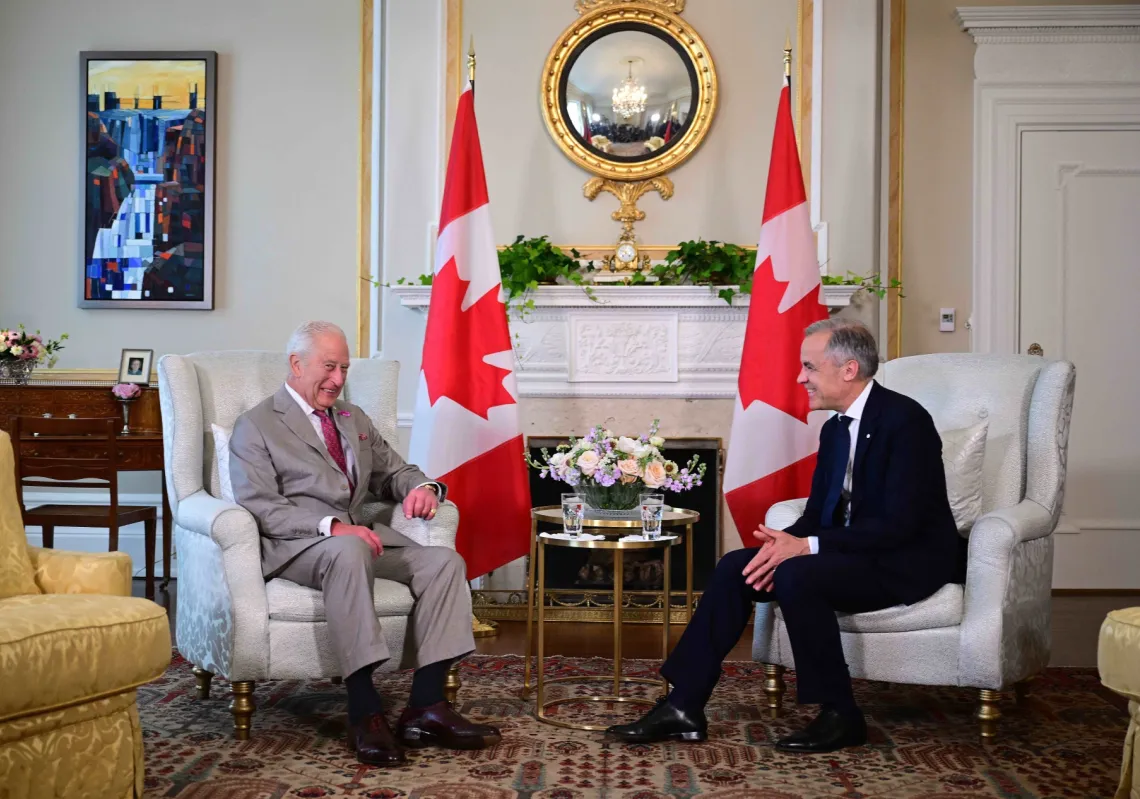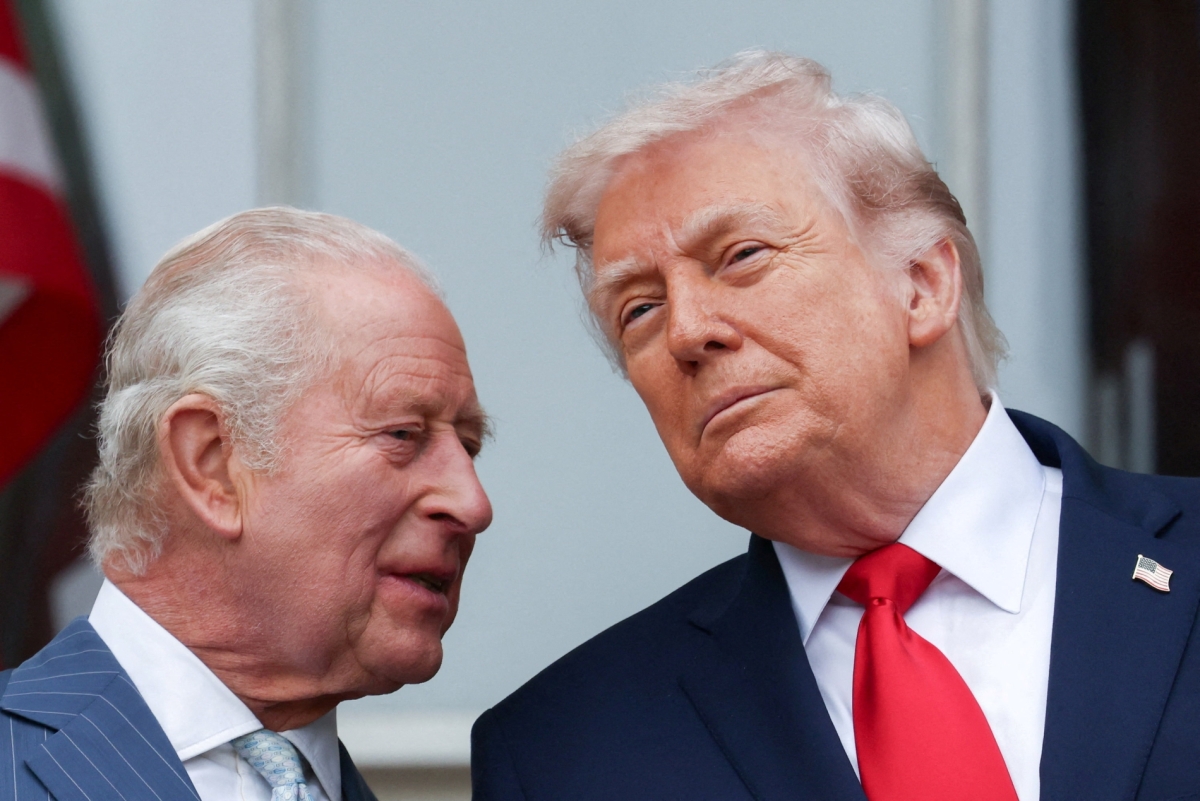

In many respects, US President Donald Trump has much in common with the British monarch, King Charles III. Both men were born in the 1940s into families that enjoyed wealth and privilege, and both, for different reasons, waited for decades before achieving their ultimate goal of becoming heads of state of their respective countries.
But as events in Washington this week have shown, that is as far as the similarities go. While King Charles, who was raised on the basis that serving one’s country involved a mixture of duty and sacrifice, Trump has adopted a more brash and less considered approach in his bid to reach the White House—a difference that was very much in evidence when the two leaders spoke.
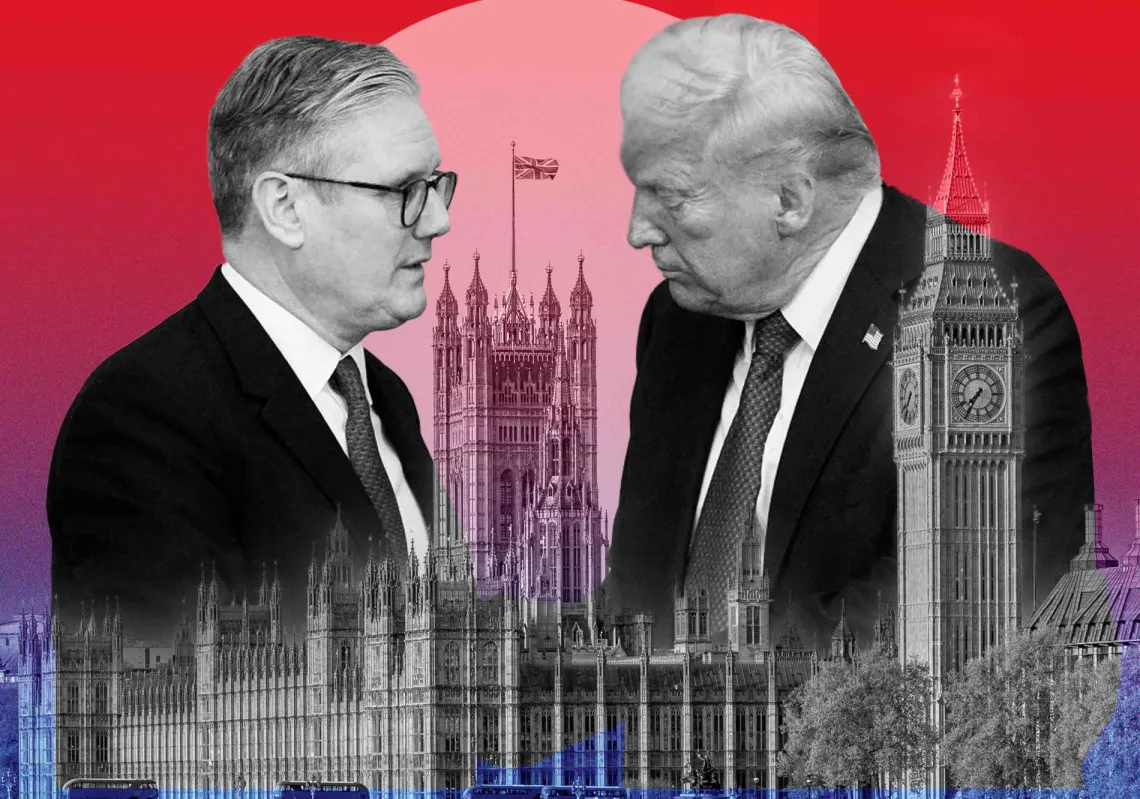
There have been understandable concerns among British officials about Charles’s four-day state visit to the US, the first time a male monarch from the UK has been afforded such an honour. With relations between Trump and British Prime Minister Sir Keir Starmer at an all-time low over their different approaches to the Iran conflict, there was unease in British circles that Trump’s unpredictability in public could pose further challenges to the transatlantic relationship.
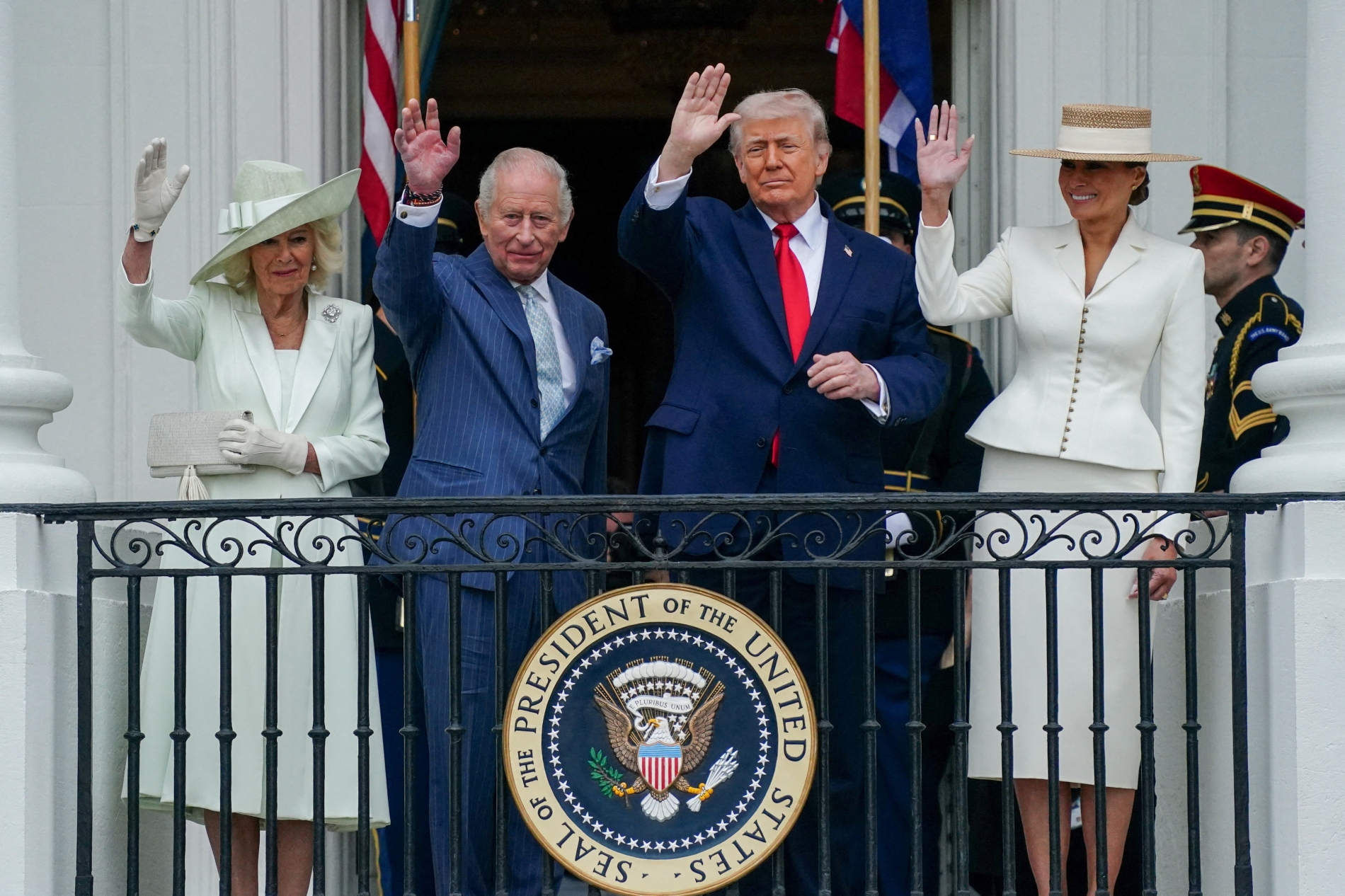
But in his opening remarks, Trump welcomed the king and Queen Camilla to the White House, where he made the revelation that his Scottish-born mother was particularly keen on the Royal Family.
“Any time the queen was involved in a ceremony or anything, my mother would be glued to the television, and she’d say, ‘Look, Donald, look how beautiful that is.’ She really did love the family. I also remember her saying very clearly, ‘Charles, look, young Charles, he’s so cute’. My mother had a crush on Charles. Can you believe it? Amazing, how I wonder what she’s thinking right now.”
High regard
Trump’s admiration for the British Royal Family was certainly evident from the lavish reception he laid on, with the formal welcome representing the best pomp and pageantry of the US military. At a scale never seen at the White House before, the president gave a full ceremonial welcome on the South Lawn for his royal guests, including a 21-gun salute and a flypast of F-45 fighter jets.
While Trump’s relations with Starmer remained strained, British officials hope that the king’s visit will go some way toward restoring relations with Washington. And, judging from the reaction to the king’s address to both houses of Congress, as well as his speech to the state banquet at the White House hosted by Trump and the First Lady, Charles’ tact and skill in negotiating a difficult diplomatic challenge appear to have been undoubtedly a success.
However, Trump appeared to break with protocol by suggesting that Charles had supported the Trump administration’s policy that Iran should never be allowed to have nuclear weapons. It is an important principle of the British constitution that the monarch does not publicly comment on government policy issues.
Addressing the 120 guests assembled for the banquet, Trump claimed that the king had agreed with him during a private conversation in the Oval Office that Iran could never have nuclear weapons.
“We have militarily defeated that particular opponent, and we’re never going to let that opponent have a nuclear weapon. They know that, and they’ve known it right now, very powerfully. Charles agrees with me even more than I do.”
12 standing ovations
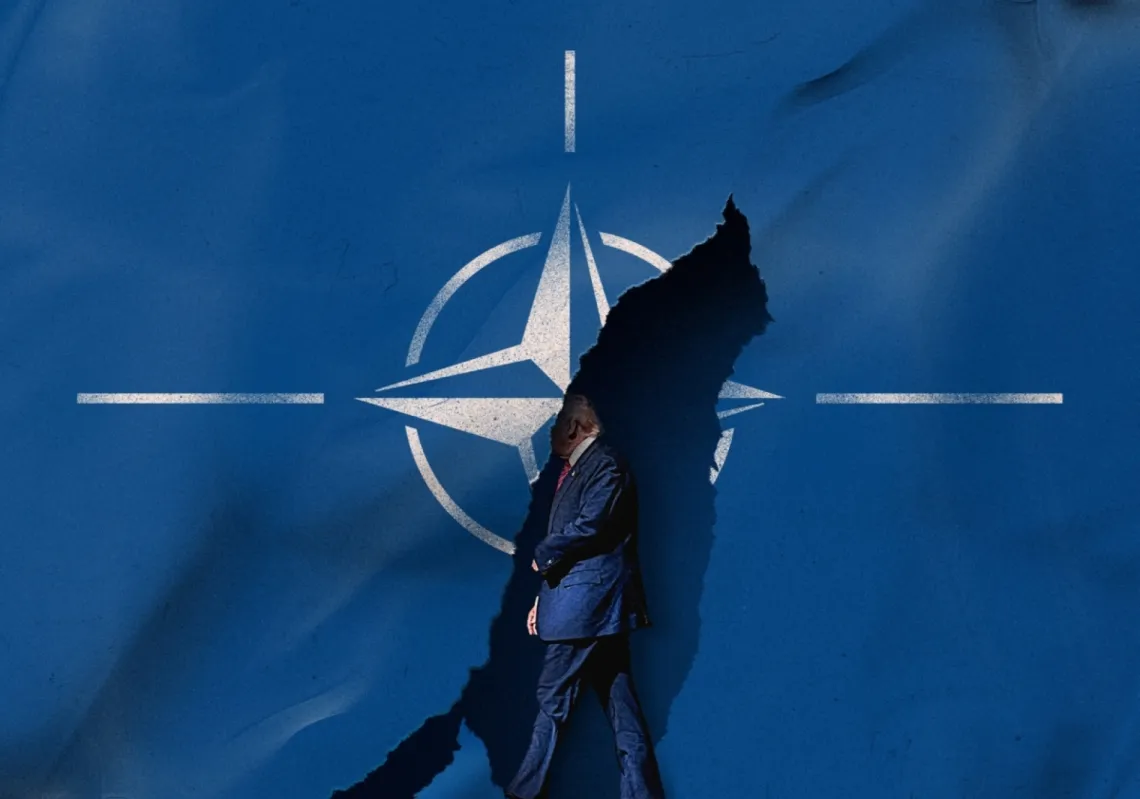
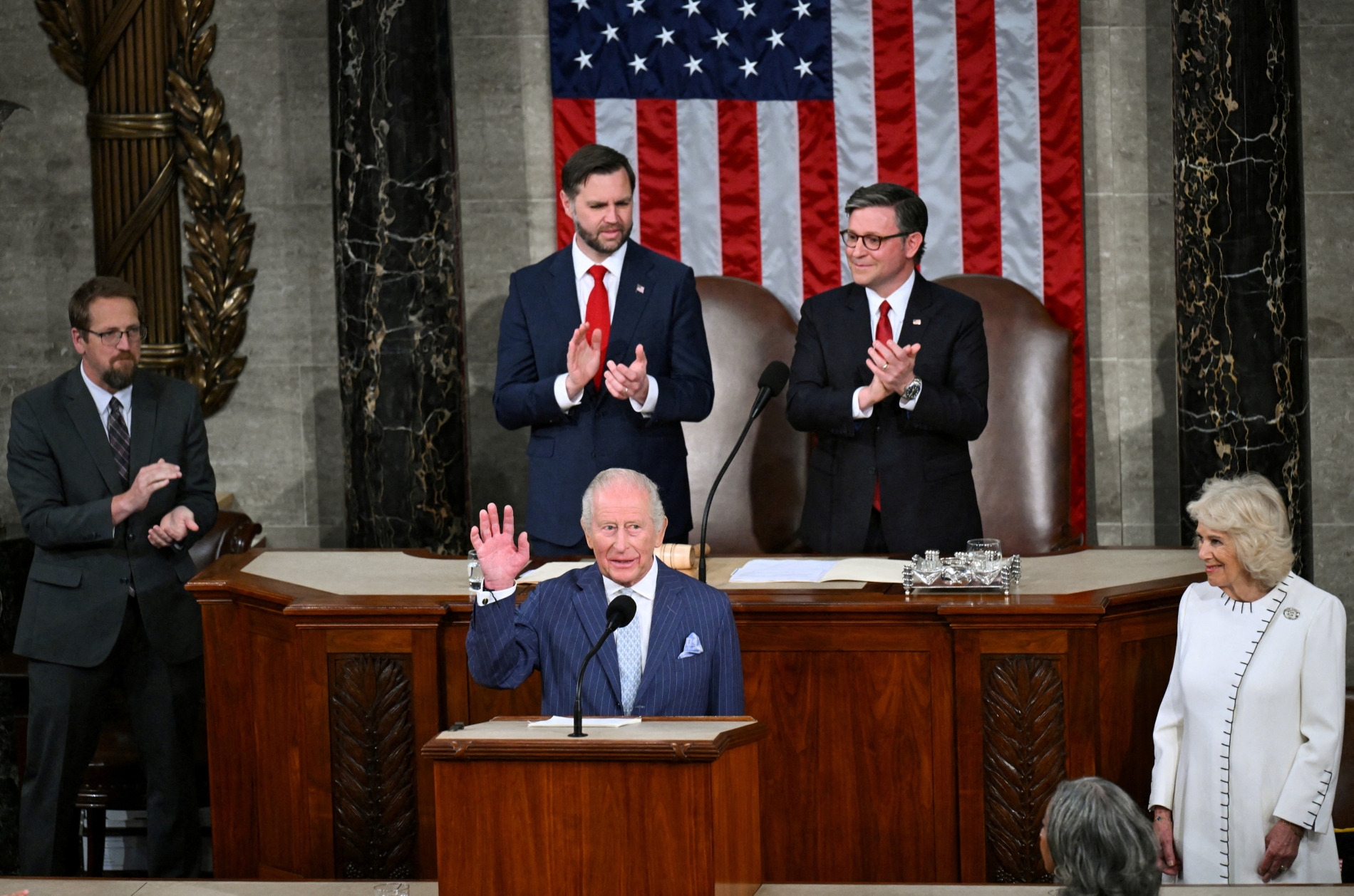
But it was during his address to Congress that Charles made his most important contribution, receiving 12 standing ovations for what many political observers regarded as a masterclass in diplomacy. While defending NATO's importance, Charles also conceded that the UK needed to do more to increase its military contribution to the alliance.
Given the warmth of the reception the royal couple received from the start of their four-day visit, it is clear their presence in the US will go some way to restoring relations between Washington and London, even if deep political divisions still persist between Trump and Starmer.