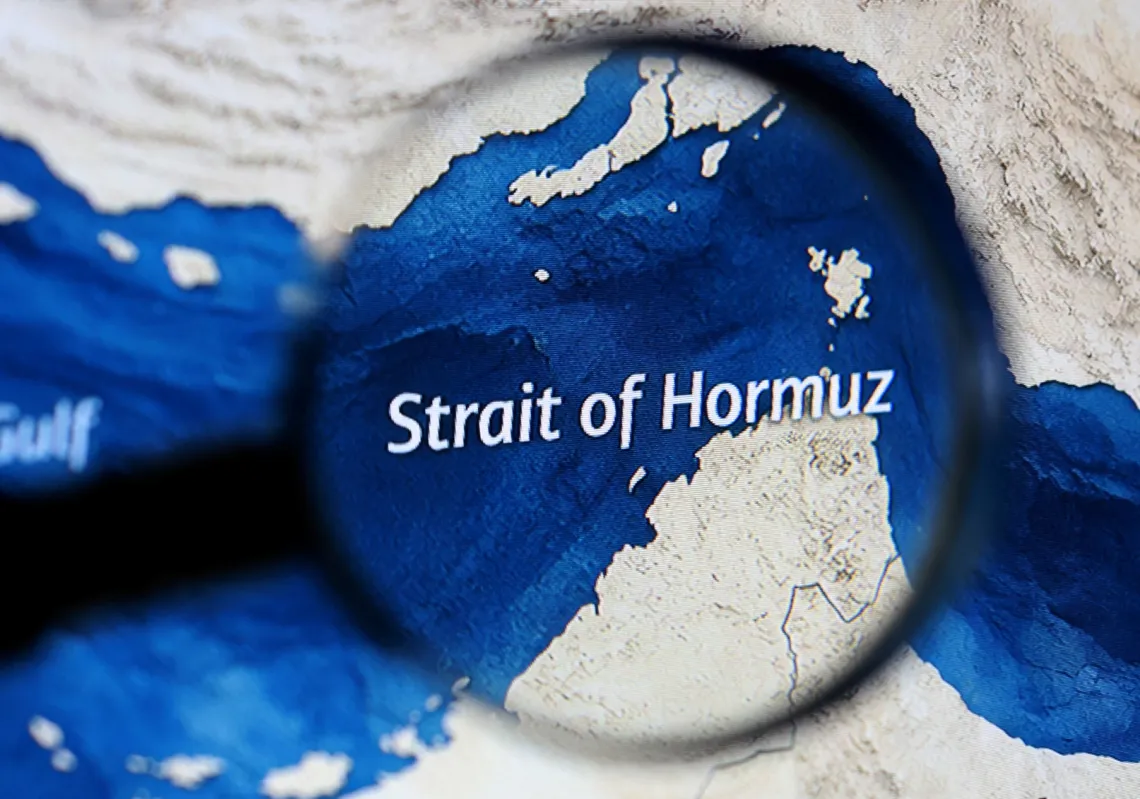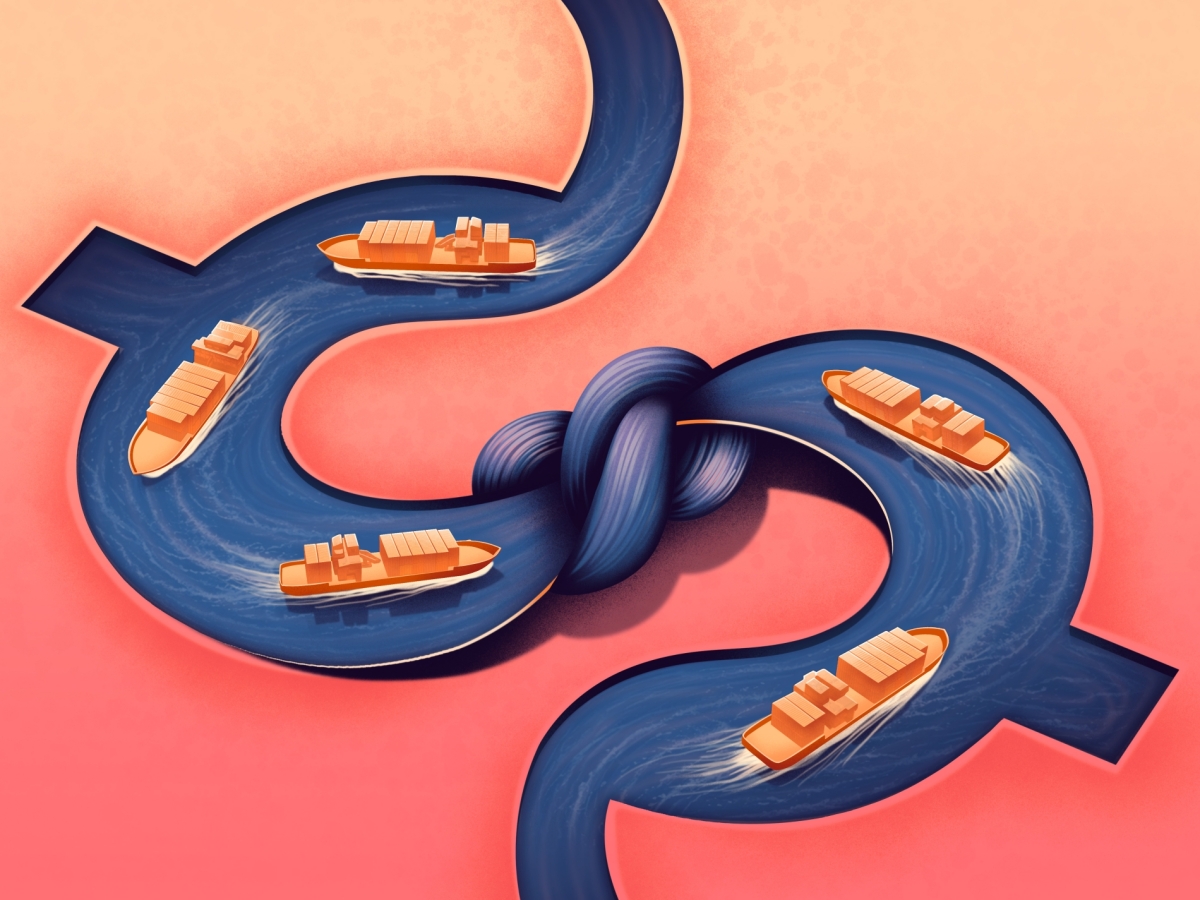

In a 2020 survey of Americans, just over one in five could locate Iran on a map. With such a poor result for a Middle Eastern country that is roughly the size of the state of Alaska and twice the size of Texas, it is a safe wager that an even lower percentage of Americans would have ever heard of the Strait of Hormuz.
Yet, since 28 February, when the United States and Israel launched a sneak attack on Iran, the natural waterway that connects the Arabian Gulf with the Gulf of Oman has been all over the news; it also increasingly dominates the foreign policy of the presidential administration of Donald J. Trump.
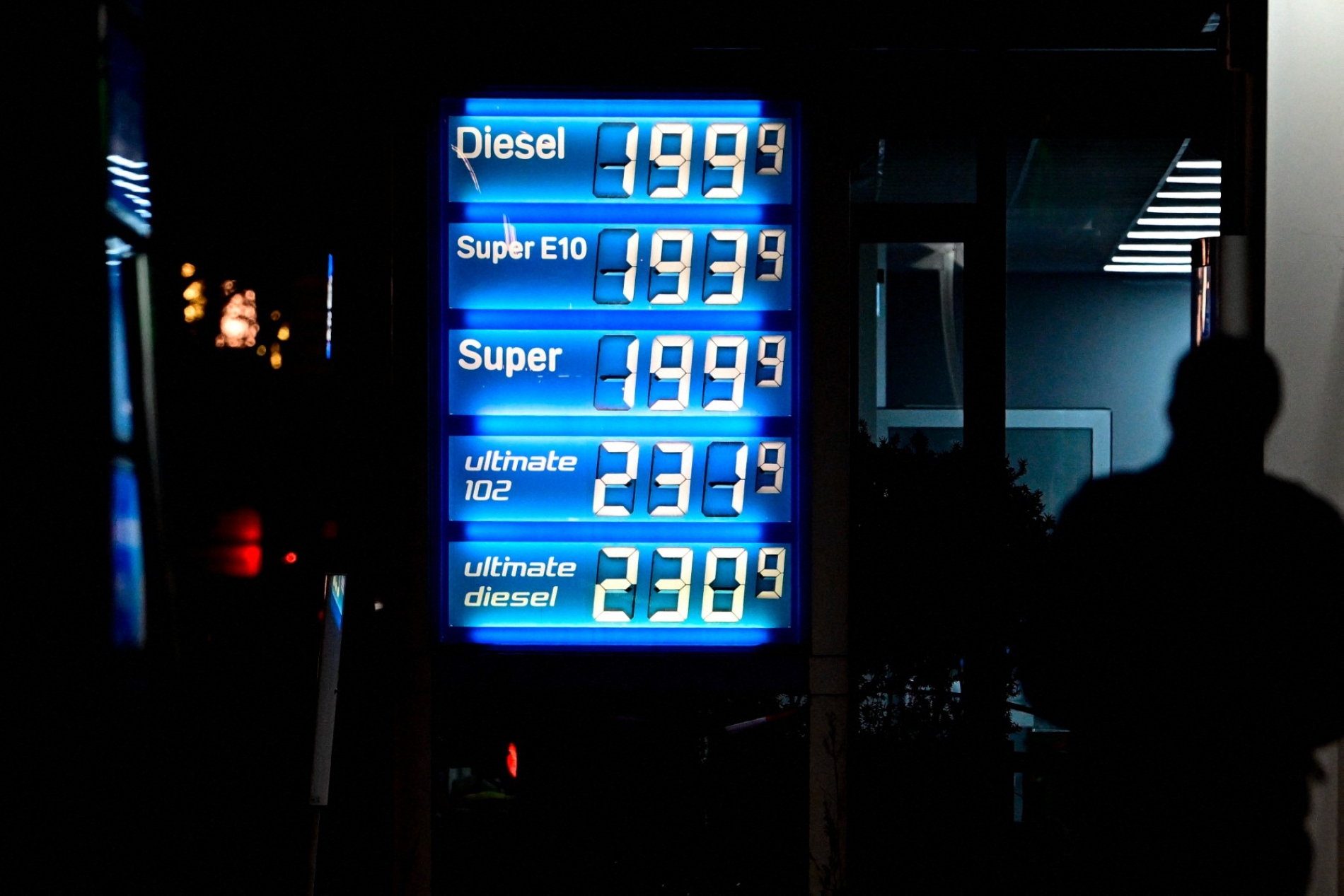
The vital importance of such a waterway, which has driven the US president to rant on social media and caused numerous countries around the world to curtail energy use, seems surprising in the 21st century. After all, we live in a digital age in which information travels in an instant, and in an era of jet planes, where a passenger can journey to almost any point on Earth in a few hours.
The geopolitical and economic reality of the world, however, is rather different from the online version. According to a 2025 United Nations study, 80% of the world’s goods still make at least part of their journey by ship, a mode of transport used for at least 5,000 years. During a recent week on the west coast of Wales, I had a personal experience of the significance of shipping: I used an app to track ships near shore travelling from a variety of global destinations, including Angola, into Milford Haven, the United Kingdom’s top energy port.
As the world has seen in the past, notably during Covid and the 2021 temporary blockage of the Suez Canal, the prevailing model for supply chains has been based on speed and not necessarily resilience. What that means is any disruption can have major implications for global trade. It also creates opportunities for smaller nations like Iran to become global political players at a moment’s notice. Geography still matters in 2026, and it can control destiny.
Crucial chokepoint
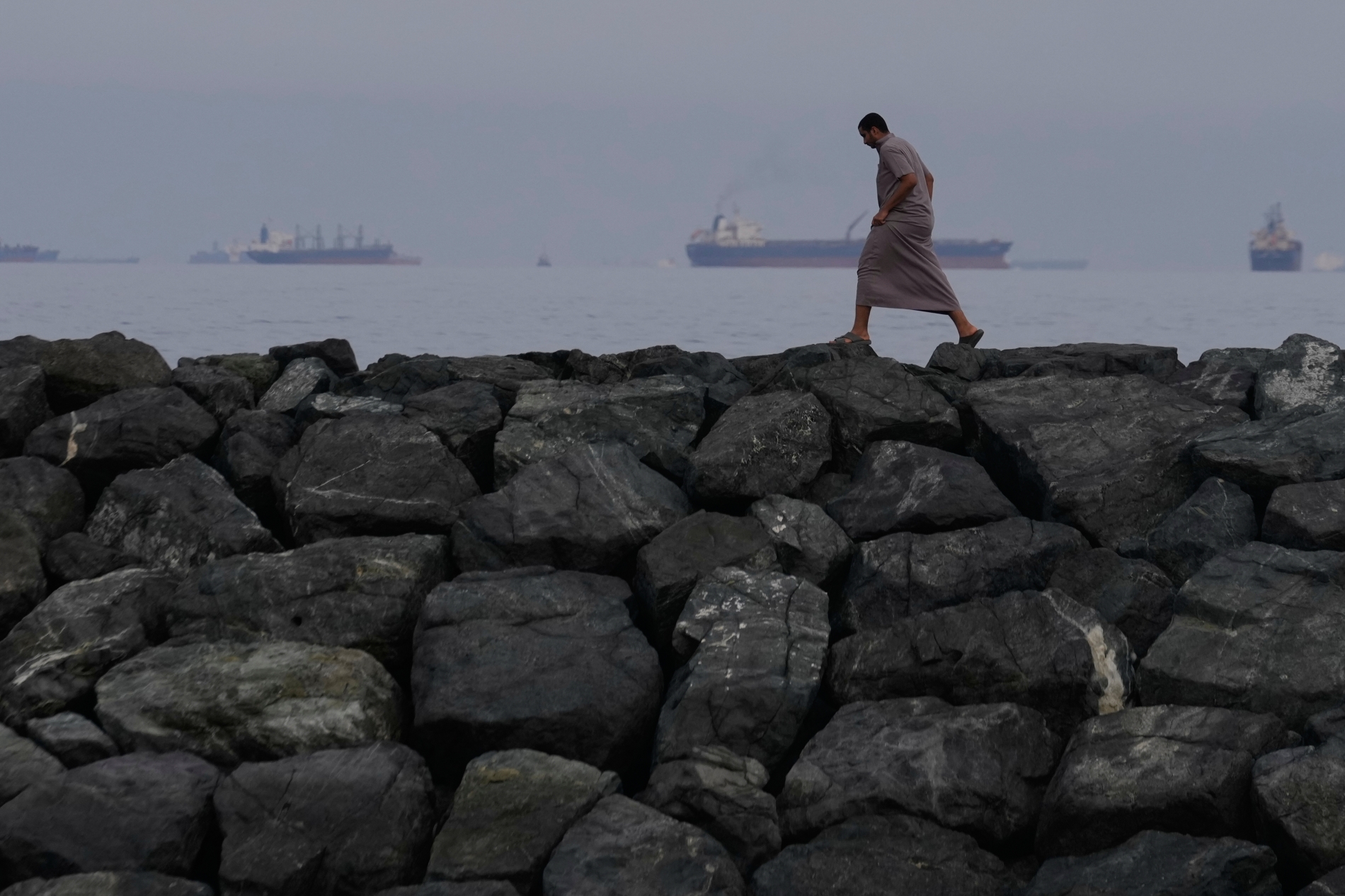
Which brings us back to the Strait of Hormuz. At its narrowest, the waterway is around 24 miles across, comparable to the English Channel at its shortest width. The shipping lanes in the Strait of Hormuz, however, are significantly smaller and thus easier to disrupt; just two miles in each direction for ships to travel through. Transiting this narrow passage over a year is 20% of the world’s oil, but other important products as well, including a third of the globe’s fertiliser and helium, which is crucial for MRI scanners and the construction of semiconductors.
Control of natural waterways, such as the Strait of Hormuz, represents not just economic clout but pure political power. This reality has long been known. The Strait has served as a lengthy insurance policy for the Islamic Republic of Iran against any existential threats to the theocratic state of the type currently posed by Israel and the United States. This truth is why previous US presidential administrations, both Democratic and Republican, avoided any prolonged military conflict with Tehran despite various provocations over nearly 50 years.
There were certainly anxious times in the past over the Strait of Hormuz. The closest point to open conflict between Iran and the US. was in the 1980s, in periods of high tension around the Iran-Iraq War and American involvement in the region. Iraqi attacks on Iranian oil facilities led to the tankers of other countries, namely Kuwait, being hit.
Eventually, both the Soviet Union and the United States became involved in escorting ships through the perilous waters. In 1988, the US Navy sank an Iranian frigate and several smaller naval vessels after a US guided missile frigate struck an Iranian mine. A few months after this clash, a US warship operating in the Strait mistakenly shot down an Iranian passenger jet, killing 290 people.
Potential flashpoint
Nor is the Strait of Hormuz unique as a potential flashpoint. The Strait of Malacca is, arguably, even more significant than Hormuz. Over 500 miles long, the waterway, which stretches between Malaysia and Indonesia and is administered by those countries and Singapore, serves as a transit route for fully one quarter of all global trade and a third of the world’s oil.
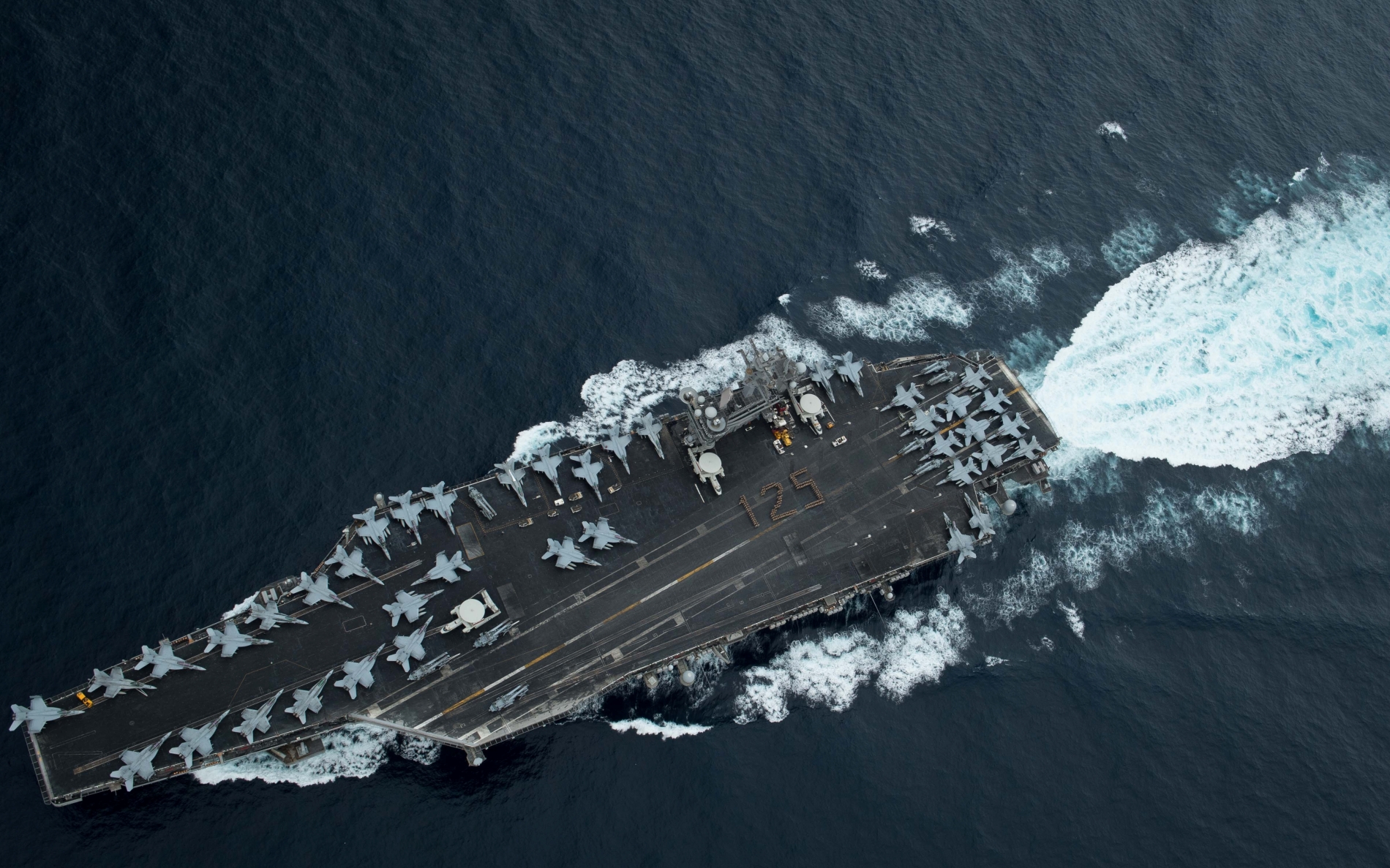
The Strait of Malacca is crucial to the People’s Republic of China: 80% of its oil imports and 90% of its trade travel through the strait. The blocking of the Strait of Malacca in the event of a conflict between China and the United States would have potentially devastating consequences for the former, even as questions about the effectiveness of naval blockades, based on historical precedent, remain. This possibility, which former Chinese President Hu Jintao referred to in 2003 as the “Malacca dilemma,” has driven Chinese naval expansion in the region along with efforts to assert its regional dominance.
In turn, Chinese military growth has raised concerns that it is not being blockaded but rather the blocker in the Taiwan Strait, another strategically significant and contested natural waterway. Nearly 50% of global trade travels along the shipping lanes connecting the East and South China Seas. It runs, of course, between mortal enemies: Taiwan and China.