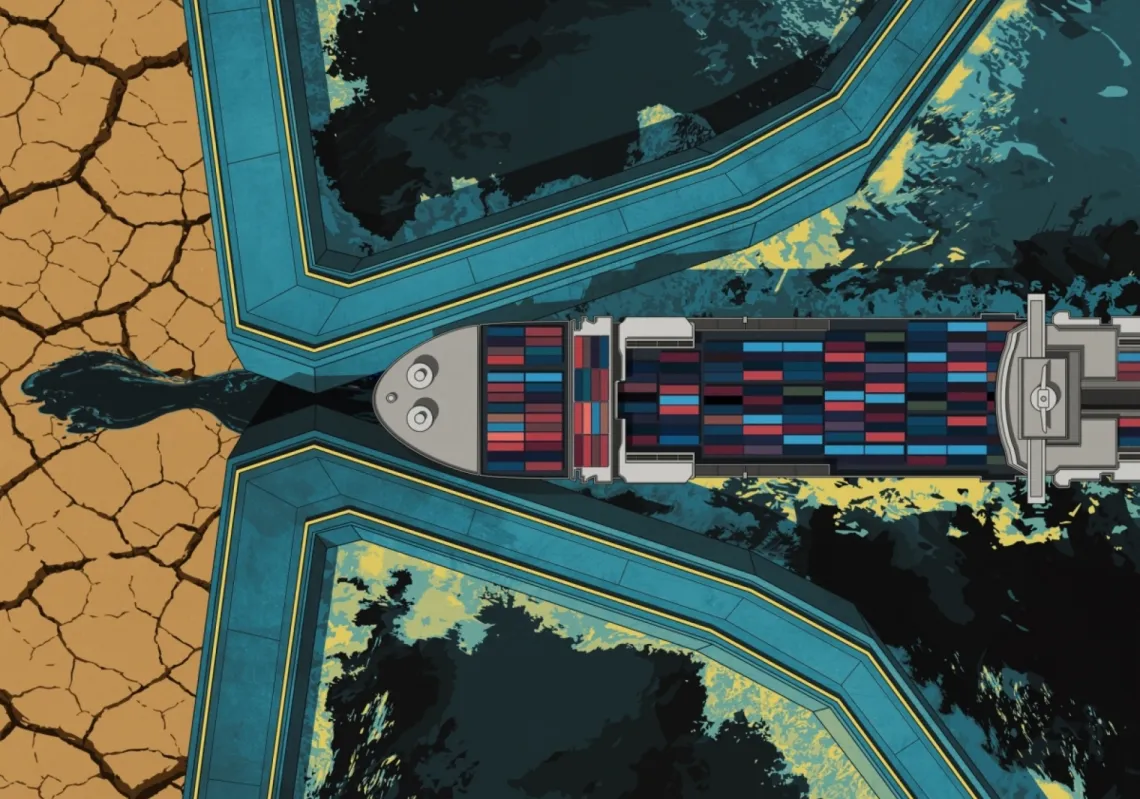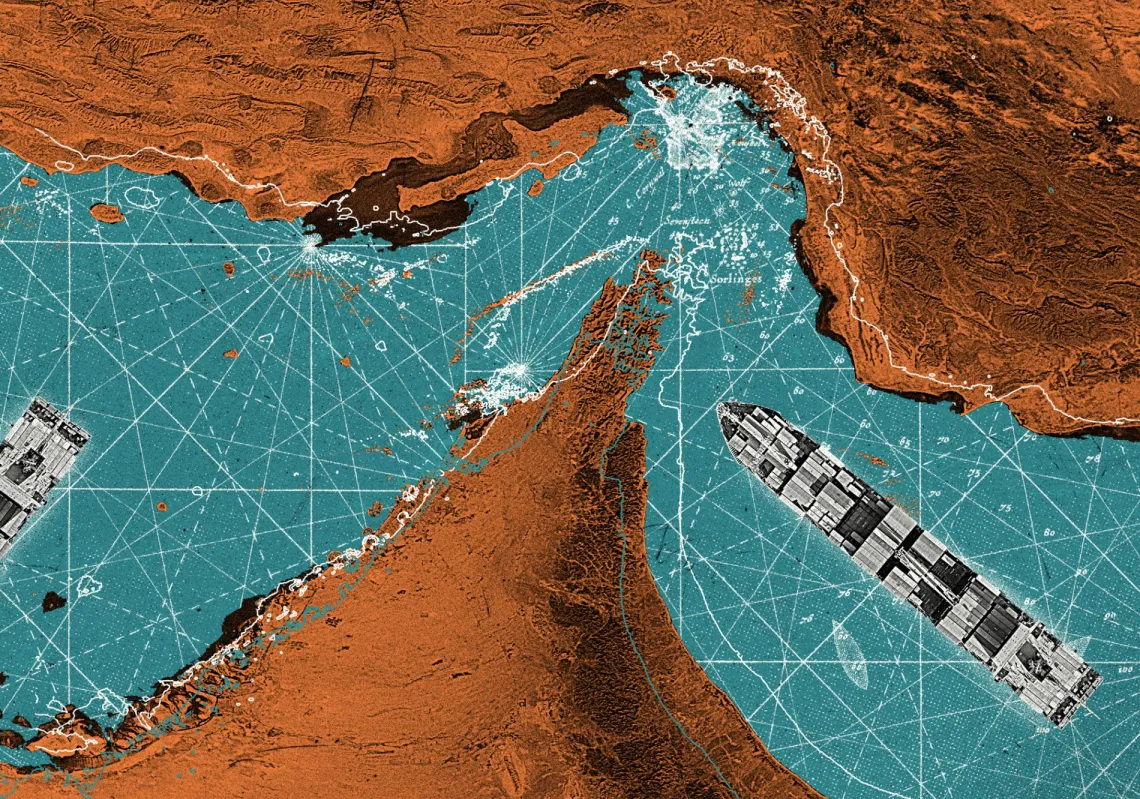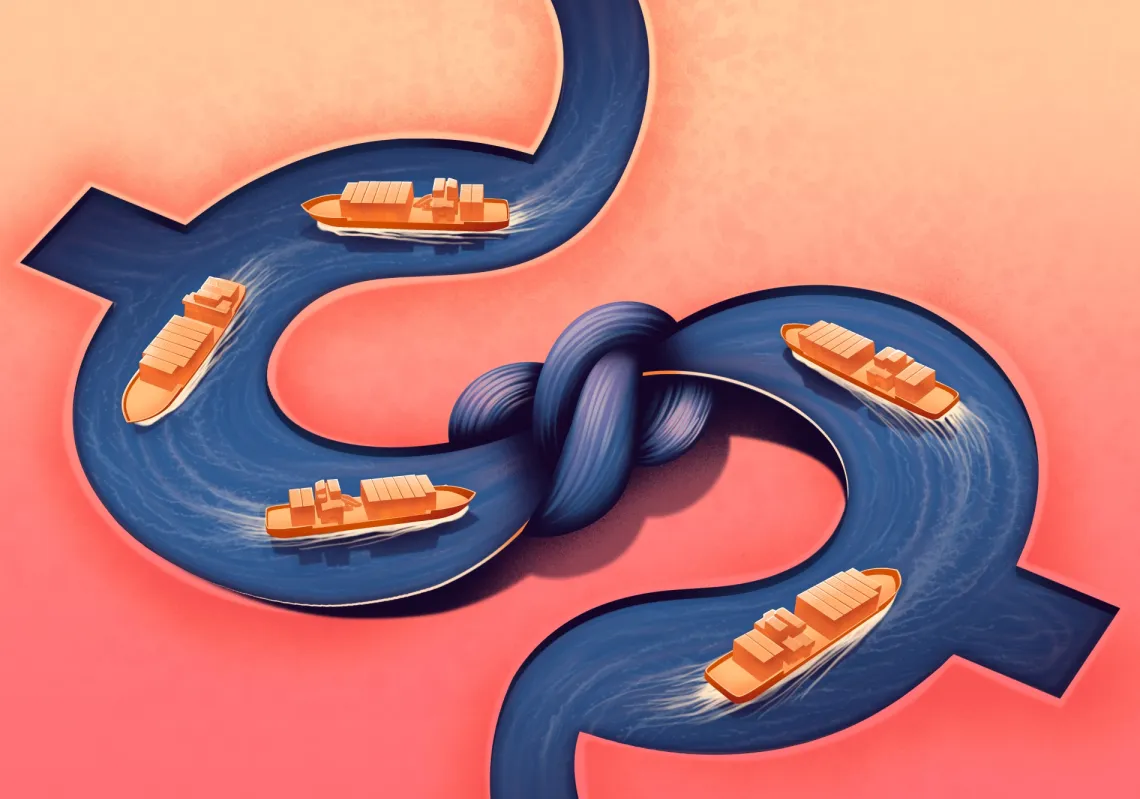

As regional tensions intensify and maritime traffic remains disrupted, the Strait of Hormuz challenge is compelling Gulf states to rethink the economic model on which they have relied for decades. The US-Iran war exposed the inherent vulnerability in relying on a single corridor through which a significant chunk of the world’s oil and gas trade passes. This has prompted these states to begin searching for more resilient alternatives that offer greater flexibility.
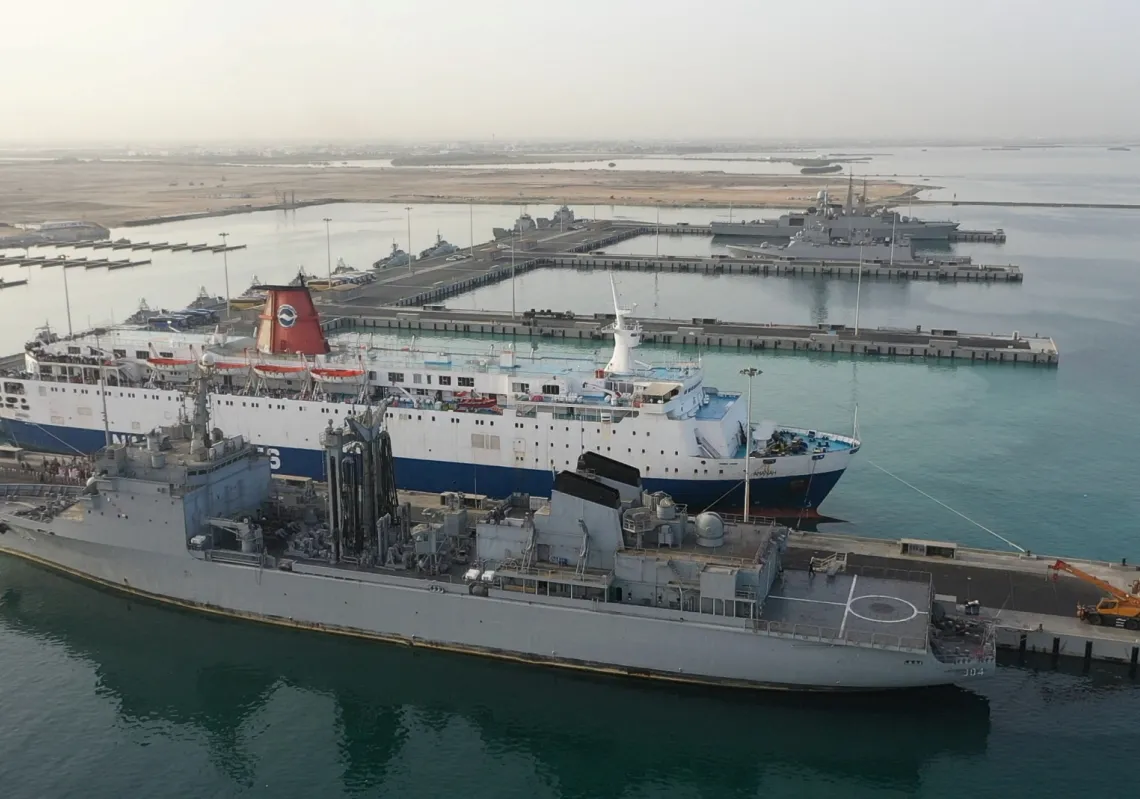
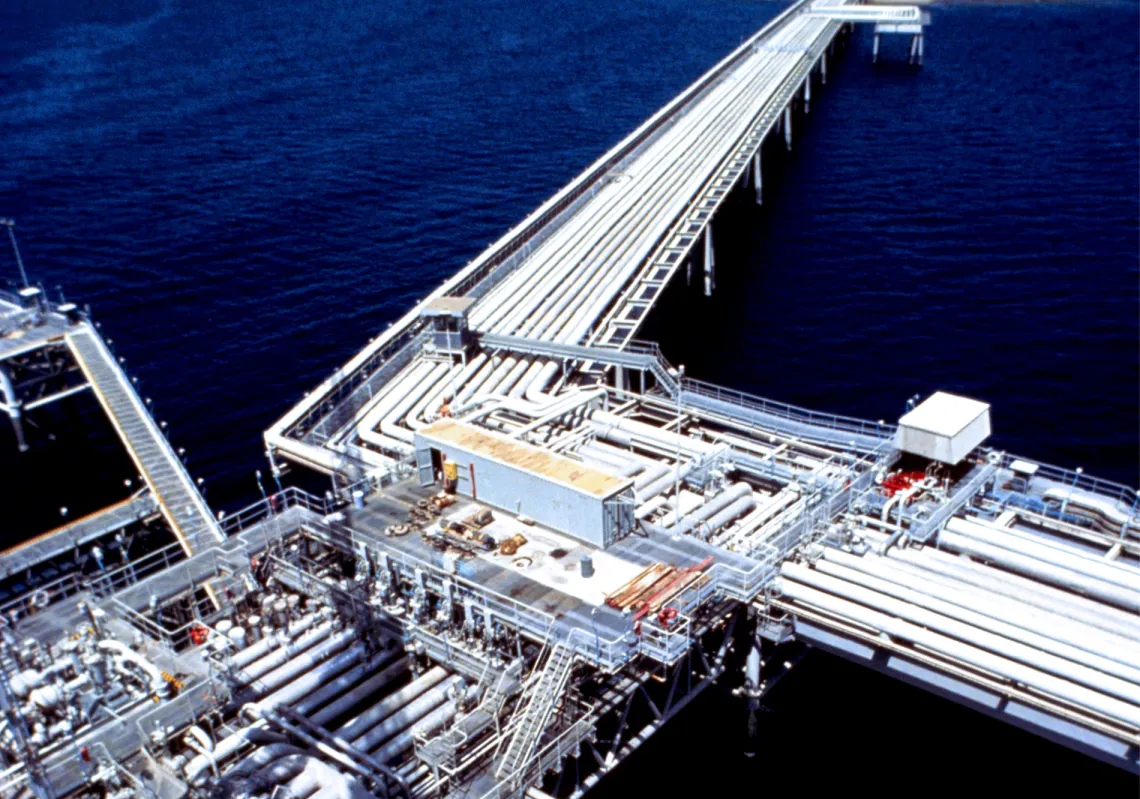
Against this backdrop, Saudi Arabia is emerging as the geographical and economic linchpin capable of redrawing the map of energy and trade flows. By virtue of its position between the Gulf and the Red Sea, it is gradually assuming a new role, positioning itself as an indispensable regional transit platform—one that could change the regional trade and transport map for years to come.
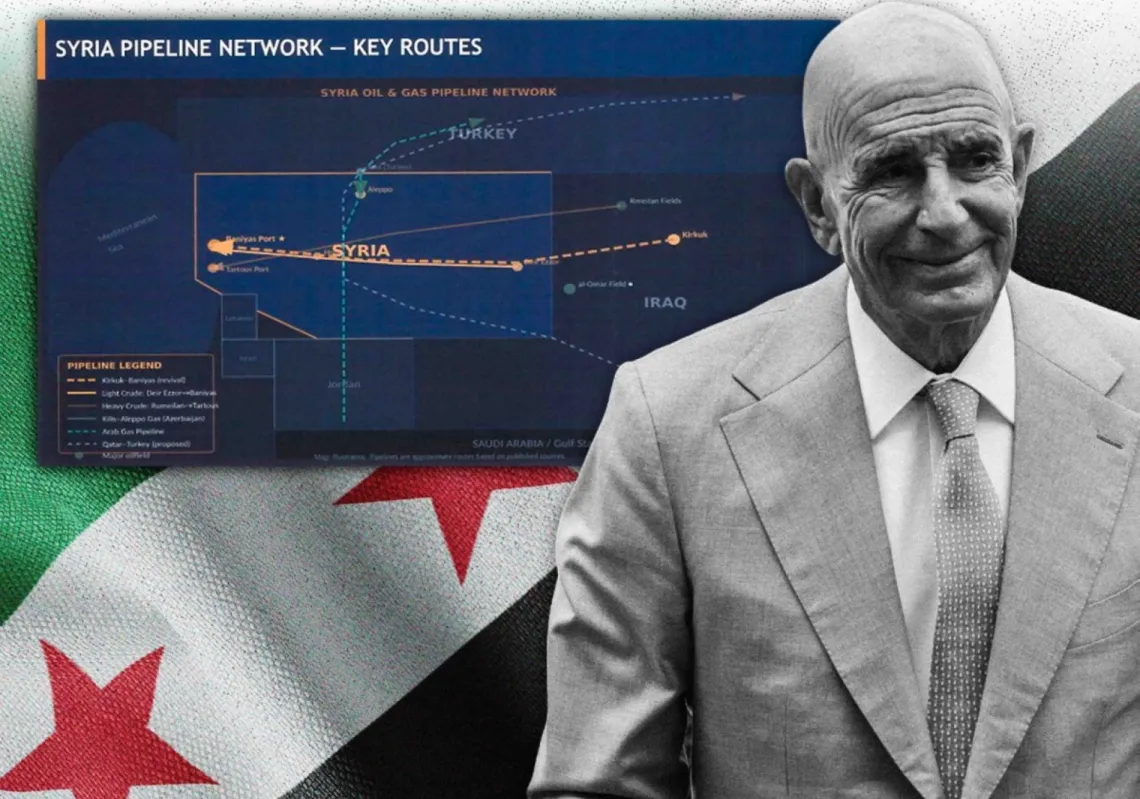
Unravelling the Hormuz bottleneck the title of Al Majalla’s cover story this week. We examine the issue from every angle, while also exploring potential projects that extend beyond the Gulf into Syria, Iraq, and elsewhere.
Read more:
1. Saudi networks can redraw oil, gas, and trade routes by London, Al Majalla
2. Yanbu: from Saudi safety valve to Gulf export hub? by London, Al Majalla
3. The US plan to turn Syria into an oil transit hub by London, Al Majalla
4. Assessing the options for bypassing the Hormuz Strait by Alice Gower
5. The tiny waterway that put the global economy into a chokehold by Steve Hewitt
6. Tight squeeze: economic effects of Iran war linger despite truce by Abdulfattah Khattab