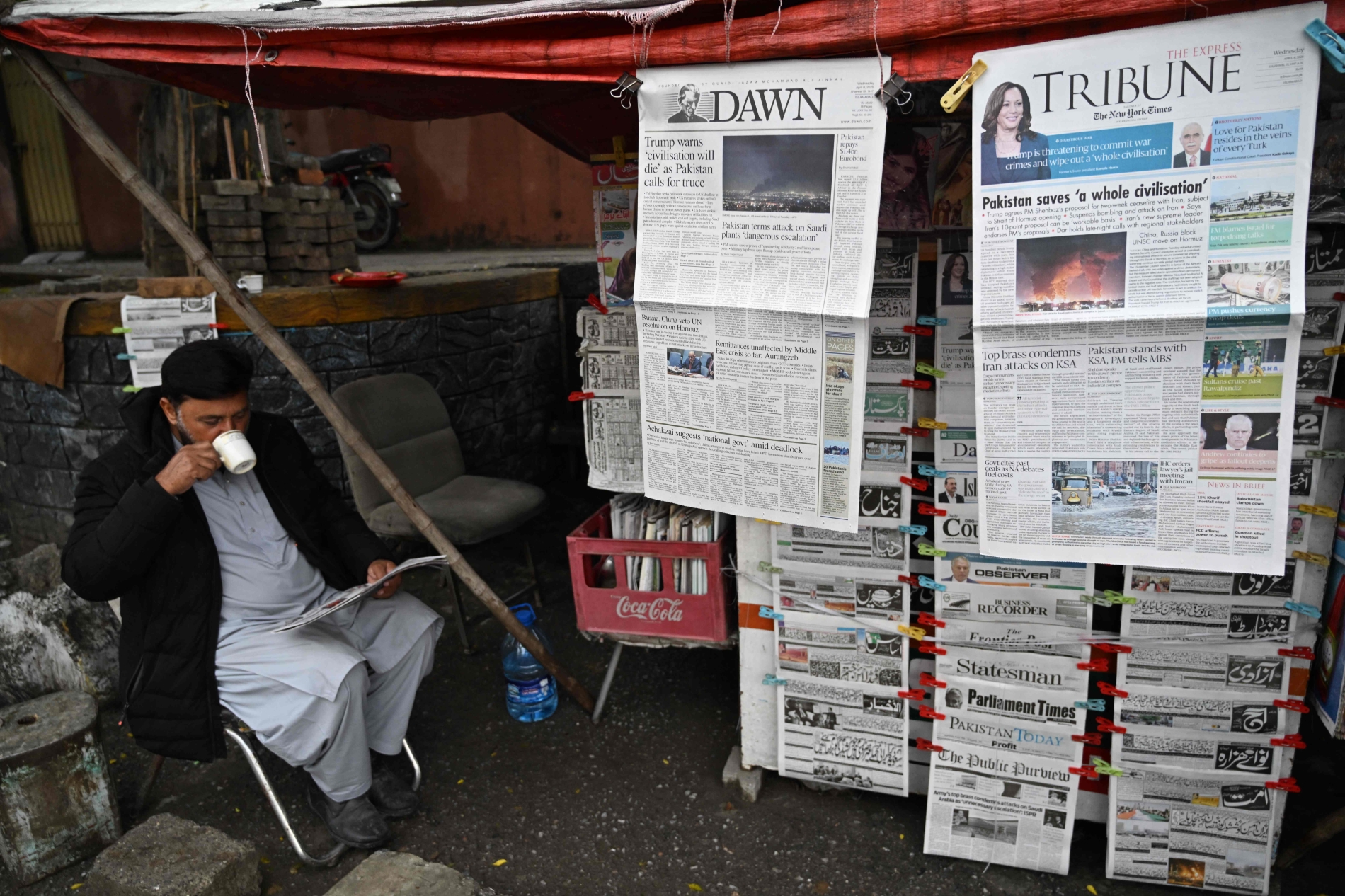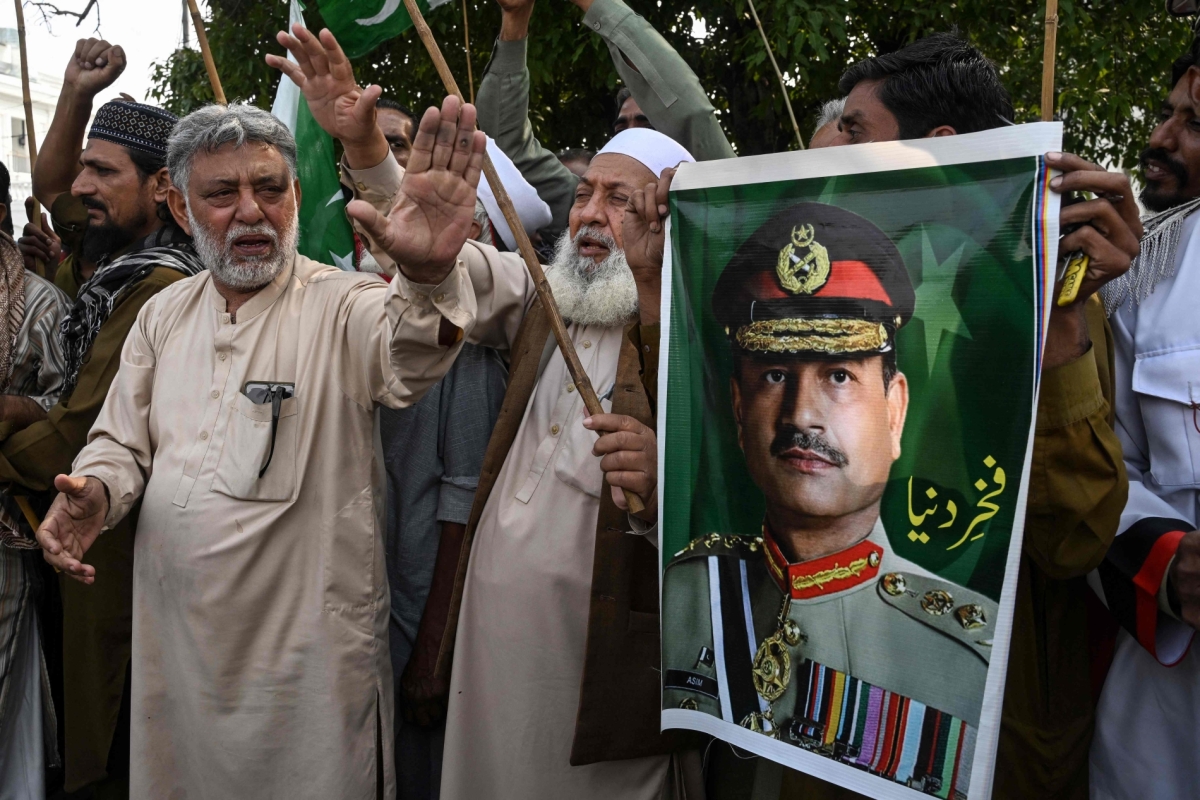

Pakistan has emerged at the centre of efforts to agree and maintain an initial two-week ceasefire between the US, Israel, and Iran that could play a big role in reshaping the Middle East.
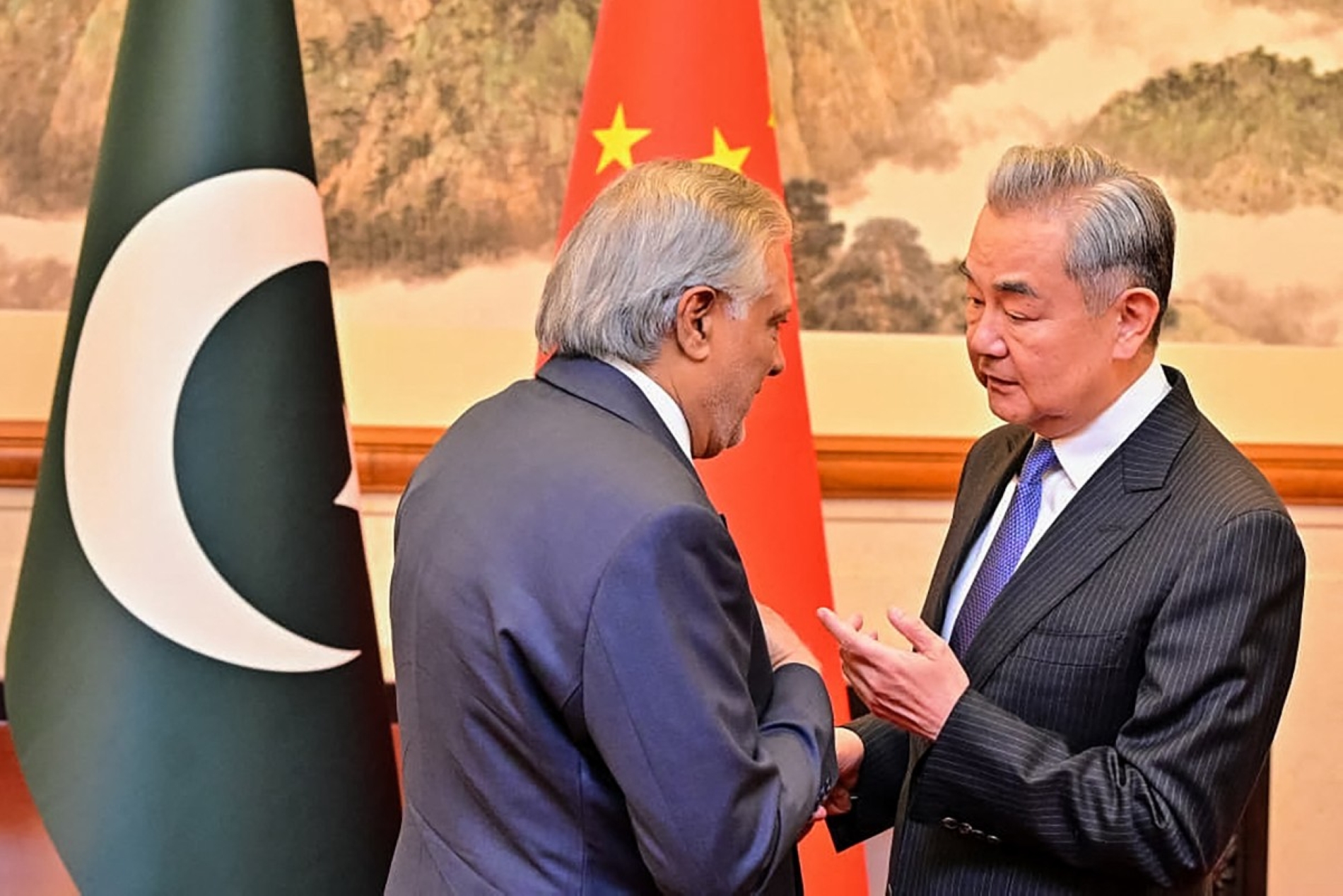
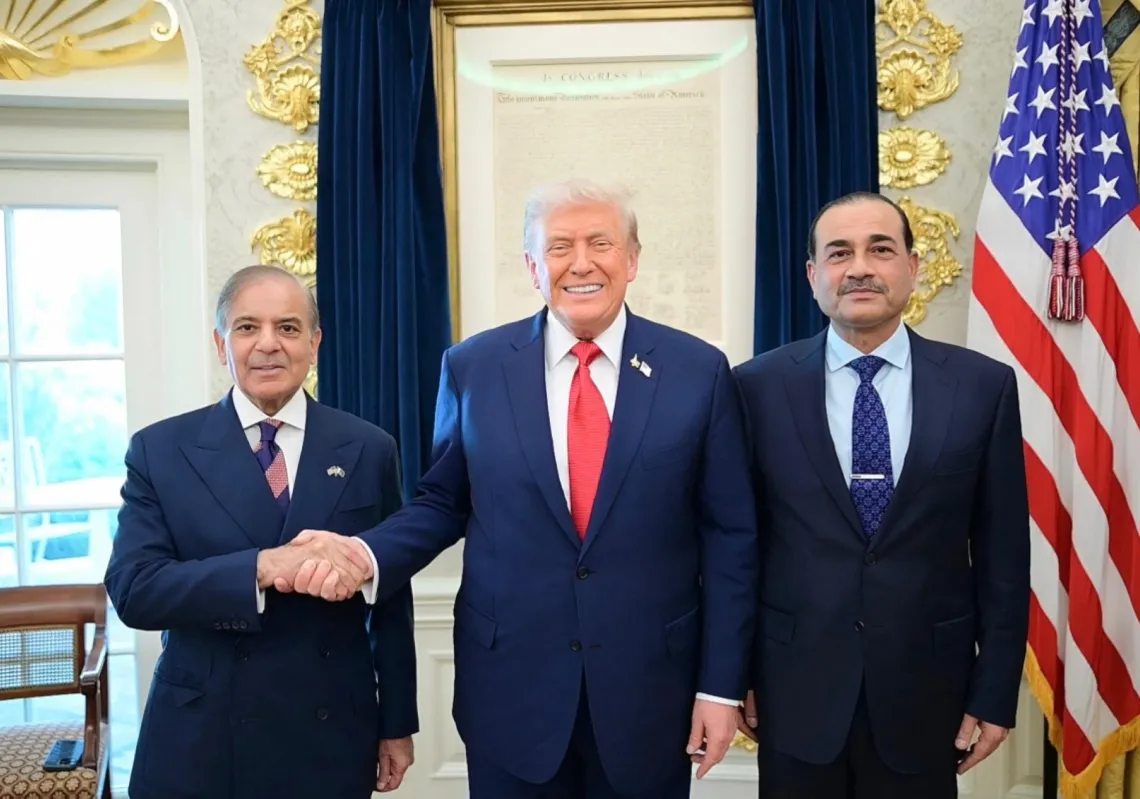
At the core of this diplomatic push has been an unlikely convergence of actors and interests, with Pakistan’s Prime Minister Shehbaz Sharif and army chief Field Marshal Asim Munir having helped persuade both Washington and Tehran to step back from the brink. Their intervention—coordinated with regional powers including Saudi Arabia, Türkiye, and Egypt, and quietly supported by China—has transformed Pakistan from a peripheral observer into a central diplomatic broker.
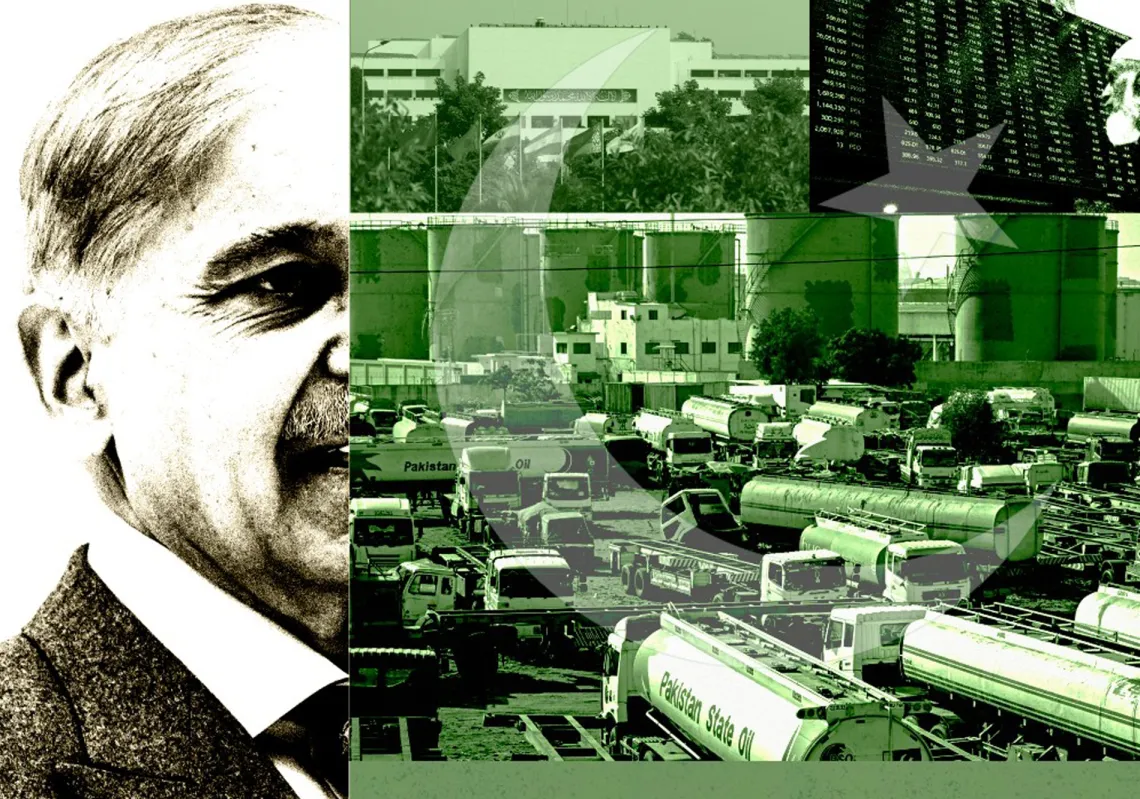
The ceasefire itself was anything but inevitable. As military escalation intensified, the risk of a broader regional war loomed large, with the Strait of Hormuz emerging as the most critical flashpoint. Iran’s effective closure of this narrow maritime corridor—through which a fifth of global energy supplies flow—had already triggered sharp spikes in oil prices and renewed fears of a global economic shock.
Against this backdrop, the decision by US President Donald Trump to halt planned strikes on Iranian civilian infrastructure just 90 minutes before a self-imposed deadline marked a pivotal moment. Sharif later said that delegations from the United States and Iran would visit Pakistan on Friday for talks aimed at a peaceful settlement to the war in the Middle East. “A ceasefire is the first step, but our destination is lasting peace,” said Sharif.

A sustainable settlement
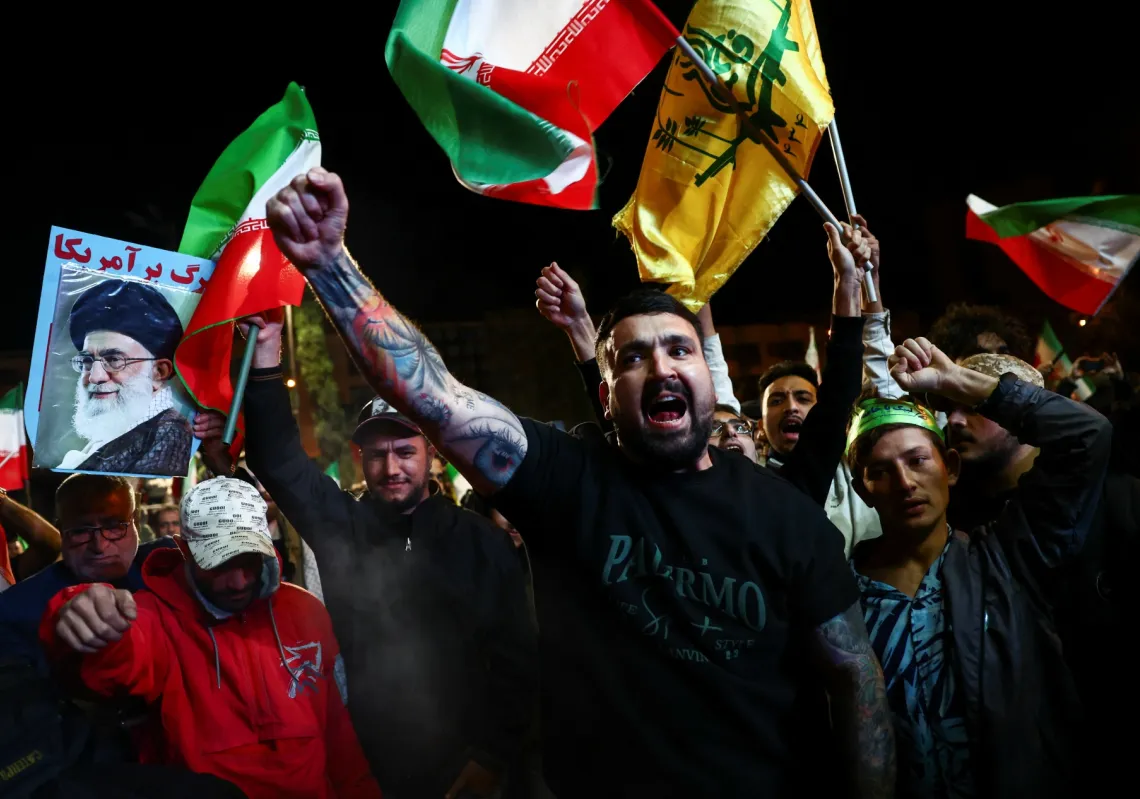
Sharif announced the ceasefire on Tuesday, writing: “I am pleased to announce that the Islamic Republic of Iran and the United States of America, along with their allies, have agreed to an immediate ceasefire everywhere, including Lebanon and elsewhere, effective immediately.” On Wednesday, as Israel launched a huge wave of airstrikes in Lebanon, Iran argued that this was a breach of the terms.
A coordinated diplomatic initiative centred in Islamabad aims to convert a temporary truce into a sustainable political settlement, a process that has drawn attention in capitals around the world, many keen to ensure its success. From 29-30 March, Pakistan hosted the foreign ministers of Saudi Arabia, Türkiye, and Egypt for in-depth discussions about de-escalatory measures.
Chaired by Deputy Prime Minister and Foreign Minister Ishaq Dar, the talks reflected a growing urgency among regional powers to prevent the conflict from spreading. Officials briefed on the discussions describe a dual-track approach, with one track aimed at facilitating direct US-Iran negotiations, and the other focused on addressing the economic and security effects, particularly on maritime routes and energy flows.