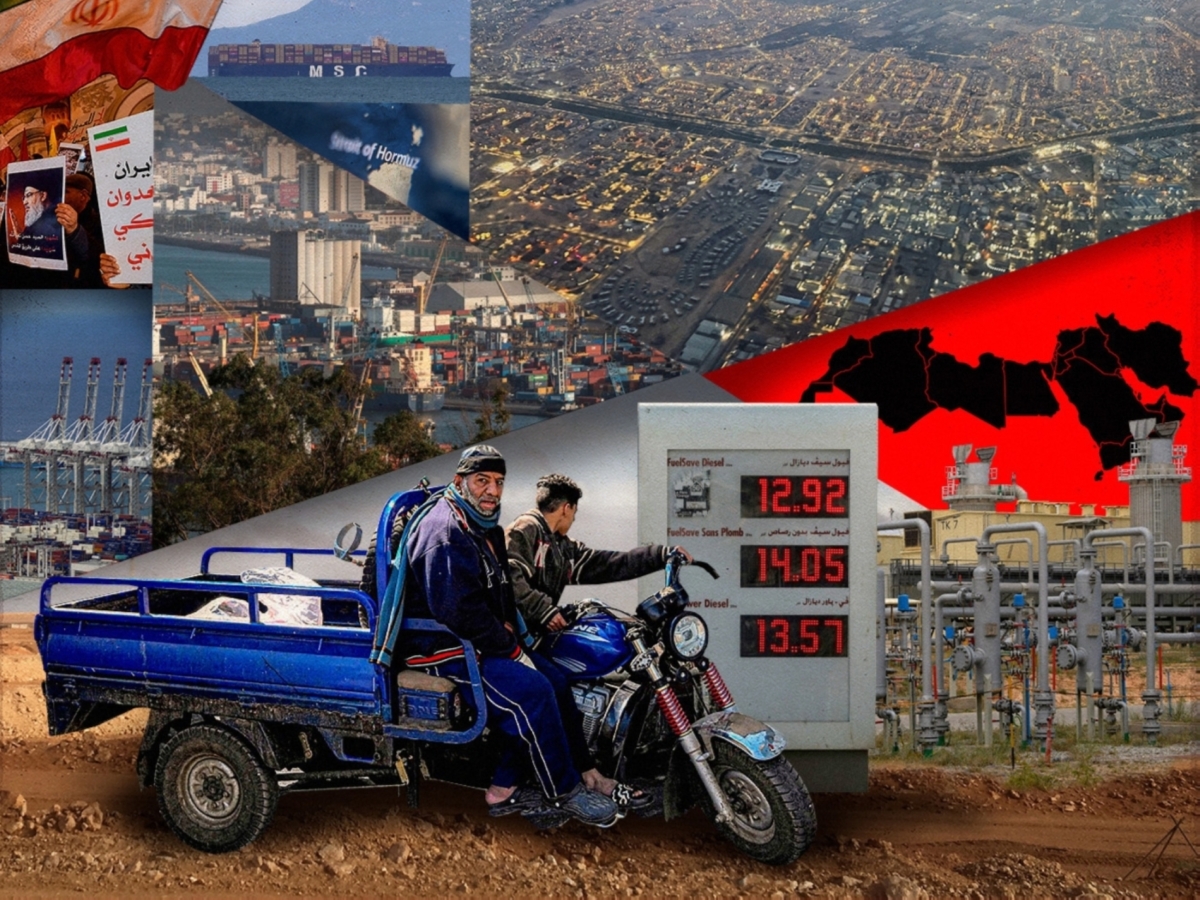

Ever since the US and Israel began bombing Iran on 28 February 2026, there have been economic ripple effects, not least in terms of energy. Iran retaliated against the Americans and Israelis but also against the Gulf states, many of whom host US military bases, and some of whom normalised relations with Israel in 2020.
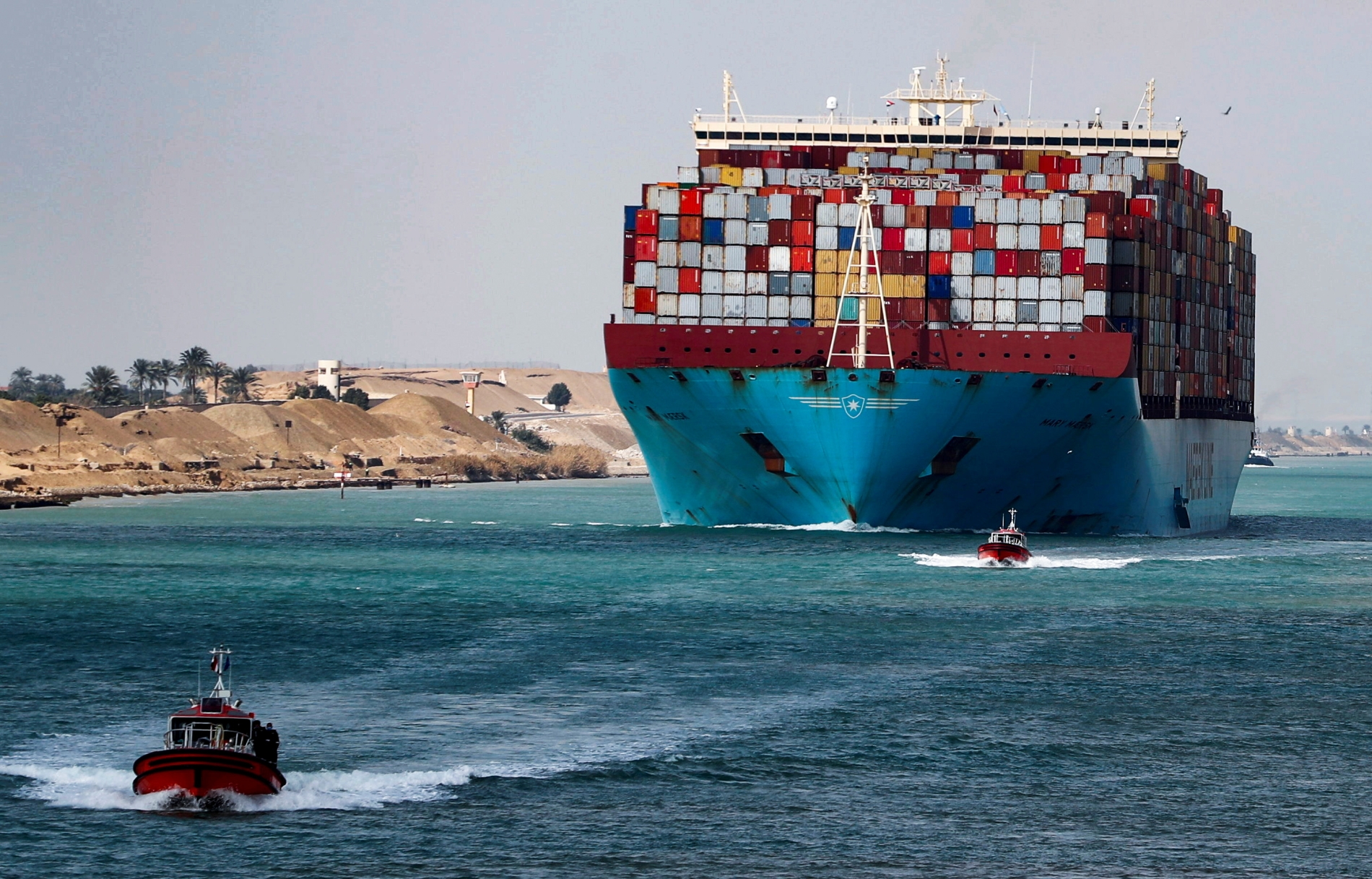
Among the regions hit by the economic fallout is North Africa, which includes the great trading nations that line the southern half of the Mediterranean Sea and rely more on shipping than others. Yet the cost of maritime shipping is now $400,000 per vessel per day, at least double the pre-war figure, according to Rodolphe Saadé, head of the French shipping group CMA CGM.
Sources at Tangier Med, a giant port complex and industrial logistics hub in northern Morocco, told Al Majalla that the war had led to additional charges on goods arriving from the Gulf, as well as from Egypt, Cyprus, Israel, Iraq, Jordan, Yemen, Djibouti, Türkiye, and other countries. The cost of a 20-foot container has risen from $2,300 to $3,300, while a 40-foot container has climbed from $2,900 to $4,600, excluding insurance and logistics costs.
The countries of the Maghreb and West Africa depend on Tangier Med for imports of consumer goods, industrial inputs, and energy supplies. Al-Ajlawi Al-Mousawi, professor of African Studies at Mohammed V University, told Al Majalla that the world was looking anew at maritime chokepoints such as the Strait of Hormuz, the Gulf of Aden, the Bab el-Mandeb Strait, and the Horn of Africa. “So long as these passages are not secured for international navigation, the world economy will remain exposed to regional tensions and at the mercy of extremist groups,” he said.
Winners and losers
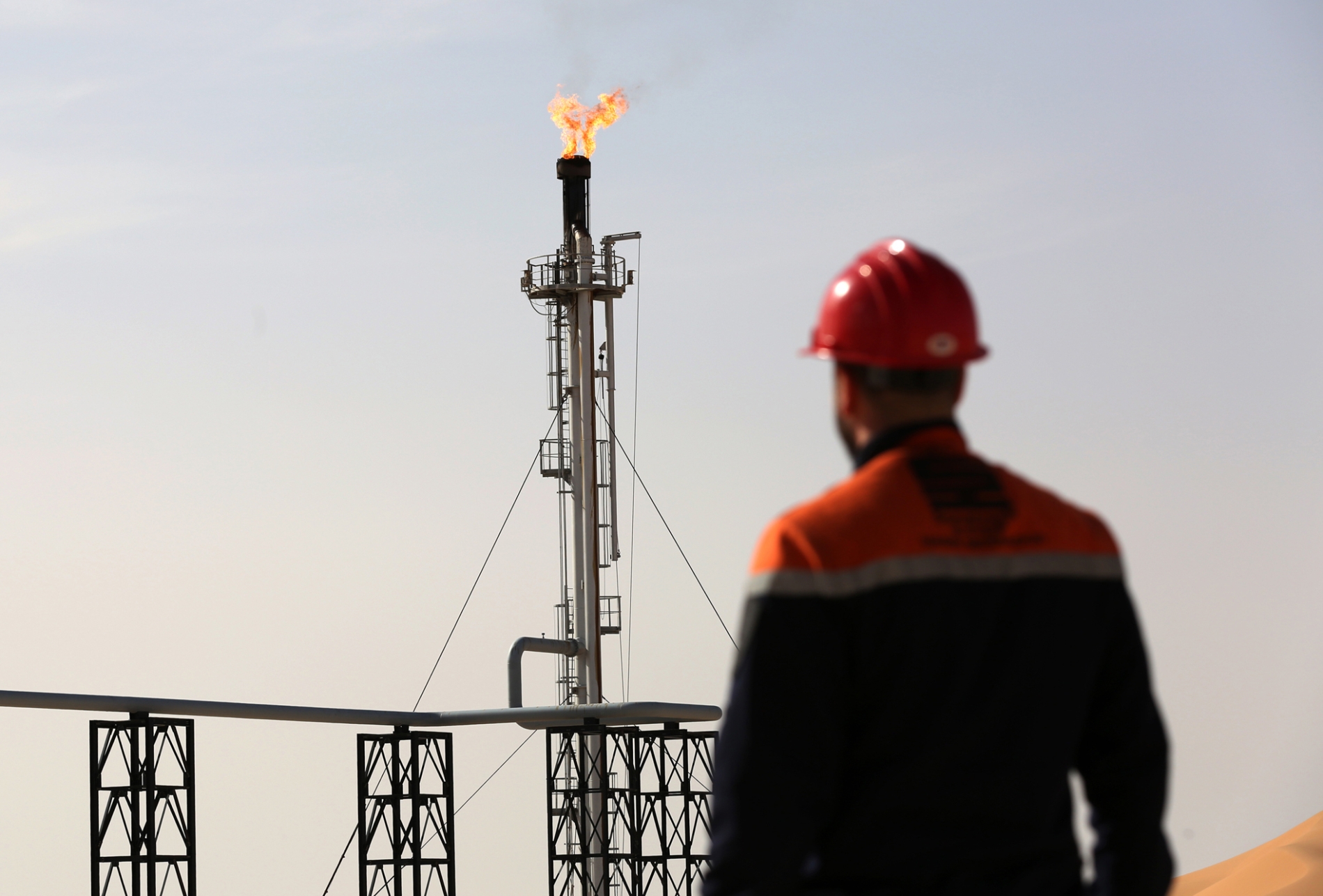
Oil-exporting countries such as Algeria and Libya stand to gain from higher energy prices. Energy importers such as Morocco, Egypt, and Tunisia, by contrast, are desperate to see the war end, to lower prices, and to restore trade, which relies on freedom of navigation.
Rabat and Cairo support the Gulf states in standing up to Iranian aggression directed at economic, tourist, and residential facilities. Morocco actually severed relations with Iran in 2018, after Rabat accused Iran of arming the separatist Polisario Front in Western Sahara, over which Morocco claims sovereignty. For its part, Algeria seems caught in the middle, given its strong ties with Iran and its need to balance relations with the US and Gulf states.
Before the war, the International Monetary Fund (IMF) issued optimistic 2026 forecasts for the Maghreb's economies, buoyed by a recovery in agriculture, the return of seasonal rains, a revival in tourism, stronger domestic demand, increased foreign direct investment (FDI) inflows, and rising non-oil exports. The Fund even said that gross domestic product (GDP) across the southern Mediterranean could reach $1tn for the first time in history, but the war may have changed things.
Morocco
Morocco’s central bank had forecast growth of 5.6%, inflation of 0.8%, and a budget deficit of 3.5% by the end of 2026. The Foreign Exchange Office reported that net FDI inflows reached roughly $3bn in 2025, up 74% compared with 2024. Tourism revenues climbed to $14.7bn, while remittances from Moroccans living abroad reached $13bn by the end of 2025 (up from $12.7bn in 2024). This helped Moody’s assign Morocco a BA1 credit rating with a positive outlook.
There are clouds on the horizon, however. Morocco's trade deficit has now reached around $38.7bn, up 15.8% year on year. It also imported about $10bn worth of fuel last year (including 41,000 barrels from Spain, 40,000 from Russia, 36,000 from Saudi Arabia, and 26,000 from the United States) and consumes 300,000 barrels per day (bpd). It also imported $1.2bn of LNG from the United States, $414mn from Spain, and $65mn from the UK.
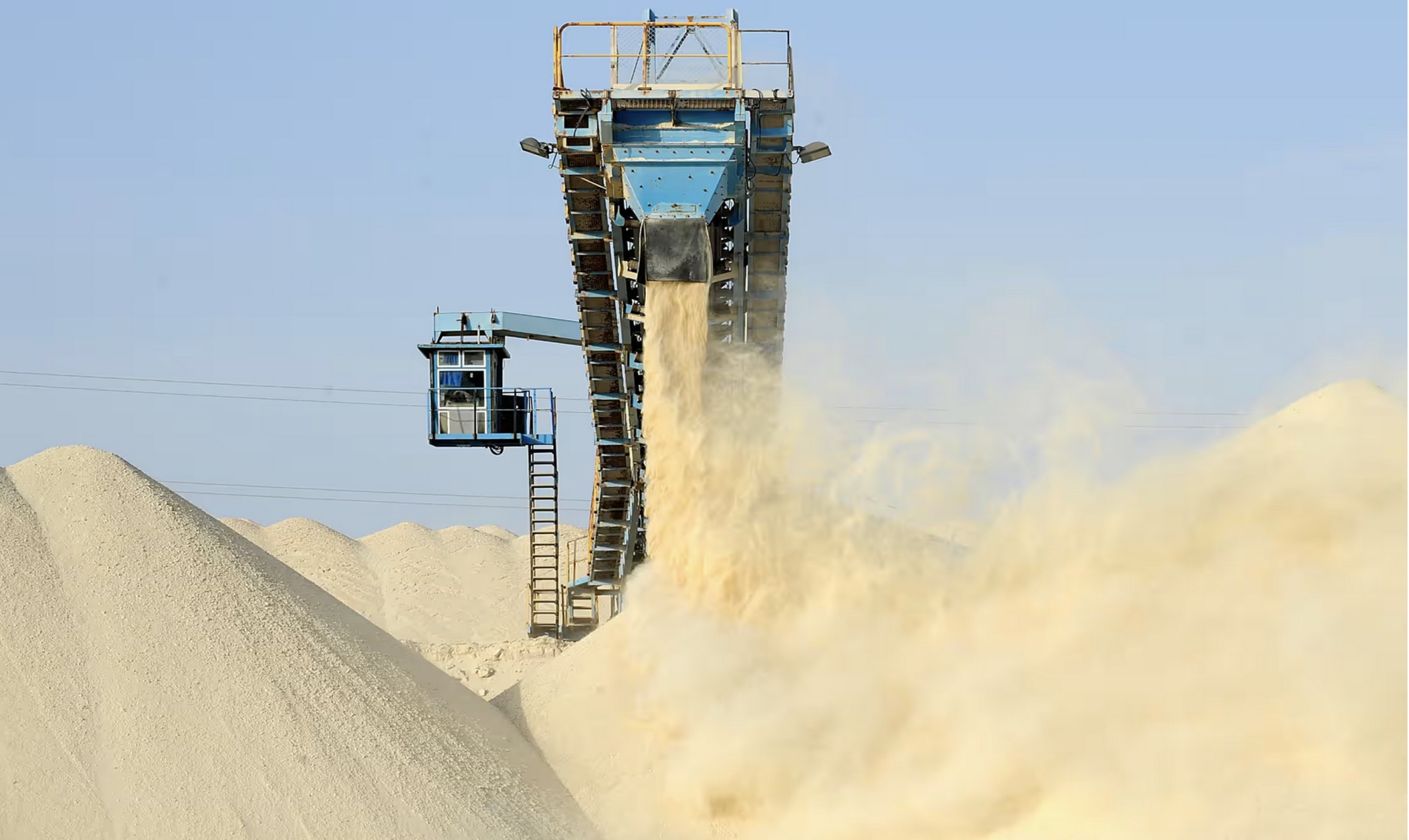
If prices keep rising, so will Morocco’s energy bill, pushing inflation upwards. At the same time, higher fertiliser prices are helping, given that Morocco is one of the world’s leading exporters, particularly in phosphate fertilisers (Morocco holds around 70% of global phosphate reserves, which are so crucial for agricultural use). These exports reached $10.7bn in 2025 and may offset part of the cost of the energy bill.
Morocco is racing to build the $5.6bn Nador West Med, a deep-water port on the Mediterranean coast. Its berth will handle up to 5 million containers (with scope to expand to 12 million) and process up to 35 million tonnes of imported goods annually. If everything goes to plan, it is due to begin operations at the end of this year.