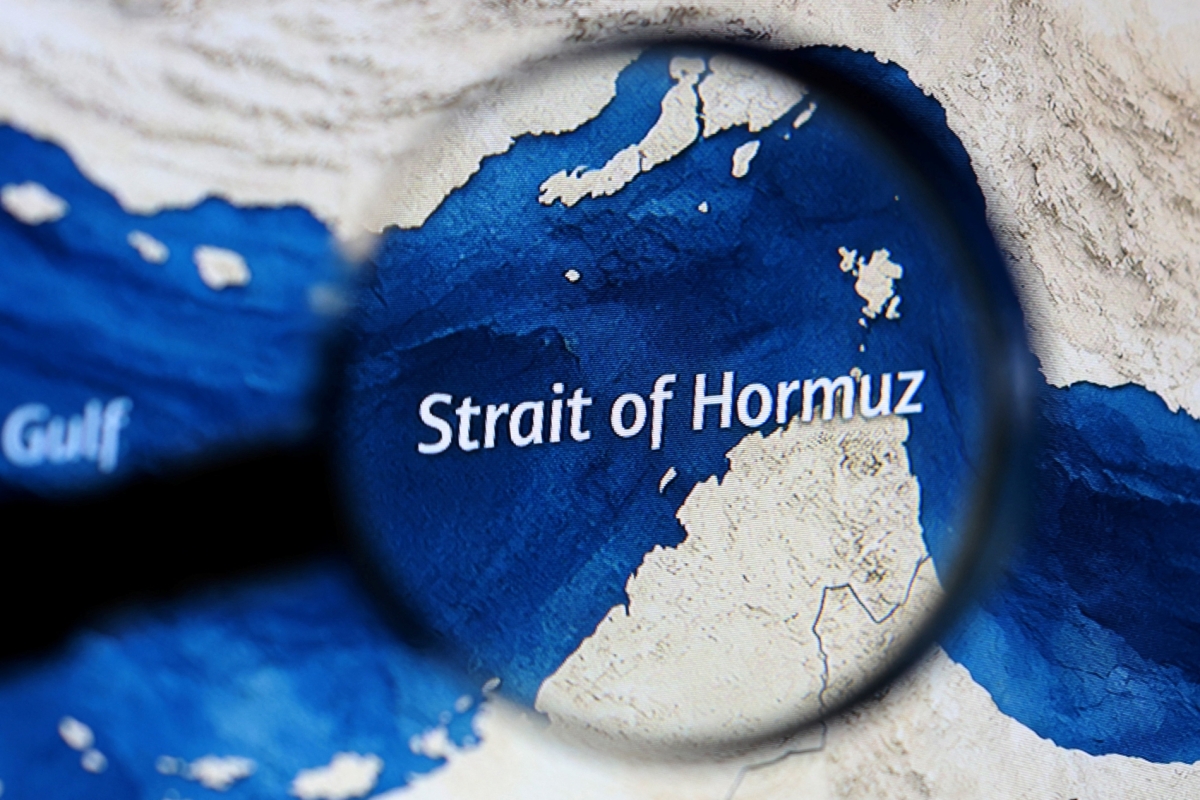
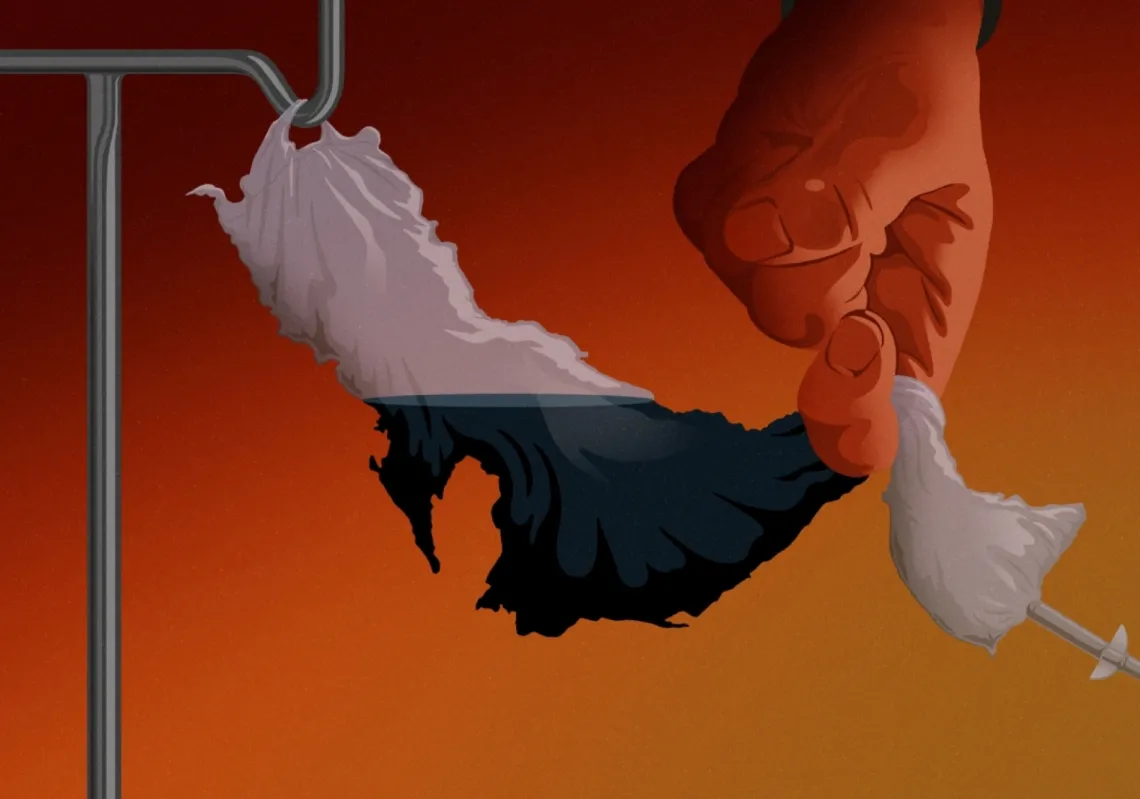
“Five strategic keys lock up the world!” declared Sir Jacky Fisher, a Victorian admiral. He was talking about places that command critical waterways: Singapore, Cape Town, Alexandria, Gibraltar and Dover. Today you would definitely add to the list the tiny island of Hormuz and the strait that shares its name. Iran has turned the key on the narrow channel, the only sea passage out of the Gulf, locking up a fifth of the world’s oil and liquefied natural gas. Economies around the globe are shuddering. And Hormuz is not even the world’s most vital sea-lane by most measures. The old preoccupation with defending the flow of commerce is suddenly looking pertinent again.
“A lot of people are going to wake up to the fact that maritime trade is of great value and has to be protected,” says Steven Wills of the Centre for Maritime Strategy, an American think-tank. Even in a world criss-crossed by pipelines, lorries, trains and cargo planes, ships still carry about 85% of the world’s exports by volume, according to Clarksons, a shipping broker (or 55% by value, since a mobile phone or gold bar shipped by air is worth much more than a lump of coal in a bulk carrier). That trade is menaced by new dangers.
For one thing, cheap technology is extending the reach of armed groups farther out to sea. Merchant ships sailing between Asia and Europe through the Bab al-Mandab strait have long contended with Somali piracy. From 2023 to 2025 they also faced drones and missiles fired by Houthi militiamen in Yemen. Many still take the long way around Africa rather than risk this. The strait, through which 9% of world trade used to pass, now carries only 4%—and will carry even less if the Houthis resume their attacks in solidarity with Iran.
A second threat comes from wars spilling over into nearby seas. Russia’s invasion of Ukraine severely disrupted the flow of grain, oil and other critical commodities across the Black Sea and underlined the geopolitical clout that control of the Bosporus and Dardanelles confers on Türkiye. America’s and Israel’s war on Iran is causing even greater havoc now in the Gulf. Most catastrophic would be a conflict between America and China, perhaps over Taiwan, which might involve blockades and unrestricted attacks on shipping of the sort seen during the first and second world wars. An American submarine recently sank an Iranian warship—America’s first such attack since 1945.
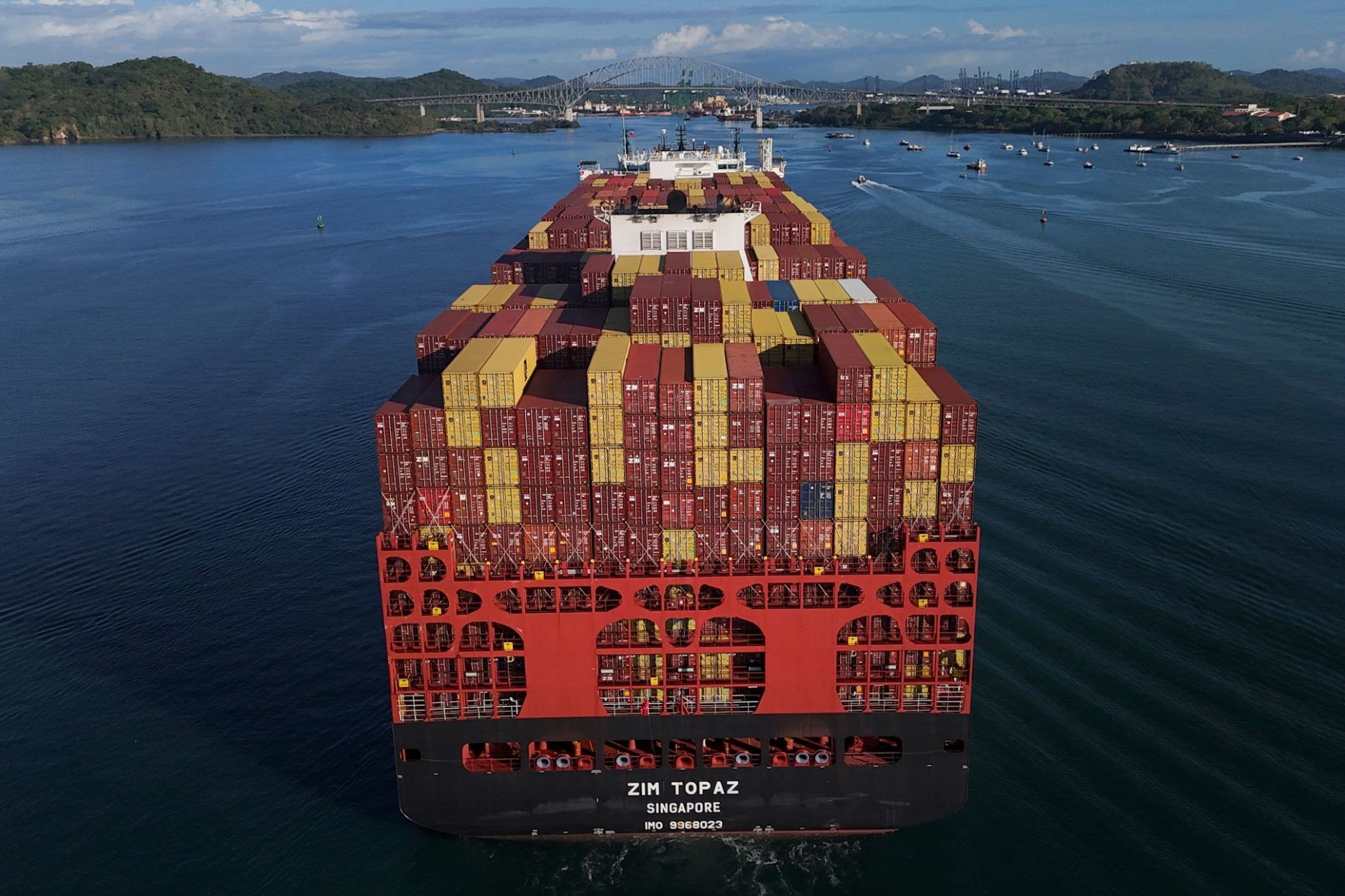
A cargo ship transits the Panama Canal at sunrise, one of the most important waterways connecting global trade between the two oceans, on 24 March 2026.
Another factor is the impact of climate change. Droughts have led to repeated restrictions on the number of ships able to use the Panama Canal in recent years, forcing some to go around Cape Horn. And shrinking ice-caps may open new Arctic shipping routes, increasing the importance of remote chokepoints such as the Bering Strait.
Donald Trump, America’s expansionist president, has cited the need to protect sea lanes around America as a reason to take control of both the Panama Canal and Greenland. Even if the Strait of Hormuz is somehow reopened, a dozen or so potential strangleholds on the world’s seaborne commerce will come under new scrutiny.
The Hormuz Strait is the only way in or out of the Gulf, which makes its closure especially disruptive.
The importance of maritime chokepoints has been apparent since antiquity. During the Peloponnesian war in the 5th century BC, it was Sparta's capture of the Dardanelles, impeding the flow of grain from the Black Sea, that forced hungry Athens to surrender. In the First World War, Britain and its allies tried to seize the channel to defeat the Ottoman Empire, but the Gallipoli campaign was a costly failure.
The lesson of the past four weeks is that even in the age of aircraft, missiles and satellites, geography matters. Some of the world's chokepoints throttle sea lanes bringing raw materials to and finished goods from the factories of Asia, including the Taiwan Strait and the Strait of Malacca. Others supply to Europe, including Gibraltar, the English Channel and the Kattegat, Skagerrak and Oresund off Denmark, which connect the Baltic and North seas. The Suez and Panama Canals are shortcuts so useful that they were worth carving across continents to build. Hormuz provides energy to both Asia and Europe.
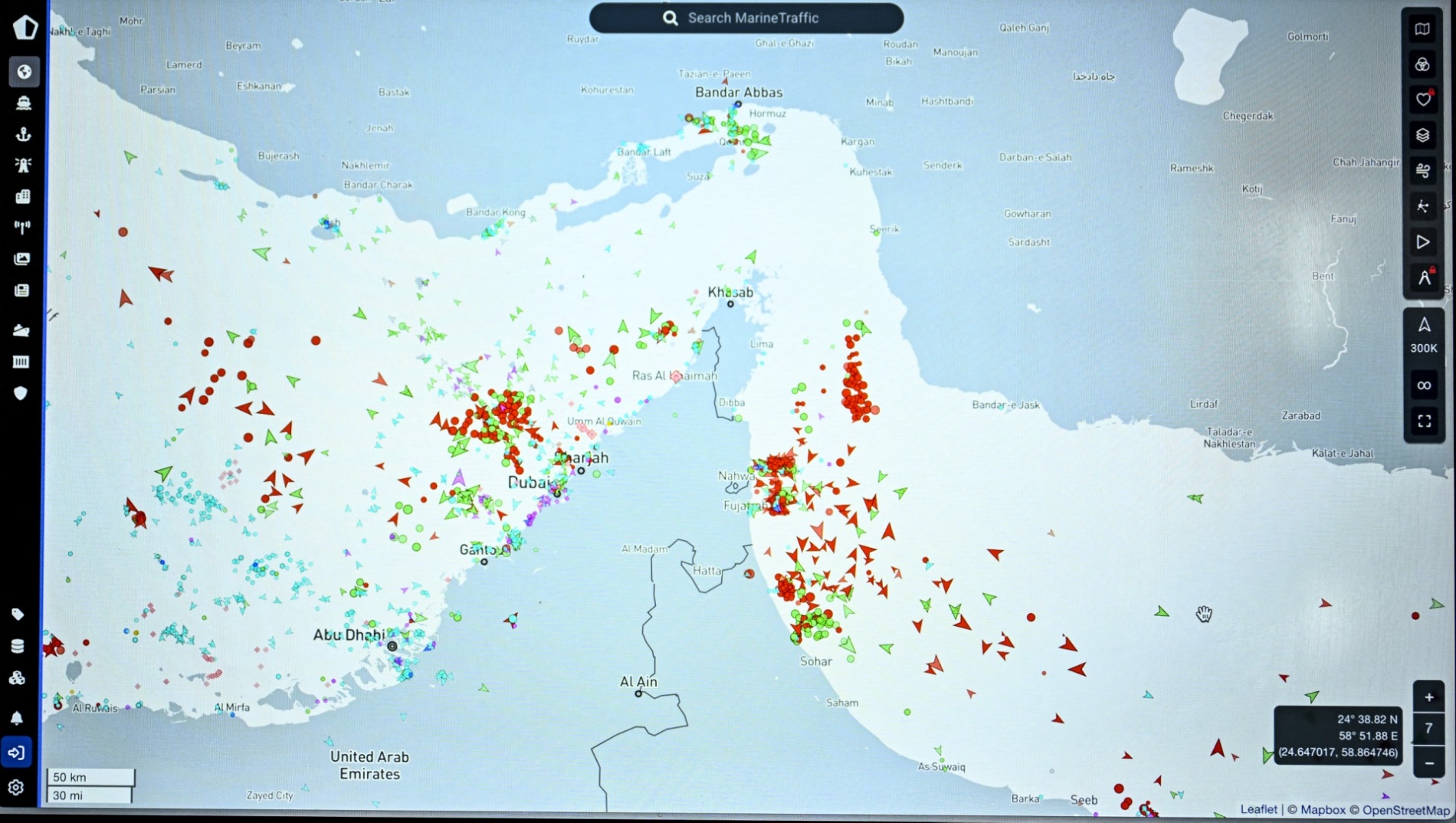
Commercial boat traffic on the edge of the Strait of Hormuz near the Iranian coast, in Paris on 4 March 2026.
Hormuz is neither the busiest nor even the oiliest of the world's pinch-points—Malacca holds both those titles. But it is the only way in or out of the Gulf, which makes its closure especially disruptive. The Danish and Turkish straits, too, are the sole route to the seas beyond.
But even if ships can find another way around, the closure of critical sea-lanes can add thousands of miles and weeks of sailing to a journey. To assess the scale of the vulnerability, The Economist calculated the optimal routes between 41,387 pairs of ports and roughly estimated the trade along each one. We then modelled how the routes would change if transit through any big chokepoint were disrupted.
The results are striking. A closure of the Strait of Malacca, despite the enormous traffic passing through it, would necessitate only a minor detour. Were access to all the various channels through the Indonesian archipelago blocked, however, perhaps by a government taking sides in a war between America and China, a huge volume of shipping would have to take a gigantic detour. And were Gibraltar to become impassable, almost as big a share of maritime traffic would have to take an even bigger detour.
Imagine a container ship circumnavigating the globe to serve some of the world's main ports—leaving Los Angeles, say, and calling at Tokyo, Busan, Shanghai, Singapore, Dubai, Rotterdam and New York before returning to Los Angeles. It would transit through many of the world's chokepoints (some of them twice). The most combustible part of this globe-spanning system is in the Middle East.
Geology bequeathed the Gulf region a bounty of hydrocarbons where the Arabian tectonic plate buckles beneath the Eurasian one. History has added seismic politics: the collapse of the Ottoman empire, unstable Arab states, the Israeli-Palestinian conflict, Islamist extremism and so on. This has produced wars, insurgency and intense foreign meddling. The Suez Canal was blocked for years of Arab-Israeli enmity. Since 1979 a radical clerical regime has ruled Iran, controlling the northern shore of the Strait of Hormuz and generating repeated crises in the Gulf.
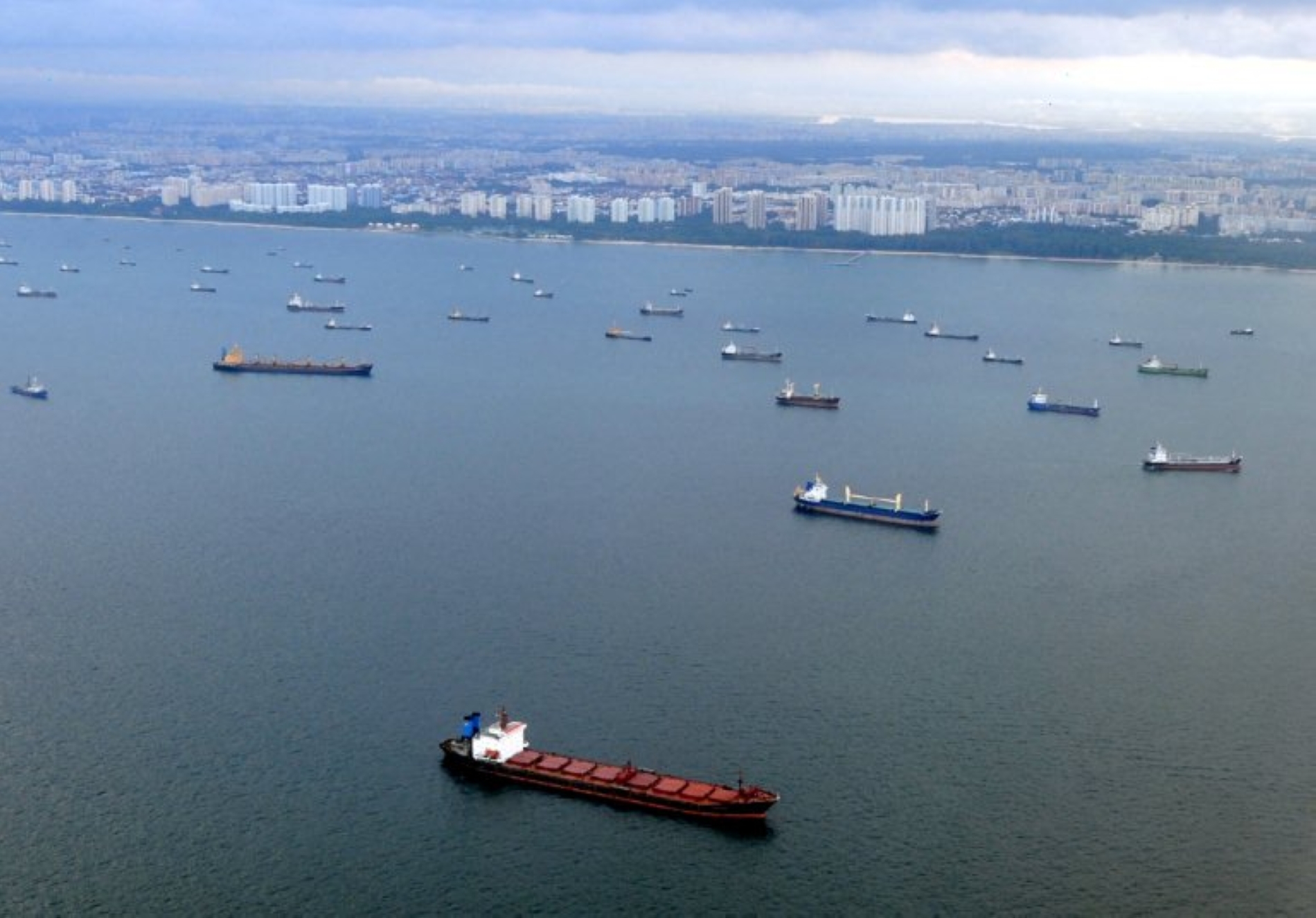
Vessels sail along the coast of Singapore at the mouth of the Strait of Malacca on 23 March 2008.
Alas and Malacca
Most tankers leaving the Gulf head on to the Strait of Malacca. In 2003, Hu Jintao, then China's president, fretted about the "Malacca dilemma": the vulnerability created by the transit through the Strait of Malacca of 80% of China's oil imports. "Certain major powers have consistently meddled in and attempted to control shipping lanes in the strait," he said, in a veiled reference to fears that the United States might try to blockade China. But China's concern is broader, in that its coast is surrounded by archipelagic countries, some potentially hostile, in a vast arc from Indonesia to Japan.
In the middle of this barrier is another potentially explosive hotspot: Taiwan. China considers the self-governing island, which makes about 90% of the world's most advanced semiconductors, part of its territory. Xi Jinping, China's current president, has ordered his armed forces to be ready to conquer it by 2027. They regularly rehearse isolating and invading Taiwan. American strategists, for their part, consider how they might counter-blockade China to defend the island.
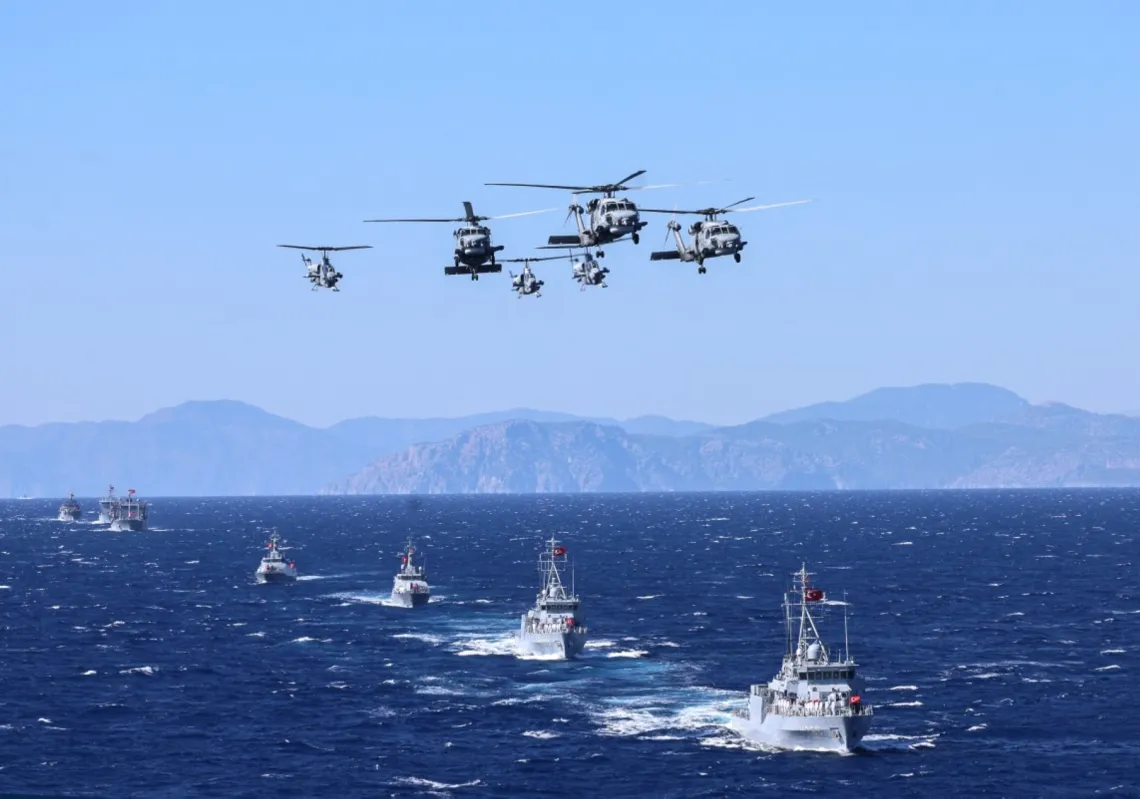
The closure of Hormuz has made these scenarios suddenly seem more plausible. To diminish the risks, China is rapidly building an ocean-going navy that is already numerically larger than America's. It has been learning to operate ever farther from home waters, not least with aircraft carriers. Australia, Japan and the Philippines, in turn, are boosting their defences and working ever closer together.
China is also creating new supply routes for energy with oil and gas pipelines to Russia and Central Asia and through Myanmar to the Bay of Bengal, skirting the Malacca Strait. Since Mr Xi's rise to power in 2012, the Belt and Road Initiative has invested in a global logistical network including ports around maritime chokepoints that, some fear, could one day be used for military purposes. Since 2013 China has turned several disputed reefs and cays in the South China Sea into military bases. In 2017 it established its first overseas military base in Djibouti (officially to support anti-piracy patrols). It has also been experimenting with an Arctic shipping route along Russia's northern coast.
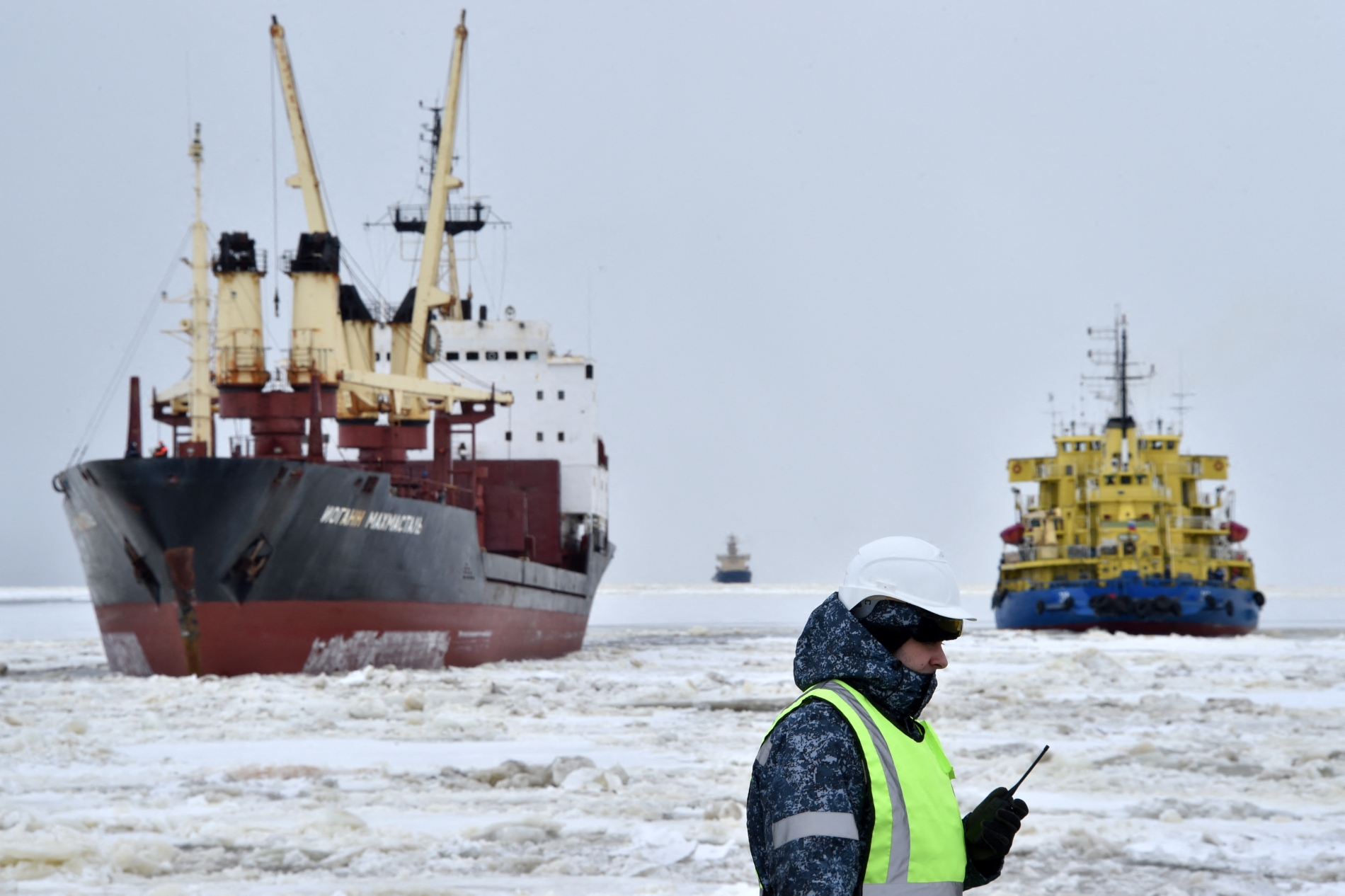
A picture taken on 5 May 2016, shows the icebreaker Tor (R) at the port of Sabetta in the Kara Sea shoreline on the Yamal Peninsula in the Arctic Circle, some 2450 km from Moscow.
How much these efforts can mitigate China's vulnerabilities is unclear. One sign of its growing concern is a government agency's recent commissioning of a study into the risks of "international maritime chokepoints". Another is the number of public figures calling for more robust action to counter the threat. Xu Yaoqiang of the China Electricity Council, which represents the power industry, argues that the war in Iran highlights the hidden dangers.
"These waterways are narrow, easily blocked and monitored, and highly susceptible to control by external forces in times of war," he wrote in the People's Daily, the Communist Party's main newspaper. China should abandon its peacetime mindset, accelerate construction of pipelines to Pakistan and elsewhere and "develop high-seas escort and emergency-support capabilities". Others have suggested taking limited military action abroad to defend Chinese interests, without emulating American "hegemonism".
Indonesia, Malaysia, Singapore and Thailand co-operate in patrolling the Malacca Strait against piracy, albeit warily, given historical rivalries and underlying tensions about the status of the waterway. What they might do in a conflict is a question of much debate. They probably cannot stop China or America from trying to close the main passages—the straits of Malacca, Sunda and Lombok. Might some take sides? China already has several near-client states in South-East Asia, such as Cambodia and Myanmar, and would love to expand the list. But most countries in the region fear its growing clout.
America has looked to India to counterbalance China, for instance, by helping to track Chinese ships and submarines exiting the Strait of Malacca. India has, in recent years, grown closer to America and Israel, but it, too, has recoiled from their war and the associated energy shock.
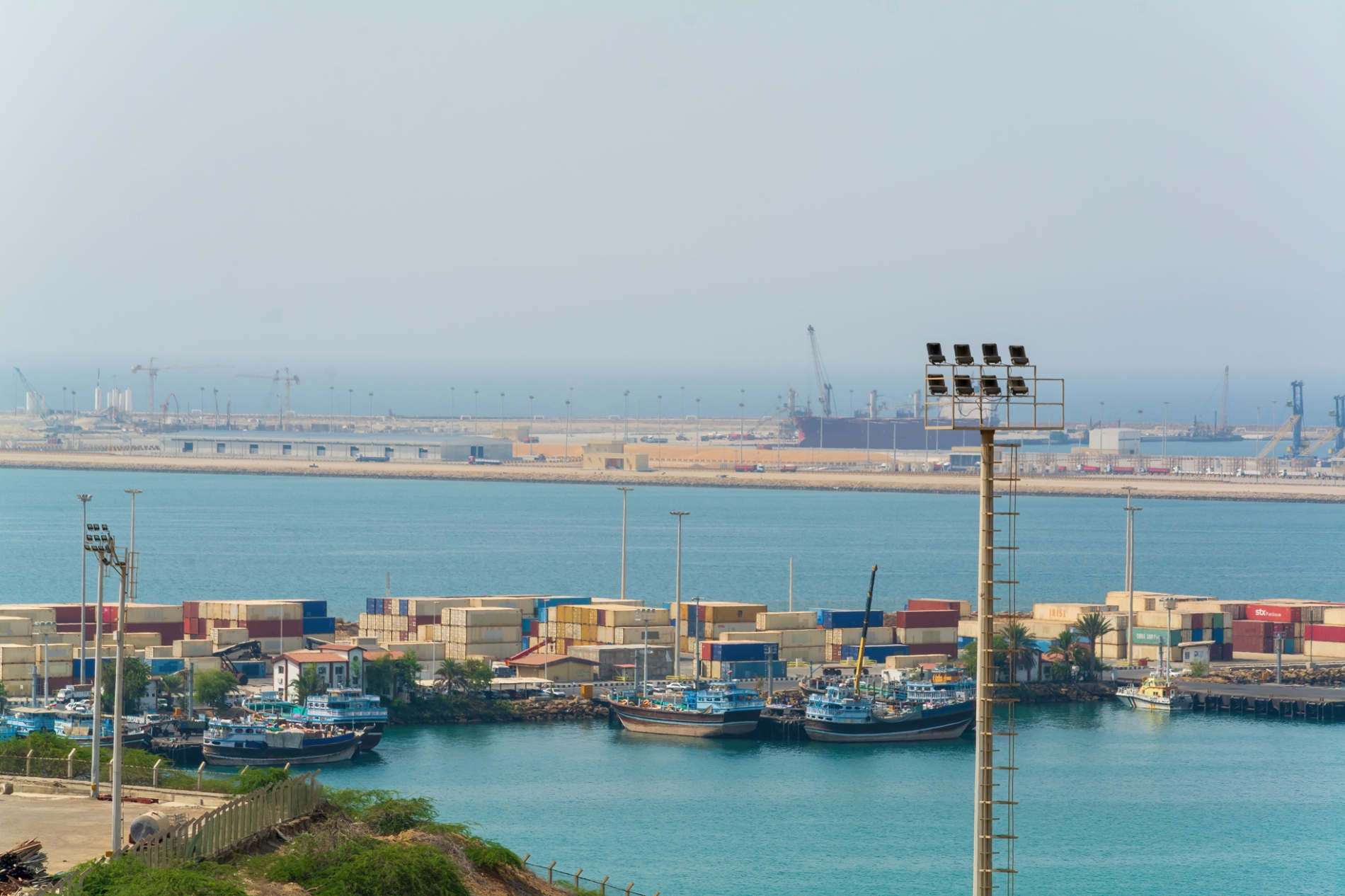
India may yet renew older friendships. It has been close to Russia to offset China, and friendly with Iran to counterbalance Pakistan, drawing American sanctions (some now lifted). It has invested in the Iranian port of Chabahar to gain access to Central Asia; its ships are among the few that Iran has been allowing out of the Gulf.
A general view of the Chabahar port during the inauguration ceremony in February 2019.
Further to the west, Europe has been helping Ukraine hold off Russian forces. As the EU boycotted Russian oil and gas sent via pipeline, the Kremlin redirected its supplies onto tankers bound for Asia, often at discounted rates. In doing so, however, Russia must negotiate a series of pinch-points controlled by NATO countries, not least the Turkish and Danish straits (accounting for 20% and 35% of its crude exports respectively). Some vessels of its "ghost fleet" flying false flags have been seized by European countries.
When Russia blockaded Odesa and other Ukrainian ports on the Black Sea, Ukraine's grain exports all but halted. World food prices spiked until Ukraine established a safe shipping corridor. Sporadic attacks on merchant vessels continue, and mines threaten all ships. Meanwhile, Türkiye's closure of its straits to military vessels means that Russia has not been able to reinforce its Black Sea fleet, which Ukraine has battered.
Türkiye's president, Recep Tayyip Erdogan, may now revive a pet project: digging a new canal, known as Kanal Istanbul, to reduce congestion in the Bosporus. A big question is whether it would be subject to the Montreux Convention of 1936, which regulates commercial and military shipping in the straits. The Baltic Sea, meanwhile, has become almost a NATO lake since Sweden and Finland joined the alliance in response to the war in Ukraine. That has not stopped attacks on seabed infrastructure, however, including gas pipelines and communications cables, probably by both Ukraine and Russia.
Across the Atlantic, the Panama Canal's more modest traffic—accounting for just 3% of maritime trade—belies its importance. It allows the US Navy to shift ships between the Atlantic and the Pacific and handles about 40% of American container traffic. Mr Trump has complained that America should never have given Panama full control of the canal, all the more so because the Panamanian government allowed a firm based in Hong Kong, a Chinese territory, to operate ports at either end of it. American pressure recently induced the authorities to reverse themselves and entrust the ports to two European firms. President José Raúl Mulino says the crisis is over, but China promises to make Panama pay "a heavy price both politically and economically". Meanwhile, Nicaragua dreams of building a rival canal.
Many countries will now redouble their efforts to mitigate their vulnerabilities, whether by diversifying suppliers, building new infrastructure or adopting alternative technologies such as renewable energy. But these plans will take years, if not decades, to bear fruit. If the war lasts, the world will have to rely on the adaptability of global logistics networks for some time.
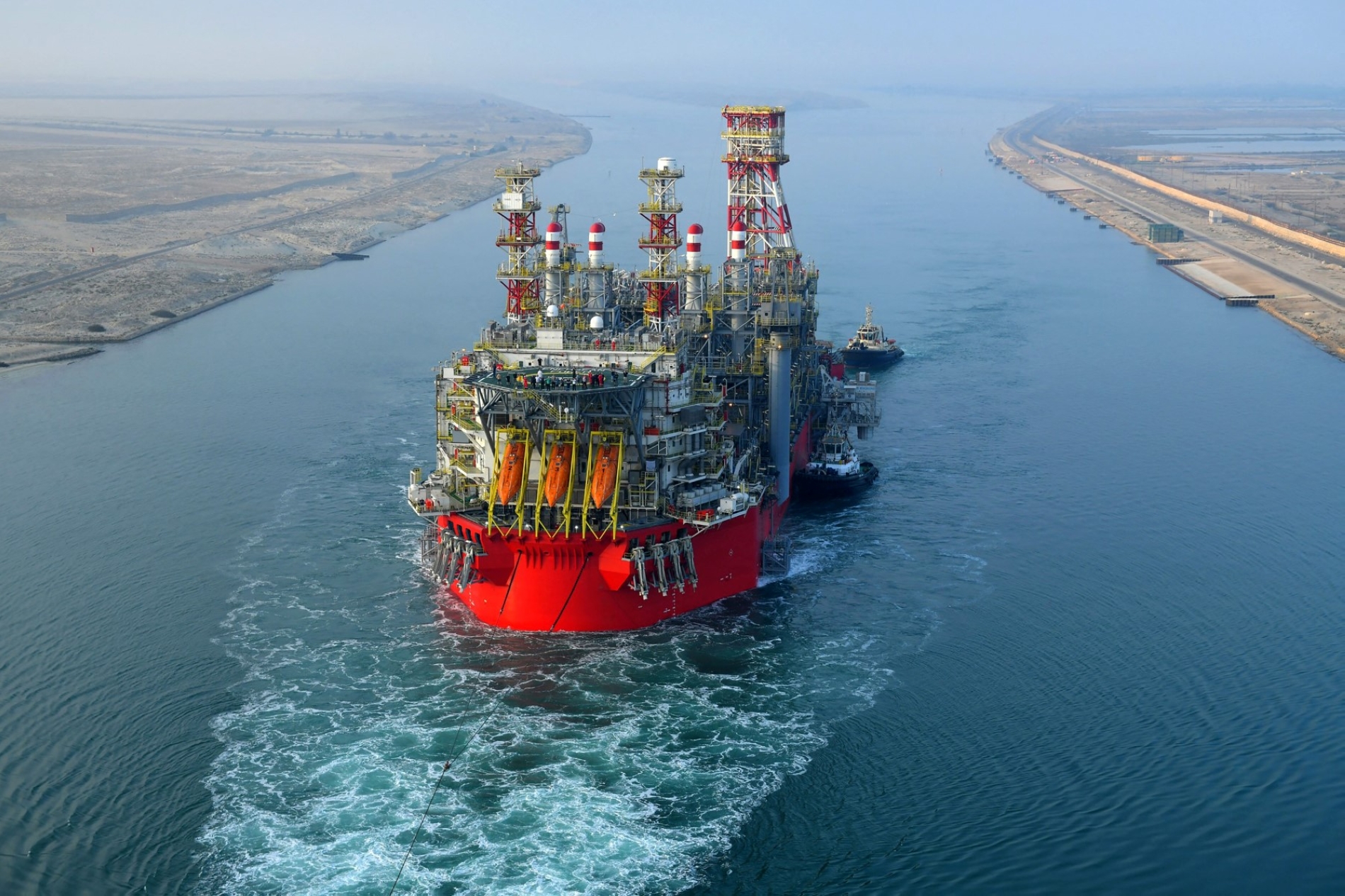
A tugboat pulls an Energean floating production, storage, and offloading (FPSO) vessel through the Suez Canal in Egypt, on 3 June 2022.
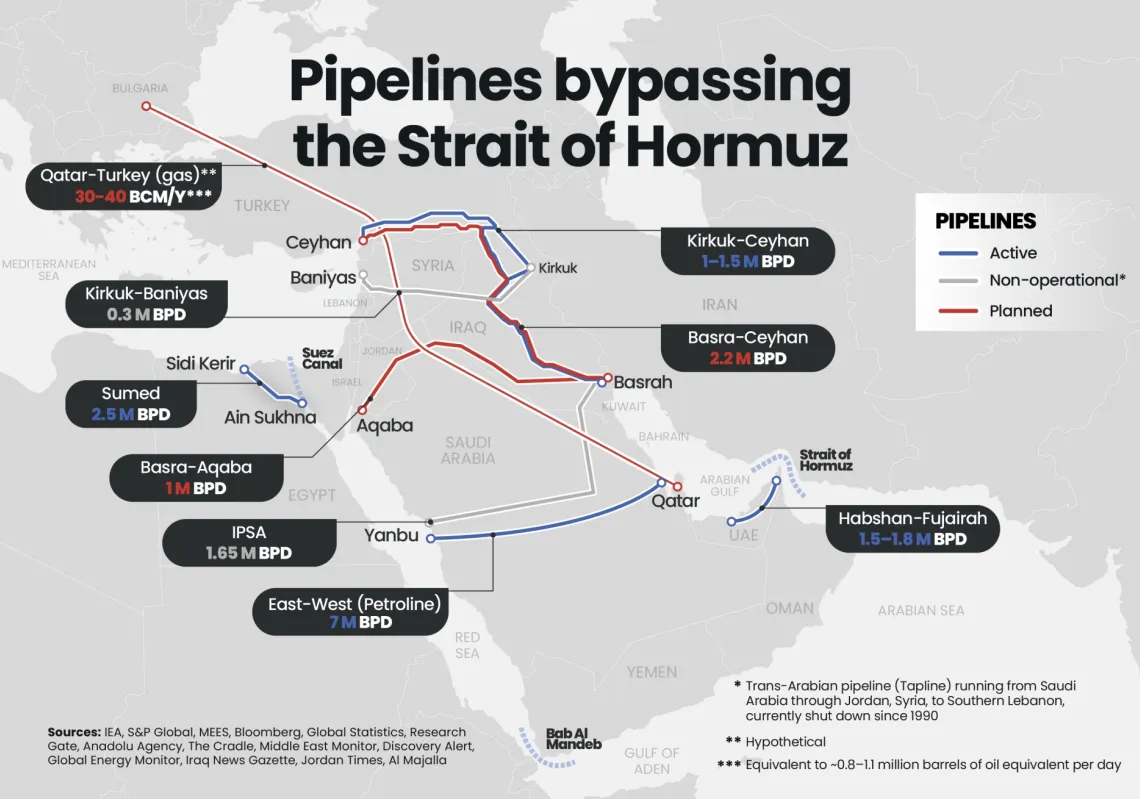
When access to Suez was impeded by the Houthis, shipping lines quickly took the route around Africa. Given the oversupply in global shipping at the time and the relatively low share of transport costs in the price of most goods, the extra expense was bearable. In much the same vein, food and medicine are already starting to make their way overland to the Gulf from Jeddah on the Red Sea, Fujairah on the Gulf of Oman and even distant Türkiye.
But the lorry, road and pipeline capacity of such workarounds is limited. Reports suggest a 30km traffic jam has formed at Fujairah, says Peter Sand of Xeneta, a data firm. What is more, the impoundment of so much crude has caused the price of fuel for ships to double, with operators passing the cost on to customers. Satellite data suggest the world's fleet is sailing 2% slower in March, presumably to conserve fuel.
Some 300 oil tankers are stuck in the Gulf or are making their way to other destinations. Chartering rates for the biggest, 8% of which are out of action, have soared from about $90,000 a day before the war to around $230,000. They may soon fall if too many tankers end up chasing too little oil. As HSBC, a bank, notes in a report, the closure of the strait means potential "overcapacity in alternative loading regions".
Such gyrations are the inevitable product of upheaval at one of the world's chokepoints. Shipping firms are fundamentally conservative businesses. Even if they can secure insurance, the big ones do not want to provoke the ire of customers or investors by putting vessels in harm's way, and the smaller ones have too few ships to risk losing any. Moreover, many crew members have contracts that allow them to refuse to work in war zones. It does not take much, therefore, to create big disruptions.
Hormuz is neither the busiest nor even the oiliest of the world's pinch-points—Malacca holds both those titles
Kattegat got your tonnage?
Many countries will be hoping that freedom of navigation, a diplomatic principle that has largely prevailed for more than a century, will survive. Alfred Thayer Mahan, a 19th-century American naval strategist, regarded the oceans as "a wide common" traversed by users in all directions. He argued that global power derived from a mastery of the seas and that America's navy should work to protect its merchants. In fact, the first foreign war America ever fought, in 1801, was to defend American shipping from predation by the ruler of what is now Libya.
Mr Trump's national security strategy, published in November, affirmed the importance of "preserving freedom of navigation in all crucial sea-lanes". Yet an "America First" president might be inclined to shrug off global burdens. In his zig-zags on Iran, he at one point seemed ready to declare victory and leave the Strait of Hormuz for others to sort out: "We don't use it. You know, at a certain point it will open itself." Such nonchalance about one of shipping's keys does not bode well for the security of the others.