Former European Council president gets candid on US-Iran warhttps://en.majalla.com/node/330310/politics/former-european-council-president-gets-candid-us-iran-war
Former European Council president gets candid on US-Iran war
In an interview with Al Majalla, Charles Michel explains how Trump didn't consult with allies before attacking Iran in a war that benefits Russia at Europe's expense
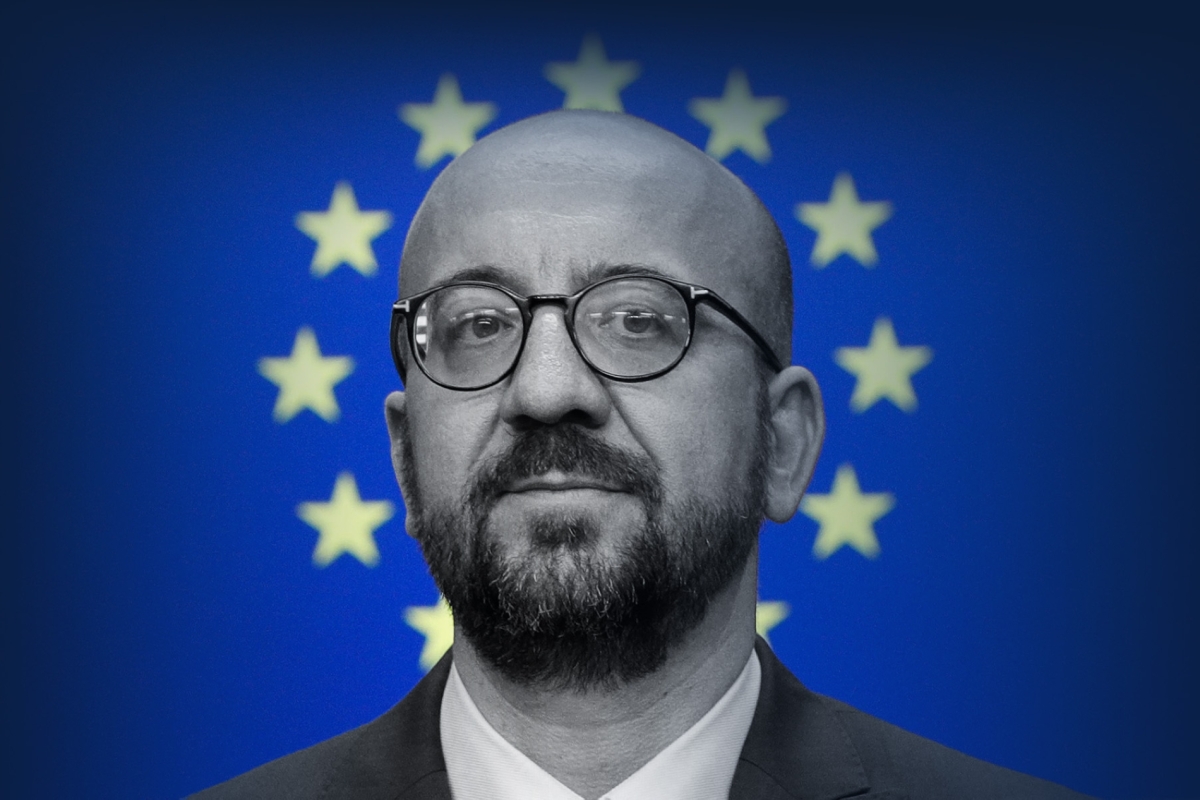
JOHN THYS / AFP
President of the European Council Charles Michel at the EU headquarters in Brussels on 28 June 2024.
Former European Council president gets candid on US-Iran war
The US-Israeli war on Iran has exposed faultlines beyond the battlefield. It has laid bare the fragility of the transatlantic alliance and the growing gap between American and European strategic interests. It begs a fundamental question that Europe can no longer avoid: when your closest ally acts without consulting you, what will you do about it?
Speaking to Al Majalla, European politician Charles Michel does not mince his words. President of the European Council from 2019 to 2024, after being Belgium’s youngest prime minister in the modern era, he describes Europe as a spectator and calls on EU leaders to move from rhetoric to action to support its Gulf partners, such as by giving the Gulf states defensive drone capabilities (Ukraine has already offered).
On Israel, Michel is forthright in his concerns about the increasingly normalised concept of a Greater Israel, which would mean Tel Aviv seizing the territory of others, something that has been seen in recent months in Lebanon and Syria. He also warns that American ambitions increasingly look “imperialist” in nature.
Here is the conversation.
A month into the US-Israeli war with Iran, some say Europe has been largely a spectator to this conflict. Several European leaders and US allies say they were not consulted before it began. Has Europe been sidelined?
Unfortunately, yes. As we speak, Europe is mainly a spectator, and that is deeply regrettable. The US and Israel chose to launch this military intervention without any prior consultation with European countries, yet we face the consequences. But my first concern is for the region itself, particularly the Gulf and Arab countries, which are suffering because Iran is attacking its neighbours, including during the holy month of Ramadan. That is genuinely shocking.
At the same time, we need greater political coordination. On the EU side, we must express stronger support and solidarity with the countries of the region, not only in words but in actions. I have long advocated for closer ties between the Gulf states and the EU, and for support for our partners when they are in difficulty. It is our duty to stand with them. I call for greater resolve from EU leadership in its response to the situation.
The US and Israel chose to launch this military intervention without any prior consultation with European countries, yet we face the consequences
Former European Council president, Charles Michel
The Gulf states have been caught in the crossfire of this war, having to manage its consequences. Does the EU have a concrete strategy towards the Gulf states amid current tensions? Is there a genuine strategic partnership?
If the EU wants to be taken seriously, it must demonstrate right now that it is a reliable partner. That means establishing close diplomatic and political ties with these countries, understanding what we can do to be genuinely effective in our support. One of the most serious problems right now is that we do not know the military or political goals of Israel and the US. That is very unusual and troubling.
Under international law, there is no justification for this military intervention. At the same time, the European side unequivocally condemns the Iranian regime. For decades, it has oppressed its own people, spread hatred across the region, exported terrorism, and posed a constant threat to global security.
Even so, in these circumstances, it is essential for the EU to be active—engaged in diplomatic efforts and in close political coordination with our allies, partners, and friends in the region. That is what EU leadership must do now, without delay. The region is not looking for Europe to be a spectator. It is looking for Europe to be a player, an actor with real influence.
Yes, there is a military dimension, but there is also an economic dimension. We can clearly see that the strategy involves targeting the region's economic resources and inflicting pain on countries that did not choose this war.
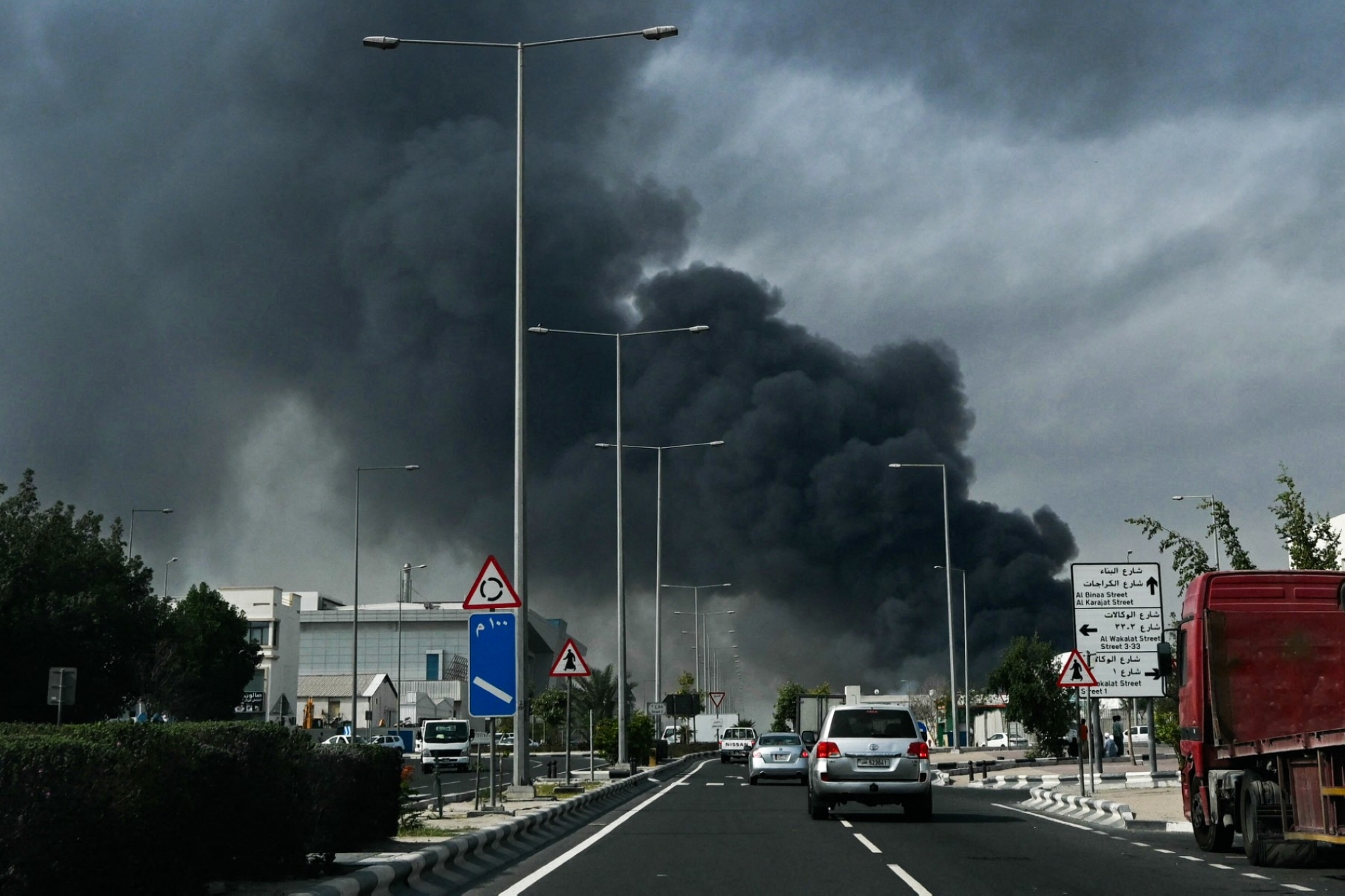
Motorists drive past a plume of smoke rising from a reported Iranian strike in the industrial district of Doha on 1 March 2026.
You mentioned that this conflict violates international law, yet the EU took a firm and principled stand against Russia's invasion of Ukraine precisely because it violated international law. Is this not a contradiction?
You're right. In my view, it is essential to avoid double standards. If we stand for international law, we must stand for it always and everywhere. Some Europeans made a serious mistake when they failed to speak clearly about the military intervention in Gaza, which was a double standard, and it is not acceptable.
Even if the EU was divided, there were many European voices that spoke clearly. That said, Iran and Ukraine are not comparable. Ukraine is a democracy; Iran is run by an oppressive dictatorship. Be that as it may, this military intervention is not compliant with international law, and we must be unambiguous about that.
When the security and very existence of Israel are at stake, European countries will always support Israel's right to exist and its right to be secure. But if the objective is to advance an ideology of Greater Israel, without respect for the sovereignty of neighbouring countries, that is an entirely different matter. European leadership must be explicit on this and avoid all ambiguity.
Let me be frank: what is happening today is yet another sign that the historic transatlantic bond and relationship between the United States and the European Union is over. Something new will have to be written. The list of divergences between the EU and the US grows longer: the Middle East, Ukraine, Russia, and Greenland. The relationship needs to be fundamentally rethought.
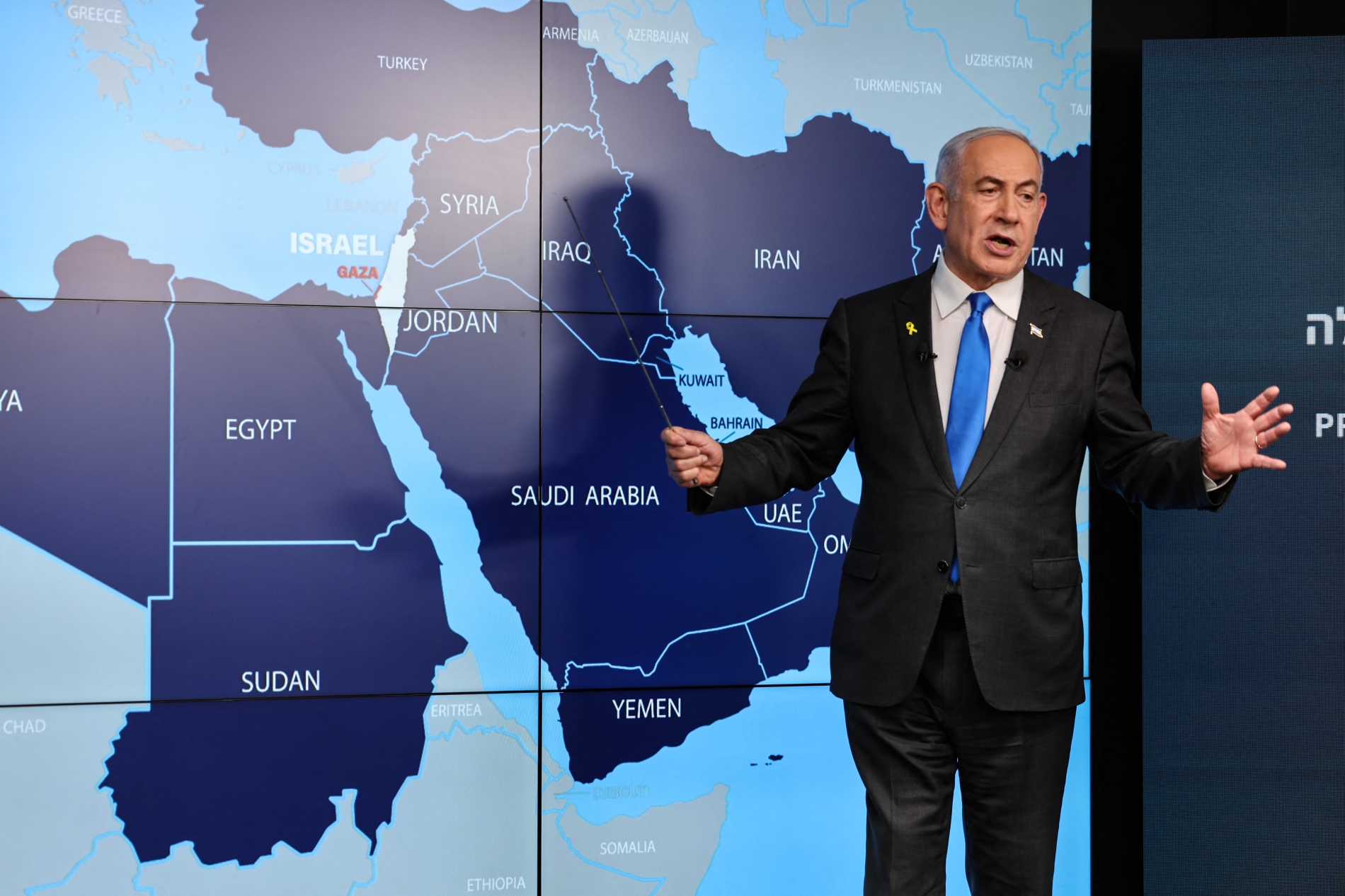
Israel's Prime Minister Benjamin Netanyahu speaks in front of a map of the Middle East during a press conference at the Government Press Office (GPO) on 4 September 2024.
You raised the concept of a Greater Israel, advocated by the Israeli far-right. Who has the political authority to advance such ideas, and how concerning is it that these positions appear to be gaining ground?
It is deeply concerning. Until recently, this was considered an extreme position, held by a fringe political party, but it now appears to be becoming—in certain circles—the new normal. That is extremely alarming. I think we're witnessing a broader rupture. The rules-based international order, imperfect as it was, provided a degree of predictability and stability. That order is now under severe strain, with a temptation—including in the US—to move towards unilateralism, protectionism, and what I would frankly describe as an imperialist approach to international relations.
In this context, it is vital that we make a choice. My choice is clear: hold to our principles and defend the idea that a rules-based international order is necessary. If we genuinely defend that order, we cannot accept illegal Israeli settlements. I am deeply concerned about the situation in the West Bank and in Gaza. In Lebanon, I recognise that Israel has legitimate security interests, but if the objective in Syria, Lebanon, and elsewhere is to advance the ideology of a Greater Israel, then that is a challenge for all of us.
We are friends with Israel. And precisely because we are friends, we must be honest. We have to tell them directly: when it concerns your security and your right to exist, we stand with you completely. But if the direction of travel is towards this ideology of a Greater Israel, which risks generating more instability and suffering in the region, then we must say so clearly and not hide behind ambiguity.
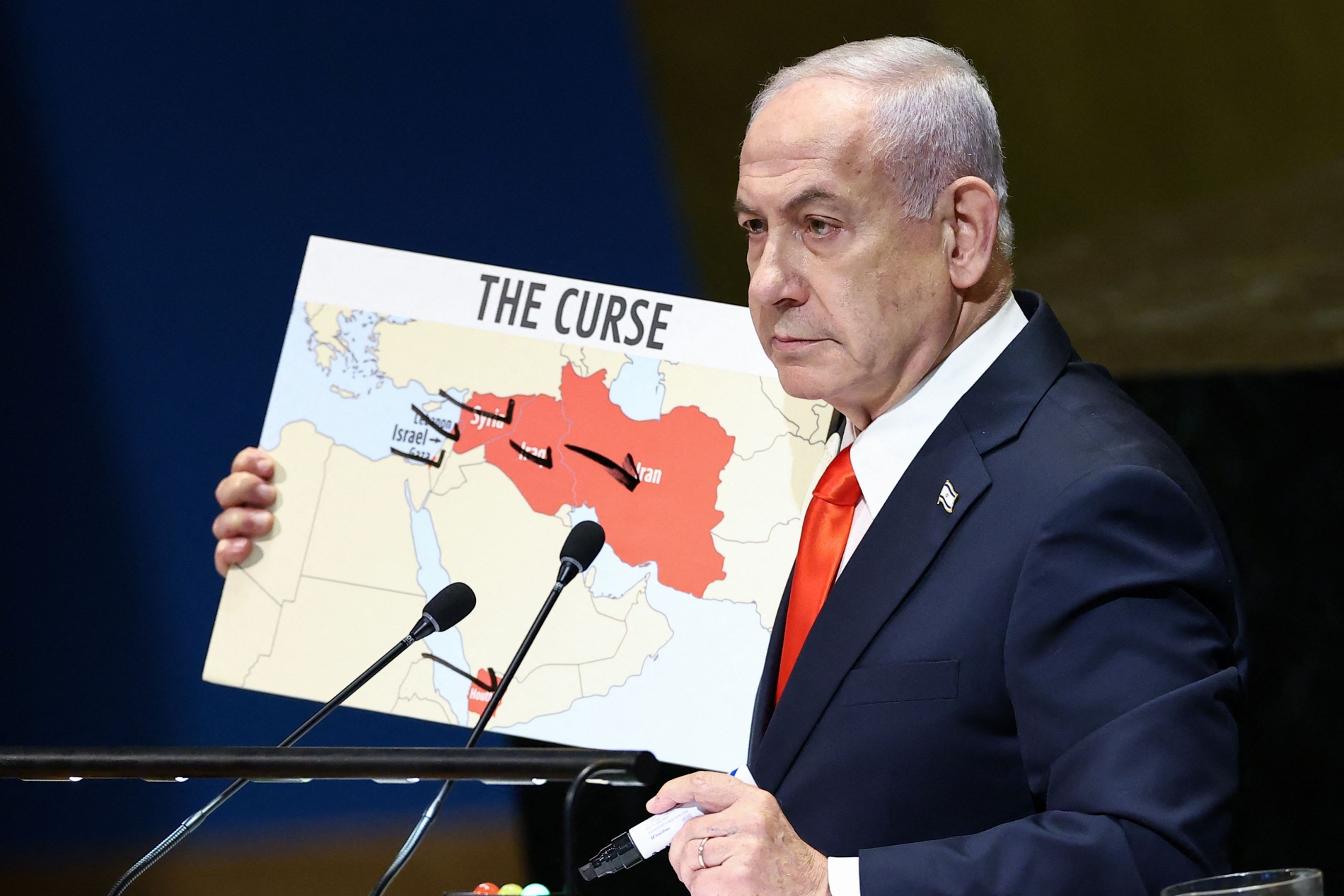
Israeli Prime Minister Benjamin Netanyahu holds a map as he speaks during the General Debate of the United Nations General Assembly at UN headquarters in New York City on 26 September 2025.
A Greater Israel, whether framed in political or biblical terms, risks leading to endless wars. Do you agree?
We need wisdom, we need reason, and we need to make a deliberate choice for rationality. If every side pursues an extreme position, then no doubt there will be endless war and instability, and it will be catastrophic for everyone, particularly for the young people of the region, who will carry the consequences for decades to come.
But precisely because the circumstances are so difficult, they create—or should create—an opportunity to resolve longstanding problems rather than compound them. To be direct: a two-state solution is the only serious and credible path forward. That is my firm position. We also need to uphold international law more consistently. If the EU is ambiguous on this question, we all lose.
A crime is a crime, whether in Ukraine, Gaza, the Middle East, or anywhere else. The moment we begin calibrating our response to violations of international law based on who committed them, or where, we forfeit our credibility entirely.
What is happening today is yet another sign that the historic transatlantic bond and relationship between the US and the EU is over
Former European Council president, Charles Michel
The European Union is a unique project. It was built on the ashes of two world wars, on the conviction that cooperation and shared risk create shared interests. We've always believed that a good deal is a deal where both sides win. Today, some global actors seem to believe that a good deal requires a winner and a loser, and that the winner should humiliate the loser.
This doesn't work. In the short term, it may create an illusion of security or satisfaction, but beyond that, it generates frustration and imbalance, and where you find frustration and imbalance, conflict returns.
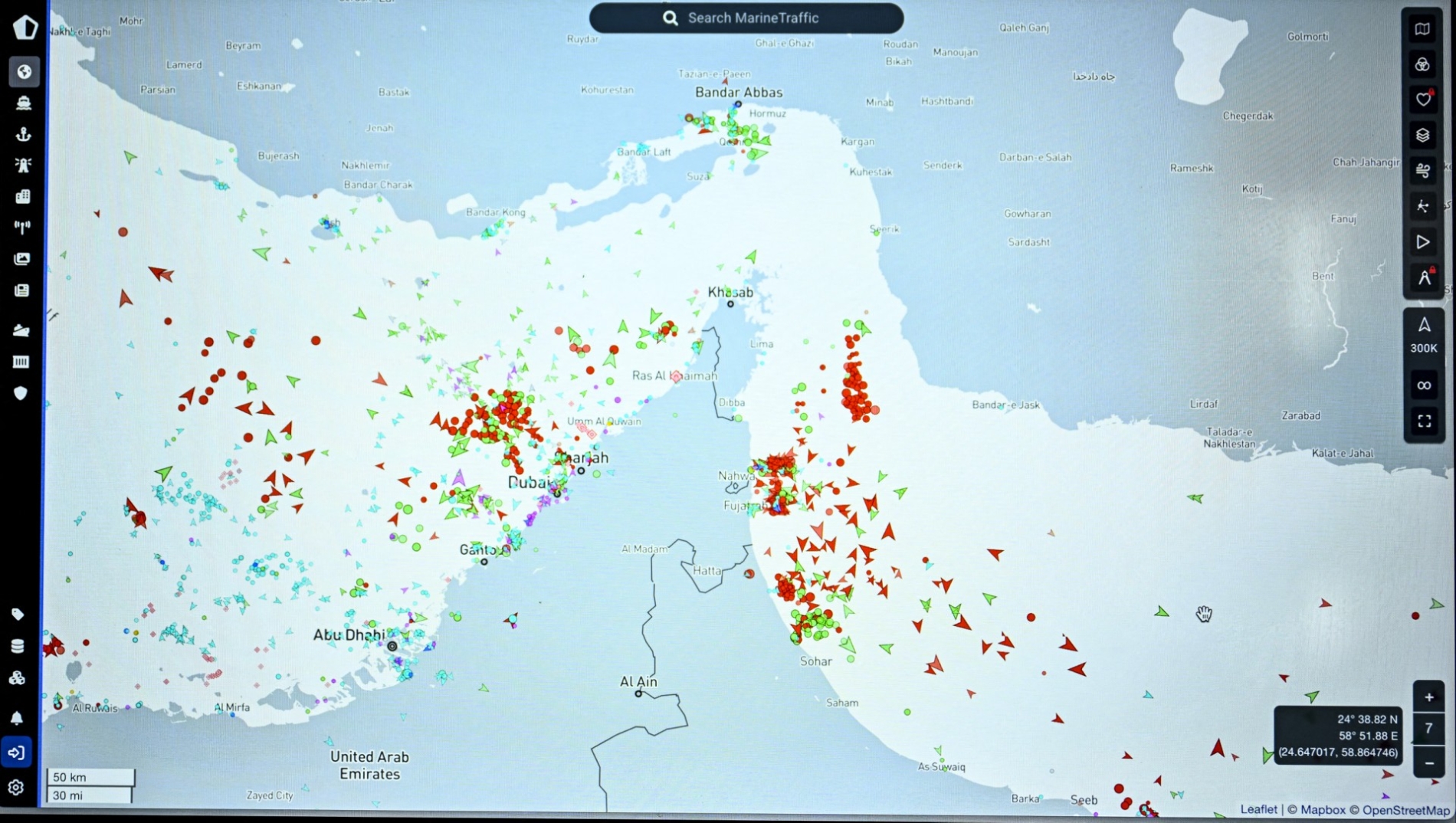
Commercial boat traffic on the edge of the Strait of Hormuz near the Iranian coast, in Paris on 4 March 2026.
Does the EU have a plan to protect international trade if the Hormuz Strait remains effectively blockaded?
With my background in law and governance, I find it very difficult to understand how Israel and the US, when launching this military intervention, could not have anticipated that we would very quickly arrive at this situation, with severe economic consequences not only for the Gulf but for the entire global economy.
We must coordinate closely with the Gulf countries and our partners to determine what concrete offer can be made. More than ever, de-escalation and diplomatic engagement are essential. I do not see how this situation can be resolved without some level of political dialogue and coordination. Fortunately, in that region, there are countries with genuine experience in mediation. Oman, for instance, played a very effective role in recent months, working to build understanding between the US and other parties, including Iran.
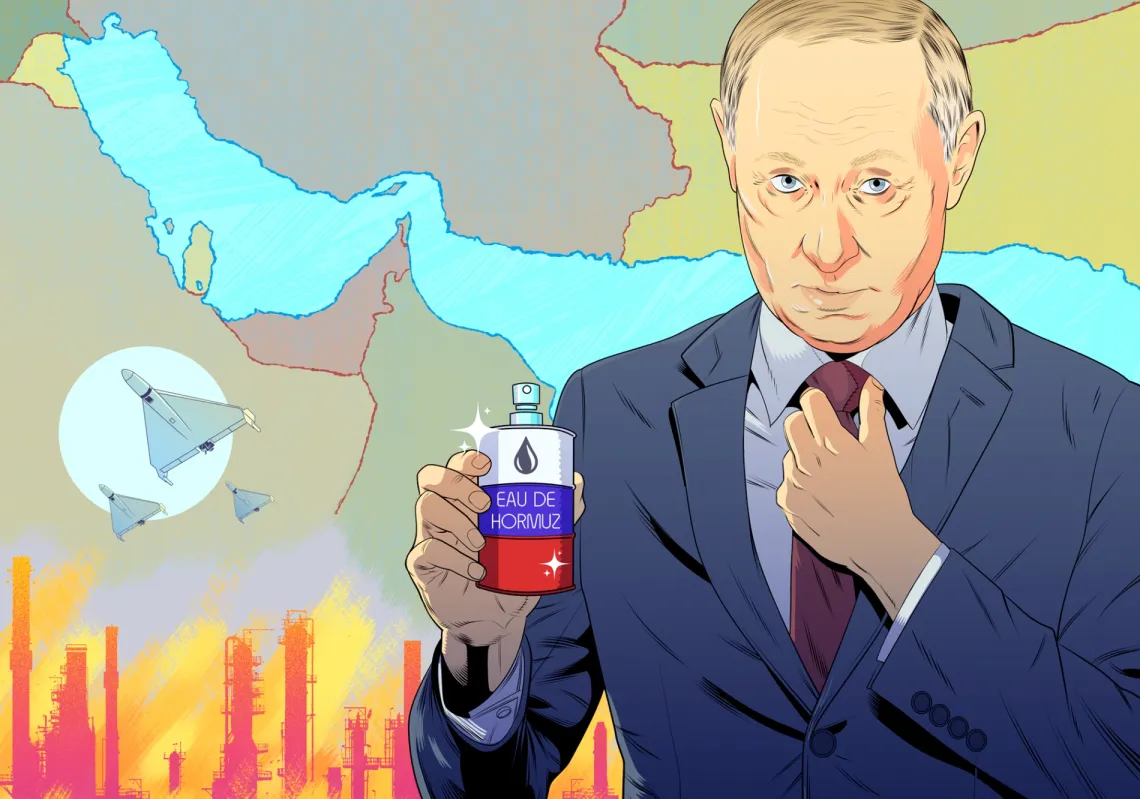
I am not naive about the nature of the Iranian regime, but I can see the direct consequences of what is happening today. The winner is Russia. It strengthens Moscow's position, which is very bad news for both the EU and Ukraine. I also see that the Iranian regime has demonstrated some resilience and can hold the world to ransom through the blockade of the Strait. Even if partial or full solutions are found to reopen the strait, there will be serious challenges ahead with private companies, insurance and reinsurance markets. We must use every available channel of political dialogue and mediation to find a way forward as quickly as possible.
Ukrainian President Zelensky has offered the Gulf states Ukraine's counter-drone expertise. What military offer or strategy can the EU offer the Gulf?
Our friends in the Gulf do not need words; they need tangible assistance and support. The EU has developed a very strong defence collaboration with Ukraine. As a result of the war, Ukraine and its defence industry have made remarkable advances in drone technology, including defensive drones, which are critical to Ukraine's survival.
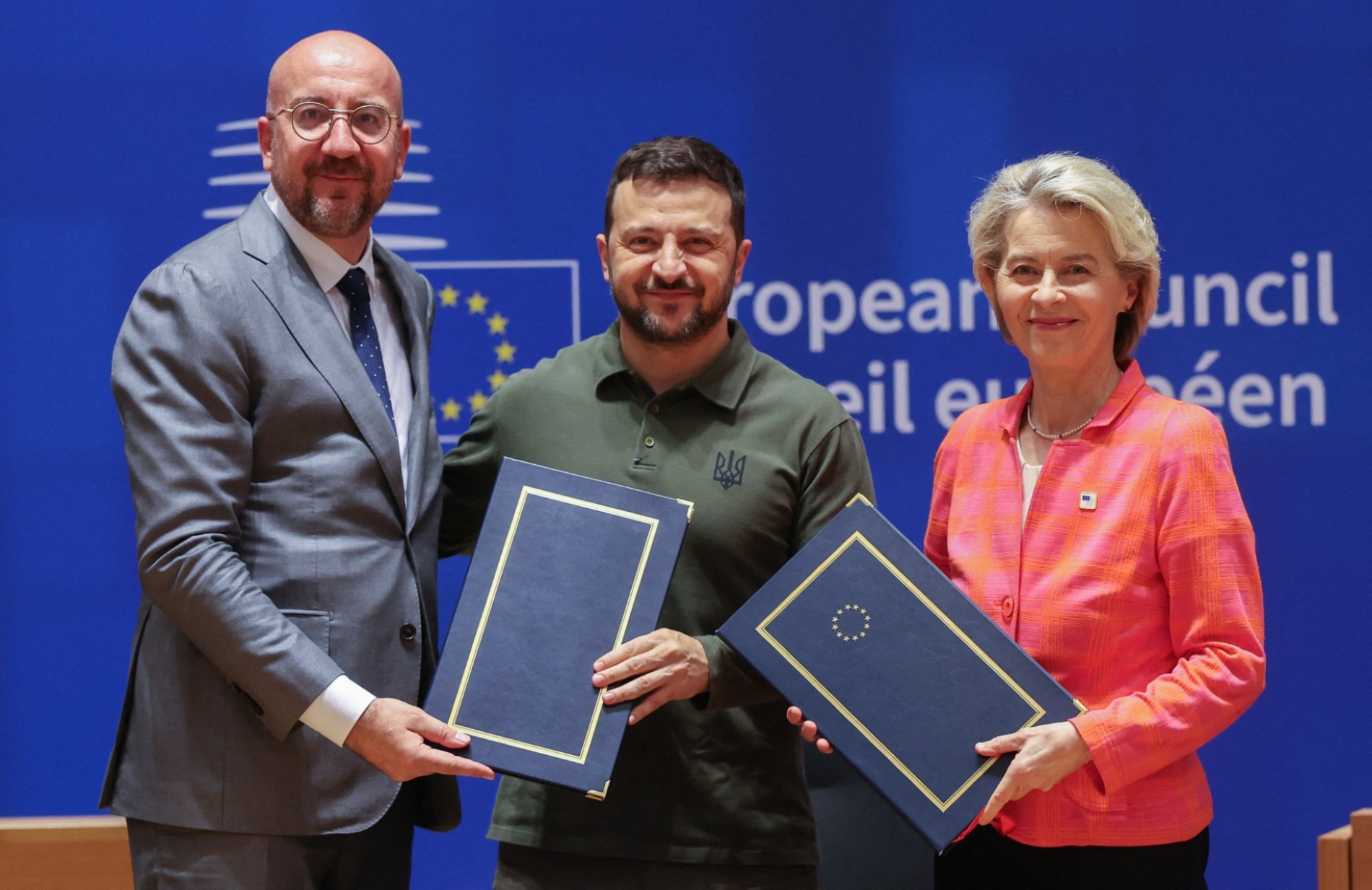
European Council President Charles Michel and Ukraine's President Zelensky at the EU headquarters in Brussels on 27 June 2024.
If I were in an official position today, I'd work to coordinate with all EU member states and Ukraine to make defensive drone capabilities available to the Gulf states. I commend President Zelensky's initiative. It shows that he understands these conflicts are interconnected. He understands the importance of demonstrating genuine readiness to provide military assistance to the Gulf countries.
I emphasise defensive drones specifically because the EU does not want to be drawn into a war with Iran, but we do want to support the countries that are being attacked, and we want to help them defend themselves more effectively. That is what a good partner does.
What do you think of President Trump's 15-point plan to end the war with Iran?
I sincerely hope this war ends as soon as possible, but I still don't know what the military or political goals of it are. Is it regime change? That remains unclear to me, and the ambiguity is deeply troubling. More broadly, what's happening in the US is something Europe must take seriously and factor into its strategic thinking. For many years, I have been a strong advocate of European strategic autonomy. Given the combined weight of the single market and 27 member states, the EU should have far greater ambition when it comes to resilience and influence. The EU's destiny is not to be a vassal of anyone.
I can see the direct consequences of the US-Iran war. The winner is Russia.
Former European Council president, Charles Michel
If the US wants to maintain a strong and genuine partnership with the EU, it must be built on mutual respect. We are a respectful partner, and we deserve respect in return. The fact that military intervention of this magnitude was launched with no coordination with European countries speaks for itself. We need to face that reality honestly. We may not like what it tells us, but we must accept it and draw the necessary conclusions, because the world tomorrow is likely to look very different from the one we knew yesterday.
Iran insists there are no negotiations, yet a counter-proposal has apparently been circulated, with Pakistan, Egypt and others working behind the scenes. Do you think the gap is simply unbridgeable?
I won't speculate on a process that may or may not be underway, but based on my experience, it's reasonable to assume that back-channels exist and that there are actors and countries in the region quietly playing a role. What I am less certain about is whether there is enough trust in the US and its negotiators. In my experience, trust is the foundation of any successful diplomatic process. Building trust is essential but deeply difficult, and it takes time. Many countries in the region were surprised by this war; many were not consulted and did not wish to find themselves in this position. That context matters enormously for any diplomatic process.