US-Iran war tests the resilience of Egypt's economy
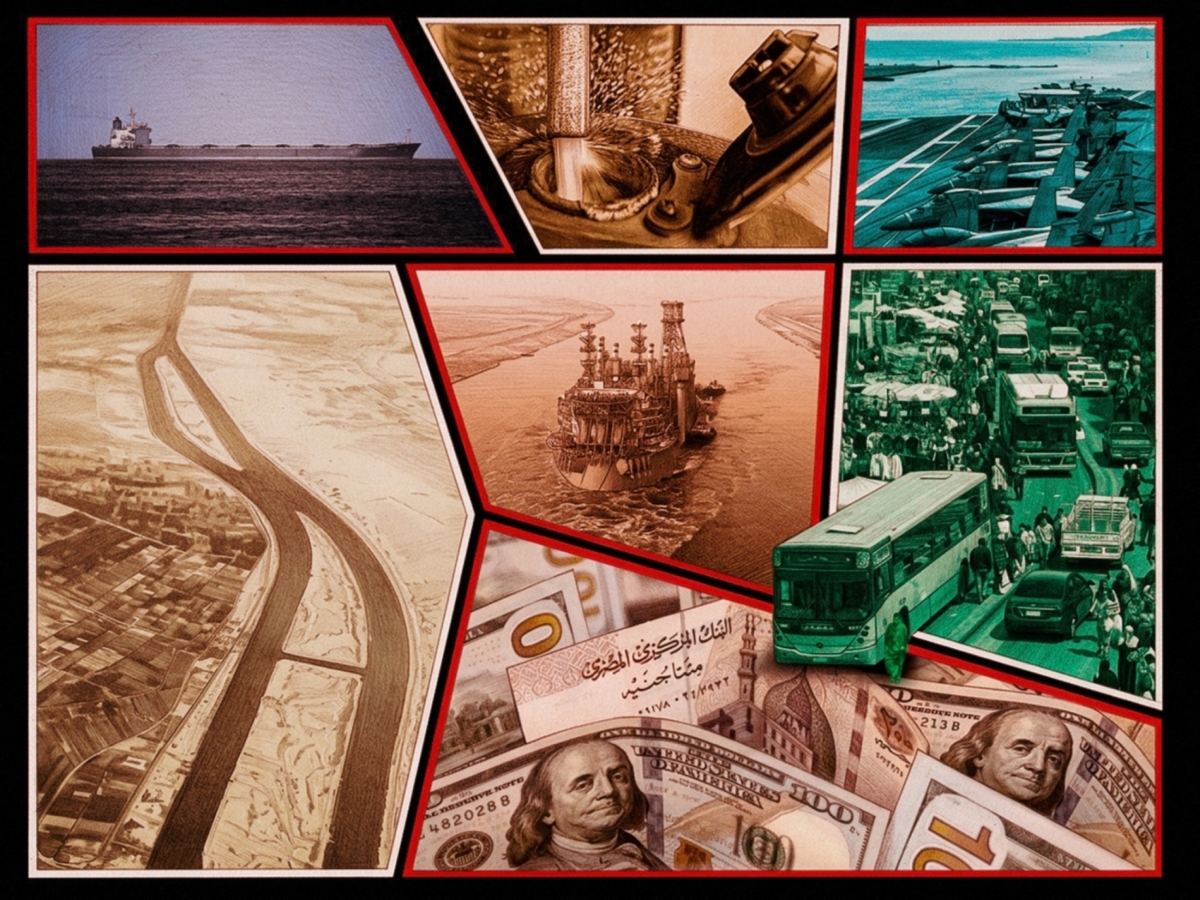
Positioned between the Strait of Hormuz and the Suez Canal, Egypt is not only absorbing the impact of war—it is transmitting it into the global economy.
Al Majalla
US-Iran war tests the resilience of Egypt's economy
When Egypt raised domestic fuel prices by up to 17% in early March, officials blamed it on global energy markets that were destabilised by the war between the United States, Israel and Iran. Within weeks, the government went further. Cairo has now ordered shops, cafes and malls to close earlier, reduced street lighting, and introduced wider electricity-saving measures to conserve fuel.
The escalation from price increases to outright consumption controls highlights how quickly the conflict is transmitting into the Egyptian economy. But Egypt is not only absorbing the shock. Because of its position at the centre of global trade and regional energy flows, it is also transmitting it.
The US-Iran war, which began on 28 February with coordinated US and Israeli strikes on Iranian targets, has rapidly reshaped economic conditions across the Middle East. Oil prices surged above $100 per barrel in the early phase of the conflict; shipping routes have become more dangerous, and investors are pulling capital from riskier markets.
Neutrality rarely shields countries from regional shocks. States that remain outside wars often absorb the economic fallout while having little influence over how those conflicts unfold. Egypt’s economy is built on maritime trade, imported energy and foreign investment, leaving it highly exposed to regional instability. Even without taking part in the conflict, Egypt is already feeling its economic consequences and cannot help but pass them on.
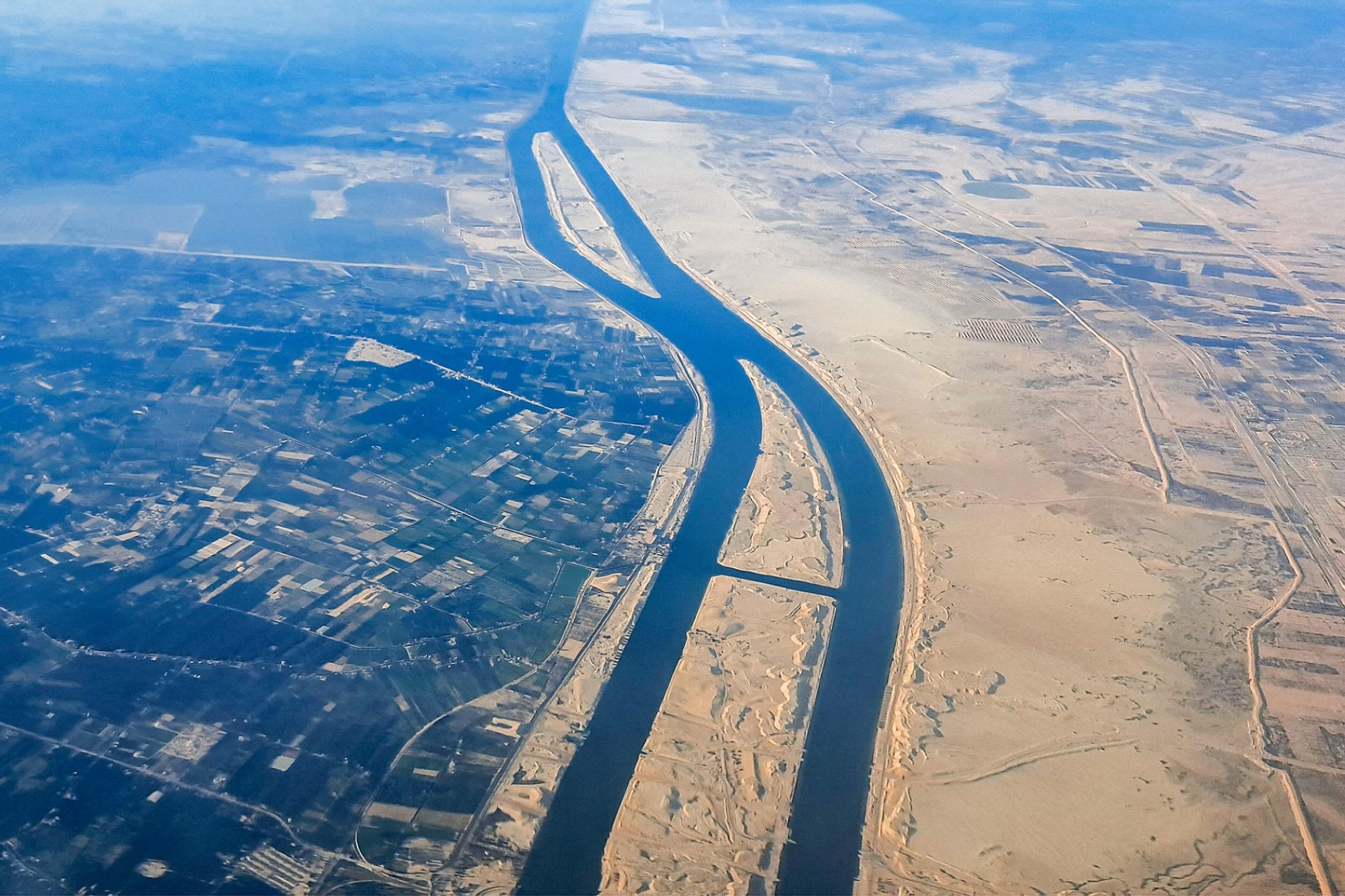
Aerial photograph of the Suez Canal expansion at El Ferdan, north of Ismailia, northeast Egypt, on 23 March 2024.
Between chokepoints
Egypt’s importance to global commerce stems from its geography. The Suez Canal carries 12-15% of world trade and approximately 25-30% of container traffic, making it one of the most important maritime routes in the global economy. That same geography also exposes Egypt to disruption when conflict spreads across the region’s other shipping lanes. Iranian retaliation has destabilised the Strait of Hormuz, through which roughly a fifth of the world’s oil normally passes, while the wider crisis has raised risks for vessels travelling through the Red Sea towards the Suez Canal.
Egypt doesn't need to be involved in the conflict for its most important economic asset to feel the consequences. Maritime analysts estimate that vessel traffic through the canal fell by roughly 50% in the weeks immediately following the outbreak of the war, as shipping companies reassessed the safety and cost of regional routes.
This matters enormously for Egypt’s finances. The canal is one of the country’s largest sources of foreign currency, generating a record $9.4bn in revenue in the 2022-2023 financial year. By 2024, revenues had fallen approximately 60% after earlier instability pushed shipping away from the route. The crisis in the Straits of Hormuz now threatens to reinforce that decline.
Cairo has ordered shops, cafes and malls to close earlier, reduced street lighting, and introduced wider electricity-saving measures to conserve fuel
But the implications extend well beyond Egypt. The Suez Canal is one of the principal arteries of global trade linking Asian manufacturing to European markets. Sustained disruption reduces Egyptian revenues but also raises shipping costs, lengthens delivery times, and feeds inflationary pressures across multiple economies.
The disruption begins in the Gulf itself. Since the start of the war, at least 20 commercial vessels have been attacked or damaged in the Strait of Hormuz and surrounding waters. Iranian officials have pledged to keep the strait closed to what they describe as enemy shipping, leaving vessels exposed to naval mines, drones and missile strikes launched from the Iranian mainland. Even with US plans to escort commercial vessels and help cover insurance costs, the threat environment is deterring most tankers from attempting transit.
War-risk premiums for vessels operating in Middle Eastern waters have increased more than tenfold in some cases, adding hundreds of thousands of dollars to the cost of a single voyage. Faced with those costs, shipping companies are increasingly choosing longer but safer routes.
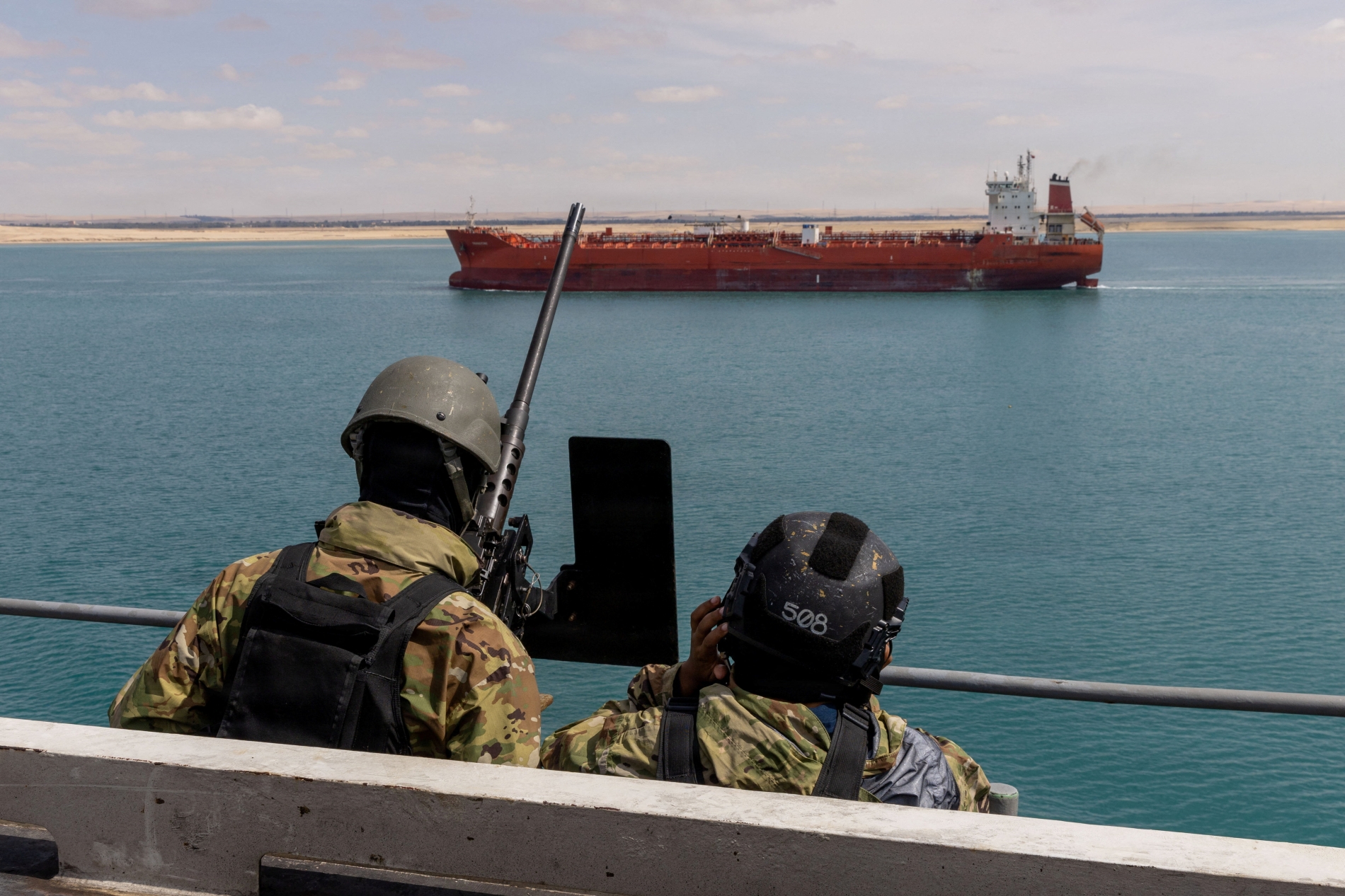
US Navy sailors on a small boat monitoring team on a side passage of the aircraft carrier USS Gerald R. Ford as it transits the Suez Canal, en route to support Operation Epic Fury, on 5 March 2026.
Fewer ships leaving the Gulf means fewer vessels passing through the Red Sea and ultimately through the Suez Canal. Add to this the potential for the Houthis to resume strikes in the Red Sea, and the result is a compounding disruption across the entire corridor.
Egypt's role in this system means that it functions as both a recipient and a transmitter of economic shocks. Disruptions that begin in the Gulf do not stop at its borders. They pass through Egyptian infrastructure and financial systems into global supply chains, amplifying their impact far beyond the region.
System shock
The disruption to maritime trade comes at an already fragile moment for Egypt's economy. In recent years, the country has struggled with inflation, currency depreciation and rising external debt. The Egyptian pound has lost more than half its value against the US dollar since 2022, following several devaluations. Shortages of foreign currency have become a persistent challenge for businesses and the government alike.
External debt now exceeds $160bn, and the country continues to rely on international financing and IMF programmes to maintain stability. Foreign currency reserves stand at roughly $53bn, a limited buffer for a country that imports large volumes of fuel, industrial goods and food.
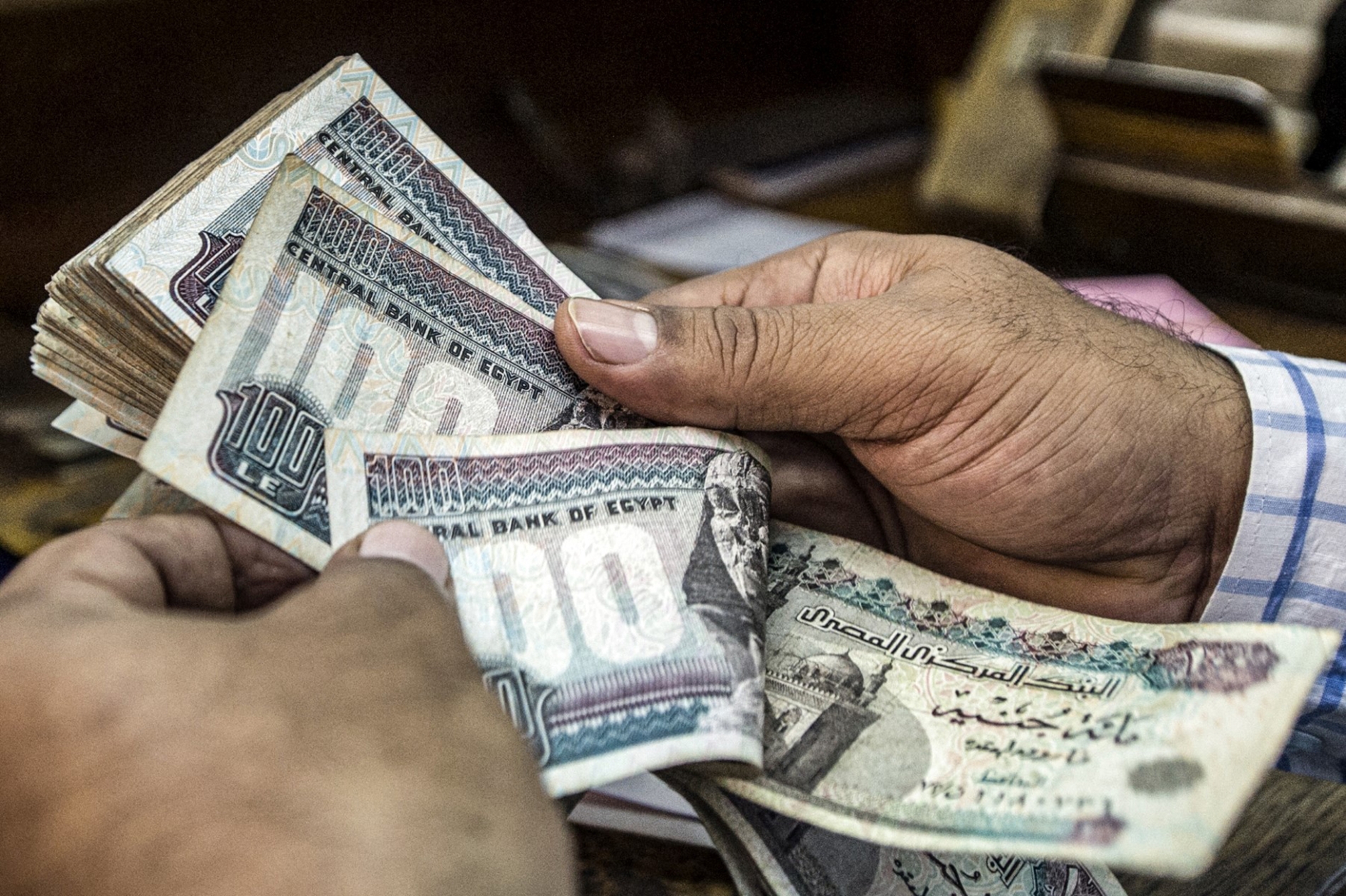
Against this backdrop, the new conflict has unsettled financial markets. Bankers estimate that $5-8bn in foreign portfolio capital left Egypt in the weeks following the outbreak, as investors exited Egyptian treasury markets amid rising regional risk. Egypt's financial system relies heavily on these short-term inflows—often described as "hot money"—which can reverse rapidly during periods of instability. The resulting pressure has pushed the Egyptian pound beyond 52 to the US dollar, raising import costs and adding to inflationary pressures.
An employee counts Egyptian pounds at a currency exchange in downtown Cairo.
Visible strain
The most immediate pressure is now visible in Egypt's energy system. Rising global oil prices have sharply increased the cost of imports for a country that remains a net importer of petroleum products. Egypt's monthly natural gas import bill has surged from around $560mn before the war to approximately $1.65bn, nearly tripling for the same volumes.
These pressures have forced the government to move beyond price adjustments. The introduction of earlier closing hours for businesses, reduced street lighting, and potential remote working measures marks a shift from financial adjustment to physical rationing of energy consumption.
Such steps are politically sensitive. Egypt is a country where economic pressure has historically translated into social strain, and where electricity supply is closely tied to public stability. That the government has opted to curb consumption at this stage reflects the scale of the shock.
They also reflect pressures with external consequences. Reduced gas availability and higher fuel costs constrain Egypt's ability to export LNG to European markets, tightening supply at a time when energy security remains a central concern.
At the same time, the conflict is disrupting Egypt's longer-term ambition to position itself as a regional gas hub. Over the past decade, Cairo has sought to leverage its liquefied natural gas (LNG) infrastructure —particularly the Idku and Damietta terminals—to process and re-export gas from the Eastern Mediterranean. This strategy has relied heavily on imported gas, especially from Israel, with Egypt re-exporting LNG to Europe as part of efforts to diversify supply following the war in Ukraine.
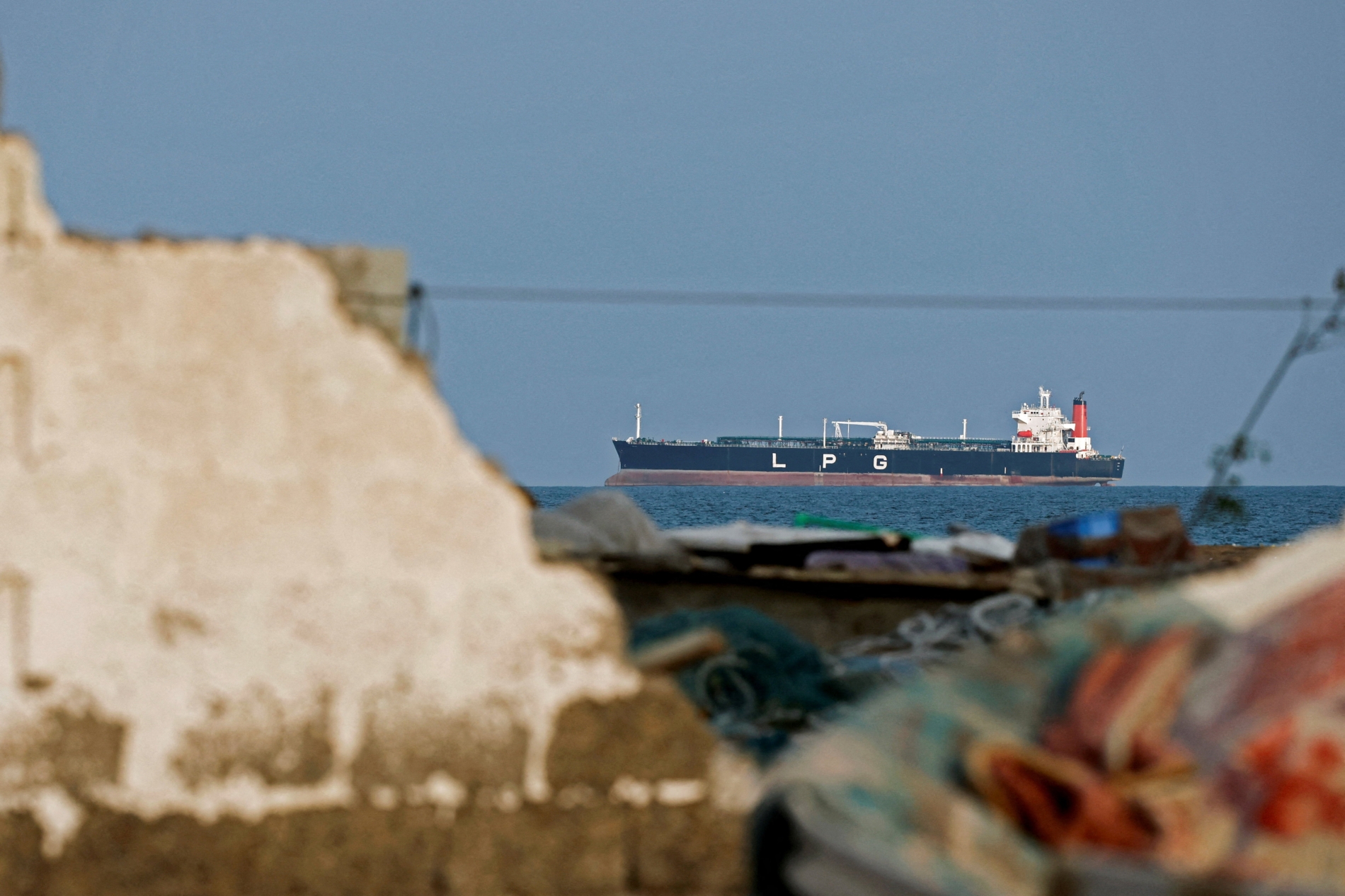
An LPG gas tanker at anchor as traffic is down in the Strait of Hormuz, amid the US-Israeli war on Iran, in Shinas, Oman, on 11 March 2026.
Such ambitions depend on stable regional supply chains. The current conflict illustrates how quickly that stability can be undermined. Following the outbreak of hostilities in late February, Israel suspended gas exports and shut down key offshore production sites, including the Tamar and Leviathan fields. This halted approximately 1.0–1.1 billion cubic feet per day (bcf/d) of pipeline gas to Egypt.
Israeli imports typically account for around 15–20% of Egypt's total gas consumption, meaning the disruption has immediate consequences for both electricity generation and LNG export capacity. With domestic production already declining—from roughly 70 billion cubic metres in 2021 to around 50 bcm by 2024—the margin for adjustment is limited.
Interruptions to imported gas, therefore, force the government to rely on more expensive fuels such as diesel and fuel oil, which can cost two to three times more per unit of electricity generated, to sustain electricity generation. This raises fiscal costs, increases pressure on foreign currency reserves, and heightens the risk of power shortages - particularly during peak summer demand, when electricity consumption can exceed 35GW. The daily peak load reached 40 GW in 2025.
Gulf support at risk?
These vulnerabilities are particularly significant in the current context, because Egypt's recent economic stability has been underpinned by sustained financial support from Gulf partners. Estimates suggest that since 2013, Gulf states—primarily the United Arab Emirates and Saudi Arabia—have provided over $100bn in combined aid, deposits, and investments.
More recently, external financing has again played a decisive role in averting a deeper crisis, including the UAE-backed $35bn Ras El-Hekma development deal, announced in 2024; an expanded IMF programme to $8bn; an EU package of €7.4bn; and World Bank support of $6bn.
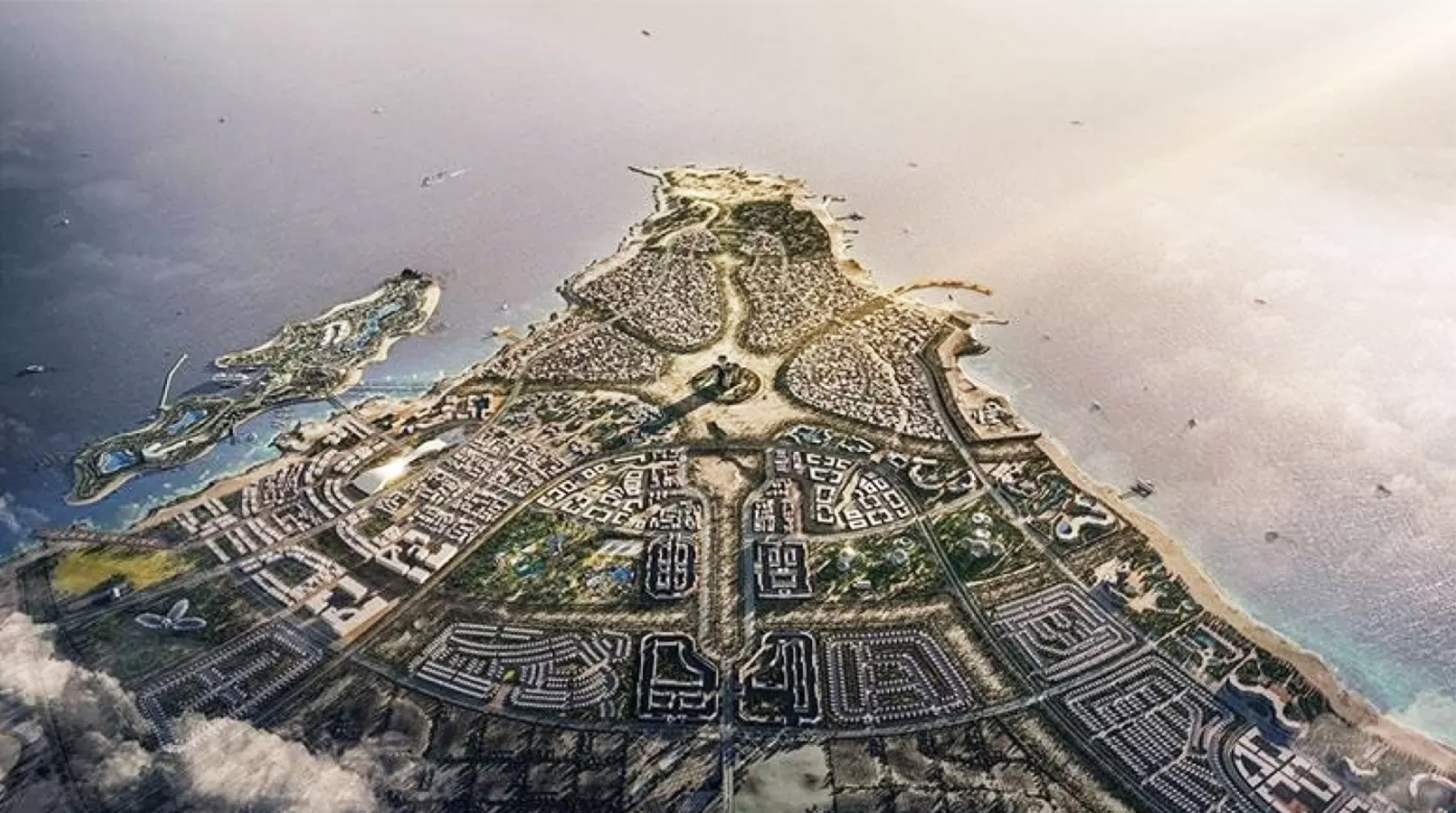
A render of the Ras El-Hikma development project in Egypt.
However, the sustainability of this financial lifeline is not guaranteed. A prolonged or escalating conflict involving Iran could place significant strain on Gulf economies, which remain heavily dependent on hydrocarbon exports and maritime trade. Prolonged disruption to shipping through the Strait of Hormuz would increase volatility in export revenues, raise transport and insurance costs, and potentially constrain fiscal surpluses.
In such a scenario, Gulf governments may prioritise domestic stabilisation and strategic reserves over external financial commitments. Egypt's annual external financing needs—estimated at $25.9bn in FY2025/2026 and $30bn in FY2026/2027—leave little room for reducing support.
Egypt's economic fragility is not only a domestic concern; it is a systemic one. With a population exceeding 120 million, and control of one of the world's most critical trade routes, instability in Egypt has direct implications for global supply chains, regional security and European economic and migration pressures.
Fewer ships leaving the Gulf means fewer vessels passing through the Red Sea and ultimately through the Suez Canal
Cairo plays a central role in managing tensions involving Israel and Palestinian groups and has historically acted as a key intermediary in ceasefire negotiations. It also borders multiple fragile theatres—including Sudan and Libya—where Egyptian political, security and intelligence engagement has been an important stabilising factor.
At the same time, Egypt is a key partner for European governments on migration management and counterterrorism co-operation. Egyptian authorities have played a significant role in limiting irregular migration flows from its coastline.
Rising inflation, currency pressure, unemployment, energy shortages and higher costs risk intensifying domestic strains. At best, these pressures would lead to increased labour migration, greater reliance on remittances, and tighter fiscal constraints that limit Egypt's regional engagement; at worst, they could erode state capacity, reduce Cairo's ability to act as a stabilising force in neighbouring crises, and heighten the risk of wider regional spillovers in the form of increased migration, weakened security cooperation, and reduced conflict mediation.
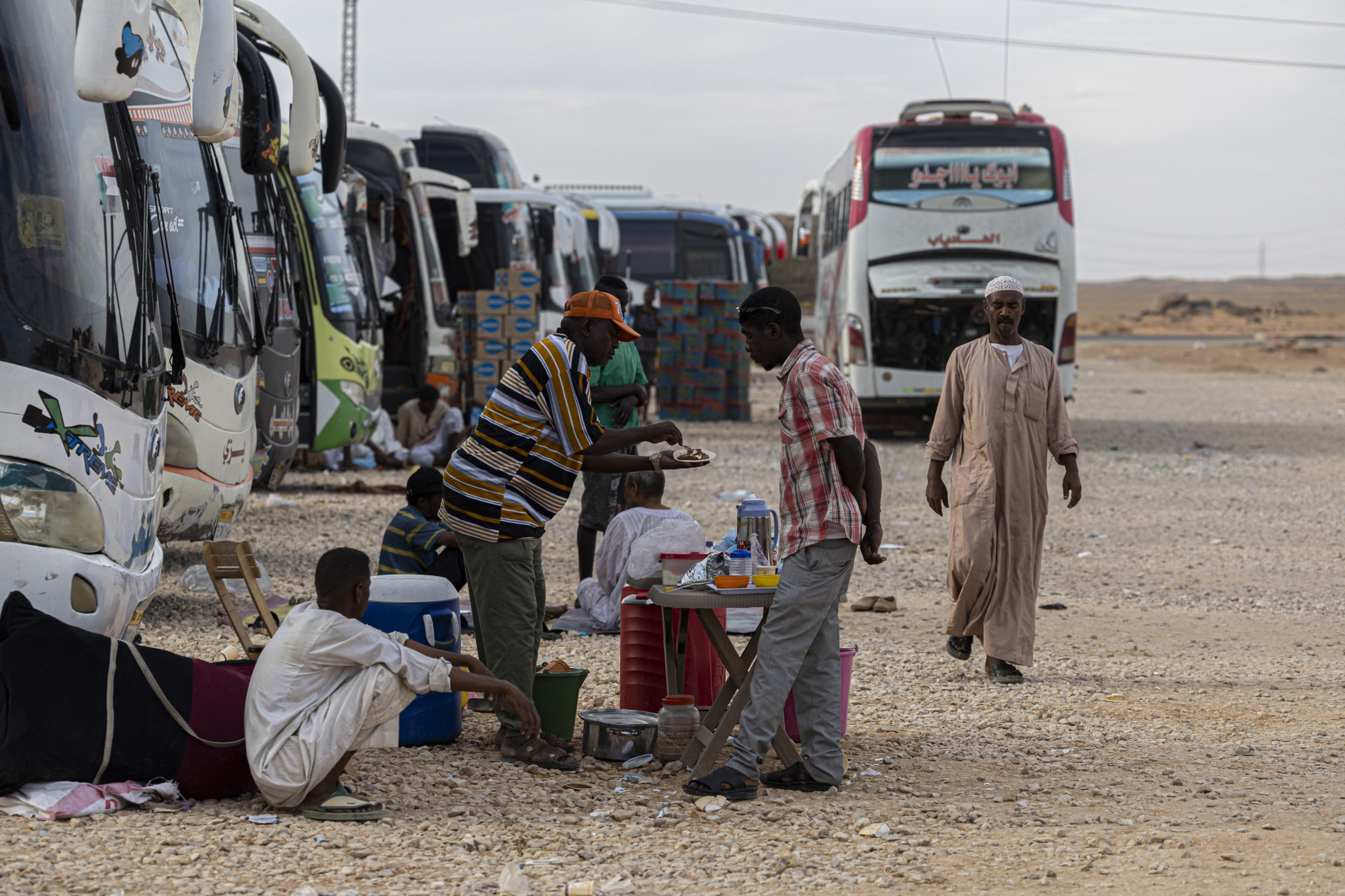
Sudanese drivers wait by their buses upon arrival at the Egyptian village of Wadi Karkar near Aswan on 14 May 2023, after fleeing war-torn Sudan.
Limits of neutrality
Faced with these pressures, Egypt has attempted to respond diplomatically, working with regional and international partners to contain the conflict. However, Egypt's ability to shape outcomes remains limited.
The country, therefore, faces a familiar dilemma. It has little influence over the drivers of the crisis yet is highly exposed to its consequences. The recent decision to ration electricity consumption makes that reality visible. Egypt may remain outside the battlefield, but its economy sits at the intersection of the systems the war is disrupting—from shipping lanes to energy markets to global capital flows.
In that position, Egypt does not simply absorb shocks. It helps transmit them. When those systems come under strain, neutrality offers little protection. And when instability reaches a country of Egypt's scale and strategic importance, the consequences rarely remain contained within its borders.