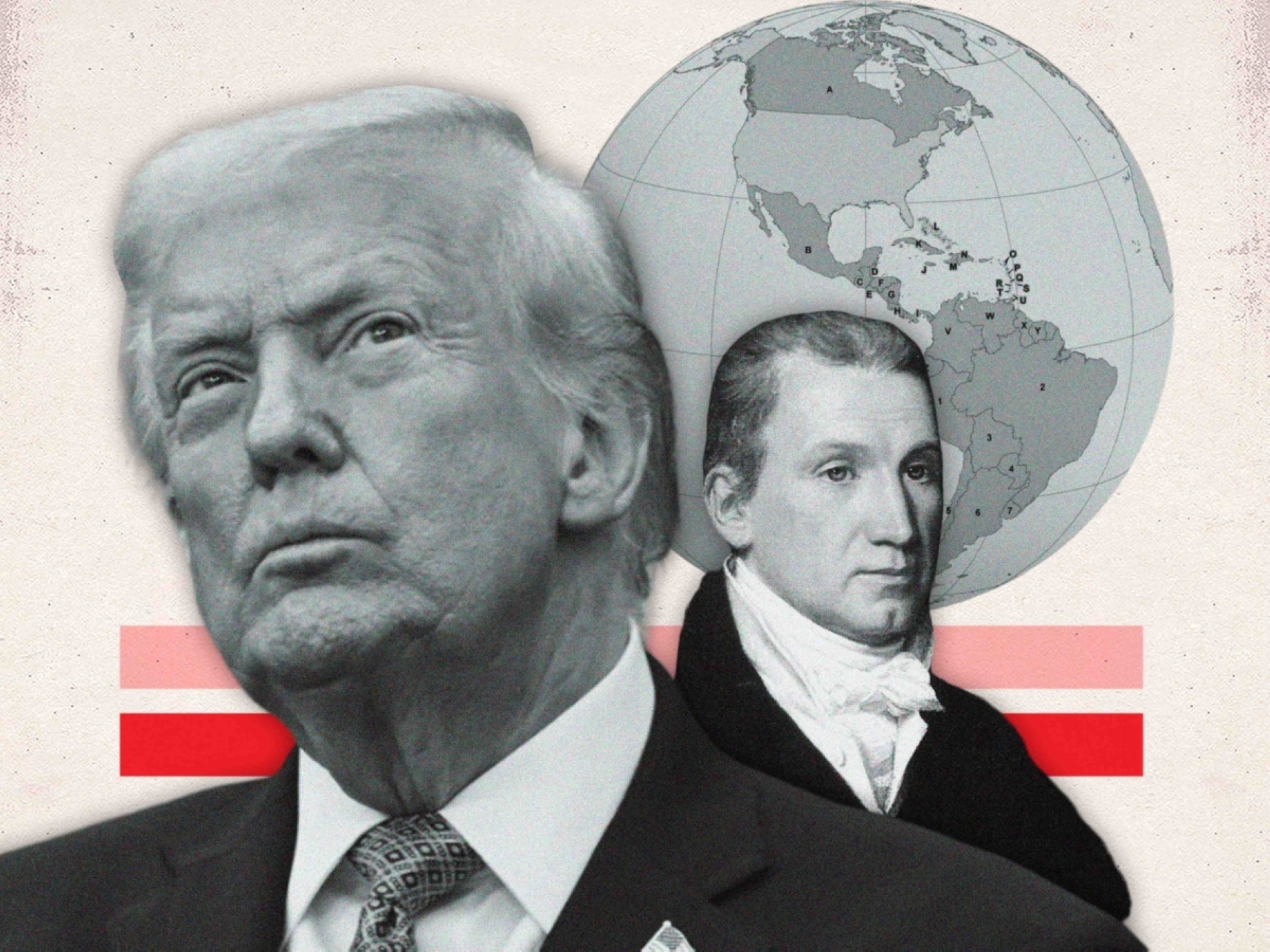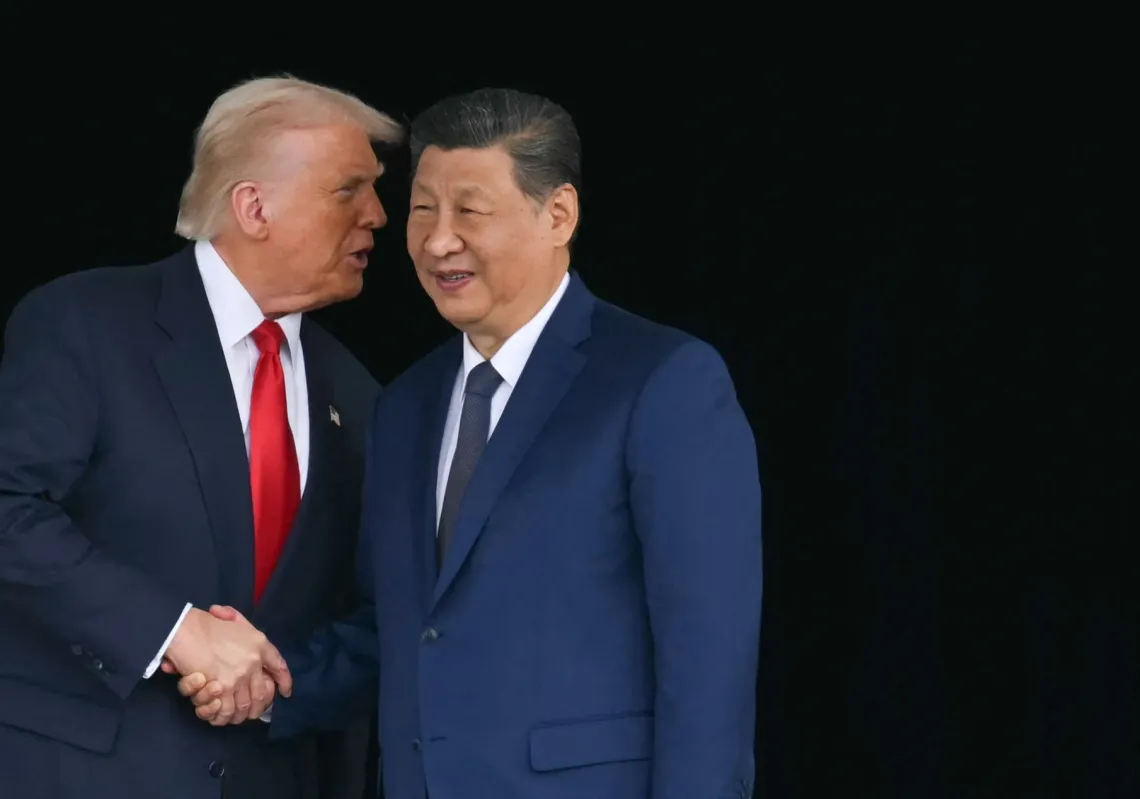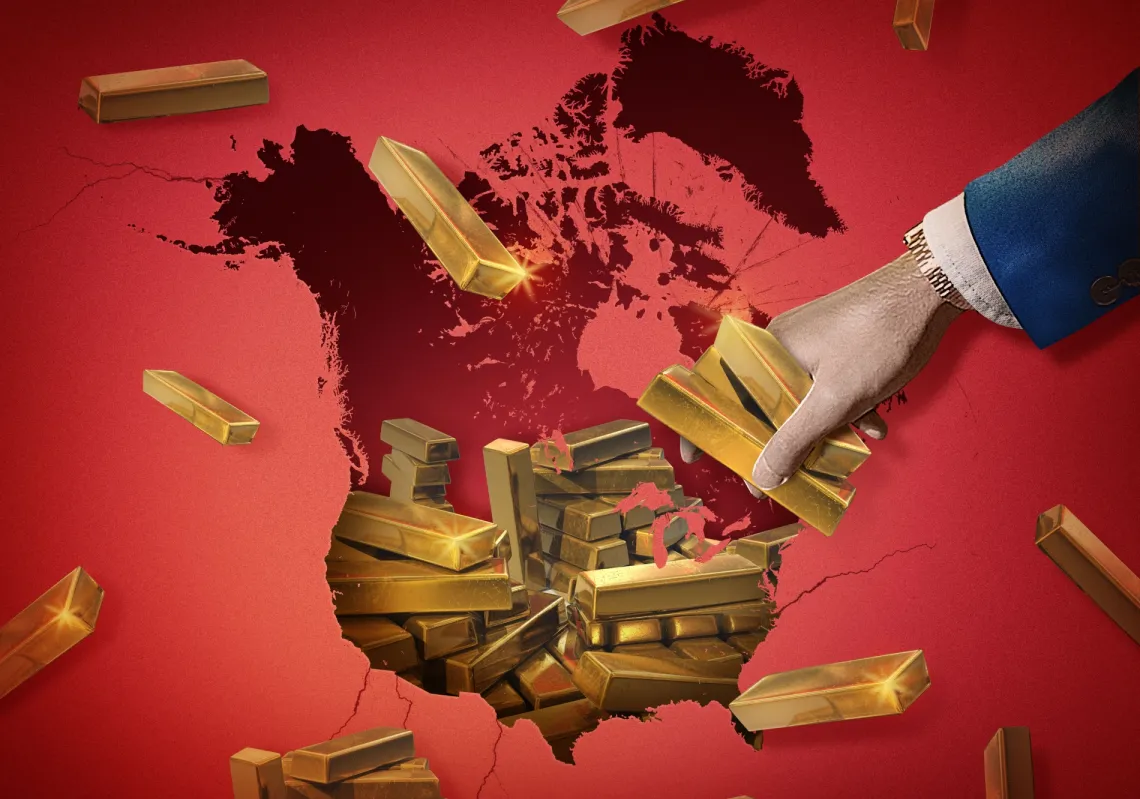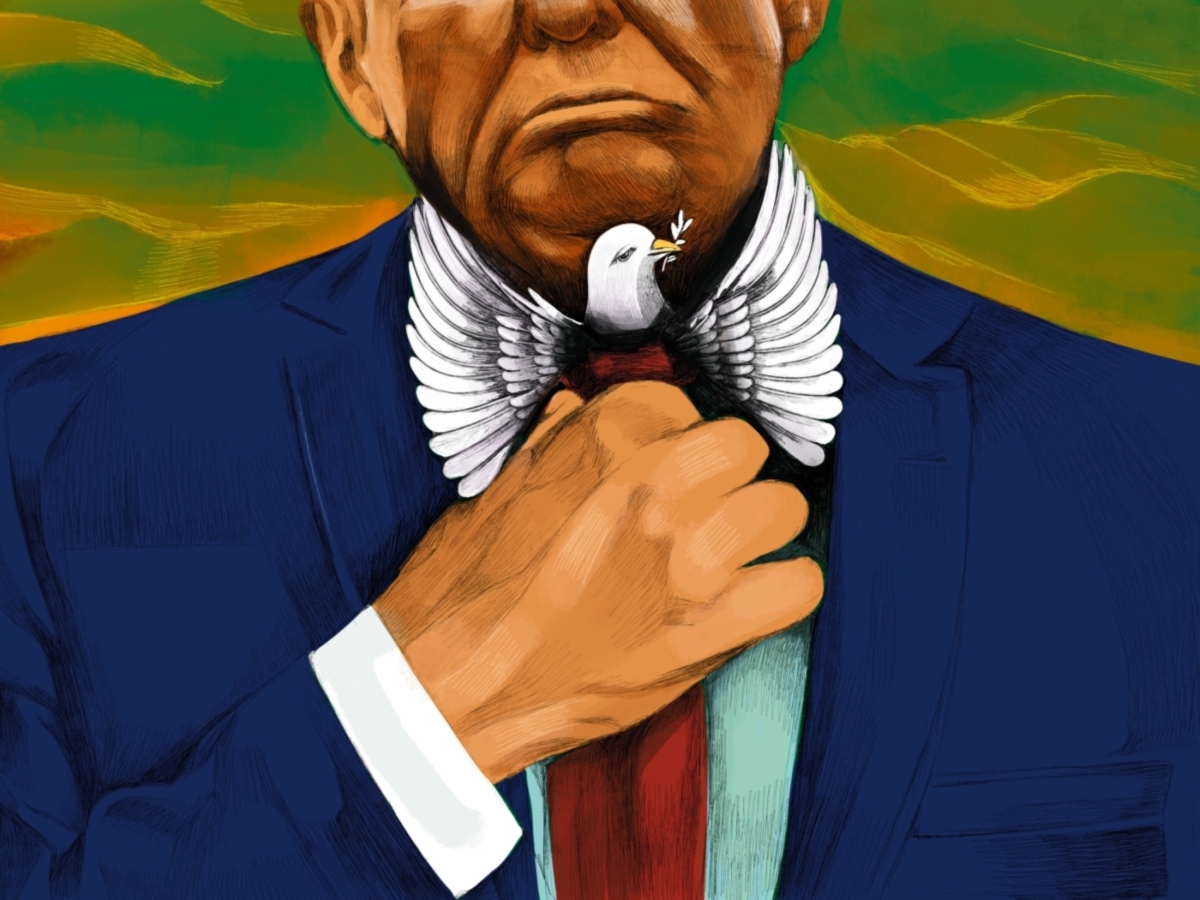

“The old world is dying,” Italian philosopher Antonio Gramsci wrote in 1930, “and the new world struggles to be born.” His Marxist convictions notwithstanding, Gramsci would feel at home in the Trumpian age. The old world, in this case, is the international order that the United States built in the West after World War II and then sought to globalise after its victory in the Cold War. That project brought world-changing peace, prosperity, and freedom. Yet today, the old order has run its course.
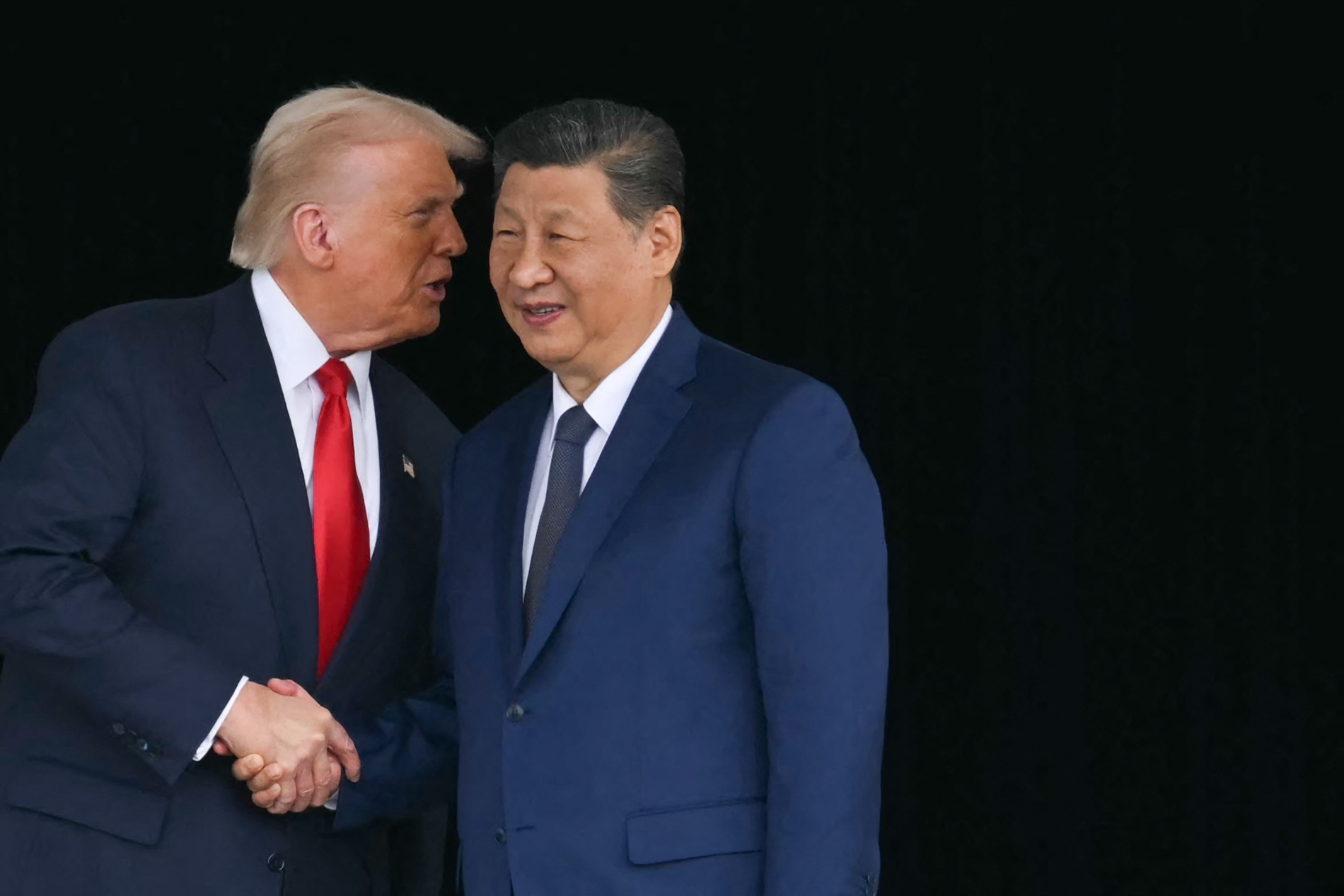
For years, revisionist states, especially China and Russia, have been chipping away at that order, and now, the United States sometimes seems to be at war with it as well. Ten years hence, the world will look very different. What we don’t yet know is what awaits on the far side of our interregnum—what form that new world will take.
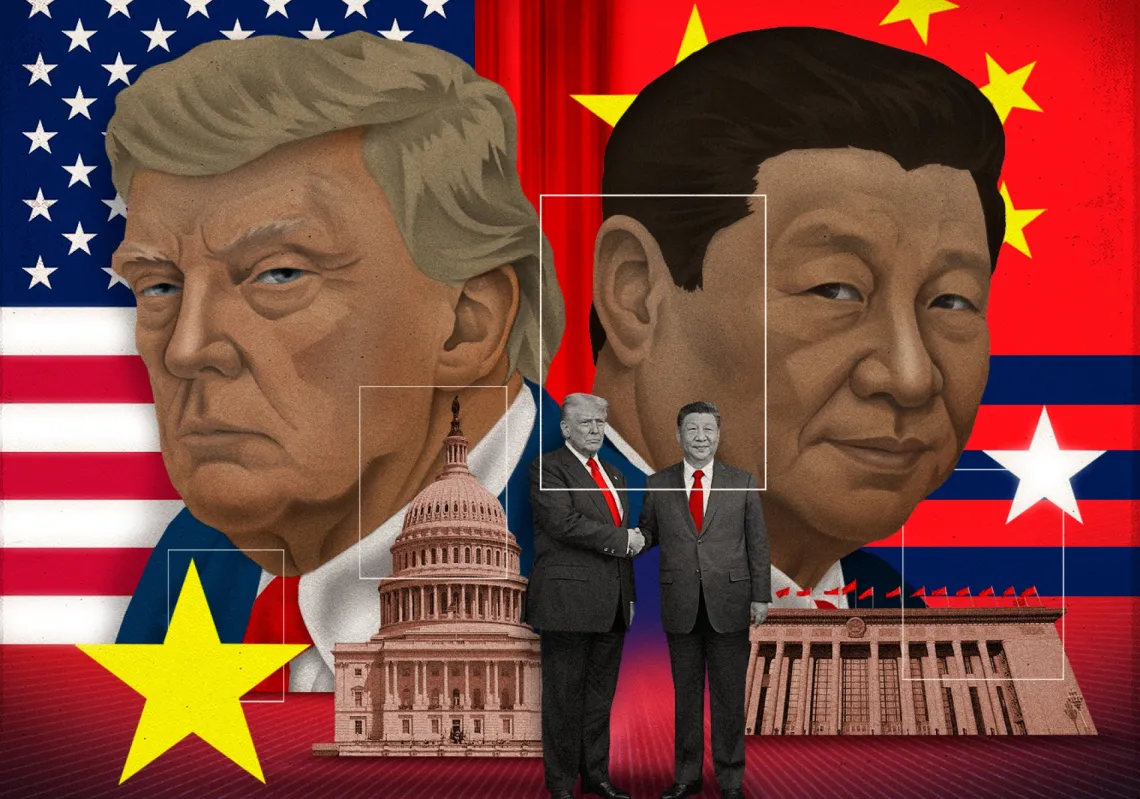
One possibility is a two-worlds scenario reminiscent of the Cold War, in which the globe is divided into duelling blocs led by Washington and Beijing. A second possibility is an age not of two blocs but of several empires, in which an array of potentates capture regional spheres of influence. A third possibility is a self-help world, in which US behaviour turns predatory and plunges the system into an anarchic abyss.
The current moment feels so precarious because each of these scenarios is plausible—and each finds support in the foreign policy of a conflicted superpower. Much remains contingent; much hinges on US decisions and electoral cycles ahead. But exploring what lies beyond our interregnum is the first step in girding for a world that—even in the best-case scenario—will be more fractured and ferocious than the one we’ve left behind.
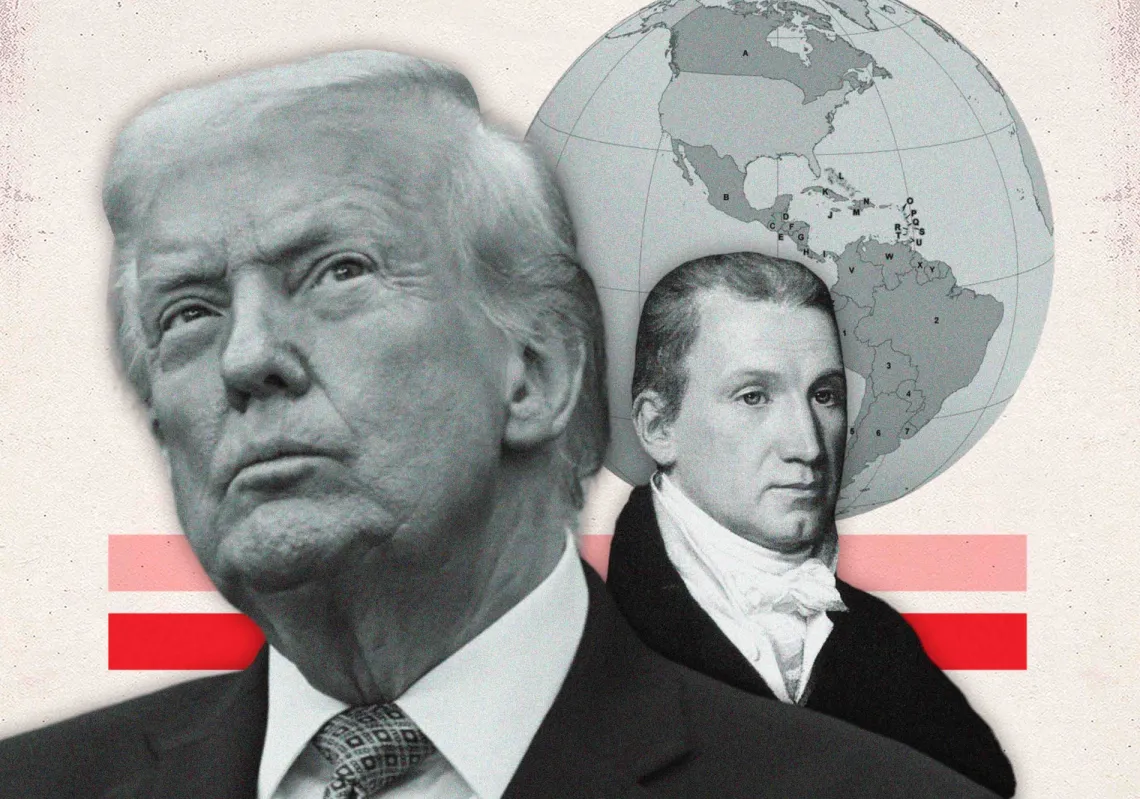
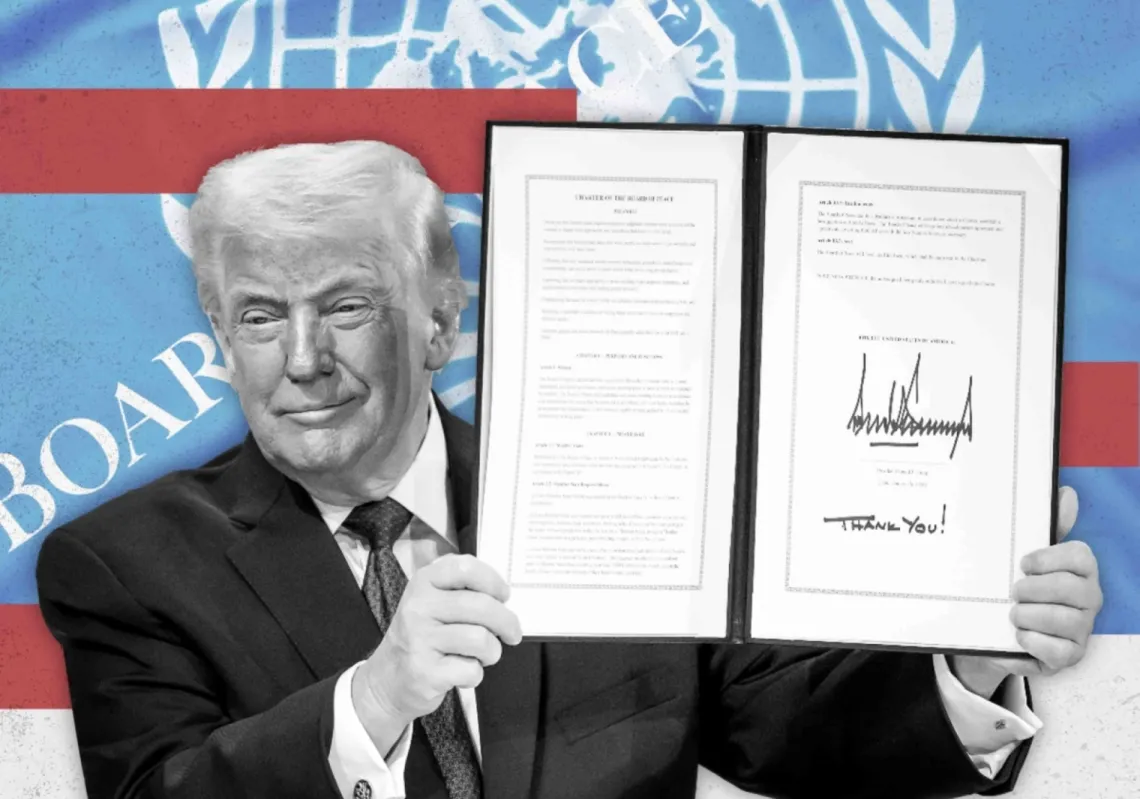
The contemporary world is an American creation. After World War II, the United States erected globe-spanning alliances around the margins of Eurasia. It revived devastated nations and rebuilt global trade. It defended freedom of navigation in distant waterways and provided other public goods. The United States, not the United Nations, was the closest thing to world government. These policies underpinned a flourishing Western system, which then defeated the Soviet Union and became an expanding liberal order after the Cold War.
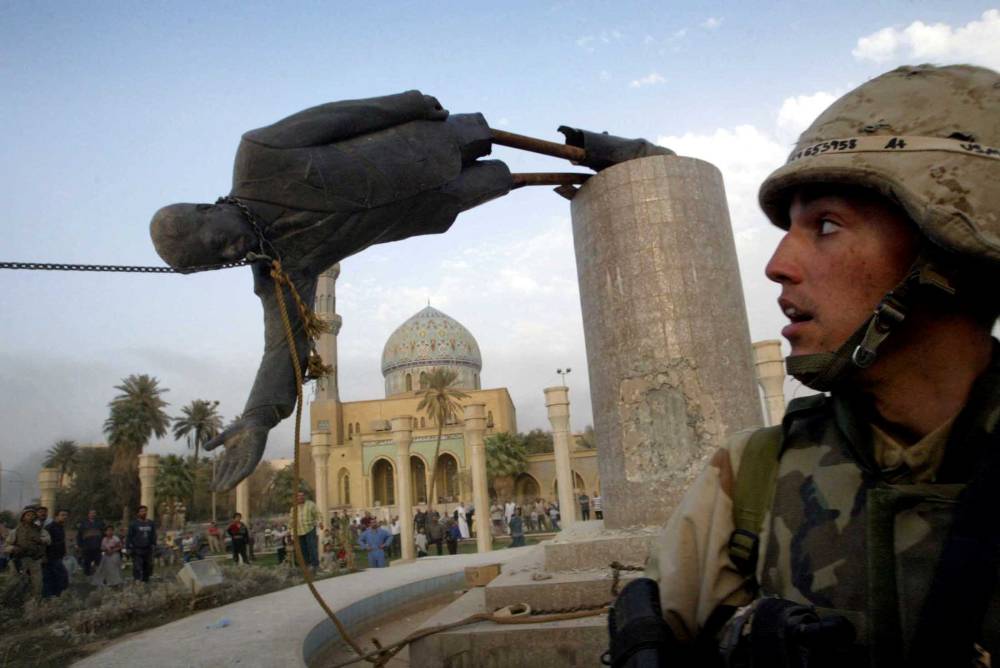
Like all heroic achievements, this one has its myths, elisions, and exaggerations. Washington sometimes secured a liberal order with illiberal expedients, such as brutal military interventions and covert intrigues. Odes to allied solidarity neglect the vitriolic disputes, from the Suez crisis in 1956 to the US-led invasion of Iraq in 2003, that rocked the democratic world.
The United States flouted or changed its own rules when they became inconvenient, as when it ditched the Bretton Woods system of international finance in 1971. There’s no order without hypocrisy and coercion.
But for the most part, Pax Americana used remarkable power to support a remarkably broad view of self-interest—a sense that even a geographically isolated giant could thrive only by helping to make weaker countries prosperous and secure. That combination produced history-bending benefits.
After two world wars in one generation, the US-built order delivered decades of great-power peace. The US-led economy produced soaring living standards. US influence helped make democracy dominant and “state death”—the violent eradication of independent countries—shocking and rare. Washington, too, profited enormously and not just from living in a comparatively peaceful, vibrant era: Alliances and other networks of cooperation magnified its peerless power and enhanced its global reach.
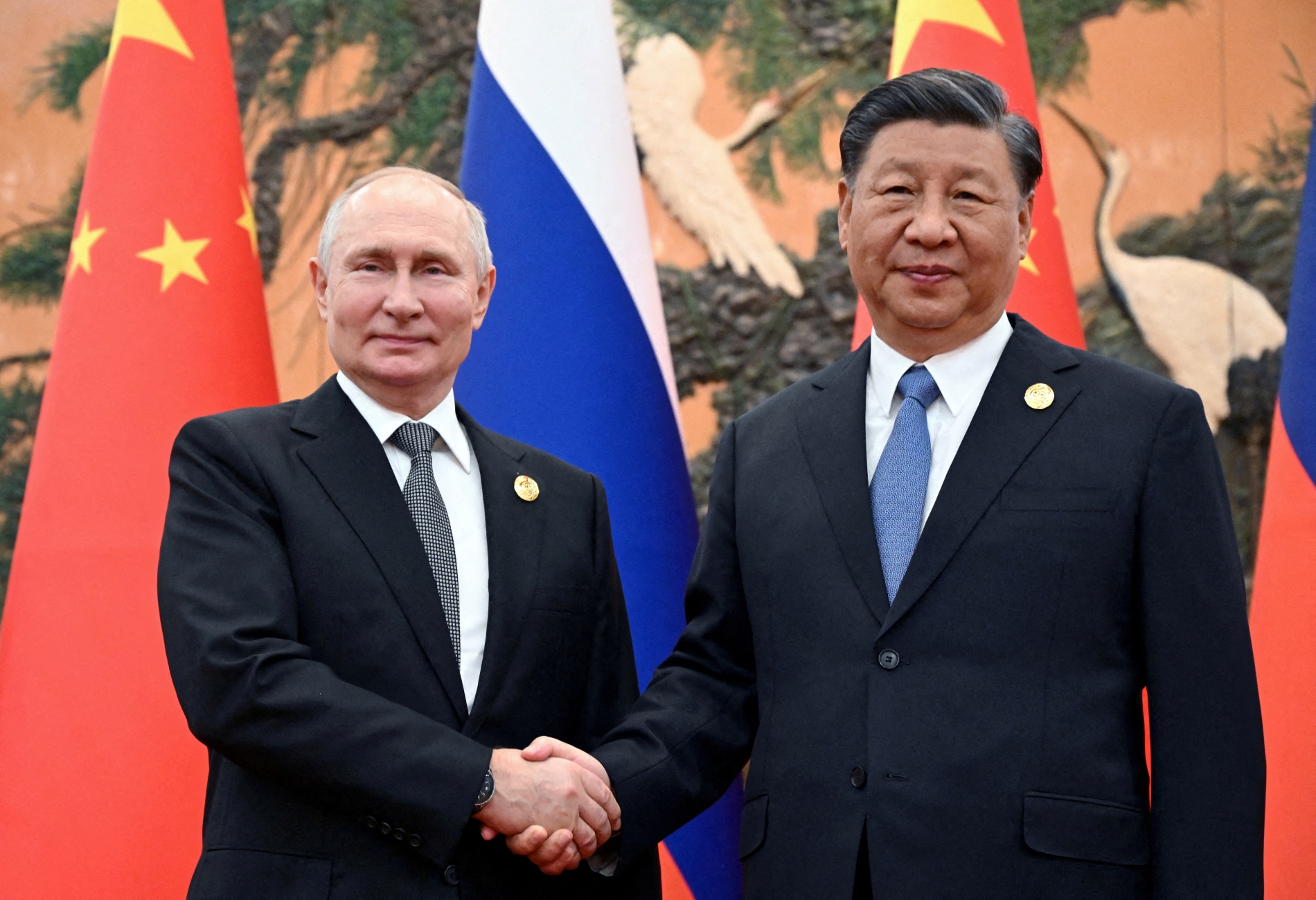
Nothing is permanent, however, and the US order—particularly the more globally minded version that arose after the Cold War—is reaching its end. That order is under siege from without: Beijing, Moscow, and their partners see it as a barrier to their ambitions and a threat to their autocratic regimes. They are battering the balance of power and critical norms, such as freedom of the seas and the prohibition of violent conquest, across the Eurasian supercontinent.
These states, especially China, have also destroyed the order from within: Beijing used its insertion into the global economy to build the manufacturing and military heft it now uses to challenge the United States. Meanwhile, Washington itself has become fatigued—perhaps fatally disillusioned—with its own creation.
That ambivalence stems from real problems: persistent imbalances and free-riding in US alliances, the economic and physical insecurity that accompanied globalisation, the blowback caused by US wars in the greater Middle East, and the ways the liberal order abetted China’s rise. It is now manifest in an administration that, at a minimum, often argues that reviving US power requires tearing the system down and aims to aggressively renegotiate the terms of US engagement.
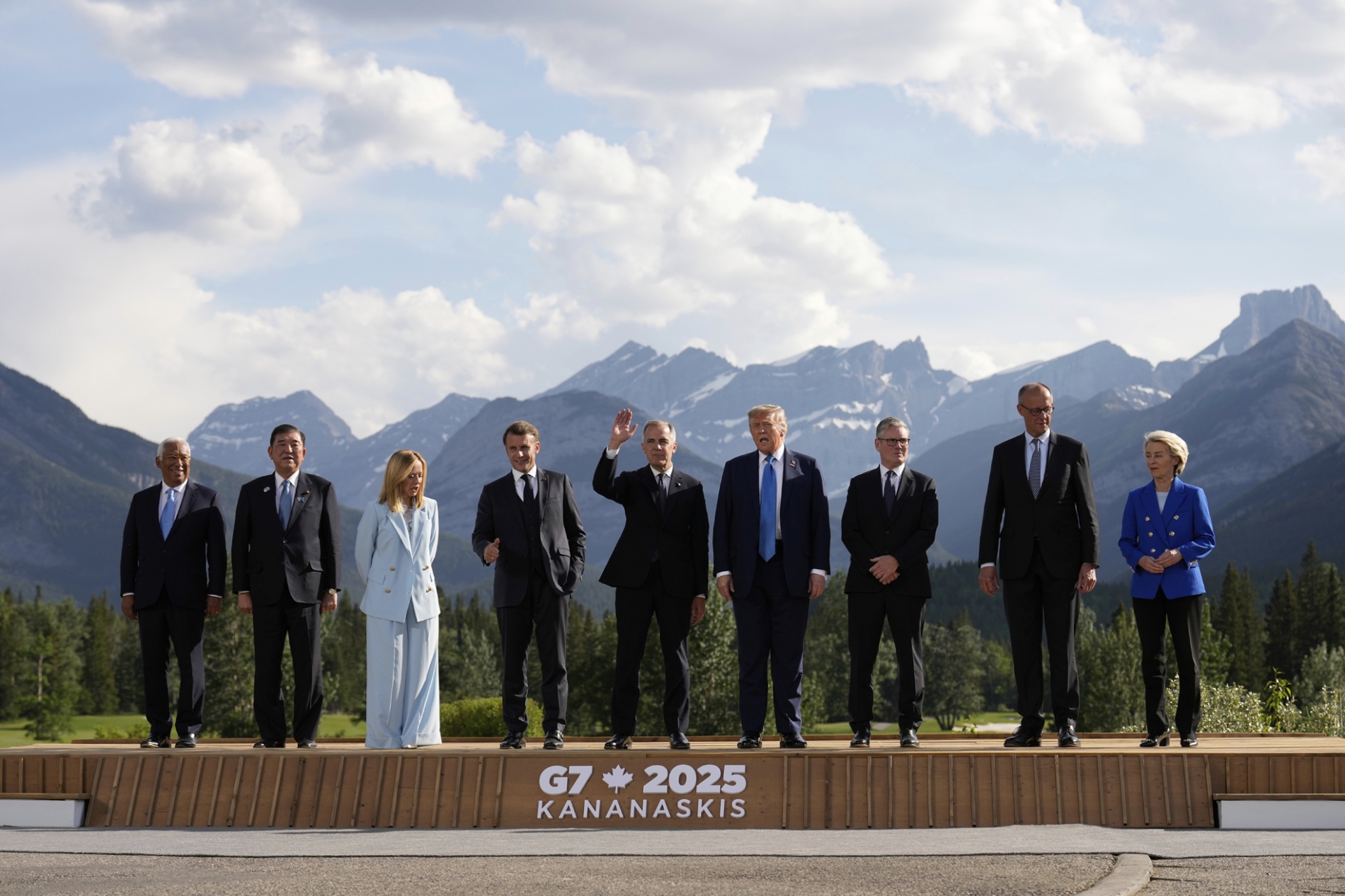
Thus, the unsettled feel of our moment. Washington’s power remains unequalled. Key structures of the prevailing order, such as US alliances and the G-7, are still intact. But the prognosis for that order seems grim, perhaps even terminal. What happens once the death throes are complete?
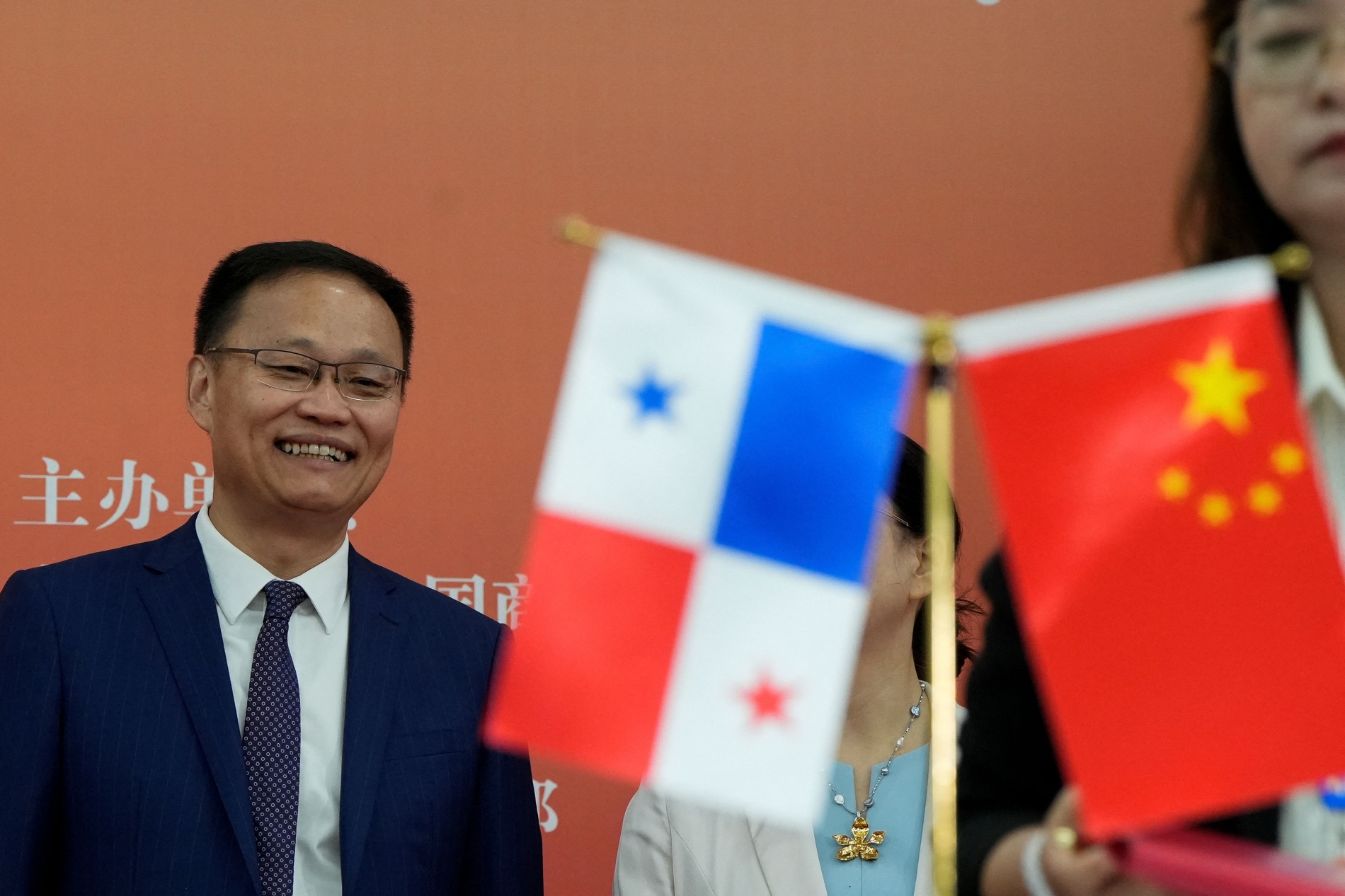
For much of the last decade, it seemed that one US-led world would be followed by two worlds—that the dream of an integrated global order would give way to a brawl between blocs. In this scenario, a Chinese-led bloc would include the aggressive Eurasian autocracies, along with assorted fellow travellers from Cuba to Pakistan and swaths of the global south.