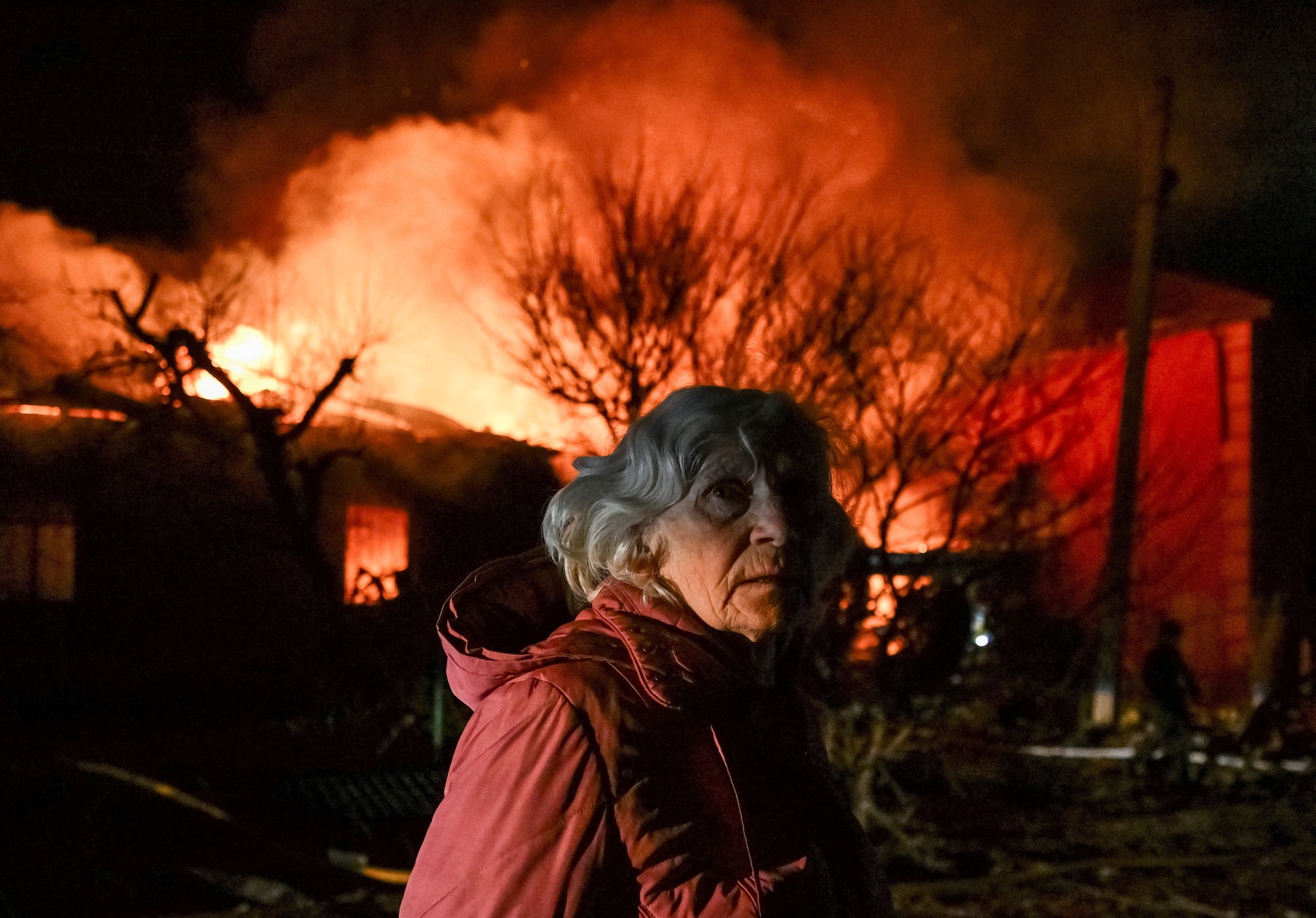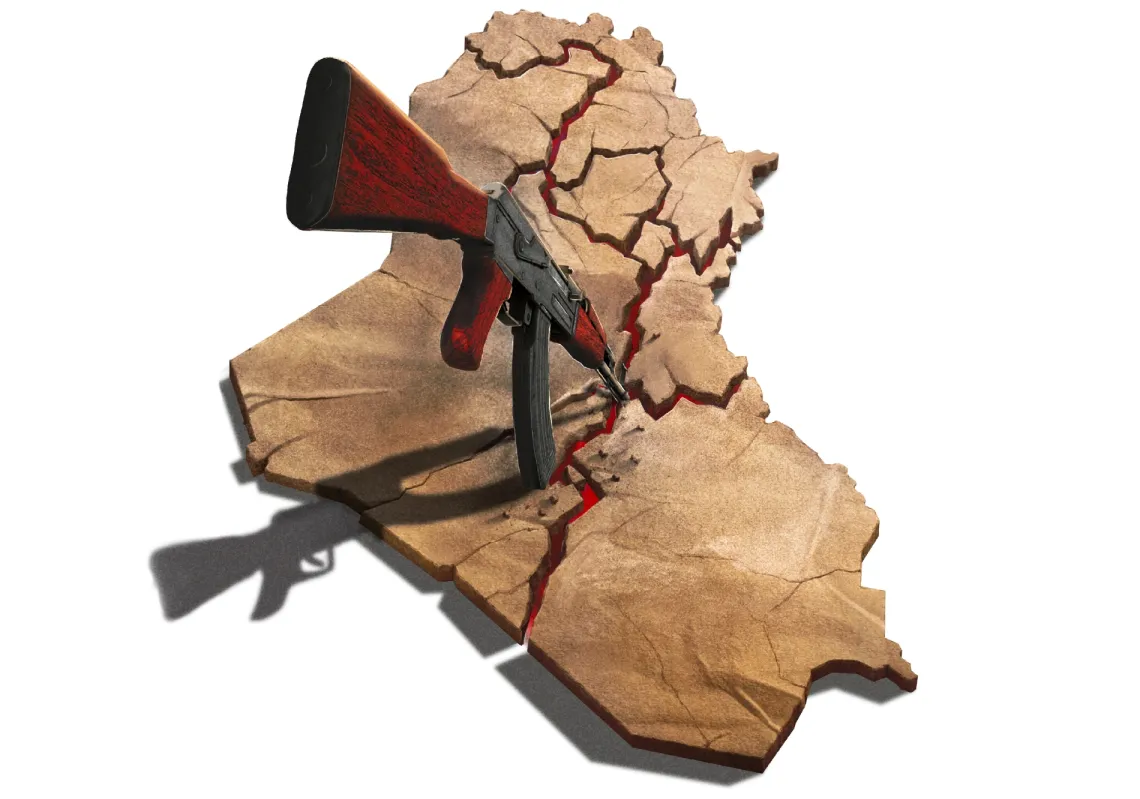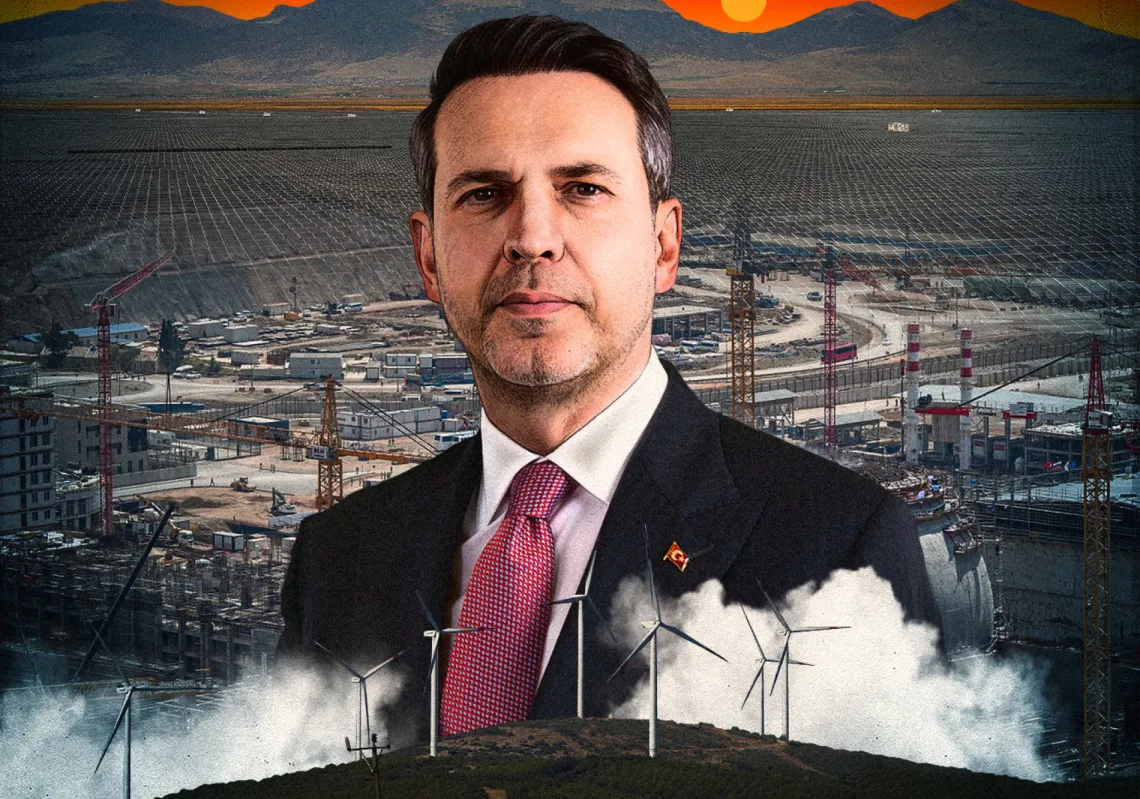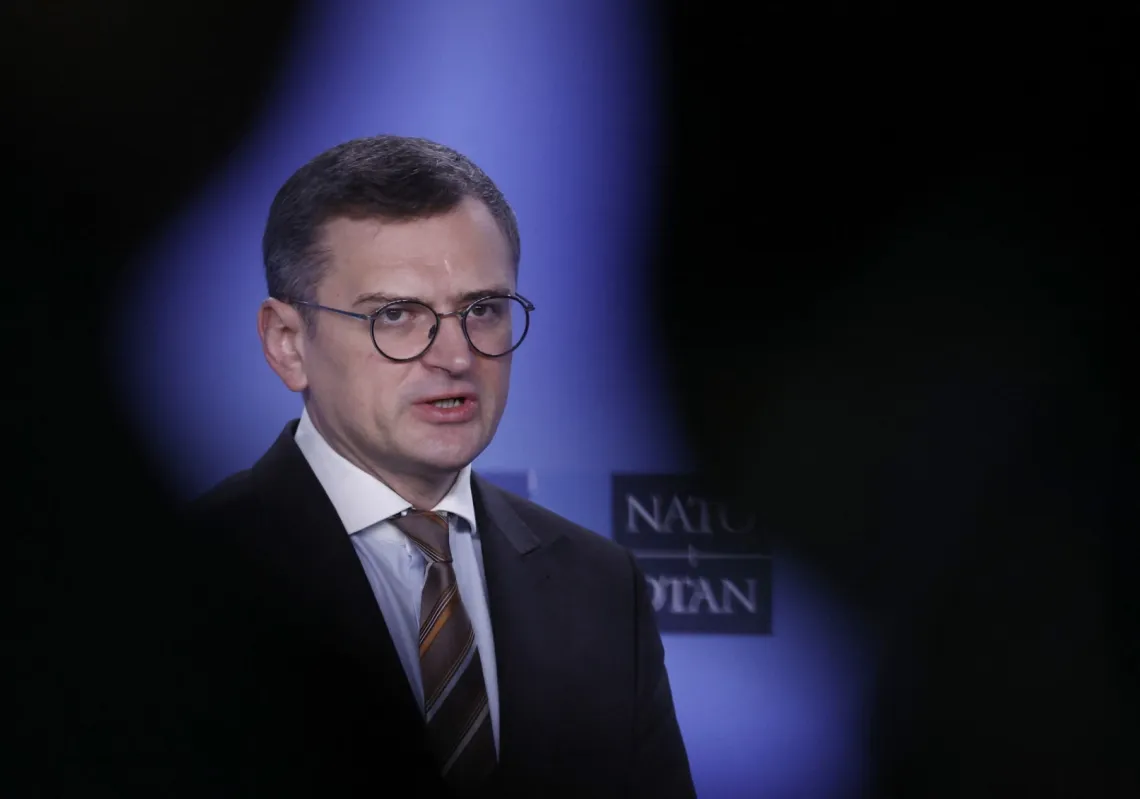

The world is now passing through an era of ‘strategic unravelling’, and its proportions are catastrophic. Conflicts no longer remain confined to their immediate geographies. With grim persistence, they expand into regional wars.
Their prevalence stems from the breakdown of the post-1945 international order, designed to contain regional conflicts and prevent them from spilling across borders. This breakdown, in turn, stems from the erosion of deterrence, the polarisation of major powers, and the rise of externally sponsored non-state actors.
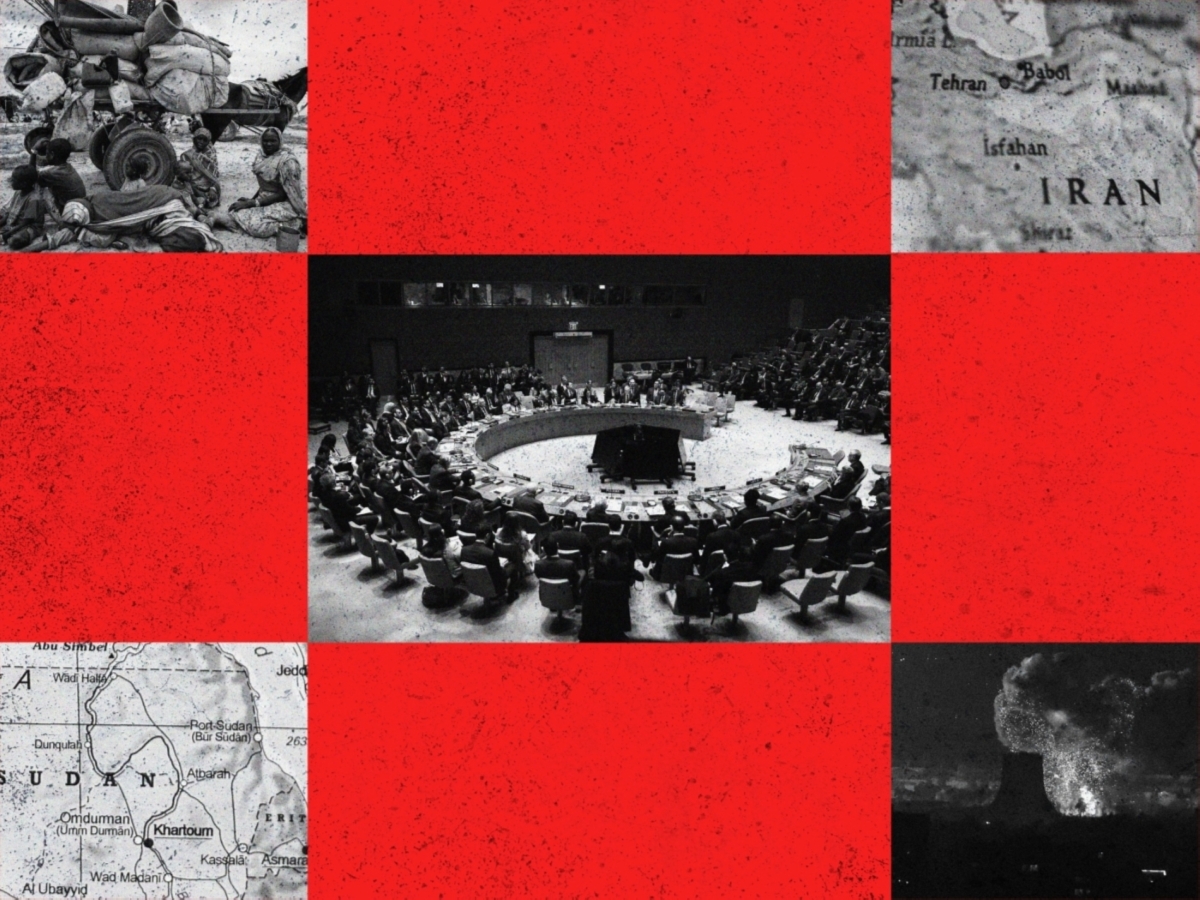
Multilateral institutions that have upheld the international order for 80 years have been structurally paralysed. The result has been a succession of armed geopolitical ruptures, from Ukraine to Sudan, Gaza to Iran. In many states, the national fabric has been completely unpicked, and vast humanitarian catastrophes have been inflicted (often on entire populations of unarmed people, such as in Gaza).
Iran erupts
The prevailing global order is both paralysed and existentially threatened, as each new conflict erupts before the embers of the last have cooled, and the US-Israeli war against Iran that began on 28 February is possibly the most acute expression of this paralysis.
Amid meek pleas for restraint from non-combatants and the United Nations, the US and Israel targeted Iran’s leaders, military, and nuclear facilities. Iran responded with ballistic missiles and drones, targeting not just Israel but American interests in neighbouring Gulf and Arab states.
Iran chose to widen the circle of confrontation by drawing its neighbours into the conflict under the logic of shared pain, exposing the region and wider world economically through rising gas oil prices, suspended supplies, and the closure of vital shipping lanes such as the Strait of Hormuz and, by extension, the Suez Canal. The past three weeks have therefore been an illustration of how a local war can spread.
Horn of Africa
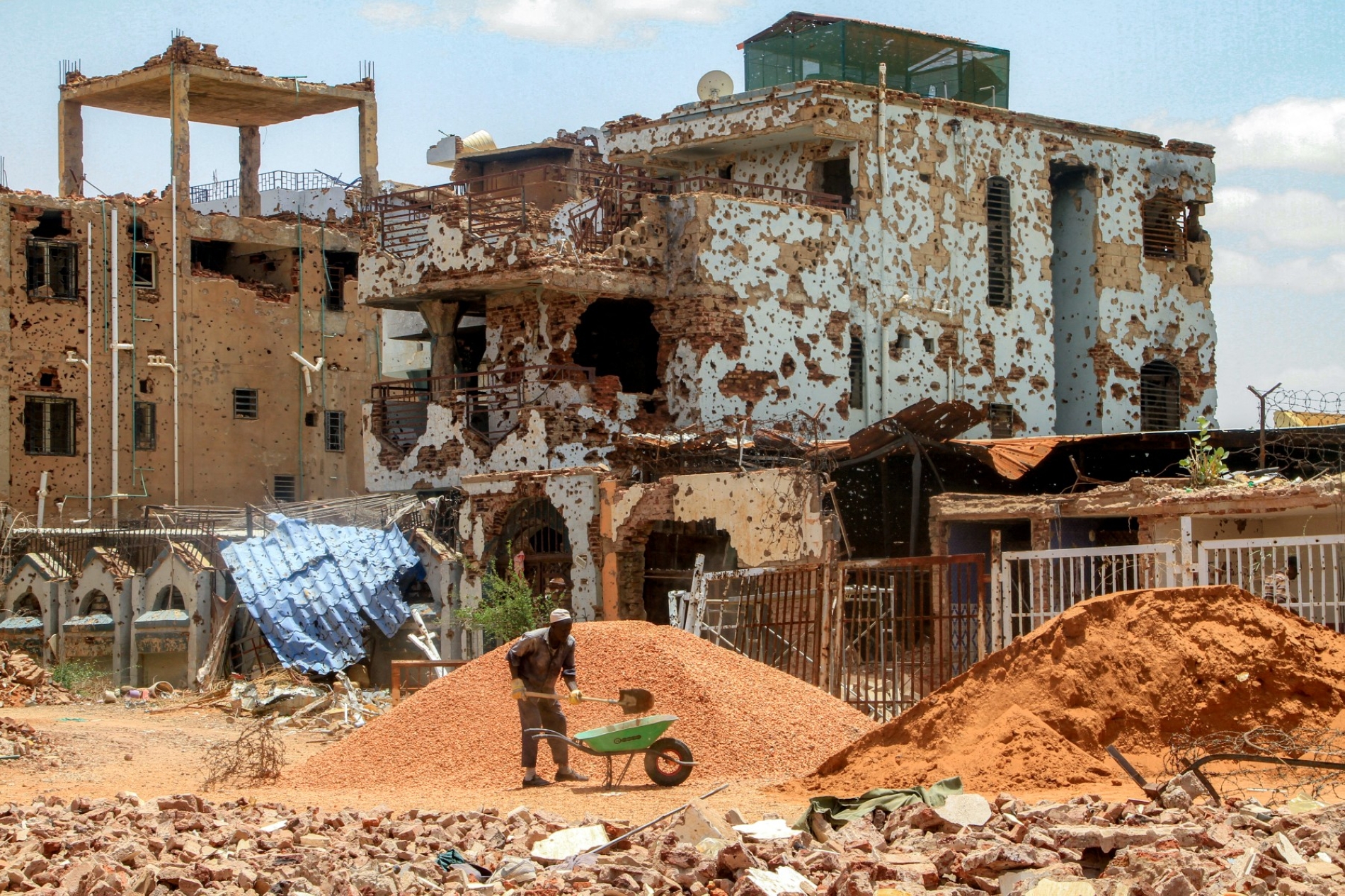
Across the Red Sea, the clearest sign of instability in the Horn of Africa remains the civil war in Sudan, which has raged since April 2023 and already drawn in several neighbouring states, including Chad, which has acted as a launching ground, supply base, and tactical rear area for the operations of the Rapid Support Forces (RSF) militia in western Sudan. Other reports indicate the involvement of Libya, Uganda, and Kenya in facilitating the flow of weapons and mercenaries to the RSF, alongside political and diplomatic support, and the granting of sanctuary on their territories.
On 2 March 2026, Sudan's Ministry of Foreign Affairs said the country had been attacked by drones launched from Ethiopia. The US State Department confirmed that it was aware. This follows reports that the RSF and its alleged backers in the United Arab Emirates (which denies supporting the group) had established recruitment and training camps in Ethiopia, featuring enlisted mercenaries.