
More than a year ago, Syria’s National Dialogue process was presented as a cornerstone of the country’s political transition after the fall of the Assad regime. It was supposed to help rebuild the state and restore a measure of political consensus after more than a decade of war.
Officials promised a detailed report summarising the debates and recommendations that emerged from the process, one meant to help guide the transition. That report has never been published. More than a year later, Syrians still have no comprehensive account of what was said, which priorities emerged, or what ideas were advanced.
That is not a minor procedural lapse. In any political transition, transparency is essential. When a process is opaque, doubt spreads, trust weakens, and polarisation deepens.
Publishing the process’s outcomes would do more than honour an overdue promise. It could provide the foundation for the broader national dialogue Syria urgently needs before those divisions harden further.
Unfulfilled promise
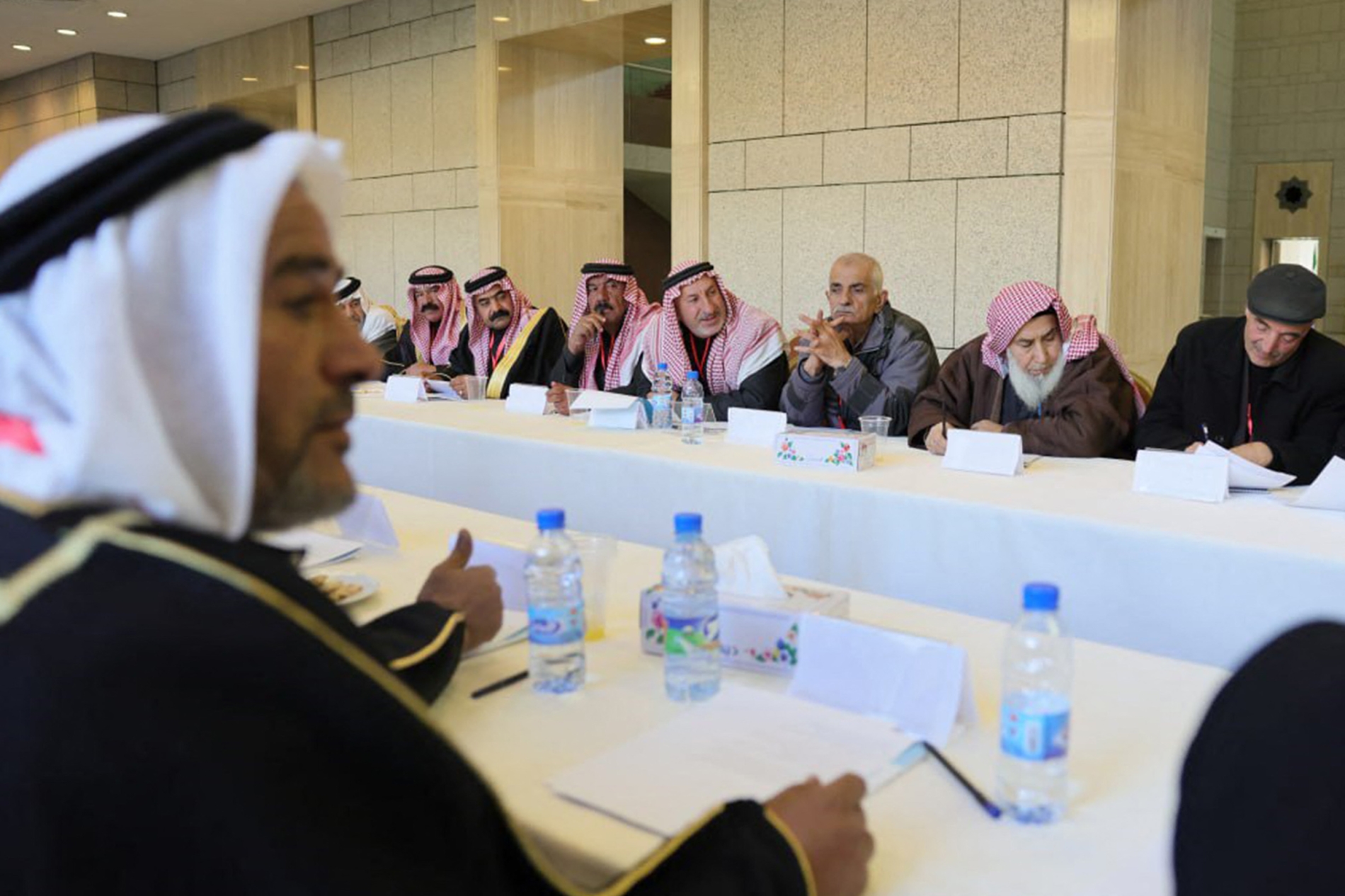
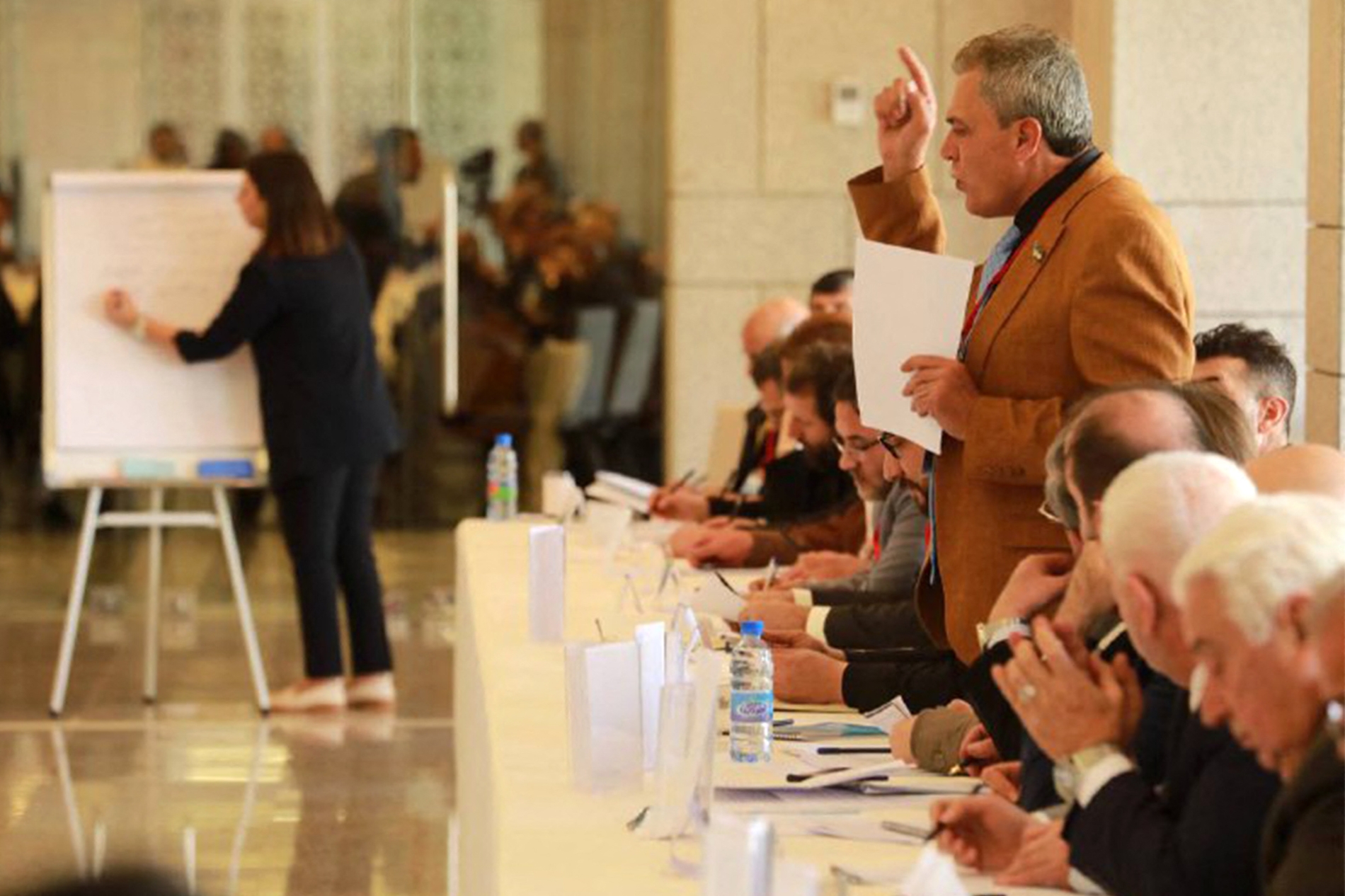
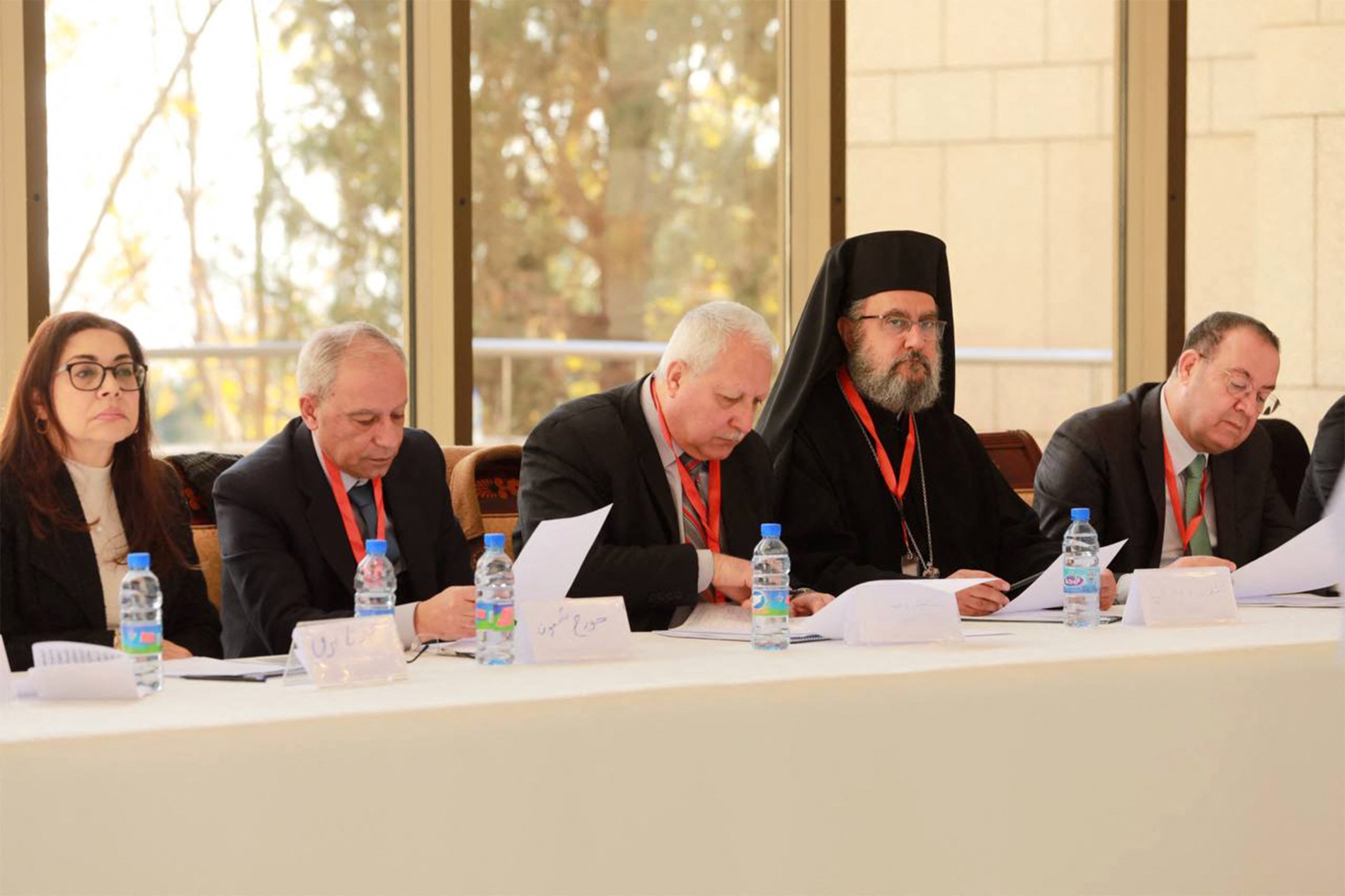
The National Dialogue process was intended to provide Syrians from across the country with a forum to debate the country’s future at a pivotal moment. In its final phase, it culminated in a two-day conference where participants were divided into thematic working groups on governance, economic recovery, transitional justice, and national reconciliation. Their aim was to identify priorities and formulate recommendations for the transitional authorities.
When the conference concluded, officials promised that a detailed report would soon follow. That document was supposed to do several things at once: provide the public with a transparent account of how the dialogue unfolded, clarify the reforms Syrians were calling for, and offer policymakers a preliminary roadmap for translating broad aspirations into practical steps.
That promise was never fulfilled. More than a year later, neither a full record of the proceedings nor a comprehensive set of recommendations has been released. Beyond broad claims that the conference was successful and occasional references to its themes, Syrians still do not know what was actually debated behind closed doors. More importantly, they have no way of knowing whether those discussions shaped the transition in any meaningful way. In a country where trust is already fragile, that silence has become politically consequential.
The rushed rollout of Syria’s national dialogue raised immediate questions about its seriousness. The failure to publish any meaningful record of what followed has only sharpened them. What might once have been seen as an imperfect but worthwhile exercise now risks looking opaque, performative, and politically hollow.
Suspicion confirmed
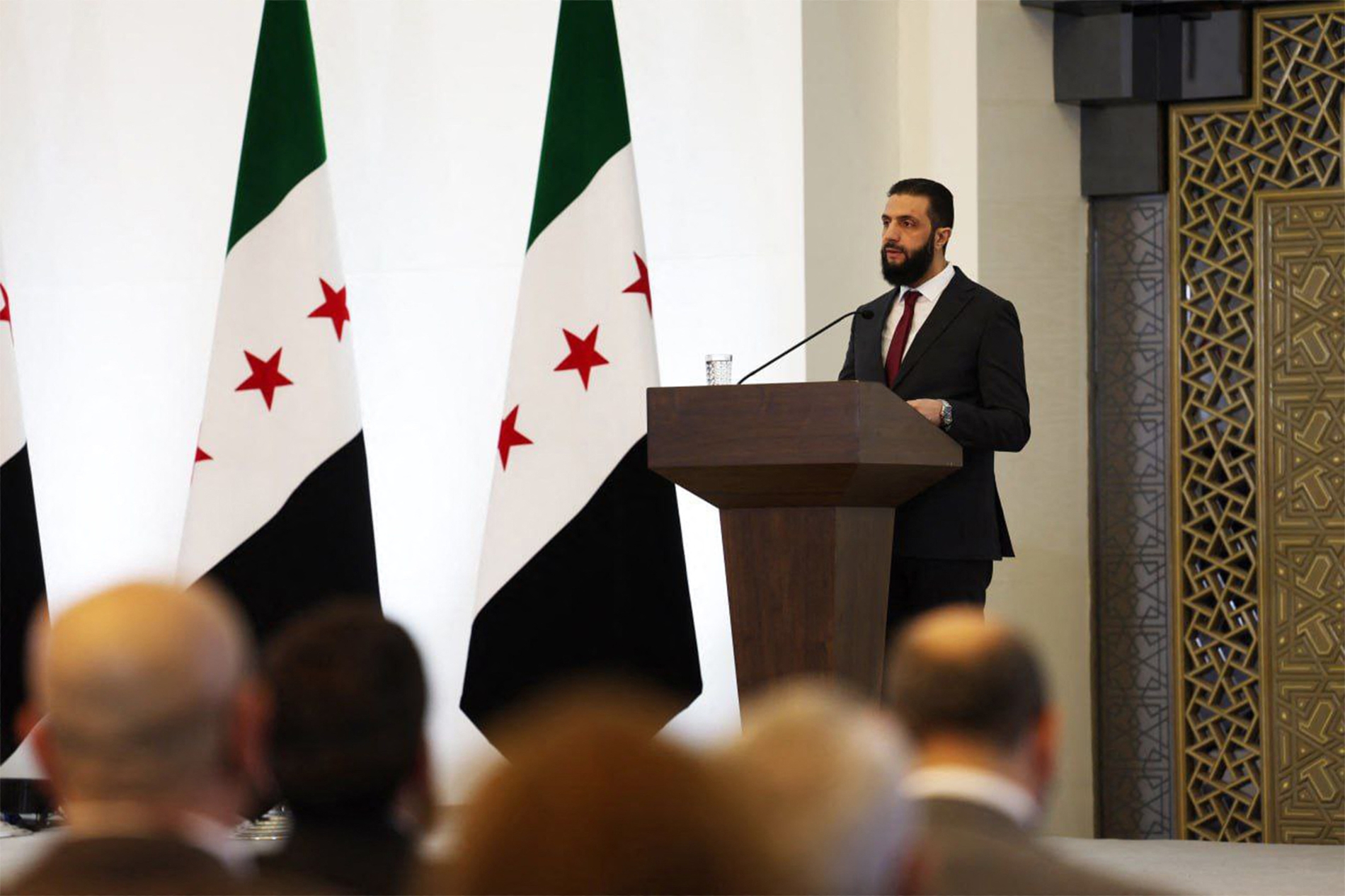
From the beginning, critics worried that the process was less about giving Syrians a real role in shaping their country’s future than about projecting the appearance of inclusivity. But even if the conference fell short of that larger goal, the discussions that took place still have value.
National dialogue processes, particularly in fragile transitions, rarely deliver instant consensus or neatly packaged policy solutions. Their value often lies elsewhere: in identifying priorities, clarifying points of disagreement, and opening channels for continued negotiation.
The political costs of withholding that record are real. When dialogue processes appear opaque or inconsequential, public confidence erodes quickly. Syrians who participated in the conference or hoped their concerns would be represented there may reasonably conclude that their voices had little effect. Over time, that perception can deepen political apathy and reinforce distrust in the transition itself.
That erosion of trust does not stop with a single conference or process. It shapes how people interpret future consultations, official statements, and reform efforts. It reinforces the belief that political participation is performative rather than meaningful. In a fragile transition, that perception can be deeply damaging.
High stakes
The stakes are especially high at this stage of Syria’s transition. The country remains deeply fractured along political, regional, and social lines. Many communities continue to carry unresolved grievances from the war years. Others face fresh anxieties shaped by economic collapse, insecurity, exclusion, displacement, and the uncertainty of postwar governance. Without a credible mechanism for collectively addressing these tensions, polarisation may deepen to the point that constructive dialogue becomes even harder.
Lessons from other post-conflict societies suggest that inclusive national dialogue can help rebuild trust between citizens and state institutions, define shared national priorities, and create peaceful mechanisms for managing conflict. It is not a cure-all. But in fragmented societies, it offers a way for competing narratives and interests to be negotiated rather than imposed.
That is precisely what Syria needs. Rebuilding the state will require more than administrative reform or security stabilisation. It will require rebuilding a shared political conversation about the country’s future, one able to accommodate difference without collapsing into renewed violence. Its transition will succeed not only by restoring order but by building a political framework that different communities can accept as legitimate.